Northern Europe
Danish (Smørrebrød & Noma Tradition)
Also: Dansk mad, New Nordic, Scandinavian fine dining
A cuisine of open rye sandwiches, world-class pastry, and the revolutionary New Nordic movement that rewired how the world thinks about terroir and fermentation.
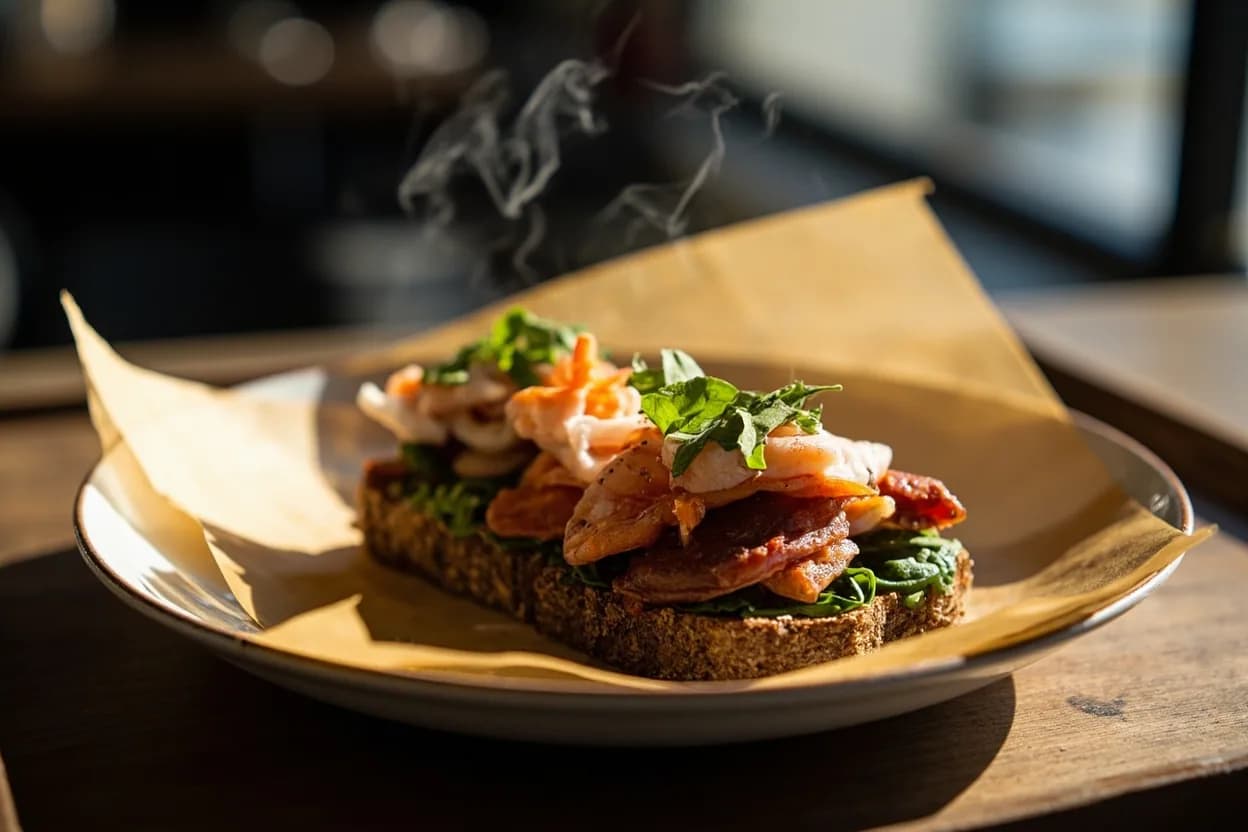
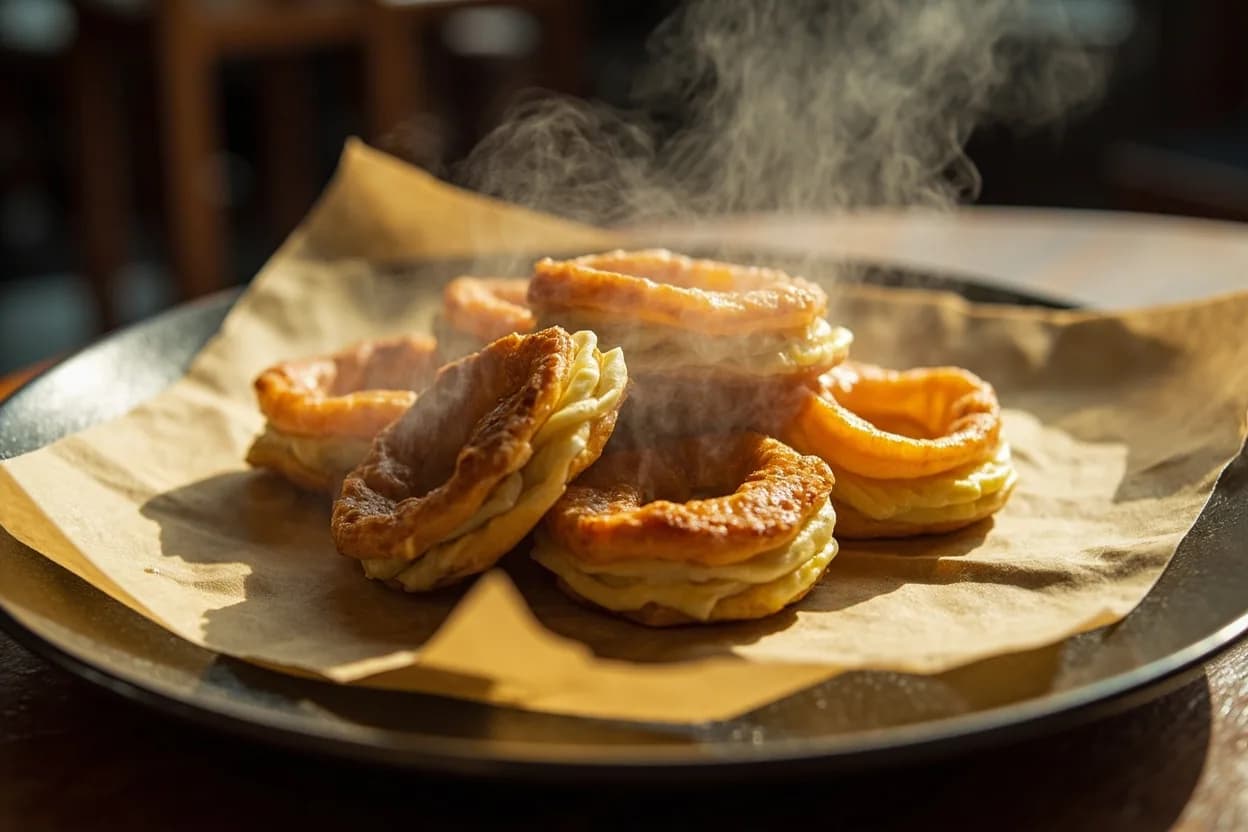
Danish cuisine occupies two simultaneous registers: the unpretentious everyday tradition of smørrebrød (open-faced rye bread sandwiches) and wienerbrød (Danish pastry), and the avant-garde New Nordic movement that, from Noma's 2003 opening, transformed fine dining globally. The everyday tradition is precise and ingredient-focused — a single, beautifully dressed topping on dense, sour rye bread. The New Nordic tradition took Denmark's existing foraging, fermenting, and curing heritage and pushed it toward radical minimalism: every element native to the Scandinavian growing region, nothing foreign accepted without interrogation. Both traditions share an underlying Danish commitment to high-quality base ingredients handled with care and restraint.
The flavour base
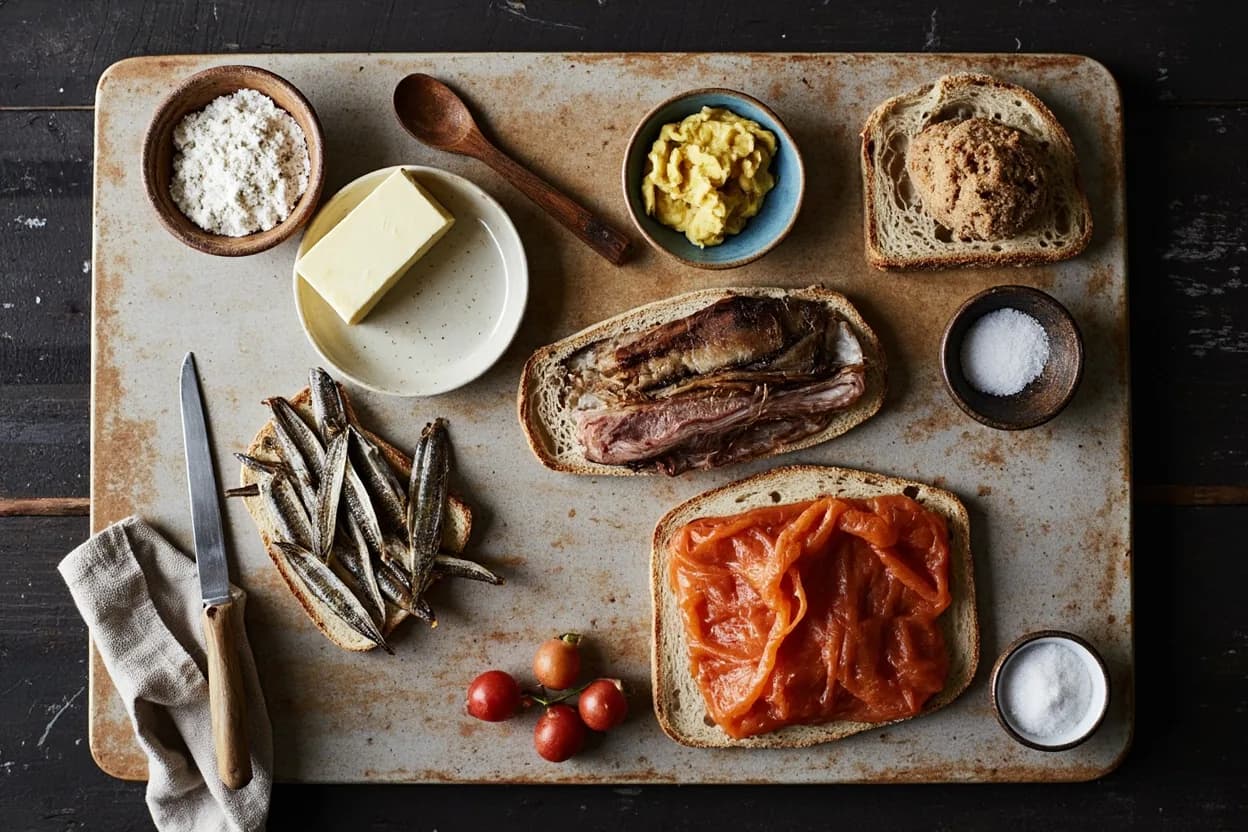
Dense sourdough rye bread (rugbrød) as the foundation of everyday eating; fermentation — lacto-fermented vegetables, kombucha, vinegars, aged cheeses — as the acidic backbone of fine-dining preparations; cold butter, mustard, and fresh dill as the classic everyday brighteners.
Pantry staples
Key ingredients
Signature techniques
Signature dishes
Danish (Smørrebrød & Noma Tradition) on the table
At the table
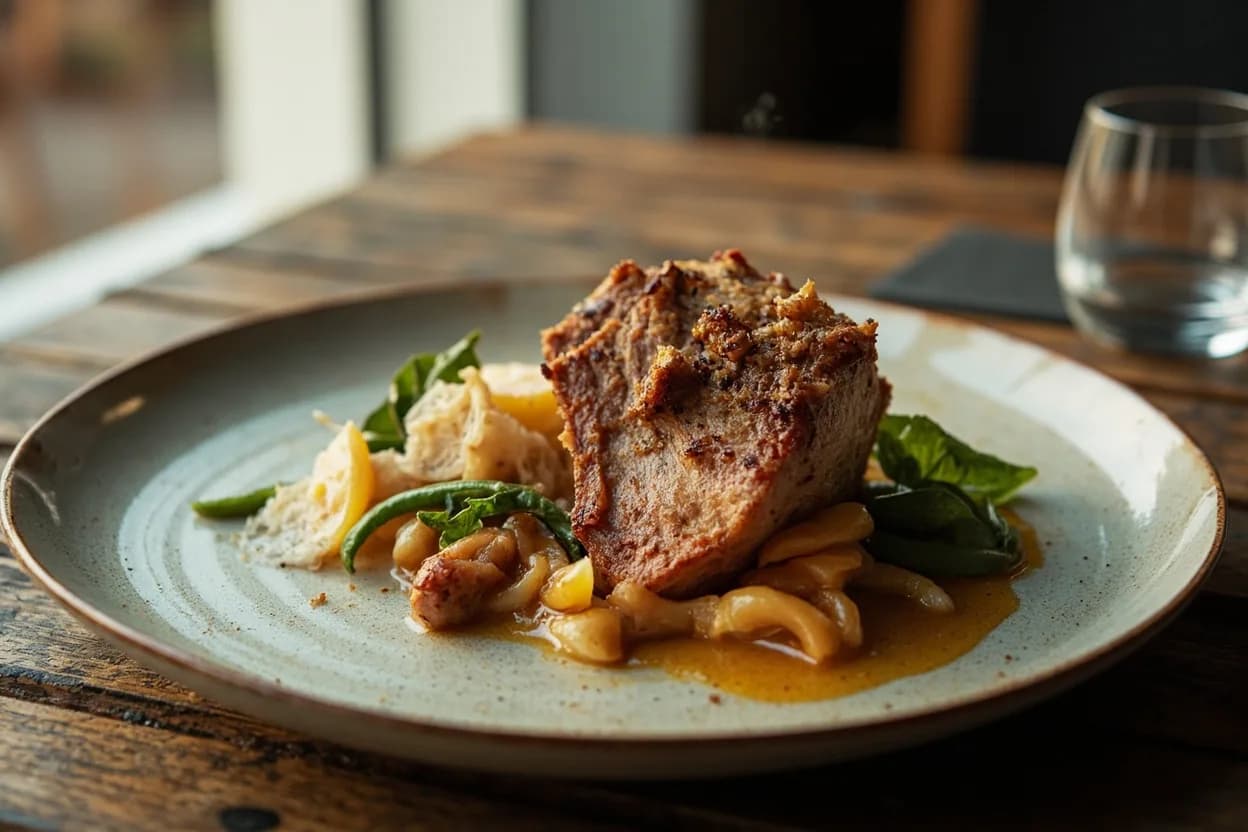
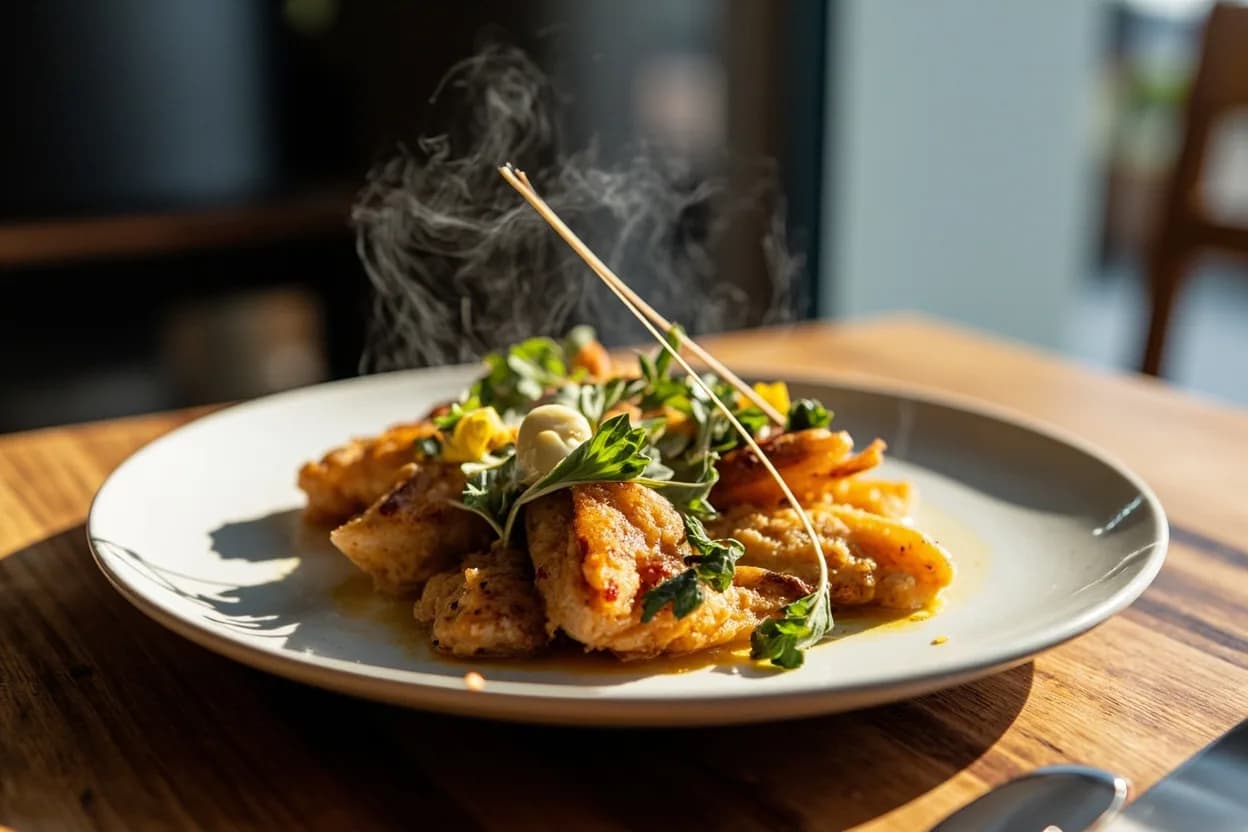
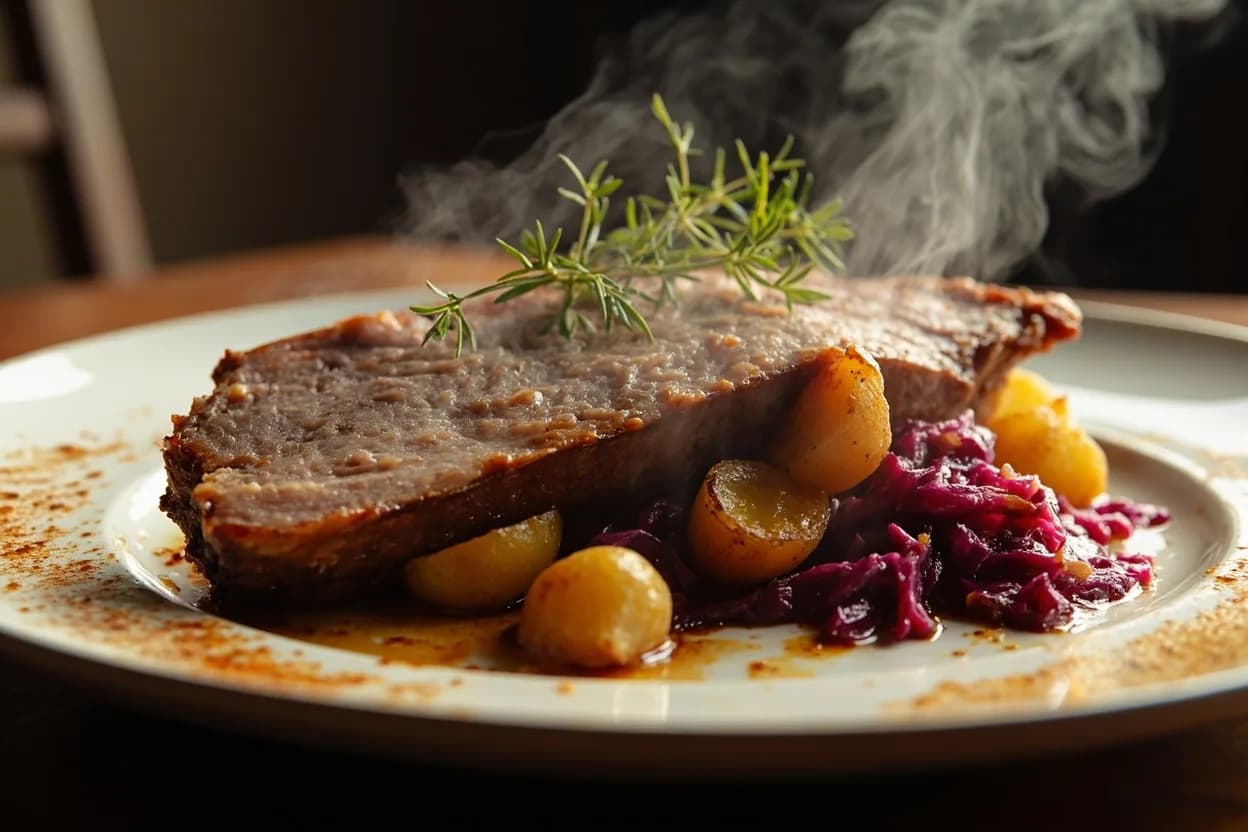
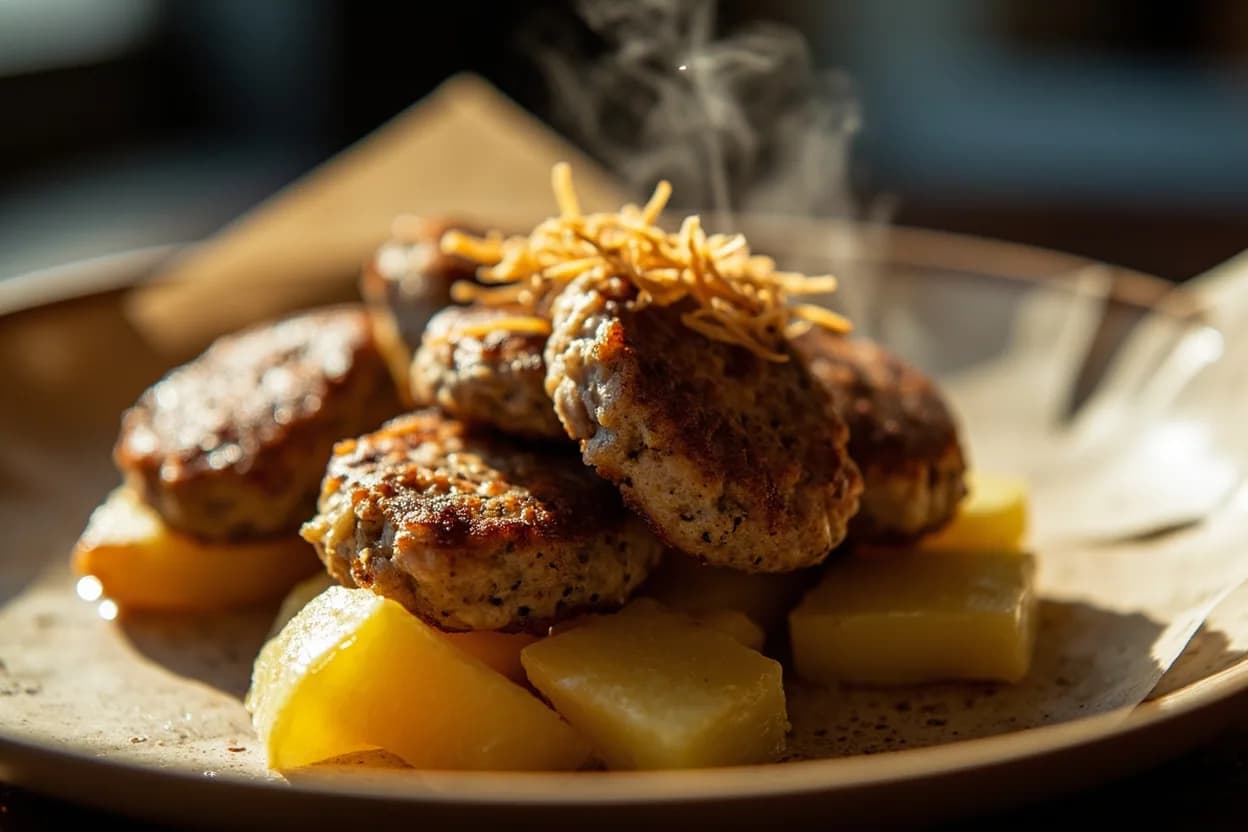
Smørrebrød is typically a midday meal, eaten in a specific sequence: herring first, then fish, then meat, then cheese. Dinner (aftensmad) is typically a single warm plate — roast pork, meatballs, or a fish dish — with boiled potatoes and cream sauce. Christmas Eve (julaften) brings an elaborate sequence: rice pudding, roast duck or goose, caramelized potatoes, and red cabbage. Coffee and pastry punctuate mornings.
History & context
Denmark's culinary history is inseparable from its agricultural landscape: a flat, fertile country that became one of Europe's most productive pig and dairy farmers by the 19th century. The smørrebrød tradition formalized in the mid-19th century as urban workers needed portable, sustaining lunches; dedicated smørrebrød restaurants (smørrebrødsforretninger) became a Copenhagen institution. The pastry tradition arrived via Viennese bakers brought to Denmark in the 1850s — the Danes refined and adapted it so thoroughly that Danes call it wienerbrød (Vienna bread) while the world calls it Danish. The New Nordic revolution, formalized in the 2004 New Nordic Kitchen Manifesto (signed by twelve chefs including René Redzepi), declared a return to local, seasonal, and native ingredients while embracing modernist technique. Noma held the World's Best Restaurant title multiple times and generated a generation of Danish and Nordic chefs redefining global fine dining.
Regional variations
- Copenhagen
The epicenter of New Nordic fine dining and the classic smørrebrød restaurant tradition; the city has the highest concentration of Michelin stars per capita in Scandinavia.
- Jutland (Jylland)
Heartland of pork farming; regional dishes include medisterpølse (spiced pork sausage), eel from the fjords, and hearty peasant stews.
- Bornholm
Island with a distinctive smoking tradition — Bornholm smoked herring (bornholmsk røget sild) is a protected product; also known for artisan ice cream and strong cheeses.
- Funen (Fyn)
Birthplace of Hans Christian Andersen; fertile agricultural island with strong apple, cherry, and pork traditions.
Related cuisines
Parallel smörgåsbord tradition; both center on pickled herring and open sandwiches; Swedish meatballs and Danish frikadeller are close cousins.
Shared preservation logic and New Nordic influence; Norway's New Nordic restaurant scene developed in dialogue with Copenhagen.
Southern Jutland (Sønderjylland) has historical German-Danish overlap; shared love of pork, rye bread, and mustard.
Canonical recipes
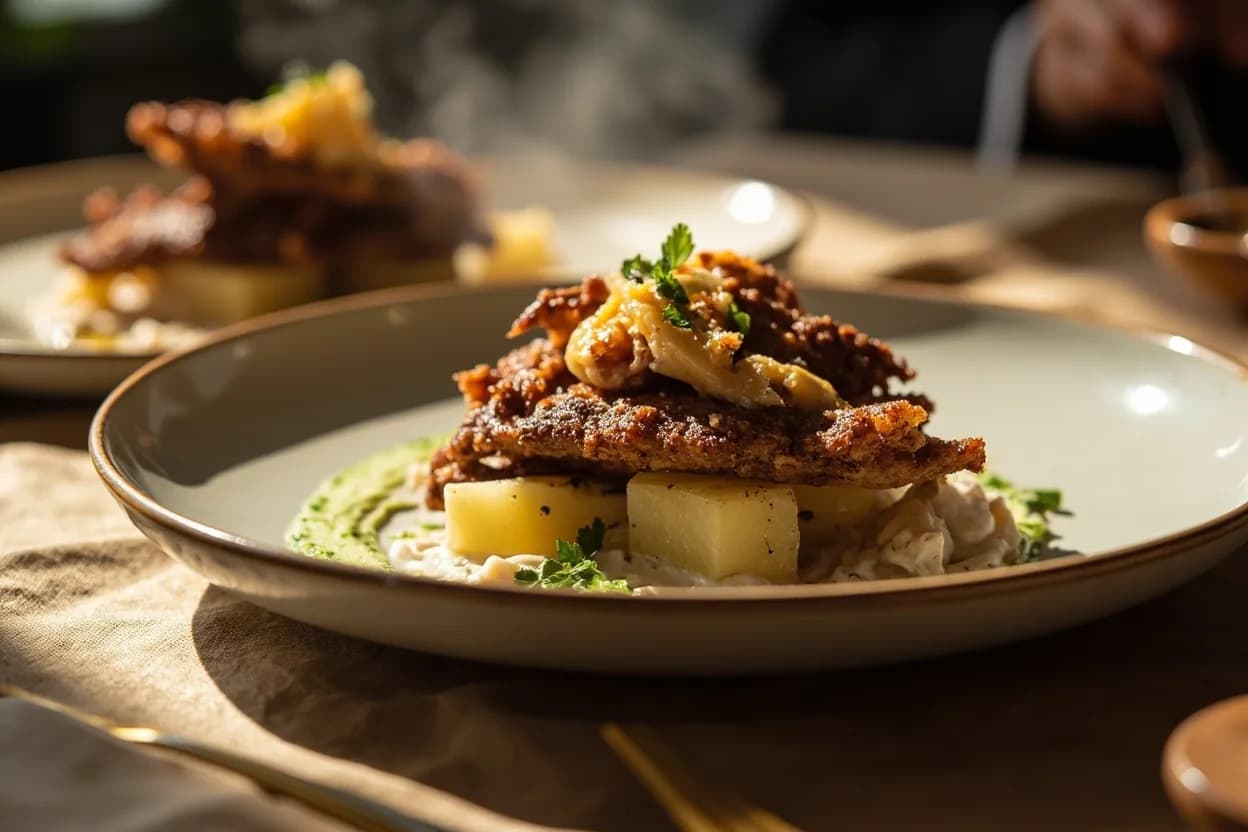
The dishes that define Danish (Smørrebrød & Noma Tradition), documented in the Canon.

References
- 1.The Nordic Cookbook — Magnus Nilsson (Phaidon, 2015)
- 2.Noma: Time and Place in Nordic Cuisine — René Redzepi (Phaidon, 2010)
- 3.Smørrebrød: Denmark's Open Sandwiches — Trine Hahnemann (Hardie Grant, 2020)
- 4.The New Nordic Kitchen Manifesto (2004) — signed by twelve Nordic chefs
Confidence: high
Notes
The New Nordic Manifesto
The 2004 manifesto — drafted at a symposium convened by Claus Meyer — committed to purity, seasonality, ethics, and Nordic identity as the governing principles of a new Nordic cuisine. It was a cultural declaration as much as a culinary one, and its influence reached far beyond Scandinavia: locavorism, foraging, and fermentation entered the global fine-dining vocabulary partly through this document.
Smørrebrød Etiquette
Classic smørrebrød follows a strict progression: herring always first (absorbs aquavit well and has the most assertive flavor), followed by other fish, then meat, then cheese. Combining toppings is not traditional — one topping per bread slice, presented decoratively but not preciously.