Central Europe
Czech & Slovak
Also: Czechoslovak cuisine, Bohemian cuisine, česká kuchyně, slovenská kuchyňa
A Central European pub-and-feast cuisine built on roast pork, knedlíky dumplings, sauerkraut, and the world's most obsessive beer culture.
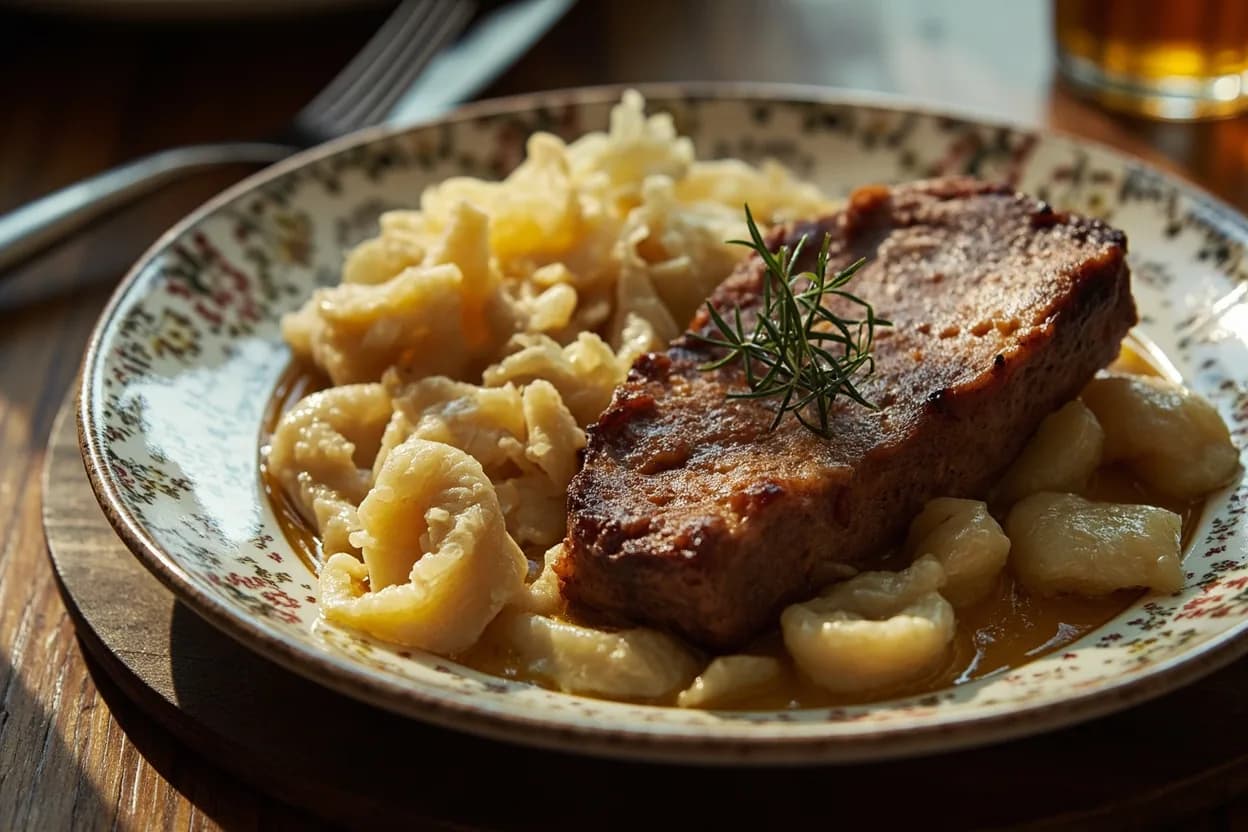
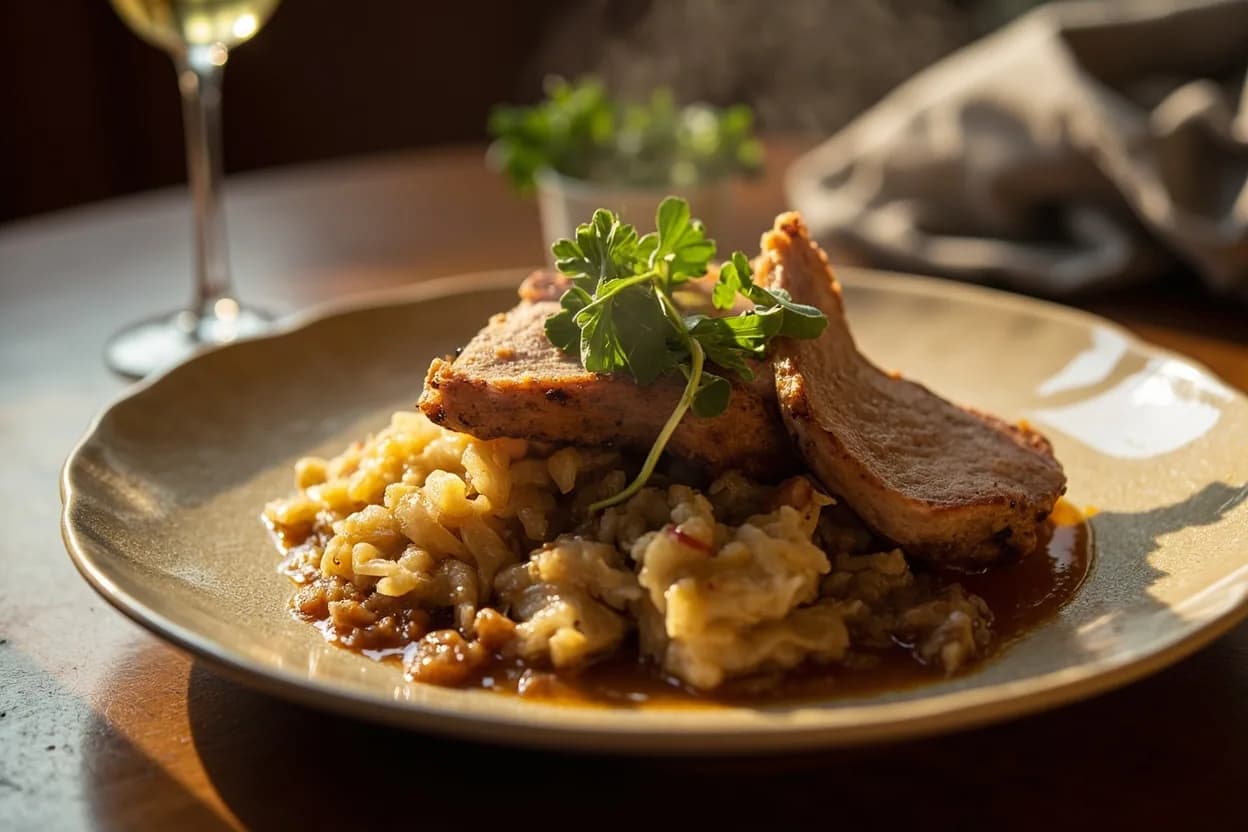
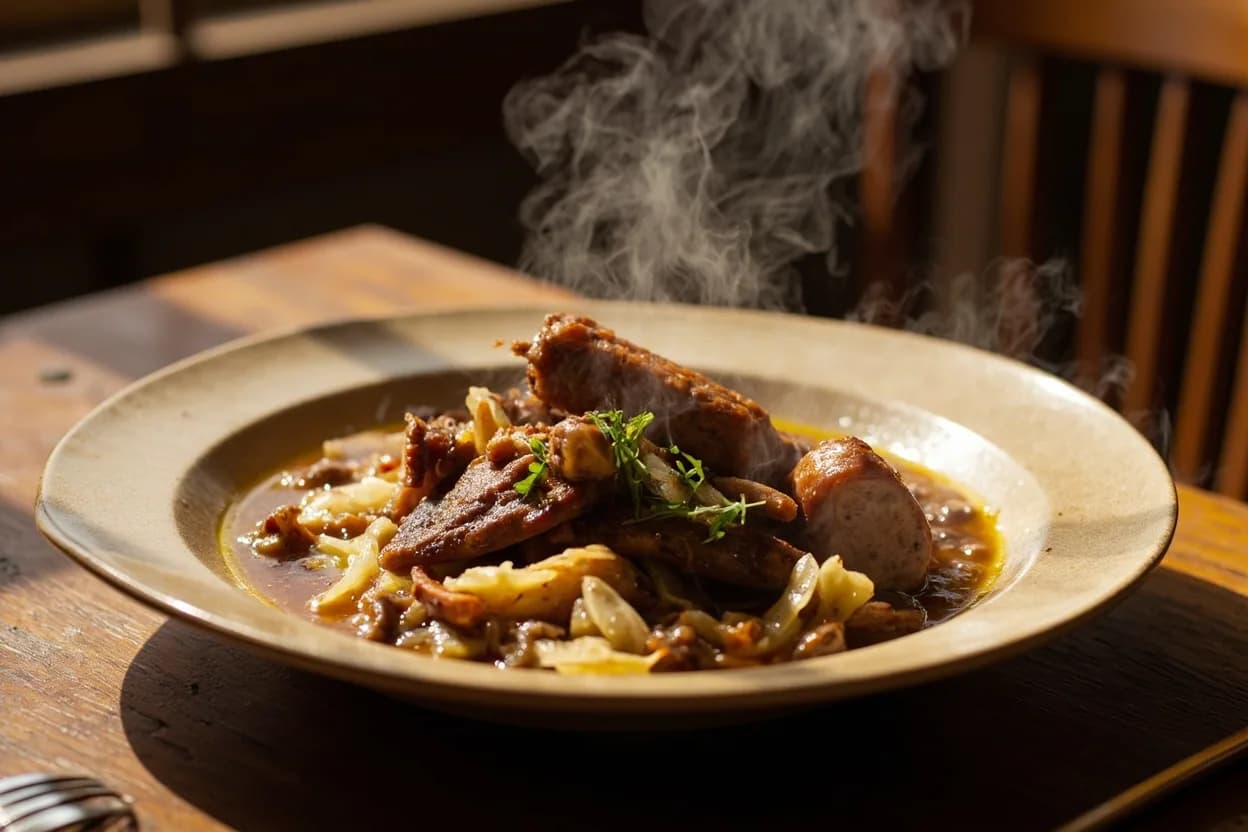
Czech and Slovak cuisines share a Slavic agricultural foundation of pork, root vegetables, grain dumplings, and fermented cabbage, shaped by Bohemia's Habsburg-Austrian heritage in the Czech lands and Hungary's Magyar influence in Slovakia. The paradigmatic Czech dish — roast pork knee (vepřové koleno) or roast duck with two types of knedlíky and zelí (sauerkraut) — is eaten alongside lager beer in an environment where Czech Bohemia produces the world's benchmark pilsner. Slovak food tends toward richer, more mountainous fare: bryndza sheep cheese, halušky potato dumplings, and game from the Carpathian forests. Both traditions share the 'svíčková' cream-sauce paradigm and a fundamental conservatism that resisted French influence in favour of hearty, rib-sticking abundance.
The flavour base
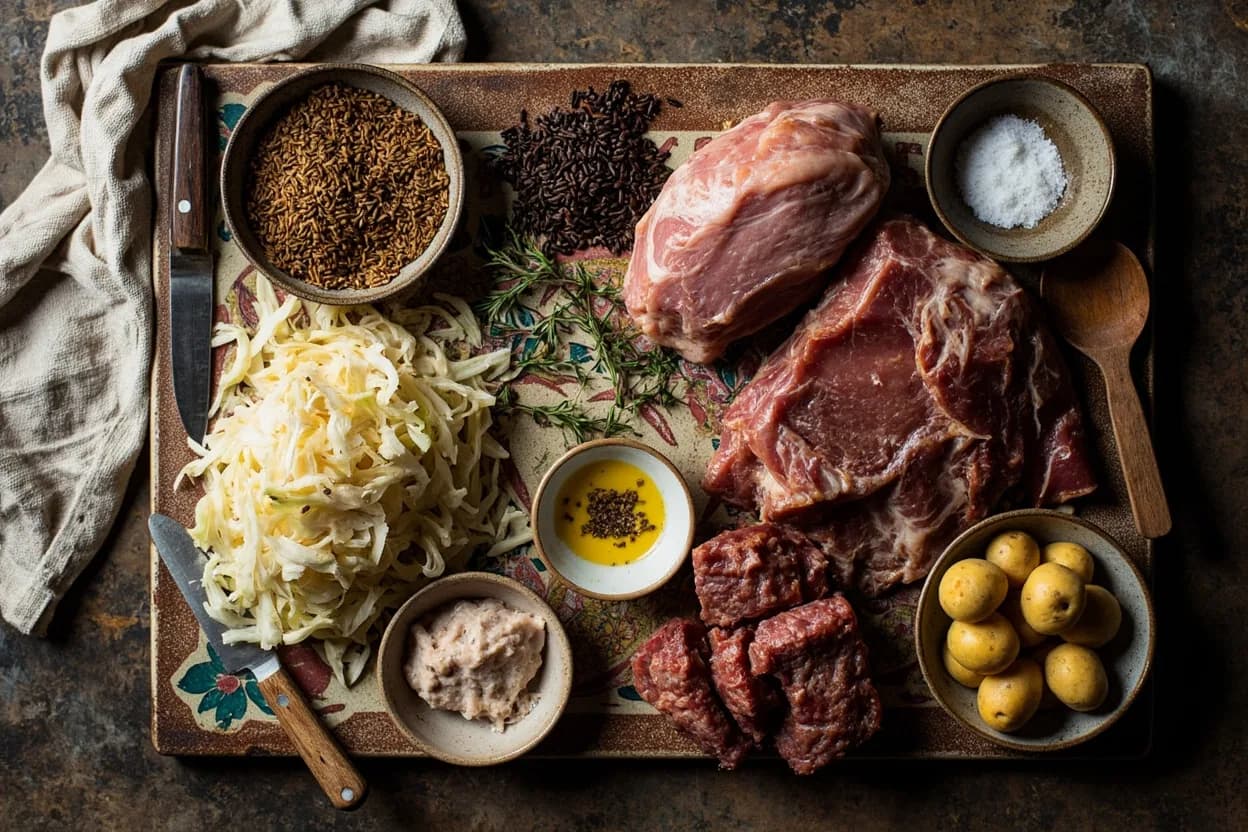
Pork fat (sádlo) and onion base; sauerkraut brine as souring agent; cream-thickened pan sauces (svíčková, paprika cream)
Pantry staples
Key ingredients
Signature techniques
Signature dishes
Czech & Slovak on the table
At the table
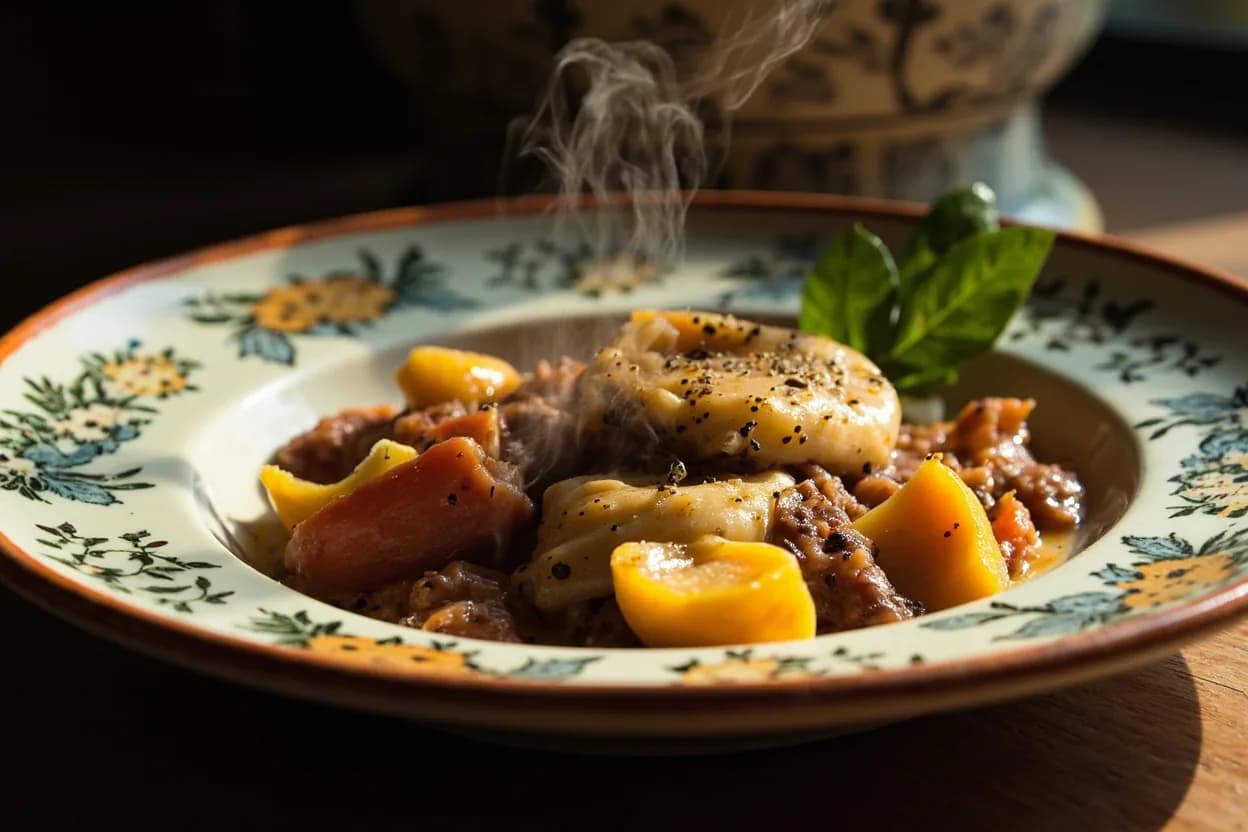
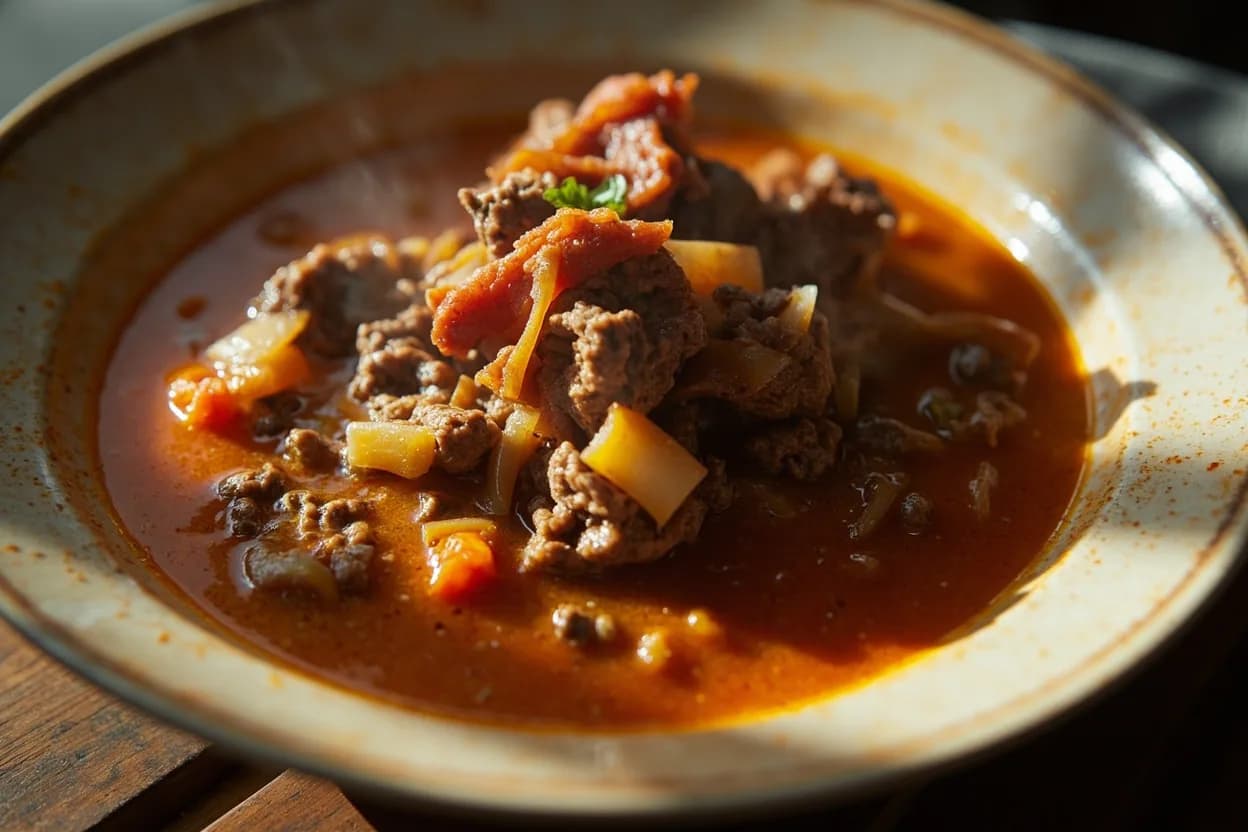
The main meal (oběd in Czech, obed in Slovak) is at midday. It begins with polévka (soup) — always — then a main of meat with knedlíky or potatoes and cooked vegetables. Evening dinner (večeře) is lighter: cold cuts, cheese, bread, and pickled vegetables. The Czech pivnice (pub) mediates a separate food culture: goulash or svíčková with knedlíky is the proper pub lunch, consumed with a 0.5L Pilsner Urquell or Kozel. Christmas Eve's vigília carp is the year's most emotionally significant meal.
History & context
Bohemia and Moravia were wealthy Habsburg provinces from the 16th century; Prague's court cuisine absorbed Austrian, Italian, and French influence, but the Bohemian burgher kitchen remained stubbornly local. Hops cultivation in Bohemia from the 10th century and the invention of bottom-fermented lager in Pilsen (1842) created a beer culture so dominant that Czech cuisine is inseparable from it. Slovakia spent a thousand years as Upper Hungary under Magyar rule, leaving paprika and strudel as permanent fixtures. Communist-era collectivisation (1948–1993) standardised and depressed restaurant quality; Czech gastronomy has since revived through both traditional pub culture and a craft food movement around bryndza, heritage pork breeds, and regional wine.
Regional variations
- Bohemia (western Czech)
Most Austrian-influenced; Bohemian dumplings (houskový knedlík, bread-based) rather than potato; higher beer culture saturation; caraway in almost everything.
- Moravia (eastern Czech)
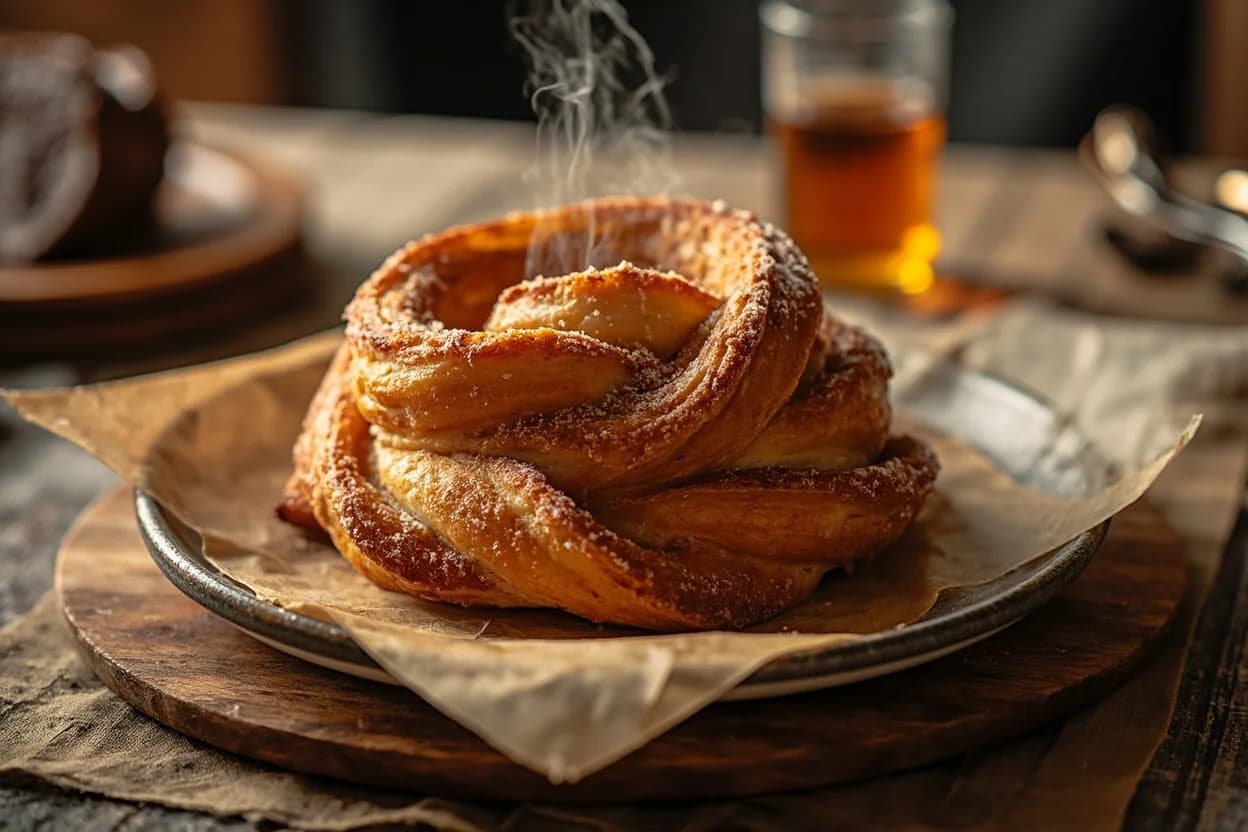
Wine-producing region; Moravian wine culture (Pálava, Welschriesling) shapes food pairing; slightly more vegetable-forward; Moravian kolache pastry.
- Western Slovakia
Close to Vienna and Bratislava; Viennese pastry and schnitzel influence; Bratislava's lokše (potato flatbread with poppy seed or goose fat) is iconic.
- Central Slovakia / Tatras
Sheep-herding region; bryndza culture is strongest here; Liptov cheese (Liptovský syr), sheep whey (žinčica), and game from the high Carpathians.
- Eastern Slovakia
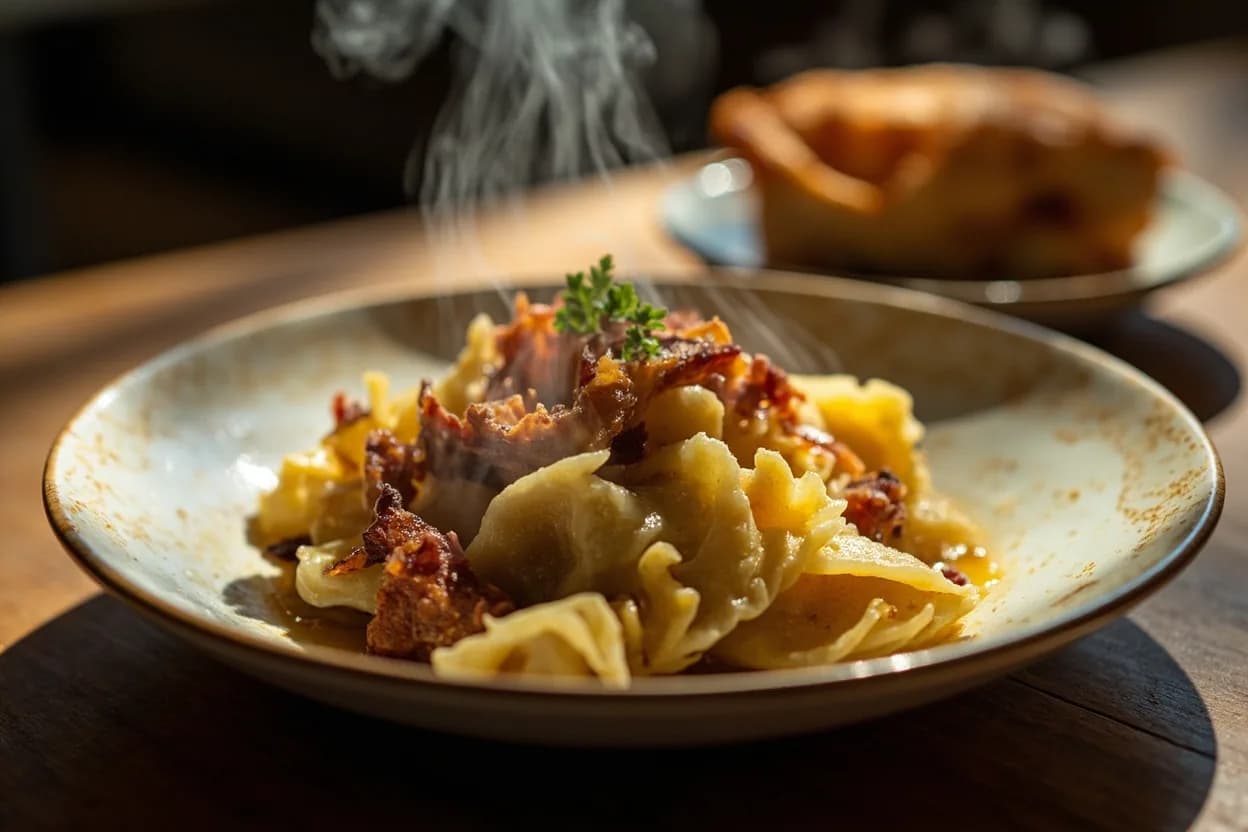
Hungarian border influence strongest; paprika appears more prominently; pirohy (pierogi-style) reflects the Ukrainian and Polish proximity.
Related cuisines
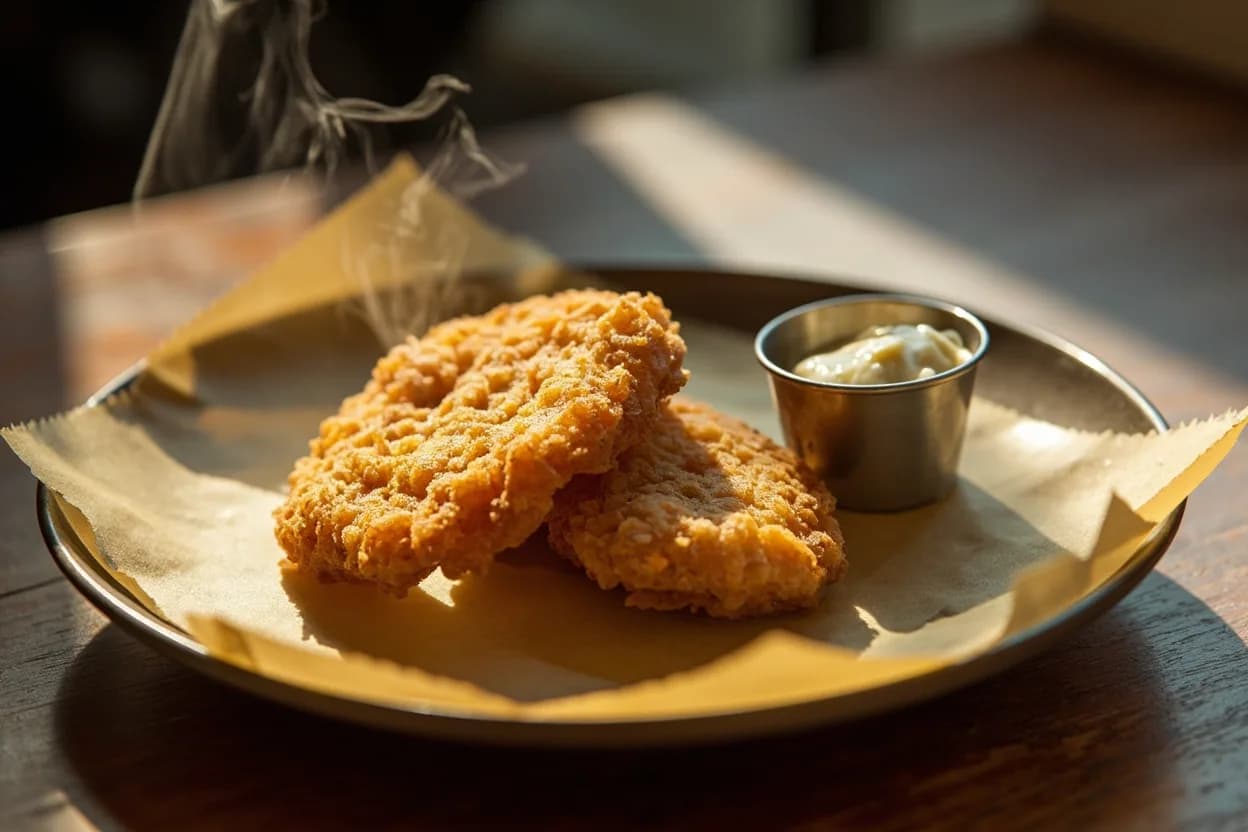
Centuries as Habsburg territories; Czech dumplings staffed Vienna kitchens, and Viennese schnitzel (řízek) is the Czech everyday fry.
Slovakia spent a millennium in the Hungarian kingdom; gulyás, paprikash cream-sauce logic, and halušky are shared border traditions.
Shared dumpling tradition (pierogi/pirohy), sauerkraut, and soured soups; Silesian region overlaps both Czech and Polish food zones.
- German (Bavarian)
Beer culture, roast pork, and sauerkraut traditions run across the Bohemia-Bavaria border; Bavarian pretzel and Czech bread share a yeast lineage.
Canonical recipes
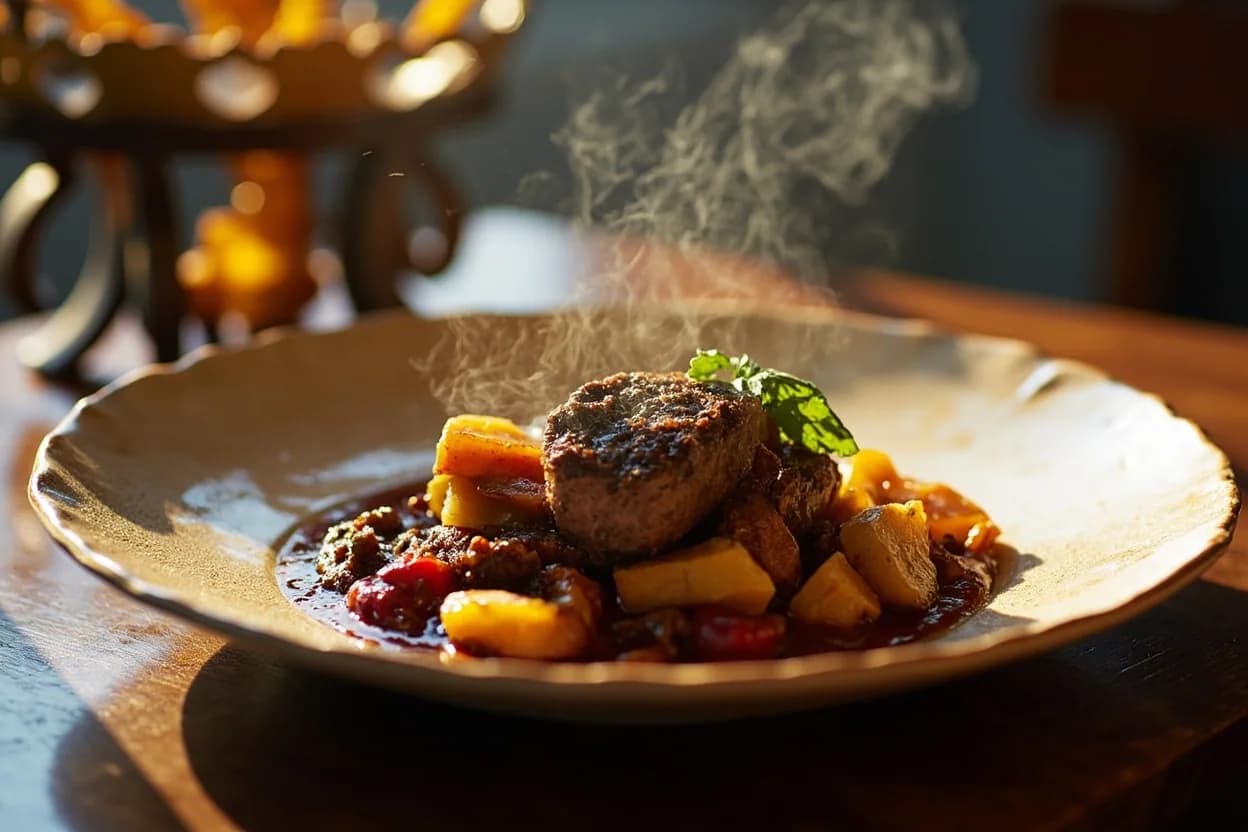
The dishes that define Czech & Slovak, documented in the Canon.
References
- 1.Šedivá, V. — Česká kuchyně (Slovart, 2012)
- 2.Šimurka, J. — Slovenská kuchyňa (Ikar, 2009)
- 3.Chvojková, D. — Encyclopaedia of Czech Food (Ottovo nakladatelství, 2004)
- 4.Vaverka, J. — Pivovarství: dějiny a technologie (Výzkumný ústav pivovarský, 1998)
Confidence: high
Notes
Knedlíky: the Czech starch
Czech cuisine has two foundational dumpling types: houskový knedlík (bread dumpling — day-old roll cubes bound with egg and flour, steamed in cylinder form then sliced into rounds) and bramborový knedlík (potato dumpling — raw grated potato, flour, egg). Neither resembles German or Italian dumplings. Their function is to absorb sauce: svíčková cream sauce, goulash, or duck fat. Eating a Czech main course without sliced knedlíky is considered incomplete.
Bryndza and the Slovak sheep tradition
Bryndza is a soft, pungent sheep's milk cheese produced exclusively from May–October when flocks graze in the Tatra and Carpathian pastures. It is the base of Slovakia's national dish, bryndzové halušky (soft potato dumplings topped with bryndza and crisped bacon fat). The EU granted it Protected Designation of Origin status in 2008. Žinčica (the whey drained in bryndza production) is drunk as a probiotic beverage by shepherds and now sold in Slovak supermarkets.