Central/Eastern Europe
Polish
Also: Polish cuisine, kuchnia polska
A hearty Slavic table of brine, ferment, and forest that turned preservation necessity into some of Central Europe's most flavourful cooking.
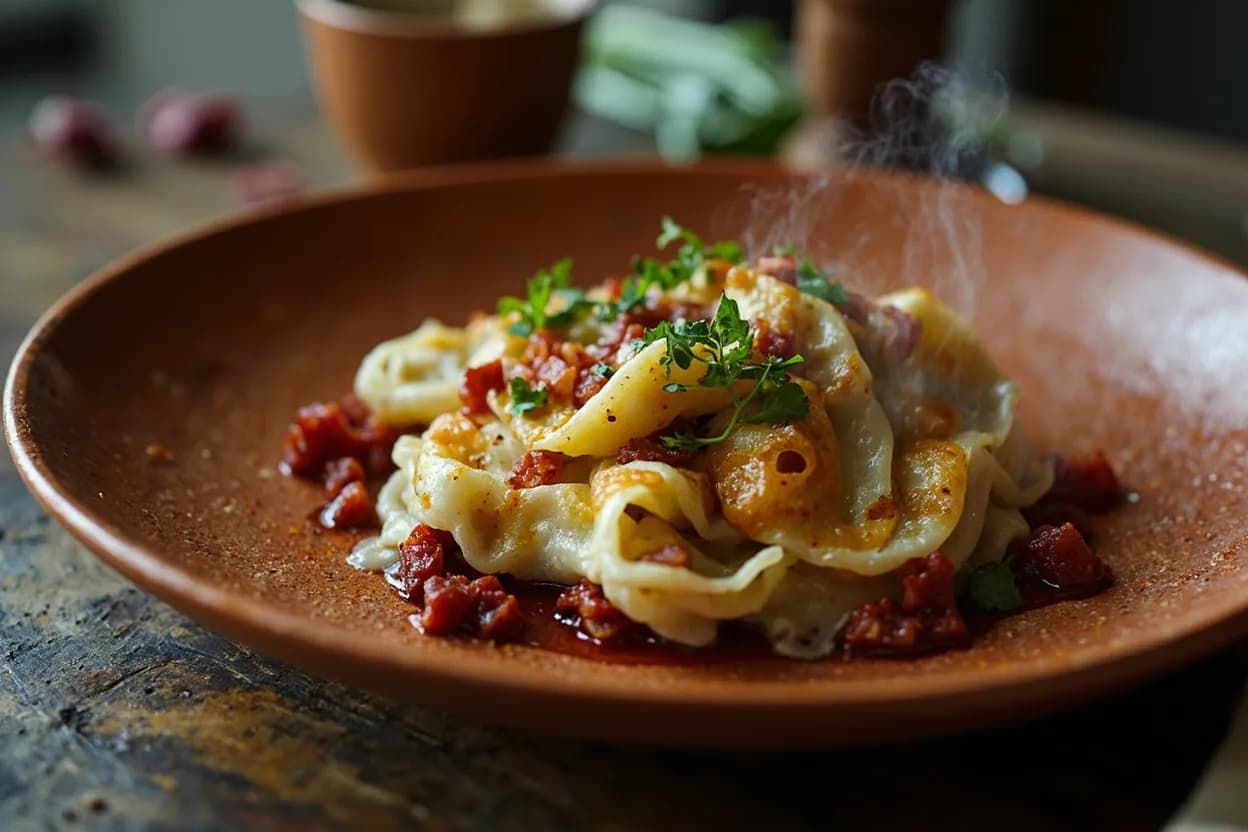
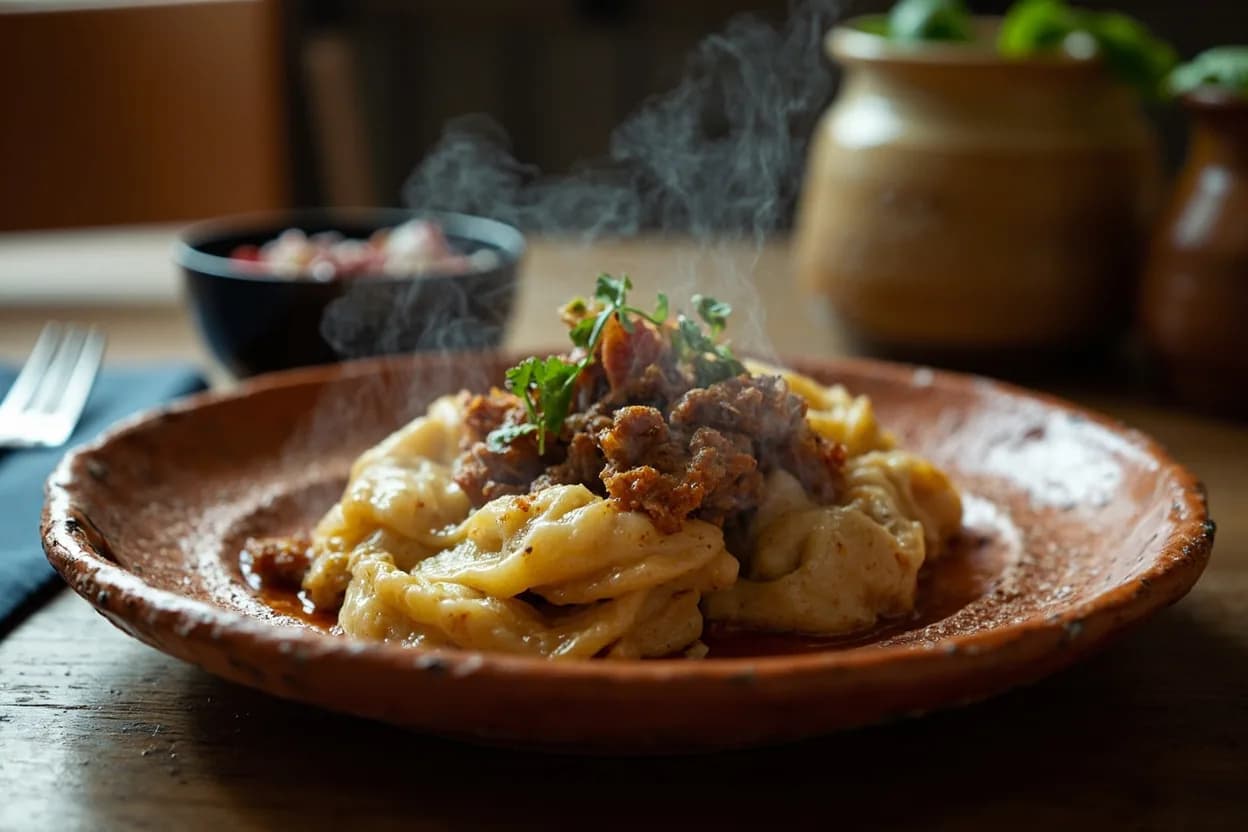
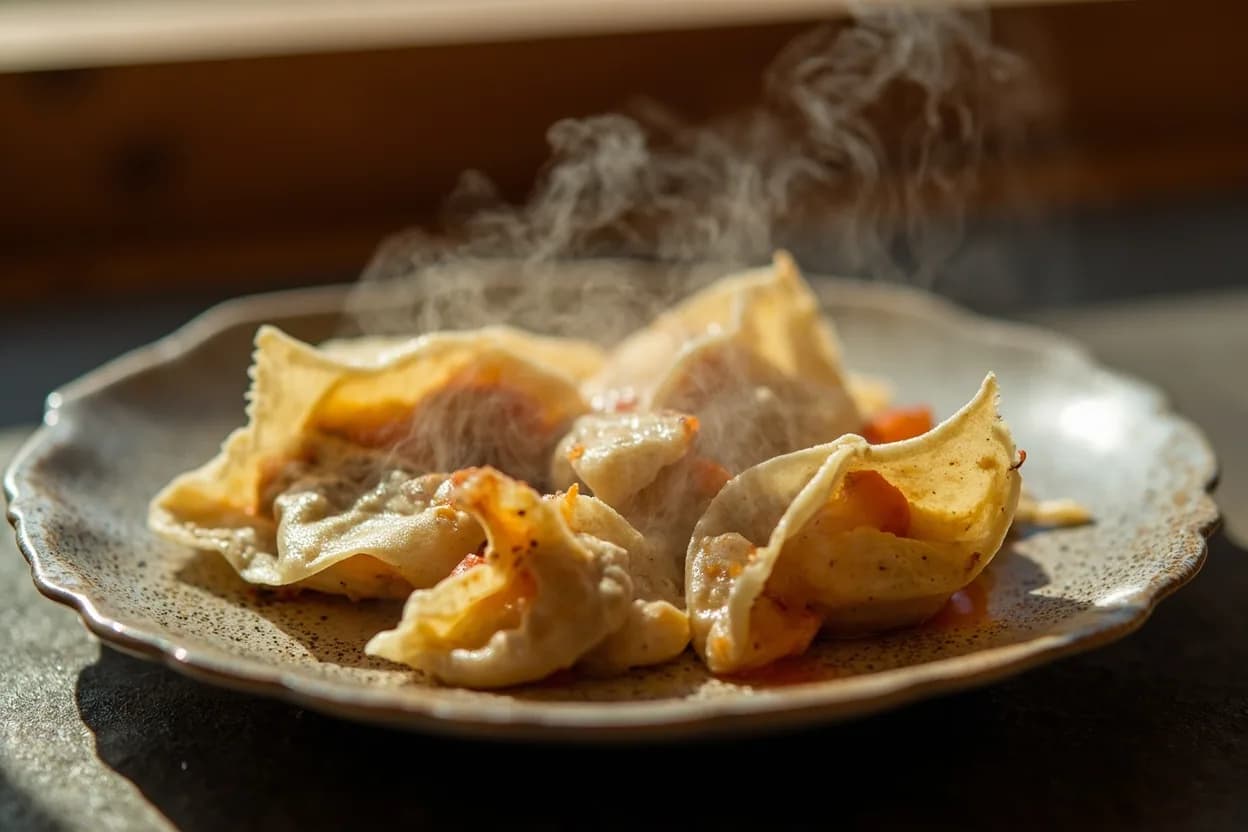
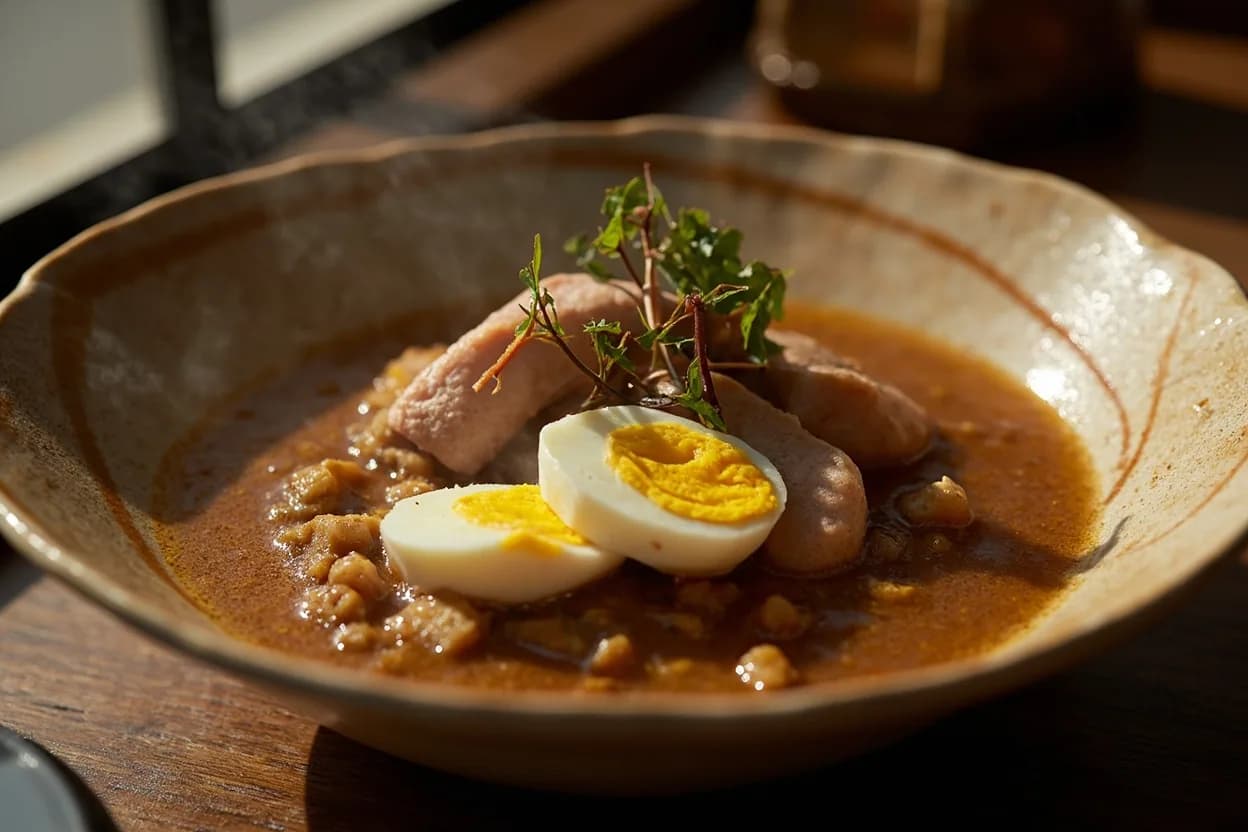
Polish cuisine is the product of a landlocked, four-season agricultural country with long winters and a history of partition, invasion, and scarcity that elevated preservation techniques — brine-curing, fermentation, smoking, and pickling — to the status of culinary art. At its heart are starchy, sustaining dishes: pierogi filled with potato, cheese, or meat; bigos stewed from fermented cabbage and mixed meats; żurek soured with rye starter; and kielbasa whose regional variation across Poland rivals wine appellations in their specificity. Jewish, German, Ruthenian, and Lithuanian culinary traditions have all left marks, making Polish food more plural than its stereotype suggests.
The flavour base
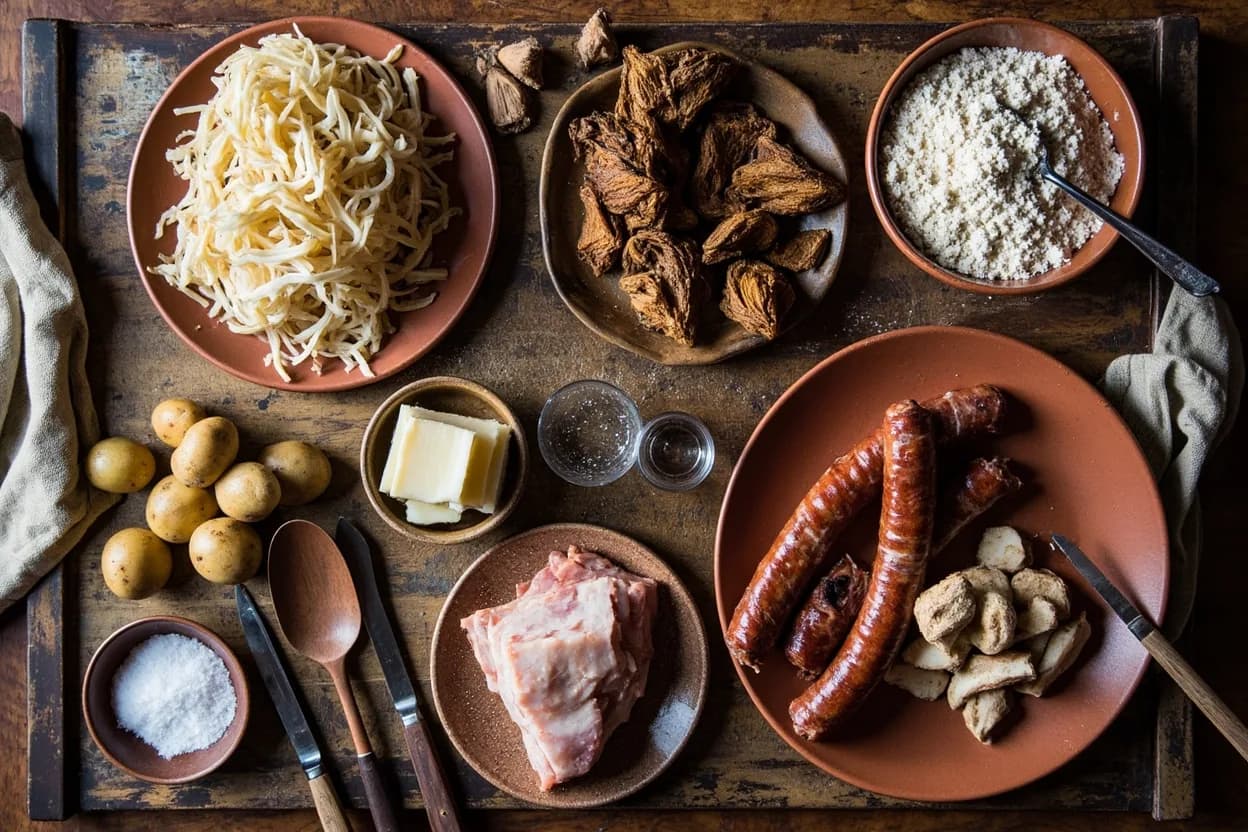
Sour rye ferment, brine from kiszona kapusta (fermented cabbage), and pork fat (lard or smoked bacon) underpin the most characteristic dishes
Pantry staples
Key ingredients
Signature techniques
Signature dishes
Polish on the table
At the table
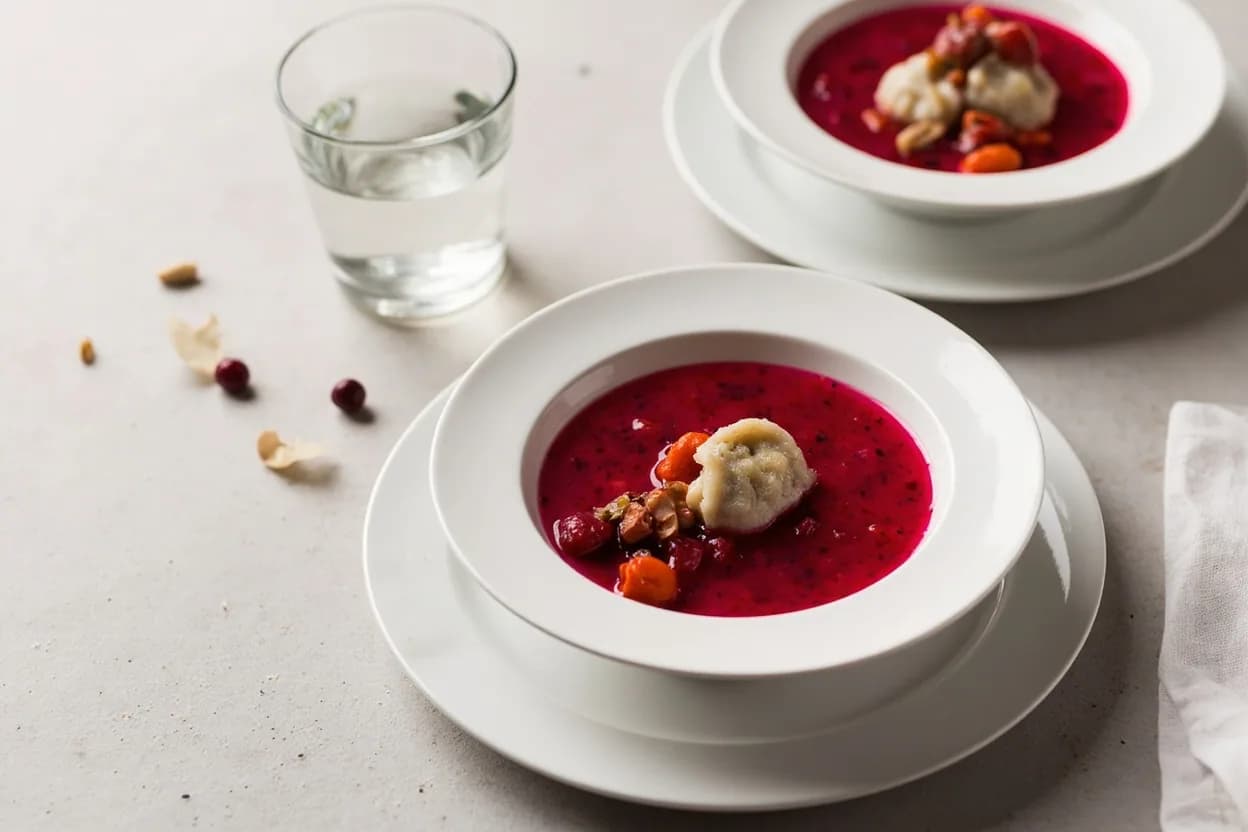
The main meal (obiad) falls at midday and is the most substantial of the day: a soup course (zupa) — żurek, barszcz, or rosół — followed by a main of meat, potatoes or kasza, and cooked vegetables. Evening is kolacja, a lighter cold meal of bread, cheese, kielbasa, and pickles. Christmas Eve's Wigilia supper is the most symbolically loaded meal of the year: twelve meatless dishes including carp in aspic, barszcz with uszka mushroom dumplings, and poppy-seed roll (makowiec).
History & context
Polish cuisine's documented history begins with Piast-dynasty court records of the 10th century. The medieval period established game, freshwater fish (carp ponds were a Polish aristocratic institution), mead, and forest foraging as foundations. The Jagiellonian era (14th–16th century) brought Renaissance Italian influence via Queen Bona Sforza, who is credited with introducing green vegetables and Italian pastry technique. The Partition period (1795–1918) fragmented Polish territory among Russia, Prussia, and Austria, creating three distinct regional cooking traditions under different imperial influences. Jewish culinary presence across Poland for over 800 years profoundly shaped urban food culture before the Holocaust's destruction of that community.
Regional variations
- Małopolska (Lesser Poland/Kraków)
More Austrian-influenced from Galician partition period; obwarzanek krakowski (ring bread), refined Jewish culinary influence, and smoked Oscypek cheese from the Tatra mountains.
- Silesia
Germanised for centuries; rolada śląska (pork roulade with kluski and red cabbage) reflects the blended German-Polish character.
- Podhale (Tatra mountains)
Sheep culture dominates: oscypek smoked sheep cheese, żentyce (sheep whey drink), and baca shepherd food are distinct from lowland Poland.
- Mazovia (Warsaw region)
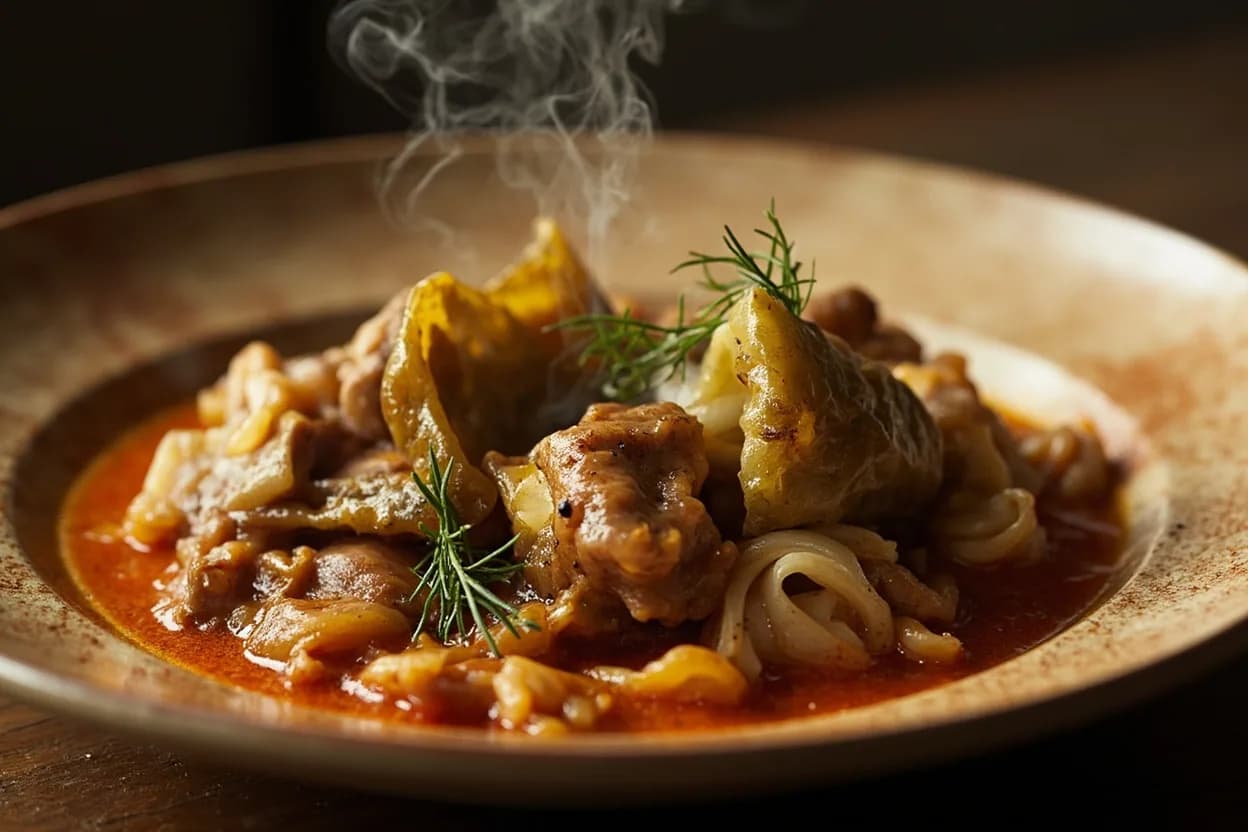
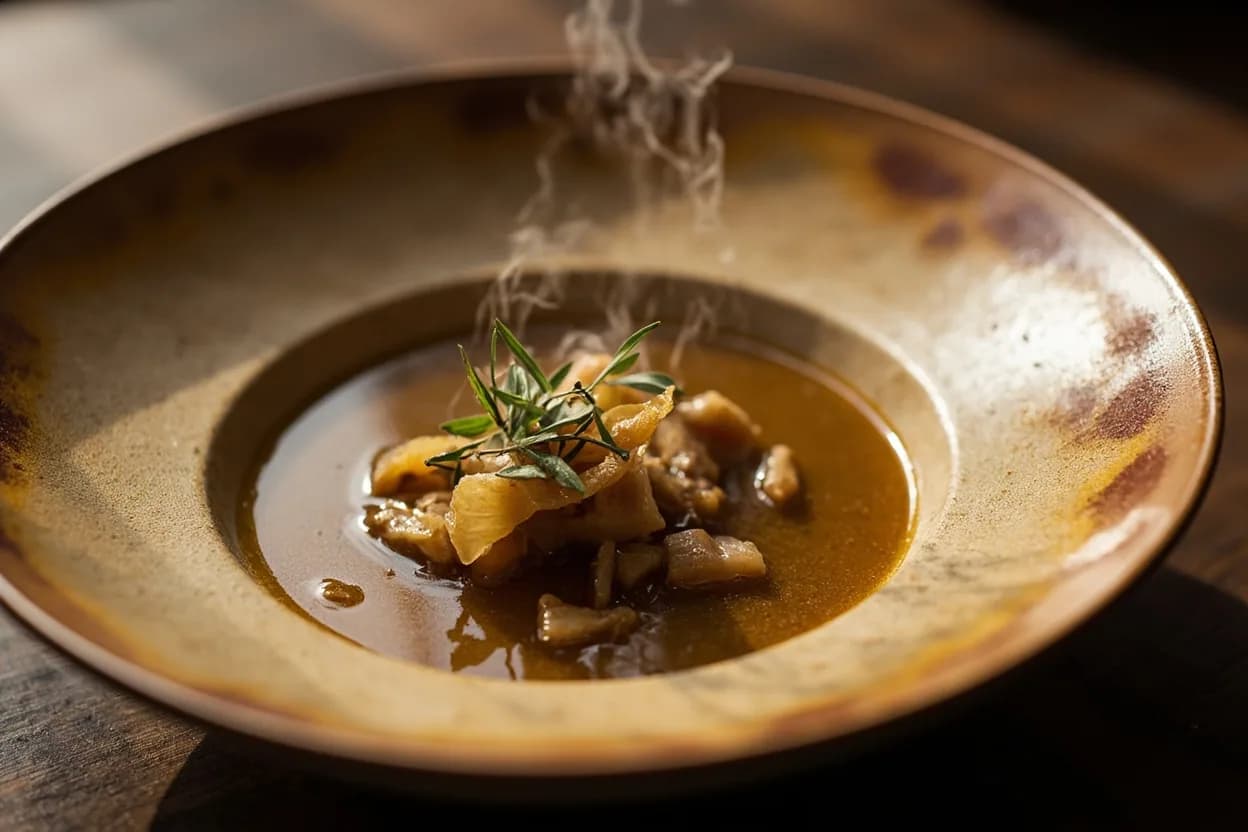
Court and urban traditions; flaki (tripe soup) is a Warsaw specialty; Jewish Warsaw baking (bagels, challah) shaped the city's bread culture.
- Kujawy-Pomerania
Coastal and lake region; smoked eel, freshwater fish, and Toruń's pierniki (gingerbread) with a 600-year guild tradition.
Related cuisines
Shared borscht (barszcz/borscht), varenyky/pierogi, and soured-dairy tradition; the Ruthenian borderlands blur the two cuisines.
Shared Central European dumpling and sauerkraut tradition; pork-with-cabbage as the default festive meal.
- German
Silesian and Pomeranian overlap; sauerkraut, pork roulade, and potato dumplings reflect a shared culinary zone.
- Lithuanian
Cold barszcz (chłodnik) and cepelinai (potato dumplings) closely parallel Polish forms; shared Grand Duchy heritage.
Canonical recipes
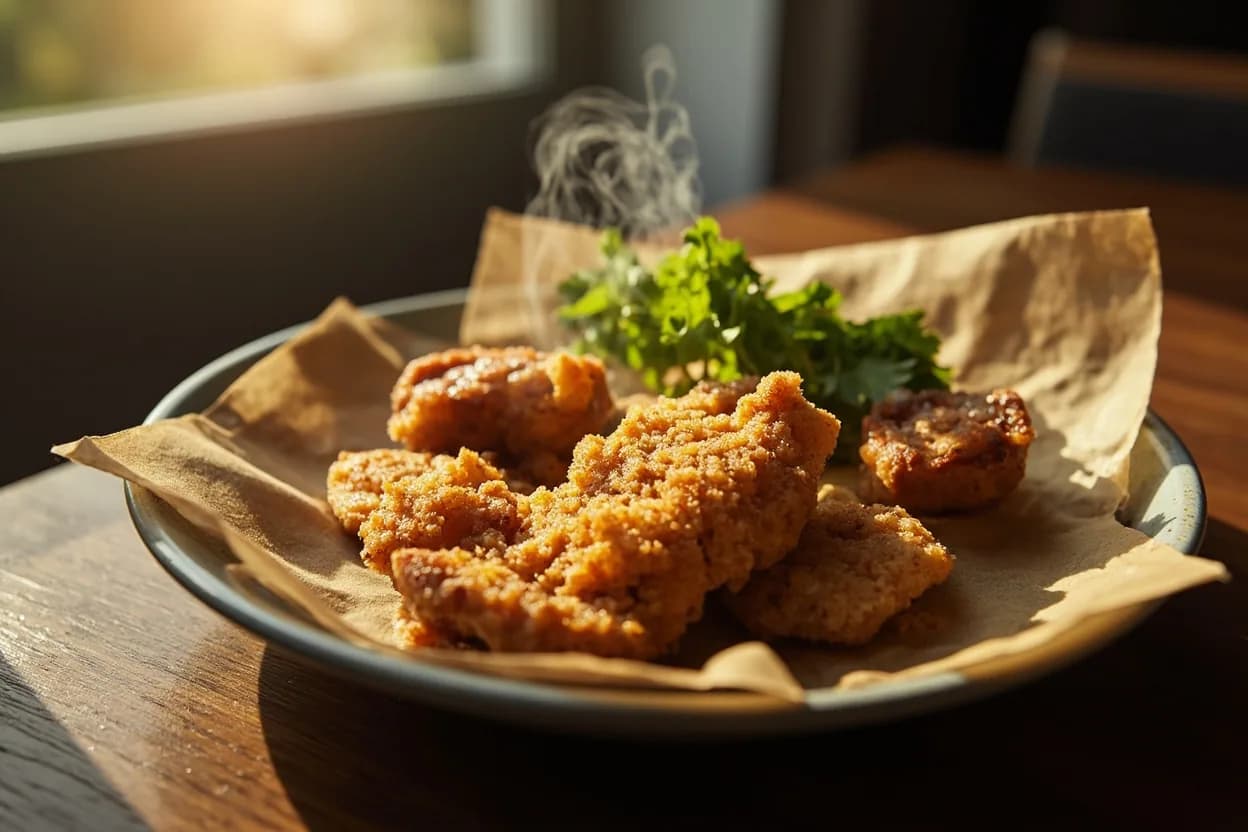
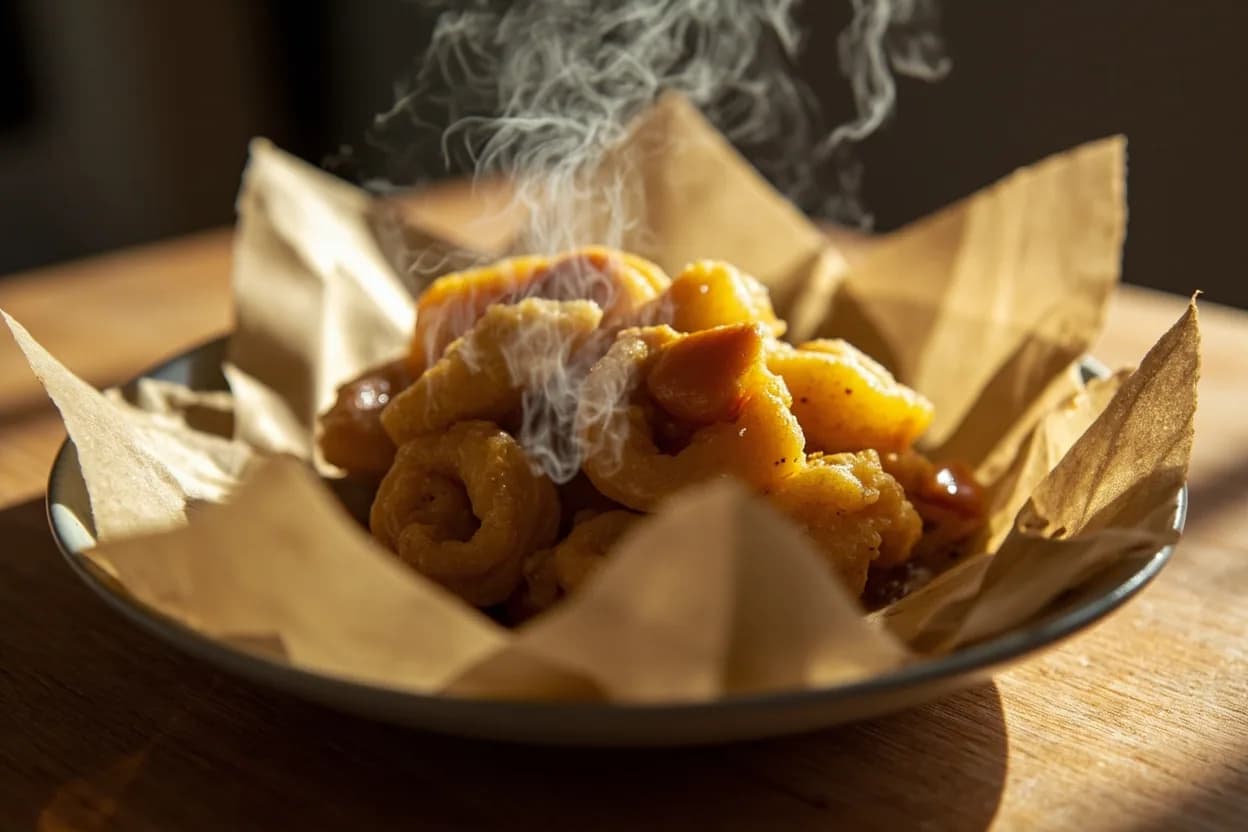
The dishes that define Polish, documented in the Canon.
References
- 1.Czarniecka-Skubina, E. — Polska kuchnia regionalna (Wydawnictwo SGGW, 2012)
- 2.Zerańska, A. — The Art of Polish Cooking (Doubleday, 1968)
- 3.Goldberg, P. — The Taste of a Place: Poland (Gastronomica, 2008)
- 4.Dumanowski, J. — Staropolskie przepisy kulinarne (Muzeum Historii Polski, 2014)
Confidence: high
Notes
Bigos: the national stew
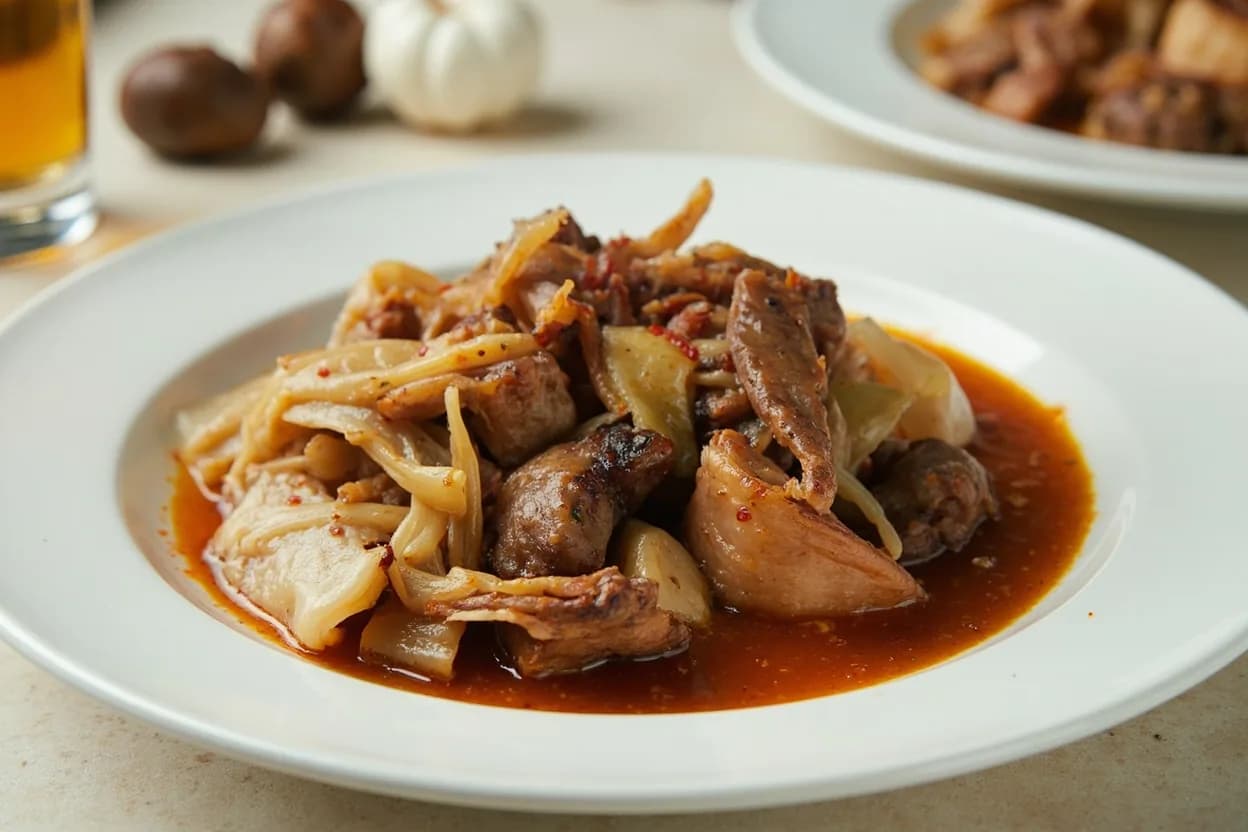
Bigos ('hunter's stew') is the paradigm of Polish preservation cooking: sauerkraut and fresh cabbage braised for hours with whatever meats are available (dried kielbasa, leftover roast, fresh pork), dried mushrooms, and sometimes prunes. It improves over days of reheating — the acid softens the collagen, the smokiness deepens — and is the dish Poles traditionally eat on New Year's Day and after Wigilia. Every family has an inherited ratio of fresh to fermented cabbage.
Żurek as fermented food
Żurek is a live-culture rye-flour sour, separately fermented then incorporated into a soup base. The starter (zakwas żytni) is maintained like a sourdough levain. The soup is ladled into hollowed bread bowls with hard-boiled eggs and smoked kielbasa — a complete edible vessel that encapsulates Poland's resourceful kitchen.