Eastern Europe
Ukrainian
Also: Ukrainian cuisine, Ukrainian cooking, cuisine of Ukraine
The black-earth heartland's cuisine of borscht, hand-folded varenyky, and cured salo — a robust, agriculturally abundant tradition that feeds both body and cultural memory.
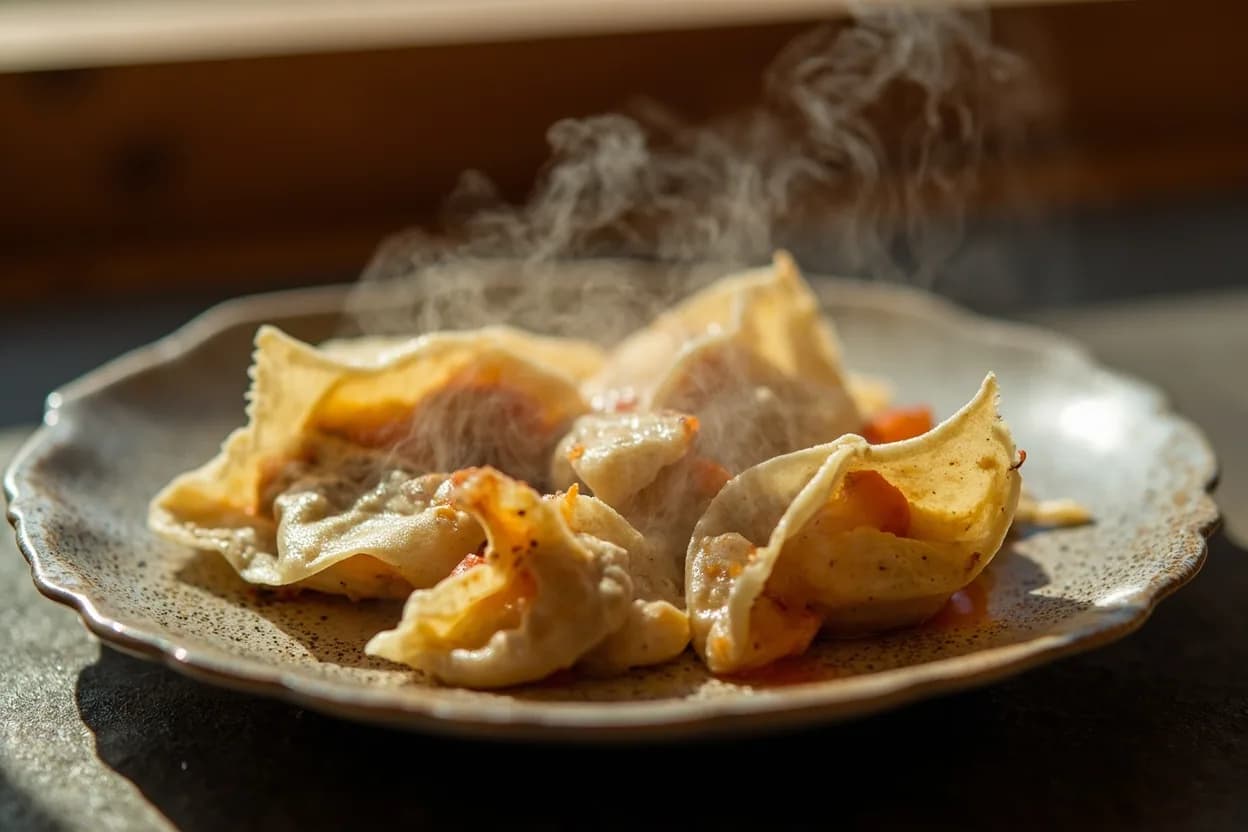
Ukrainian cuisine is rooted in the extraordinary fertility of the chornozem (black earth), producing wheat, sunflowers, beets, and pork in abundance. It is characterized by a love of hand-made dumplings (varenyky), fermented and pickled vegetables, lard (salo) as both ingredient and sacred cultural object, and borscht — the national dish claimed as distinctly Ukrainian. The cuisine is hearty, vegetable-forward by season, and deeply tied to Orthodox Christian feast and fast cycles.
The flavour base
Rendered salo (pork fat) with onion and garlic; sunflower oil for frying; smetana (sour cream) as enricher; dill and parsley as default fresh herbs.
Pantry staples
Key ingredients
Signature techniques
Signature dishes
Ukrainian on the table
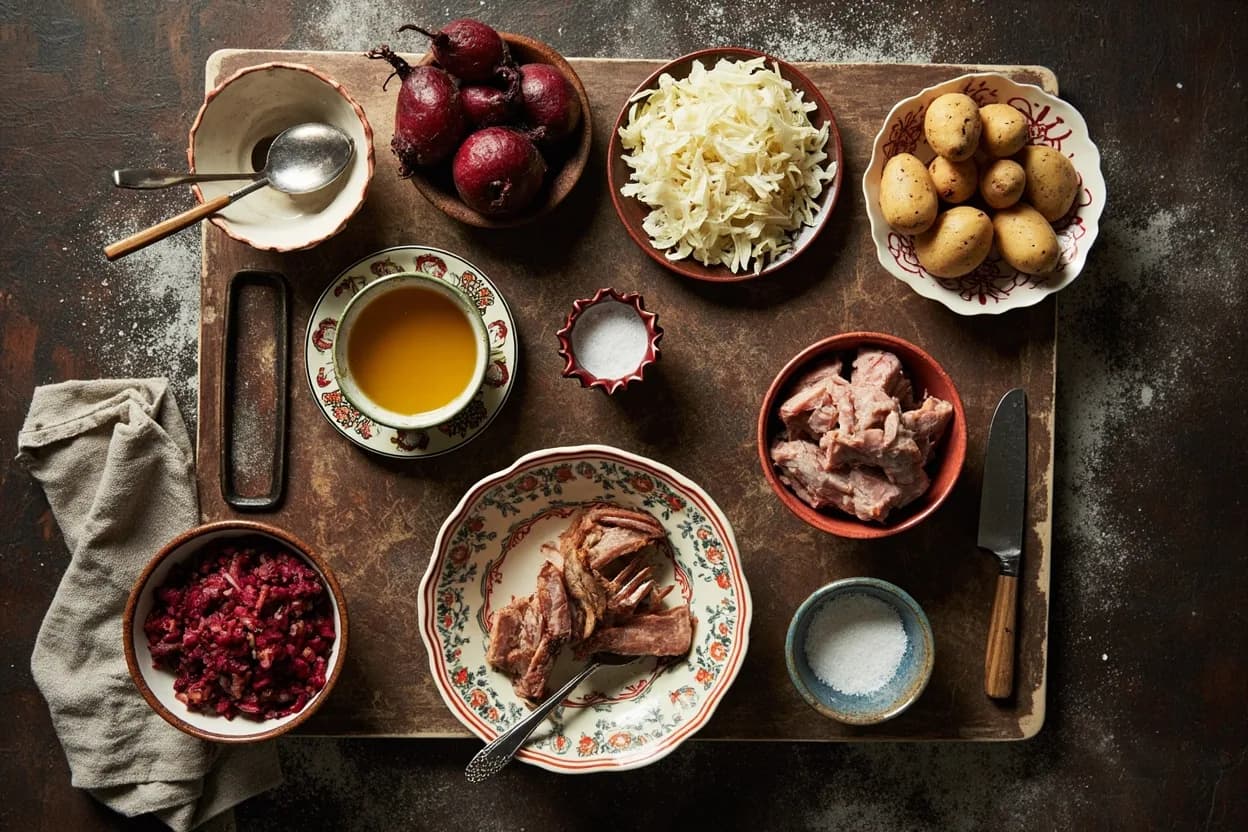
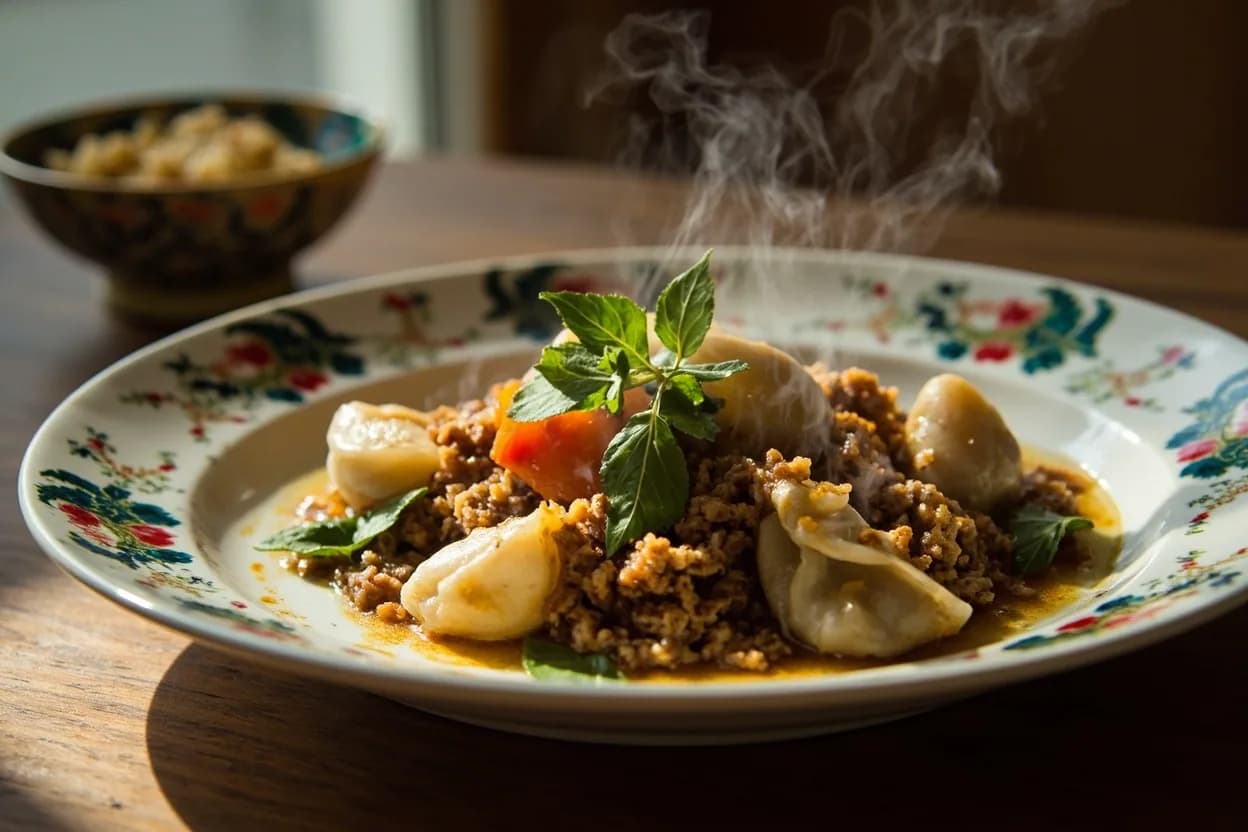
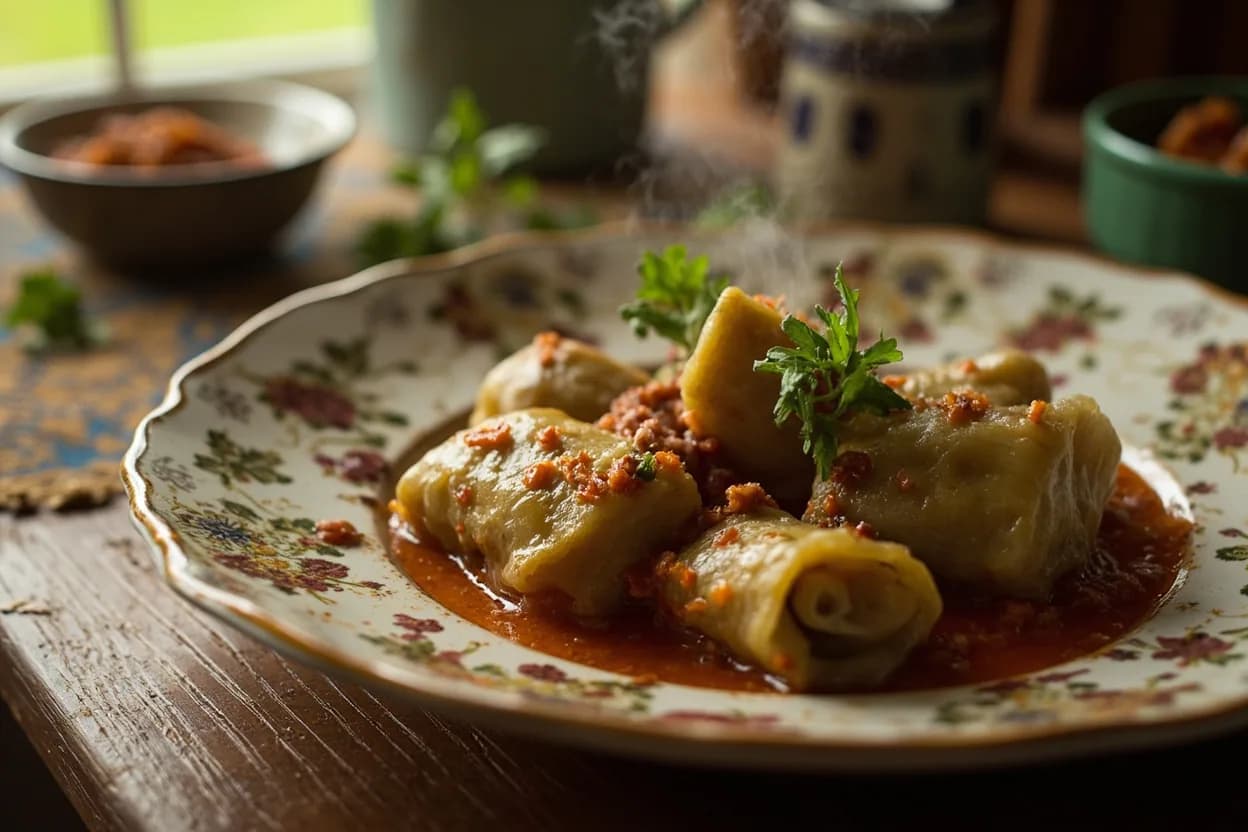
At the table
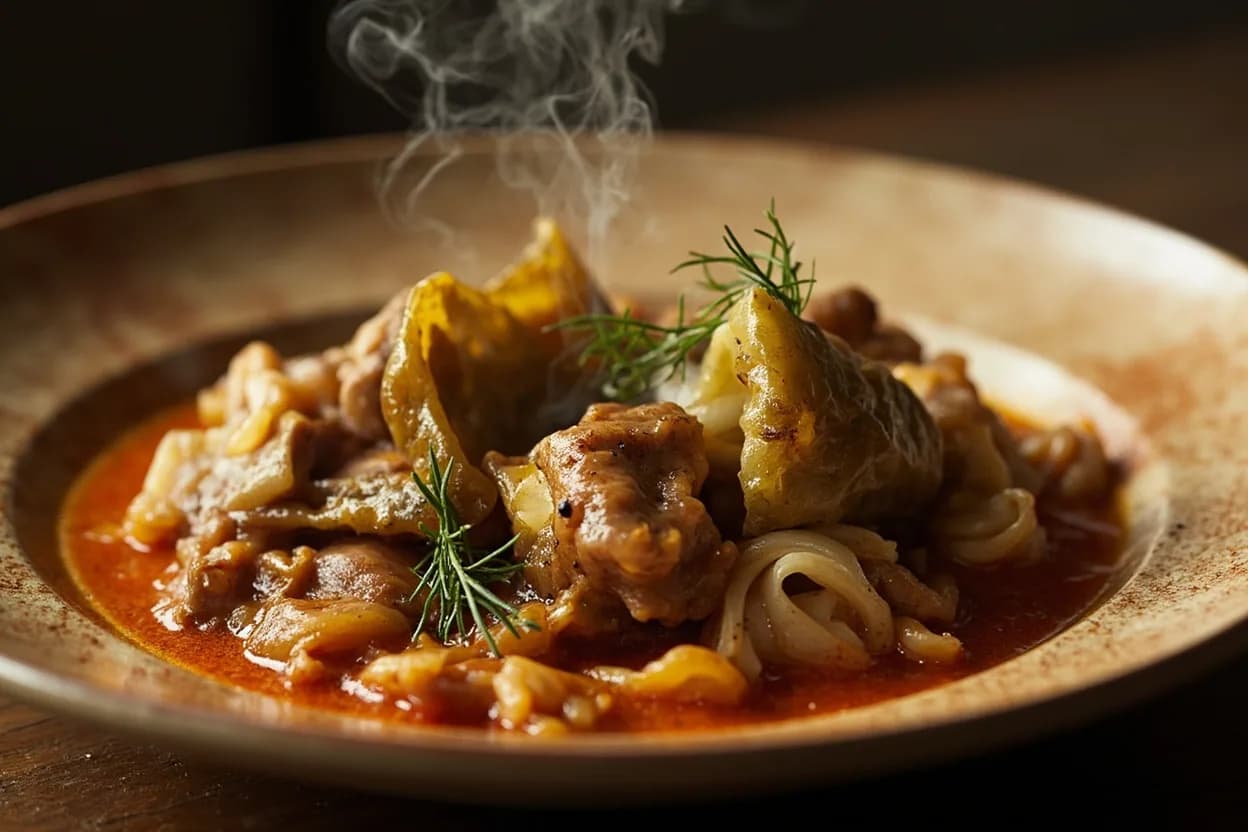
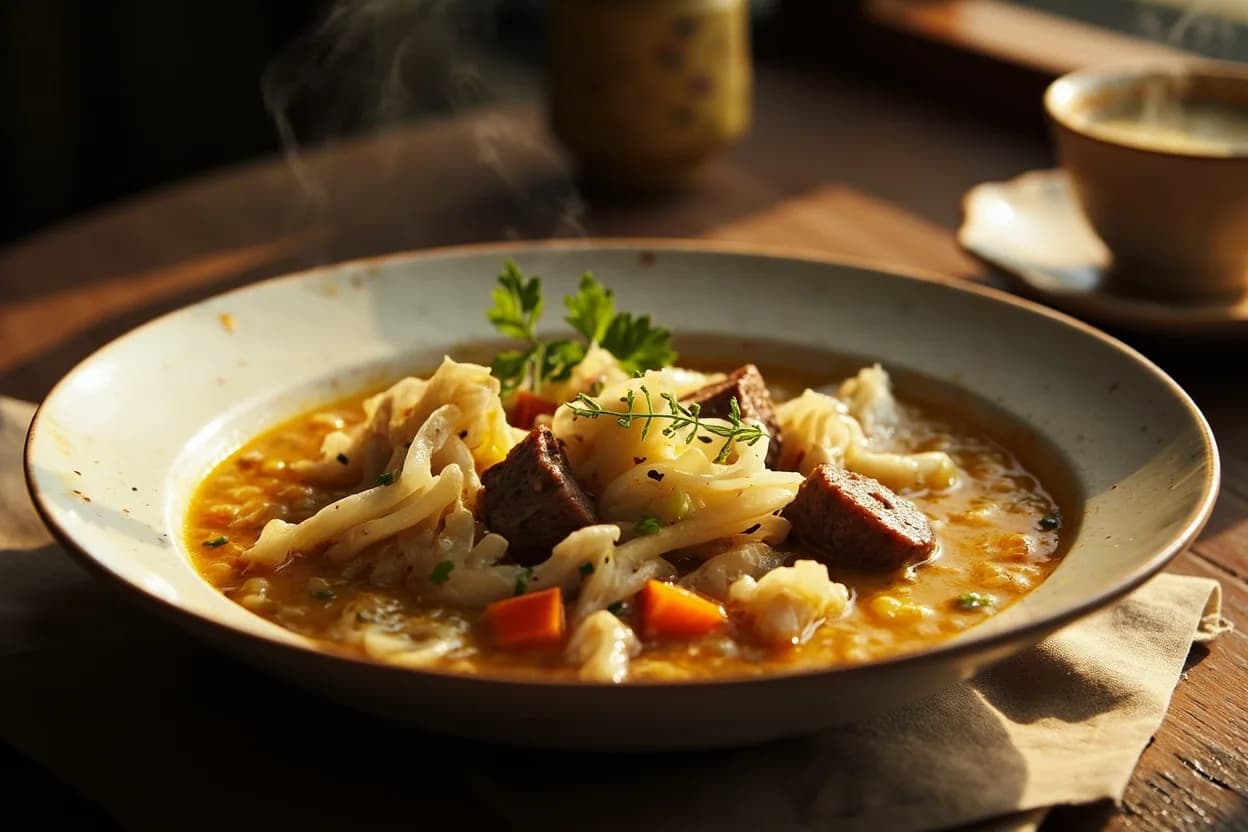
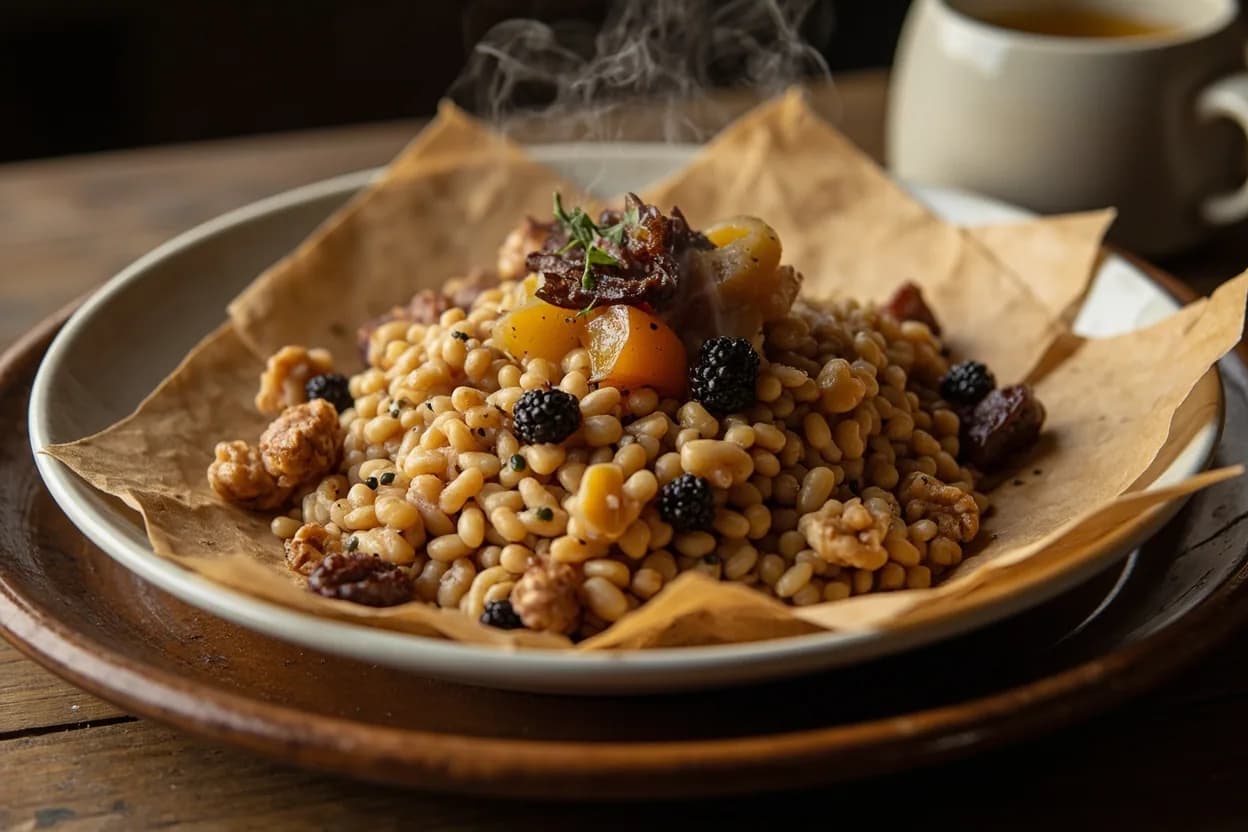
Meals anchor on a generous first course of soup (borscht or kapusniak) followed by a main of meat or dumplings with pickled vegetables. Bread — particularly pampushky with borscht — is non-negotiable. Feast-day meals (Christmas Eve, Easter) follow strict liturgical patterns: Christmas Eve's twelve-dish 'Sviata Vecherya' is meatless and includes kutia, uzvar stewed fruit drink, and fish.
History & context
Ukrainian culinary identity is rooted in Kyivan Rus (9th–13th centuries), the medieval state that preceded both Ukraine and Russia. Fermentation, grain cultivation, and beekeeping were established early. The cuisine developed distinctly under the Lithuanian and Polish-Lithuanian Commonwealth (14th–18th centuries), absorbing Central European influences while retaining Slavic foundations. Cossack cooking added smoked and salted meats and the culture of communal cooking over open fire. Soviet collectivization devastated Ukrainian agriculture during the Holodomor (1932–33) but could not erase culinary identity; since independence (1991), chefs have led a renaissance reasserting Ukrainian distinctness — especially the claim that borscht originated in Ukraine, recognized by UNESCO as Ukrainian cultural heritage in 2022.
Regional variations
- Western Ukraine (Galicia/Halychyna)
Polish and Austro-Hungarian influences: richer pastries, beet-pickled eggs, banush (Hutsul cornmeal with sheep cheese and cracklings), and a stronger Jewish culinary imprint.
- Poltava / central steppe
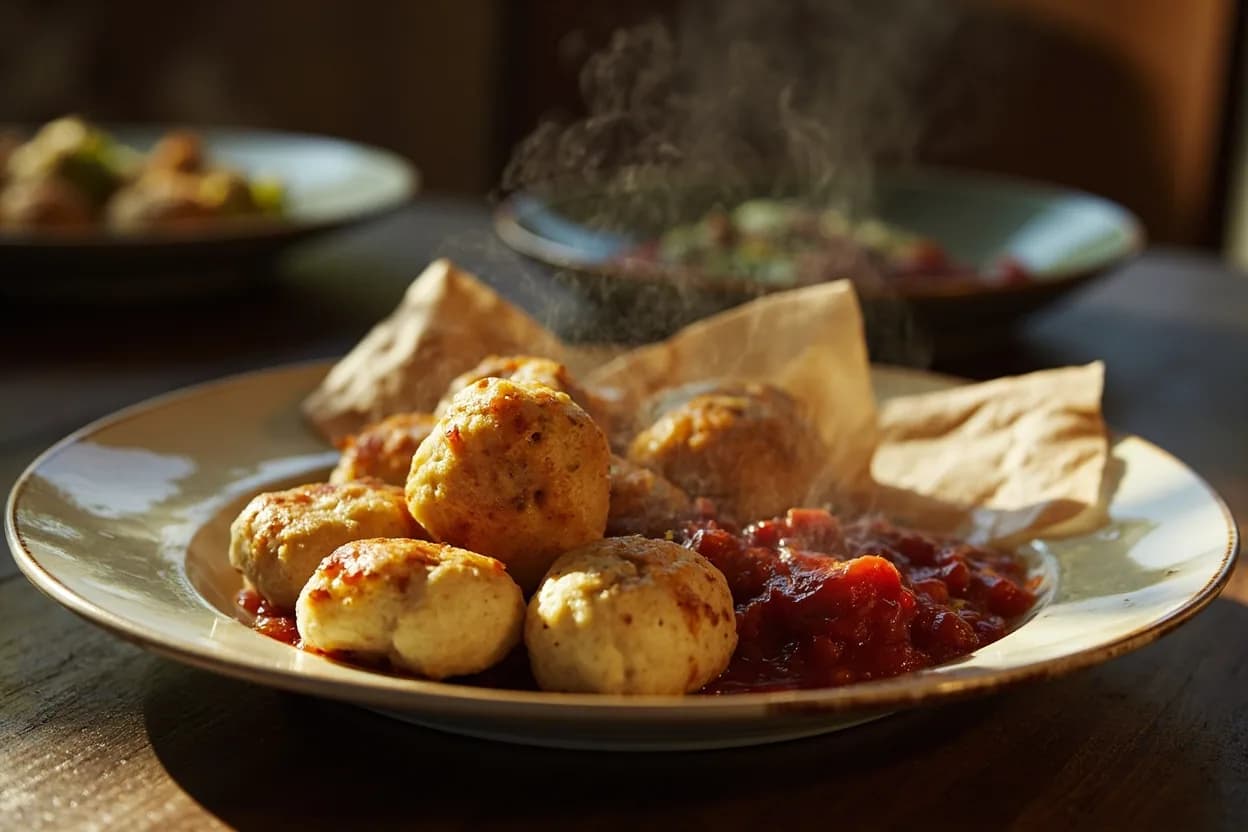
The heartland of galushky (thick dumplings in broth), rich dairy cooking, and the most celebrated salo tradition.
- Crimea and southern coast
Crimean Tatar cuisine (chebureki, plov, sarma) and a Mediterranean fish and grape culture shape the south.
- Carpathian (Hutsul)
Highland mountain cooking: banush, brynza sheep cheese, wild mushrooms, smoked meats, and polenta-adjacent mamalyga.
Related cuisines
Sibling Slavic tradition with deep shared vocabulary; disputes over origin of borscht and other dishes reflect contested historical identity.
Western Ukraine's long overlap with the Polish-Lithuanian Commonwealth produced shared pierógi/varenyky traditions and rye bread culture.
- Belarusian
Shared Slavic base of potato-heavy cooking, dumplings, and cured meats; the closest culinary cousin geographically.
- Moldovan
Shared mamalyga (cornmeal porridge), stuffed cabbage, and wine culture along the southwestern border.
Canonical recipes
The dishes that define Ukrainian, documented in the Canon.
References
- 1.The Ukrainian Cookbook — Bohdan Zahny (1996)
- 2.Mamusia: A Polish-Ukrainian Family's Food Memories — Zuza Zak (2021)
- 3.Borscht Belt — Olia Hercules (2023)
- 4.Summer Kitchens — Olia Hercules (2020)
- 5.UNESCO Intangible Cultural Heritage listing: Culture of Ukrainian borscht cooking (2022)
Confidence: high
Notes
Borscht as cultural monument
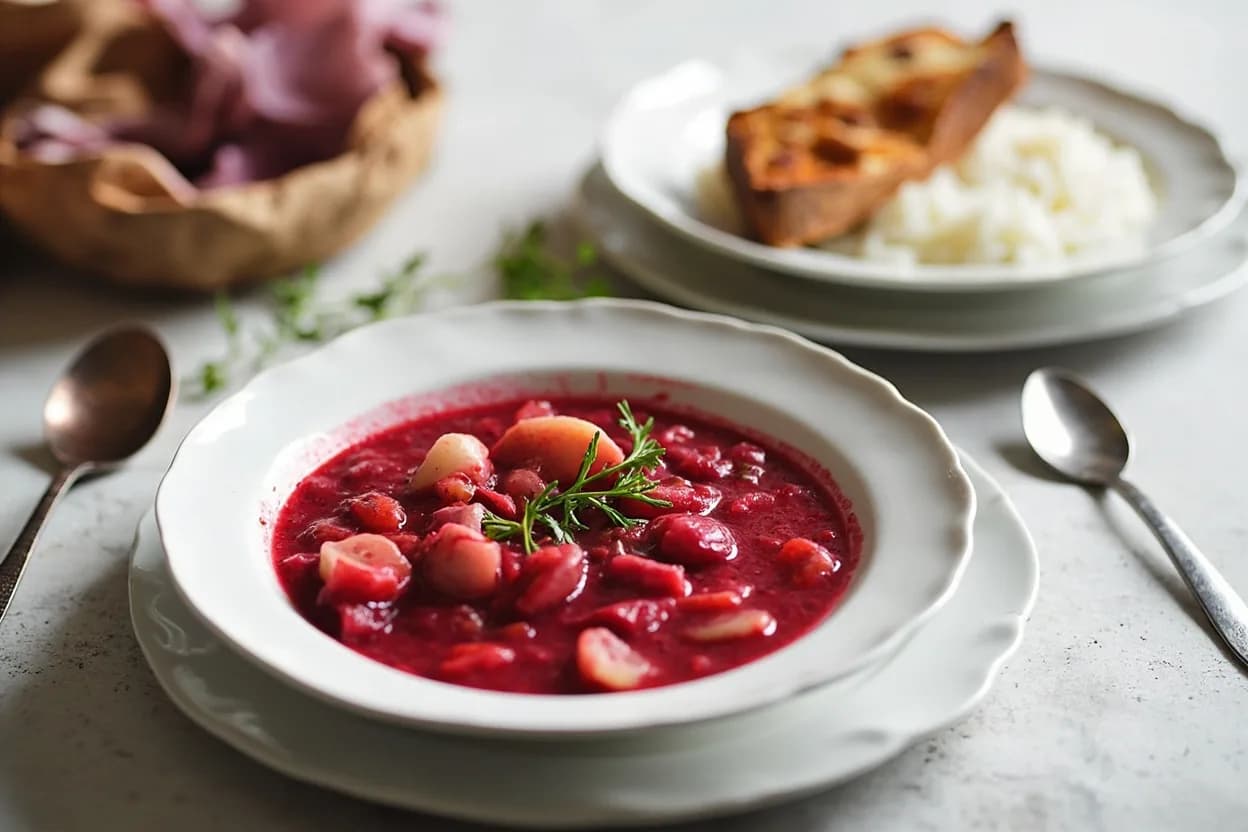
Borscht is not a single recipe but a family: red (beet), green (sorrel), white (fermented wheat-rye 'beet kvass' base), and cold summer versions. Each region, and every grandmother, maintains a distinct version. Ukraine's successful 2022 UNESCO submission for borscht was explicitly framed as cultural heritage preservation under conditions of war.
Salo: more than food
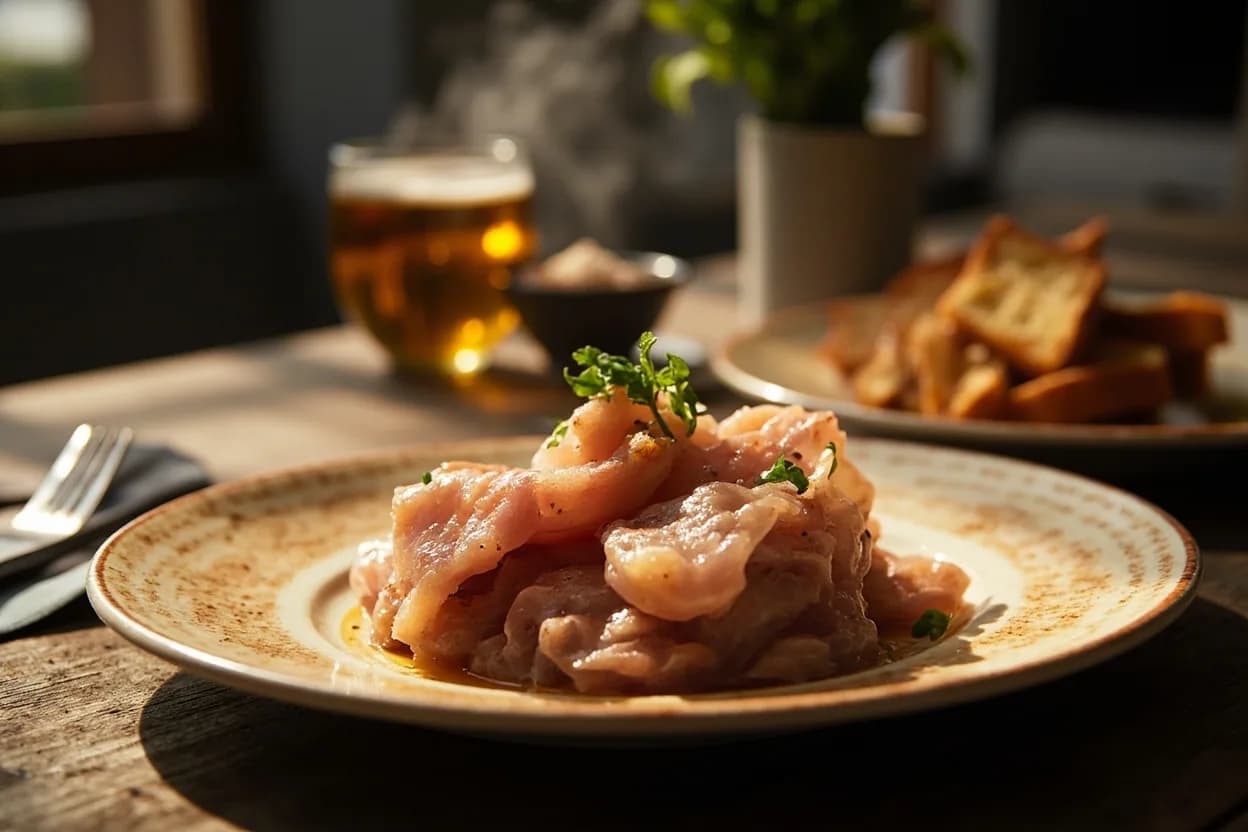
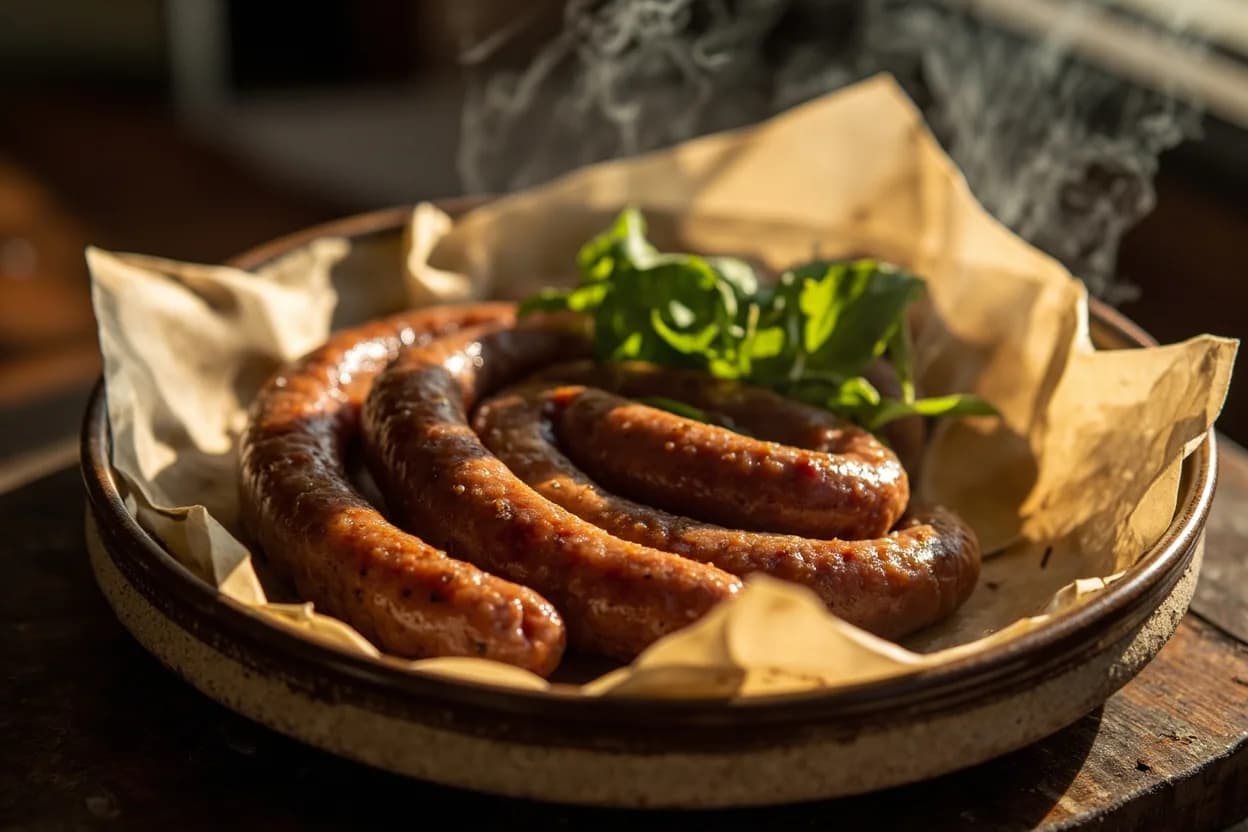
Salo — salt-cured pork back fat, sometimes smoked, often studded with garlic — is a cultural symbol of Ukrainian identity as much as a cooking ingredient. It is eaten raw on black bread, rendered for cooking fat, and given as gifts. Ukrainian salo festivals exist; it appears in literature, poetry, and national humor.