Eastern Europe / Northern Asia
Russian (Imperial & Soviet)
Also: Russian cuisine, Soviet cuisine, Russian cooking
A vast cuisine of warming stews, stuffed dumplings, and fermented staples shaped by both tsarist court grandeur and Soviet collective pragmatism.
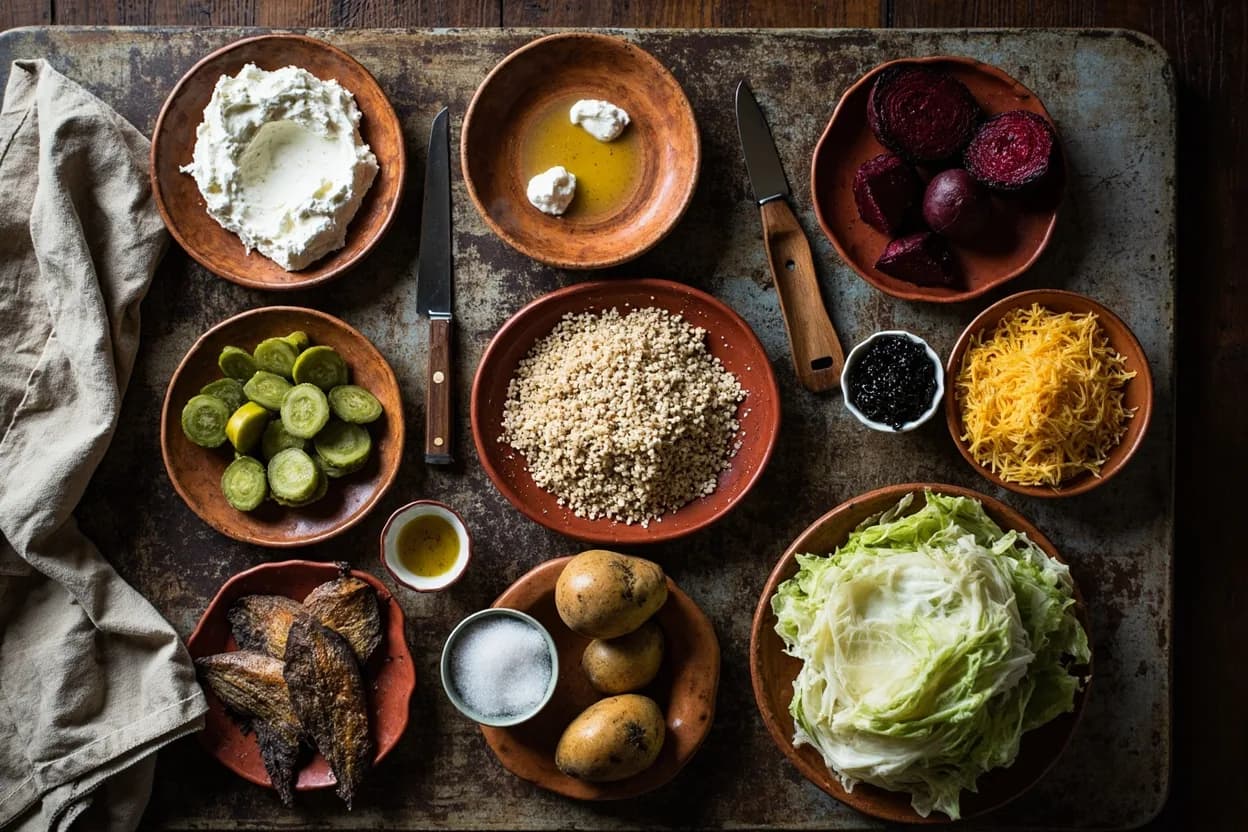
Russian cuisine spans the world's largest country, blending Slavic peasant traditions — rye bread, root vegetables, preserved fish, kasha porridges, and fermented dairy — with the French-influenced banquet cooking of the Imperial court, and the austere standardization of the Soviet canteen. The result is a cuisine of extremes: luxurious caviar alongside humble buckwheat, consommé alongside cabbage soup.
The flavour base
Rendered lard or butter with onion, carrot, and celery root (the 'zharenie' base); sour cream (smetana) as a universal enricher and sauce; dill and bay leaf as the default aromatics.
Pantry staples
Key ingredients
Signature techniques
Signature dishes
Russian (Imperial & Soviet) on the table

At the table
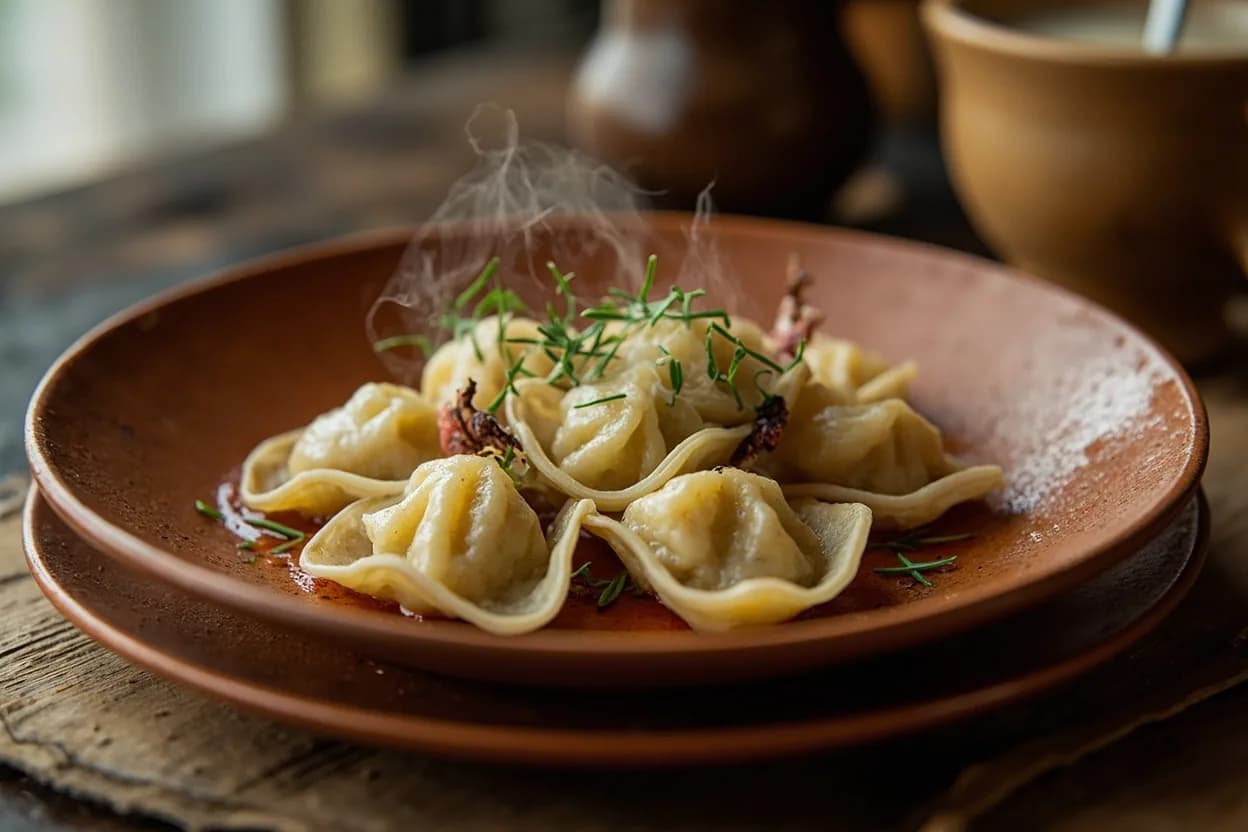
Traditional meals begin with zakuski (cold appetizers: pickles, herring, salads, blini), followed by a hot soup course, then a main of braised meat or fish with a porridge or potato side. Tea from a samovar closes the meal, often with varenie (fruit preserves). Soviet canteen format compressed this to soup + main + kompot drink.
History & context
Russian cooking crystallized in the medieval Muscovite period around grain porridges, fermented cabbage, and river fish. The 18th-century Petrine reforms and the French-influenced Romanov court introduced European technique — sauces, roux, molded aspics — while retaining Slavic foundations. The Soviet era imposed standardization via the 'Book of Tasty and Healthy Food' (1939), turning regional recipes into a single national canon. Post-Soviet cooking has seen a renaissance of regional traditions (Siberian, Cossack, Volga Tatar) and a fine-dining revival reinterpreting Soviet nostalgic dishes with precision.
Regional variations
- Siberian
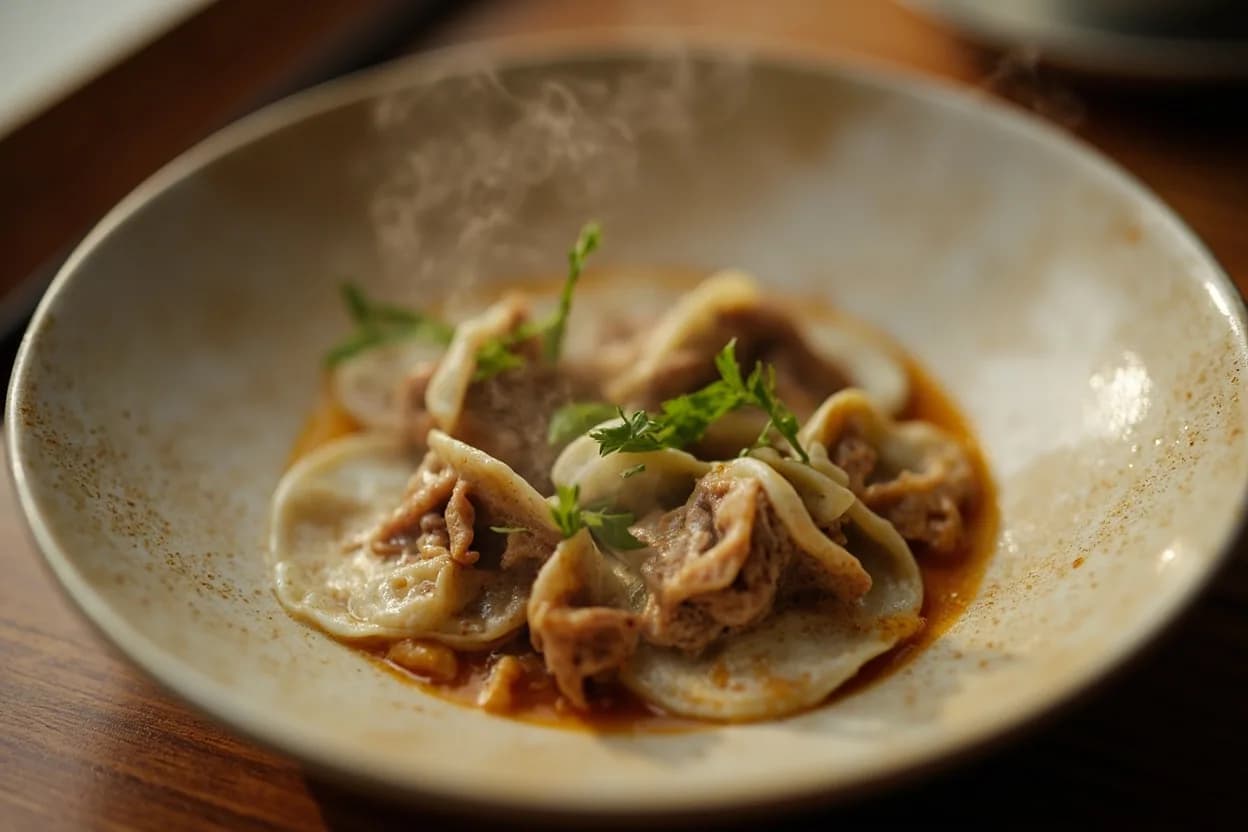
Heavier emphasis on pelmeni, wild game (bear, elk), taiga berries, and cedar nuts; Buryat and Evenki influences add fermented dairy and offal.
- Volga-Ural
Tatar and Bashkir crossover: samsa pastries, chak-chak honey cake, kazan-kebab, and horse meat in place of pork.
- Cossack (Kuban)
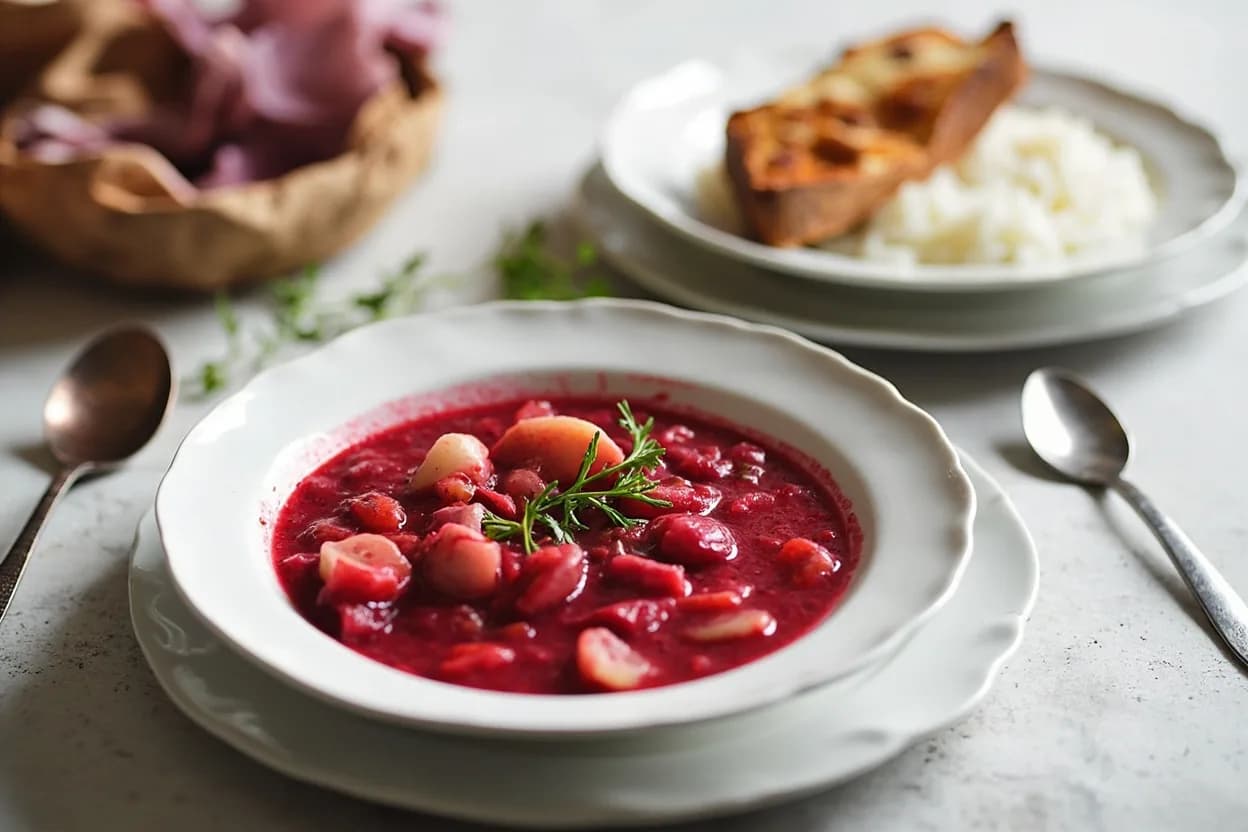
Rich black-soil agriculture produces abundant wheat; hearty stews, borshch with dumplings (halushky), and sunflower oil dominate.
- St. Petersburg / Imperial
French-trained chefs, consommés, lobster bisque, veal medallions, and the elaborate buffet tradition of the aristocracy.
- Soviet Canteen
Standardized recipes from the Mikoyan cookbooks: kotlety (meat patties), vinegret salad, kompot, and grechka — a comfort-food category unto itself.
Related cuisines
Sibling Slavic tradition sharing borscht, varenyky, and salo; Ukraine disputes the origin of several dishes claimed by Russian cuisine.
Shared pierogi/pelmeni dumpling lineage, pickled herring, and rye bread culture.
- Georgian
Heavily influential on Russian urban eating; khinkali, khachapuri, and tkemali plum sauce became Soviet-era standards.
- Uzbek
Plov (pilaf) became a pan-Soviet staple; samsa and laghman noodles entered the Russian urban diet through Soviet migration.
Canonical recipes
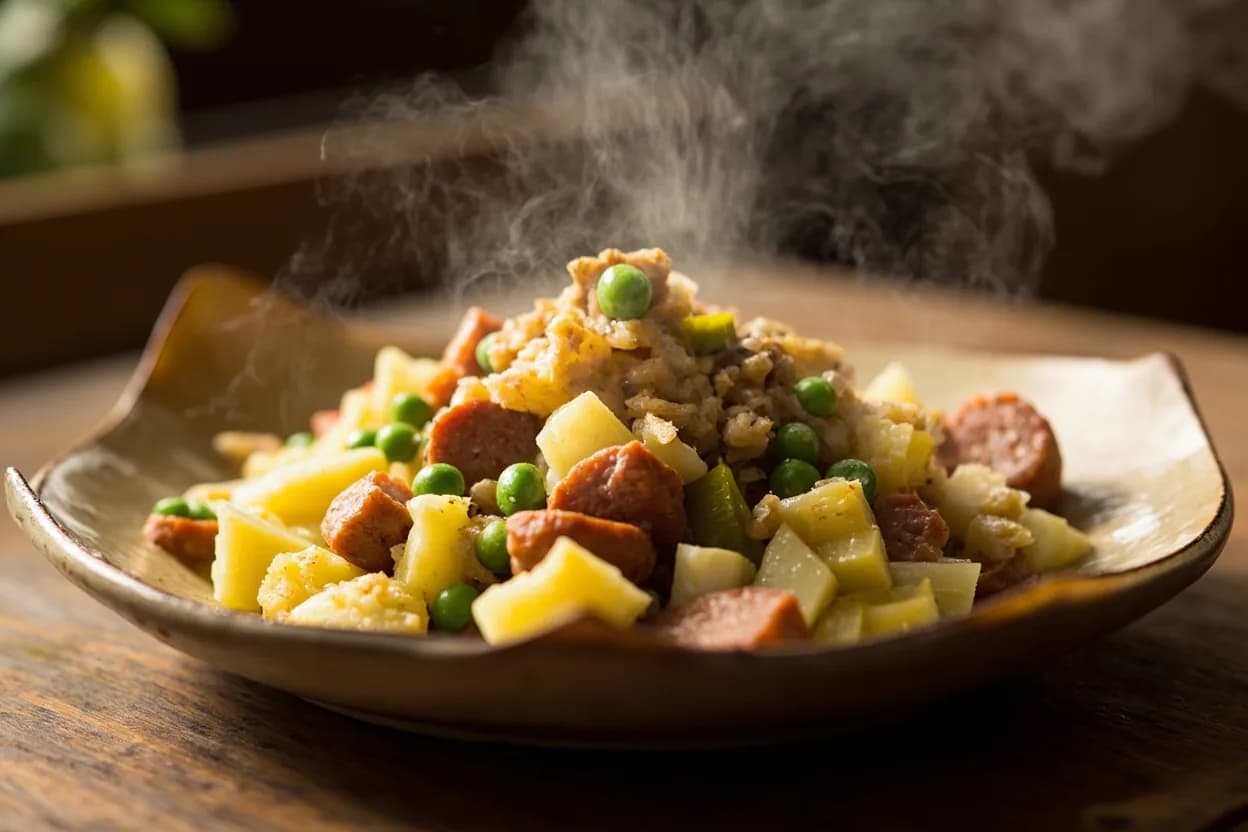
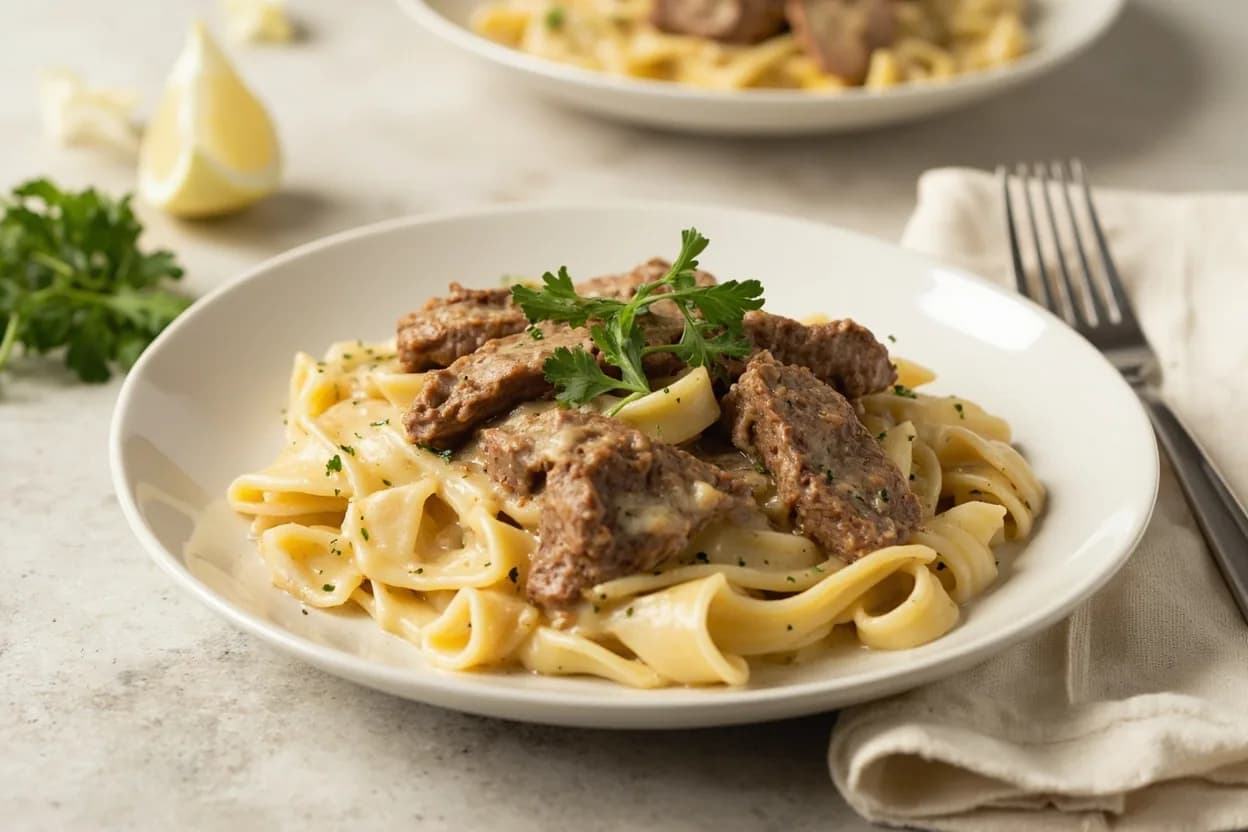
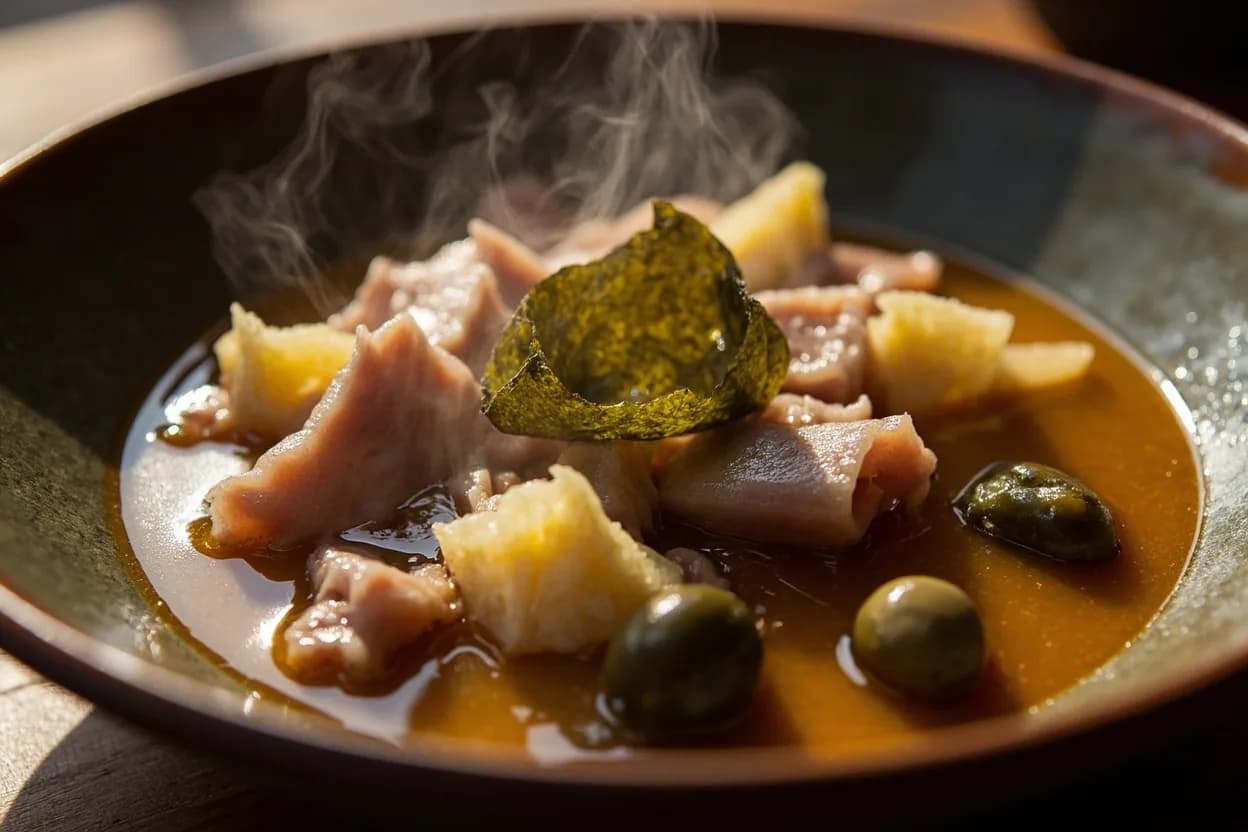
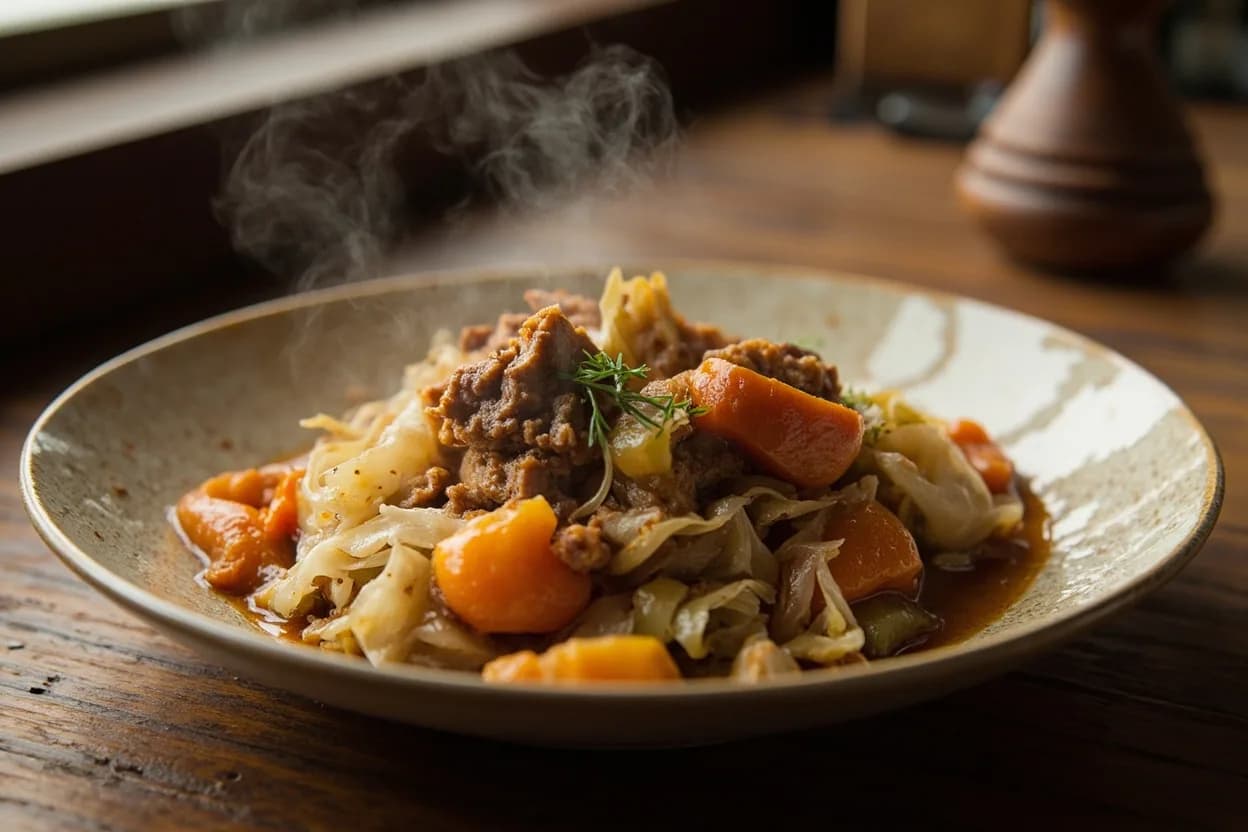
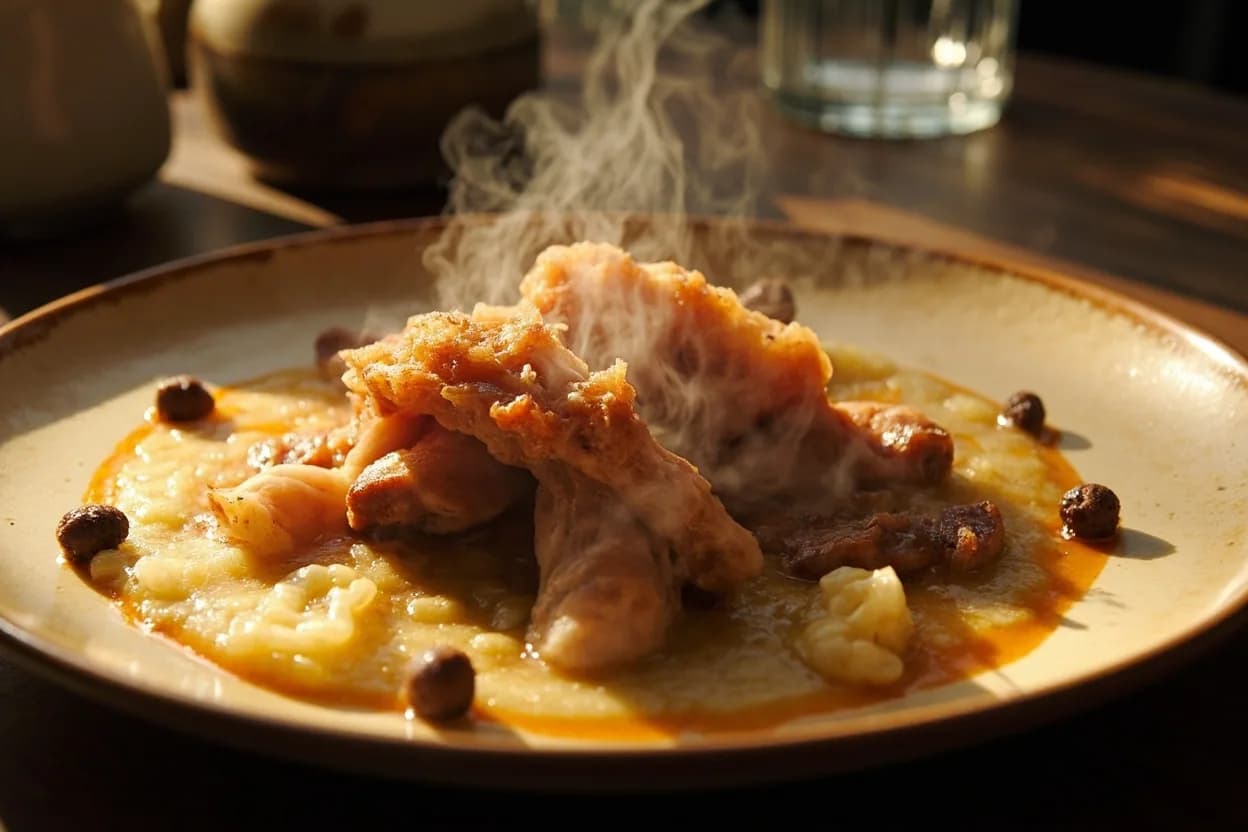
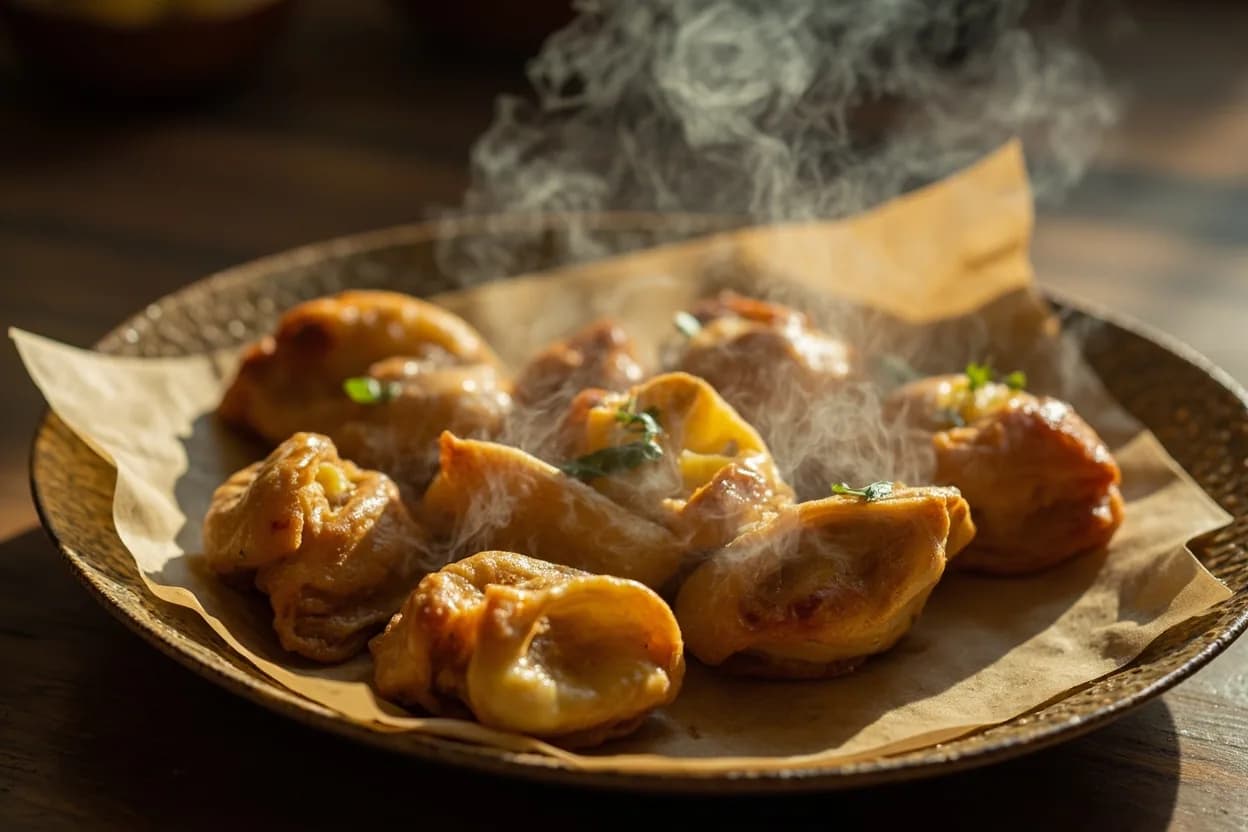
The dishes that define Russian (Imperial & Soviet), documented in the Canon.

References
- 1.Please to the Table — Anya von Bremzen & John Welchman (1990)
- 2.The Book of Tasty and Healthy Food — Soviet Ministry of the Food Industry (1939, multiple editions)
- 3.Mastering the Art of Soviet Cooking — Anya von Bremzen (2013)
- 4.Russian Cookery — Elisabeth Luard (2003)
Confidence: high
Notes
Imperial vs. Soviet distinction
The Imperial court hired French chefs (Carême's influence reached St. Petersburg), producing dishes like beef stroganoff (attributed to the Stroganov family, recorded in the 1860s) alongside elaborate puff-pastry coulibiac. The Soviet system nationalized recipes and standardized them, erasing regional and ethnic authorship — which is now being carefully restored by food historians and chefs.
The fermentation tradition
Kvass, kefir, smetana, kvashenaya kapusta (lacto-fermented cabbage), and solyonye ogurtsy (salt-cured cucumbers) were not merely preservation tools but constituted the primary flavor vocabulary of the Russian kitchen long before refrigeration.