Fermented Grains & Cereals
Rye Flour
Also: dark rye, whole rye, Roggenmahl, farine de seigle
Northern Europe's defining grain flour — earthy, tangy, and dense, with a pronounced character that demands bold company and sourdough fermentation to reach its peak.
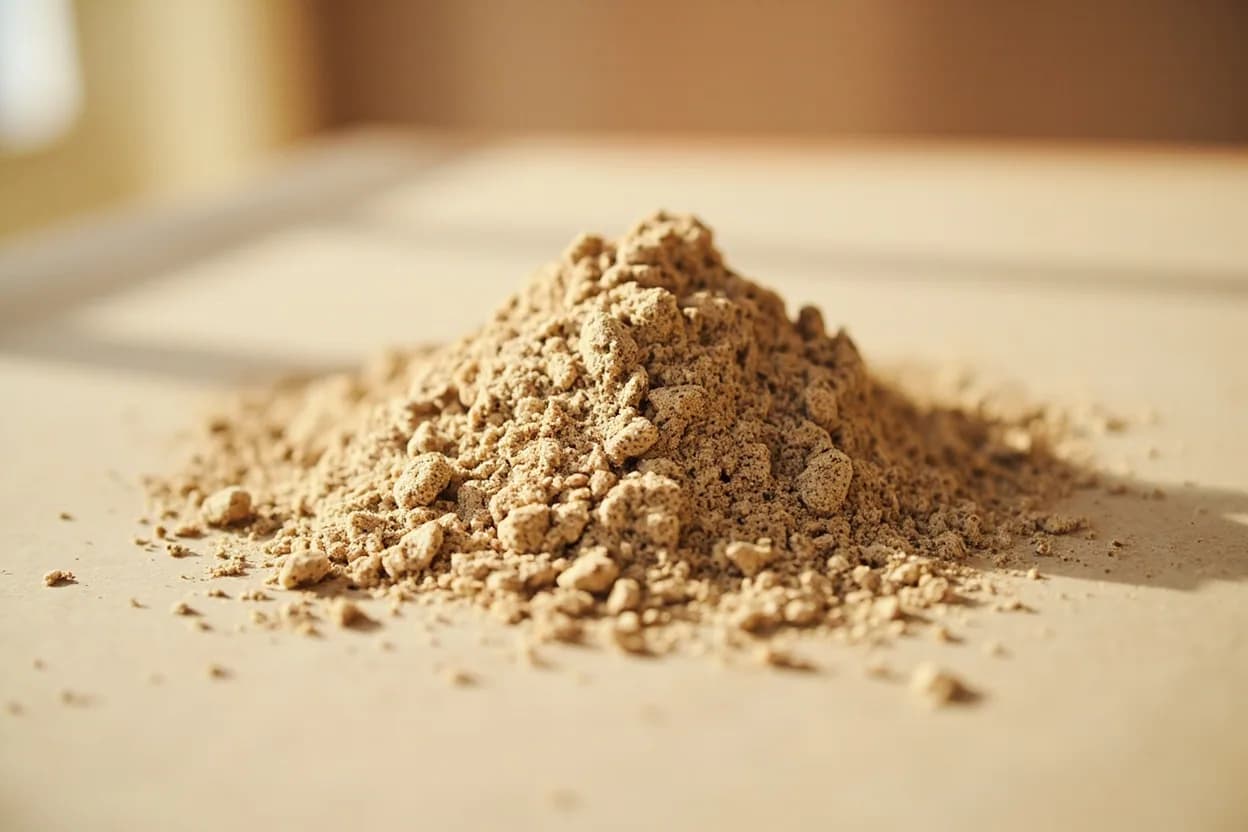
Rye flour is milled from rye (Secale cereale), a cold-hardy cereal grain that thrived in the short growing seasons of Northern and Eastern Europe where wheat struggled. Unlike wheat, rye is high in pentosans — water-soluble fibres that absorb large quantities of water and create a dense, gummy, moist crumb. Its flavour is distinctly earthy and tangy, with notes of dark bread, anise-adjacent spice, slight bitterness, and a caraway-compatible depth. Rye flour ranges from light (sifted) to medium to dark (whole grain) to whole-grain rye meal; the darker the mill, the more pronounced the flavour and the denser the result.
In photos
Flavour profile
Classic pairings
- Caraway seedsGerman, Polish, Austrian
Rye bread and caraway are inseparable in Central and Eastern European baking — caraway's anise-citrus note amplifies rye's latent spice character and adds aromatic lift to its density.
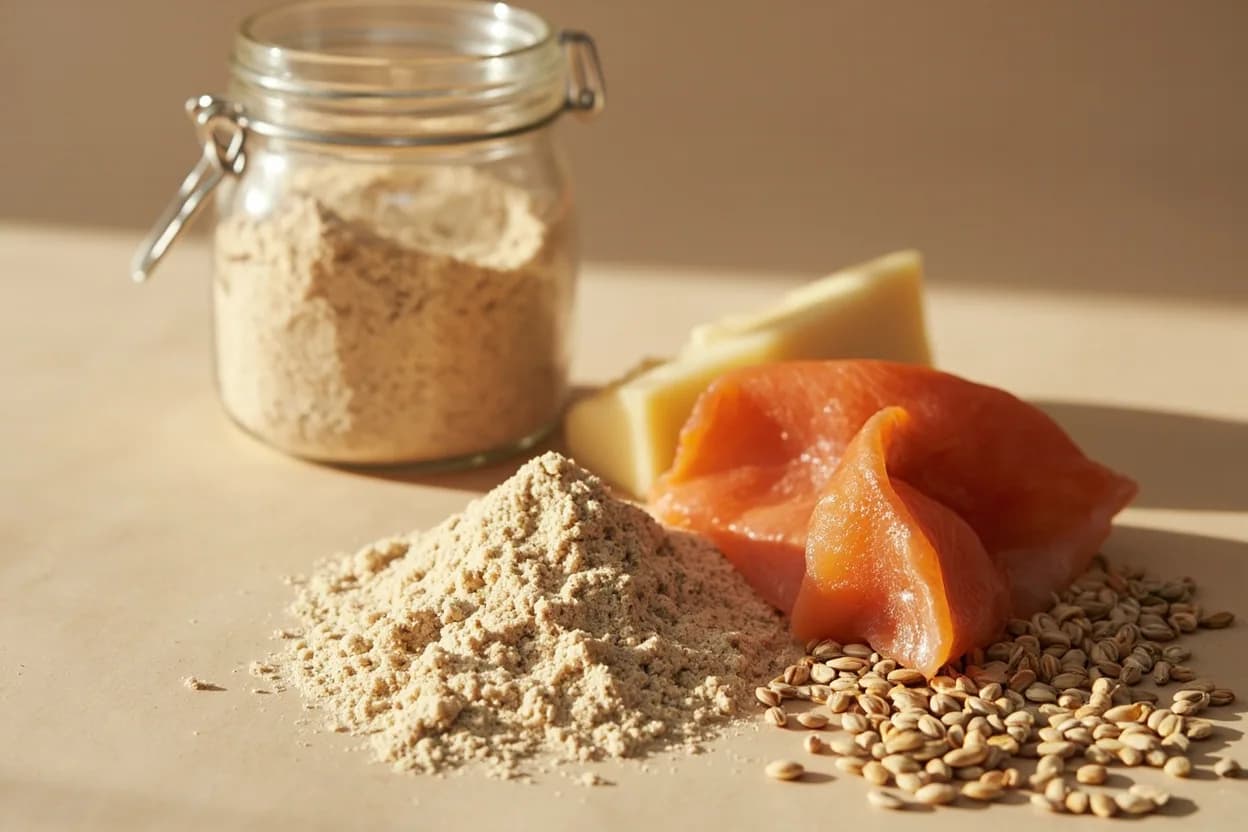
- Smoked salmonScandinavian
Rye's earthiness and lactic tang create a powerful counterpoint to the salt and smoke of cured salmon; the bread's density holds up to wet toppings without dissolving.
- Aged hard cheeses (Gouda, Gruyère, Comté)Northern European
Crystalline aged cheeses match rye's lactic depth with their own long-fermentation complexity; the fat and salt cut the bread's bitterness.
- HorseradishGerman, Eastern European
The sharp, sinus-clearing heat of fresh horseradish is one of the few flavours forceful enough to stand up to rye's dense earthiness — together they form the backbone of classic German open-faced sandwiches.
- Cured meats (pastrami, corned beef, salami)Jewish-American deli, German
The spiced, saline intensity of cured meats needs rye's acidic tang to cut through fat; the classic deli sandwich is one of the world's great pairings.
- Butter (cultured)Scandinavian, Danish
Cultured butter's lactic sharpness doubles the sourdough quality of rye bread; spread simply, it is one of Scandinavia's most satisfying combinations.
- Dark beer (stout, porter, dunkel)German, British
Rye bread baked with or alongside dark lager or stout absorbs roasted malt character; the shared Maillard-roast compounds create seamless integration.
Adventurous pairings
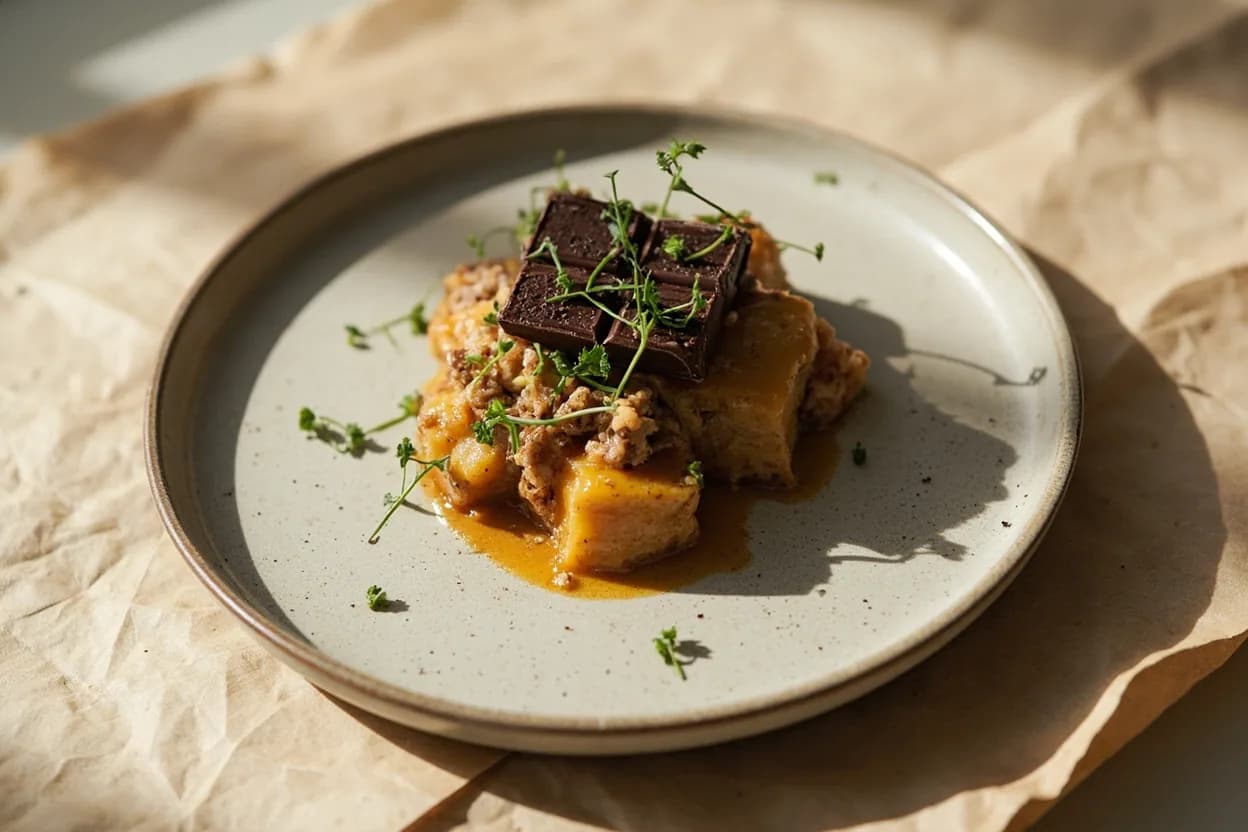
- Dark chocolate (70%+)
Rye's bitterness and earthy roast echo dark chocolate's same compounds; rye crackers with a 72% bar and sea salt is a revelation that highlights both.
- Miso (red/hatcho)
Both rye and aged miso are products of long fermentation; their shared lactic-umami-bitter register makes a compelling base for savoury rye-miso biscuits or spreads.
Ground coffee in rye quick breads or muffins reinforces the grain's dark-roast notes while adding complexity; a technique borrowed from coffee-rye cocktail culture.
Double-fermenting — rye bread with sauerkraut on top — creates a coherent lactic-acid experience; the two sour notes reinforce rather than clash because they share the same bacterial chemistry.
The bitter, burned-sugar depth of blackstrap molasses used in pumpernickel production is an engineering solution: it counterbalances rye's bitterness while providing colour and structure.
Tread carefully
- Delicate aromatic herbs in large quantities (tarragon, chervil)avoid
Rye's assertive earthiness and bitterness obliterate subtle anise-herb notes; the herbs contribute nothing while the bread dominates.
- Mild fresh fruit (peaches, white nectarines)avoid
The subtle, perfumed sweetness of stone fruit is crushed by rye's bitter mineral intensity; the fruit disappears entirely.
- Honey-forward pastry glazes on rye breadsavoid
Rye's bitterness turns honey cloying rather than complementary; dark malted syrups or rye-grain-based syrups are far more coherent.
How to use it
- Sourdough fermentation: rye's pentosans respond dramatically to long cold fermentation (12–18 hrs), developing lactic complexity and improving sliceability
- Scalding (Brühstück): pour boiling water over a portion of rye flour and let it rest overnight — this activates enzymes that sweeten the dough and improve moisture retention
- Blending: combine rye and wheat 1:1 for structure with rye character; increase rye to 80% for dense Scandinavian-style loaves
- Crispbread: roll rye dough paper-thin and bake low-and-slow (150°C / 2 hrs) for snappy, shelf-stable crackers
- Pumpernickel: steam whole-grain rye in a covered pan at very low temperature (100°C) for 12–24 hours for the classic almost-black loaf
Appears in
Related flavours
Shares rye's earthy, bitter whole-grain character and benefits from similar sourdough fermentation; the two can be blended for complex gluten-light bakes.
- Sourdough starter
Rye flour is the preferred food for maintaining sourdough starters due to its natural wild-yeast population and rich enzyme activity.
- Caraway
Inseparable flavour partner — caraway's anise character is the single most classic spice addition to rye bread across Northern and Central Europe.
References
- 1.The Bread Baker's Apprentice — Peter Reinhart
- 2.Modernist Bread — Nathan Myhrvold & Francisco Migoya
- 3.The Rye Baker — Stanley Ginsberg
- 4.On Food and Cooking — Harold McGee
Confidence: high
Notes
Why rye must ferment
Rye flour contains amylase enzymes that, if not deactivated by sufficient acidity, continue breaking down starches in the baked loaf, producing a gummy, sticky crumb known as 'starch attack.' A long sourdough fermentation acidifies the dough enough to neutralise these enzymes before baking — which is why rye breads made with commercial yeast alone often disappoint, while properly fermented rye sourdoughs slice cleanly and improve for days after baking.