Fats, Pastes & Condiments
Horseradish
Also: prepared horseradish, western wasabi, Armoracia rusticana
A fierce, nasal pungency that cuts fat, brightens beets, and electrifies cold sauces.
Horseradish is a hardy Brassicaceae root whose cells, when grated or crushed, release sinigrin—a glucosinolate that hydrolyzes into allyl isothiocyanate, the volatile compound responsible for its sharp, airway-clearing heat. Unlike chili heat, which lingers on the tongue, horseradish pungency spikes fast and dissipates quickly, making it ideal for counterbalancing rich or fatty foods without prolonged burn. Fresh-grated root is most potent; prepared horseradish (root, vinegar, salt) is milder and stabilized by acidity.
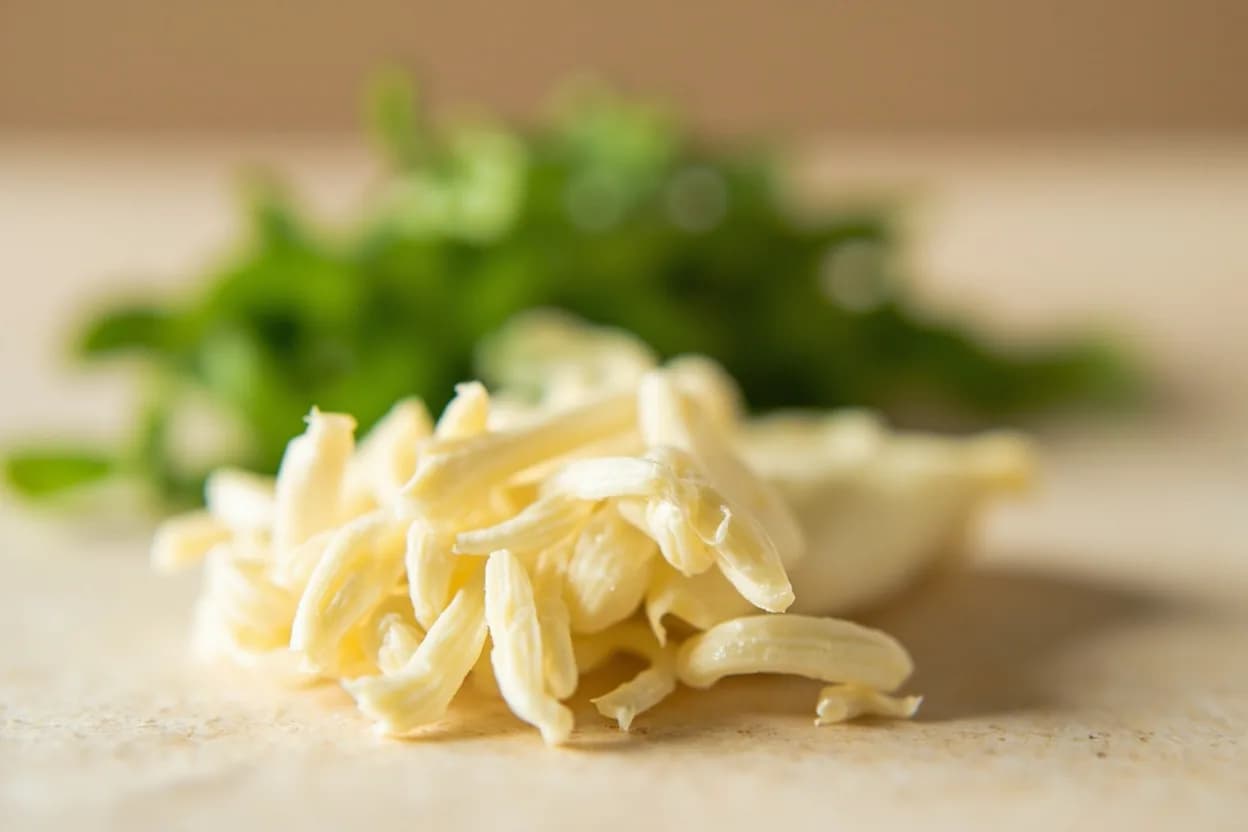
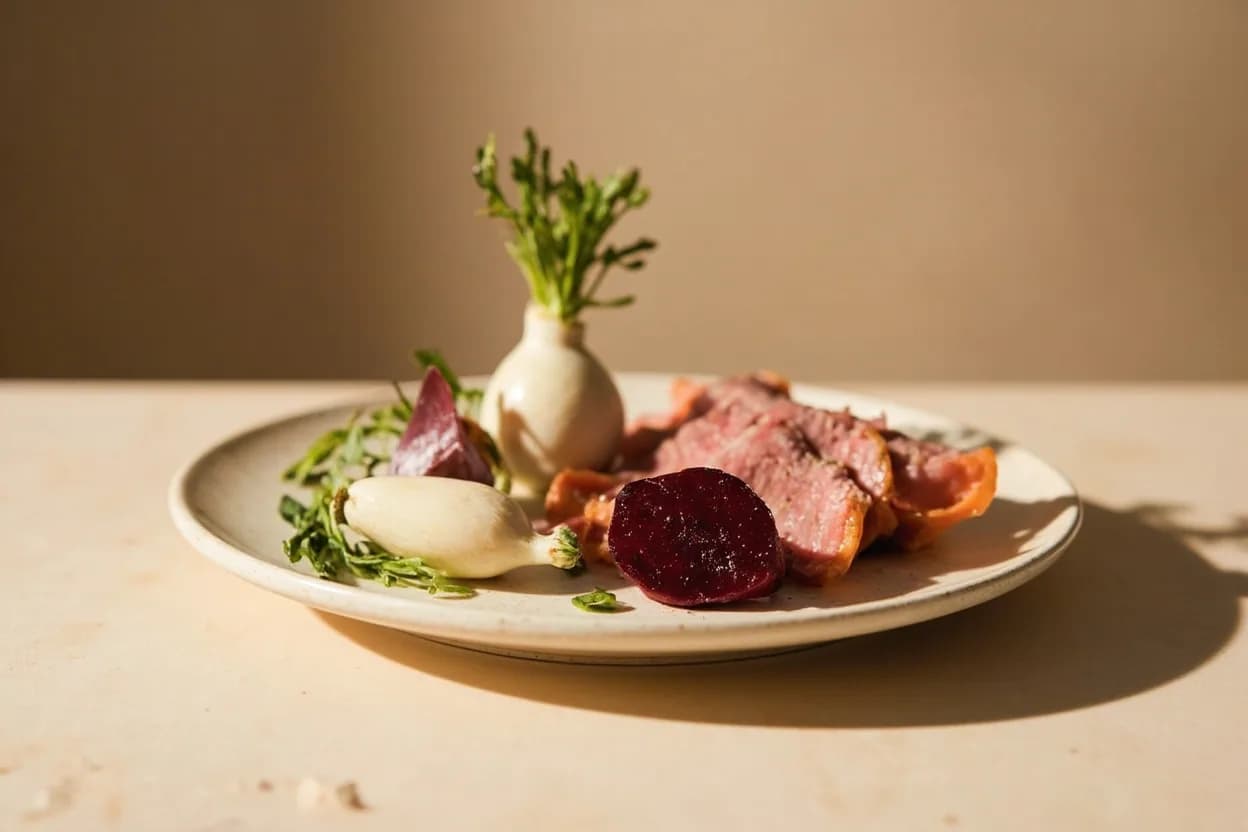
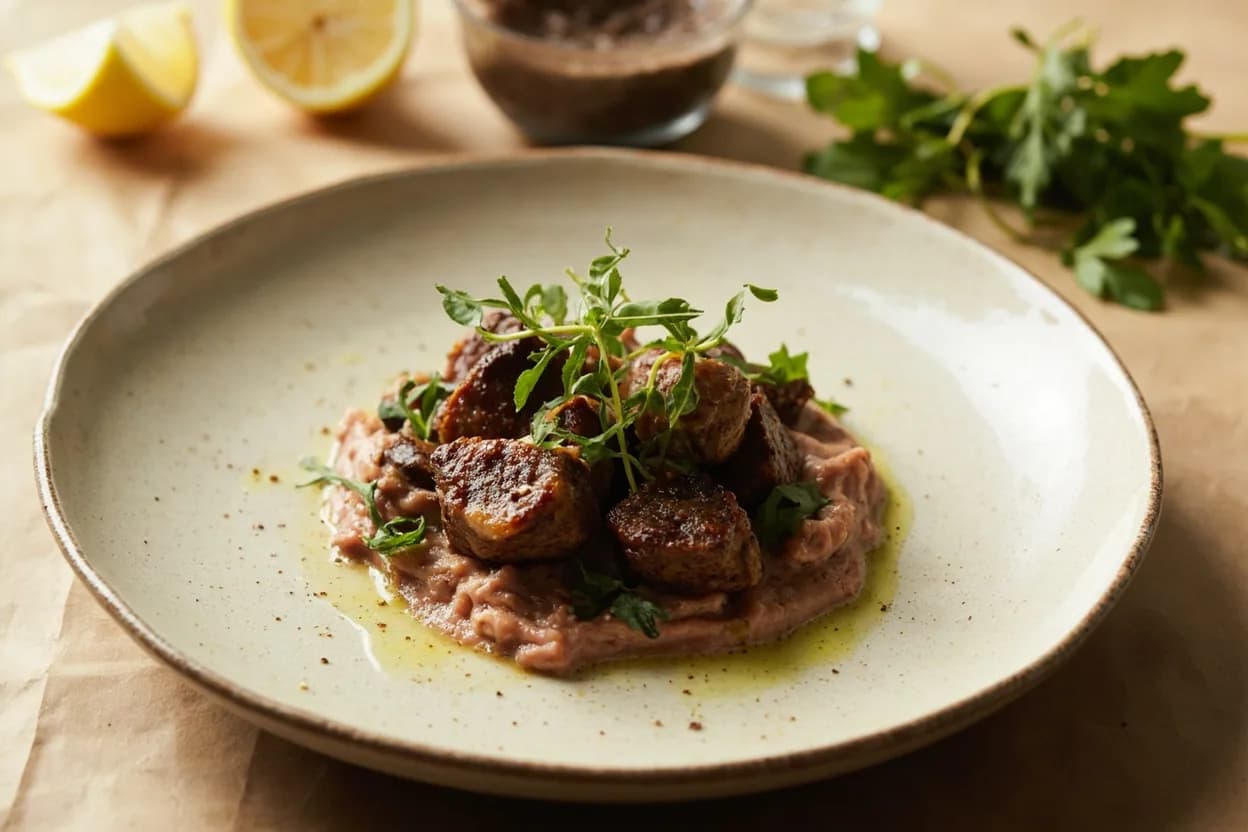
In photos
Flavour profile
Classic pairings
- Roast beefBritish / Central European
The canonical pairing: volatile isothiocyanates cut through beef's rendered fat and amplify umami via contrast.
- Smoked salmonAshkenazi Jewish-American
Cream cheese and horseradish is a New York deli staple; the heat pierces smoke and fat, while cream tempers burn.
- BeetsEastern European / Ashkenazi
Beets' earthy sweetness and deep color need the jolt of horseradish to prevent cloying monotony; chrain (horseradish-beet relish) is the Ashkenazi solution.
- Sour creamCentral European
Dairy fat acts as a solvent for volatile compounds, delivering controlled heat in sauces and dips.
- OystersAmerican / French
Classic mignonette variant and cocktail sauce partner; the nasal heat mimics the sensation of cold sea air.
- Boiled potatoesGerman / Austrian
Starchy blandness amplifies the contrast; a mustard-horseradish cream elevates simple potato salad.
- Cured herringScandinavian / Northern European
Salt-cured fish benefits from horseradish's ability to cut brine and add brightness without adding sweetness.
Adventurous pairings
A fine-chocolate counterpart: bitter cocoa and sharp isothiocyanates resonate in the same nasal channel; used in modern pastry and artisan bonbons.
Japanese-style compound: deep umami from koji fermentation and the sharp nasal lift of horseradish are mutually amplifying in salad dressings and marinades.
- Avocado
Buttery, neutral avocado is a blank canvas; horseradish in guacamole or avocado toast brings structural heat that lime juice alone cannot.
- Apple
Tart apple and grated fresh horseradish is a Tyrolean condiment (Apfelkren); natural sugars buffer the heat while malic acid sustains it.
- Chickpeas
Whipped into hummus-style dip, horseradish creates a Levantine-meets-Eastern-European hybrid that electrifies the legume's earthiness.
Tread carefully
- Delicate white fish (sole, flounder)avoid
Horseradish's aggressive volatiles overwhelm subtle flesh; lemon and herbs serve these better.
- Soft fresh cheeses (ricotta, chèvre)avoid
The sharp heat clashes with milky freshness and can make the cheese seem sour rather than lifting it.
- Spicy chiliesavoid
Competing heat mechanisms—isothiocyanate nasal burn plus capsaicin tongue burn—create an unpleasant sensory overload with no resolution.
How to use it
- Grate fresh root on a fine Microplane directly onto dishes for maximum punch; exposure to air dulls it fast.
- Mix with vinegar immediately after grating to halt enzymatic activity and fix heat level at your desired intensity.
- Fold into whipped cream or crème fraîche for horseradish 'snow'—a classic British garnish for beef.
- Blister-heat in butter or oil briefly (Scandinavian style) to mellow pungency and develop nutty sweetness.
- Layer under a beef roast's fat cap before roasting to perfume the meat from the inside out.
- Combine with Dijon and honey for a three-note glaze (heat, mustard, sweet) on grilled salmon or pork.
Appears in
Related flavours
Shares allyl isothiocyanate as the primary pungent compound; flavors are nearly interchangeable though wasabi is greener and fresher.
Same Brassicaceae heat family; often combined with horseradish in sauces for layered sharpness.
Both are assertive condiments that cut fat; appear together in tartar sauce and smoked-fish accompaniments.
References
- 1.On Food and Cooking — Harold McGee
- 2.The Flavor Bible — Karen Page & Andrew Dornenburg
- 3.Nose Dive: A Field Guide to the World's Smells — Harold McGee
Confidence: high
Notes
Why heat fades in prepared horseradish
Vinegar halts the enzymatic conversion of sinigrin to allyl isothiocyanate, locking in whatever heat level was present at the moment of mixing. The later you add vinegar after grating, the hotter your prepared product will be. Commercial jars are typically mixed quickly to land in a moderate heat zone.
Horseradish vs. wasabi
Most 'wasabi' sold outside Japan is colored horseradish paste. True wasabi (Wasabia japonica) is far more expensive and its heat dissipates in minutes; horseradish's prepared form holds for weeks. Functionally similar in pairing logic, but the fresh aromatics differ—real wasabi is greener, grassier, and more floral.