Aromatics & Roots
Wasabi
Also: Japanese horseradish, wasabia japonica, namida, sawa wasabi, hon-wasabi
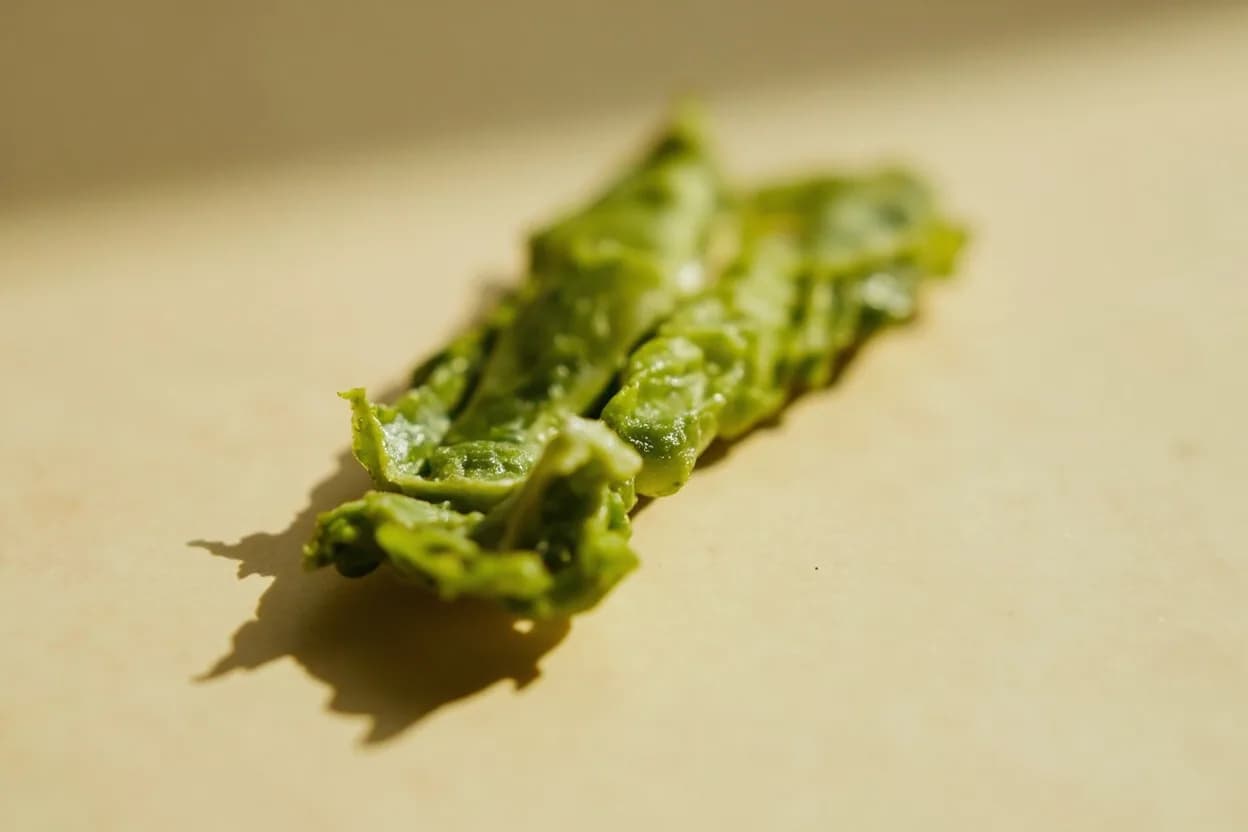
The volatile nasal heat of real wasabi is fleeting, green, and fresh — a world apart from the horseradish paste sold in its name.
True wasabi (Wasabia japonica) is a semi-aquatic plant native to mountain stream beds in Japan. Its rhizome is grated fresh at point of service to release allyl isothiocyanate — the same volatile compound responsible for heat in horseradish and mustard — but wasabi's version is distinctively greener, sweeter, and more fleeting than horseradish, dissipating in the nose within seconds of inhalation. Critically, almost all wasabi sold outside Japan (and most within it) is horseradish paste dyed green, or a blend of horseradish, mustard, and starch. Authentic wasabi is expensive, perishable, and requires fine grating on shark skin (oroshigane) to develop its full complexity.
In photos
Flavour profile
Classic pairings
- Raw fish (sashimi)Japanese
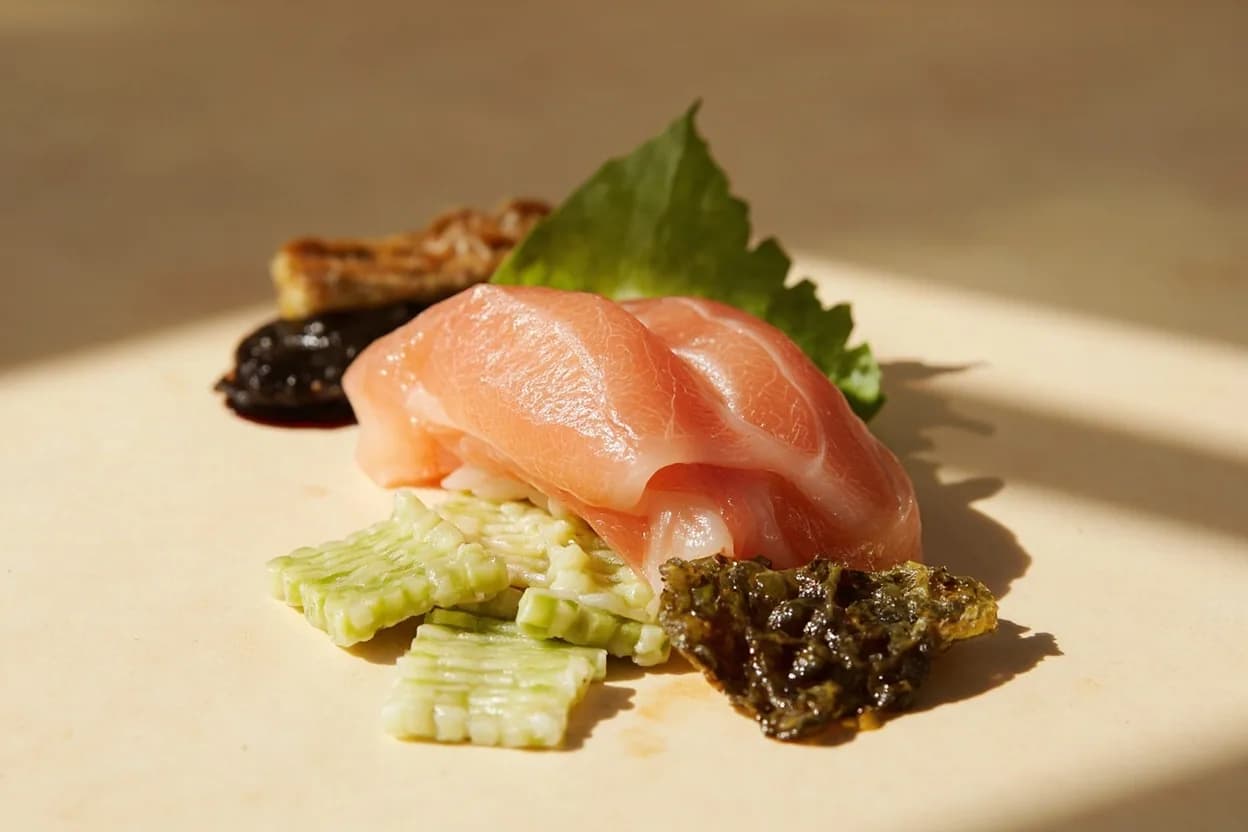
Wasabi's nasal heat cuts through the lipid richness of fatty fish (tuna, salmon, yellowtail) without masking the fish's flavor. The antimicrobial properties of allyl isothiocyanate are a historic preservation rationale.
- Sushi riceJapanese
Sushi rice's light rice-vinegar seasoning provides a sweet-acidic platform that amplifies wasabi's bite without competing with it. Traditional nigiri places wasabi between fish and rice.
- Soy sauceJapanese
The standard sashimi dip: a small amount of wasabi dissolved (or deliberately not dissolved) into soy sauce. Soy's umami and salt carry the wasabi heat into the fish. Purists dip fish-side only.
- Soba noodlesJapanese
Cold tsuyu dipping broth with freshly grated wasabi is the canonical way to eat zaru soba — the chilled noodle's neutrality makes the wasabi pop.
- Beef (tataki, carpaccio)Japanese
Wasabi's fresh heat is an ideal pairing for lightly seared or raw beef — it mirrors what horseradish does for roast beef in European tradition, but more cleanly.
- Pickled ginger (gari)Japanese
Functionally a palate cleanser rather than a direct pairing — the sweet-acid gari resets the palate between fish, so the next application of wasabi hits clean.
- AvocadoJapanese-American
The creamy fat of avocado tempers wasabi's volatile heat beautifully. The spicy tuna roll and California-wasabi applications all exploit this fat-tempering principle.
Adventurous pairings
- Peas
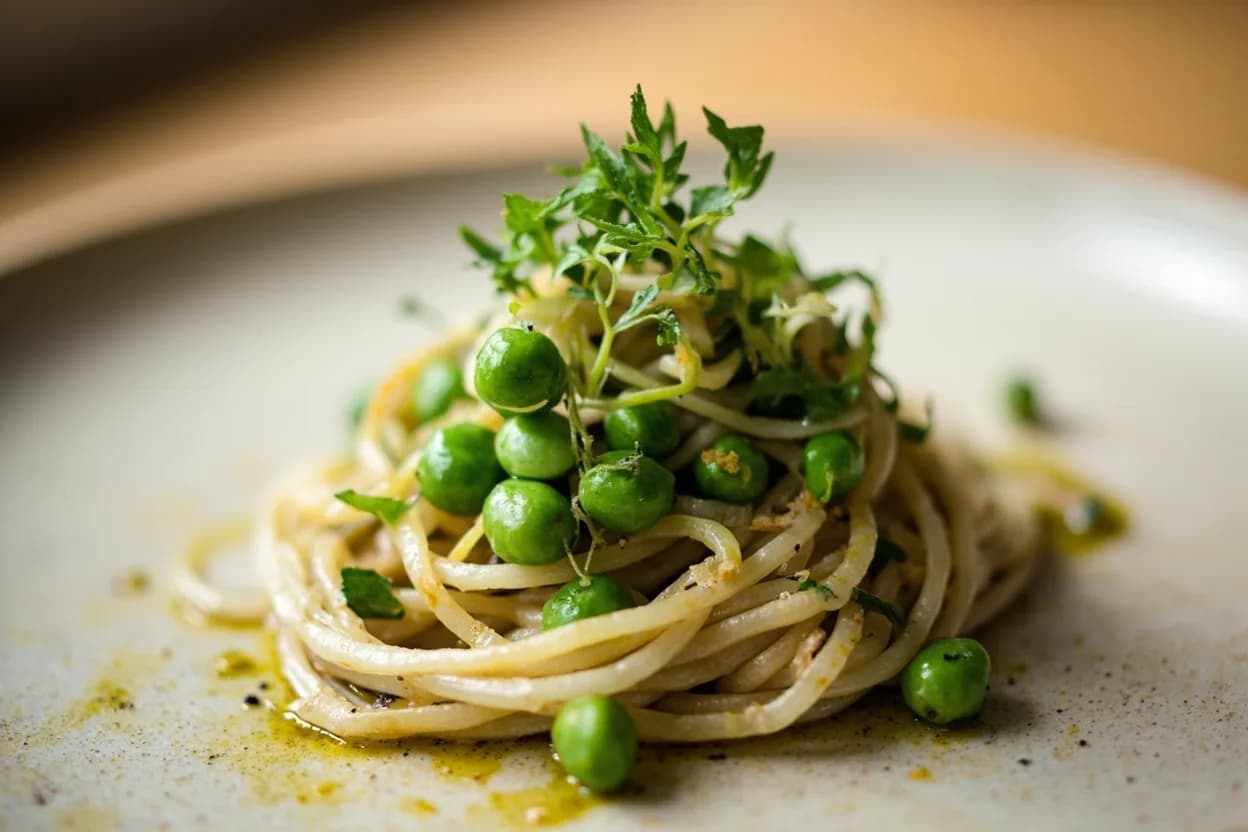
Wasabi-pea snacks exploit a genuine affinity: both have a fresh green vegetal note and the sweetness of peas softens the wasabi's bite into something addictive.
- Cream cheese
Fat in cream cheese dampens allyl isothiocyanate's volatility, creating a mellower, slow-blooming heat — popular in westernized Japanese appetizers and sushi cream cheese rolls.
- Strawberries
A genuinely surprising pairing — wasabi's nasal heat clears the palate so strawberry's sweetness hits with unusual intensity. Used in Japanese patisserie as a wasabi-strawberry mousse.
The bitterness and fat of high-cacao chocolate absorb and slow-release wasabi's heat in chocolate truffles — the initial bite is clean before the wasabi warmth blooms on the back palate.
Tread carefully
- Strongly acidic dressingsavoid
Vinegar and citrus acid rapidly deactivate allyl isothiocyanate, eliminating wasabi's heat almost entirely before it reaches the palate — the whole point of the ingredient is lost.
- Tomato-based saucesavoid
The acidity and sweetness of tomato suppress wasabi's volatiles and the combination has no culinary logic — these flavor worlds do not belong together.
- Wine (especially red wine)avoid
Red wine tannins bind to and distort wasabi's delicate green-fresh character into something harsh and flat. If wine is served with sashimi, low-tannin white wine or sake is the correct choice.
How to use it
- Grate fresh on a fine sharkskin (oroshigane) or ceramic grater in small circular strokes — the rhizome must be grated just before service
- Rest freshly grated wasabi for 2–3 minutes before serving to allow allyl isothiocyanate to fully develop
- Never expose wasabi to direct heat — the volatile compounds evaporate above 40°C
- Apply between fish and sushi rice for nigiri rather than mixing into soy sauce (purist style)
- Blend into butter or crème fraîche for wasabi compound butter — fat binds and mellows the heat
- Use sparingly: 3–4 grams per person is generous
Appears in
Related flavours
Produces the same allyl isothiocyanate heat mechanism but is sharper, earthier, and lacks wasabi's green sweetness — an acceptable substitute in cooked applications but not for raw fish
- Mustard
Another allyl isothiocyanate source; mustard's fat-based emulsion delivers a slower, broader heat compared to wasabi's instantaneous nasal punch
- Pickled ginger
The ritual accompaniment to sashimi and sushi — not eaten with the fish but between pieces to cleanse the palate for the next application of wasabi
References
- 1.Nobu Matsuhisa — Nobu: The Cookbook (2001)
- 2.Ole Mouritsen & Klavs Styrbæk — Umami: Unlocking the Secrets of the Fifth Taste (2014)
- 3.Harold McGee — On Food and Cooking: The Science and Lore of the Kitchen (2004)
- 4.Trevor Corson — The Story of Sushi (2007)
Confidence: high
Notes
The real thing is rare
Wasabia japonica is notoriously difficult to cultivate — it requires cold, pure running water and takes 18 months to mature. This is why it commands extremely high prices and why the 'wasabi' in 99% of sushi restaurants worldwide is horseradish-based paste. If you see tubes or pre-made green paste, it is not real wasabi. Authentic hon-wasabi must be freshly grated and will taste noticeably sweeter, greener, and less harsh.
Nasal vs. oral heat
Unlike capsaicin (which triggers TRPV1 oral pain receptors and builds over time), allyl isothiocyanate travels via the sinus passages and triggers a sharp, brief, head-clearing sensation. This is why wasabi's heat 'hits the nose' and disappears in seconds — and why it is so effective as a counterpoint to delicate raw fish.