Fermented Pastes & Sauces
White Miso (Shiro Miso)
Also: shiro miso, sweet miso, saikyo miso, koji miso
Gentle, sweet-savory fermented soybean paste with high koji and low salt — the most versatile miso for delicate applications.
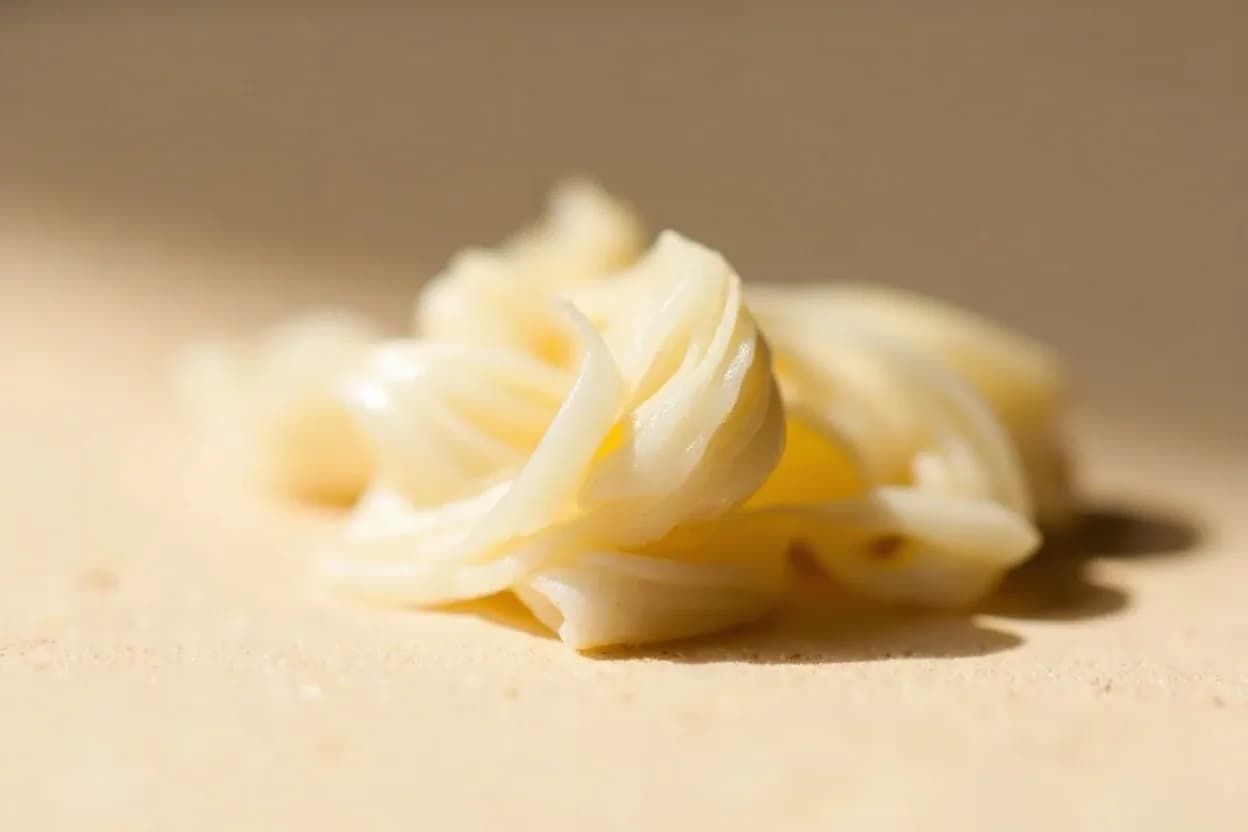
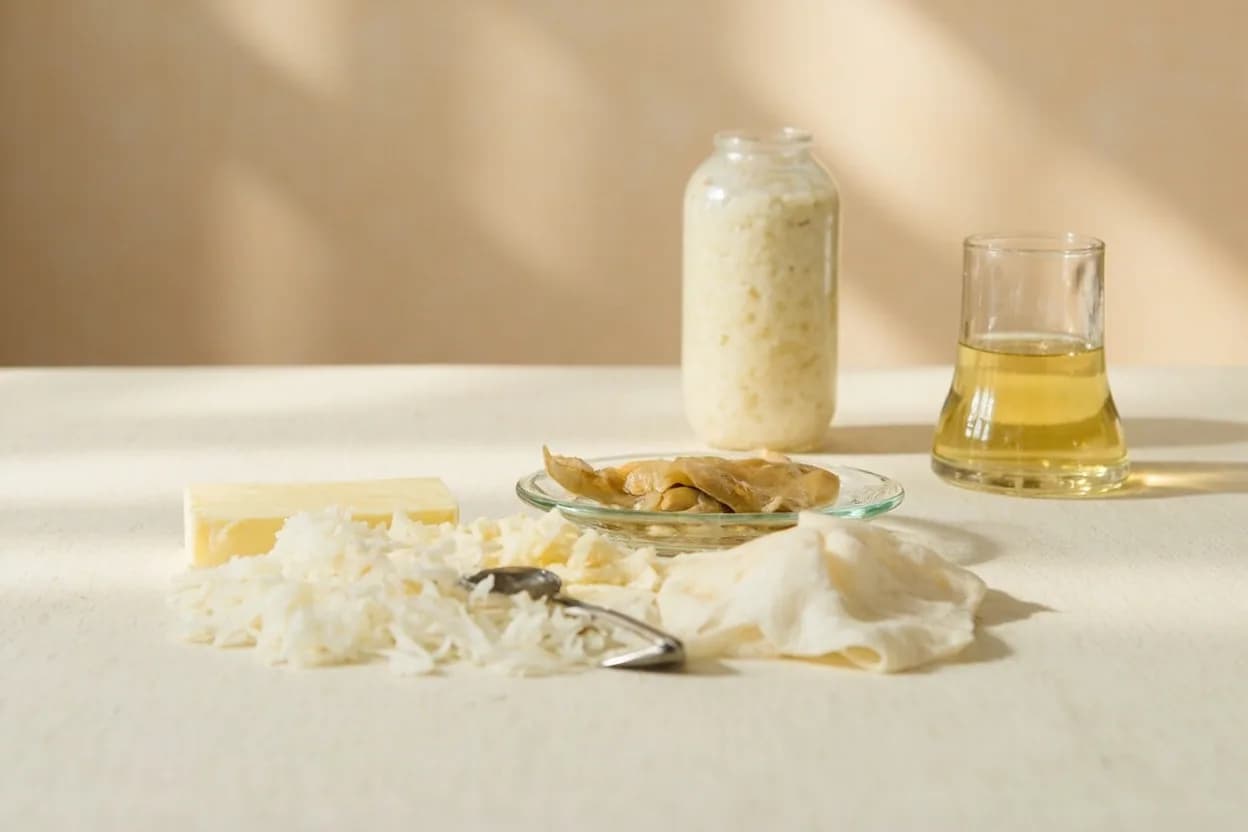
White miso (shiro miso) is a Japanese fermented paste made from soybeans and a high proportion of rice koji, fermented for a relatively short period — days to weeks rather than months. The elevated koji content converts starches to sugars, producing a notably sweet, lightly savory paste with mild, milky umami and almost no astringency. Salt content is lower than red or mixed misos (around 5–8%), making it ideal for dressings, light soups, marinades, and desserts where fermented depth is wanted without bitterness or brine.
In photos
Flavour profile
Classic pairings
- Dashi (kombu and katsuobushi)Japanese
The canonical foundation for miso soup — white miso's sweetness and the oceanic mineral depth of dashi complete each other without competition.
- ButterJapanese-French fusion
Fat amplifies white miso's sweetness and carries its umami; a compound butter of white miso, butter, and lemon is a celebrated modern finishing sauce for fish and vegetables.
- Cod and other white fishJapanese
Nobu's miso-marinated black cod made this pairing famous — the fermented sugars caramelize against the fish's richness, and the mild saltiness seasons without overpowering.
- Eggplant (nasu dengaku)Japanese
White miso glazed over roasted eggplant is one of Japan's oldest comfort preparations; the caramelized glaze contrasts the creamy, smoky flesh.
- TahiniJapanese-Middle Eastern
Both are savory pastes with rich, slightly bitter depth; blended, they create a sesame-umami dressing for grain bowls, roasted carrots, or noodles.
- Sake and mirinJapanese
The traditional marinade base — rice alcohol opens aromatic compounds while mirin adds gloss; the trio is inseparable in Japanese glazing.
- Tofu (silken and firm)Japanese
White miso's salinity seasons tofu throughout, and its sugars help it brown in the pan — the classic dengaku preparation.
Adventurous pairings
A teaspoon of white miso stirred into ganache or a chocolate sauce deepens the cocoa's inherent bitterness with fermented umami — without reading as 'miso' at all.
- Caramel and salted butter
White miso's gentle saltiness and fermented backbone elevate caramel beyond simple sweetness; used in ice cream, tarts, and candy.
- Ripe banana
The fruit's isoamyl acetate esters echo white miso's own koji-generated aromatics; used in miso-banana smoothies and Japanese-bakery breads.
- Meyer lemon
The floral, low-acid sweetness of Meyer lemon amplifies white miso's honeyed quality in vinaigrettes and curd.
- Cream cheese
Both are fermented dairy/soy products with mild tang; blended as a spread or dip, they layer complementary lactic and umami notes.
Tread carefully
- Overpowering acids (straight distilled vinegar)avoid
Sharp acidity collapses white miso's delicate sweetness and highlights its brininess; use rice vinegar or citrus instead.
- Heavily spiced chili basesavoid
Strong heat and spice obliterate white miso's subtle koji aromatics, wasting its mild complexity — use red or hatcho miso for bold-spice applications.
- High-heat dry cooking without a bufferavoid
White miso burns quickly due to its sugar content; always use fat, liquid, or indirect heat when cooking it.
How to use it
- Whisk into warm (not boiling) dashi for miso soup — boiling drives off volatile aromatics
- Blend with butter, acid, and herbs to make a finishing compound butter for fish
- Use as a marinade base (miso + sake + mirin) for 2–24 hours on fish or poultry
- Fold a small amount into vinaigrette to add body and umami depth
- Stir into caramel, ganache, or ice cream base for a subtle savory backbone
- Glaze vegetables or tofu and broil to caramelize the natural sugars
Appears in
Related flavours
Longer-fermented, saltier, more intensely savory counterpart — use where white miso's sweetness would be too mild
Korean cousin, more pungent and funky; shares the soybean-ferment base but diverges in character
Frequent blending partner; shares a creamy, plant-based savory character
References
- 1.The Miso Book — John Belleme & Jan Belleme
- 2.Japanese Farm Food — Nancy Singleton Hachisu
- 3.Nobu: The Cookbook — Nobuyuki Matsuhisa
- 4.On Food and Cooking — Harold McGee
Confidence: high
Notes
Saikyo vs. Generic Shiro Miso
Saikyo miso (from Kyoto) is an extreme expression of white miso — exceptionally high koji ratio, very low salt (~5%), and almost confectionery sweetness. Standard shiro miso is more balanced. When a recipe calls for white miso in a marinade, saikyo is the ideal but any good shiro miso works.
Dessert use
White miso has quietly become a pastry chef staple. A quarter teaspoon per cup of caramel, ganache, or buttercream provides an almost untraceable savory depth that makes sweet preparations taste more complex and less cloying — without flagging as 'miso' to the eater.