East Africa / Great Lakes
Ugandan
Also: Uganda Cuisine, Great Lakes Ugandan Cooking
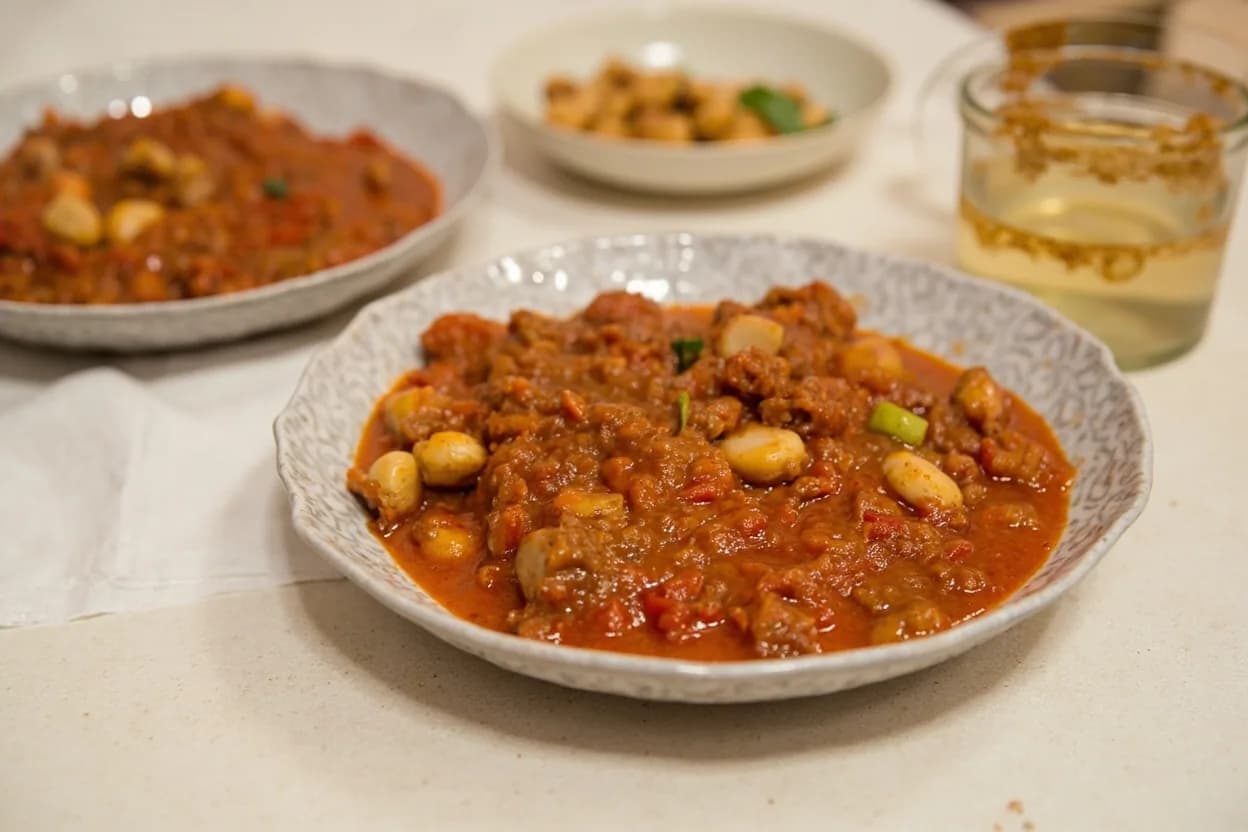
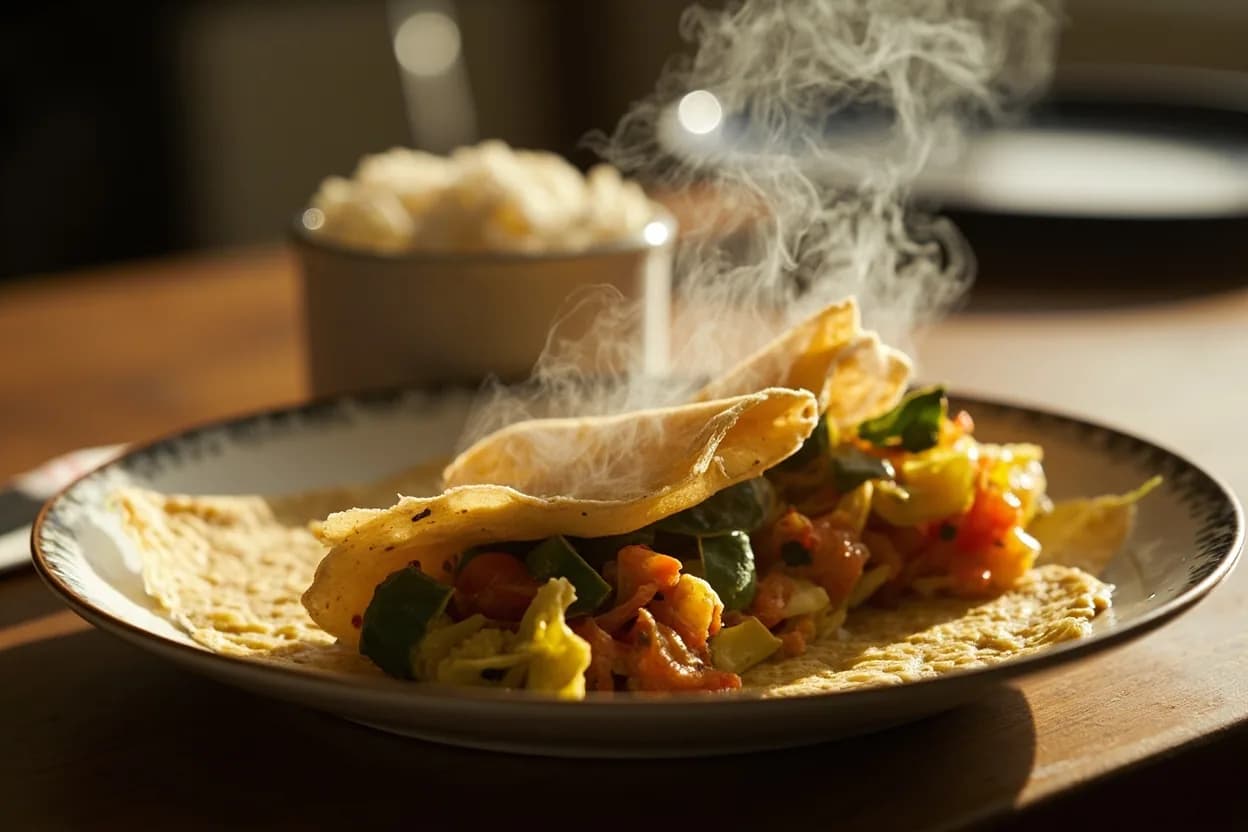
A Great Lakes cuisine built on steamed green banana matoke and groundnut stew, united by the street-food genius of the rolex—a chapati rolled around a spiced omelette.
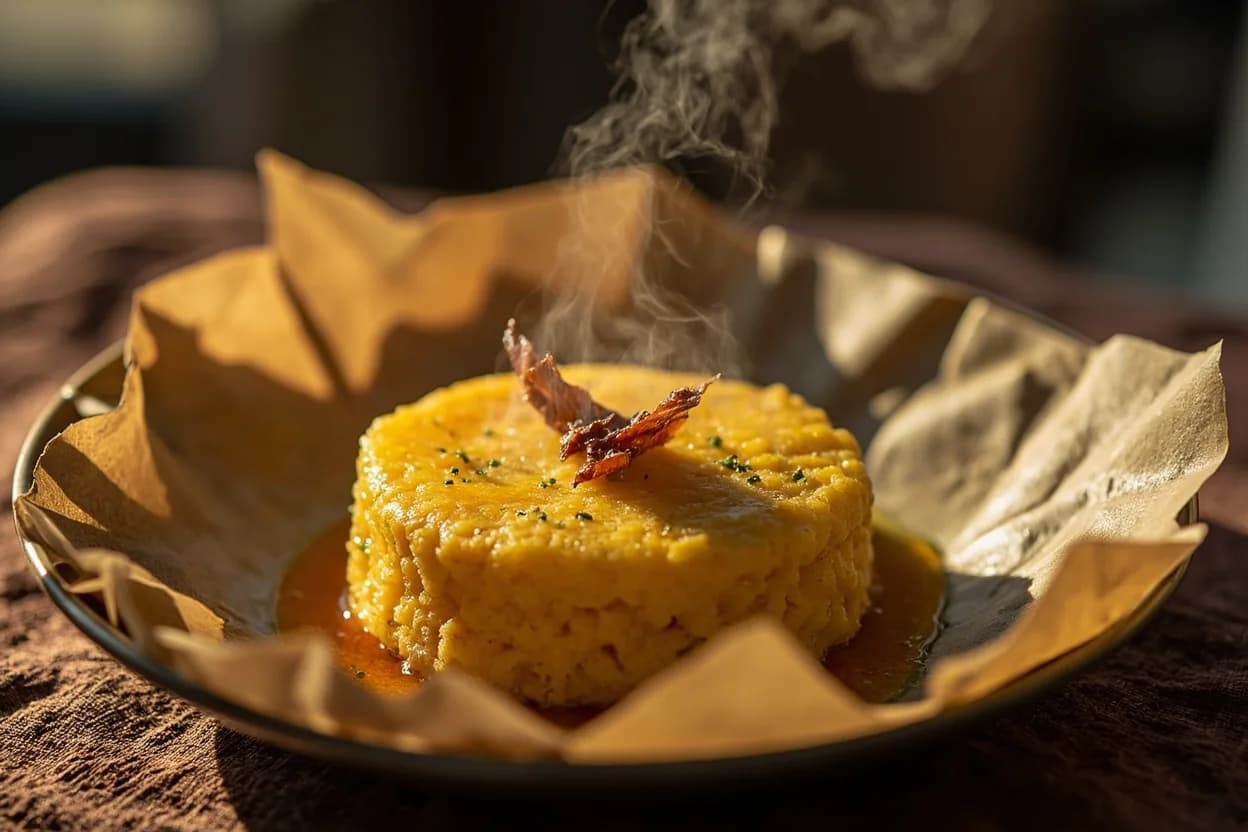
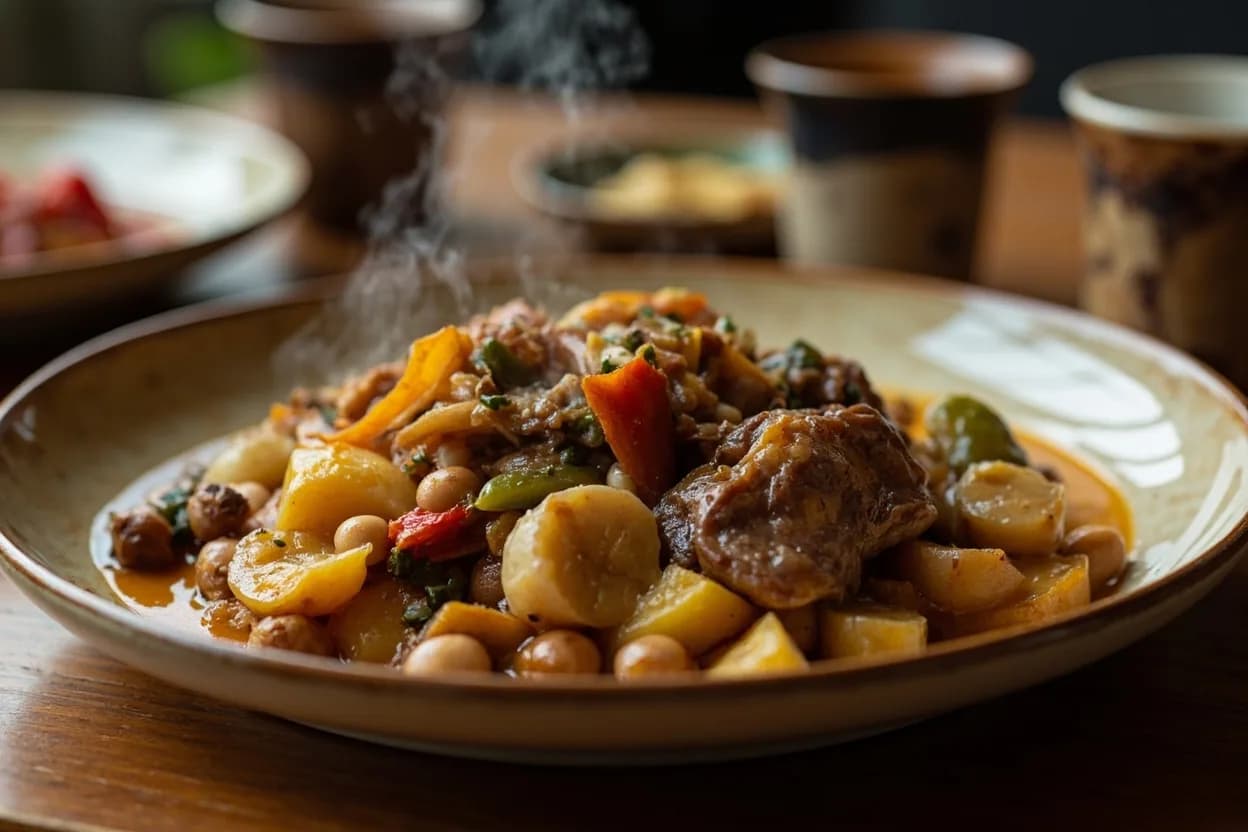
Ugandan cooking reflects the agricultural abundance of the Great Lakes region: deep volcanic soils growing green bananas (matoke), cassava, sweet potato, and groundnuts in abundance. Matoke—unripe Musa plantains steamed inside banana leaves until soft—functions as the central starch for Baganda (Buganda kingdom) cooking, while groundnut (peanut) stew, beans, and smoked fish form the protein layer. The country's many ethnic groups—Baganda, Banyakole, Acholi, Langi, Basoga, and others—each maintain distinct preparations, but the rolex street food (rolled chapati + egg omelette) is a national icon that transcends all of them.
The flavour base
Caramelized tomato and onion base (often with garlic and ginger) for stews; banana leaf steaming imparts a subtle vegetal sweetness to matoke; groundnut paste adds depth and body.
Pantry staples
Key ingredients
Signature techniques
Signature dishes
Ugandan on the table
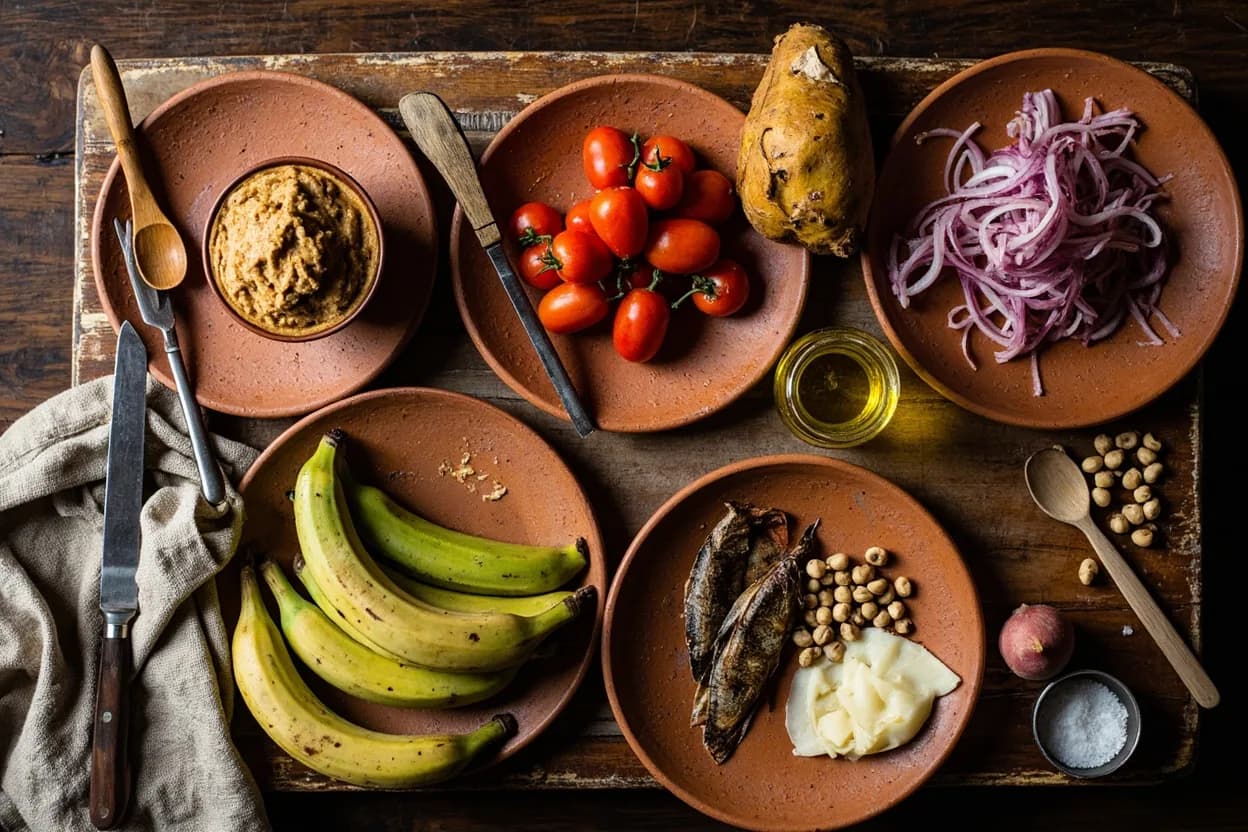
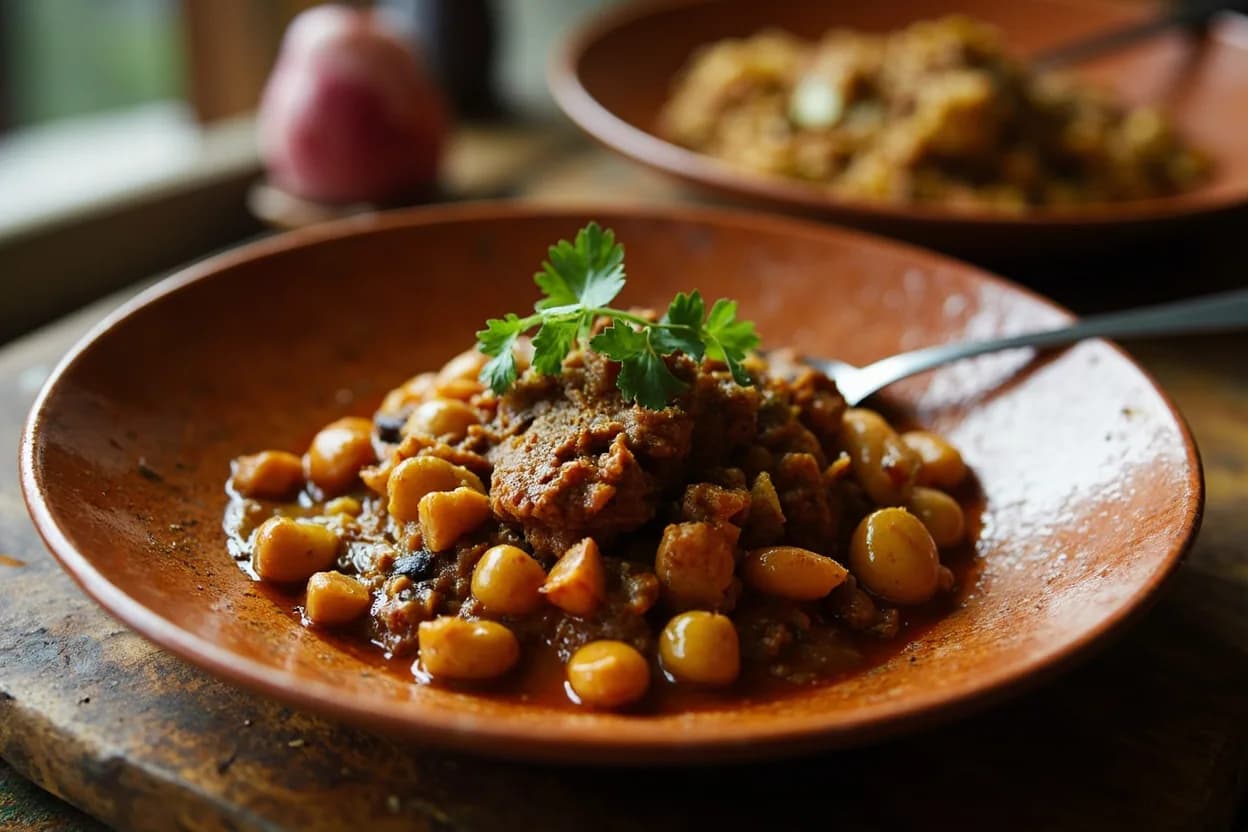
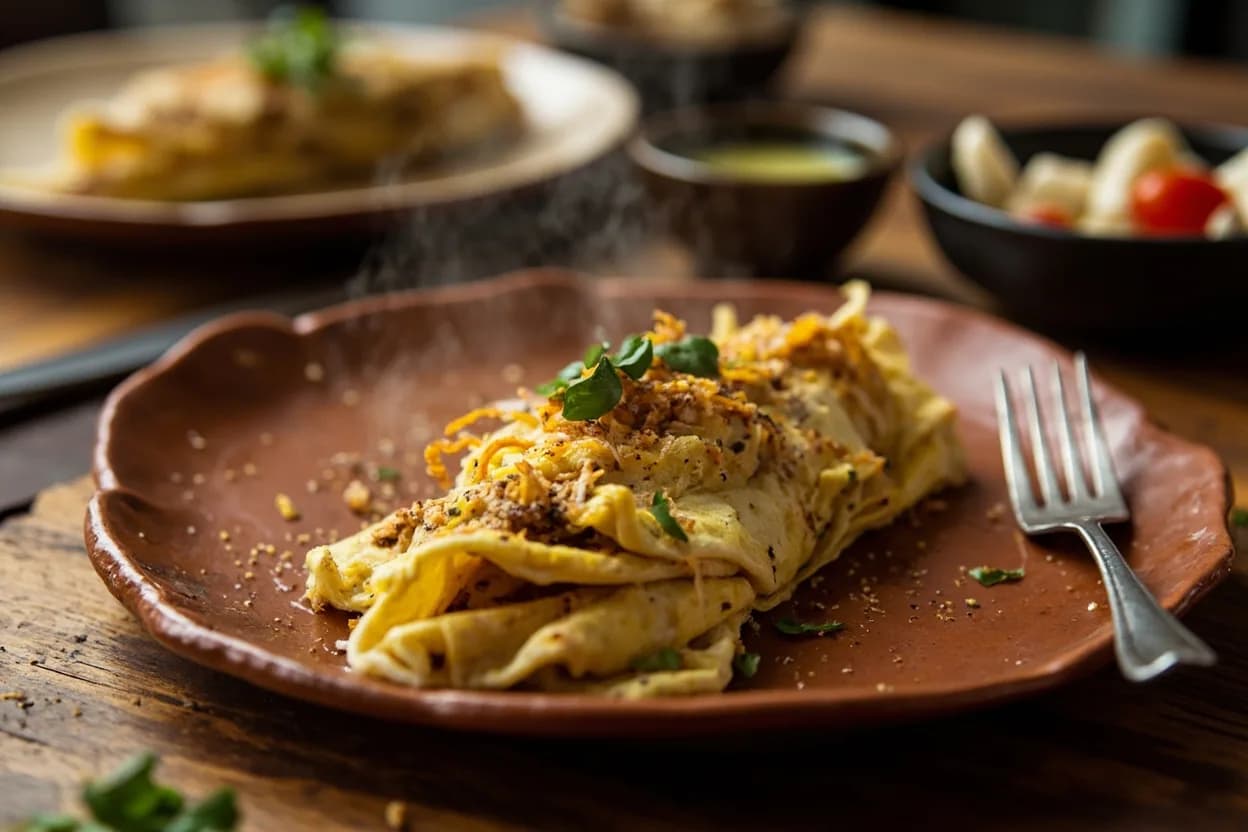
At the table
Meals are structured around a starch-stew pairing: matoke, posho, or sweet potato with a protein stew (groundnut, bean, or meat) and a green vegetable on the side. Food is served at the table on plates, though communal eating from shared dishes remains common in rural settings. Breakfast is often sweet tea with bread or maize porridge (obushera). The rolex reigns as the street-food breakfast and quick lunch of choice in towns.
History & context
The Buganda kingdom, established around the 14th century on the northern shore of Lake Victoria, developed one of the most sophisticated court cultures in the Great Lakes region, and matoke was the prestige food of that court. Arab traders reached the region in the 1830s, introducing new spice habits. British colonization (1894–1962) brought the chapati via South Asian indentured laborers building the Uganda Railway—the direct ancestor of the rolex. Post-independence food policy promoted maize posho as a cheap calorie source alongside indigenous starchy staples. The Great Lakes refugee flows (from Rwanda, DRC, South Sudan) in the 1990s–2000s added new culinary threads, especially in Kampala's cosmopolitan food scene.
Regional variations
- Buganda (Central)
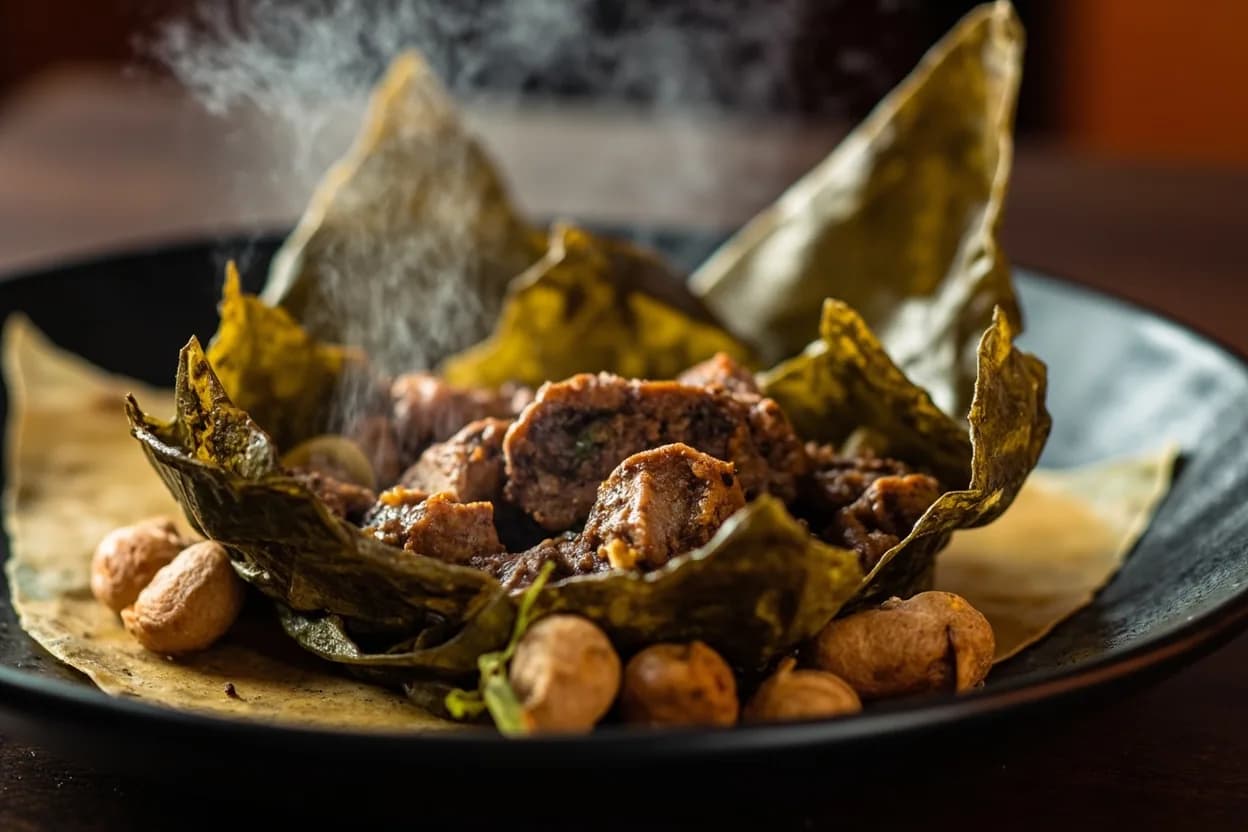
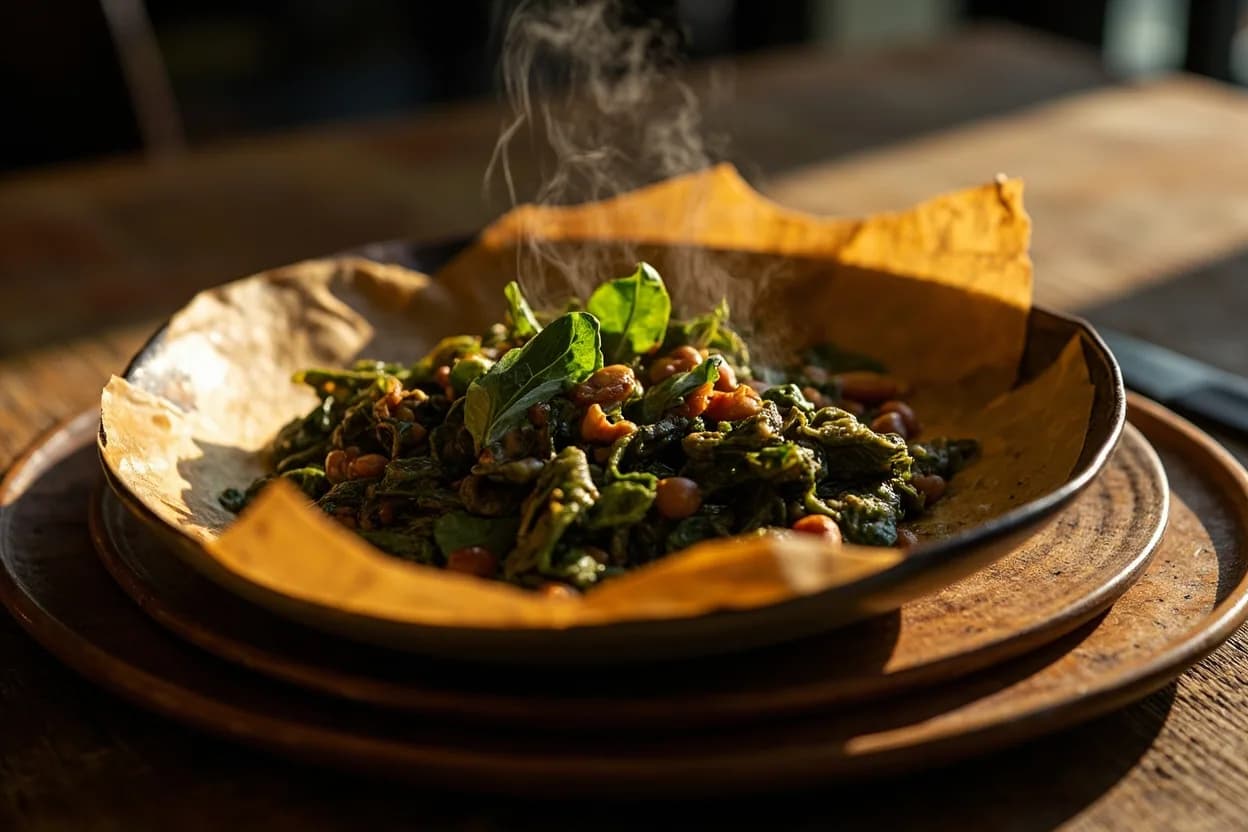
The heartland of matoke cooking; luwombo (steamed in banana leaves) is the prestige dish; nakati greens and smoked catfish common.
- Ankole (Southwest)
Cattle-herding Banyankole culture prizes milk (eshabwe, a clarified butter sauce) and beef; matoke less central than in the north.
- Acholi / Langi (North)
More reliance on millet, sorghum, and cassava; smoked meats; peanut-based groundnut sauce (sim-sim) prevalent.
- Busoga (East / Lake Victoria)
Heavy fish component; mukene (silver cyprinid) dried and stewed; tilapia dominant; cassava and sweet potato as starches.
- Kampala Street Food
Urban melting pot: the rolex, samosas, grilled pork (tz na pork), chips mayai, and Indian-influenced snacks sit beside traditional stews.
Related cuisines
Shared ugali-and-stew structure; matoke culture extends into western Kenya (Luhya communities); similar smoked fish use around Lake Victoria.
Common Great Lakes staples (matoke, beans) and Indian Ocean spice influence in eastern Uganda via Swahili trade routes.
- Rwandan
Near-identical starch lineup (matoke, cassava, potato), groundnut and bean stews; colonial separation imposed a national border through a continuous culinary zone.
Western Uganda borders DRC; shared cassava-leaf stew, smoked fish, and palm oil use along the border.
Canonical recipes
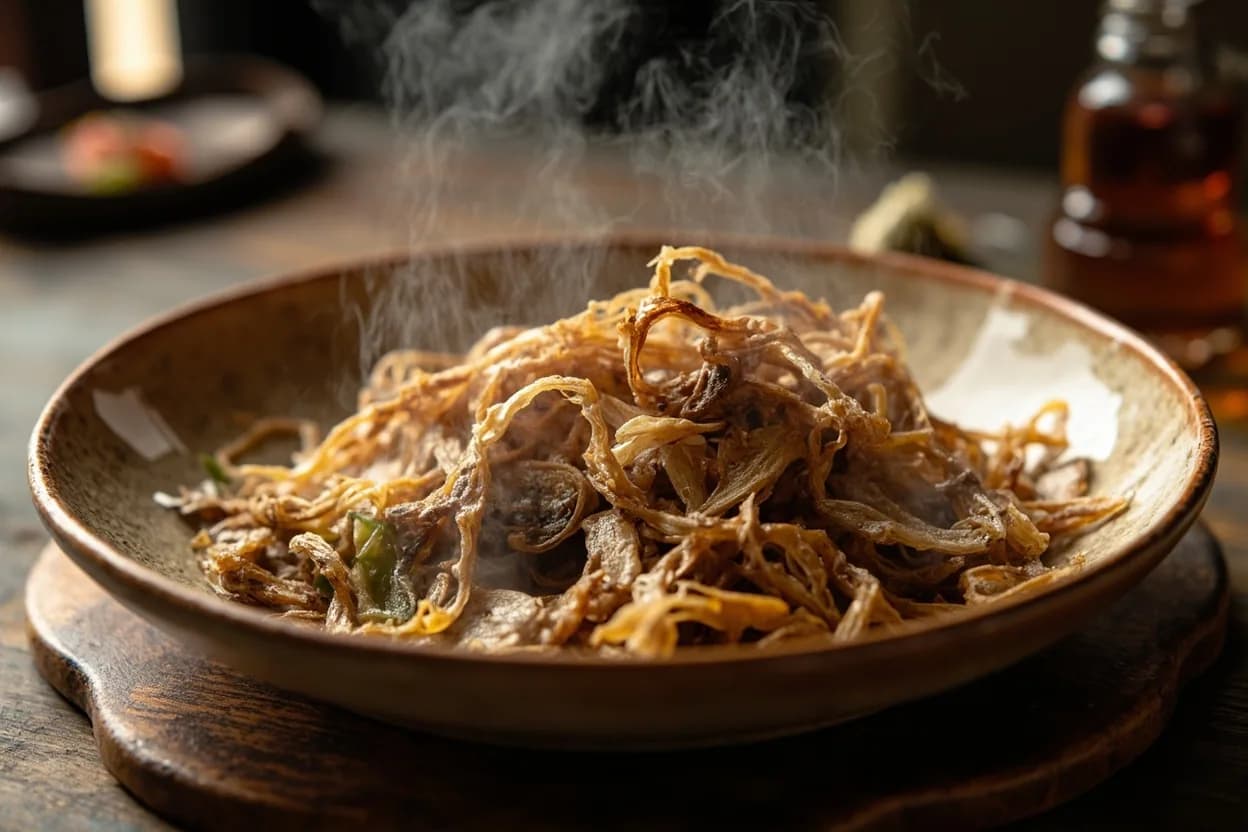
The dishes that define Ugandan, documented in the Canon.
References
- 1.Florence Kyohere, 'The Uganda Cookbook', Fountain Publishers, Kampala, 2010
- 2.Laurens van der Post, 'African Cooking', Time-Life Books, 1970
- 3.FAO, 'Roots, Tubers, Plantains and Bananas in Human Nutrition', FAO Food and Nutrition Paper No. 24, 1990
Confidence: high
Notes
The rolex origin story
The rolex (roll + eggs = ro-lex) was born in Kampala's streets in the late 1990s: a fresh chapati cooked to order, topped with a beaten egg and diced vegetables, then rolled into a cylinder and wrapped in a paper sleeve. It has since become Uganda's most recognized street food abroad, spawning a Rolex Festival each year in Kampala.
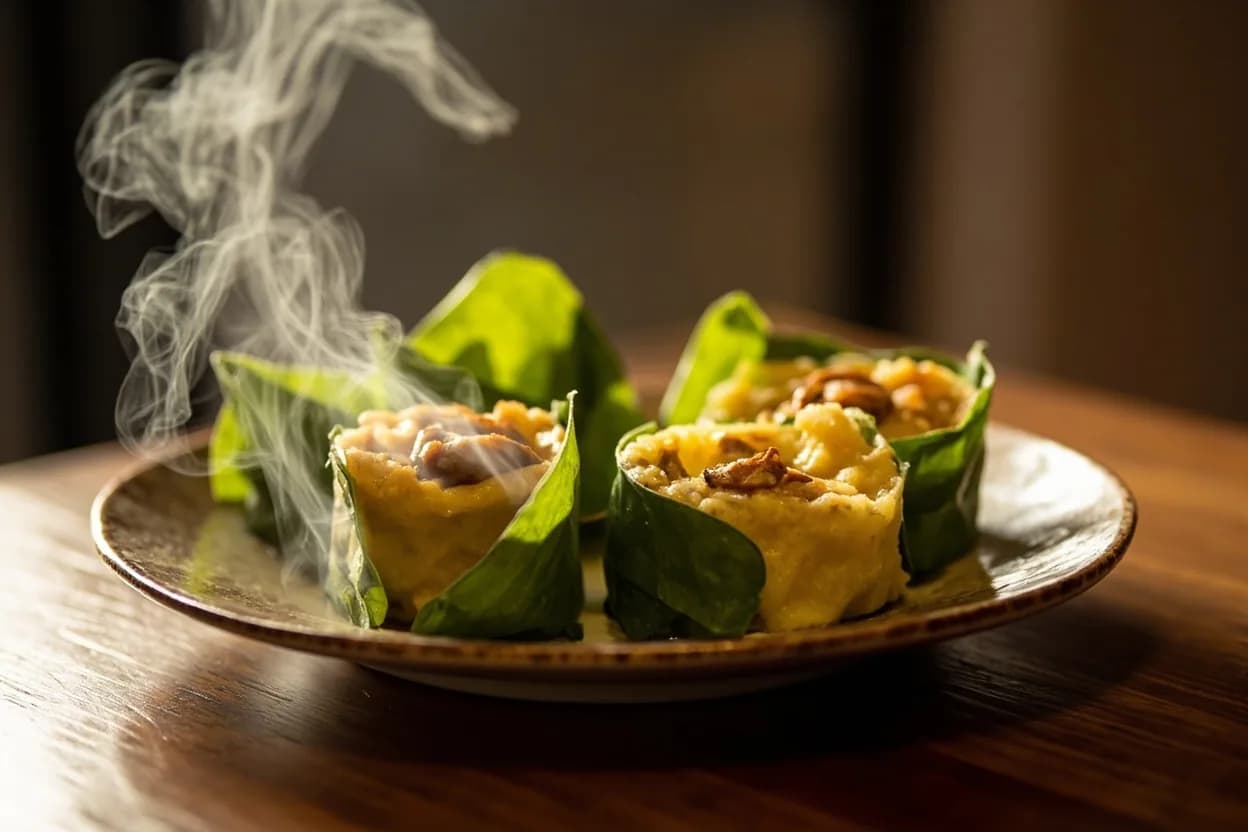
Luwombo: royal origins
Luwombo was created in the Buganda royal court in the 19th century — said to be invented by the royal cook Kawunta for Kabaka Mutesa I. Meat, mushroom, or smoked fish is braised in groundnut sauce and sealed inside banana leaf parcels for steaming, which concentrates the flavors in a way no open pot can match.