East Africa
Kenyan Nyama Choma Tradition
Also: Kenyan Cuisine, Kenya BBQ Culture, Nyama Choma
A vivid roast-meat culture where charcoal-grilled goat meets ugali and sukuma wiki at roadside joints, embedded in a mosaic of Kikuyu, Luo, Kalenjin, and Swahili culinary identities.
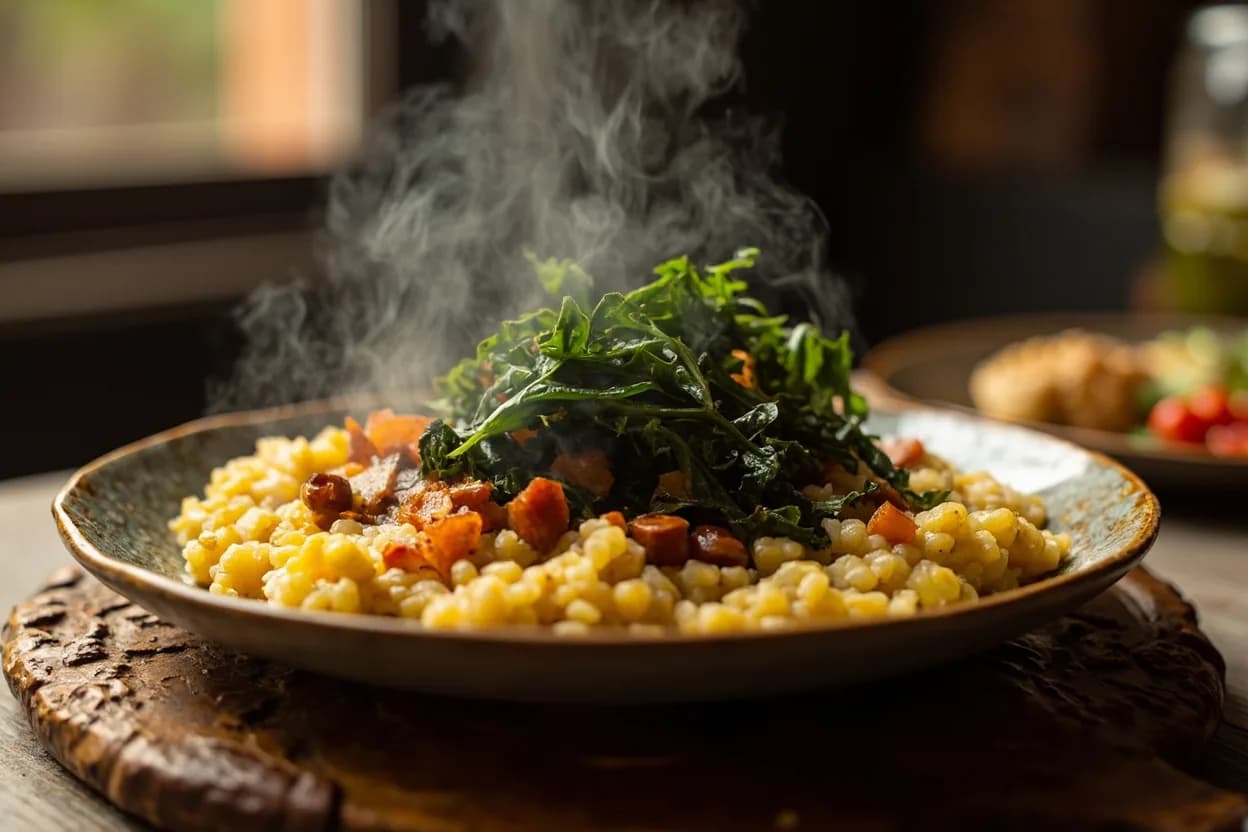
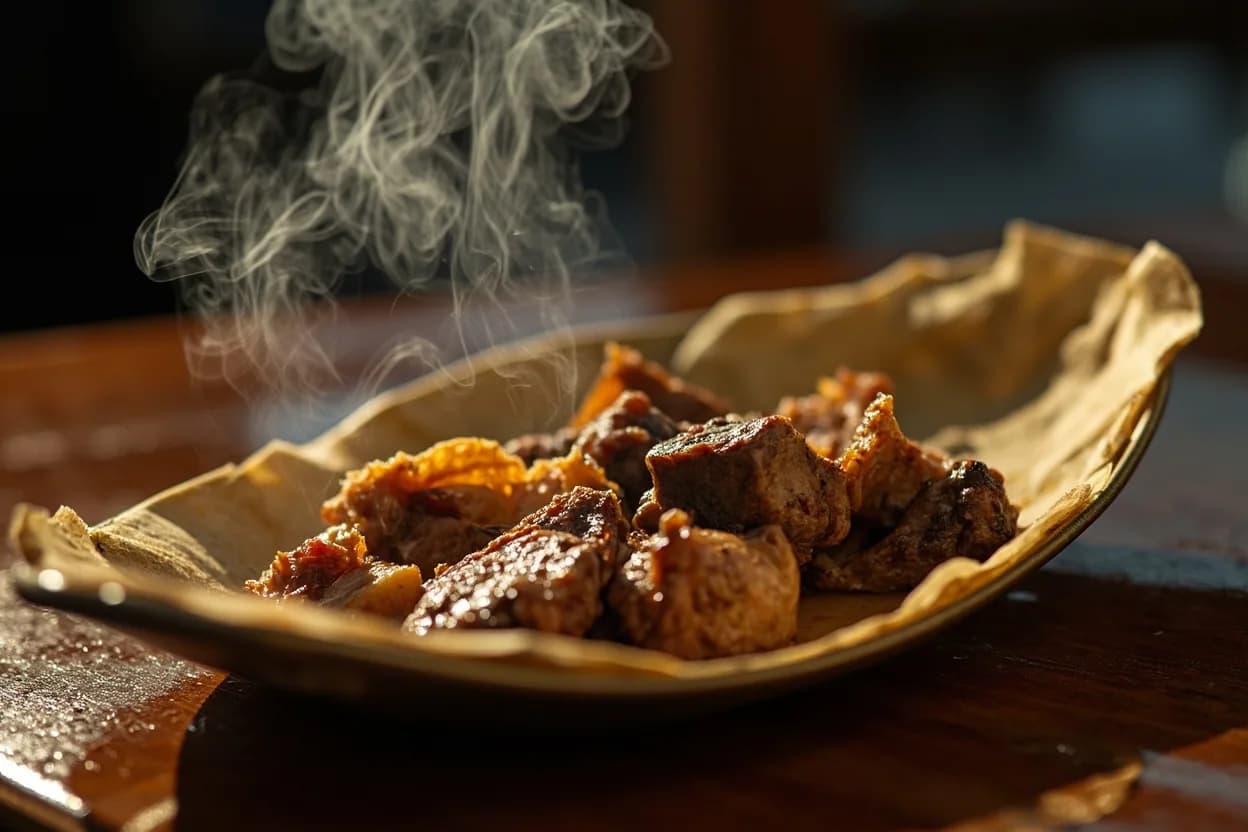
Kenyan cuisine is not monolithic but converges on a few unifying pillars: ugali (stiff maize porridge) as the universal starch, sukuma wiki (sautéed kale) as the national vegetable, and nyama choma—whole goat or beef ribs cooked over charcoal until the fat chars and the meat tears off the bone—as the defining social feast. Nyama choma transcends ethnicity; it is the food of celebrations, of football matches, of long Saturday afternoons at a choma spot. Coastal Swahili cooking introduces rice, coconut, and Indian Ocean spice into the national mix, while upcountry traditions remain starch-and-protein centered.
The flavour base
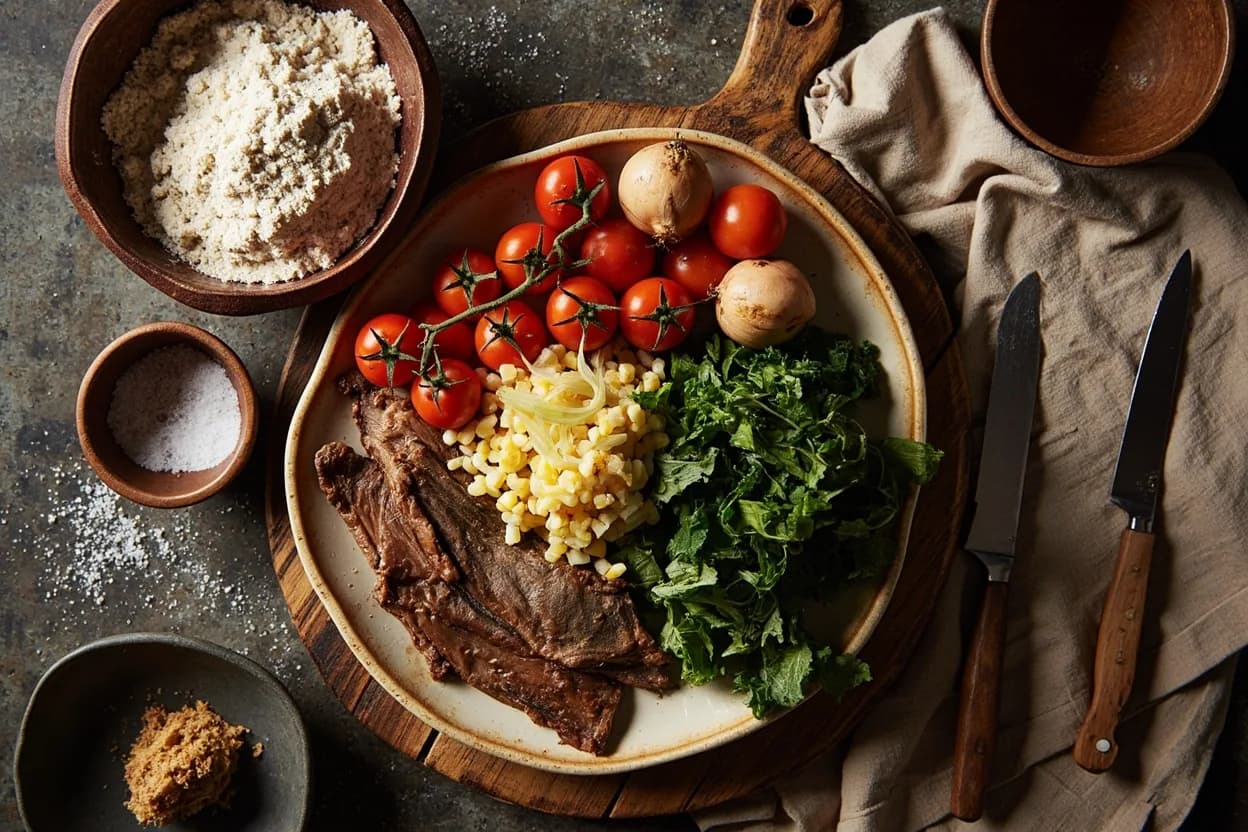
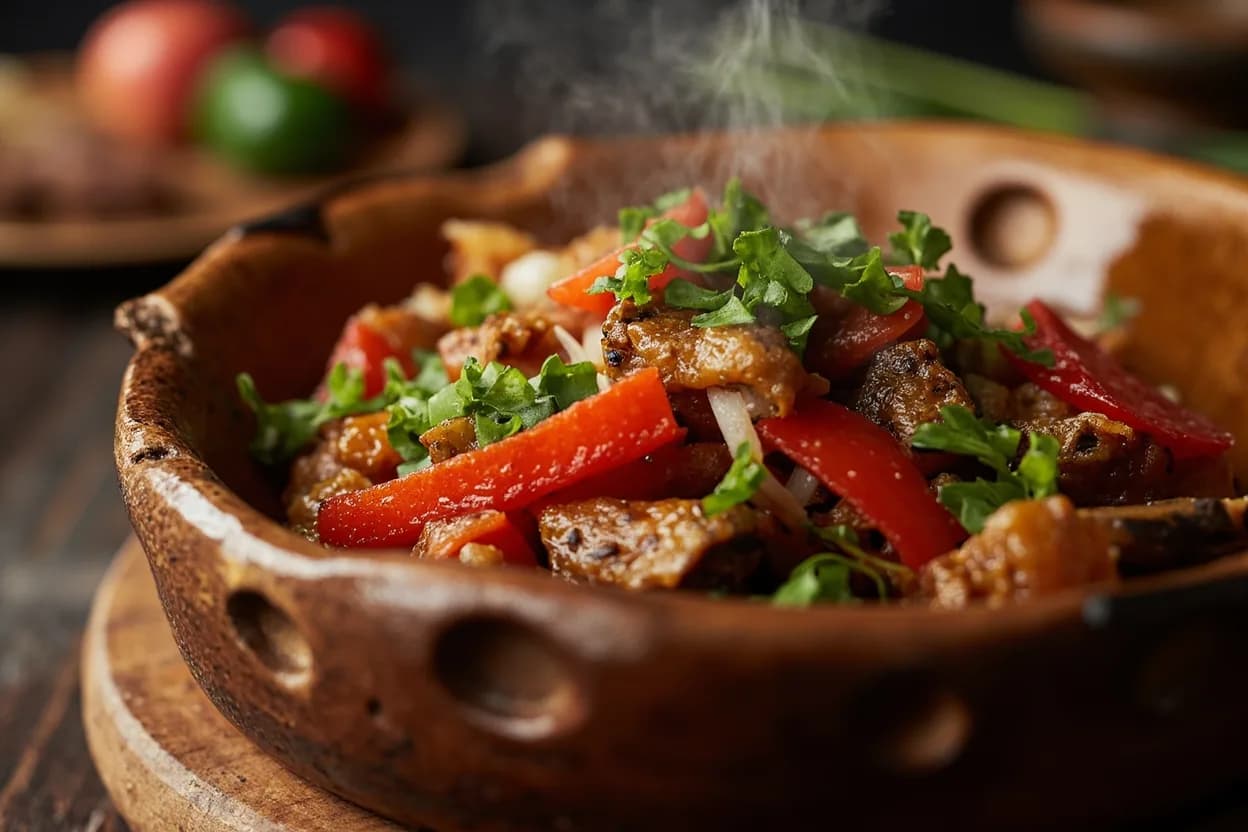
Charcoal smoke on well-marbled goat or beef; for stews, a base of caramelized onion and tomato sharpened with kachumbari (raw tomato-onion-chili salsa).
Pantry staples
Key ingredients
Signature techniques
Signature dishes
Kenyan Nyama Choma Tradition on the table
At the table
The main meal is dinner or a substantial midday lunch. Ugali anchors the plate, broken by hand and used to scoop stew or sukuma wiki. Nyama choma is a leisure meal—ordered by weight at a choma spot, eaten with kachumbari, salt, and raw onion. Breakfast is typically tea (chai with milk and sugar) and mandazi or bread. Coastal Kenyan meals follow Swahili timing: late communal dinners with pilau or rice dishes, often post-Maghrib during Ramadan.
History & context
Kenya's food history layers several strata: Bantu agricultural communities cultivating sorghum and millet; Nilotic and Cushitic pastoral peoples (Maasai, Kalenjin, Somali) with dairy- and meat-centered diets; Arab and Indian Ocean trade bringing rice, spices, and Indian culinary influence to the coast; and British colonial introduction of maize, which displaced indigenous grains to become the starch backbone. Independence in 1963 began fusing urban migrant cooking into recognizable 'Kenyan food.' Ugali itself—maize posho—is a colonial-era staple, yet its centrality is now unquestioned. Nyama choma culture crystalized in the 1970s–80s Nairobi urban scene as a cross-ethnic social institution.
Regional variations
- Kikuyu Highlands (Central Province)
Githeri, mukimo, irio (mashed legumes and corn), and mutura blood sausage are the heartland dishes; emphasis on legumes and root vegetables.
- Luo Lakeside (Western Kenya / Kisumu)
Tilapia (omena dried lake fish, or fresh Nile perch) dominates; obambla (spiced fish) and ugali are central; sorghum-based drinks like busaa.
- Kalenjin Highlands (Rift Valley)
Dairy-forward: mursik (fermented milk in a smoked gourd) is iconic; meat roasted simply; little use of complex spicing.
- Swahili Coast / Mombasa
Indian Ocean crossroads cuisine: pilau, biryani, coconut fish curries, samosas, and the all-day snacking culture of bhajia and mahame.
- Maasai Mara / Pastoralist
Milk, blood, and meat from cattle; minimal plant foods; enkiama (boiled meat) served with calabash milk.
Related cuisines
Shared use of matoke (green banana), ugali, and groundnut stew in western Kenya, reflecting Great Lakes cultural overlap.
Swahili coast cooking is shared across the Kenya-Tanzania border; pilau, samosas, and coconut fish preparations are identical.
Influence in northeastern Kenya via Somali communities: rice and meat (bariis), spiced tea, and camel milk.
- Indian (East African)
Kenyan-Indian diaspora brought samosas, bhajia, mandazi, biryani, and chai-with-milk into mainstream Kenyan street food.
Canonical recipes
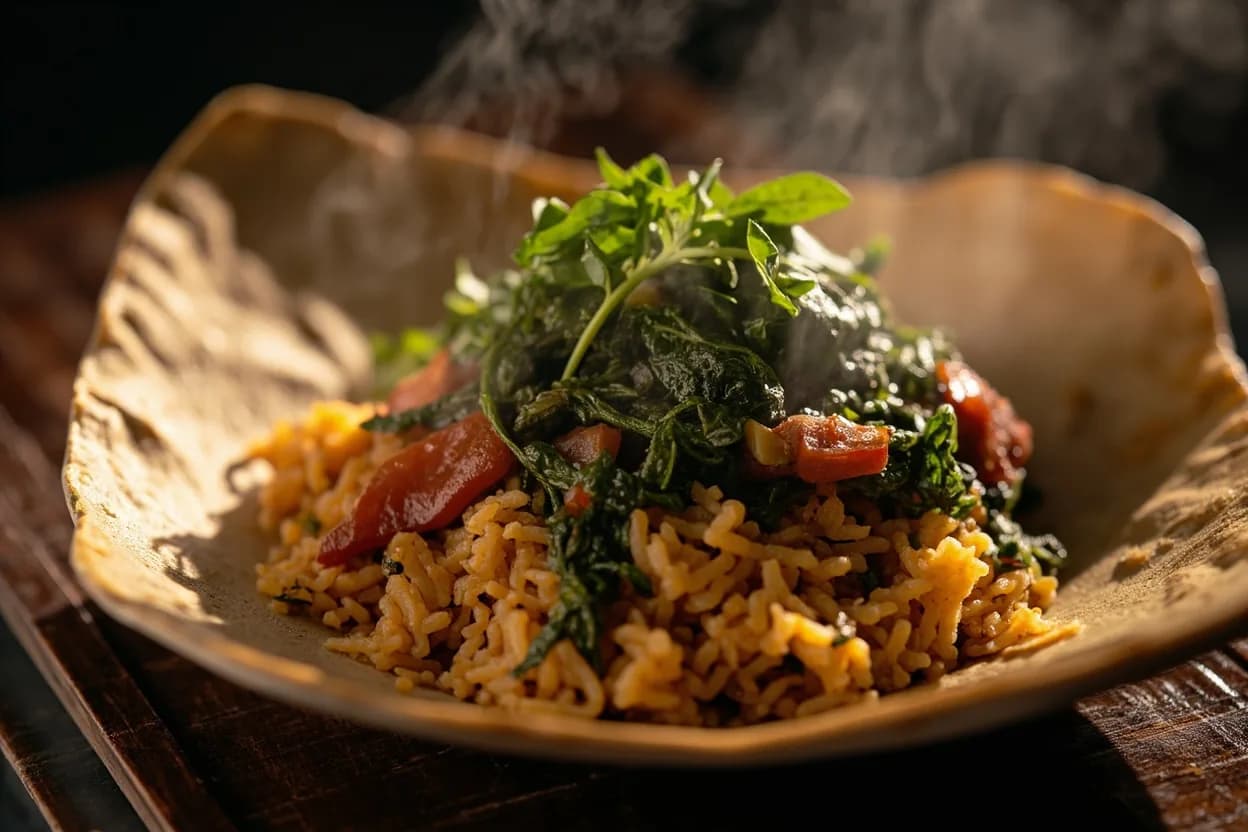
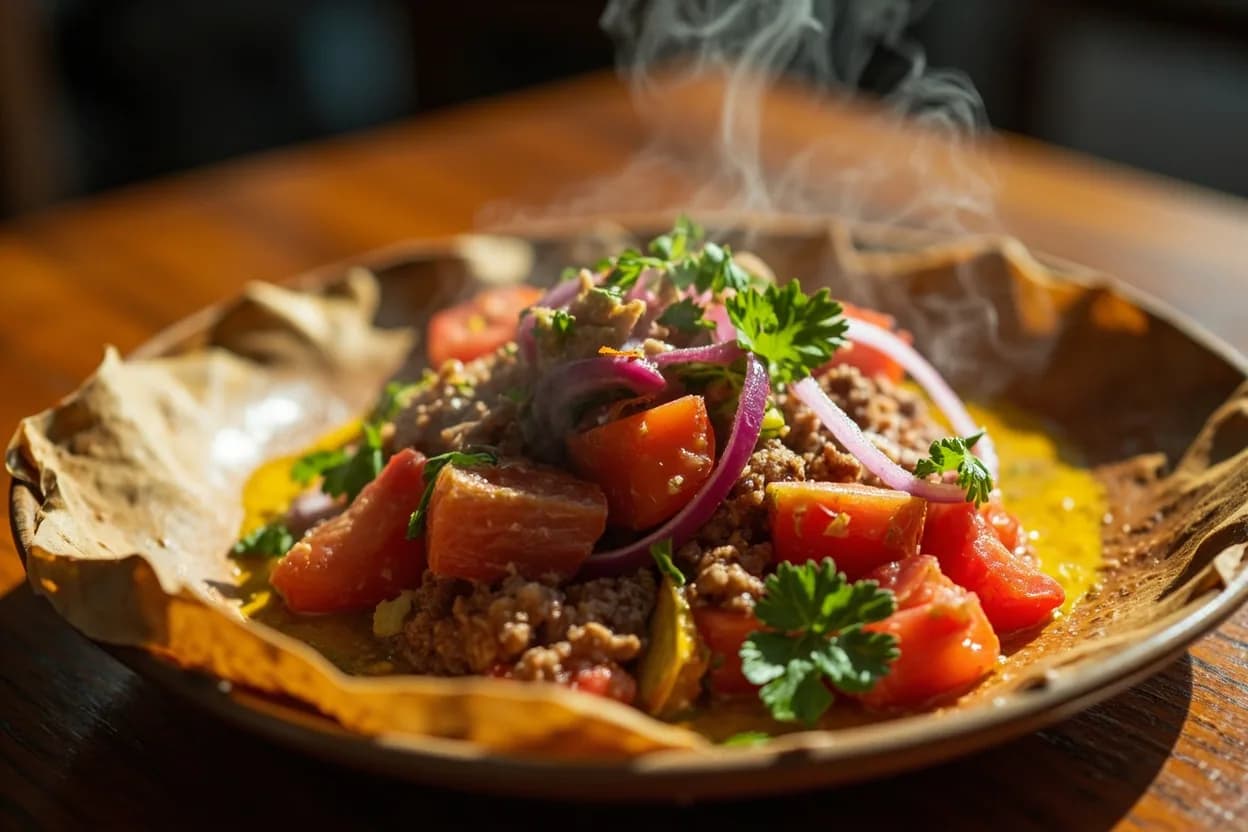
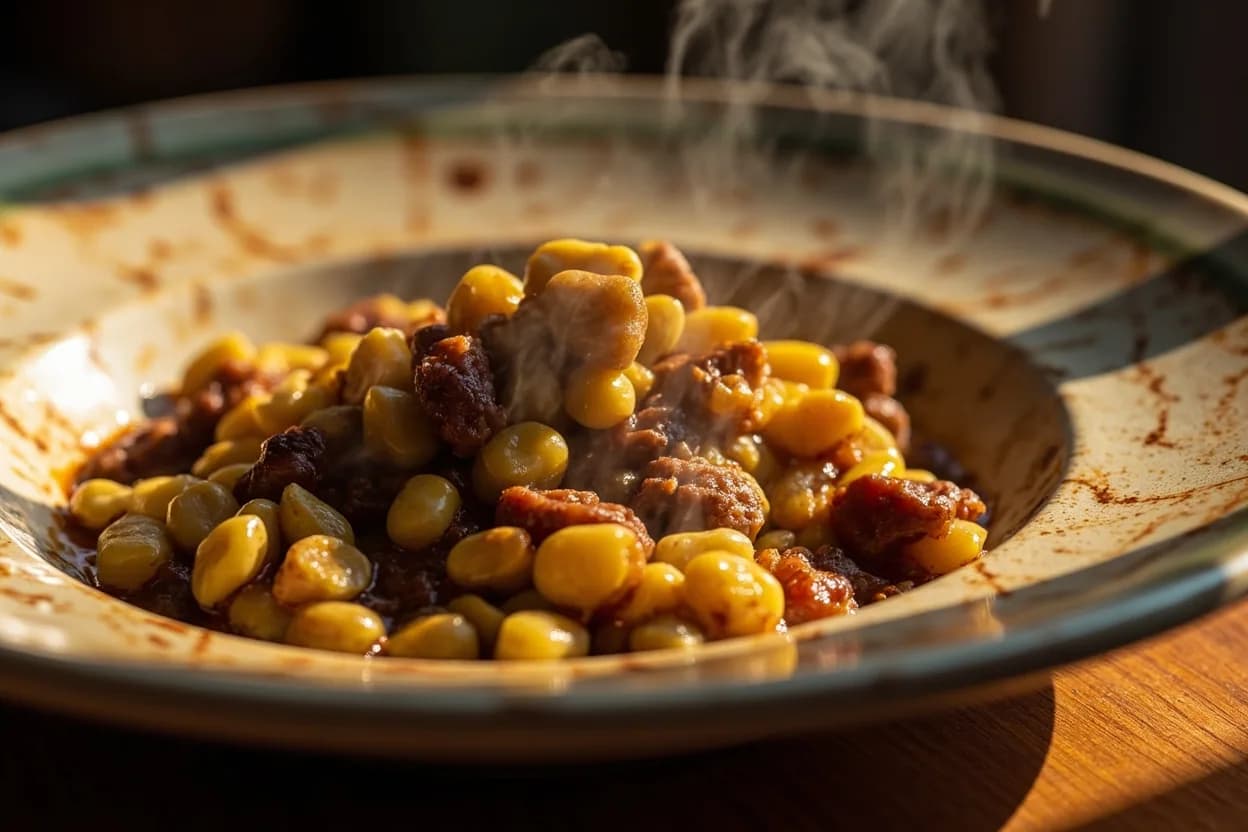
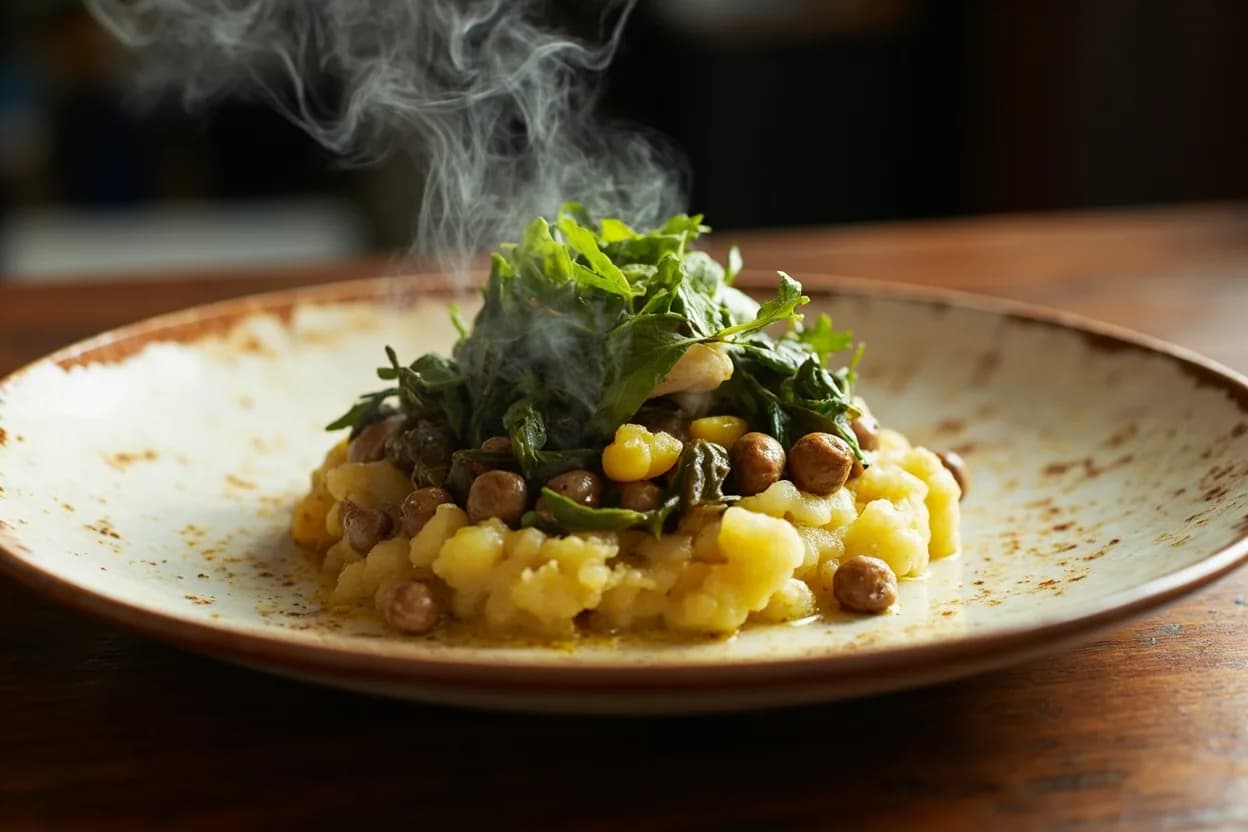
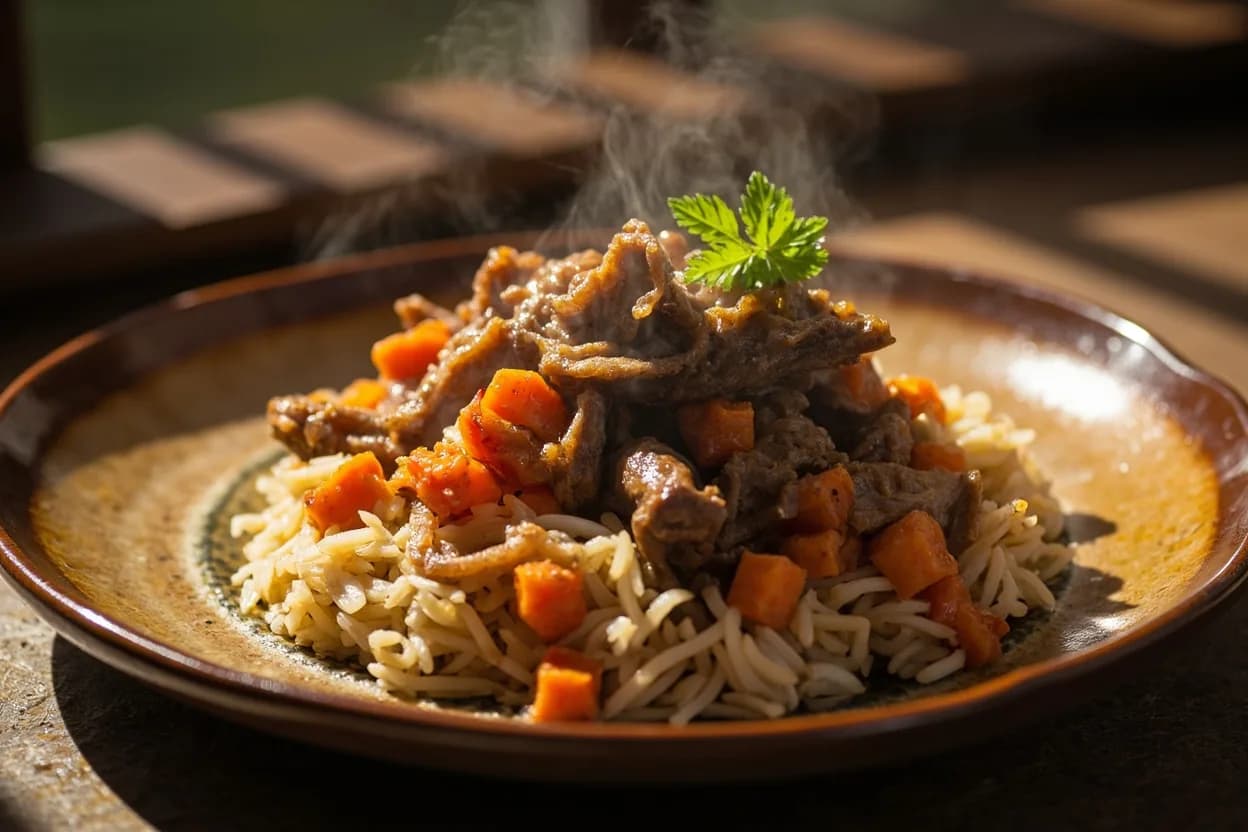
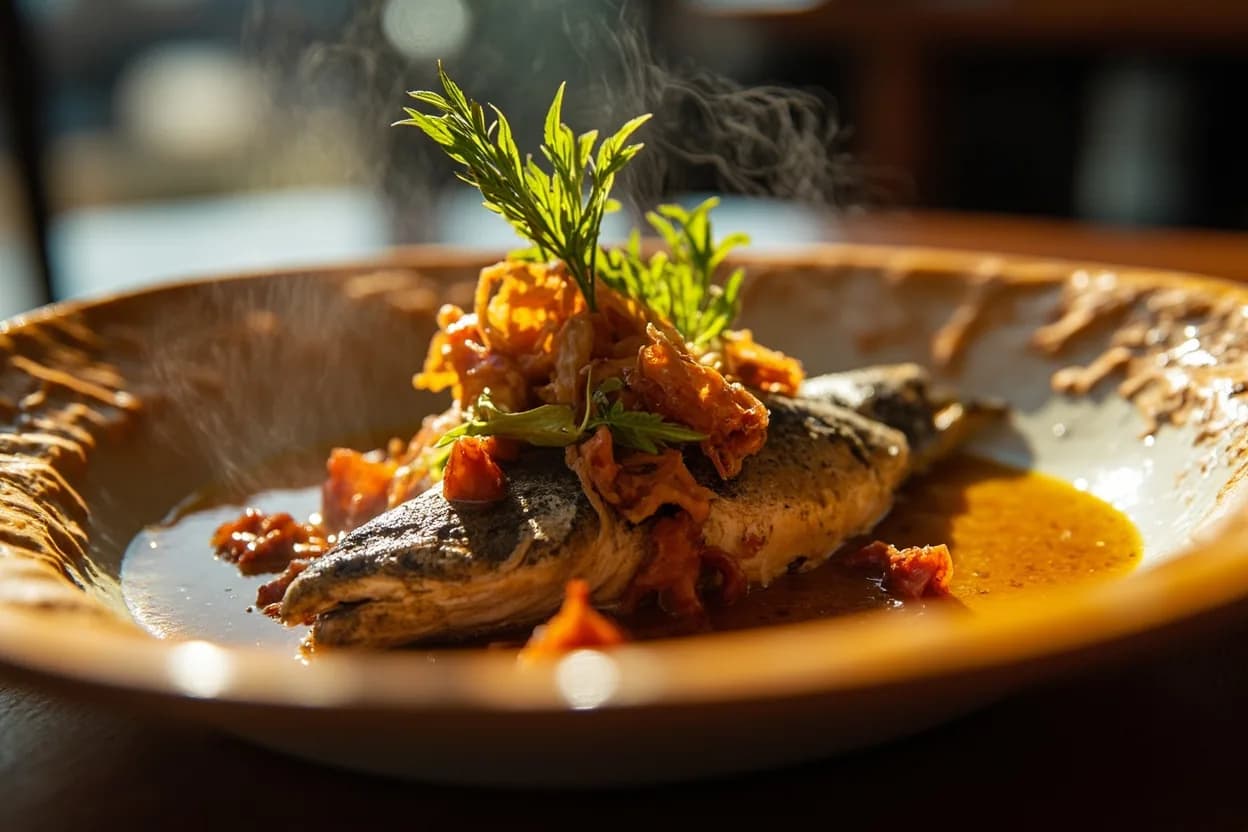
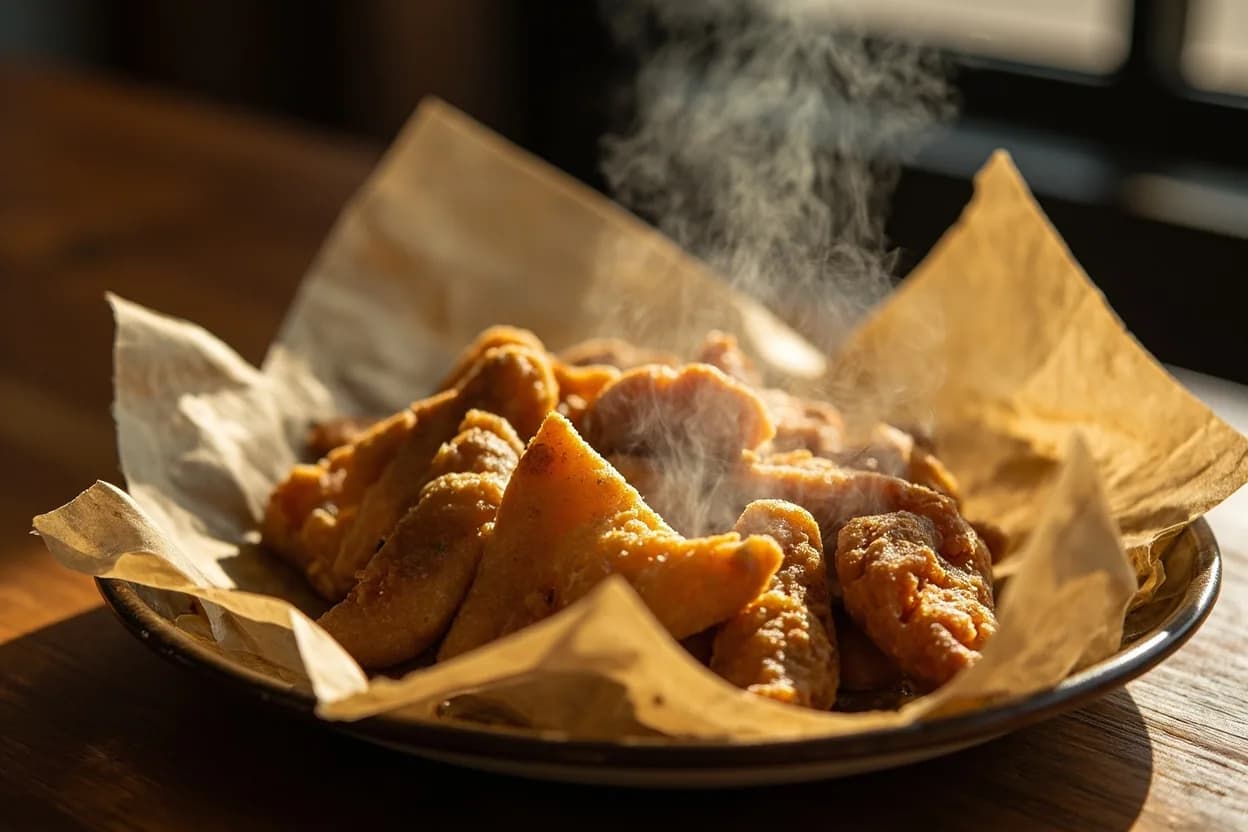
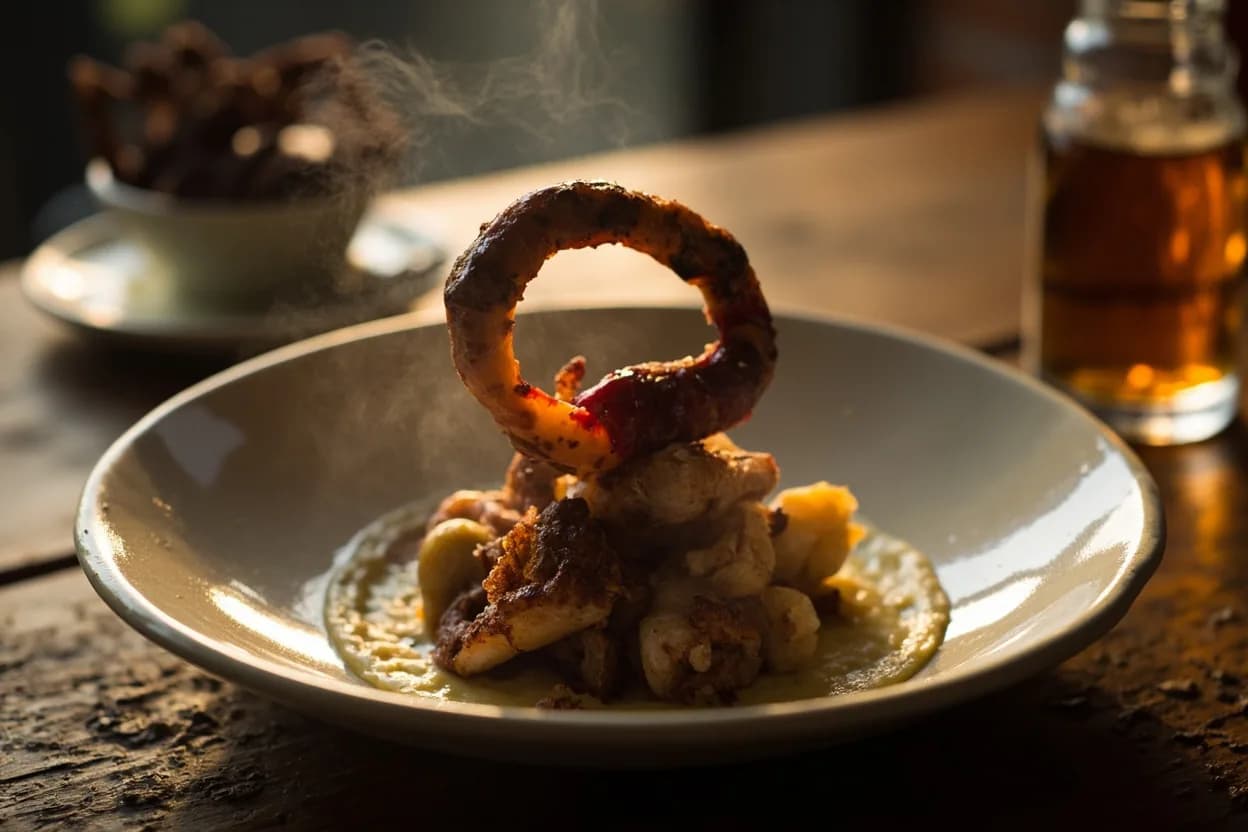
The dishes that define Kenyan Nyama Choma Tradition, documented in the Canon.
References
- 1.Judy Juma, 'Cook with Judy: Kenyan Recipes', self-published, Nairobi, 2015
- 2.Laurens van der Post, 'African Cooking', Time-Life Books, 1970
- 3.Kazimierz Macha, 'The Food and Cooking of Kenya', Stackpole Books, 2008
Confidence: high
Notes
Nyama choma as social institution
The choma spot (or 'nyama choma joint') is Kenya's pub equivalent — a corrugated-iron shed with a charcoal grill out front, plastic chairs, and Tusker beer. The goat is ordered live or by the kilo, slaughtered and on the grill within minutes. Eating is hands-on and loud; kachumbari is the only condiment needed.
Ugali technique
Ugali is made by streaming maize flour into boiling water while stirring continuously with a wooden spoon (mwiko) until it becomes stiff enough to pull from the pot sides. The consistency — not too wet, not crumbling — is a point of pride and a household skill benchmark.