
Natural form
Fresh sour cherries on the branch, showing their small size and vivid red color.
Shows the whole fruit in its natural state — size, stem, deep red skin, and clustered growth habit that distinguish sour from sweet cherries.
Produce
Sour Cherry
Tart bright-red cherries used in pies, soups, preserves and Eastern European cooking.
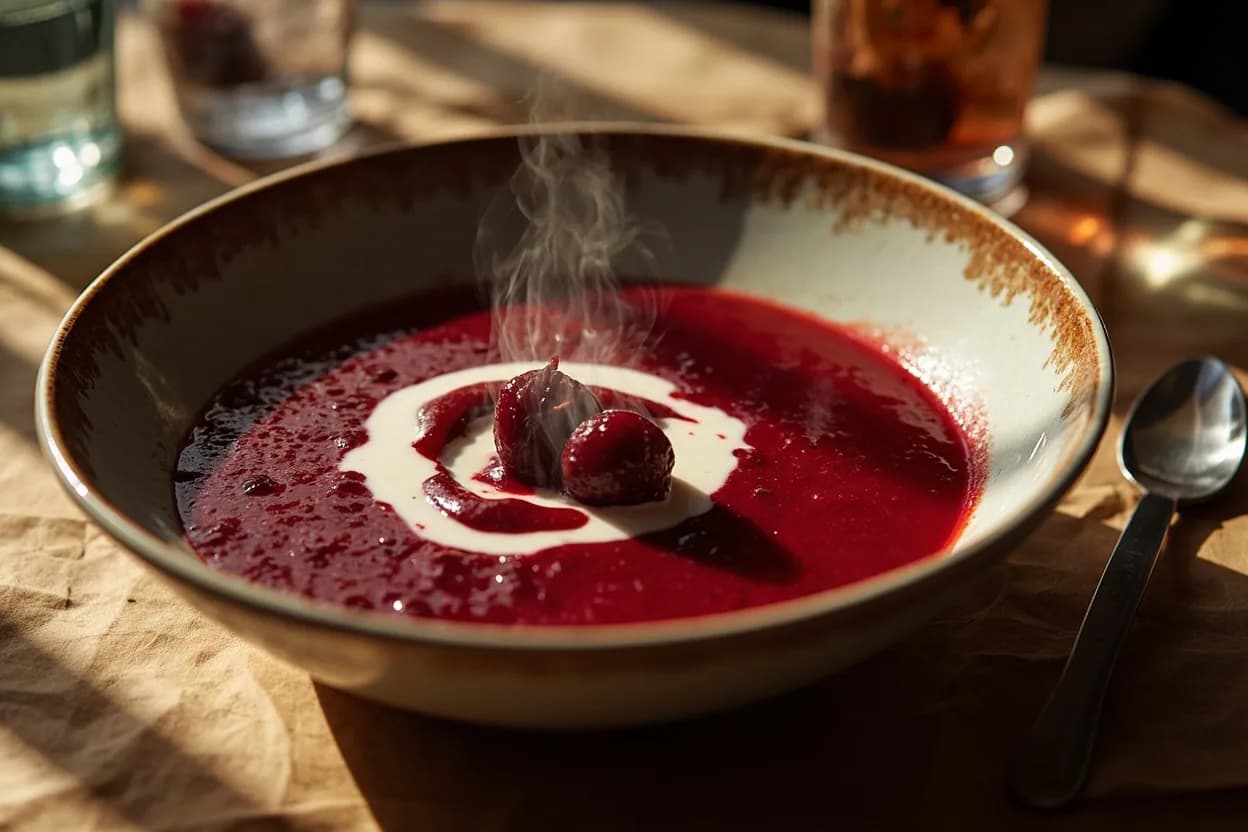
Sour cherries (also called tart or Morello cherries) are smaller and far more acidic than sweet cherries, prized for cooking rather than fresh snacking. They star in pies, jams, the Hungarian cold cherry soup meggyleves, and fruit sauces for meat. Their sharpness holds up to sugar and heat, giving baked goods a vivid balance of sweet and tart.
Sour cherries (Prunus cerasus) are a distinct species from sweet cherries, bred over centuries for their intense tartness rather than their sugar content. Their bright to deep red skin and flesh carries a sharp acidity—typically pH 3.2–3.5—that makes them unsuitable for eating out of hand but invaluable in cooking, where that acidity acts as a preservative, a flavor amplifier, and a counterpoint to rich or sweet ingredients. The fruit is smaller than sweet cherries, about 1.5–2 cm in diameter, with soft, tender flesh that breaks down readily under heat, making it ideal for fillings, sauces, and preserves where you want the cherry to surrender its juices.
Native to Europe and southwestern Asia, sour cherries have been cultivated since antiquity and remain central to the culinary traditions of Eastern Europe, Scandinavia, and parts of Germany and Britain. The United States grows them primarily in Michigan, while Turkey, Russia, Poland, and Hungary are major commercial producers worldwide. Unlike sweet cherries, sour cherries are rarely consumed raw; they are almost always cooked, preserved, or processed. This transformation unlocks their potential—the heat develops the cherry's vivid color and floral aroma into something far more complex than the raw fruit suggests.
The high acidity of sour cherries is both their defining characteristic and their greatest asset in the kitchen. It allows them to gel readily with little or no added pectin, it balances sweeteners in pastries and preserves, and it cuts through the fat in rich savory dishes like duck or game birds. When working with sour cherries, remember that their softness means they collapse quickly under prolonged cooking—for applications where you want intact fruit, add them late in the process or use frozen cherries, whose broken cell walls actually help create better body in sauces and fillings.
- Measured in
- g
- Storage
- Fridge
Types & varieties
Most common commercial variety in the US; bright red skin, pale flesh; very tart; ideal for pies and preserves
Darker red flesh, less acidic than Montmorency; sweeter and less astringent; popular in British and German cooking; excellent for sauces and baking
Light red skin with colorless flesh; intensely tart; common in Eastern Europe for soups, preserves, and liqueurs
French variety with deep red flesh; very aromatic; used in classic French preparations and savory sauces
Late-season variety; dark skin and flesh; good sweet-tart balance; particularly suited for liqueurs and preserves
Common uses
Tips & pitfalls
- Always pit sour cherries before cooking—if the pit is broken, it can impart a bitter almond flavor to the dish.
- Use a proper cherry pitter; improvised tools like paper clips or piping tips crush the flesh unevenly and waste fruit.
- Work quickly once pitted—the high acidity causes rapid color and flavor degradation when the flesh is exposed to air; add a squeeze of lemon juice if the prep takes time.
- Sour cherries release significant liquid when cooked; reduce the base before adding the fruit if you want a thick filling rather than a soupy one.
- For pies, add the cherries in the last 10–15 minutes of baking to prevent them from collapsing into mush and losing their texture.
- When making preserves, the high acidity means you can often reduce or omit added pectin—sour cherry juice gels readily on its own.
- Do not substitute sweet cherries one-for-one in savory applications; the missing acidity and the excess sugar will make the sauce cloying and flat.
- Frozen sour cherries are often more reliable than fresh for cooked preparations—freezing breaks down cell walls, releasing pectin and yielding better body in sauces and fillings.
- If using canned sour cherries, drain and reserve the liquid; that syrup is intensely flavored and useful for sauces, cocktails, or deglazing.
Nutrition
Energy
209 kJ · per 100 g
Where the calories come from
Protein
1g
2% DV
Carbs
12.2g
4% DV
Fat
0.3g
0% DV
Fiber
1.6g
6% DV
Sugars
8.5g
of which
Sodium
3mg
0% DV
Source · USDA FoodData Central · Cherries, sour, red, raw
View on FDC →In the shops
Matched grocery products
No matched grocery products for Sour Cherry yet.
Good to know
- Scientific name
- Prunus cerasus
- Peak season
- Late June through August (Northern Hemisphere)
- Flavor profile
- Intensely tart and acidic with bright cherry notes; much lower sugar than sweet cherries (7–9% vs. 14–18%)
- Physical characteristics
- Bright red skin with pale to deep red flesh; smaller than sweet cherries (1.5–2 cm diameter); soft, tender flesh that does not hold shape well under prolonged cooking
- Acidity
- pH 3.2–3.5 (highly acidic)
- Shelf life
- Refrigerate fresh cherries 5–7 days; freeze pitted cherries up to 6 months; also available dried, canned, and as preserves or juice
- Alcohol use
- Traditional in Belgian kriek (cherry lambic) and Croatian maraschino liqueur
Substitutes
- Sweet cherries + lemon juice — Add 1–2 tablespoons lemon juice per pound of sweet cherries to approximate the acidity; the result will still be sweeter and less complex than true sour cherries.
- Frozen sour cherries — Widely available year-round; thaw and drain before using; quality is generally excellent since they're flash-frozen at peak ripeness.
- Canned sour cherries (in syrup) — Rinse briefly if the syrup is too sweet; pat dry before baking to prevent a soggy crust.
- Tart cherry juice concentrate — Use in sauces, dressings, and beverages; not suitable for baked goods calling for whole fruit.
- Dried sour cherries (rehydrated) — Soak in warm water or juice for 30 minutes; the flesh will be softer than fresh; works in compotes and sauces but not for pies.
Pairs with
Also called
Meggy · Tart Cherry · Morello Cherry
Appears in these dishes

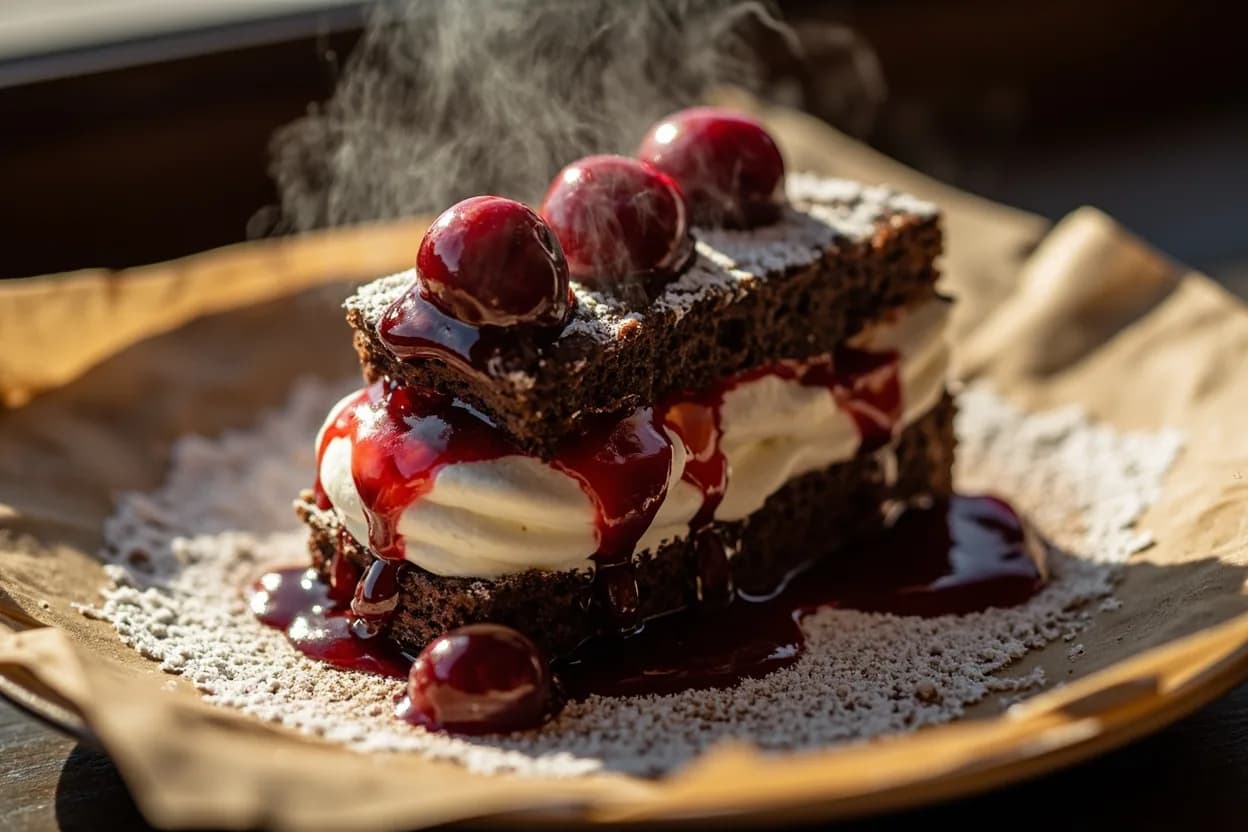
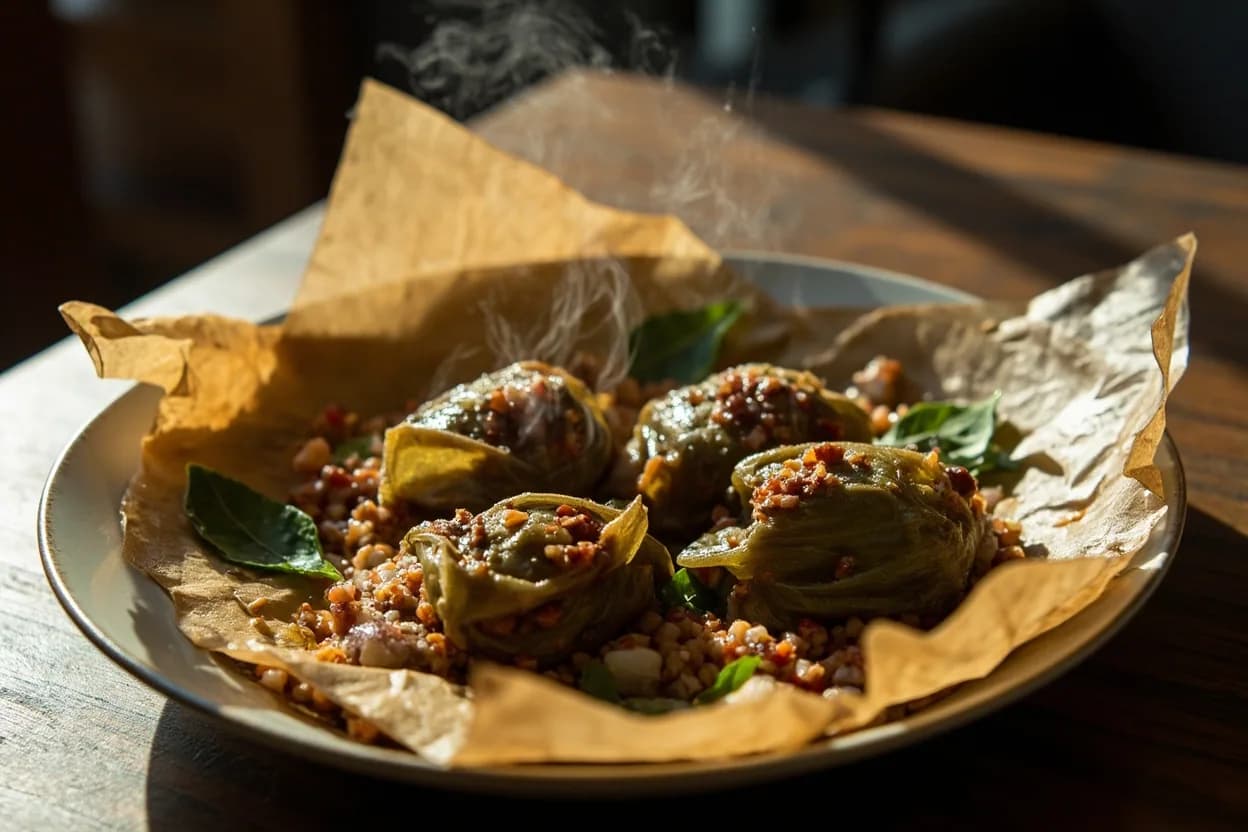
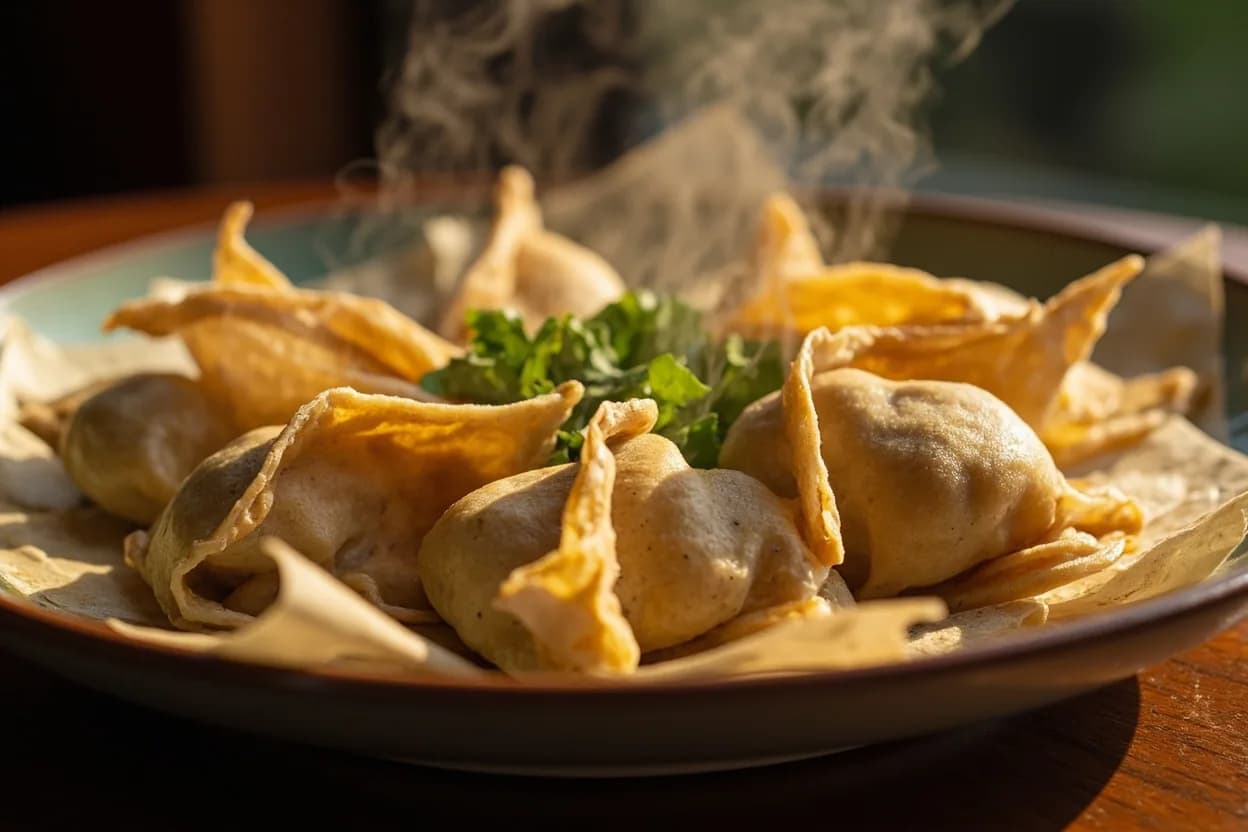
Related
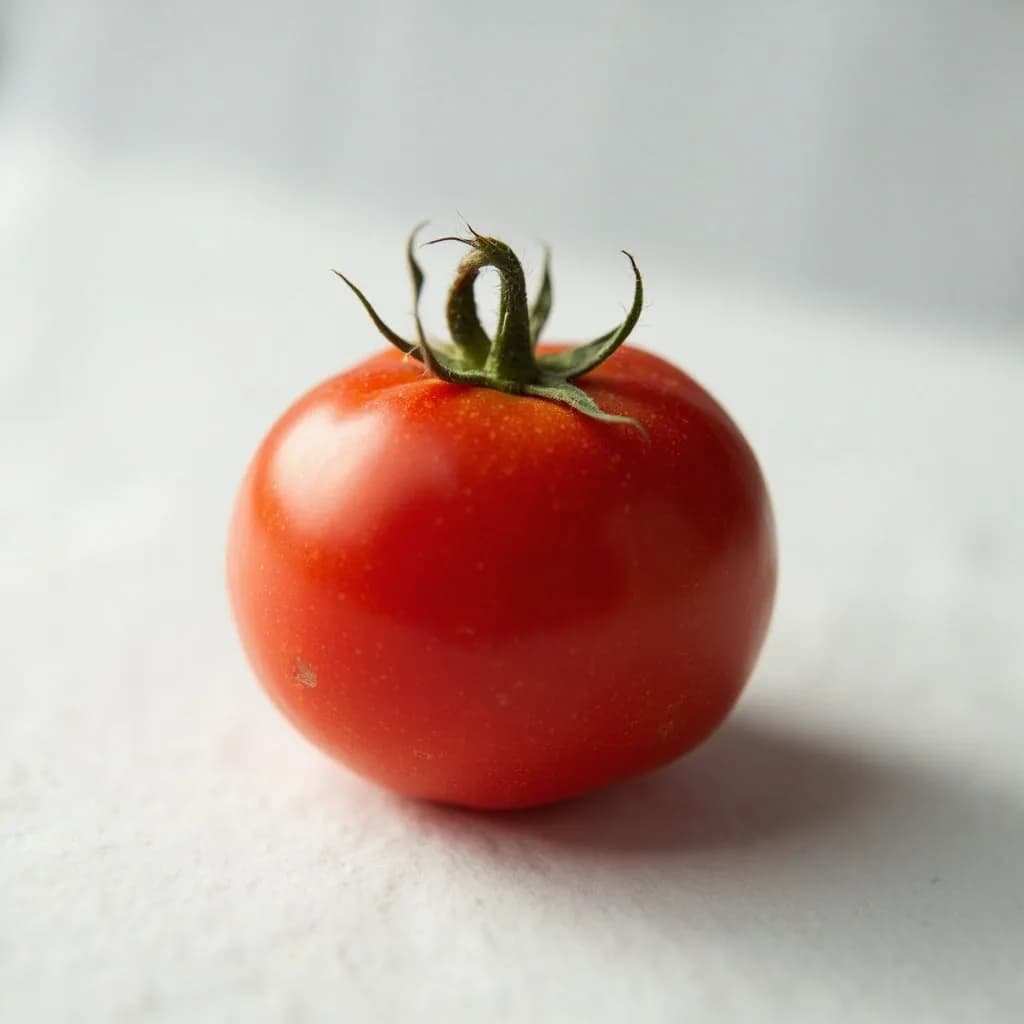
Tomato
Juicy, sun-sweet fruit for sauces, salads, and slow-cooked depth
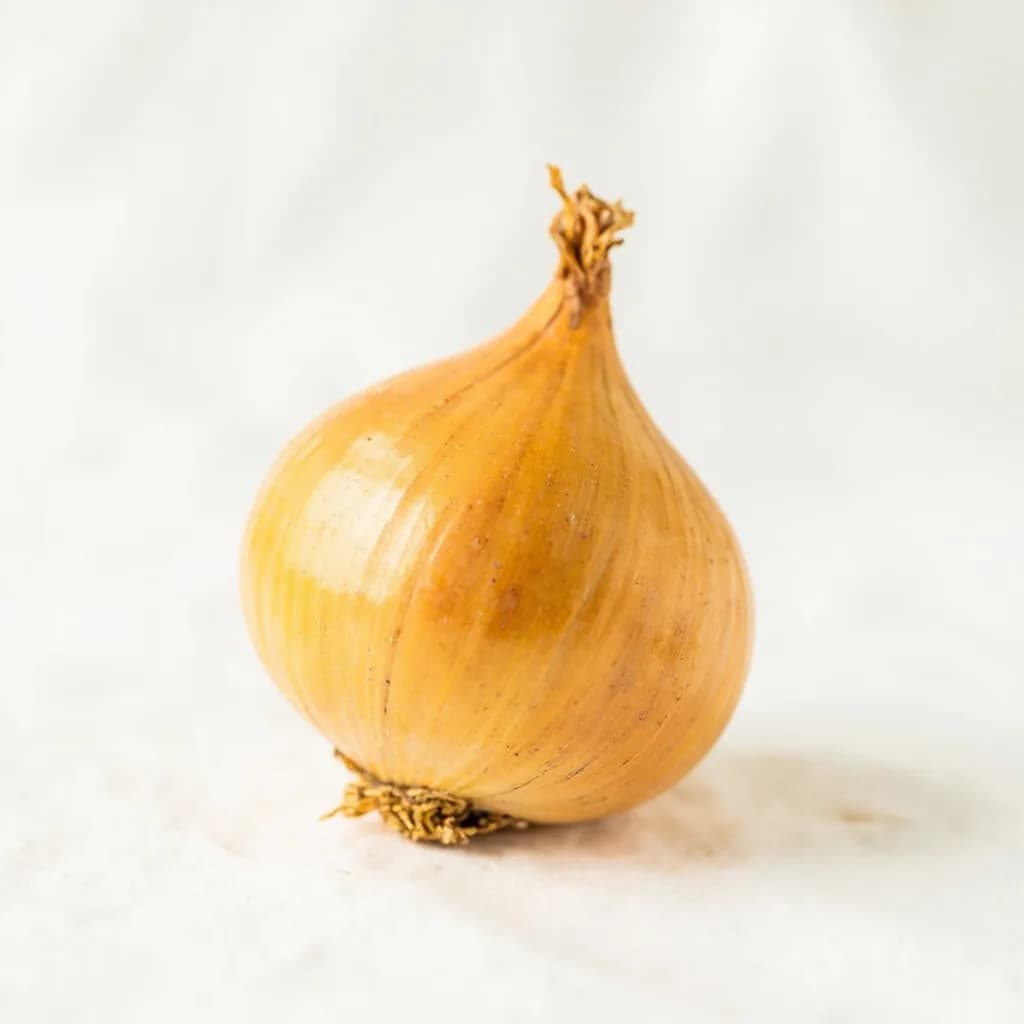
Yellow Onion
The aromatic backbone of soups, sofritos, and braises
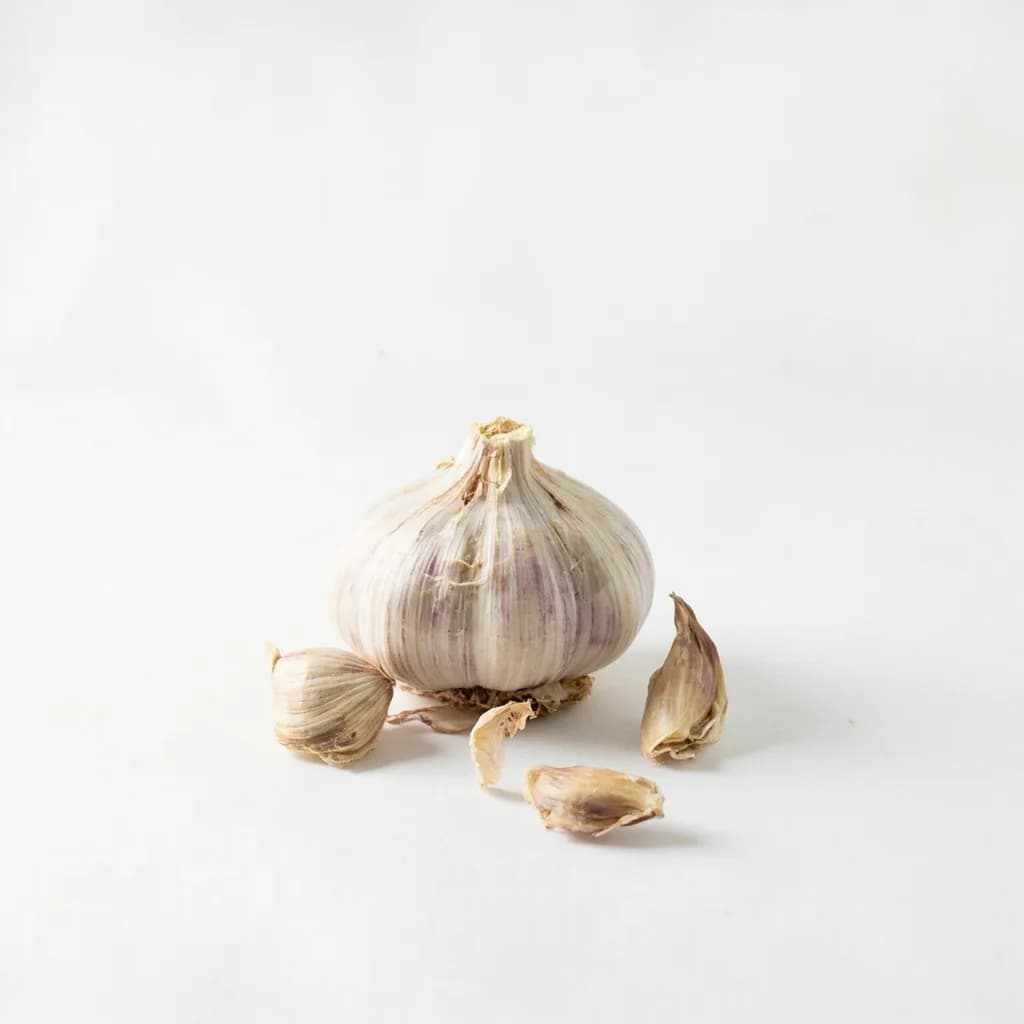
Garlic
Pungent cloves that perfume nearly every savory dish
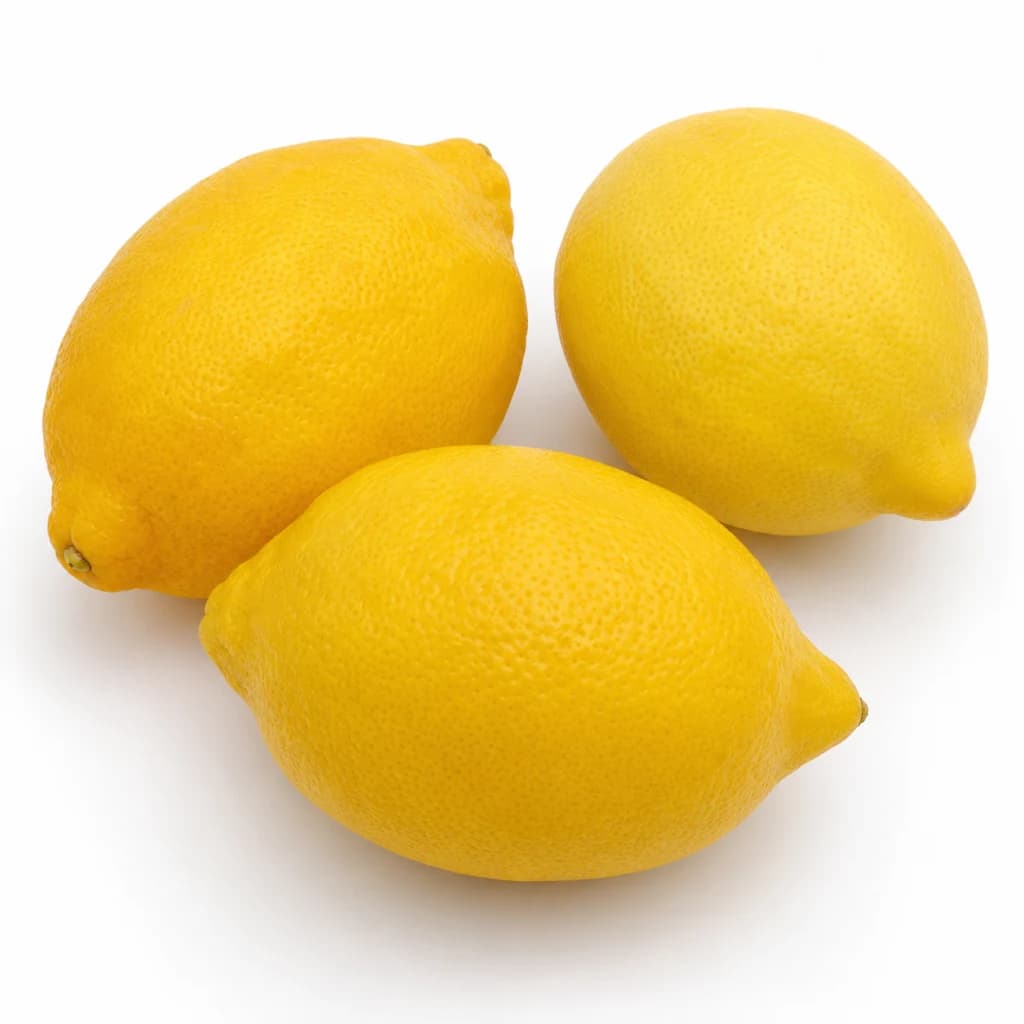
Lemon
Bright, acidic citrus that wakes up almost any dish
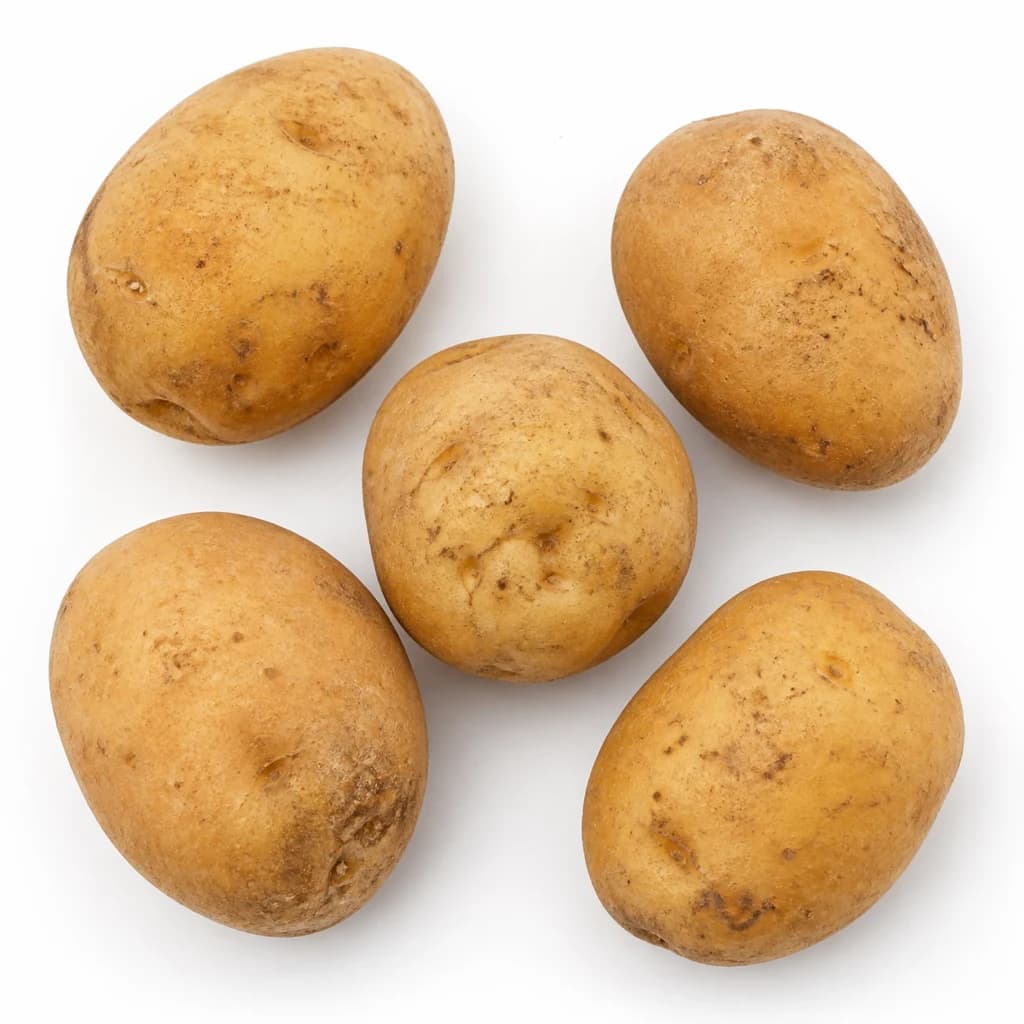
Potato
Humble, hearty staple — roast, mash, fry, or boil
Carrot
Sweet, crunchy root — raw, roasted, or the base of a sofrito
Cucumber
Cool, crisp, and watery — for salads, pickles, and tzatziki

Lettuce
Crisp leaves for salads, wraps, and a fresh crunch