Central Europe
Hungarian
Also: Magyar cuisine, Hungarian cuisine, konyha
A paprika-anchored steppe tradition transformed by the Carpathian basin into one of Central Europe's most distinctive and influential cuisines.
Hungarian cuisine occupies a singular position in European cooking: it is one of the few non-Mediterranean European traditions to have built its flavour identity around a single spice — paprika — used not as seasoning but as structural ingredient. Ground from dried Capsicum annuum peppers introduced via the Ottoman occupation (16th–17th centuries), sweet and hot paprika forms the chromatic and flavour base of gulyás, paprikash, pörkölt, and lecső. Beneath the paprika lies a steppe-herding foundation: Hungarian nomadic ancestors drove cattle across the Pannonian Plain, and beef (particularly the grey Hungarian cattle), pork, and game remain central. The Austro-Hungarian imperial kitchen then layered French technique and Central European refinement onto this substrate.
The flavour base
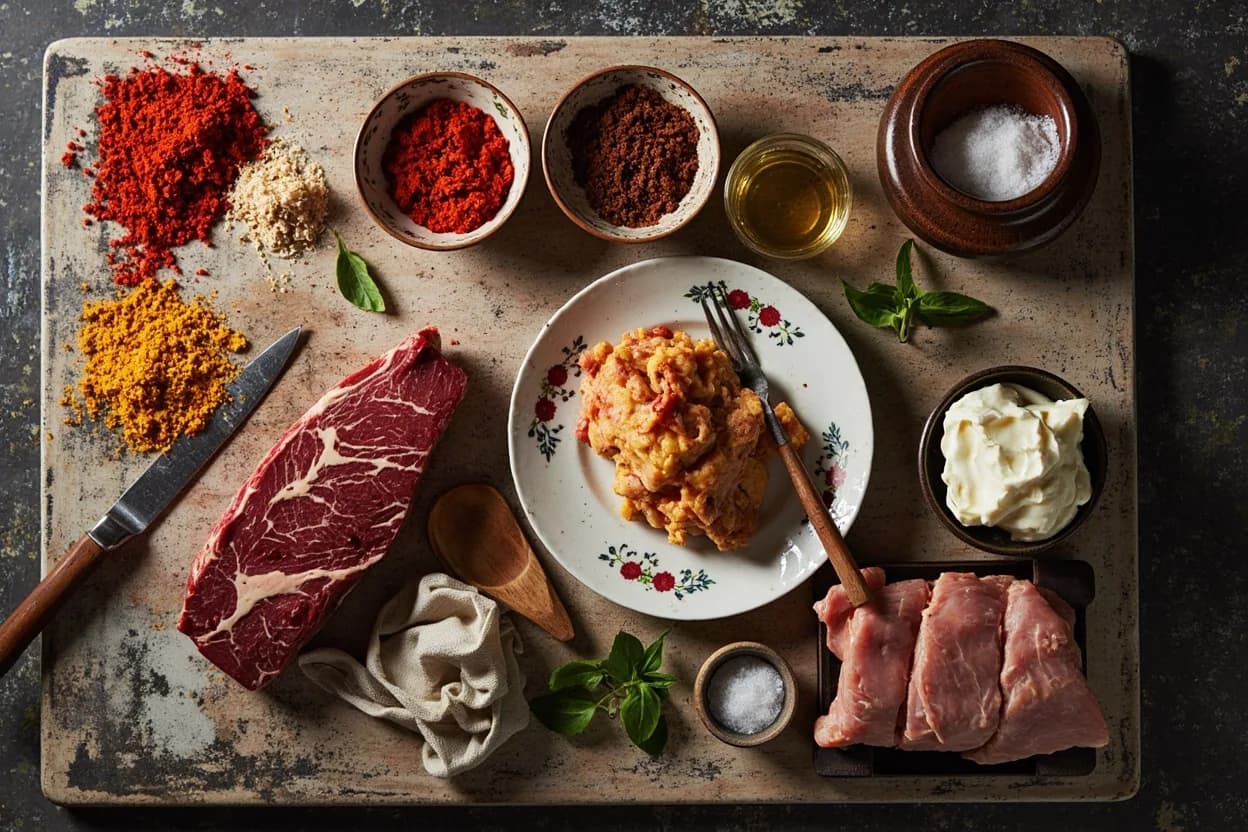
Paprika-onion alapja (base): onion sweated in lard until soft, paprika added off heat to bloom without burning, then liquid added — this three-step sequence is the grammatical core of Hungarian savoury cooking
Pantry staples
Key ingredients
Signature techniques
Signature dishes
Hungarian on the table
At the table
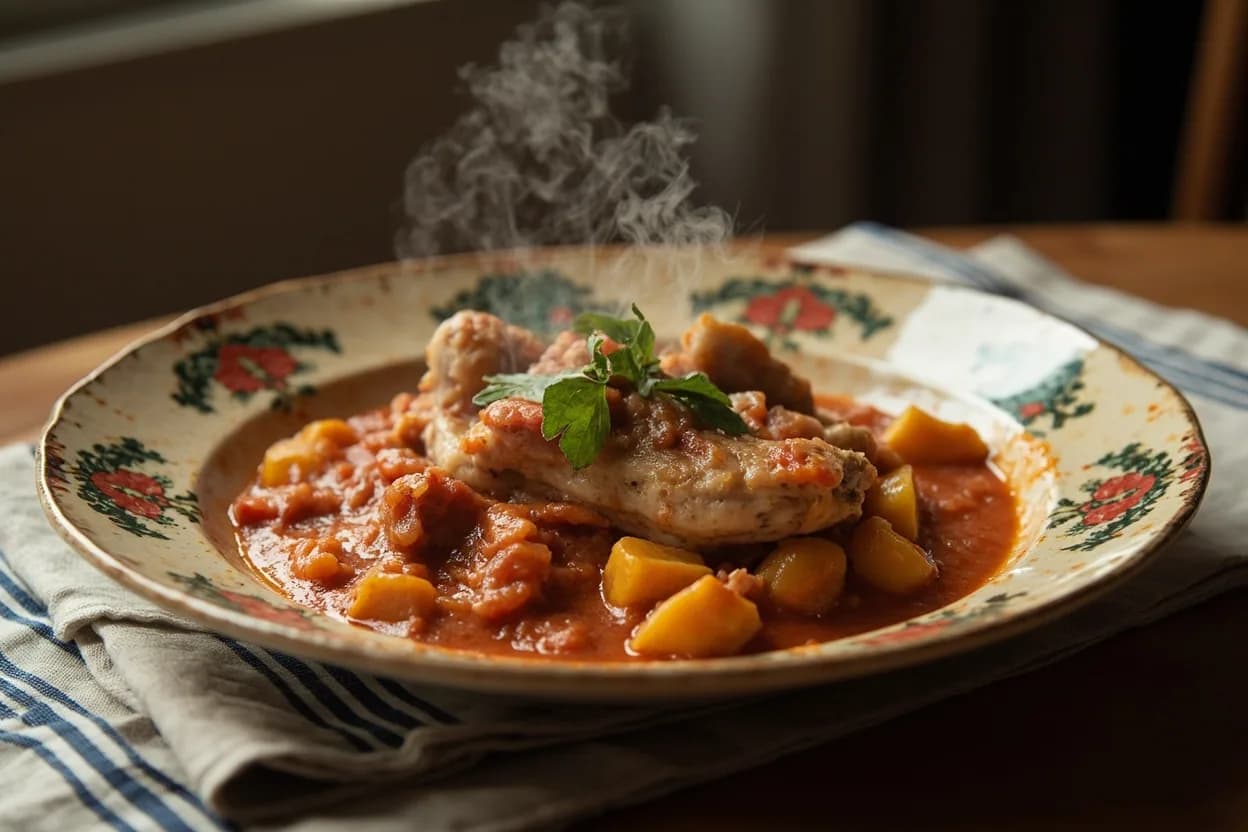
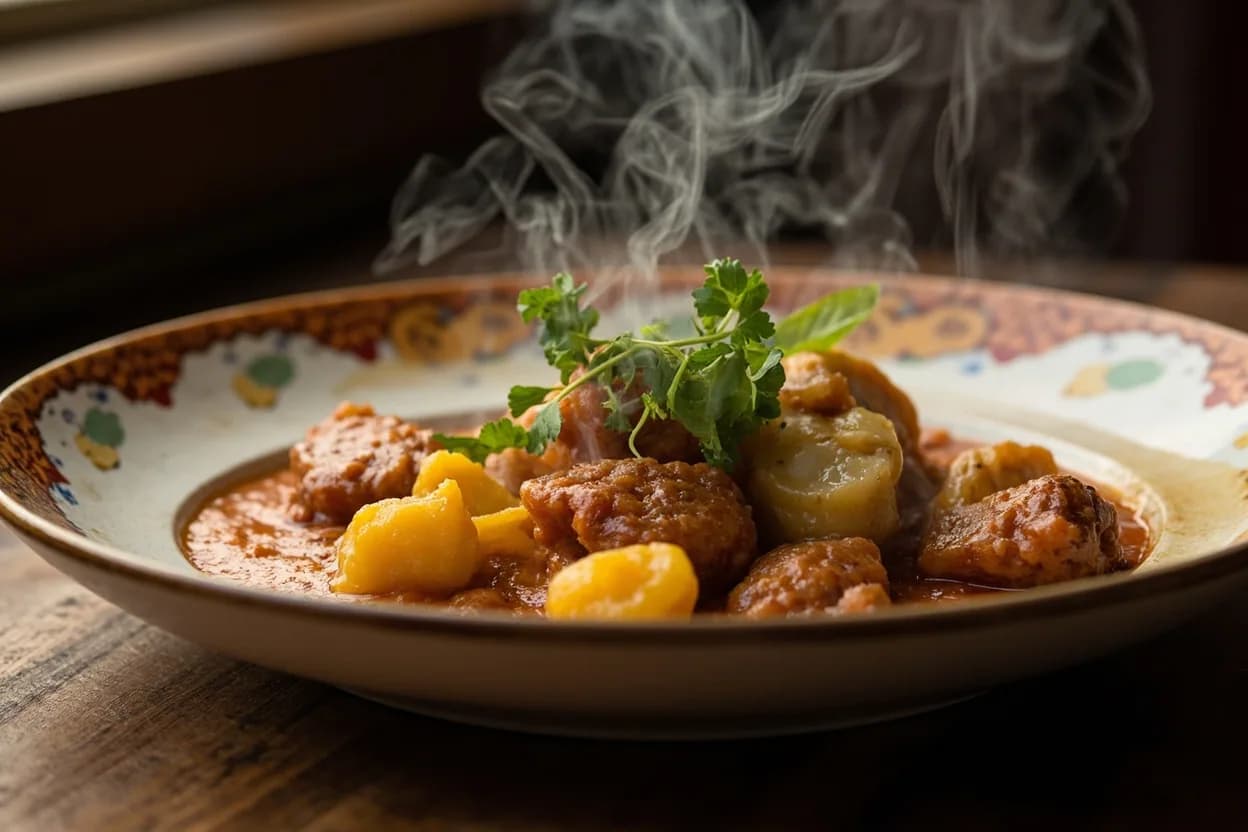
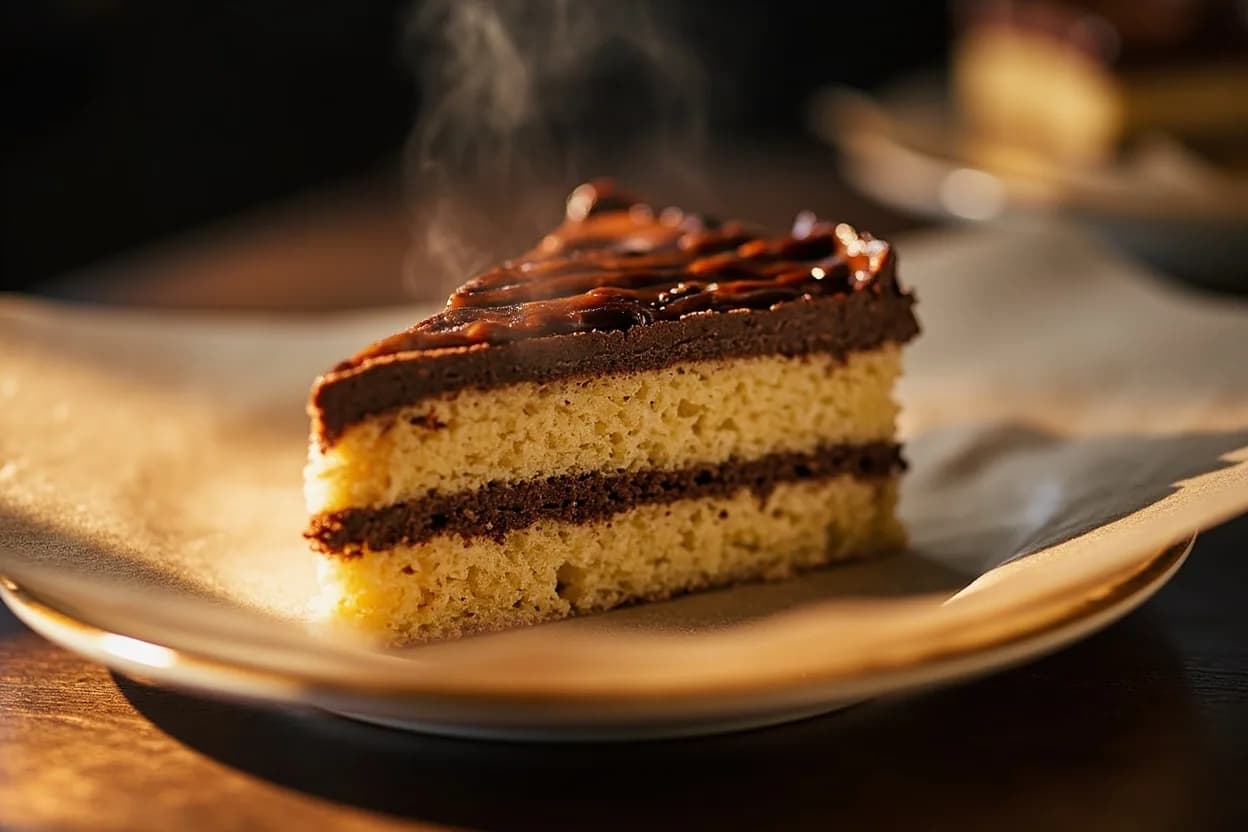
A Hungarian meal starts with soup — always; soup is not optional but structurally necessary. Gulyásleves or a meaty broth precedes the main course (főétel) of a meat stew or roast with a starch (galuska dumplings, potato, or bread). Salads are dressed with vinegar and sugar, eaten alongside the main. Pastry (sütemény) — Dobos torte, rétes (strudel), Gerbeaud cake — belongs to the afternoon kávéházi (coffeehouse) tradition as much as to home meals. Pálinka (fruit brandy) opens festive gatherings.
History & context
The Magyar tribes arrived in the Carpathian basin in 895 CE bringing a nomadic steppe food culture centred on cattle-herding, dried meat (dried beef was carried on horseback in leather pouches), and fermented dairy. The Christian kingdom of St. Stephen (1000 CE) introduced wheat cultivation, vineyards, and monastic cooking. The Ottoman occupation (1541–1699) brought paprika — first medicinally, then culinarily — and transformed the cuisine irreversibly. Austro-Hungarian union (1867–1918) brought French culinary training to Budapest's grand hotels; chefs like Károly Gundel codified and elevated Hungarian cooking into a national cuisine for the bourgeois era. Communist collectivisation (1948–1989) depressed ingredient quality but preserved home-cooking traditions; post-1989 Hungary has seen both McDonald's expansion and a serious return to artisanal paprika, pálinka, and mangalica (Woolly Pig) heritage.
Regional variations
- Great Plain (Alföld)
Heartland of gulyás; betyár outlaw culture romanticised the cattle-drover's cauldron-cooked stew; Debreceni sausage from Debrecen, richly smoked.
- Balaton lake region
Freshwater fish cuisine: fogás (pike-perch) and süllő from Lake Balaton, served with tejföl; fogas fogas remains a prestige dish.
- Tokaj-Hegyalja
Wine-region food culture dominated by Aszú botrytised wine and the rich cuisine that evolved to accompany it; goose liver (libamáj) is a local speciality.
- Transylvania (now Romania)
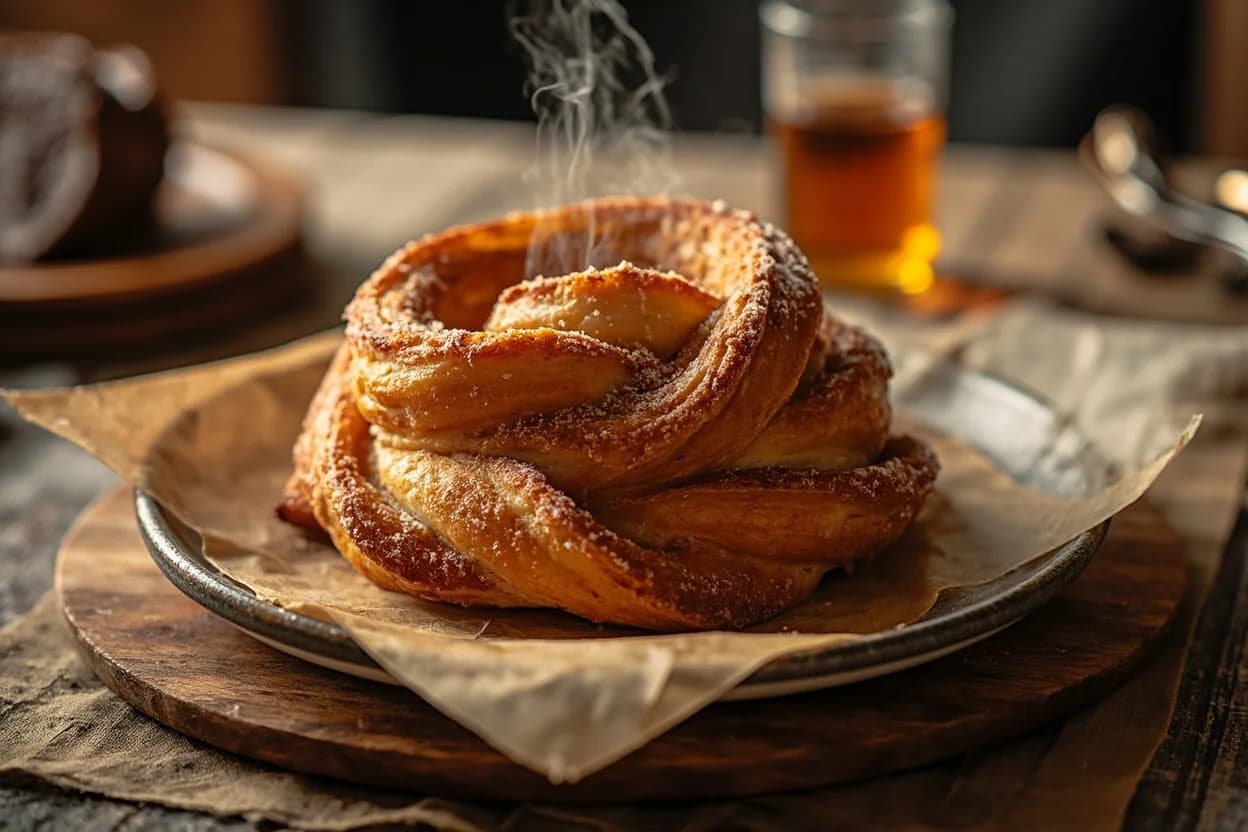
Shared Hungarian cultural food memory; erdélyi rakott káposzta and kürtőskalács (chimney cake) originated here; more Saxon-influenced than Pannonian Hungary.
Related cuisines
Centuries of Habsburg co-rule; gulyás was absorbed into Viennese cooking (Viennese Gulasch) and became a cornerstone of Austro-Hungarian restaurant culture.
Shared dumpling traditions and pork-cabbage paradigm; Slovak cuisine shares the Carpathian border and many Magyar-influenced dishes.
- Romanian
Transylvanian overlap; mămăligă (polenta), sarmale (stuffed cabbage), and ciorbă (sour soup) have direct parallels in Hungarian tradition.
- Turkish
Ottoman occupation introduced paprika, lecsó peppers, coffee culture, and pastry technique; the debt is structural, not merely anecdotal.
Canonical recipes
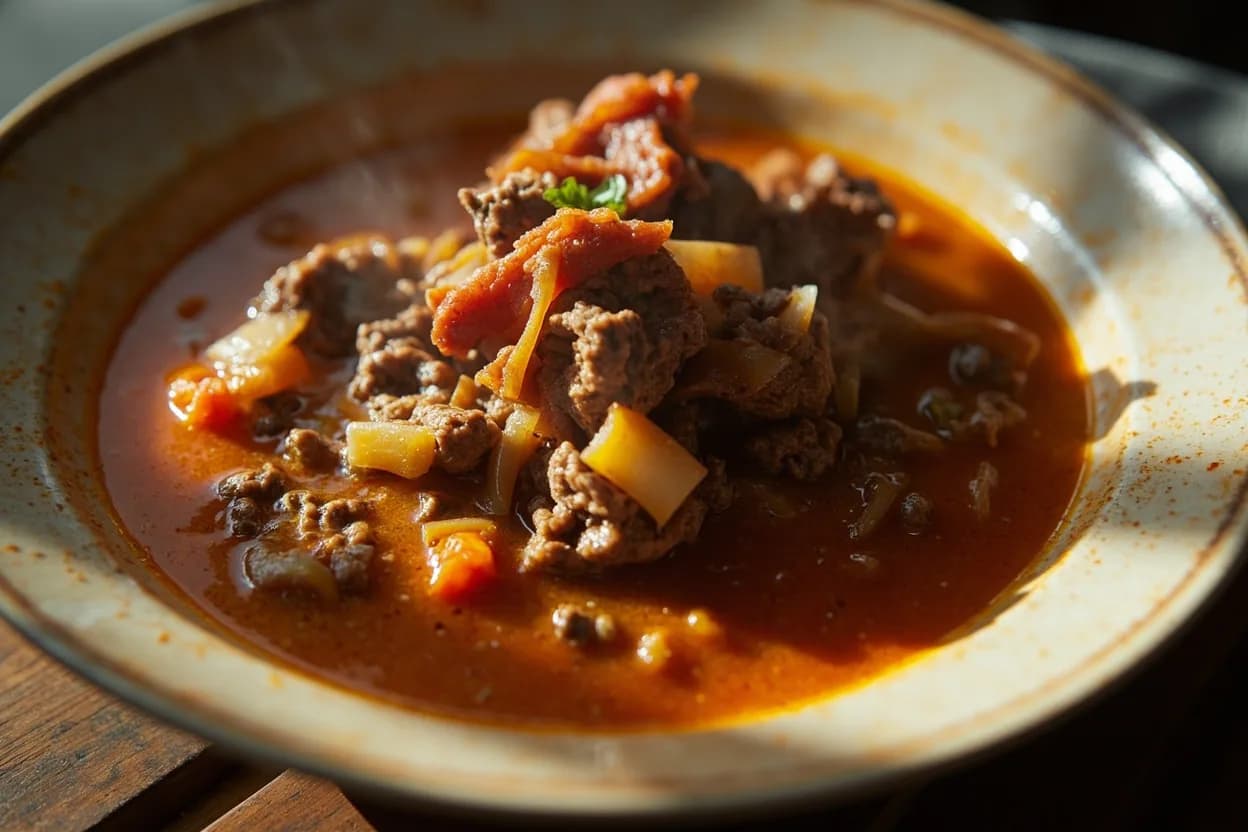
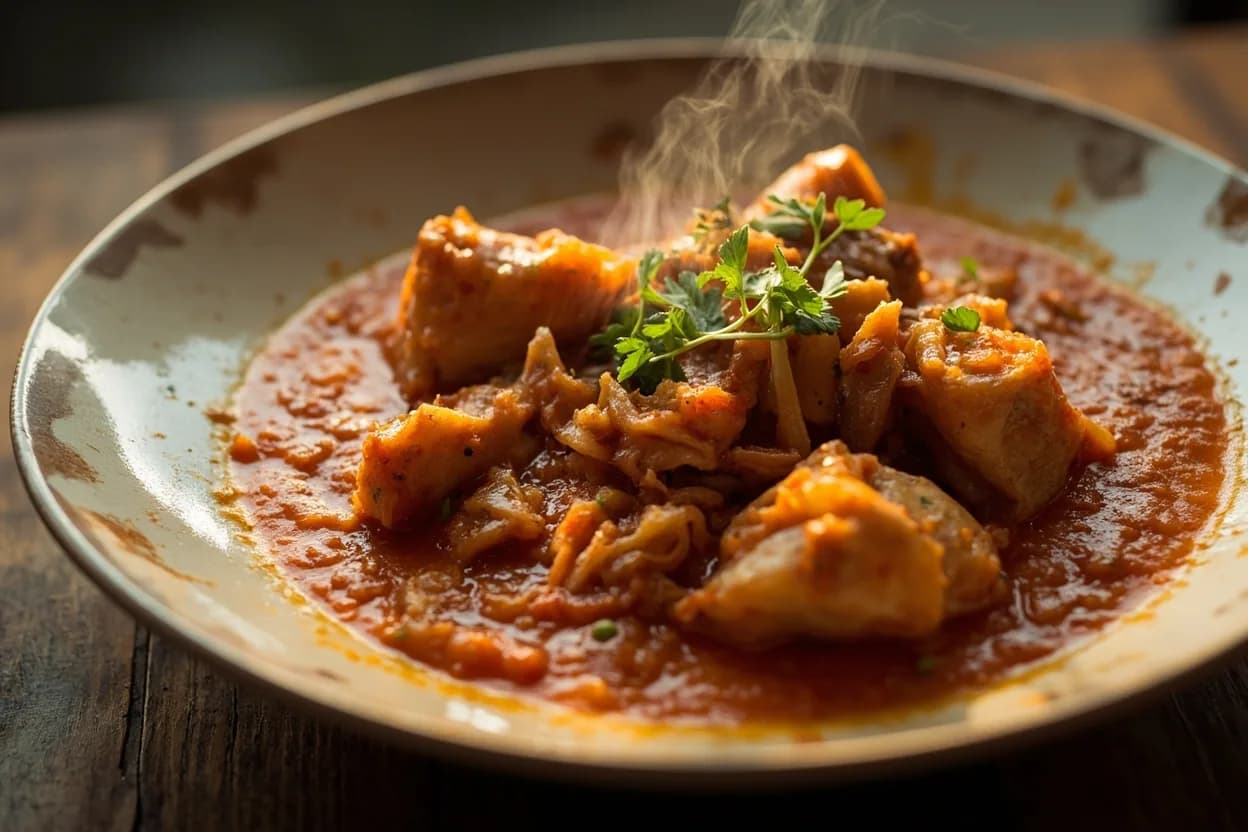
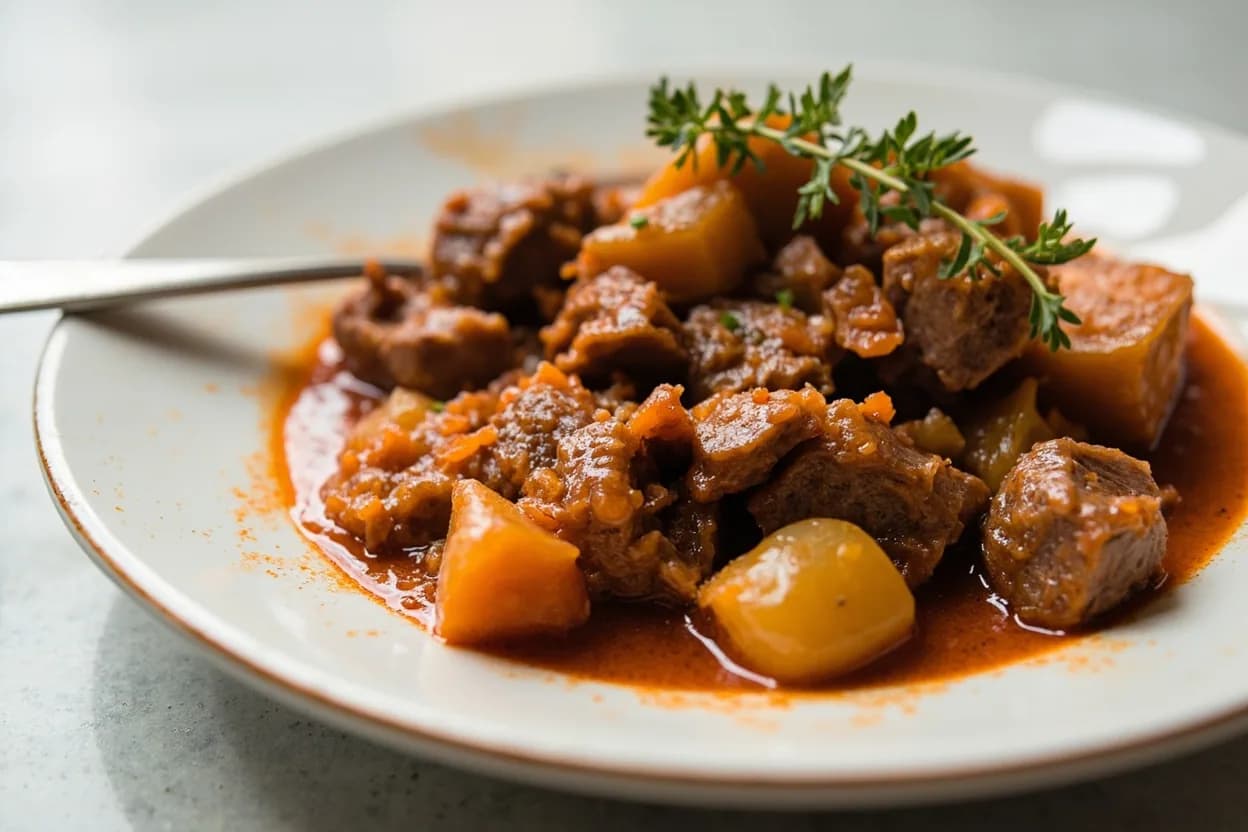
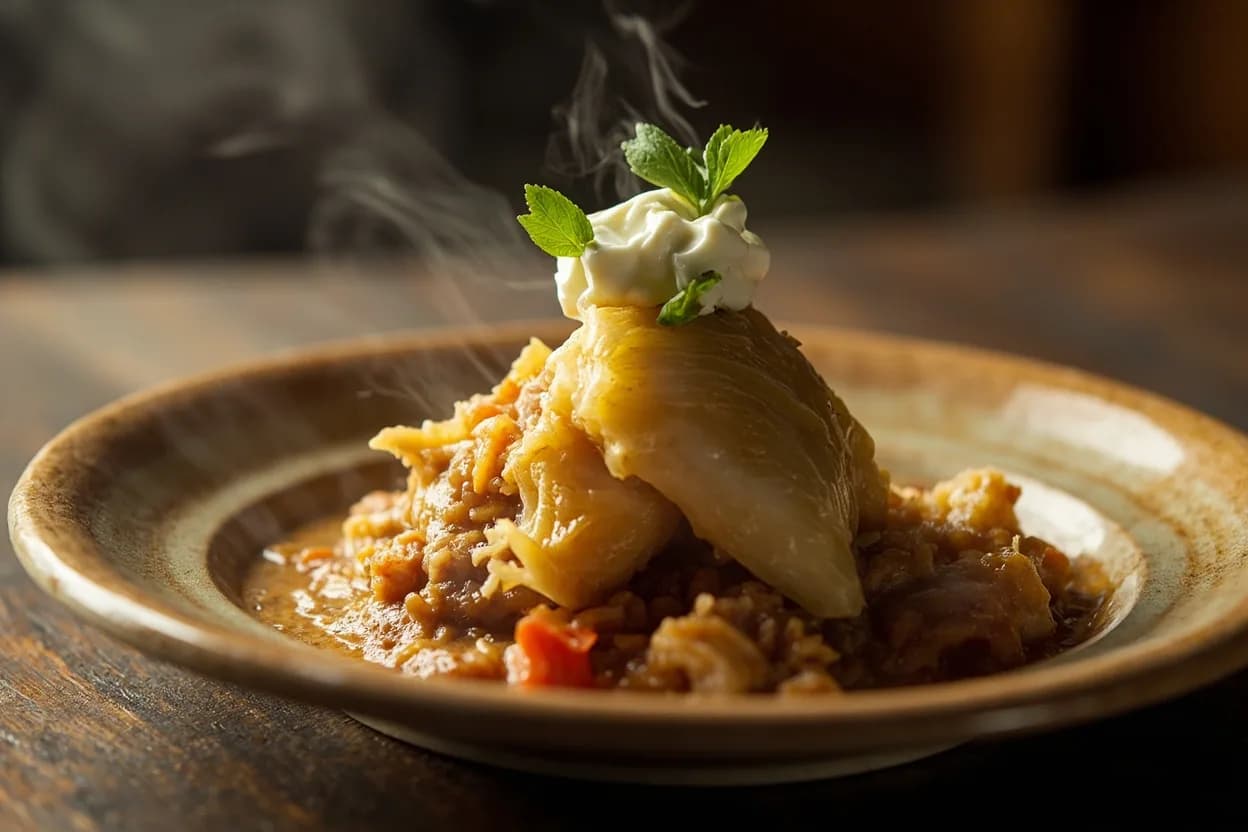
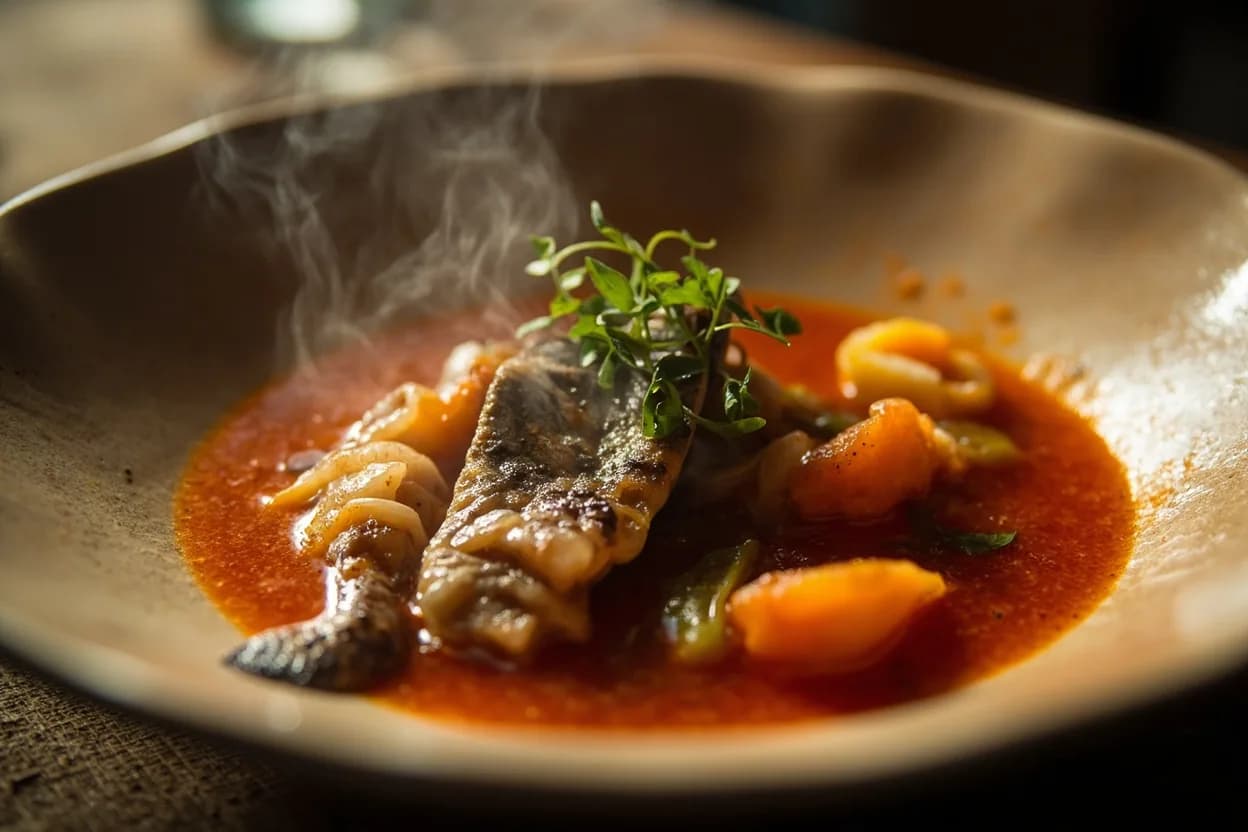
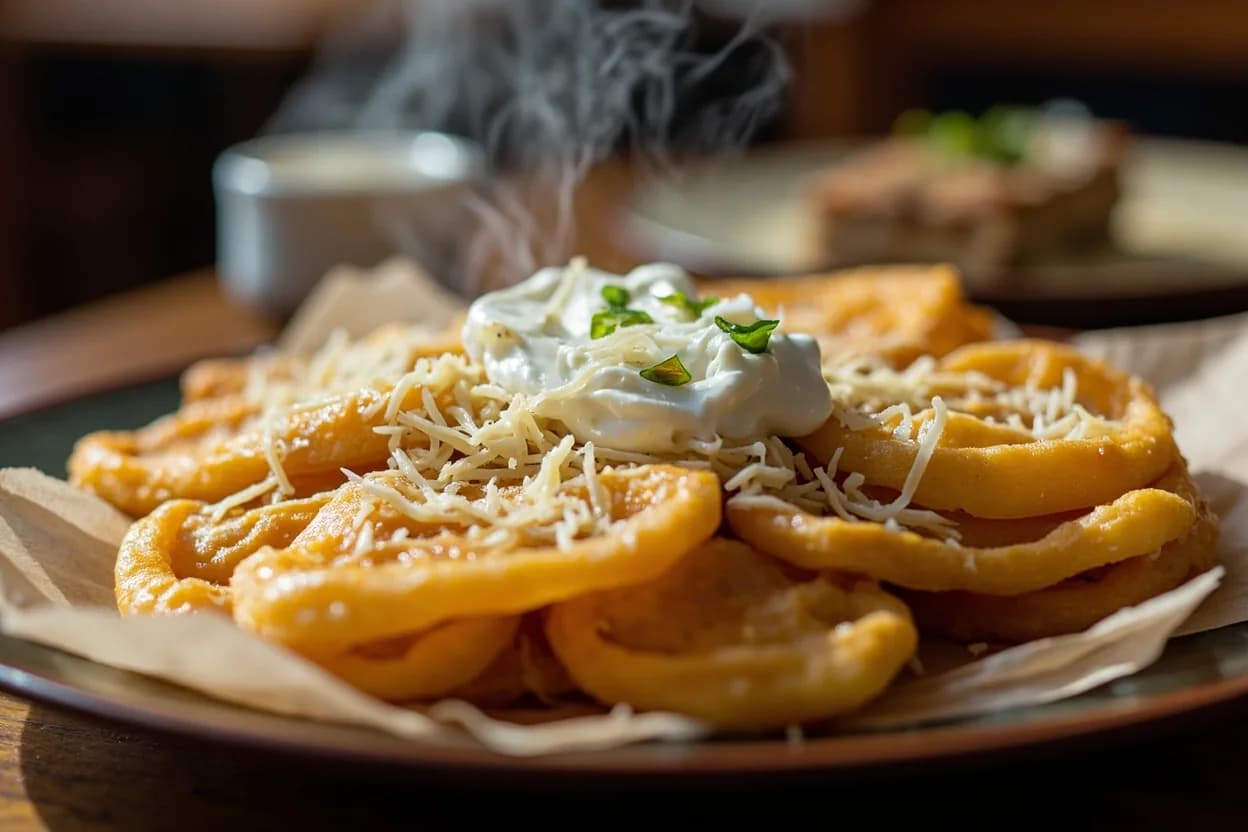
The dishes that define Hungarian, documented in the Canon.
References
- 1.Gundel, K. — Hungarian Cookery (Corvina Press, 1956)
- 2.Lang, G. — The Cuisine of Hungary (Bonanza Books, 1971)
- 3.Molnár, B. — Magyar konyha (Mezőgazda Kiadó, 2003)
- 4.Halász, Z. — Hungarian Paprika through the Ages (Corvina Press, 1963)
Confidence: high
Notes
Paprika quality and varieties
Kalocsa and Szeged are Hungary's two paprika capitals, each with an appellation designation. Eight grades run from Különleges (special, brightest red, sweetest) through Édes csemege to Erős (hot). The critical technique: paprika must be added to fat off the heat or at low heat — even a few seconds over direct flame produces bitter compounds. This is the most common home-cook error with Hungarian food.
Mangalica: the Woolly Pig
The Mangalica, a curly-haired lard pig indigenous to Hungary, nearly went extinct under Communist collectivisation (down to ~200 animals by 1990). A Spanish-Hungarian breeding programme revived it; its high-fat, marbled meat is now celebrated by chefs and used for artisanal salami and slow-braised dishes. It represents the recovery of pre-industrial Hungarian pig culture.