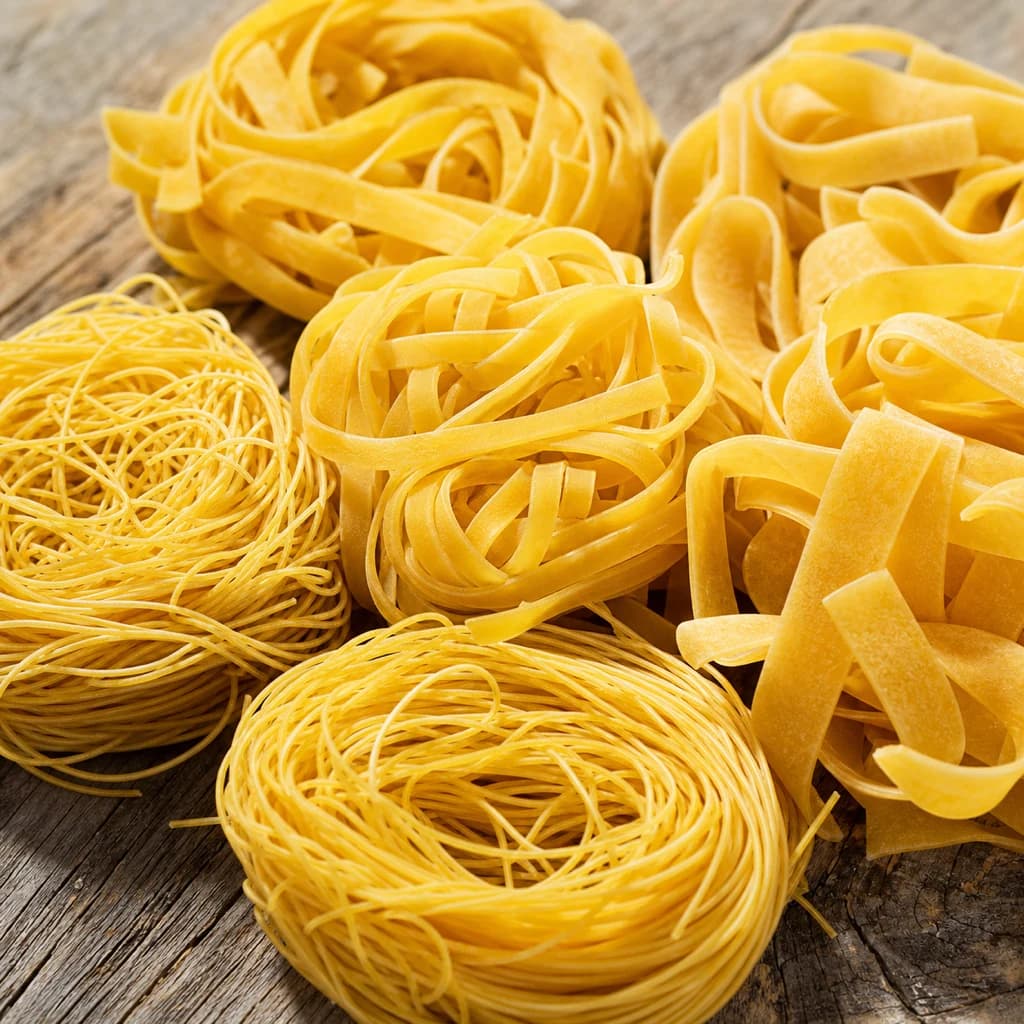
Natural form
Dried egg noodles nest in loose tangles, showing their golden color and ribbon width.
Shows the most common retail form readers will encounter, with the characteristic egg-yellow hue and varied widths that distinguish egg noodles from plain wheat noodles.
Grains & Rice
Egg Noodles
Wheat noodles enriched with egg, used in soups, stir-fries, and saucy dishes.
Egg noodles are made from wheat flour and egg, giving them a richer flavor and golden color than plain noodles. They appear across Asian and European kitchens, in dishes from chicken noodle soup and spaetzle to lo mein and chow mein. Sold fresh or dried in widths from thin to wide, they cook quickly and hold sauces well.
Egg noodles are wheat noodles made with whole eggs or egg yolks worked into the dough, giving them a golden hue, richer flavor, and distinct texture compared to standard durum-wheat pasta. The egg protein creates a more tender, less chewy bite, while the yolks introduce fat and natural emulsifiers that produce a silkier mouthfeel. This combination makes egg noodles exceptionally good at carrying sauces and absorbing broth, but it also makes them far more vulnerable to overcooking than semolina pasta.
The category spans a remarkable geographic range. In East and Southeast Asia, egg noodles often rely on kansui (alkaline water) or baked baking soda to develop their characteristic firm chew—the egg is secondary to the mineral complexity. In Central and Eastern Europe, egg noodles appear as soft dumplings (Spätzle, nokedli, halušky) served alongside goulash and braised meats. American and Italian traditions tend toward wider, flatter noodles that hold their shape in creamy casseroles and lighter sauce preparations. Despite these differences, all share the fundamental quality of egg-enriched dough.
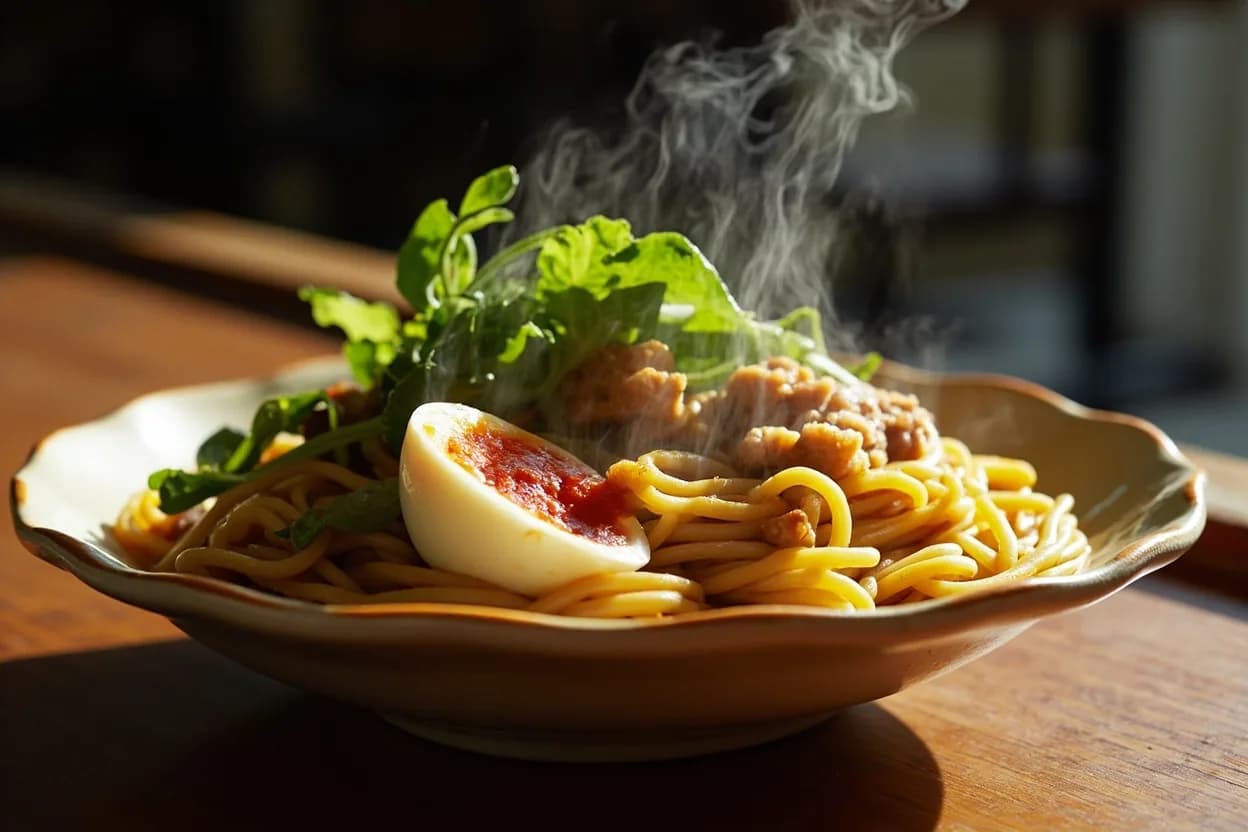
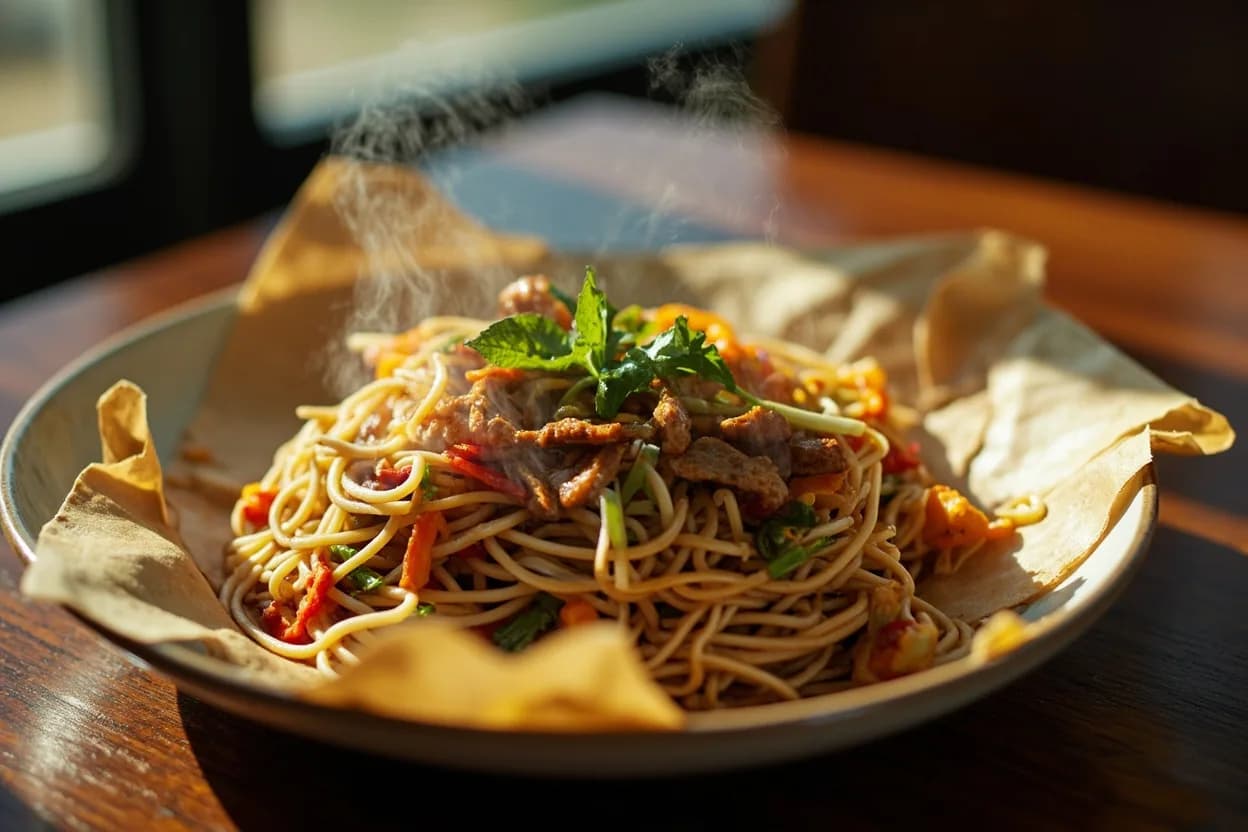
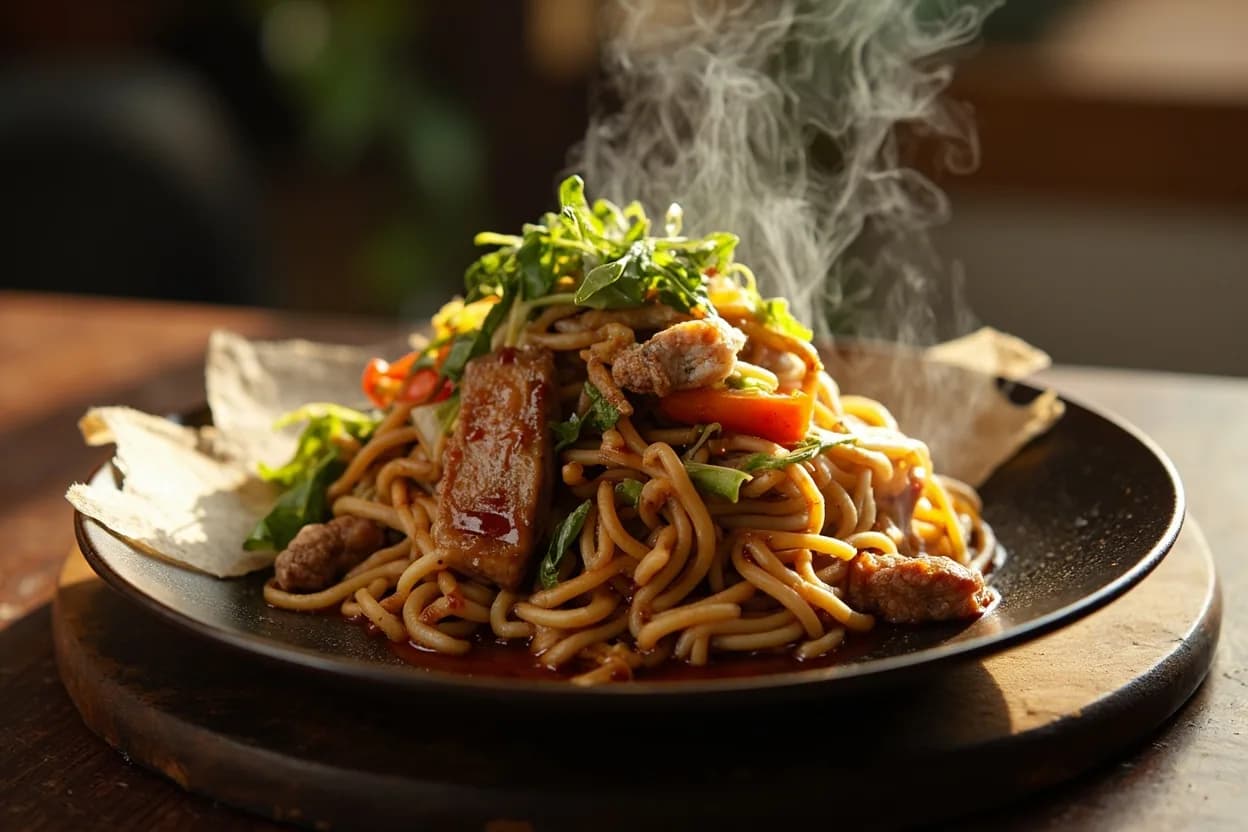
When a recipe specifies egg noodles, check the context: Asian stir-fry preparations demand thin, quick-cooking noodles that absorb seasoning efficiently, while American casseroles require wider dried noodles that withstand extended baking. The ingredient label matters for Asian varieties—true lo mein contains alkaline salts, while other fresh or dried Asian noodles may contain eggs without any alkaline agents.
- Measured in
- g
- Storage
- Pantry
Allergens
Types & varieties
Often contain kansui for characteristic chew and bright yellow color; fresh or dried, various widths
Curly, wavy texture; typically medium width; used in hot broth or cold dishes
Thin to medium width; often sold fresh with a slight yellow hue; used in pho and stir-fries
Medium-width fresh egg noodles; served cold with spicy sauce or in broth
Soft, small egg dumplings; fresh or dried; hand-grated or pushed through a colander into boiling water
Small, gnocchi-sized egg dumplings; traditional with goulash and braised dishes
Medium to wide egg noodles; served with sauerkraut, bryndza cheese, or in soups
Striped pasta (green and yellow); dried egg noodles; pairs with lighter sauces
Resemble fettuccine; common in casseroles; fresh or dried
Egg Noodles vs. Standard Pasta
The fundamental difference lies in protein structure and fat content. Standard pasta is made from durum wheat, which produces an assertive gluten network yielding a firm, somewhat elastic bite. Egg noodles interrupt that gluten with egg proteins and lubricate the dough with yolk fat, resulting in a softer, more tender texture. The practical consequence: egg noodles finish cooking faster and overcook more easily. A minute past al dente transforms them from toothsome to mushy, whereas standard pasta gives you more forgiveness.
- Egg noodles contain 12–14 g protein per 100 g dry weight; standard pasta is typically 10–13 g
- The golden color deepens with yolk content, but color alone does not indicate egg quality or quantity
- Asian 'egg noodles' may derive their chew from alkaline salts rather than egg alone—check labels
Kansui and the Asian Egg Noodle Question
Many Asian noodles labeled 'egg noodles' owe their firm, slightly bouncy texture to kansui (a solution of alkaline mineral salts) or baked baking soda rather than egg content. These alkaline agents alter gluten structure, creating that characteristic resistance between the teeth. When substituting or purchasing, read the ingredient list: flour, water, egg indicates true egg noodles, while flour, water, egg, and sodium carbonate or potassium carbonate indicates the alkaline version that behaves differently in recipes.
- Kansui-treated noodles have a distinct mineral flavor that pairs with soy-based seasonings
- Without kansui, the noodles rely entirely on egg protein for chew—cook them less aggressively
- Some ramen-style noodles contain neither egg nor kansui; these are not egg noodle substitutes
Common uses
Tips & pitfalls
- Cook in generously salted water—about 10 g salt per liter, the same as pasta, to properly season the noodles themselves.
- Never add oil to the cooking water; noodles need their starchy surface intact so sauces adhere properly.
- Test frequently toward the end of cooking; egg noodles become mushy quickly once they pass al dente, especially fresh ones.
- For dried egg noodles, add 1–2 minutes to package directions for true al dente—manufacturers often target an overcooked market preference.
- Fresh egg noodles expand roughly 50% in length and width when cooked; plan portions accordingly and do not batch-cook more than you need.
- If substituting dried for fresh in a stir-fry, parboil dried noodles until just under al dente, then proceed with the wok work.
- Do not rinse after draining; the starchy surface is essential for sauce cling and flavor transfer.
- For Asian stir-fries, briefly soak cooked noodles in cold water after draining to stop carryover cooking before they hit the wok.
- When making homemade egg noodles, dry them on a floured surface for 30–60 minutes until leathery but not brittle before storage or cooking.
Nutrition
Energy
1607 kJ · per 100 g
Where the calories come from
Protein
14.2g
28% DV
Carbs
71.3g
26% DV
Fat
4.4g
6% DV
Fiber
3.3g
12% DV
Sugars
1.9g
of which
Sodium
21mg
1% DV
Source · USDA FoodData Central · Noodles, egg, dry, unenriched
View on FDC →In the shops
Matched grocery products
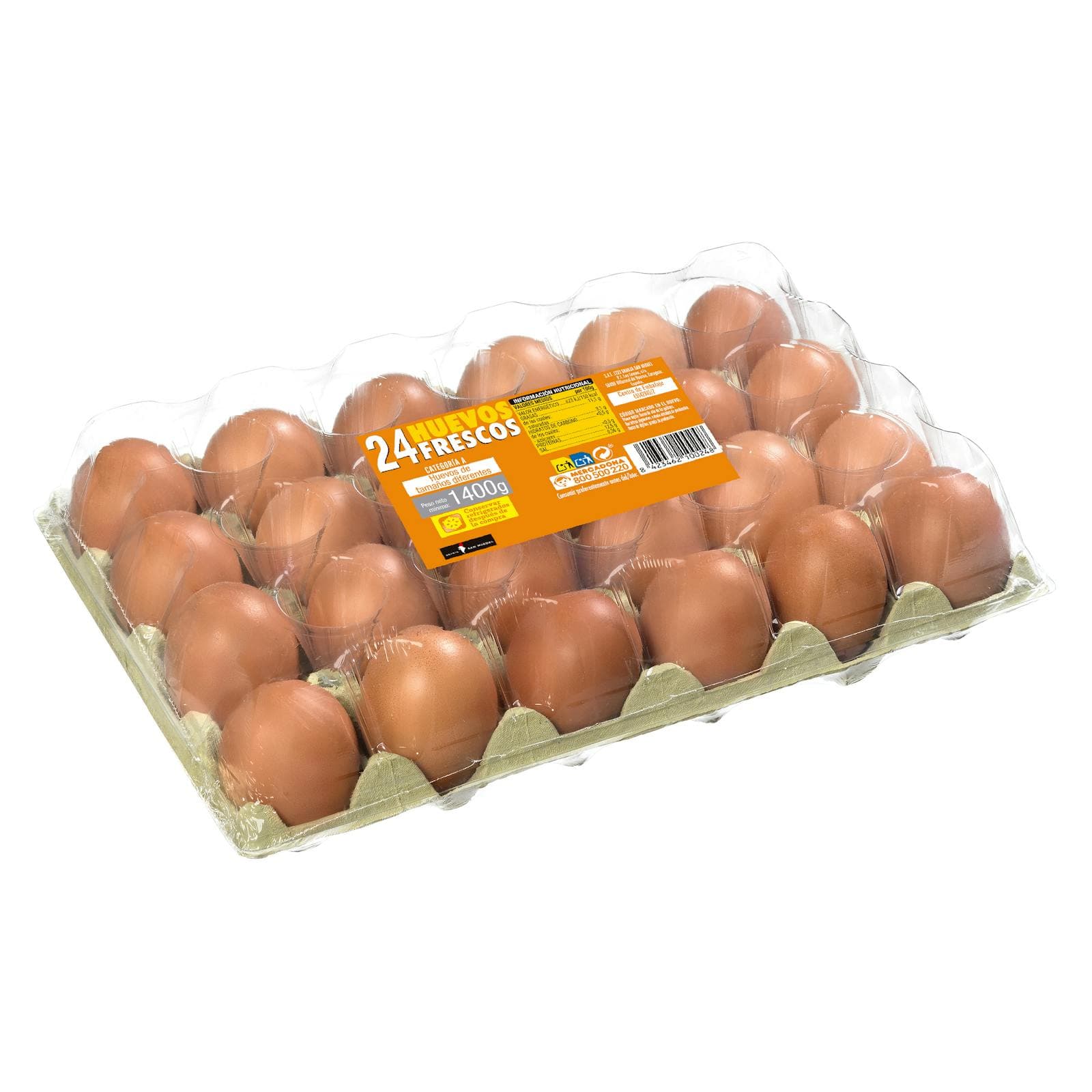 €5.60
€5.60Eggs
24 dz · Mercadona
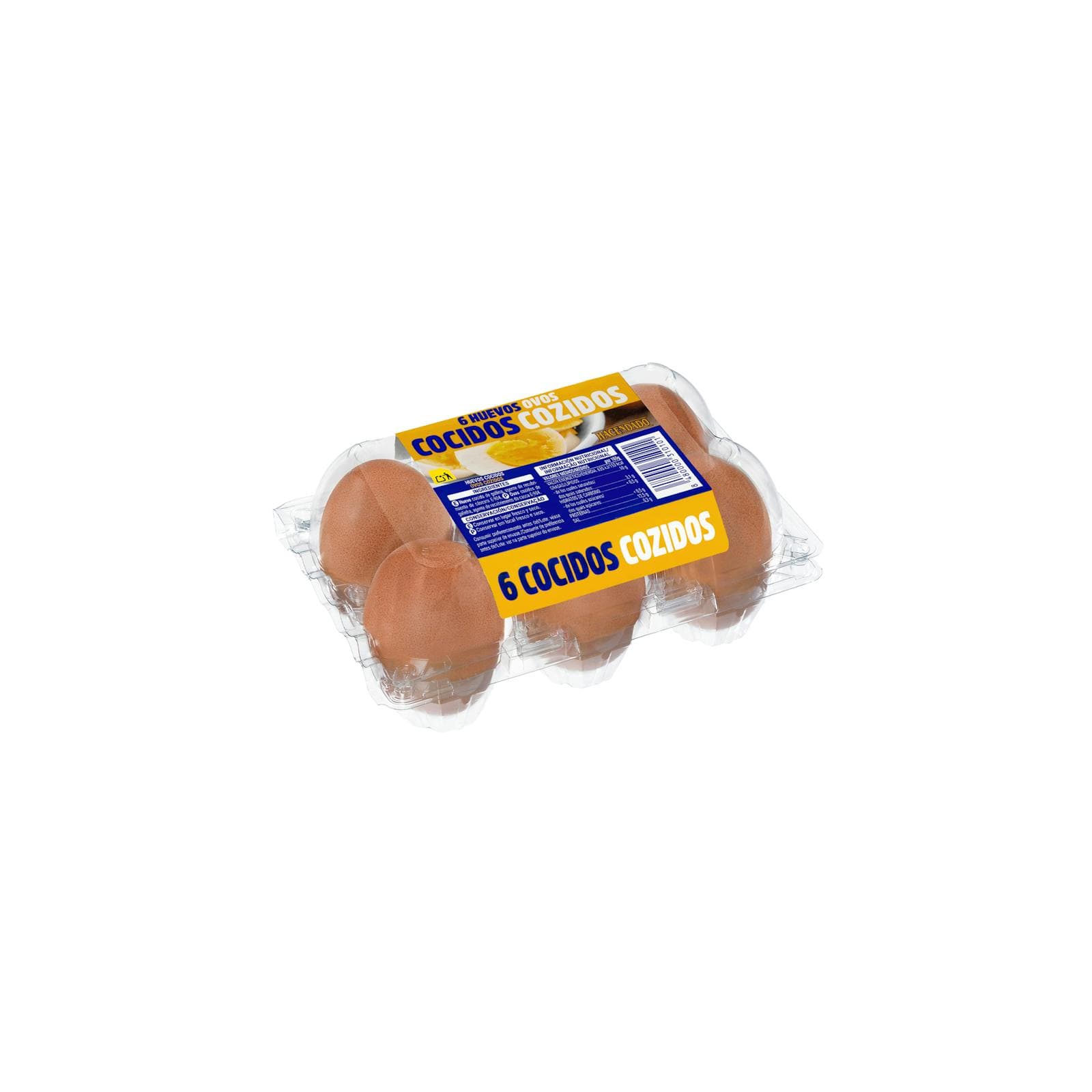 €2.20
€2.20Cooked Eggs
6 dc · Mercadona
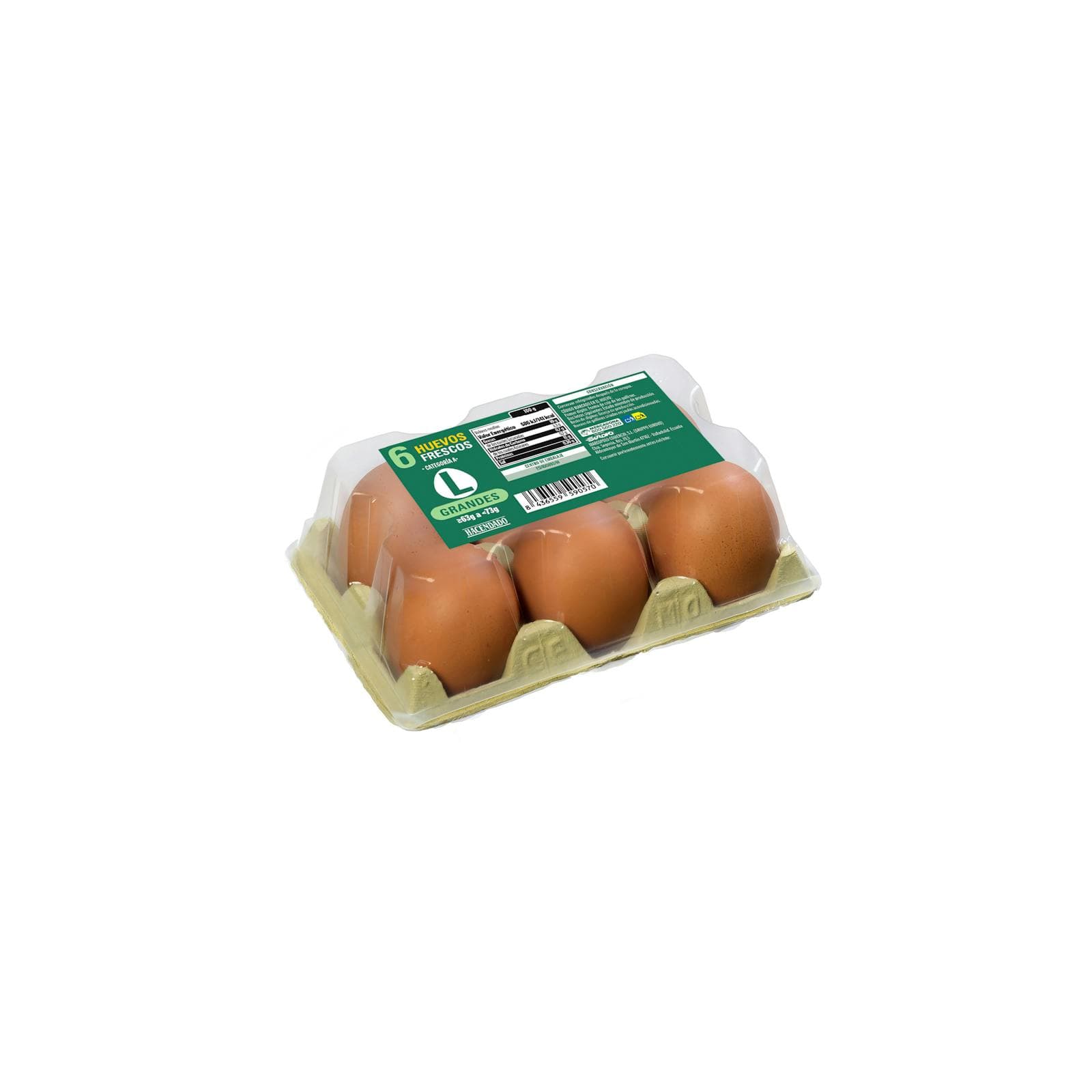 €1.80
€1.80Large Eggs
6 dc · Mercadona
 €3.20
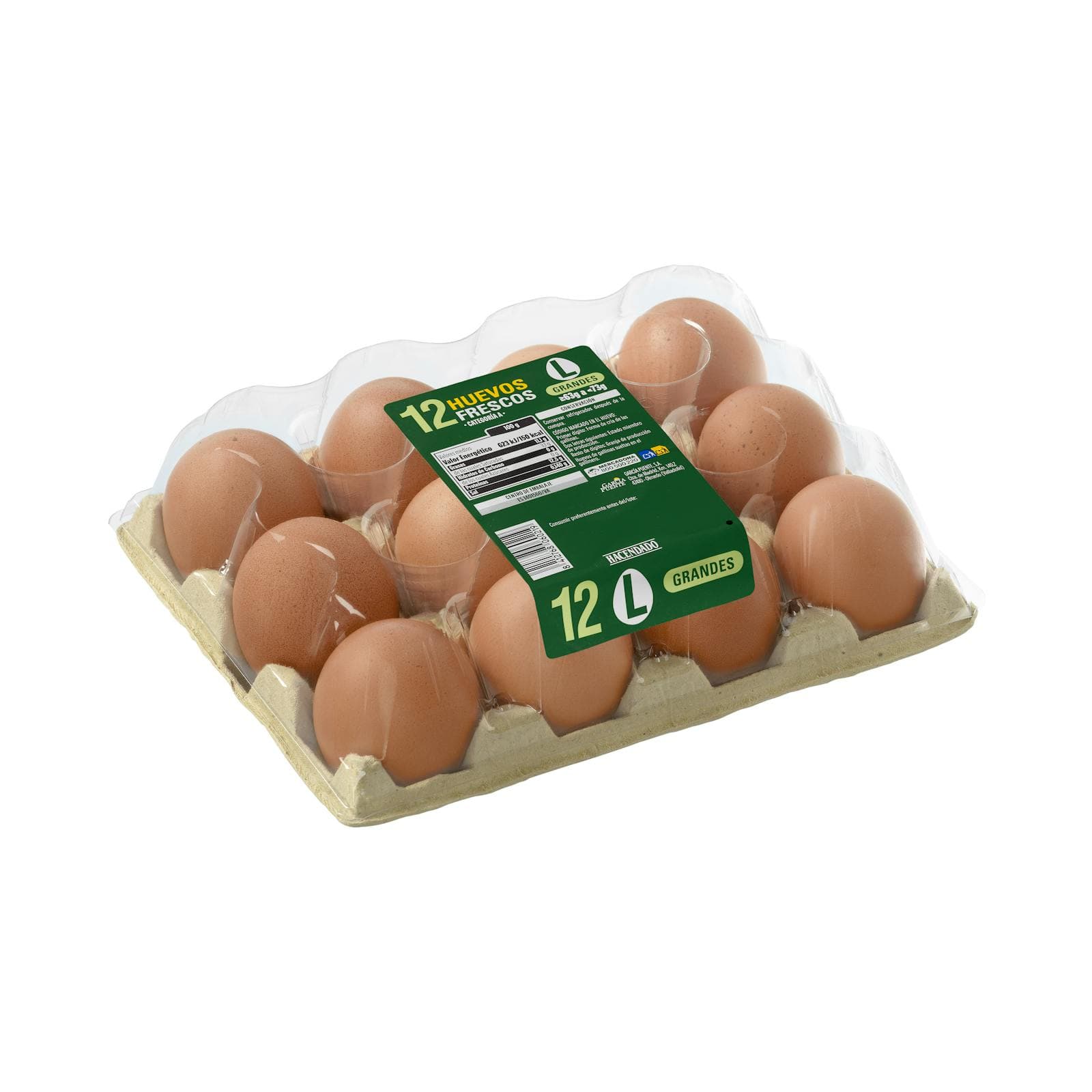
€3.20Large Eggs
12 dc · Mercadona
 €3.00
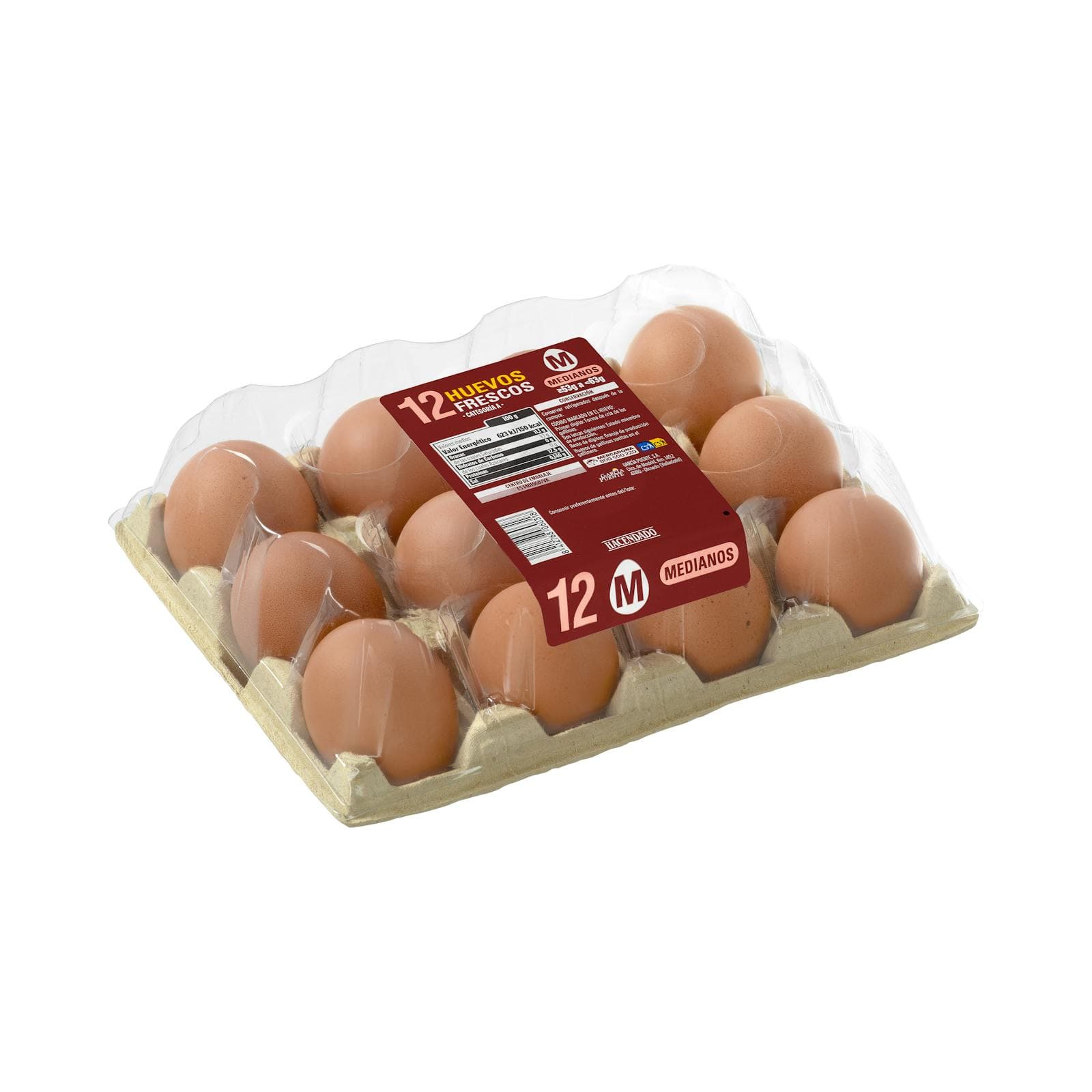
€3.00Medium M Eggs
12 dc · Mercadona
 €2.10
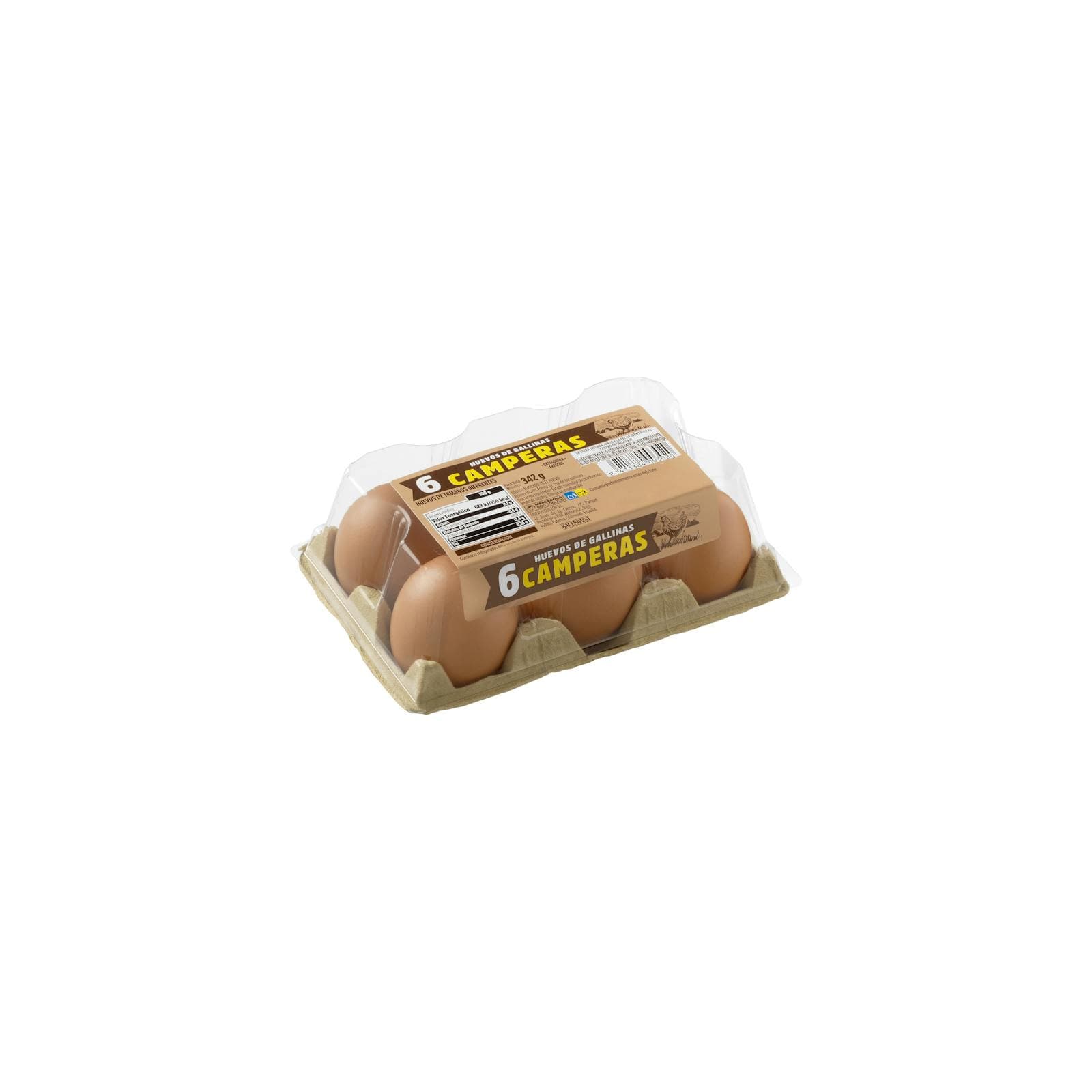
€2.10Free-Range Eggs
6 dc · Mercadona
Good to know
- Primary ingredients
- Wheat flour, whole eggs or egg yolks, water, salt
- Typical egg content
- 1 large egg per 100–150 g flour for standard; up to 4 yolks per 100 g flour for rich versions
- Fresh cooking time
- 2–4 minutes in boiling salted water
- Dried cooking time
- 5–8 minutes in boiling salted water
- Protein content
- 12–14 g per 100 g dry weight (higher than standard pasta)
- Yield
- About 100 g fresh or 75 g dried per serving
- Fresh storage
- Refrigerate up to 2 days; freeze up to 3 months (thaw before cooking)
- Dried storage
- Cool, dry place in airtight container; 6–12 months
- Typical widths
- Thin (1–2 mm), medium (2–3 mm), wide (3–6 mm, similar to fettuccine)
- Gluten content
- Contains gluten (wheat-based)
- Color
- Golden to deep yellow; intensity correlates with yolk content
Substitutes
- Thin dried pasta (linguine, vermicelli) — Cook time similar; lacks egg richness but acceptable for soups and stir-fries
- Fresh or dried ramen noodles — If using kansui-free ramen, flavor profile is similar; avoid alkaline ramen which has a distinct mineral taste
- Soba noodles (buckwheat wheat blend) — Similar chew in Asian preparations; nuttier flavor; still contains wheat gluten
- Fresh rice noodles (medium width) — For gluten-free need; softer texture, less chew; best for soups and lighter stir-fries
- Zucchini noodles (zoodles) — Low-carb substitute; not appropriate as all-purpose replacement—texture and behavior differ drastically
- Homemade pasta (egg dough) — The most direct substitute: 200 g tipo 00 flour, 2 whole eggs, 2 yolks; knead 10 min, rest 30 min, roll thin
Pairs with
Also called
Nudeln · Nudle · Yellow Egg Noodle · Mee · Thin Egg Noodle
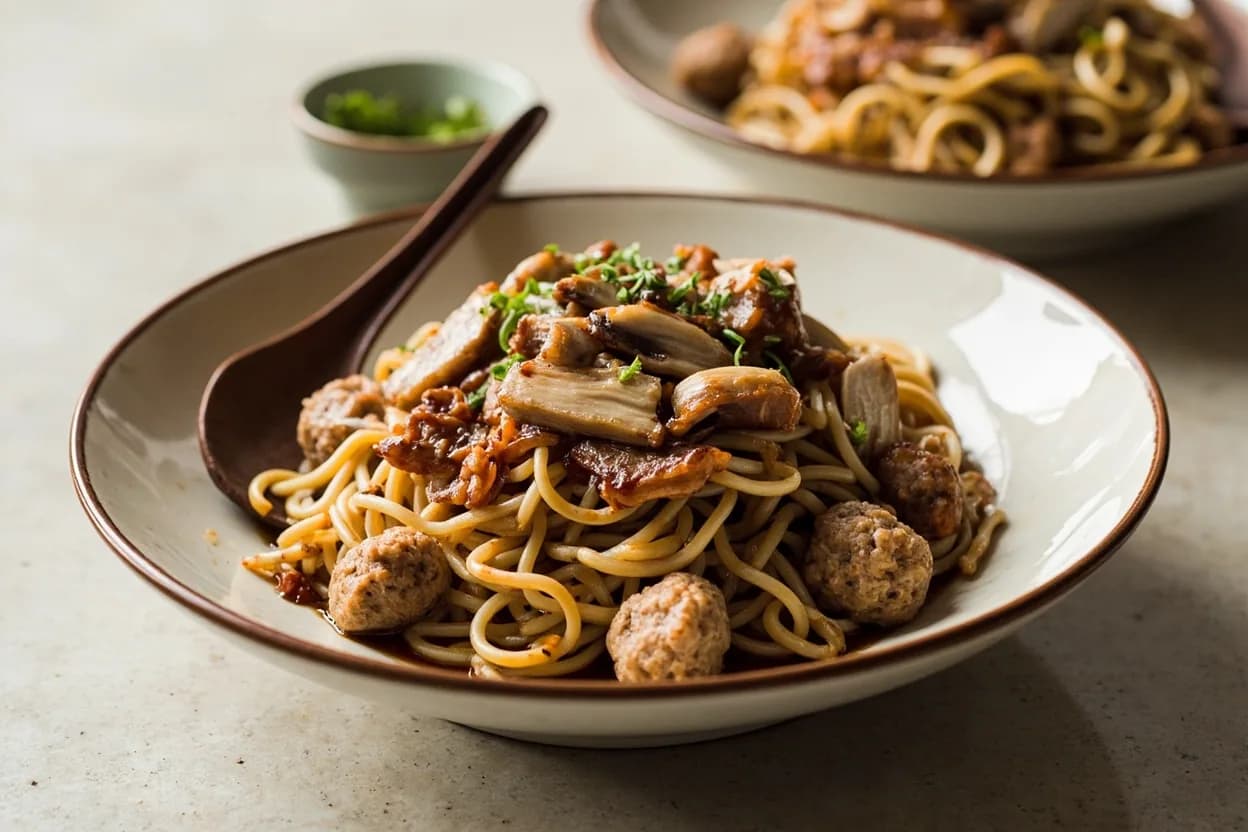
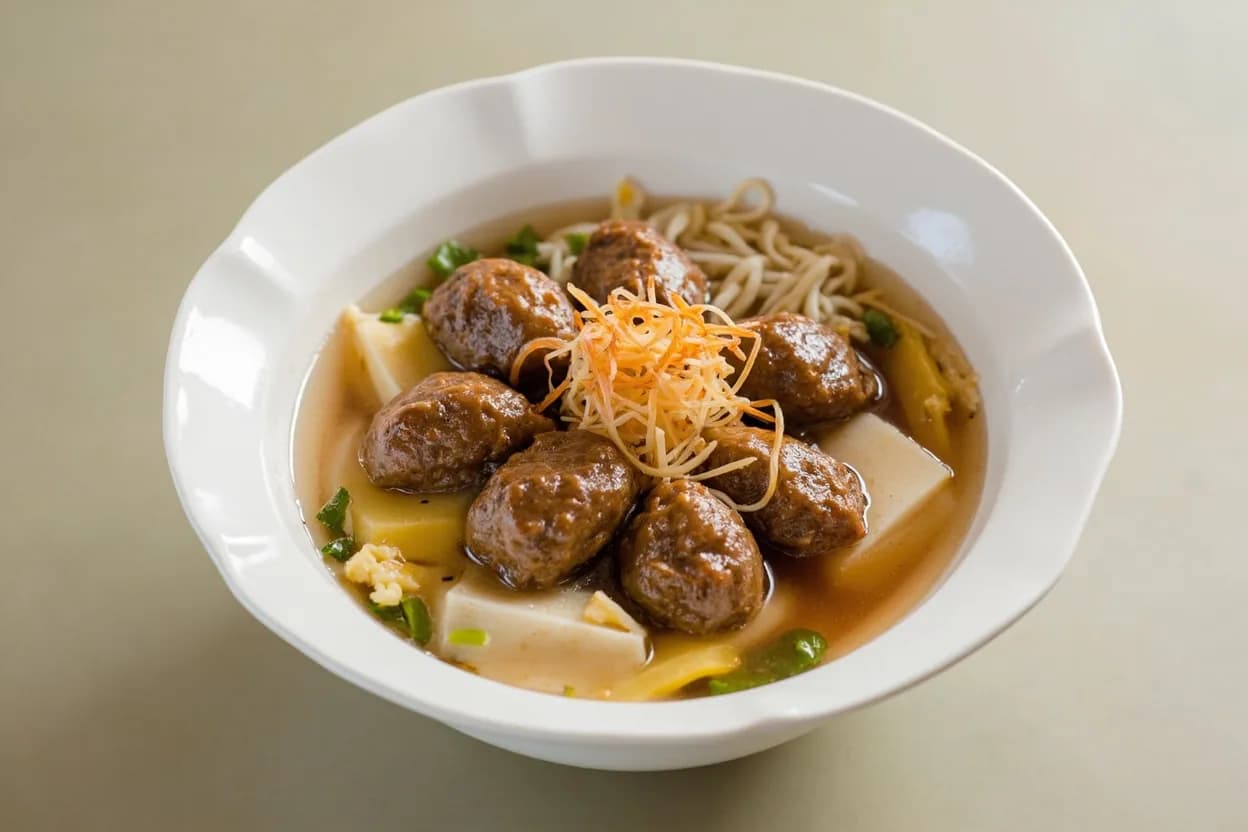
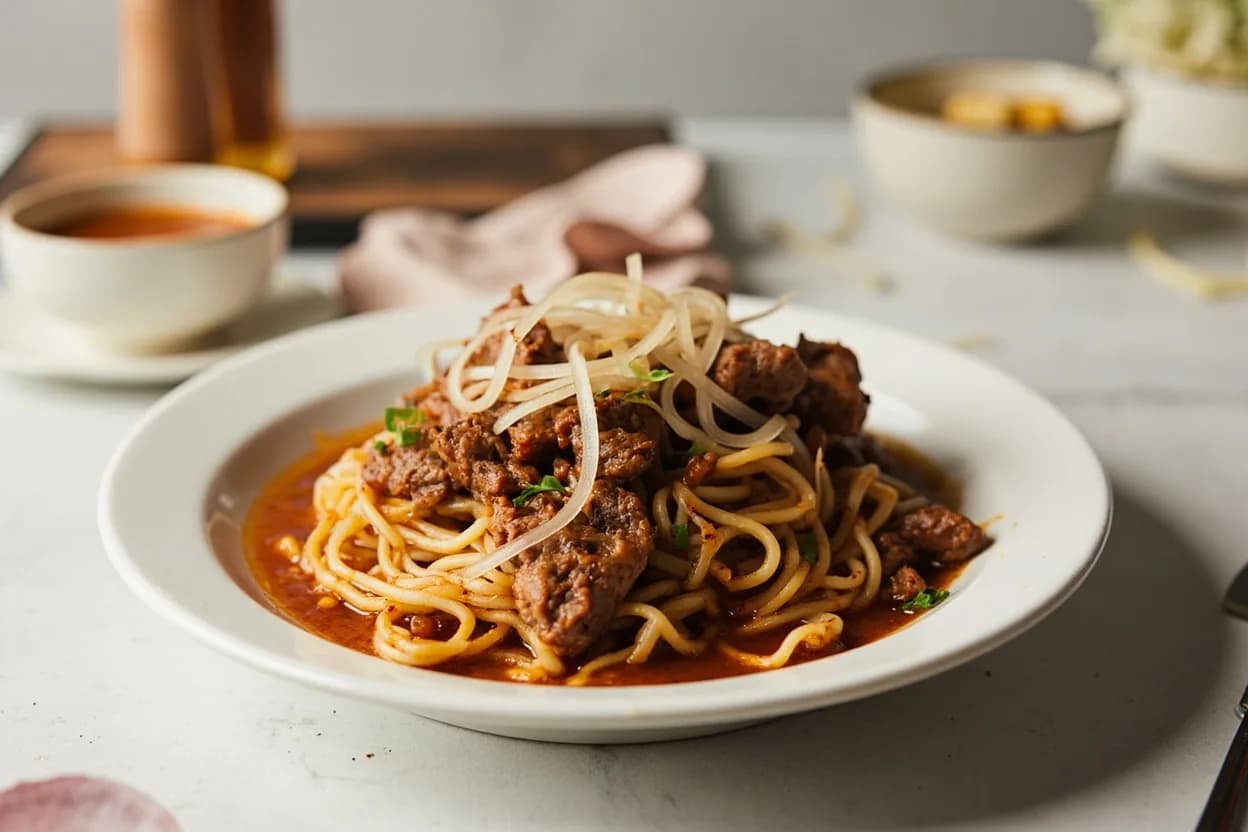
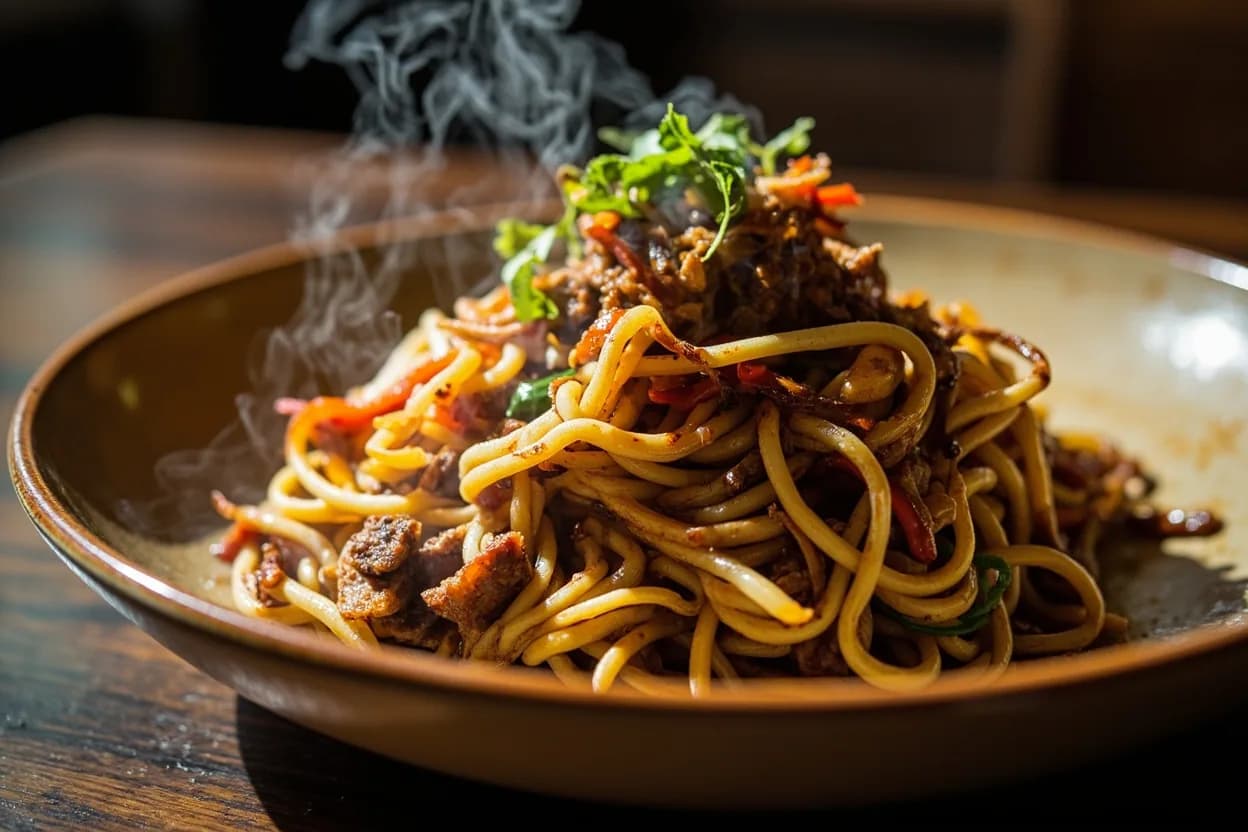
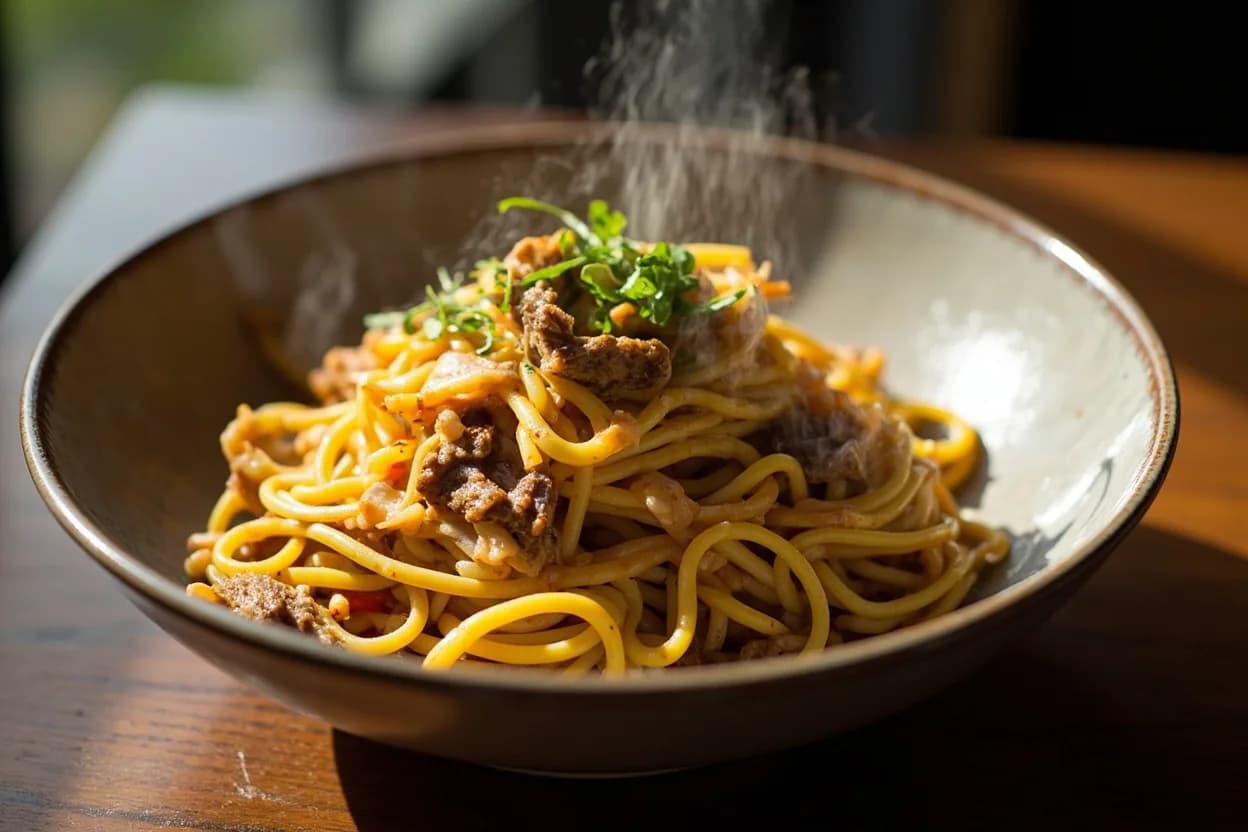
Appears in these dishes
Related

White Rice
Fluffy long-grain rice — the neutral base for almost any meal

White Bread
Soft sandwich loaf for toast, sandwiches, and crumbs
Brown Rice
Nutty, whole-grain rice with chew and extra fiber

Basmati Rice
Fragrant, long-grain rice that cooks up light and separate
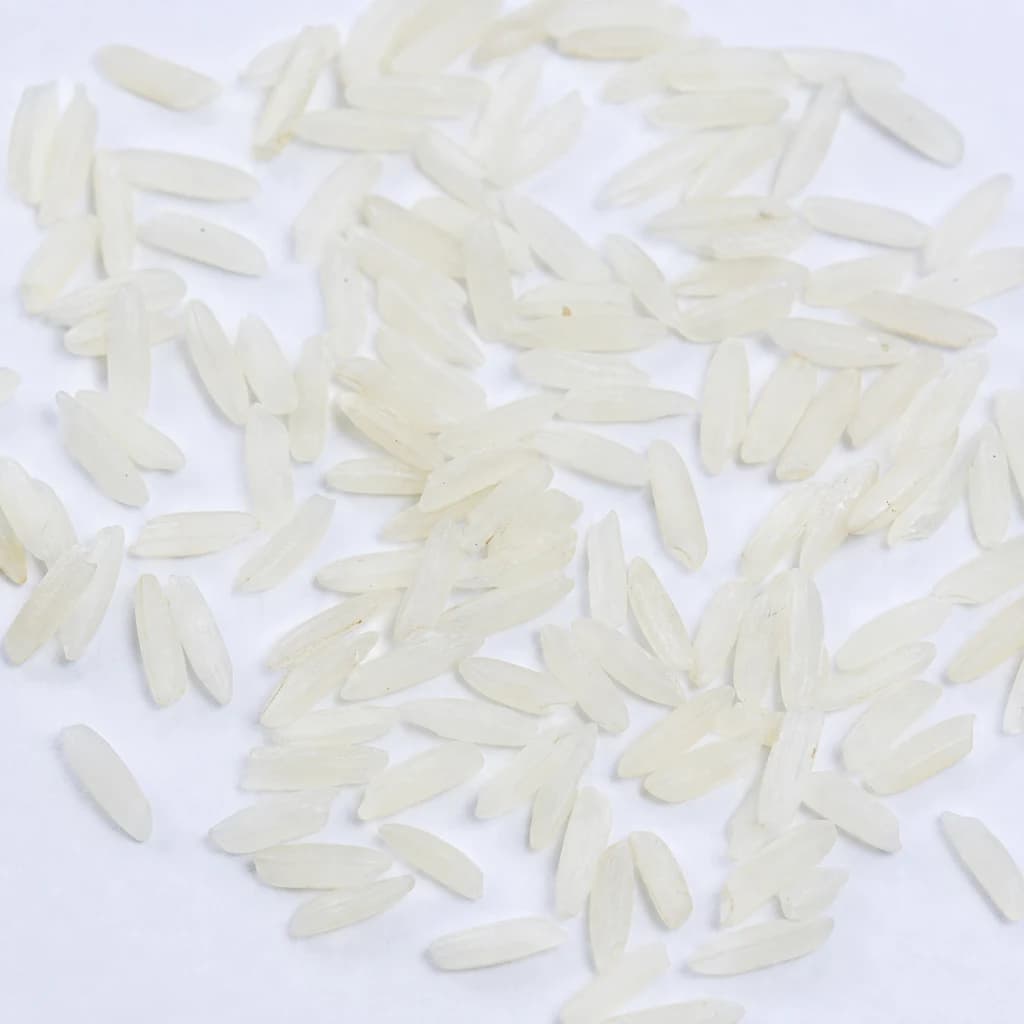
Jasmine Rice
Soft, floral-scented rice that's the pillar of Thai meals
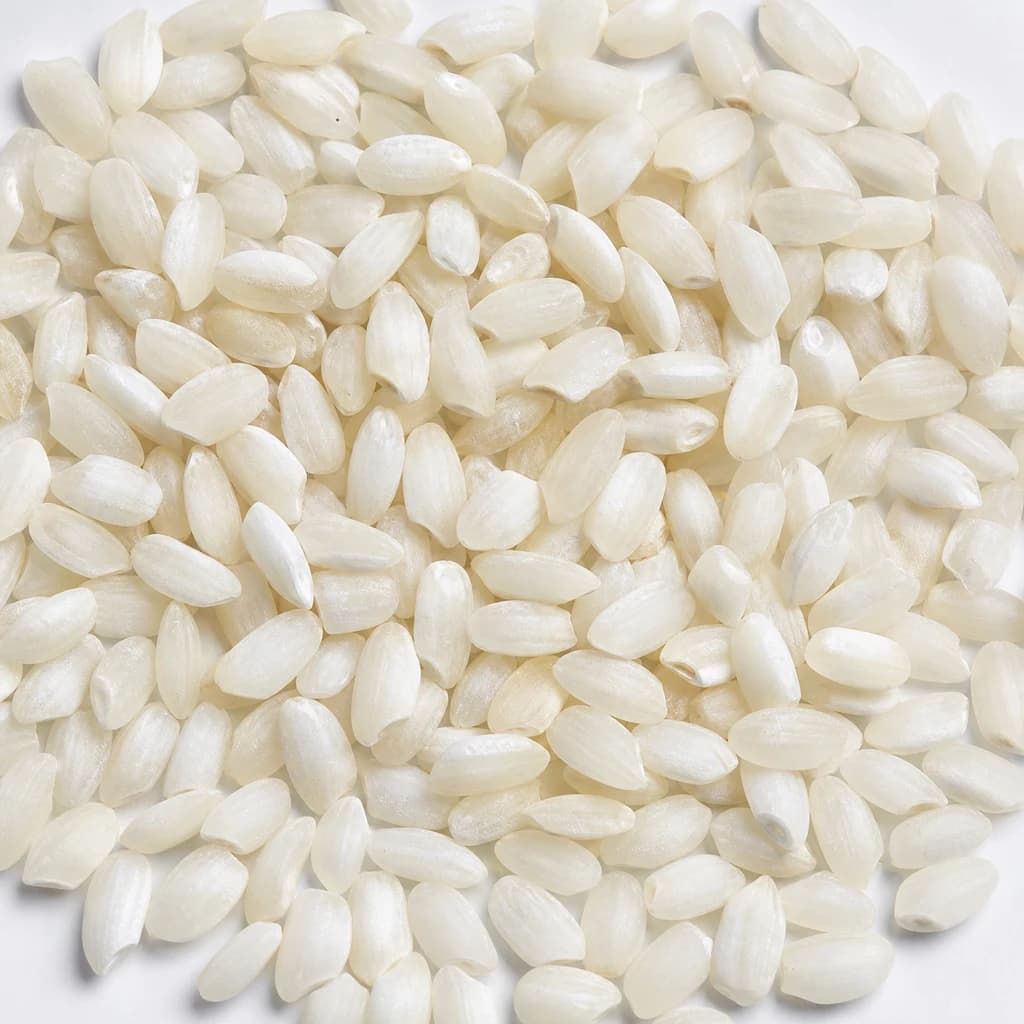
Arborio Rice
Plump, starchy rice that makes risotto creamy
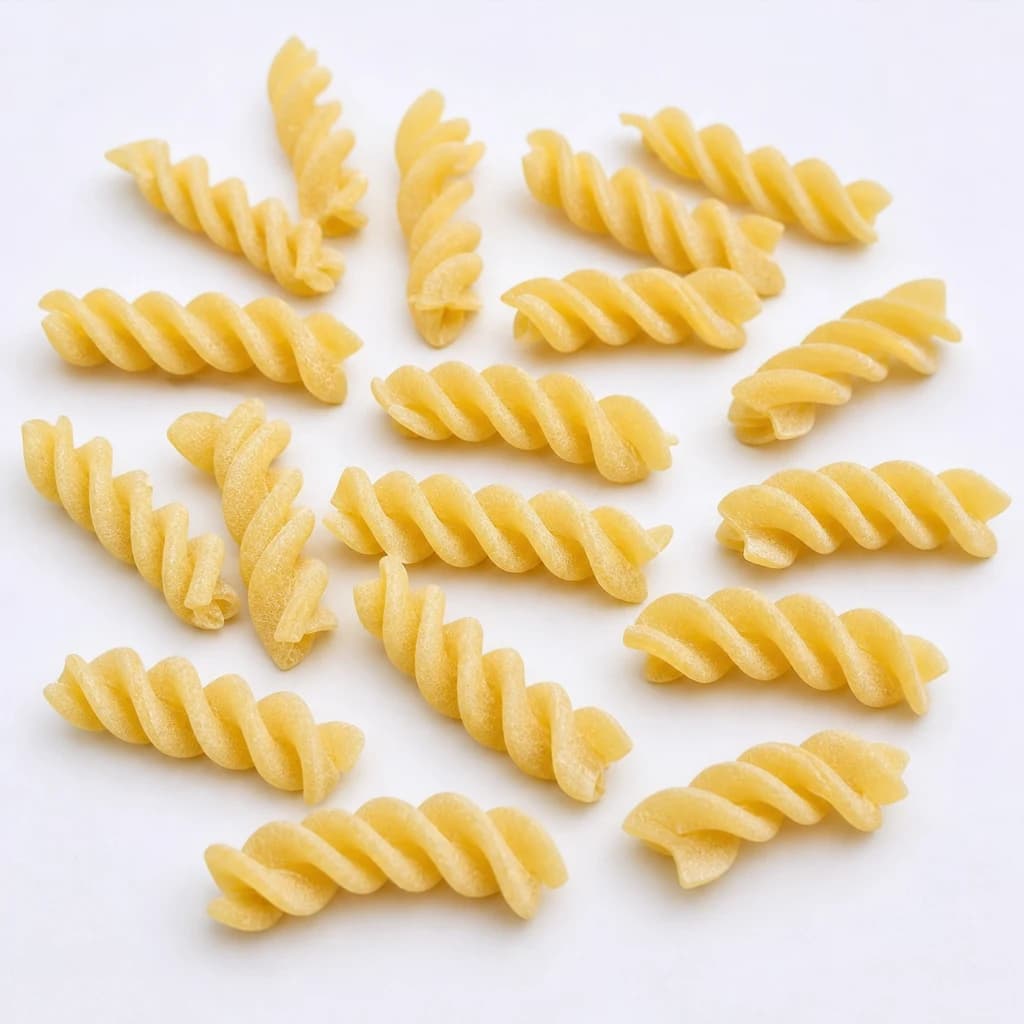
Fusilli
Spiraled pasta that twirls up sauce and dresses cold salads
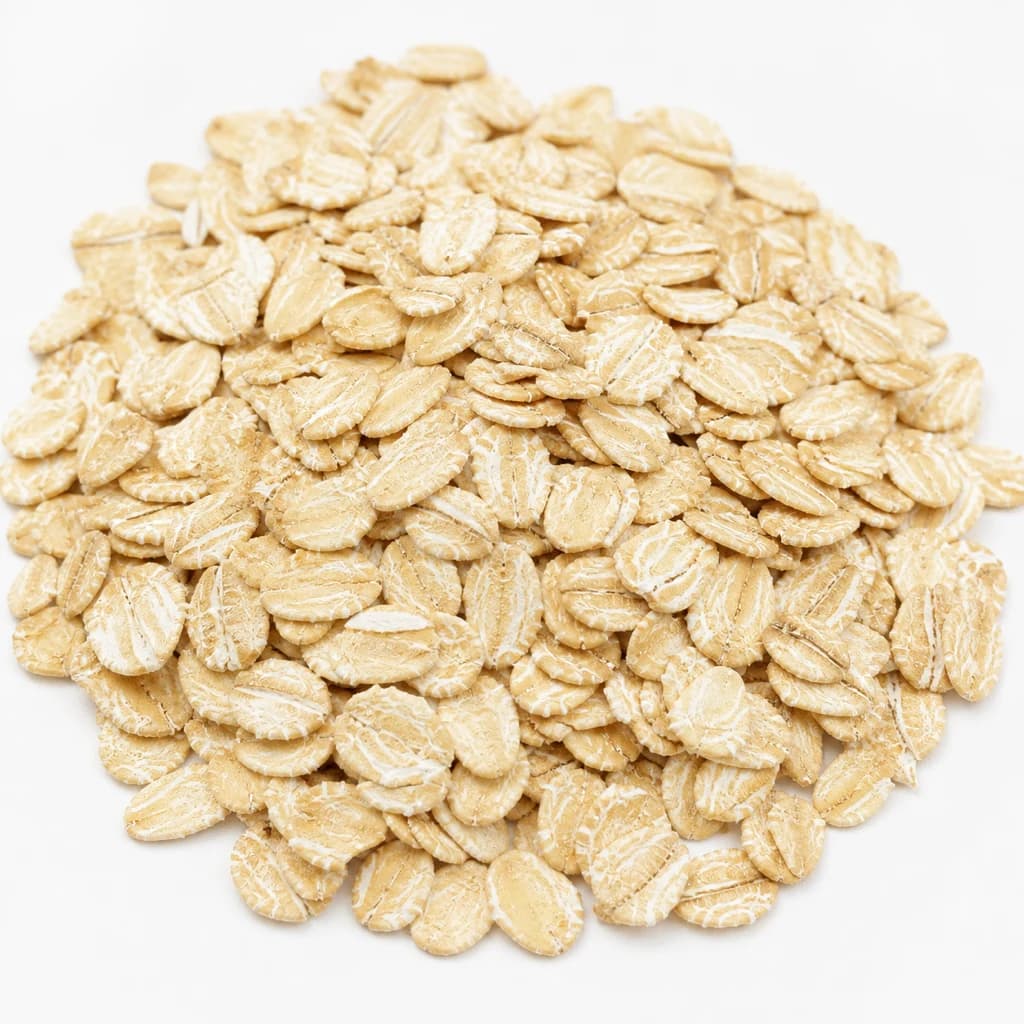
Rolled Oats
Hearty flakes for porridge, granola, and chewy cookies