Grains & Rice
Soba Noodles
Thin Japanese buckwheat noodles served chilled with dipping sauce or hot in broth.
Soba are thin Japanese noodles made primarily from buckwheat flour, often cut with some wheat flour for elasticity. They are eaten chilled with a soy-based dipping sauce (zaru soba) in summer or hot in a kombu-dashi broth in winter. Their nutty buckwheat flavor and slightly firm bite are central to their appeal.
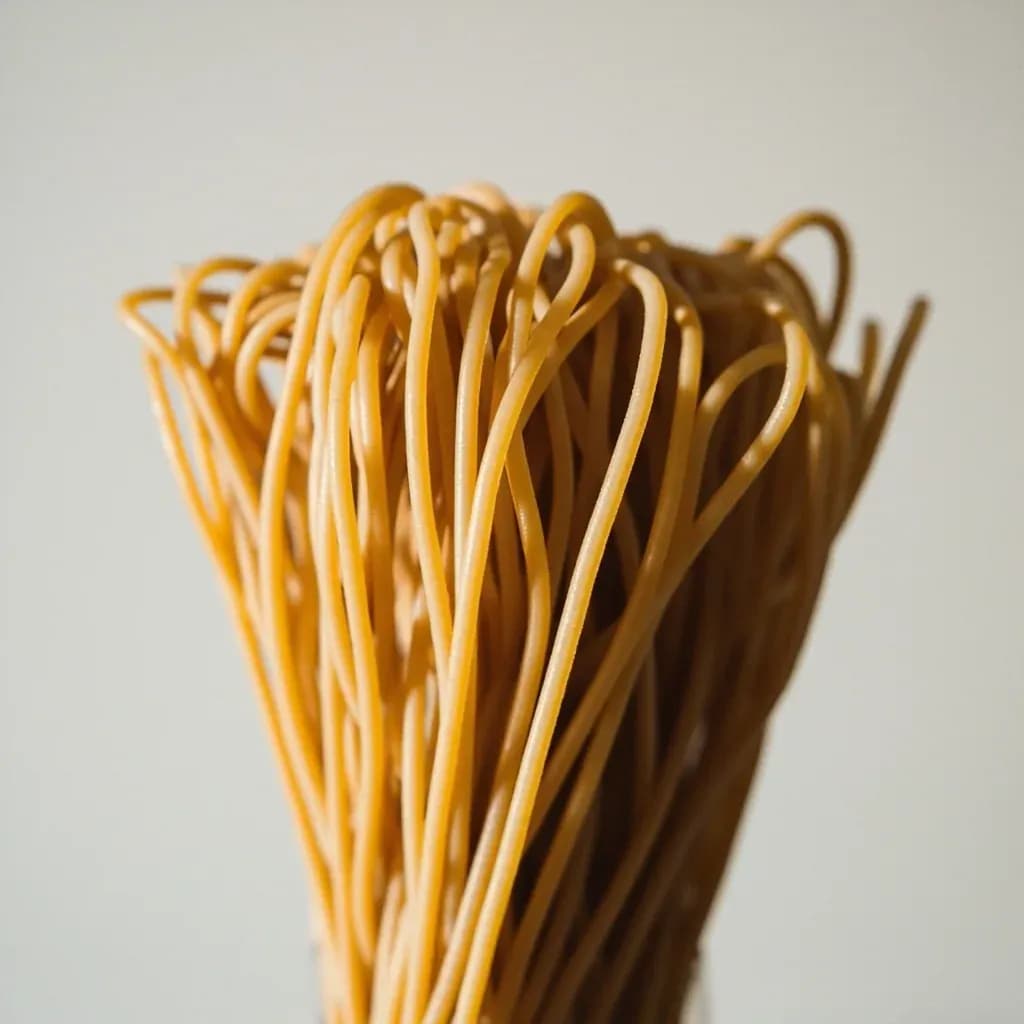
Soba noodles are thin, earthy Japanese noodles made primarily from buckwheat flour (soba-ko), often blended with wheat flour to improve binding and handling. The buckwheat gives them a distinctive nutty, slightly bitter flavor that intensifies in 100% buckwheat varieties. Their delicate, slightly gritty texture and rapid cooking time make them unique among Asian noodles—dried soba takes only 5–7 minutes in boiling water, while fresh versions cook in 1–2 minutes. The noodles range from grayish-brown when raw to a slightly brighter tone when cooked, with typical thickness between 1.5–2mm.
Buckwheat cultivation reached Japan from China via Korea in the 8th century, but the noodle form itself developed during the Edo period (1603–1868). Soba culture in Japan runs deep—specialty shops (soba-ya) often grind their buckwheat daily and cut noodles by hand, and regional waters and buckwheat sources are considered as important as technique. The best quality soba is made from toasted buckwheat flour, which produces a deeper, more aromatic profile than raw buckwheat. Handcut soba has a subtly different texture than machine-made versions, with a slightly gritty quality prized by connoisseurs. Soba is inherently fragile, especially in pure buckwheat form, and the noodles deteriorate rapidly after cooking, becoming gummy if held too long.
In Japanese culinary tradition, soba bridges seasons: cold zaru soba (served on a bamboo rack with dipping sauce) defines summer dining, while hot kake soba in dashi broth warms from autumn through winter. Beyond these classics, soba appears in salads, fried preparations, and as an accompaniment in set meals. The noodle's neutral earthiness makes it surprisingly versatile, absorbing strong seasonings while maintaining its identity.
- Measured in
- g
- Storage
- Pantry
Allergens
Types & varieties
100% buckwheat; gray color, fragile, breaks easily, pronounced nutty flavor, short shelf life after cooking
80% buckwheat, 20% wheat; most common commercial variety, easier to shape and handle, good balance of flavor and texture
Standard thin soba; the most common type found in restaurants and stores
Flat, thin, rectangular; from Akita Prefecture; smoother, slightly chewy texture; technically a soba but processed like udon
Made from pale buckwheat flour (outer hull removed); white or cream color, delicate flavor, premium quality
Dried with green tea powder (matcha or other); slightly green tint, mild tea flavor
Topped with wild mountain vegetables (fiddlehead ferns, butterbur, wild parsley); seasonal specialty especially in Nagano
Served with grated mountain yam on top; slippery, viscous texture
Regional variety from Matsukawa region; traditionally made with local spring water
Cooking Soba Properly
The single most important rule: use abundant boiling water. A minimum of 3 liters per 100g of dried noodles prevents sticking and ensures even cooking. Add noodles gradually while stirring gently—never dump them in all at once. Do not add salt to the water; soba contains natural starches that aid cooking, and salt toughens the noodles.
- Test 2–3 strands starting at 5 minutes; they should be cooked through but retain slight resistance (al dente) when drained
- For hot preparations, briefly blanch rinsed noodles in boiling water (30 seconds) after the initial cook and rinse
- Drain immediately and rinse thoroughly under cold running water to stop cooking and remove excess starch
- Serve immediately after draining and rinsing; soba becomes gummy within minutes if held
100% Buckwheat (Juwari) Special Handling
Pure buckwheat noodles are substantially more fragile than blended varieties. They break easily and should never be stirred while cooking. Handle gently when draining—use a wide ladle or fine-mesh colander rather than tossing. Once cooked and rinsed, eat immediately; juwari soba deteriorates faster than wheat-blended versions.
Common uses
Tips & pitfalls
- Use a large pot with abundant boiling water (minimum 3 liters per 100g); crowding causes noodles to stick
- Add noodles gradually to boiling water while stirring gently to prevent clumping
- Do not add salt to the water; soba contains natural starches that aid cooking
- Test 2–3 strands starting at 5 minutes; they should be cooked through but retain slight resistance (bite) when drained
- Drain immediately and rinse thoroughly under cold running water to stop cooking and remove excess starch
- For 100% buckwheat (juwari), handle gently when draining; they break easily and should never be stirred while cooking
- Serve immediately after draining and rinsing; soba deteriorates rapidly and becomes gummy
- For hot preparations, briefly blanch rinsed noodles in boiling water (30 seconds) before adding to hot broth
- Store dried noodles in airtight container away from strong odors; buckwheat absorbs neighboring scents easily
- Use chopsticks or tongs rather than a fork for serving to minimize breakage
- For authentic dipping sauce, use real Hon-tsuyu (concentrated dashi-based sauce) diluted 1:3, not imitations
Nutrition
Energy
1406 kJ · per 100 g
Where the calories come from
Protein
14.4g
29% DV
Carbs
74.6g
27% DV
Fat
0.7g
1% DV
Sodium
792mg
34% DV
Source · USDA FoodData Central · Noodles, japanese, soba, dry
View on FDC →In the shops
Matched grocery products
No matched grocery products for Soba Noodles yet.
Good to know
- Main ingredient
- Buckwheat flour (soba-ko), often blended with wheat flour
- Typical thickness
- 1.5–2 mm
- Cook time (dried)
- 5–7 minutes in vigorously boiling water
- Cook time (fresh)
- 1–2 minutes in boiling water
- Yield
- 1 bundle (100g dried) yields ~250g cooked noodles
- Flavor
- Nutty, slightly bitter, earthy; strongest in 100% buckwheat varieties
- Shelf life (dried)
- 1–2 years sealed in cool, dry pantry
- Origin
- Noodle form developed in Japan during Edo period (1603–1868)
Substitutes
- Udon noodles — Wheat-based, thicker, chewier; can be used in soups but lacks nutty flavor and is not traditional for cold preparations
- Somen noodles — Very thin wheat noodles; lighter, less flavor; acceptable for cold dishes but poor substitute for hot preparations
- Rice noodles (vermicelli or flat) — Gluten-free option; different texture and mouthfeel; better in stir-fries than traditional soba preparations
- Kelp noodles — Low-calorie, neutral flavor; poor textural substitute but works for low-carb diets
Pairs with
Also called
Okinawa Soba Noodles · Buckwheat Noodles
Appears in these dishes
Related

White Rice
Fluffy long-grain rice — the neutral base for almost any meal

White Bread
Soft sandwich loaf for toast, sandwiches, and crumbs
Brown Rice
Nutty, whole-grain rice with chew and extra fiber

Basmati Rice
Fragrant, long-grain rice that cooks up light and separate
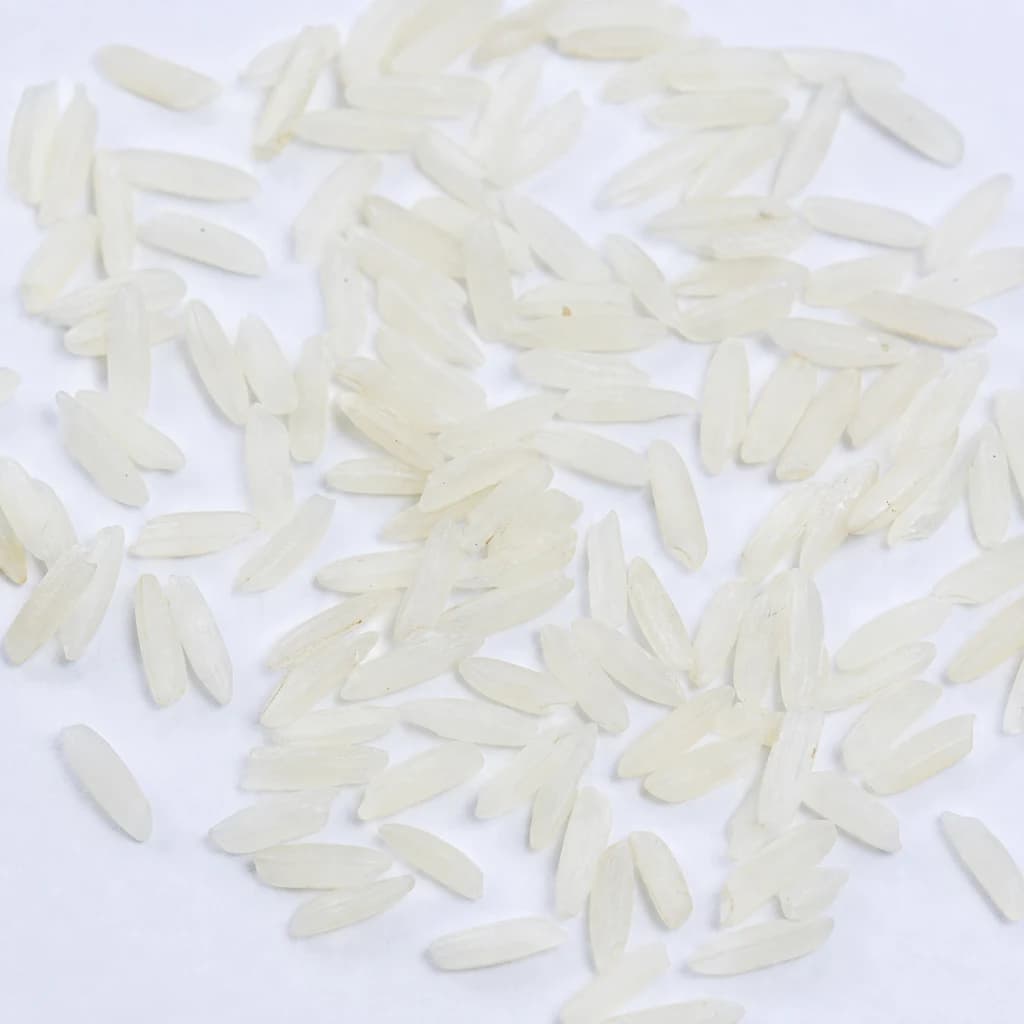
Jasmine Rice
Soft, floral-scented rice that's the pillar of Thai meals
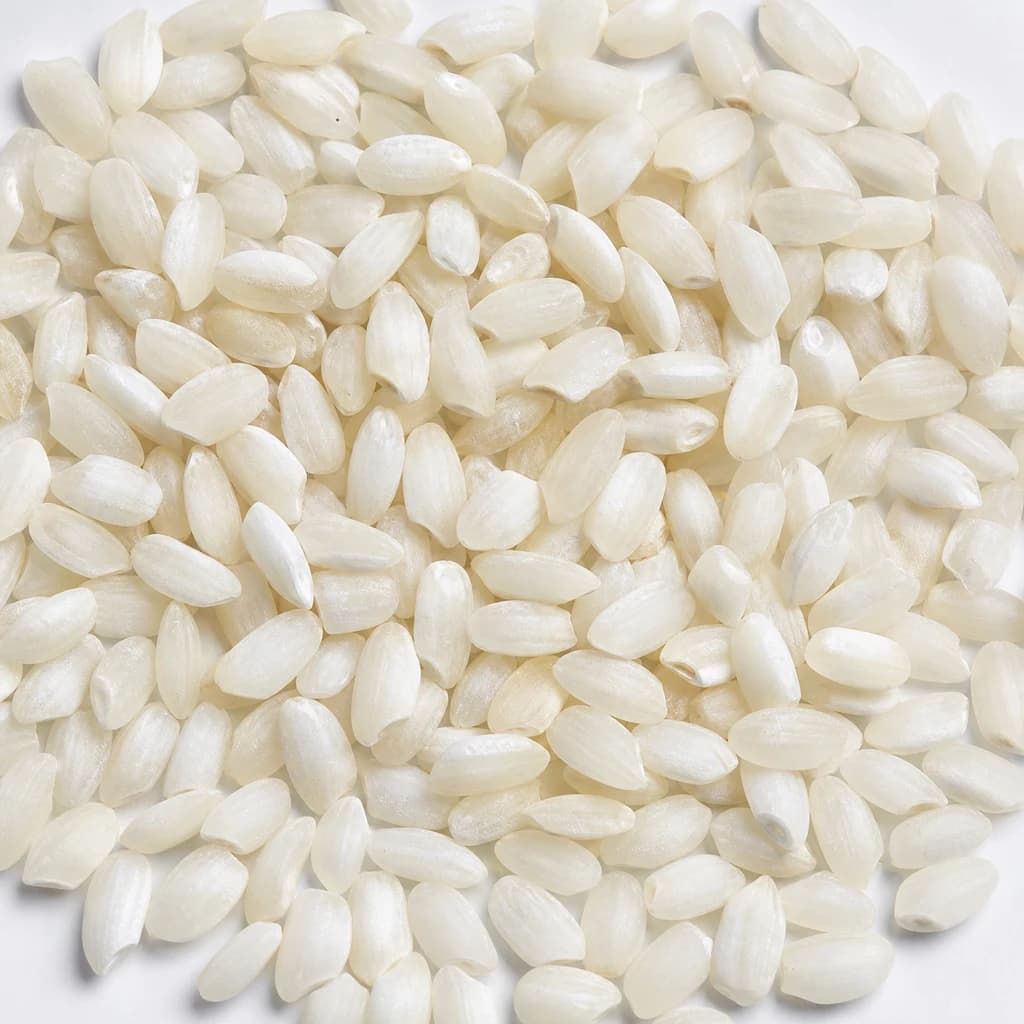
Arborio Rice
Plump, starchy rice that makes risotto creamy
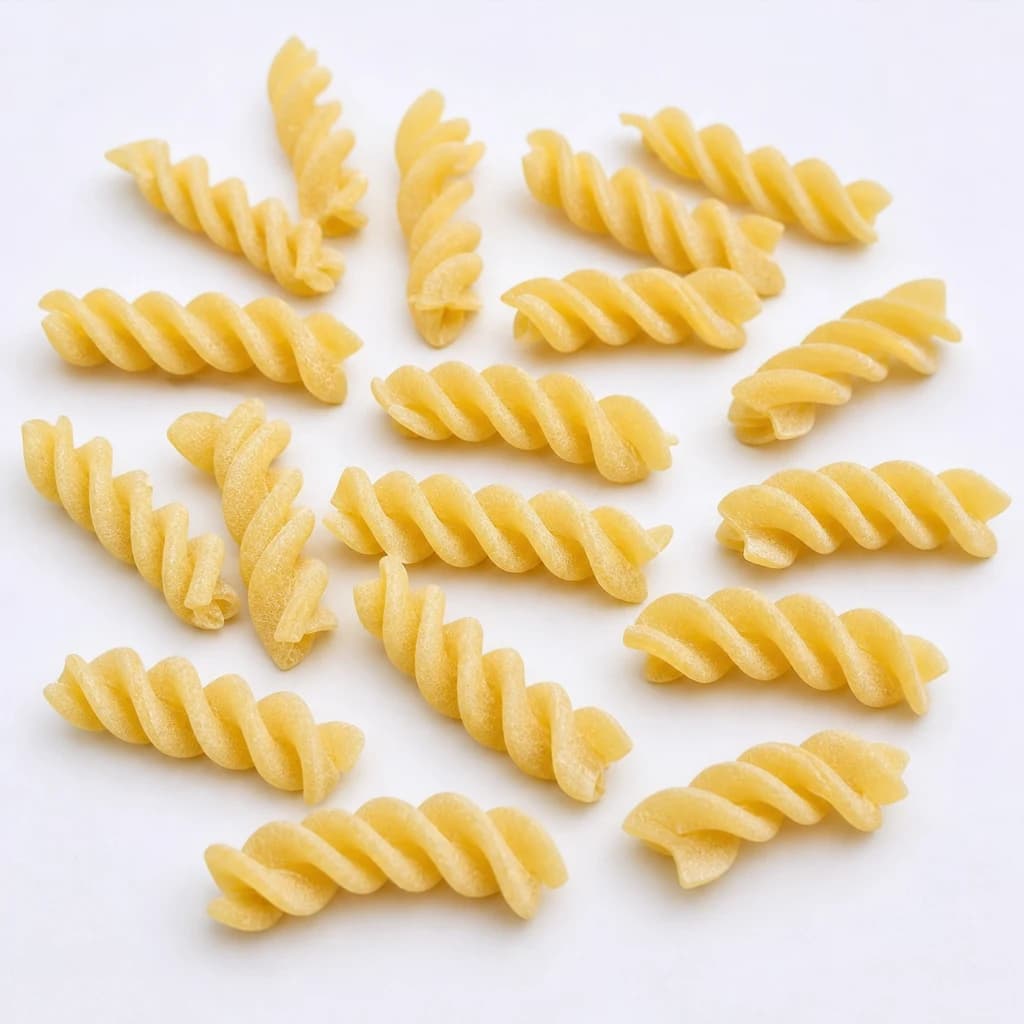
Fusilli
Spiraled pasta that twirls up sauce and dresses cold salads
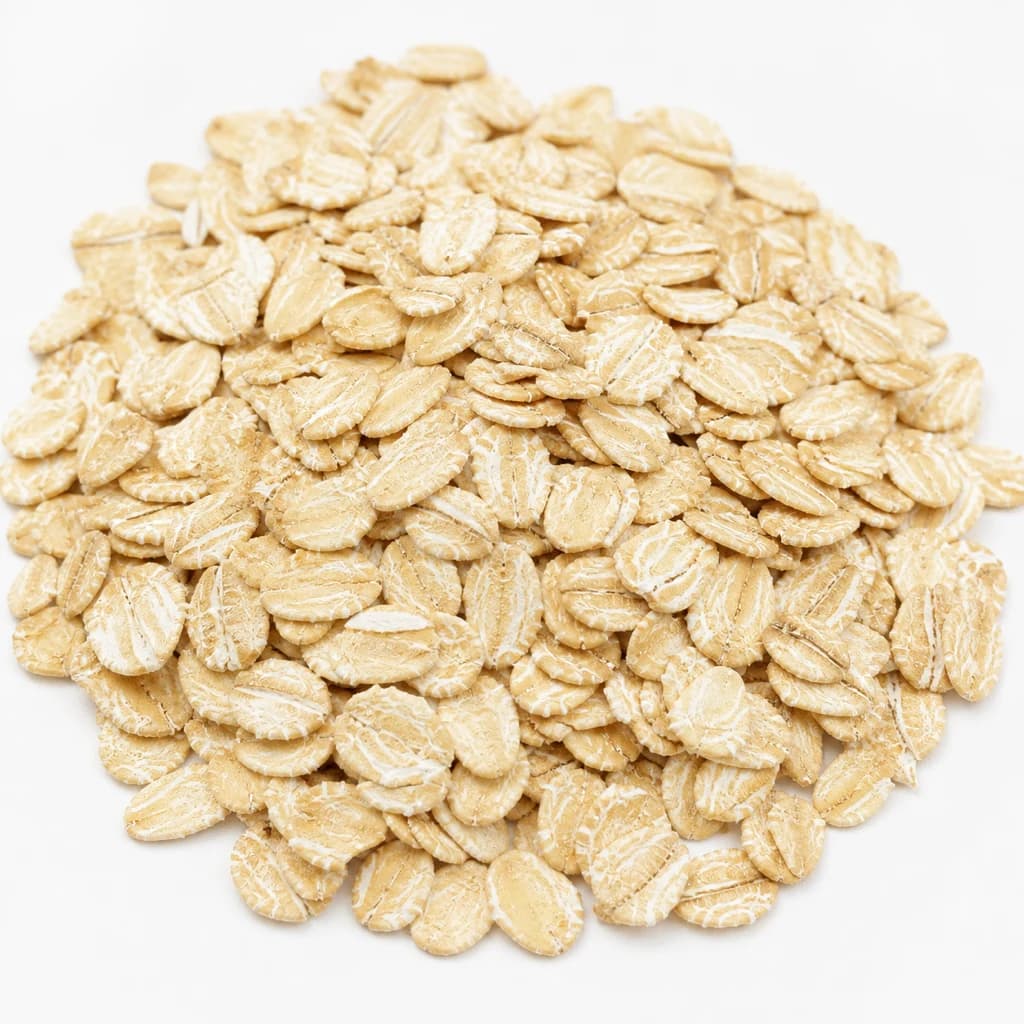
Rolled Oats
Hearty flakes for porridge, granola, and chewy cookies