Grains & Rice
Udon Noodles
Thick, chewy white Japanese wheat noodles served in hot broth or stir-fried.
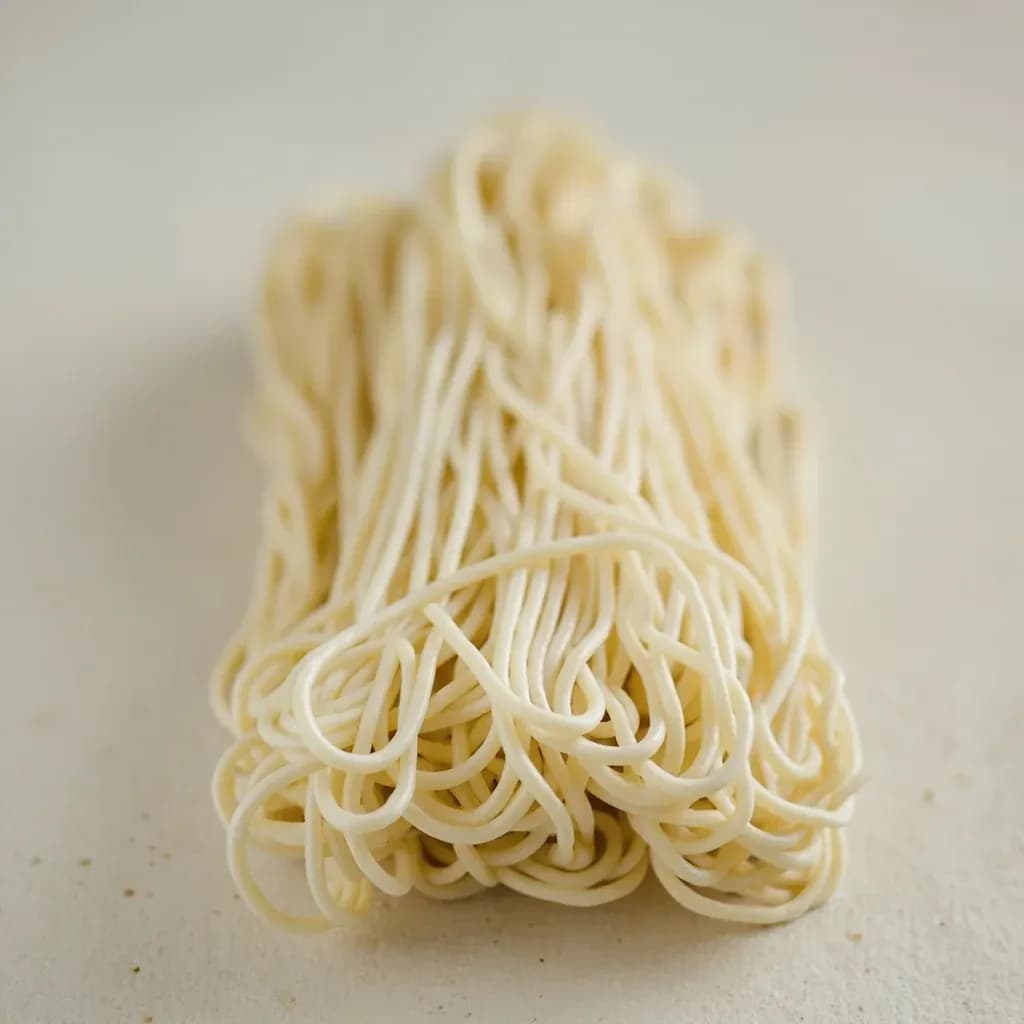
Udon are thick, chewy Japanese noodles made from wheat flour, salt and water. They are served hot in a dashi-based broth, chilled with dipping sauce, or stir-fried as yaki udon, and are prized for their springy, bouncy bite. Fresh and frozen udon retain the best texture compared with the dried form.
Udon is Japan's most distinctly Japanese noodle—a thick, chewy wheat noodle that deliberately contains no buckwheat (soba) or egg (ramen), making it the primary major Japanese noodle made from wheat flour, water, and salt. The characteristic chewiness comes from high gluten development in the dough and the alkaline mineral content in the water used during production. This is not incidental: udon makers in Kagawa Prefecture, home to the celebrated Sanuki udon, frequently cite their local water quality as essential to achieving the noodle's signature yuki yuki bite—the slight resistance when you bite through that immediately yields to a satisfying, elastic texture. Though udon likely arrived from China during the Nara period, it was fully transformed into a Japanese art form by the Edo period, when regional styles began to emerge. Today, regional specialties are recognized by the Japan Udon Association, and the quality divide between fresh regional udon (particularly Sanuki) and commercial dried products is pronounced. The apparent simplicity of udon is deceptive: excellent results depend entirely on broth quality, proper noodle preparation, and restraint in seasoning. A poorly made dashi will announce itself immediately in a clear soup; there is nowhere to hide.
- Measured in
- g
- Storage
- Pantry
Allergens
Types & varieties
Famous regional style from Kagawa Prefecture; thick, square-cut, very chewy; the benchmark for premium fresh udon
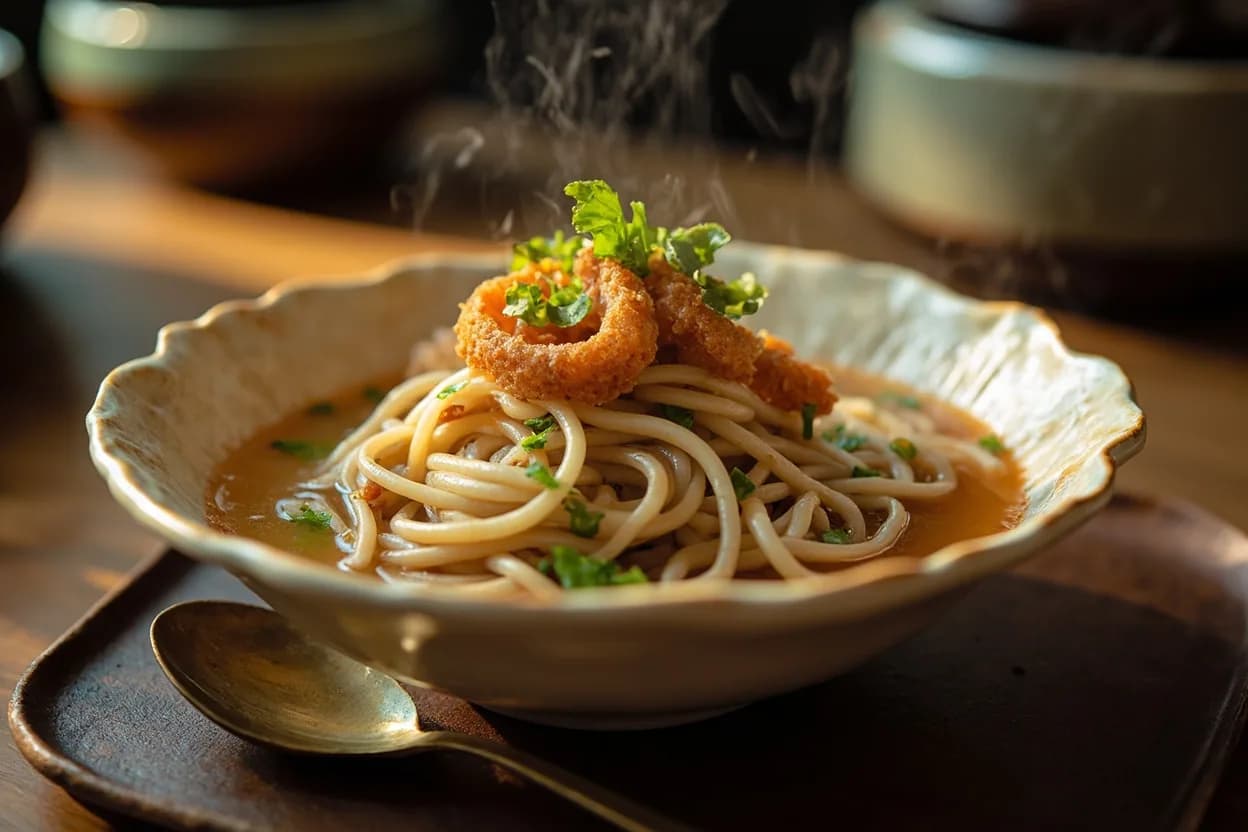
Standard hot soup udon with simple dashi broth, soy sauce, and mirin; garnished with green onions and nori
Chilled noodles served on zaru (bamboo mat) with a separate bowl of mentsuyu dipping sauce; garnished with shredded nori and wasabi
Hot soup udon topped with shrimp or vegetable tempura; the broth is often slightly thickened
Topped with aburaage (sweet fried tofu pockets) that have been simmered in dashi and soy sauce
Topped with wild mountain vegetables such as warabi (bracken fern), takenoko (bamboo shoots), and zenmai (royal fern)
Hot broth made with Japanese curry roux; rich, thick, and spiced
Thin, flat variety from Akita Prefecture; air-dried and hand-stretched; more delicate texture
Wider, flatter noodles from Yamanashi Prefecture; cut from a sheet of dough; used in miso-based hot pot dishes
Thinner wheat noodle sometimes substituted for udon in summer; similar chewy texture in a smaller package
Extra-thin variant from Kagawa Prefecture; served cold in summer
The Broth Is Everything
Because udon itself is mild and neutral, the broth carries the entire dish. A true kake udon broth is built on dashi made from kombu and katsuobushi—this is not optional for authentic flavor. Instant dashi powder is an acceptable shortcut, but the ratio matters: dilute too much and the broth becomes flat and lifeless. The supporting seasonings (light soy sauce, mirin, sake) should amplify the dashi, not mask it. Taste as you season, and remember that restraint is the goal. The broth should taste clean, deep, and savory without heaviness or clutter.
- Quality dashi is the foundation—make from scratch with kombu and katsuobushi flakes when possible
- Season simply: light soy sauce, mirin, and sake in balanced proportions
- Taste continuously as you season; the broth should be clean, not cluttered
- For mentsuyu dipping sauce, the standard ratio is 1:3 (concentrate to water or dashi)
Why Fresh Udon Is Worth Seeking Out
The quality difference between fresh regional udon (especially Sanuki from Kagawa Prefecture) and commercial dried udon is substantial. Fresh udon has a more pronounced chew, a cleaner wheat flavor, and better texture retention in broth. The collagen from fresh noodles also gives the broth a slight body that dried noodles cannot replicate. Frozen udon from quality producers is an excellent alternative—cook directly from frozen without thawing. If using dried udon, extend the cooking time and consider a brief simmer after the initial boil to develop better chewiness, similar to Italian pasta technique.
- Fresh udon from regional producers (particularly Sanuki) is widely considered superior
- Frozen udon can be cooked directly from frozen; add 1–2 minutes to cooking time
- Dried udon benefits from a brief simmer after the initial boil for optimum chewiness
- Store fresh udon loosely wrapped—do not use airtight containers, which trap moisture and cause sogginess
Common uses
Tips & pitfalls
- Always use plenty of boiling water (at least 2 liters per 200 g) and stir briefly after adding noodles to prevent sticking
- Do not overcook—udon should retain pronounced chewiness; test one strand at the earliest indicated time
- For cold preparations, rinse fresh udon under cold running water immediately after draining to remove excess starch and stop cooking
- For hot soup dishes, blanch rinsed noodles in boiling water (30 seconds to 1 minute) before adding to hot broth—this ensures even heating without dilution
- Frozen udon cooks directly from frozen in boiling water; add 1–2 minutes to the time for fresh
- Quality dashi is not optional for authentic flavor; instant dashi powder is acceptable but avoid over-diluting
- Season the broth simply—umami comes from the dashi base, not heavy seasoning
- The best test for properly cooked udon is biting through: the center should offer resistance but not feel raw or chalky
- For yaki udon (stir-fried), fully cool and dry the cooked noodles before hitting the wok to achieve char without steaming
- Do not refrigerate fresh undried udon in airtight containers—store loosely wrapped to prevent moisture buildup and sogginess
Nutrition
Energy
1971 kJ · per 100 g
Where the calories come from
Protein
10.9g
22% DV
Carbs
63.6g
23% DV
Fat
21.2g
27% DV
Fiber
6.7g
24% DV
Sugars
0g
of which
Sodium
866mg
38% DV
Source · USDA FoodData Central · approx. Noodles, chinese, chow mein
View on FDC →In the shops
Matched grocery products
No matched grocery products for Udon Noodles yet.
Good to know
- Primary Ingredients
- Wheat flour, water, salt; some commercial products contain cornstarch or potato starch
- Typical Dimensions
- 2–4 mm thick, 4–6 mm wide; 25–30 cm length
- Flavor
- Mild, slightly nutty wheat taste; neutral enough to carry savory broths and sauces
- Texture
- Chewy, firm, slightly gelatinous; the defining characteristic is elasticity and bite
- Available Forms
- Fresh (refrigerated, 3–5 days), frozen (6+ months), dried (1–2 years)
- Cooking Time
- Fresh: 1–3 minutes; frozen: 2–4 minutes; dried: 8–12 minutes
- Serving Size
- 100–150 g dried weight per person (200–300 g fresh)
- Main Flavor Base
- Dashi (katsuobushi and kombu); soy sauce, mirin, and sake are common supporting seasonings
Substitutes
- Ramen — Thinner and typically contains egg, resulting in a softer, more delicate texture; not ideal for authentic udon dishes
- Hiyamugi — Thinner wheat noodle with similar chewiness; acceptable for cold preparations and lighter soups
- Chinese Wheat Noodles (Dan Dan or Wonton Noodles) — Comparable chewiness but smaller diameter; acceptable for stir-fried applications
- Thick Rice Noodles — Similar size and neutral flavor; significantly different texture (soft rather than chewy) and poor heat retention
- Soba (in a pinch) — Buckwheat base gives distinct nutty flavor; acceptable for soup dishes but not for cold dipping preparations
- Hoto Noodles — Flat, wider wheat noodles; acceptable as a substitute, particularly for hot soup preparations
Pairs with
Also called
Udon Noodle
Appears in these dishes
Related

White Rice
Fluffy long-grain rice — the neutral base for almost any meal

White Bread
Soft sandwich loaf for toast, sandwiches, and crumbs
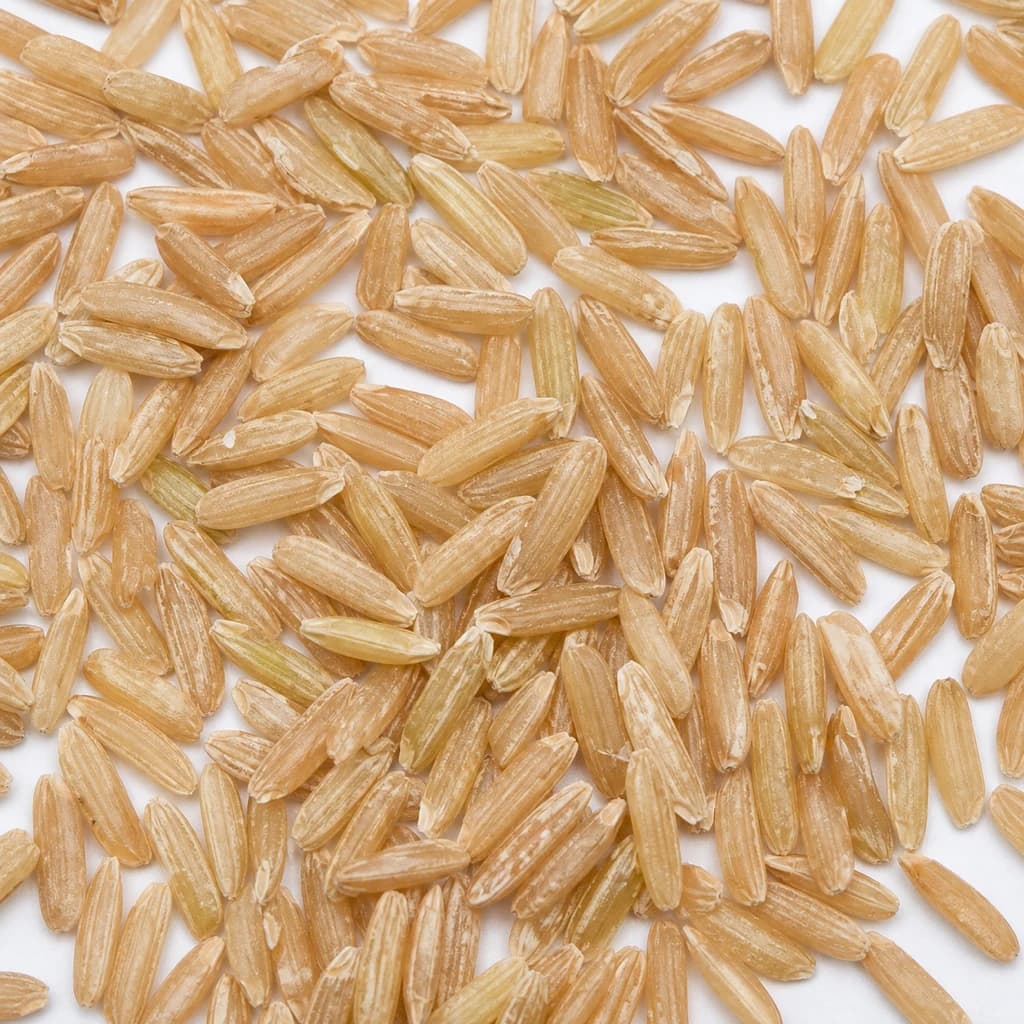
Brown Rice
Nutty, whole-grain rice with chew and extra fiber

Basmati Rice
Fragrant, long-grain rice that cooks up light and separate
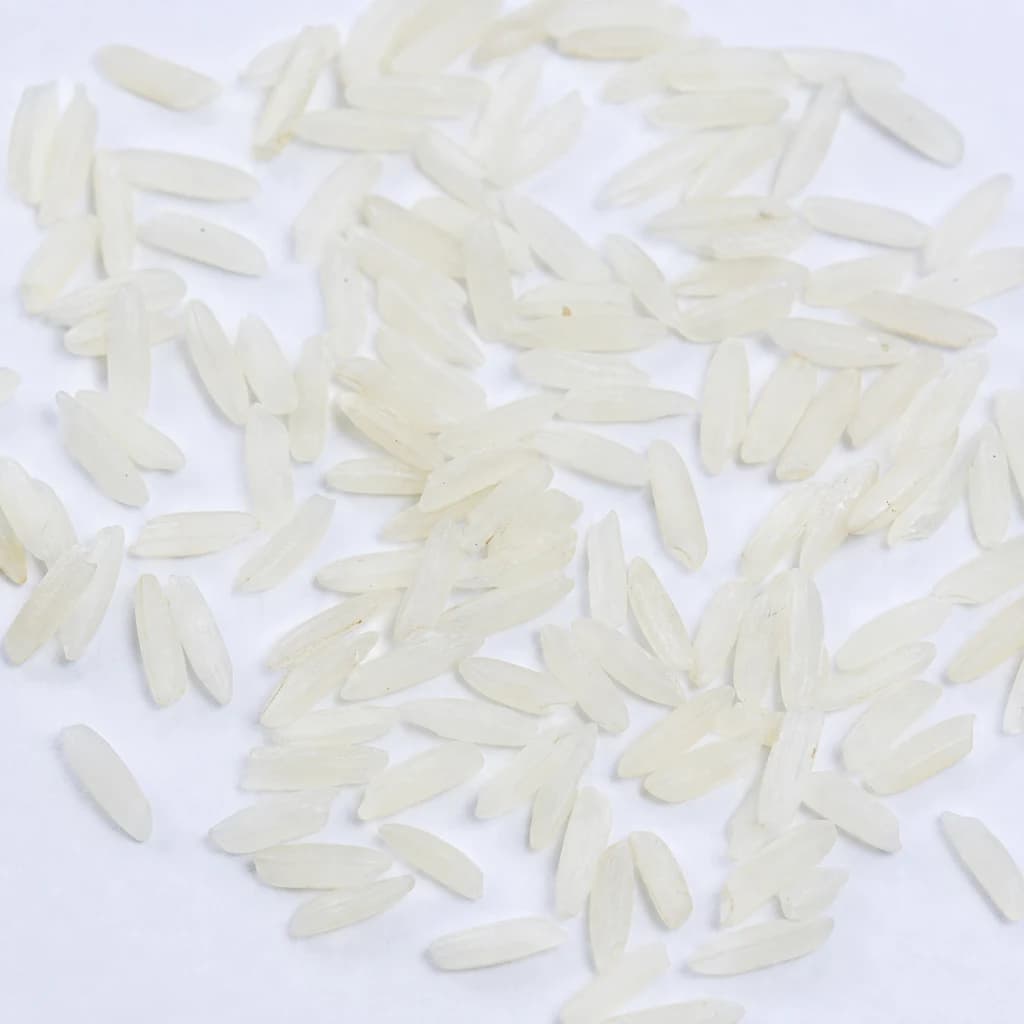
Jasmine Rice
Soft, floral-scented rice that's the pillar of Thai meals
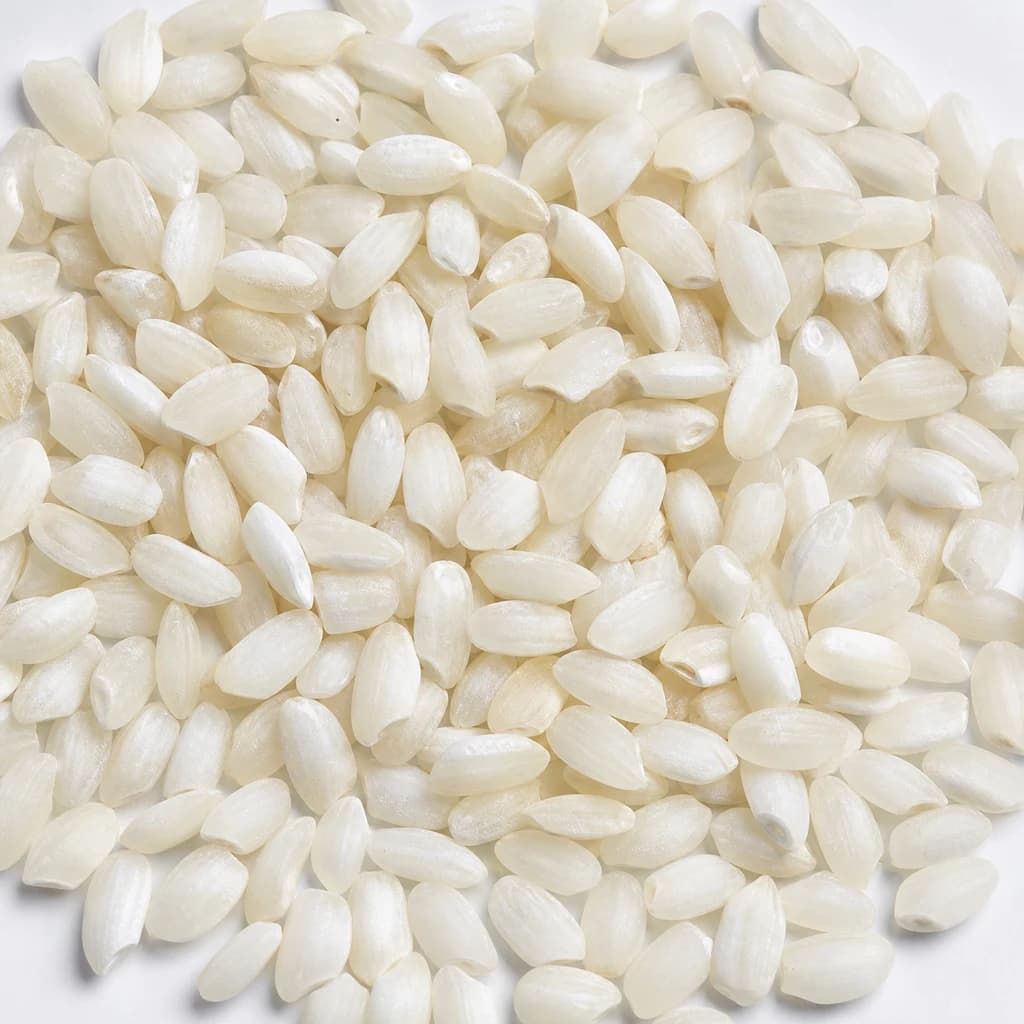
Arborio Rice
Plump, starchy rice that makes risotto creamy
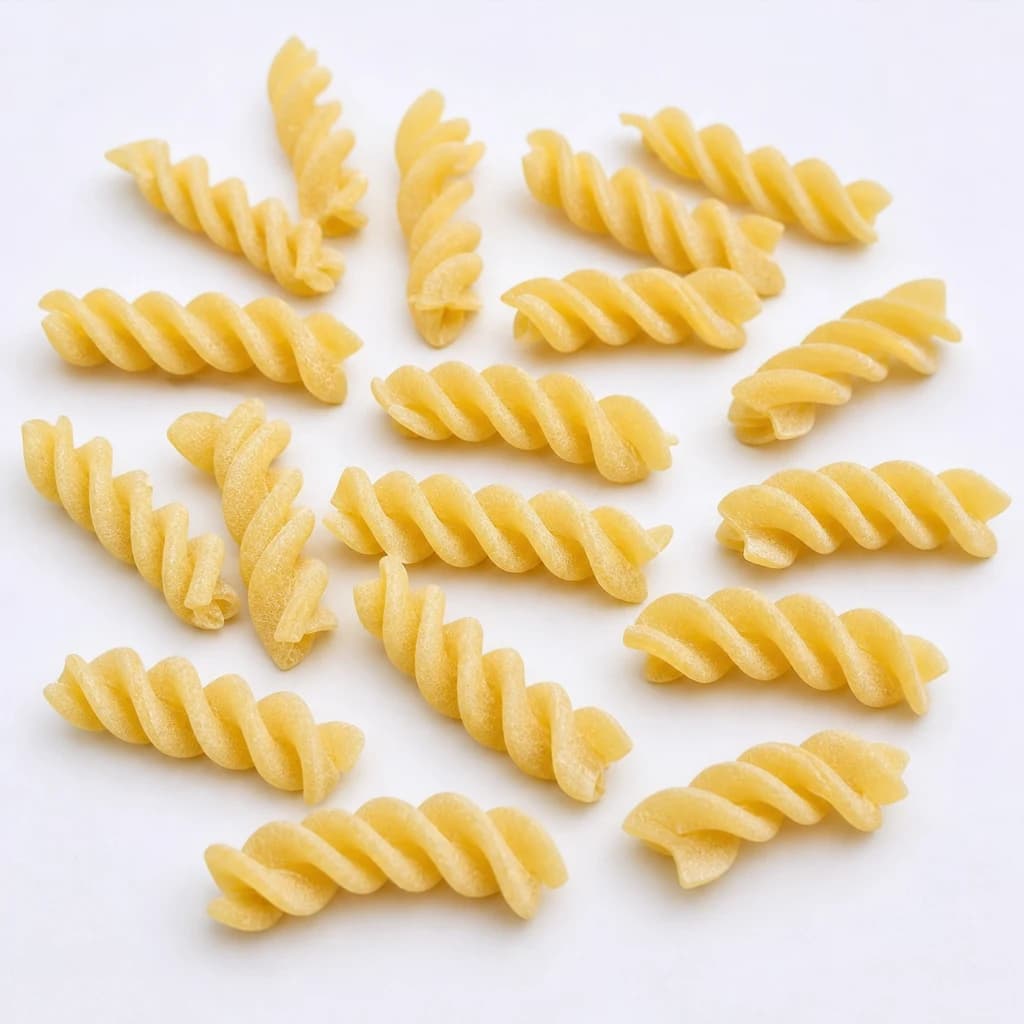
Fusilli
Spiraled pasta that twirls up sauce and dresses cold salads
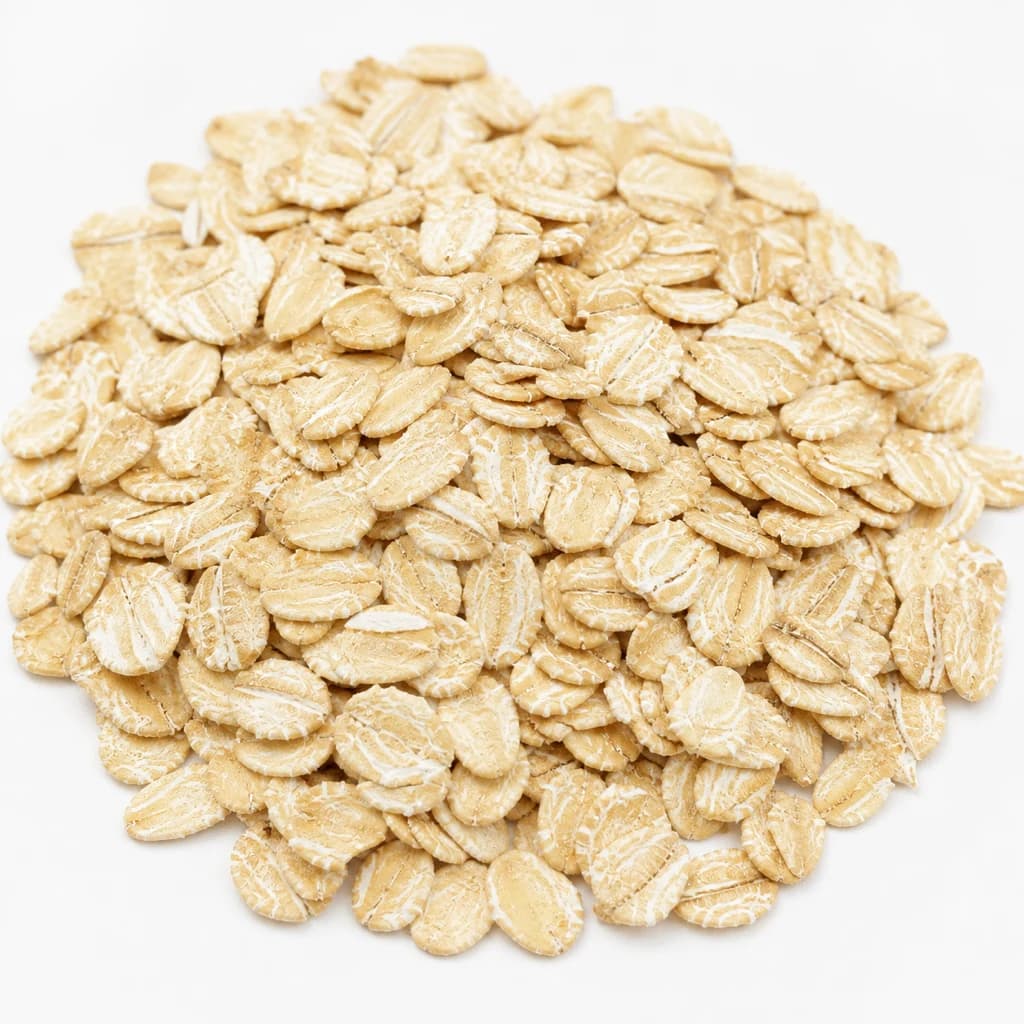
Rolled Oats
Hearty flakes for porridge, granola, and chewy cookies