Grains & Rice
Instant Noodle
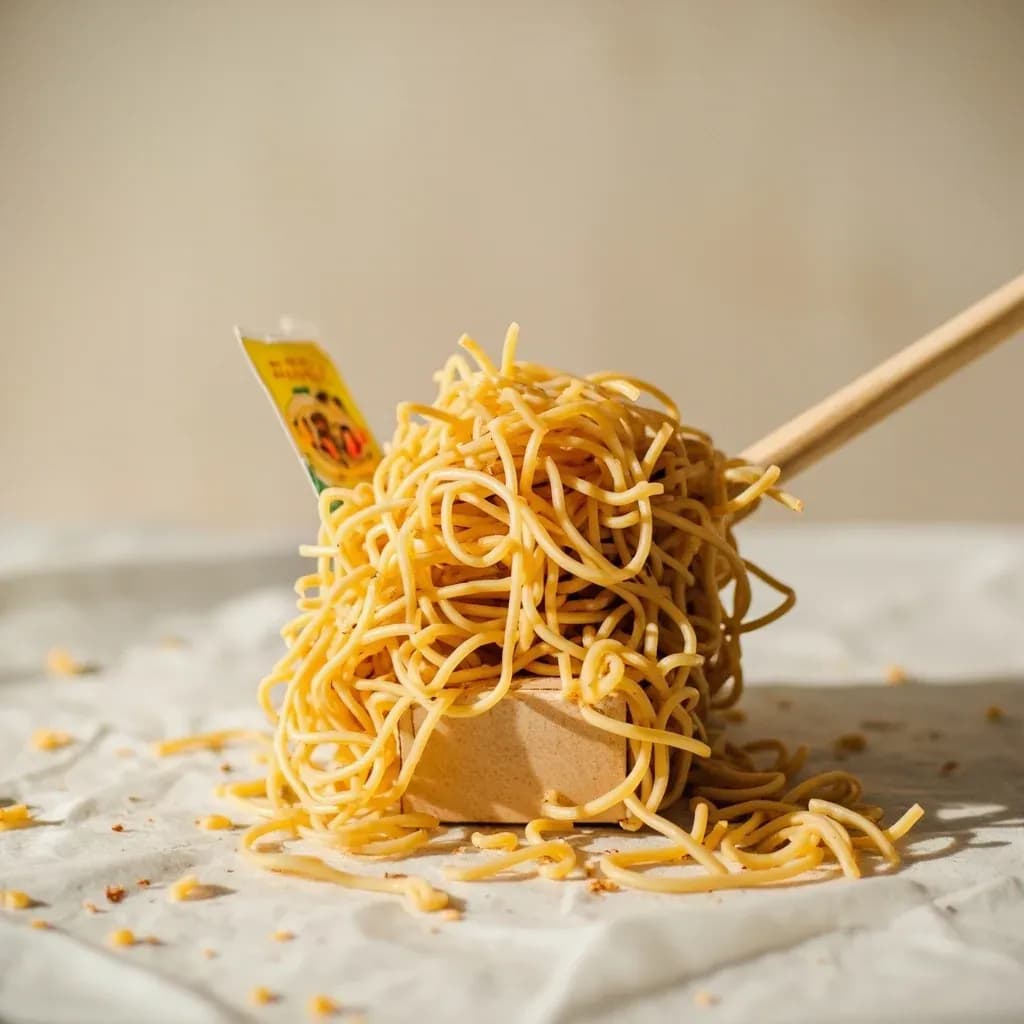
Pre-cooked, dried wheat noodles with seasoning, ready in minutes with boiling water.
Instant noodles are flash-fried or air-dried pre-cooked wheat noodles sold with a seasoning packet, ready after a few minutes in boiling water. Hugely popular across Asia and beyond, they are eaten as quick soups or stir-fried and customized with eggs, vegetables, and proteins. Korean ramyeon and Indonesian mie instan are widely used examples.
Instant noodles are a fully cooked, dehydrated wheat product—their defining characteristic is that they are flash-fried (or air-dried) after steaming, which gelatinizes the starches and pre-cooks the gluten structure, allowing them to rehydrate in minutes with just boiling water. Unlike dried pasta, this processing makes them genuinely ready-to-eat with minimal heat application. The chewiness unique to ramen-style instant noodles comes from kansui, alkaline mineral water containing sodium carbonate and potassium carbonate, which alters gluten formation and produces that signature bouncy texture. The seasoning packet is a concentrated broth base—most contain MSG, salt, hydrolyzed vegetable protein, and various spices—and sodium is the primary nutritional consideration; using half the packet and building flavor with soy sauce, fresh aromatics, or miso is a standard technique for managing intake. Instant noodles are not inherently unhealthy—they are simply a highly processed, high-sodium convenience food—and they can be elevated significantly with simple additions like a soft-boiled egg, fresh vegetables, and quality finishing oils.
- Measured in
- piece
- Storage
- Pantry
Allergens
Types & varieties
Original and most common variety; mild, savory, slightly salty
Rich, dark broth; regional brands differ significantly in spice and depth
Creamy, rich broth; often Korean brands like Shin Ramyun or Sapporo Ichiban Miso
Lighter, briny flavor; common in Asian-market brands like Mama or Indomie
Meat-free seasoning; check labels—some contain chicken fat or beef extract
Korean-style varieties; heat levels from mild to extreme; contain gochugaru or capsaicin extract
Pre-packaged in a disposable bowl; just add boiling water; includes dried toppings
Soft, wide wheat noodles; common in Japanese-style brands
Typically 25–50% less sodium; flavor may be noticeably milder
Curry, chicken, or vegetable flavors; widely distributed globally; distinctive spiced broth
Tom Yum, Thai basil, and other Southeast Asian flavors; often less oily when prepared
Plain noodle block sold separately; allows full control over broth and seasonings
Why Instant Noodles Behave Differently from Pasta
The flash-frying or air-drying step after steaming is what separates instant noodles from dried pasta. This process partially gelatinizes the starches and pre-cooks the gluten network, meaning the noodles are already technically done—they just need rehydration. When you pour boiling water over them, they are absorbing liquid, not undergoing a chemical transformation. This is why they cook so much faster than pasta and why they have that distinctive chewy texture: the kansui-treated gluten has been set into a springy structure that holds its shape even when fully hydrated.
- Instant noodles are already cooked; you are rehydrating, not cooking them
- Kansui alkaline minerals prevent the noodles from becoming mushy during rehydration
- The seasoning packet is concentrated—season to taste rather than using the entire packet
Controlling Sodium Without Sacrificing Flavor
Sodium is the primary nutritional concern with instant noodles, but it is manageable. The most effective technique is to use only half the seasoning packet and build additional flavor with finishing ingredients. Soy sauce, sesame oil, chili crisp, fresh aromatics, or a squeeze of lime can all amplify and customize the taste. If you prefer to avoid the packet entirely, discard it and cook the noodles in chicken, pork, or dashi stock, then finish with a splash of white miso or fish sauce. These ingredients add depth and sodium of your choosing.
- Use half the packet and supplement with soy sauce, sesame oil, or miso
- Cook noodles in stock instead of plain water for more flavor control
- Finishing oils and aromatics add richness and flavor without significant sodium
Common uses
Tips & pitfalls
- Always add seasoning after cooking: powder and sauces dissolve better and distribute evenly when added off-heat or to the finished bowl
- Bloom the powder: sprinkle seasoning into a small amount of hot water and stir before combining with noodles for better dissolution and fewer dry pockets
- Drain fat from fried varieties: tap the bottom of the noodle block to shake out excess oil before cooking (look for "less oil" or "air-dried" on packaging for lower-fat options)
- Control sodium by using half the seasoning packet, then build flavor with soy sauce, sesame oil, chili crisp, or fresh aromatics
- Upgrade the broth: discard the flavor packet entirely and cook noodles in chicken, pork, or dashi stock; finish with a splash of white miso or fish sauce
- Toast the raw noodle blocks in a dry or lightly oiled skillet until crispy for a textural contrast that works as a salad topping or garnish
- Never overcook: noodles continue to absorb broth after cooking; pull from heat 30 seconds before you think they are done
- Add hardy vegetables (cabbage, carrots) to boiling water in the last 2 minutes so they soften without overcooking
- Use roughly 1.5–2 cups water per 85g packet—too much water dilutes seasoning
Nutrition
Energy
1971 kJ · per 100 g
Where the calories come from
Protein
10.9g
22% DV
Carbs
63.6g
23% DV
Fat
21.2g
27% DV
Fiber
6.7g
24% DV
Sugars
0g
of which
Sodium
866mg
38% DV
Source · USDA FoodData Central · approx. Noodles, chinese, chow mein
View on FDC →In the shops
Matched grocery products
No matched grocery products for Instant Noodle yet.
Good to know
- Country of origin
- Japan (Nissin Foods, 1958)
- Key additive
- Kansui (alkaline mineral water) gives the characteristic springy, chewy texture
- Dehydration method
- Most common: flash-fried in oil at 150–160°C for 2–3 minutes; some premium varieties are air-dried
- Sodium per serving
- 800–2,000 mg (often exceeds 40% of daily recommended limit)
- Prep time
- 2–5 minutes with boiling water; 3–4 minutes with stovetop cooking
- Shelf life
- 6–12 months from production date in a cool, dry place
Substitutes
- Fresh ramen noodles — Cook in seasoned broth 1–2 minutes; closest texture; requires refrigeration and shorter shelf life
- Dried Japanese ramen noodles (no seasoning) — Same kansui-treated wheat noodle; cook 2–4 minutes; add your own broth and seasonings
- Fresh udon (refrigerated) — Thicker, softer texture; cook 6–8 minutes; good for heartier soups and stir-fries
- Dried soba noodles — Buckwheat-wheat blend; nutty flavor; cook 5–6 minutes; milder broth pairing
- Dried lo mein / Asian wheat pasta — Medium thickness; neutral flavor; cook 4–6 minutes; versatile substitute in soups or stir-fries
- Rice vermicelli — Rice-based; cooks in 2–3 minutes; gluten-free; absorbs broth differently and becomes soft rather than chewy
- Pasta (linguine or spaghetti) — Not traditional; cook 1–2 minutes less than package directs; season aggressively to approximate Asian flavors
Pairs with
Also called
Mie Instan · Instant Ramyeon · 라면 · Ramen · Instant Ramen
Related

White Rice
Fluffy long-grain rice — the neutral base for almost any meal

White Bread
Soft sandwich loaf for toast, sandwiches, and crumbs
Brown Rice
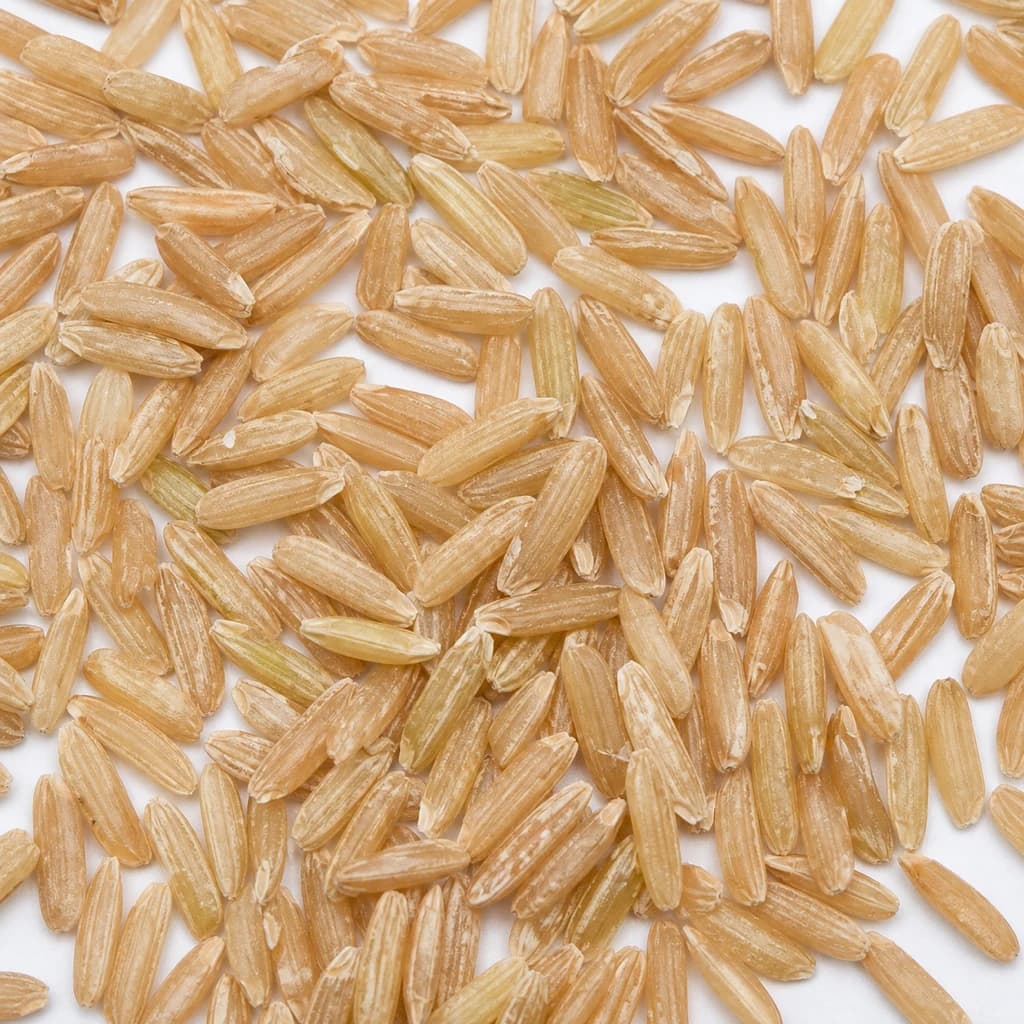
Nutty, whole-grain rice with chew and extra fiber

Basmati Rice
Fragrant, long-grain rice that cooks up light and separate
Jasmine Rice
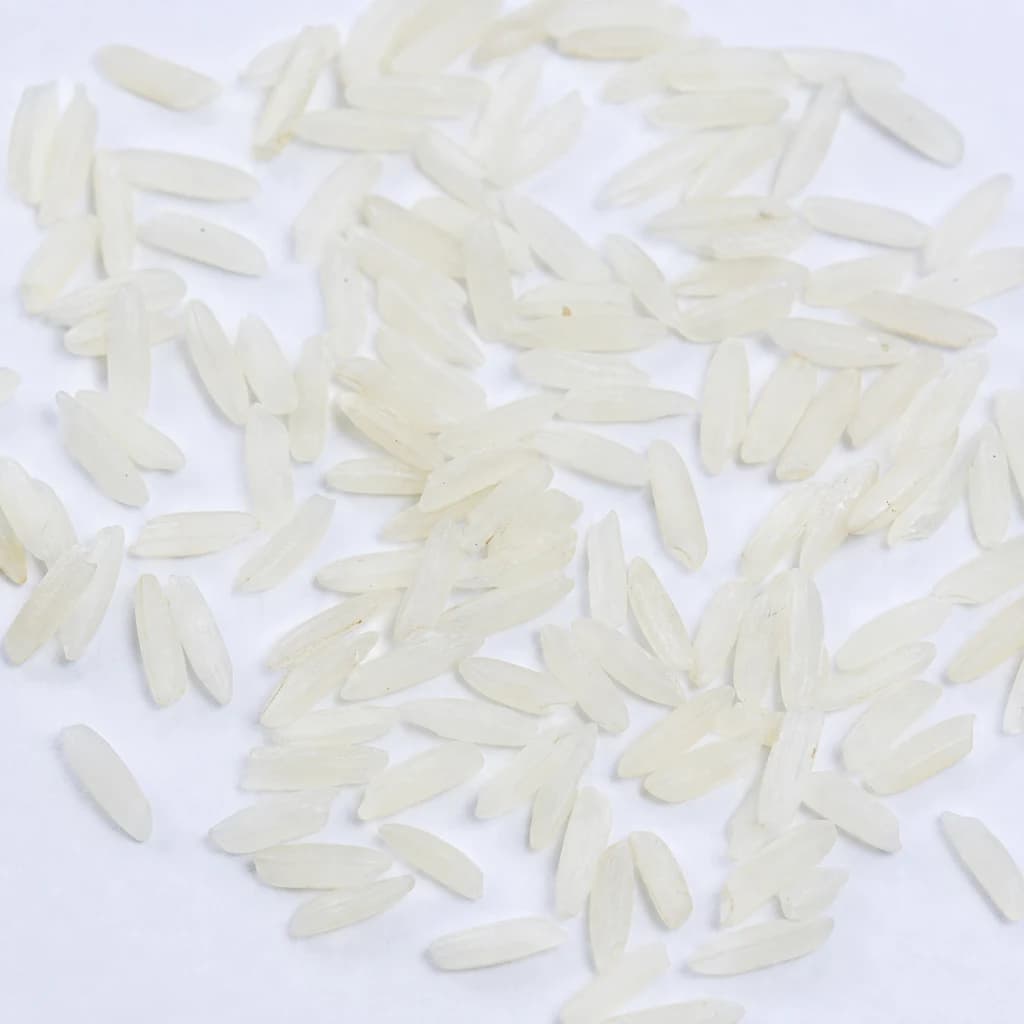
Soft, floral-scented rice that's the pillar of Thai meals
Arborio Rice
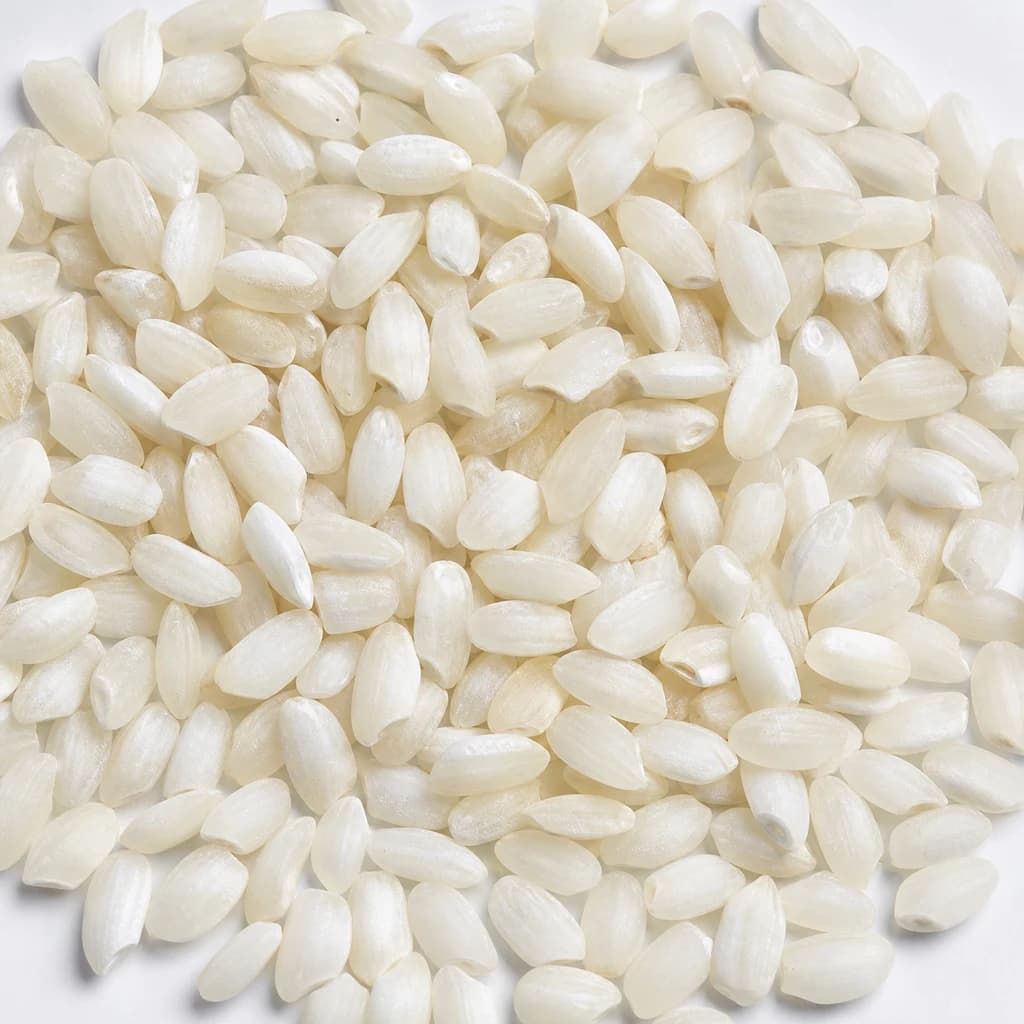
Plump, starchy rice that makes risotto creamy
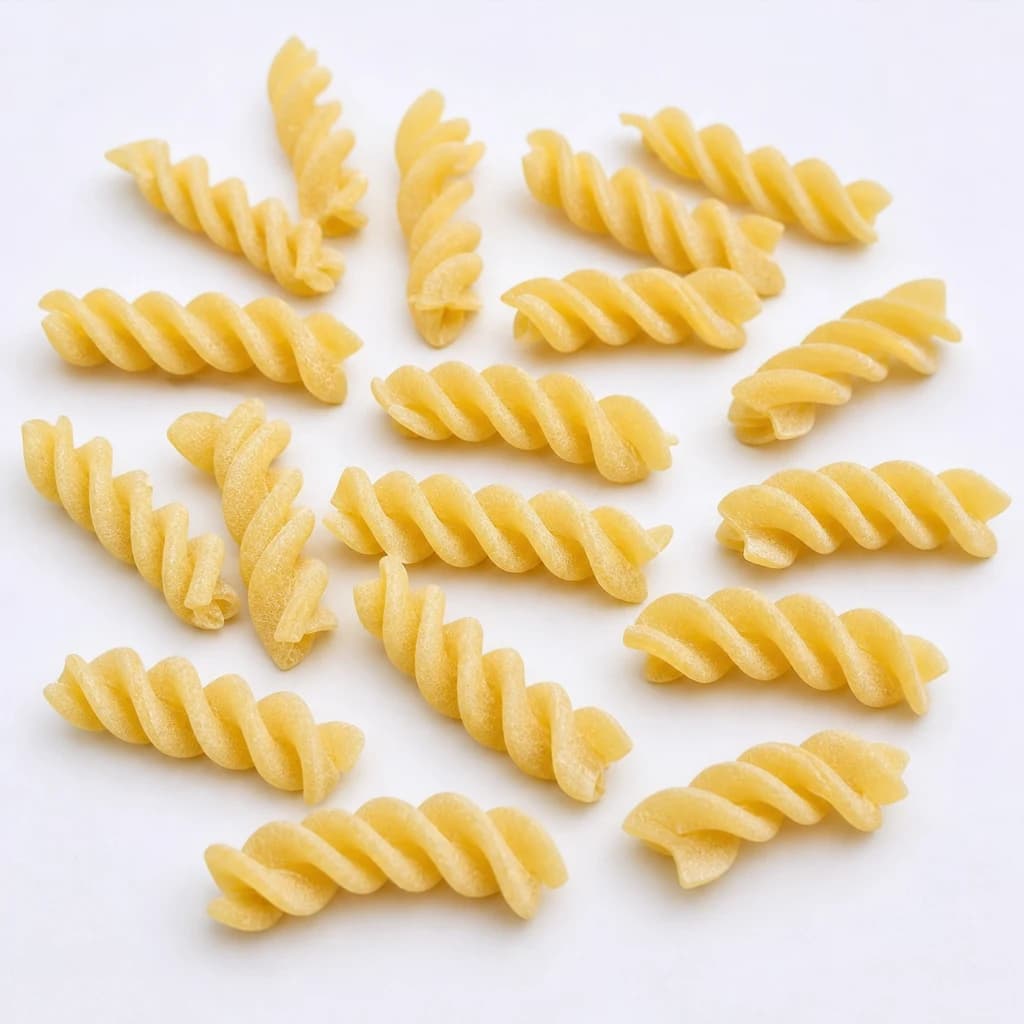
Fusilli
Spiraled pasta that twirls up sauce and dresses cold salads
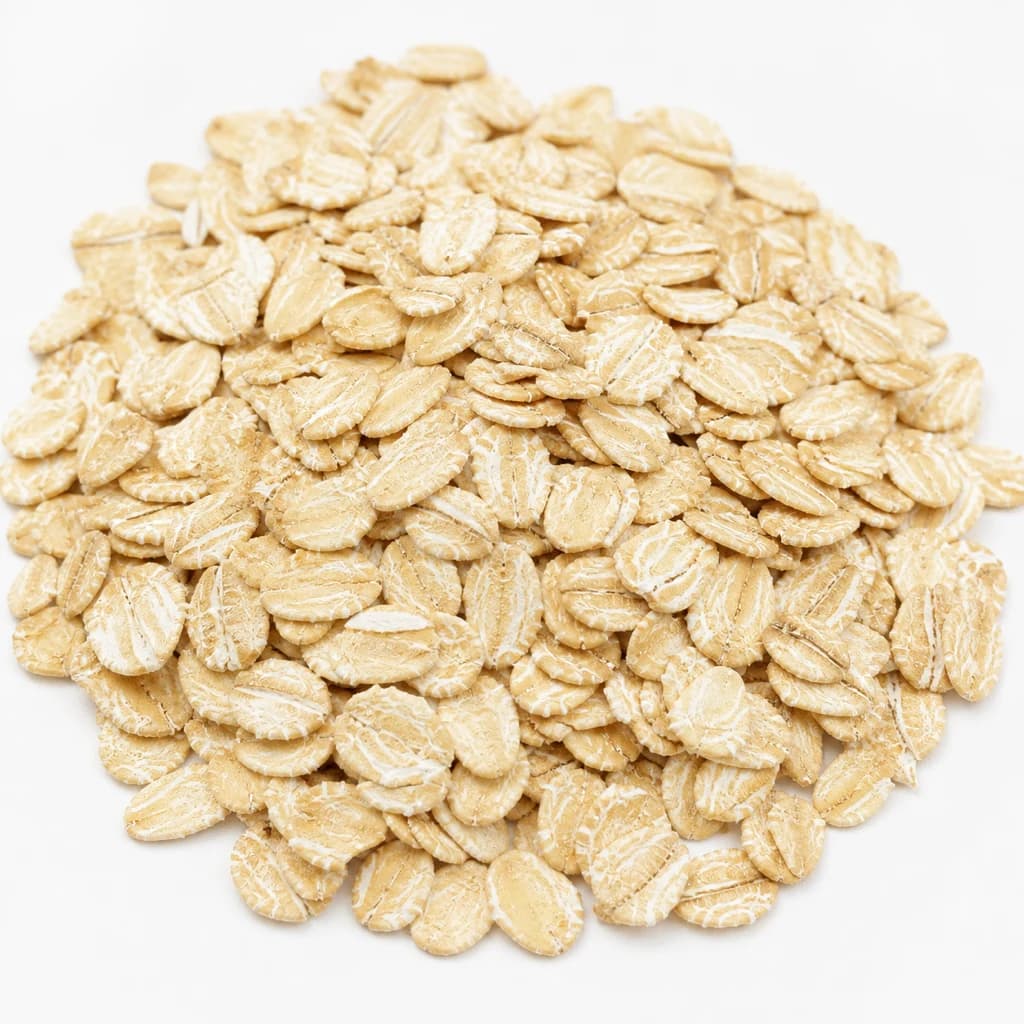
Rolled Oats
Hearty flakes for porridge, granola, and chewy cookies