Varieties
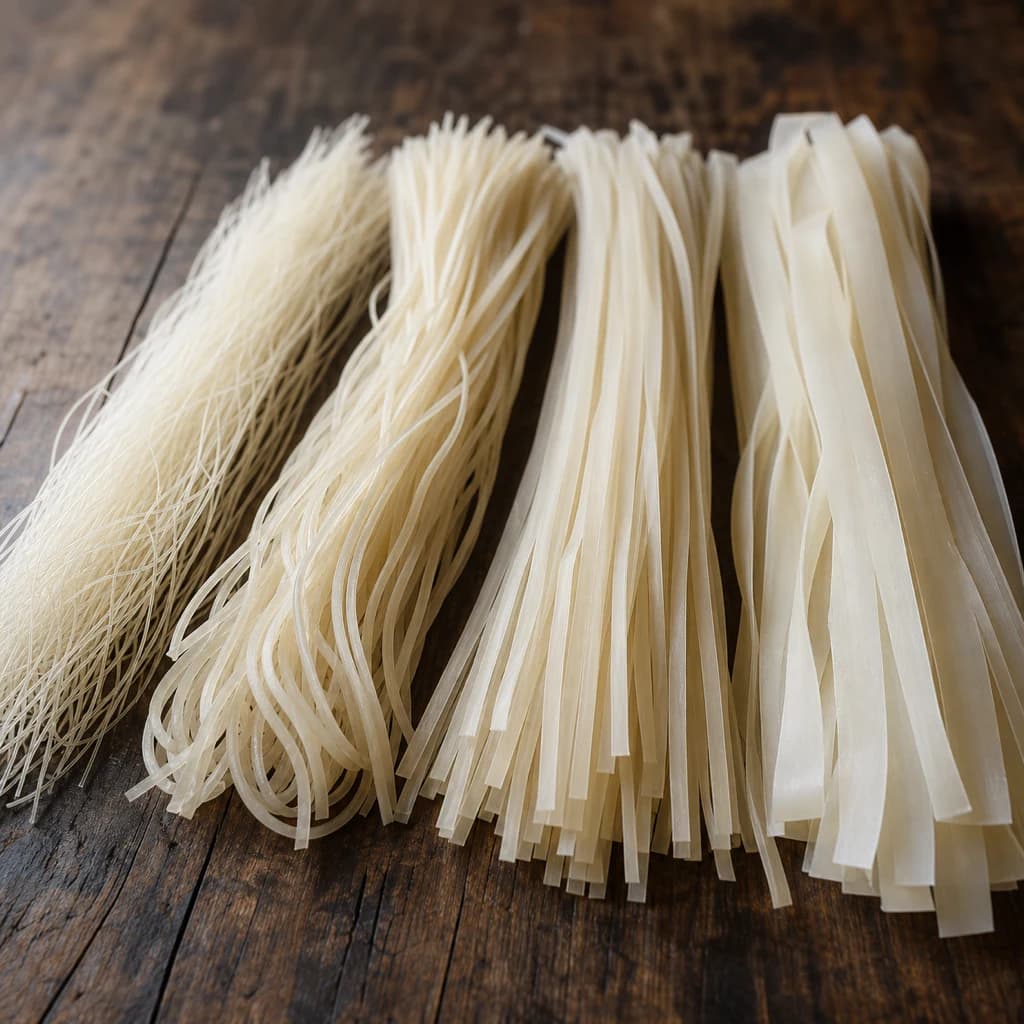
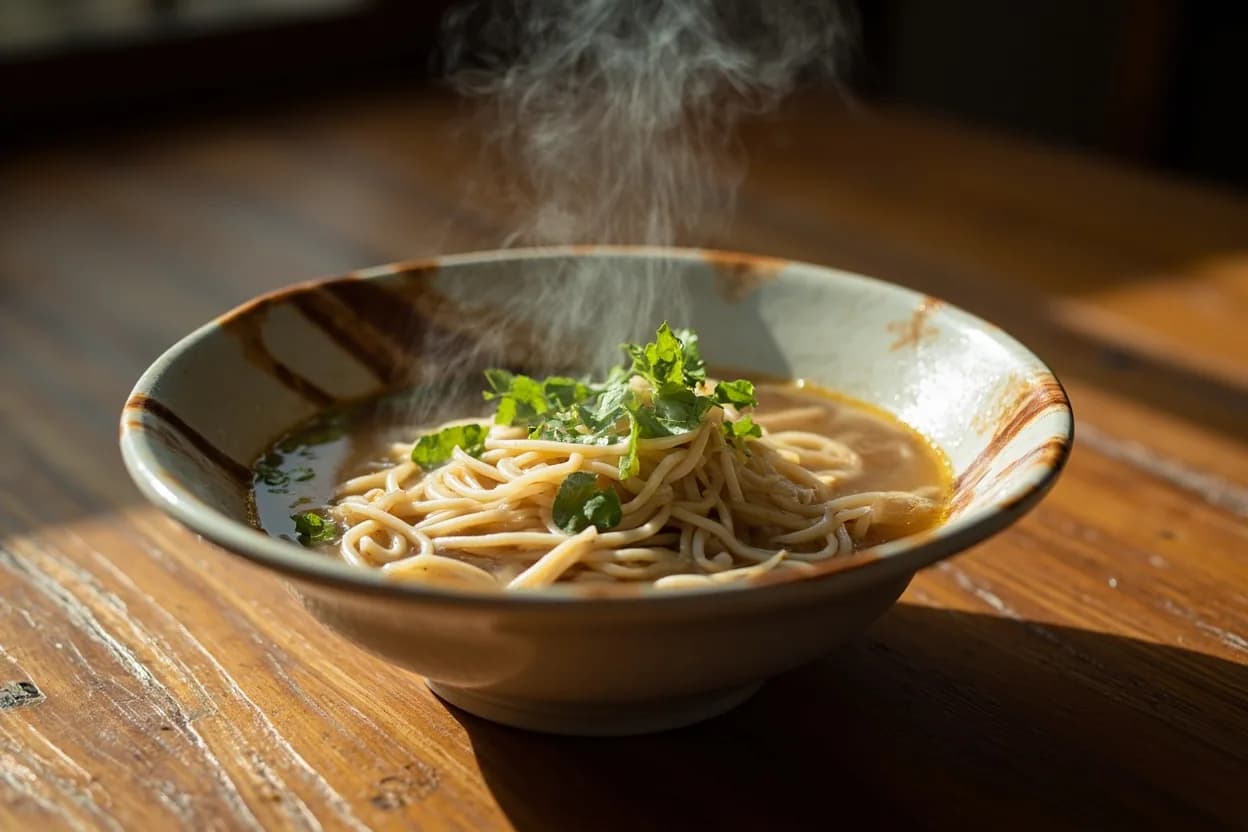
Rice noodles come in widths from fine threads to wide flat ribbons, all made from rice flour.
Showing multiple widths side by side teaches readers that rice noodles span a broad spectrum of forms used in different dishes.
Grains & Rice
Rice Noodle
Gluten-free noodles of rice flour, used in pho, pad thai, and Southeast Asian soups.
Rice noodles are made from rice flour and water, sold fresh or dried in widths from thin threads to wide flat ribbons. Naturally gluten-free, they are the base of dishes like pho, pad thai, num banhchok, and countless stir-fries and soups across Southeast and East Asia. They soften quickly in hot water or broth.
Rice noodles are the foundational starch of Southeast Asian cooking—thin, tender, and extraordinarily accommodating. Made from just rice flour and water (sometimes with a touch of tapioca or mung bean starch for handling), they carry no flavor of their own, which is precisely their genius: they become whatever the dish demands. Where wheat noodles announce themselves with gluten's chew and wheat's earthiness, rice noodles disappear into the broth or sauce, letting aromatics, proteins, and seasonings take center stage. Their neutral disposition and gluten-free nature have made them essential across Vietnamese, Thai, Chinese, Malaysian, and Filipino cuisines—not as a substitute for wheat noodles but as a distinct category with its own character and behavior.
The critical variable with rice noodles is width and freshness. Vermicelli, barely thicker than thread, cook nearly instantaneously and suit delicate cold dishes and fresh spring rolls. Medium-width sticks—called bánh phở in Vietnamese—are the workhorse of pho and pad thai, holding their shape in broth while absorbing flavor. Wide flat noodles can handle bold stir-fry sauces without becoming soggy. Fresh rice noodles, sold in Asian markets and highly perishable, have a softer, more fragile texture than dried; they require only brief blanching or can be used raw. Dried rice noodles, by contrast, need soaking or parboiling and offer considerably more chew—important in dishes where they cook directly in broth. Treating all rice noodles identically is the single most common mistake home cooks make; matching cooking method to width and freshness is non-negotiable for good results.
- Measured in
- g
- Storage
- Pantry
Types & varieties
Extra-thin, round strands; used in fresh spring rolls, Vietnamese bún, and light soups; cooks in 1–3 minutes dried, 30 seconds fresh
Flat, medium width (3–6mm); the standard noodle for pho, pad thai, and pad see ew; most versatile of all rice noodle types
Broad flat noodles, 1–2cm wide; used in Thai stir-fries, Chinese-style lo mein, and Malaysian char kway teow
Sold in Asian markets, often folded or rolled; perishable; softer texture than dried; ideal for pho, bún, or quickly stir-fried dishes
Pre-cooked and dried, often with seasoning packets; rehydrate in minutes with boiling water; common in instant soups and snack bowls
Soaking vs. Boiling: When to Use Which Method
The choice between soaking and boiling dried rice noodles depends on the dish and your timeline. For stir-fries, soaking in room-temperature water for 30–45 minutes (until pliable but still firm) is preferable to parboiling—the noodles finish cooking in the hot wok and won't overcook. For soups, you can either soak first then add to simmering broth, or cook the noodles directly in the broth if you want maximum flavor absorption. The blanch method—brief boiling until just pliable, then draining—is ideal for dishes like pho where you portion noodles into bowls and ladle hot broth over them, ensuring even texture without sogginess. Never use hot or warm water for soaking; it softens the exterior too quickly while leaving the center chalky, producing noodles that are mushy outside and hard inside.
- Stir-fries: soak until pliable, cook in wok
- Soups (pho): blanch briefly, portion into bowls, add hot broth
- Soups (shorter cook): cook directly in broth for absorption
- Never soak in hot water
Why Width Matters More Than You Think
Rice noodle width isn't just about presentation—it's the primary determinant of cooking time, texture, and dish compatibility. Vermicelli (1–2mm) are delicate and cook almost instantly; add them too early and they dissolve. Medium sticks (3–6mm) hold their shape in broth and absorb sauce without becoming mushy—they're the most forgiving width for beginners. Wide noodles (1cm+) have the structural integrity to stand up to bold stir-fry sauces and high heat; thin noodles would collapse. Fresh noodles break down faster than dried regardless of width because they've already been cooked during manufacturing. Match your noodle to your cooking method and dish intensity, and your results will transform.
- Vermicelli: delicate dishes, quick finishes
- Medium sticks: versatile, forgiving, soups and stir-fries
- Wide noodles: bold sauces, high-heat cooking
- Fresh noodles: faster cooking than dried, gentler handling
Common uses
Tips & pitfalls
- Soak dried noodles in room-temperature water, not hot water—hot water causes uneven softening with mushy exteriors and chalky centers.
- Test for doneness 30 seconds before the package time—the noodles should feel tender but still have slight resistance (carryover cooking continues).
- Rinse cooked noodles under cold water immediately after draining to stop the cooking and prevent clumping.
- Add rice noodles to stir-fries in the final minutes; they continue softening in hot liquid and will overcook if added too early.
- In soups, add dried noodles to boiling broth only after the broth is fully seasoned—the noodles absorb liquid as they cook and will dilute the flavor.
- For pho, blanch dried rice sticks briefly in boiling water, then drain and portion into bowls before ladling hot broth over them.
- Do not soak fresh noodles—they only need brief blanching (30–60 seconds) or can be used raw in cold dishes.
- If noodles clump after cooking, toss them immediately with a small amount of neutral oil while still hot.
- Quality matters: Vietnamese and Thai brands of dried rice noodles outperform generic supermarket versions, which can be brittle or inconsistently textured.
- Store dried noodles in airtight containers—they absorb moisture from humid air and will spoil or become brittle.
Nutrition
Energy
1523 kJ · per 100 g
Where the calories come from
Protein
6g
12% DV
Carbs
80.2g
29% DV
Fat
0.6g
1% DV
Fiber
1.6g
6% DV
Sugars
0.1g
of which
Sodium
182mg
8% DV
Source · USDA FoodData Central · Rice noodles, dry
View on FDC →In the shops
Matched grocery products
No matched grocery products for Rice Noodle yet.
Good to know
- Made from
- Rice flour and water; some varieties include tapioca starch or mung bean starch for texture
- Origin
- Southeast Asia; essential to Vietnamese, Thai, Chinese, Malaysian, and Filipino cuisines
- Form
- Fresh (refrigerated, perishable) or dried (shelf-stable)
- Gluten-free
- Yes; naturally gluten-free unlike wheat-based noodles
- Flavor
- Neutral with a mild rice taste; highly absorbent, takes on surrounding flavors
- Texture
- Tender-chewy when properly cooked; turns mushy if overdone
- Storage (dried)
- Airtight container at room temperature; 1–2 years
- Storage (fresh)
- Refrigerated, use within 1 week; some can be frozen
Substitutes
- Mung bean cellophane noodles (glass noodles) — Similar neutral flavor and gluten-free profile, slightly chewier texture when cooked; suitable for vermicelli applications
- Fresh rice paper sheets — Softened in water and cut into strips as a substitute for wide rice noodles; or kelp noodles for a lower-carb alternative with more bite
Pairs with
Also called
Num Banhchok · 米粉 · Rice Noodles · Thin Rice Noodle
Appears in these dishes
Related

White Rice
Fluffy long-grain rice — the neutral base for almost any meal

White Bread
Soft sandwich loaf for toast, sandwiches, and crumbs
Brown Rice
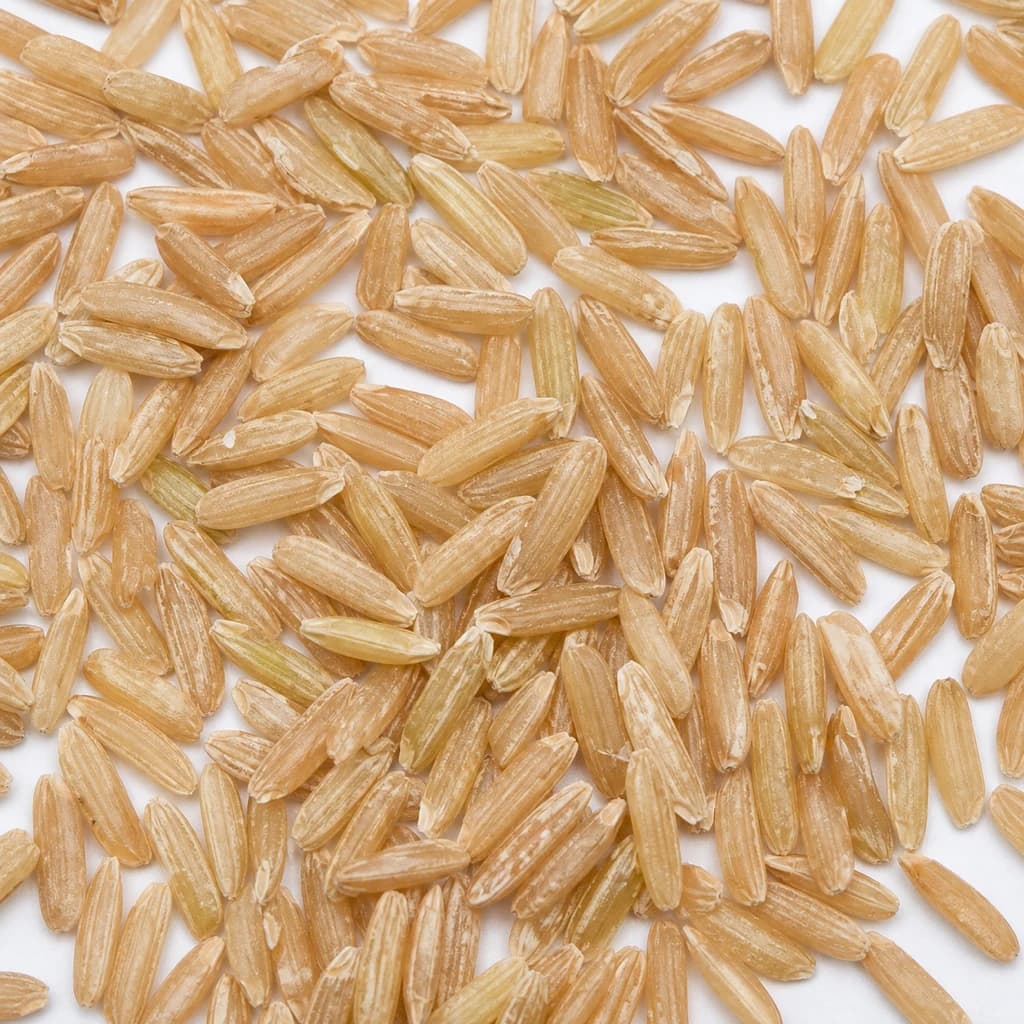
Nutty, whole-grain rice with chew and extra fiber

Basmati Rice
Fragrant, long-grain rice that cooks up light and separate
Jasmine Rice
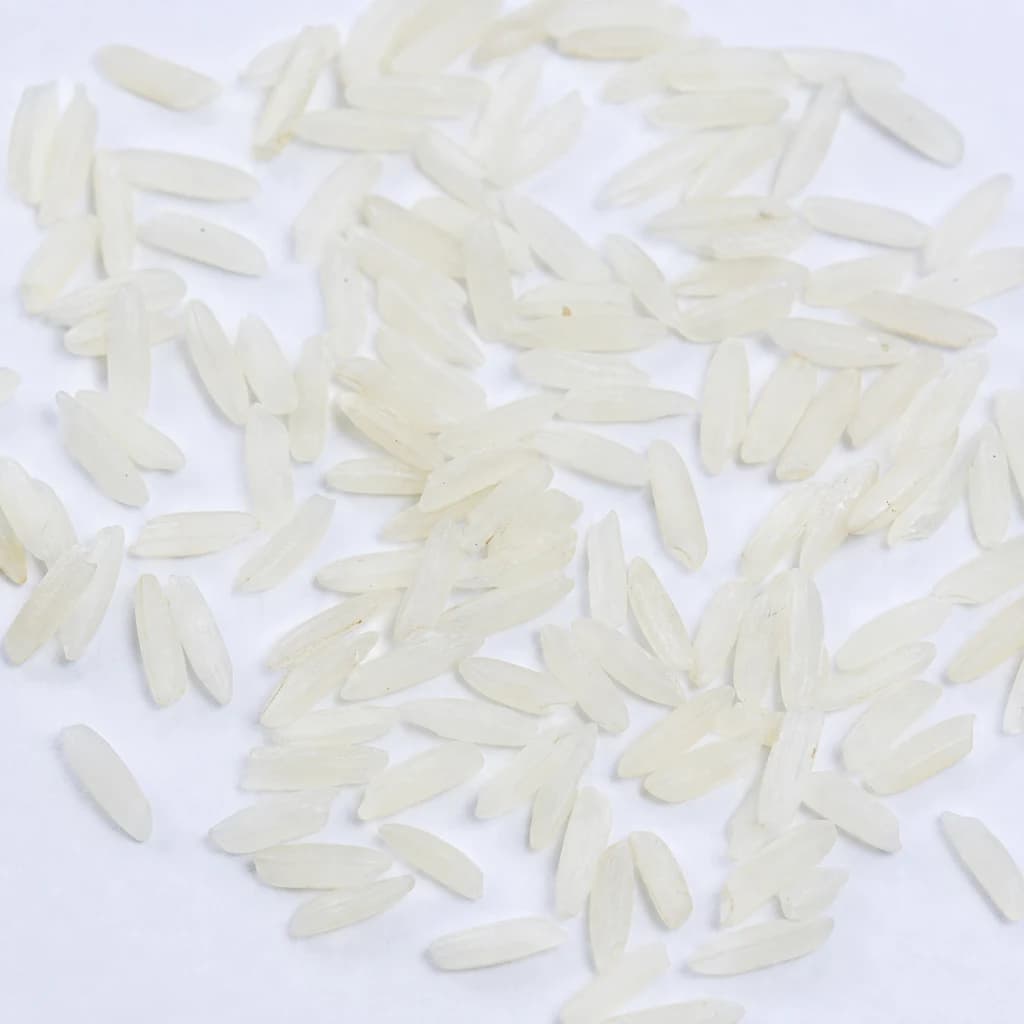
Soft, floral-scented rice that's the pillar of Thai meals
Arborio Rice
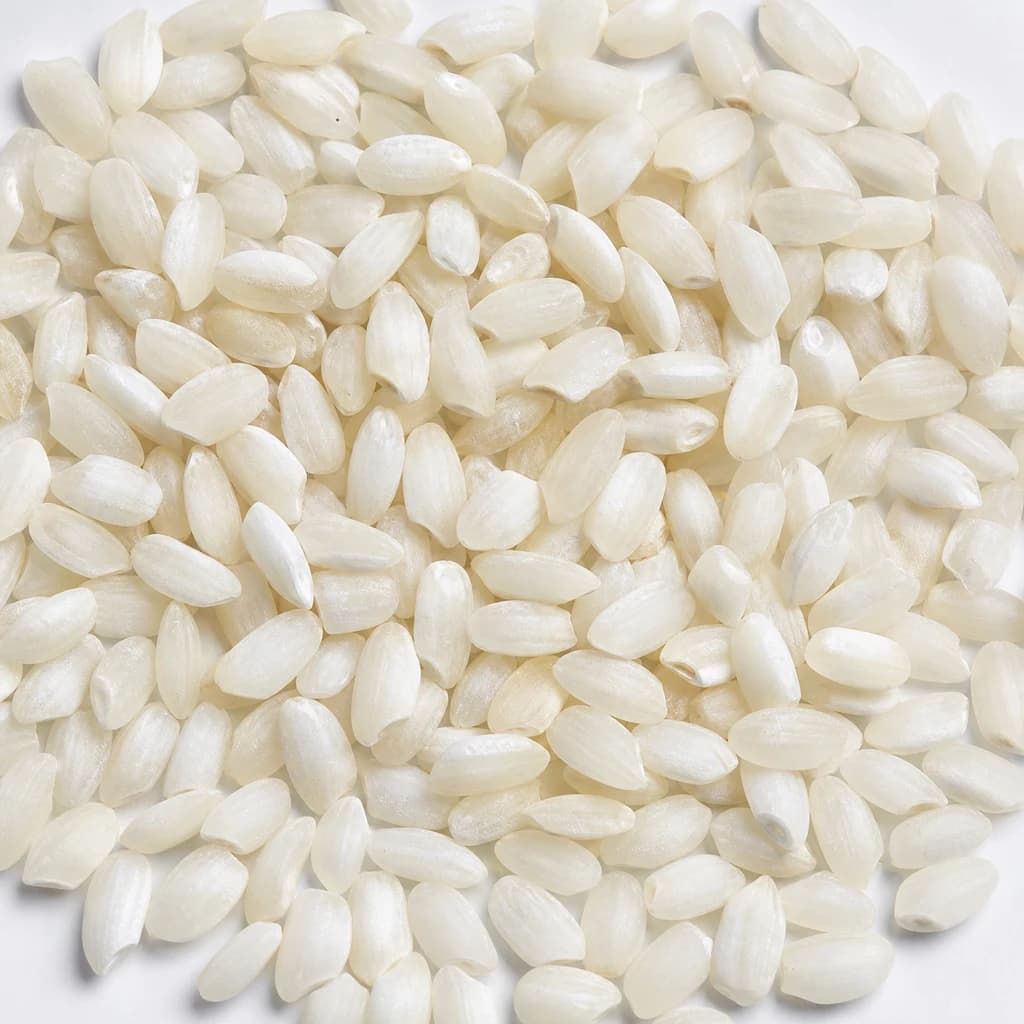
Plump, starchy rice that makes risotto creamy
Fusilli
Spiraled pasta that twirls up sauce and dresses cold salads
Rolled Oats
Hearty flakes for porridge, granola, and chewy cookies