Grains & Rice
Somen Noodles
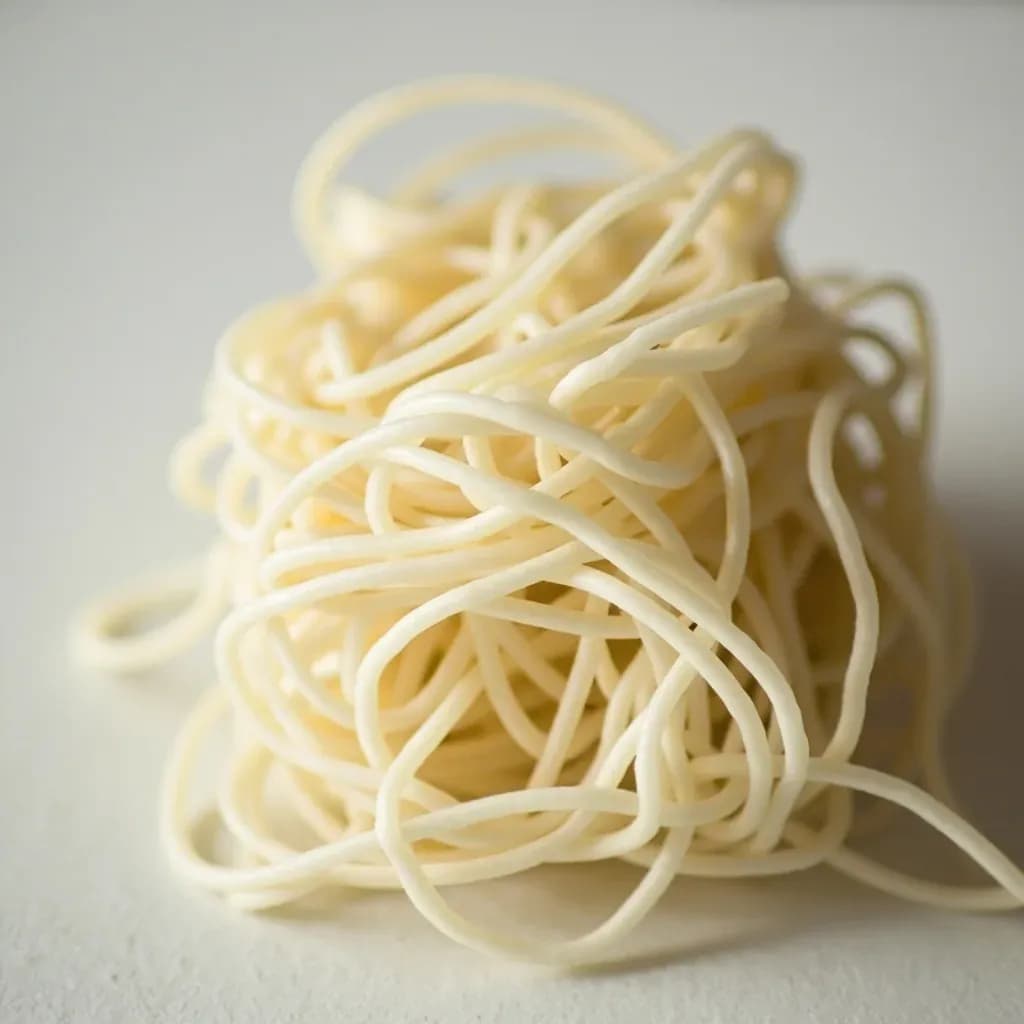
Very thin white wheat noodles eaten cold with dipping broth in Japanese and Korean summer dishes.
Somen are extremely thin Japanese wheat noodles, traditionally stretched with a little oil and dried. They are usually served chilled over ice with a light dipping sauce in summer, and the Korean equivalent, somyeon, appears in soups and banquet dishes. They cook in barely a minute and have a smooth, delicate texture.
Somen are the thinnest of all Japanese wheat noodles, with a diameter of roughly 1.0–1.3 mm—about the width of a bamboo skewer. They are made from wheat flour, salt, and water, extruded or hand-stretched into long, delicate strands that cook in a mere 1–2 minutes. This extreme thinness is the key to their character: when cooked correctly and immediately shocked in ice water, somen develops a smooth, silky surface that feels clean on the palate and carries dipping sauces beautifully. Their neutral wheat flavor makes them a perfect vehicle for bold or nuanced accompaniments.
The noodle's history traces to the Heian period (8th–12th century), when Chinese wheat-noodle techniques were adapted in Japan. The name derives from Chinese characters meaning "fine thread." While somen are now enjoyed year-round, they remain deeply associated with summer in Japan—particularly the tradition of Nagashi Somen, where noodles flow down a fluted bamboo chute over ice and are caught in individual bowls, combining eating with a playful seasonal activity. Nandan Somen from Hyōgo Prefecture carries a Japan Premium designation, reflecting the region's centuries-old mastery of the craft.
The primary failure with somen is overcooking: even 30 seconds past al dente produces gumminess. The noodle's quality also depends on proper rinsing to remove surface starch and shocking in ice water to set that characteristic silky texture. Hand-pulled somen achieves an even more delicate quality than machine-made versions, but both require the same precise timing and immediate service.
- Measured in
- g
- Storage
- Pantry
Allergens
Types & varieties
The most renowned somen, produced in the Nandan region of Hyōgo Prefecture; carries Japan Premium designation and protected regional status.
From Akita Prefecture; slightly thicker and has a firmer bite; designated as a national heritage grain product.
From Shizuoka Prefecture; known for a smooth, silky texture that carries sauces well.
Traditional artisan method; produces silkier, more delicate strands; a specialty item with superior mouthfeel.
Standard commercial variety; widely available and consistent in quality; perfectly adequate for everyday use.
Green (matcha), pink (ume plum), or gold (egg yolk) varieties; used for festive or celebratory dishes and visual appeal.
The Nagashi Somen Tradition
Nagashi Somen—where noodles flow down a slanted bamboo or plastic chute over ice—is both a culinary tradition and a summer social ritual in Japan. The flowing noodles are caught in individual bowls of cold dipping sauce, creating an interactive dining experience that is especially popular at festivals and outdoor gatherings in Nagano's Shinshu area. The flowing motion keeps the noodles ice-cold and prevents them from sticking. For home preparation without a chute, serve somen in a wide bowl surrounded by ice and use chopsticks to lift individual portions into dipping sauce.
- Use 2–3× concentrated men-tsuyu diluted with cold dashi or water
- Keep the sauce vessel surrounded by ice throughout service
- Noodles will begin to stick within minutes of plating; work quickly
Common uses
Tips & pitfalls
- Bring a large pot of water to a rolling boil; use at least 2 liters per 100g of dried noodles to prevent crowding and sticking
- Add noodles gradually, stirring gently once at the start—do not walk away during cooking
- Taste test at exactly 1 minute; noodles should be barely tender with a slight white core still visible
- Drain immediately and rinse under cold running water for 1–2 minutes to remove surface starch thoroughly
- Shock in ice water after rinsing to set the silky texture; drain very thoroughly before serving
- For dipping sauce, dilute standard men-tsuyu 2–3× with cold water or dashi; adjust to taste
- Do not add oil to cooking water—it prevents proper starch removal during rinsing and creates a slick surface that sauce cannot adhere to
- Serve immediately after plating; noodles become gummy within 10 minutes even at room temperature
- Store dried somen in an airtight container in a cool, dry place; avoid refrigeration which introduces humidity
Nutrition
Energy
1490 kJ · per 100 g
Where the calories come from
Protein
11.4g
23% DV
Carbs
74.1g
27% DV
Fat
0.8g
1% DV
Fiber
4.3g
15% DV
Sodium
1840mg
80% DV
Source · USDA FoodData Central · Noodles, japanese, somen, dry
View on FDC →In the shops
Matched grocery products
No matched grocery products for Somen Noodles yet.
Good to know
- Type
- Dried wheat noodle (Japanese)
- Origin
- Japan, with records from the Heian period (8th–12th century)
- Primary Production Region
- Hyōgo Prefecture (Nandan area), also Nagano and Miyazaki Prefectures
- Diameter
- Approximately 1.0–1.3 mm (the thinnest Japanese noodle variety)
- Main Ingredients
- Wheat flour, salt, water; some varieties include vegetable juice for colored noodles
- Cooking Time
- 1–2 minutes (taste at 1 minute; do not walk away from the pot)
- Shelf Life (dried)
- 1–2 years in cool, dry storage
- Shelf Life (cooked)
- Use immediately; does not hold well
- Yield
- Doubles to triples in volume when cooked
- Serving Temperature
- Ice-cold (standard), room temperature, or in hot broth
- Traditional Season
- Summer in Japan (associated with Natsu no Nanakusa)
- Difficulty
- Easy to prepare; the skill is timing the cook correctly
Substitutes
- Korean Somyeon — The Korean somen equivalent; virtually identical in diameter and behavior; freely interchangeable in recipes.
- Rice Vermicelli (Bánh Đa Giò) — Similar diameter and delicate texture; rinse well after cooking; has less wheat flavor and softer mouthfeel.
- Very Thin Spaghetti (Capellini) — Break to approximate length; cook to al dente; rinse and shock the same way; slightly more resilient texture.
- Wonton Wrappers (cut into strips) — Emergency substitute only; cut into 2–3mm strips; cook 30 seconds; texture is noticeably softer.
Pairs with
Also called
Somyeon · 소면 · Thin Wheat Noodle
Appears in these dishes
Related

White Rice
Fluffy long-grain rice — the neutral base for almost any meal

White Bread
Soft sandwich loaf for toast, sandwiches, and crumbs
Brown Rice
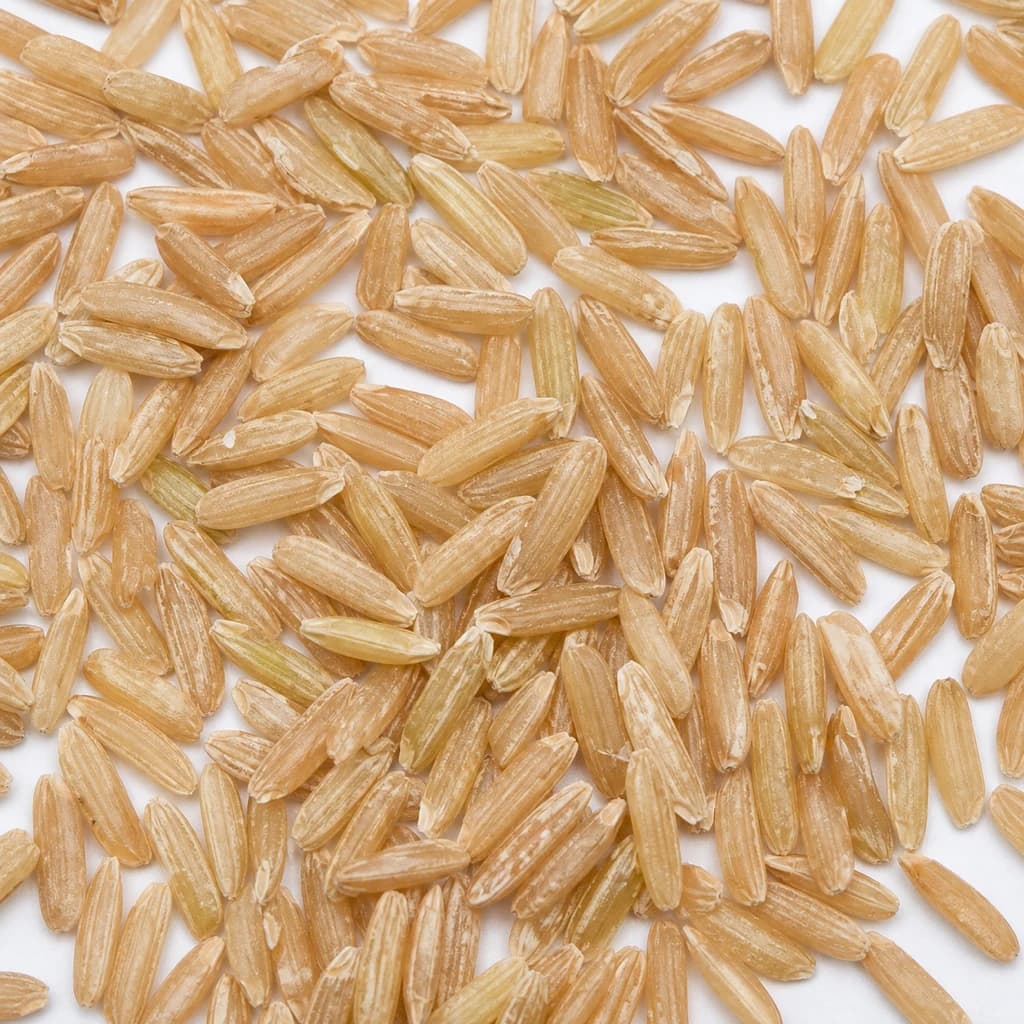
Nutty, whole-grain rice with chew and extra fiber

Basmati Rice
Fragrant, long-grain rice that cooks up light and separate
Jasmine Rice
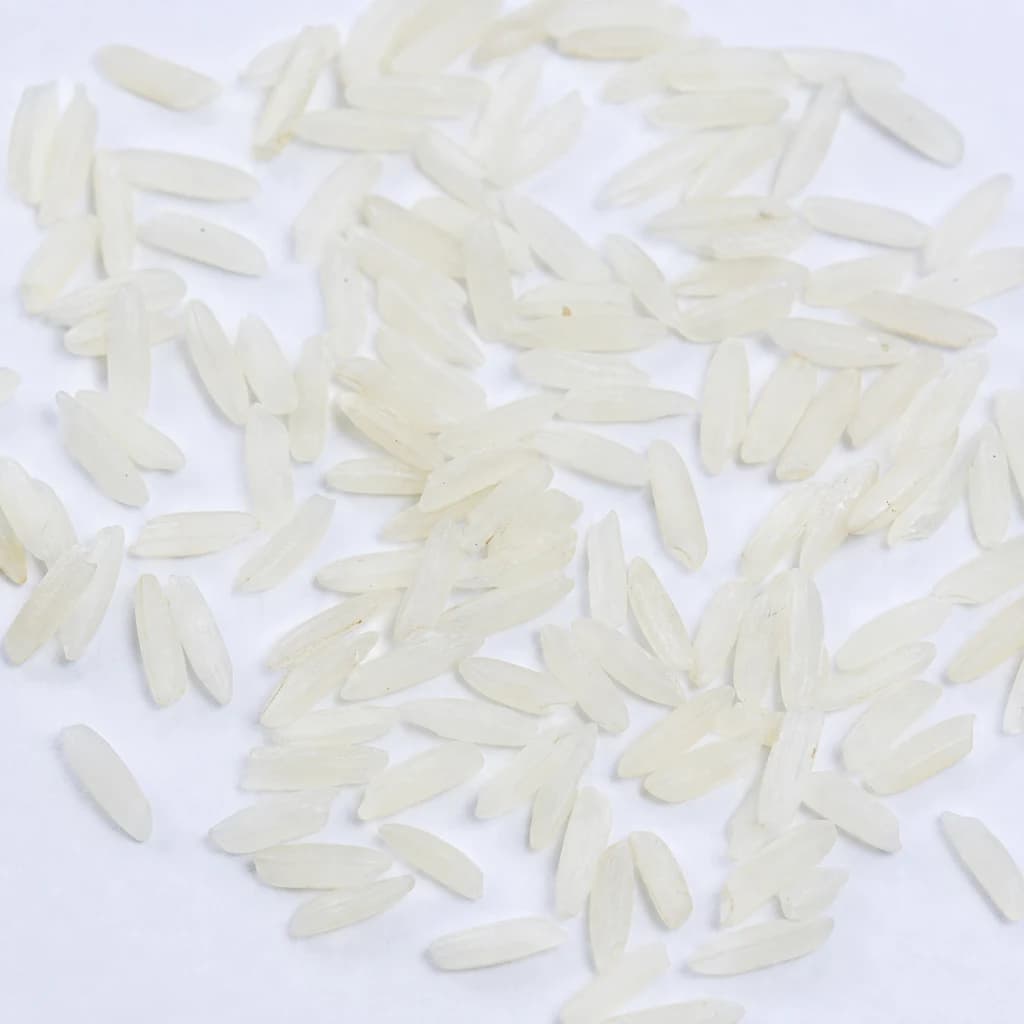
Soft, floral-scented rice that's the pillar of Thai meals
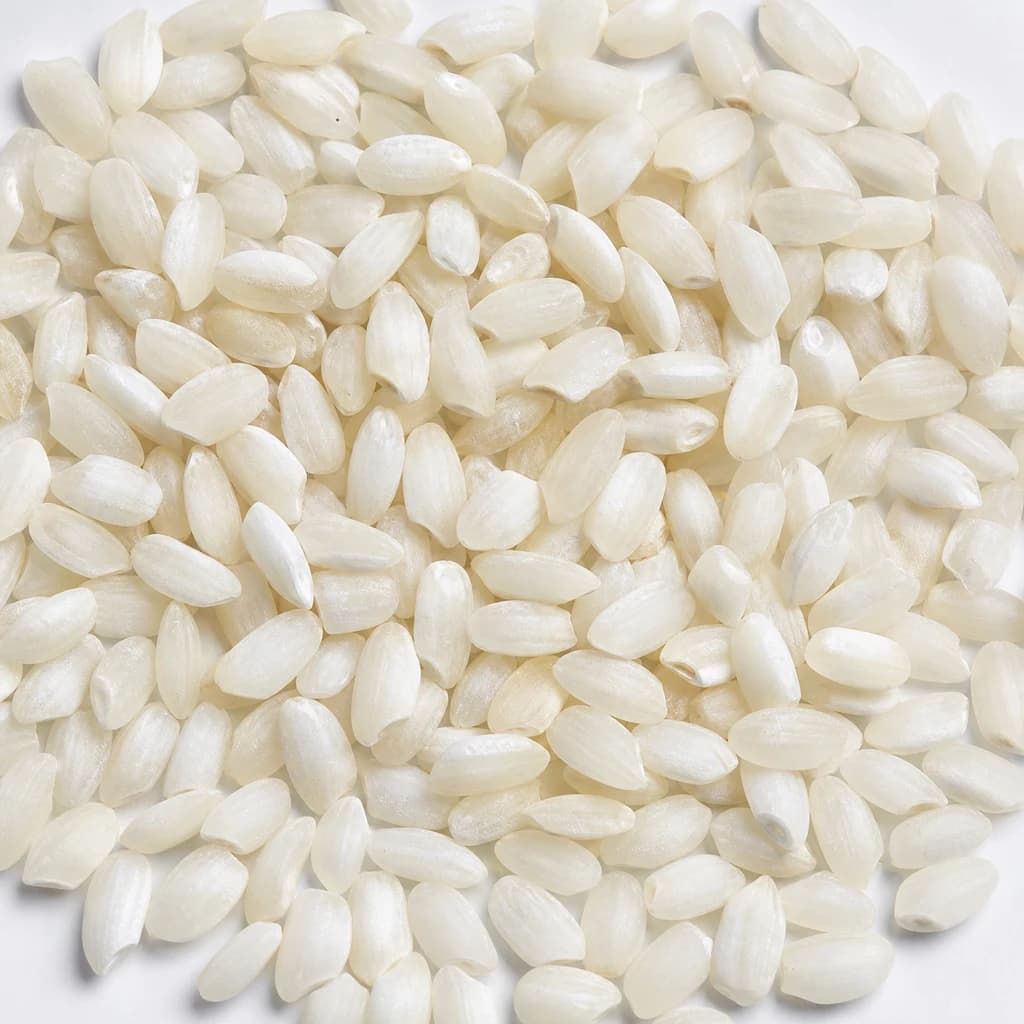
Arborio Rice
Plump, starchy rice that makes risotto creamy
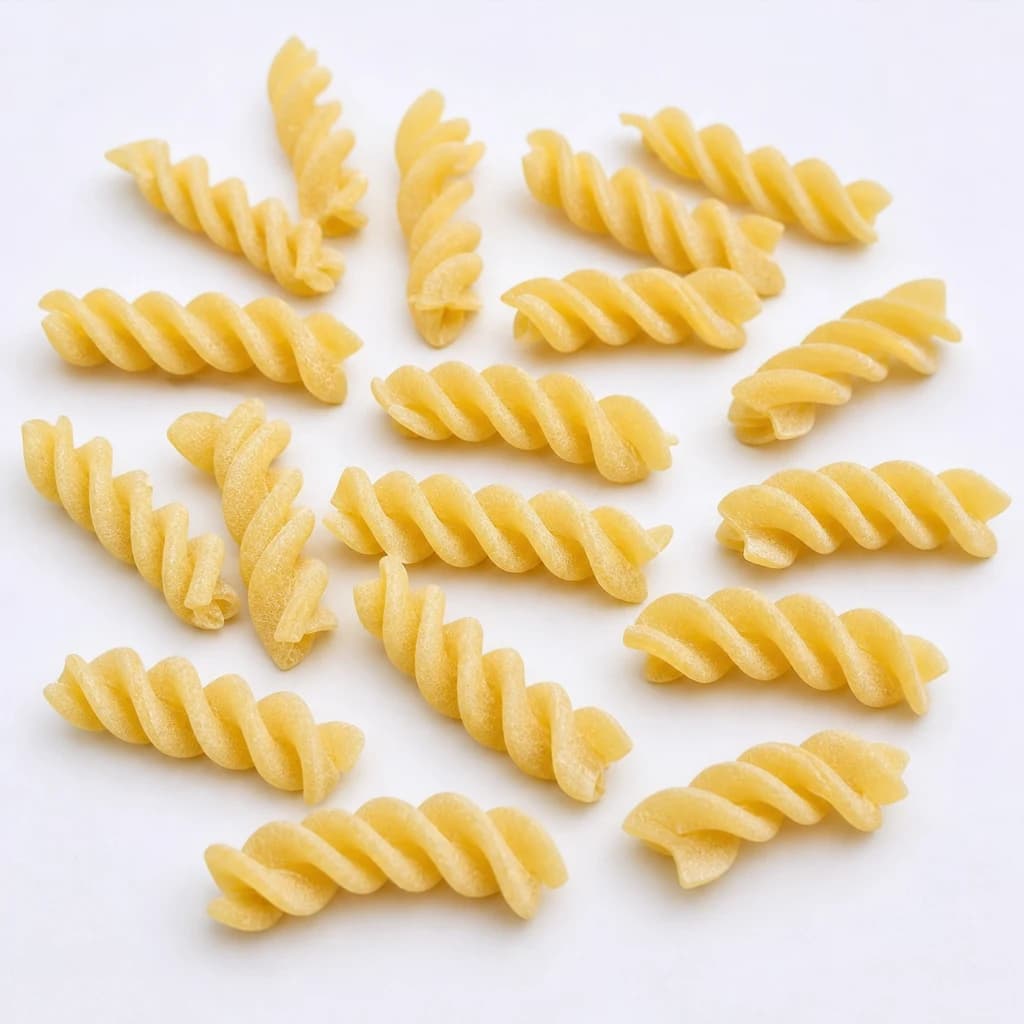
Fusilli
Spiraled pasta that twirls up sauce and dresses cold salads
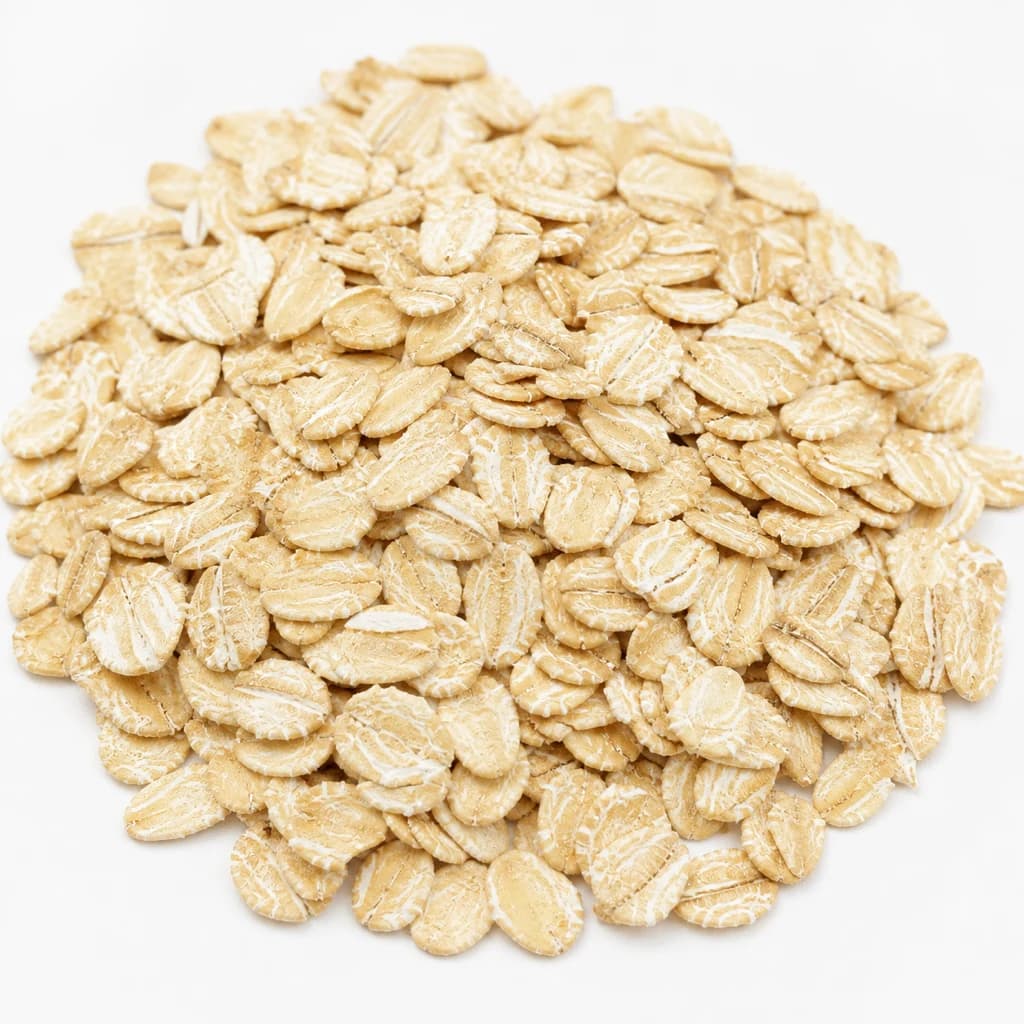
Rolled Oats
Hearty flakes for porridge, granola, and chewy cookies