Eastern Mediterranean
Cypriot Meze Tradition
Also: Cypriot cuisine, Cyprus meze, μεζές Κύπρου
A cross-cultural island feast where Greek, Ottoman, Levantine, and British colonial threads converge in a sprawling succession of small plates — the most elaborate meze culture in the Mediterranean.
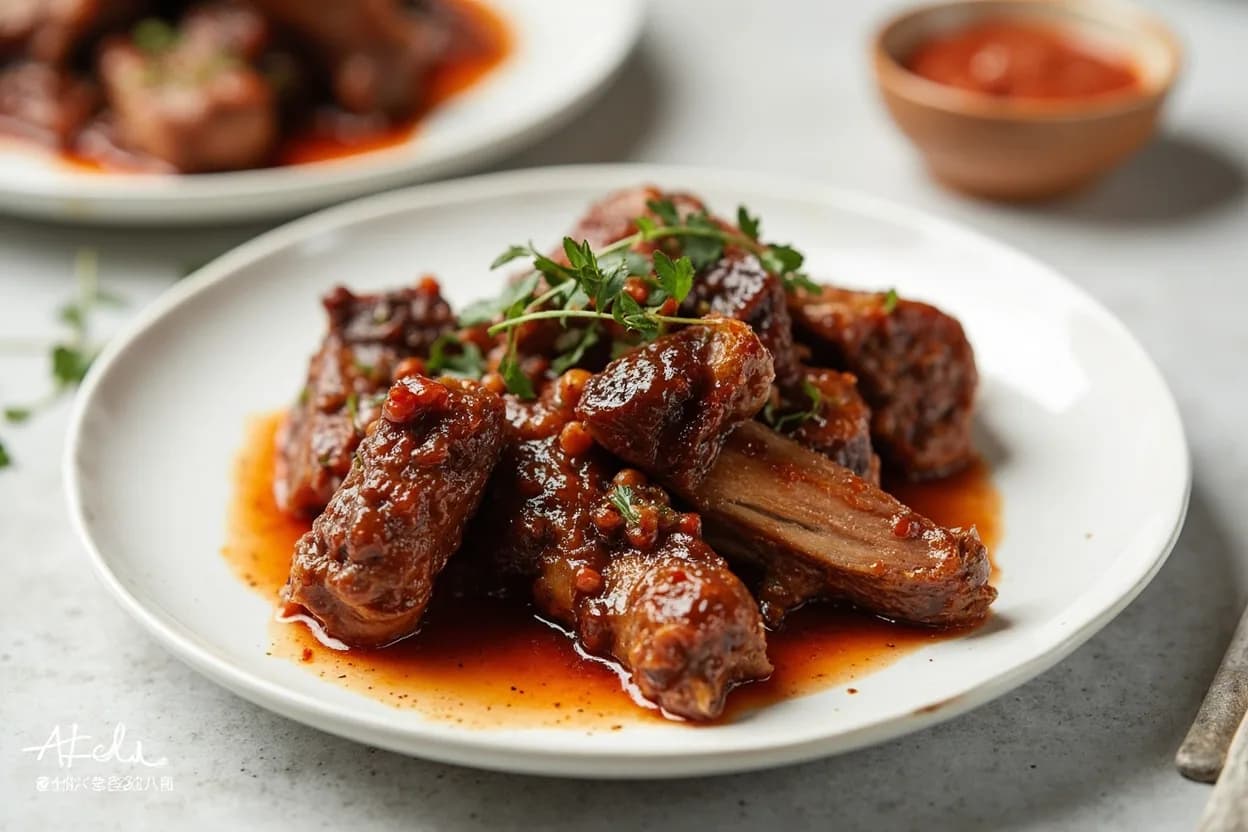
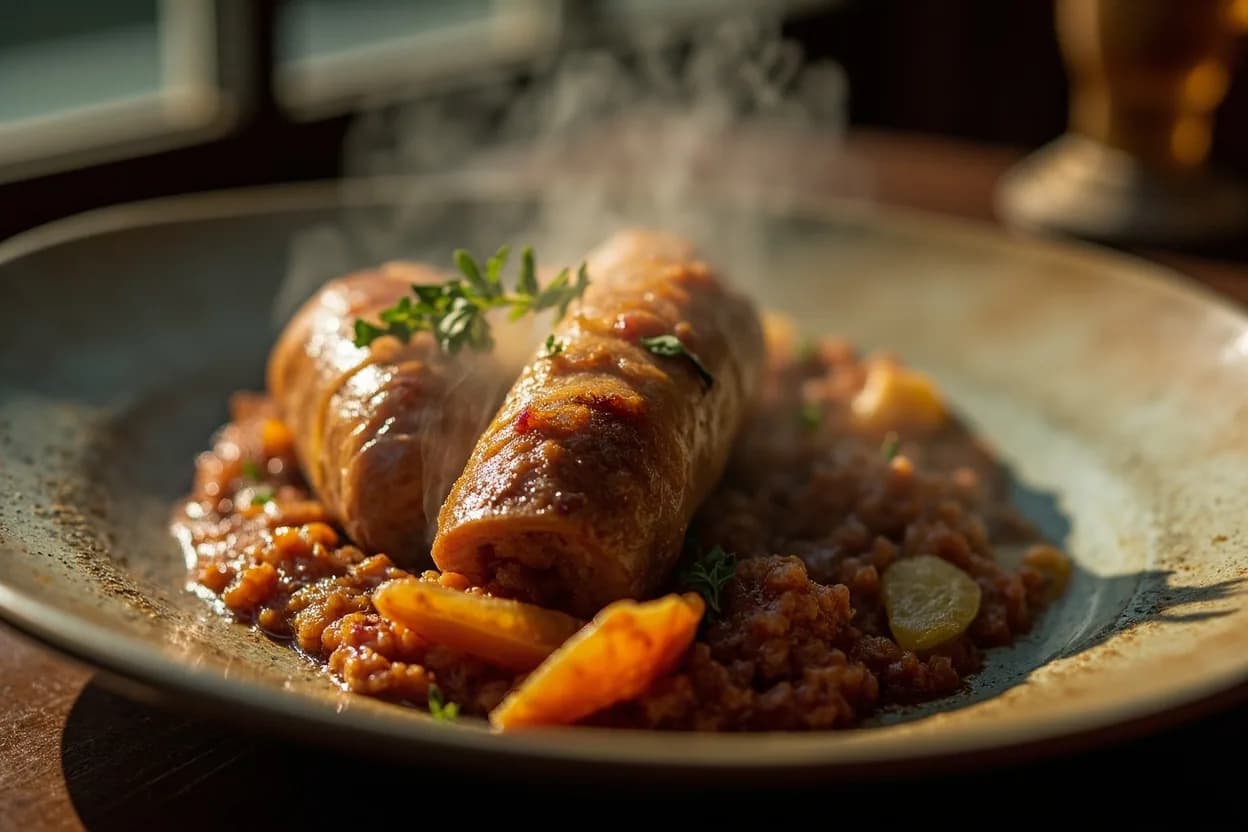
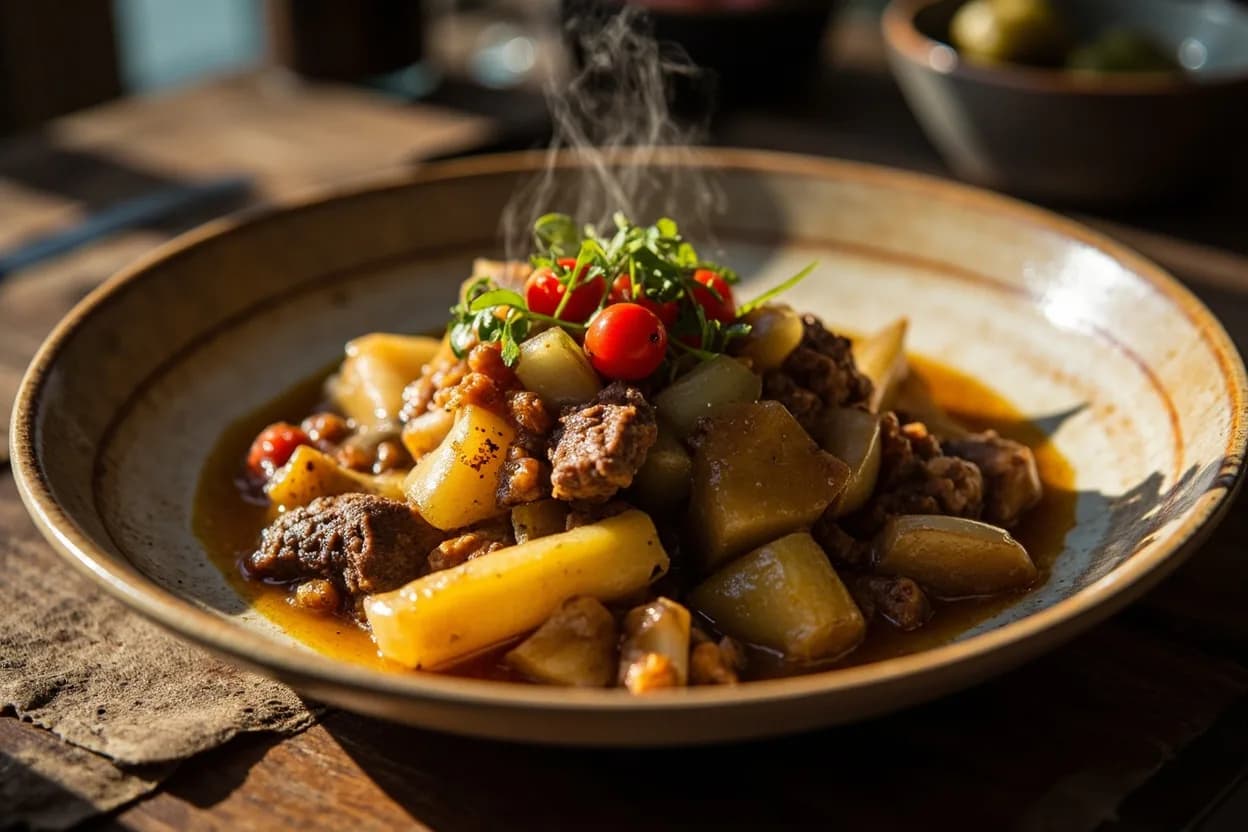
Cypriot cuisine is the table tradition of the Republic of Cyprus, the eastern Mediterranean's third-largest island. It shares significant culinary DNA with Greek cuisine but has been distinctly shaped by centuries of Lusignan (French), Venetian, Ottoman, and British colonial rule, as well as proximity to Lebanon and Syria. The defining format is the meze (plural mezedes) — an elaborate succession of 20 to 40 small dishes served communally over hours. Cypriot meze is not a series of appetizers before a main course; it IS the meal, moving from raw vegetables, olives, and dips through grilled meats, braised dishes, and cheese to fruit and sweets. The cuisine also includes unique Cypriot dishes — afelia (pork braised in red wine with coriander seed), kolokasi (taro root stew), and sheftalia (grilled offal sausages) — that have no direct Greek mainland equivalent.
The flavour base
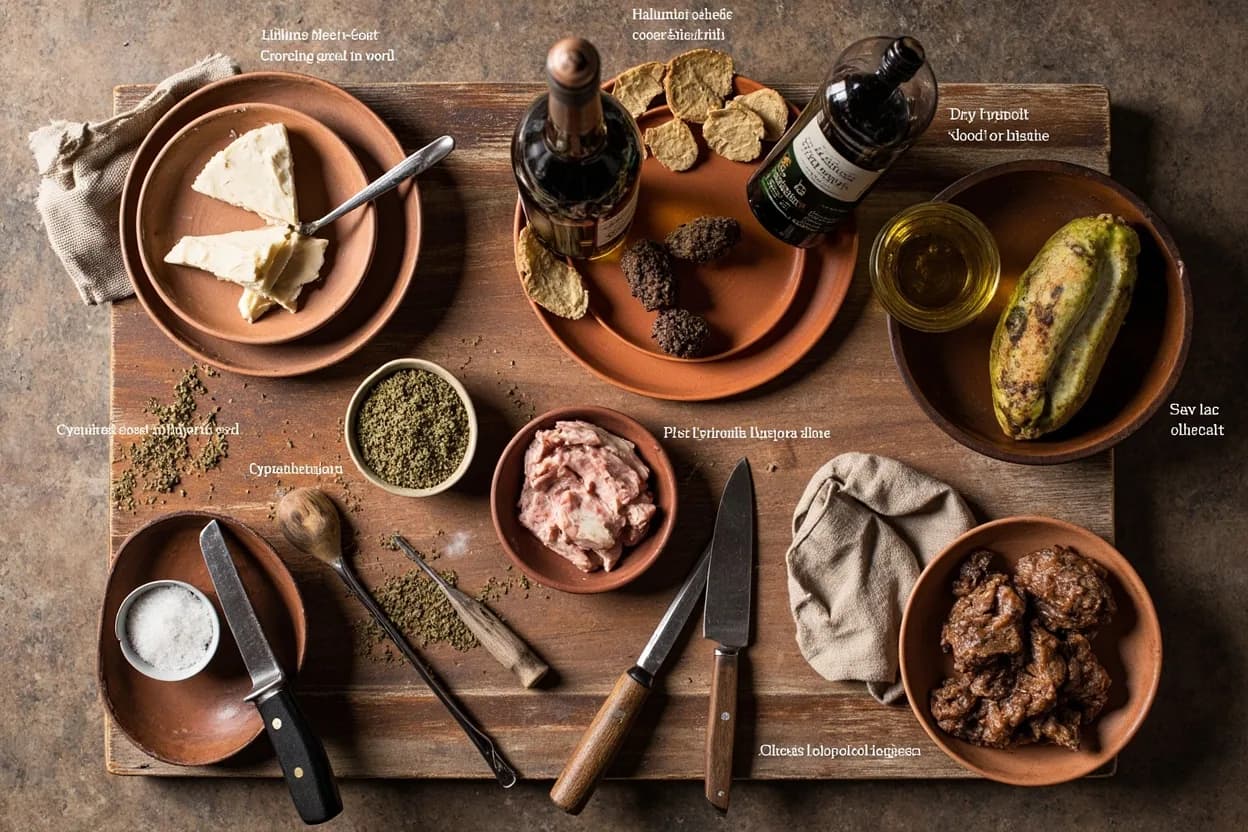
Coriander seed is Cyprus's most distinctive spice — it appears in afelia, sausages, and marinades in a way unique to the island and marking Ottoman and medieval spice trade influence. Olive oil and lemon are universal. Red wine (Commandaria and local dry reds) is a cooking medium for braised meats. Fresh and dried mint, parsley, and cumin add aromatics. Halloumi is the dairy anchor.
Pantry staples
Key ingredients
Signature techniques
Signature dishes
Cypriot Meze Tradition on the table

At the table
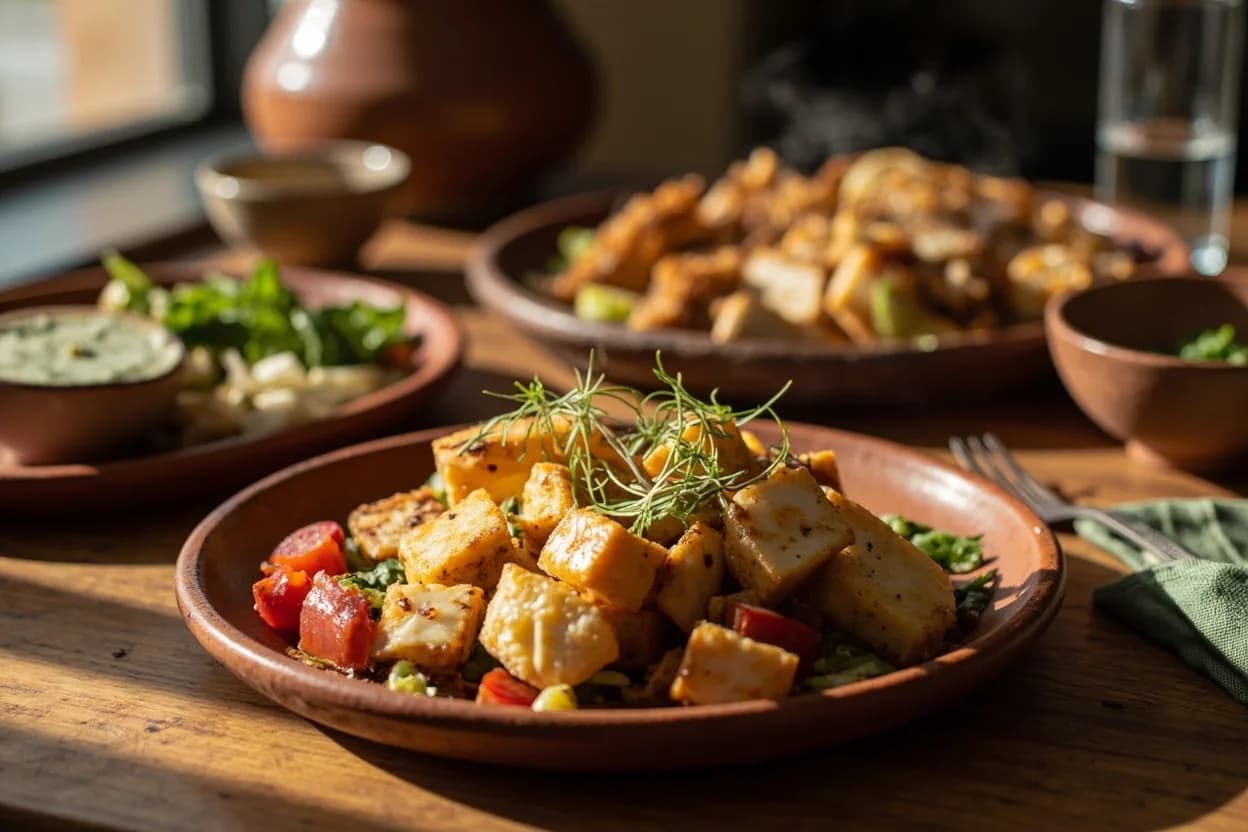
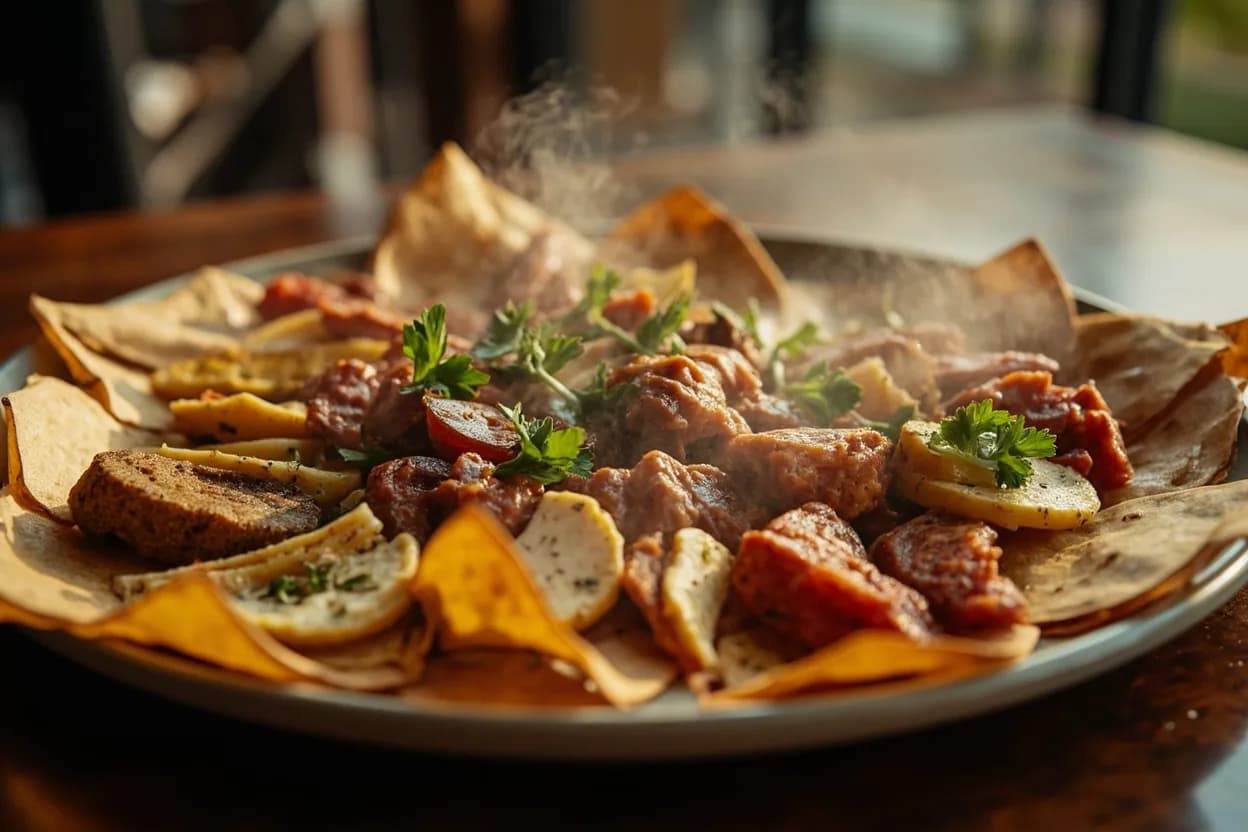
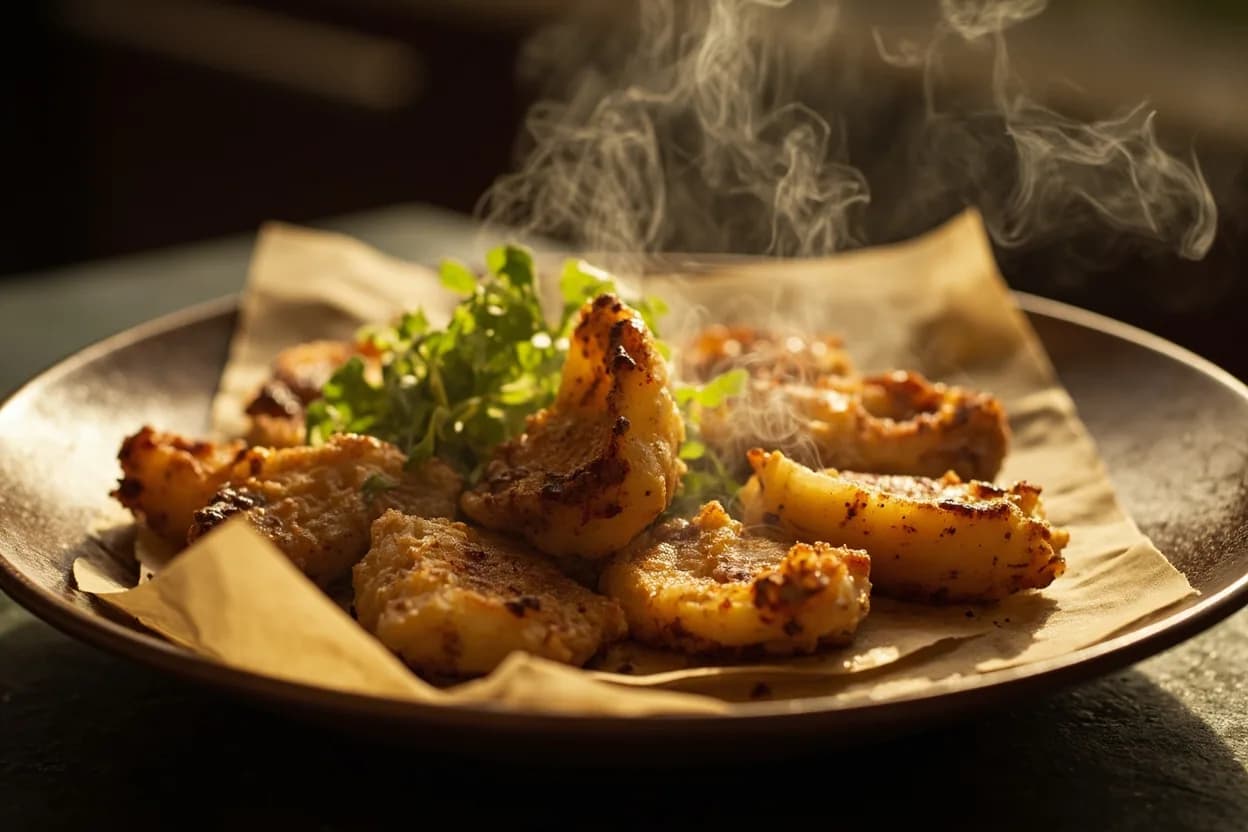
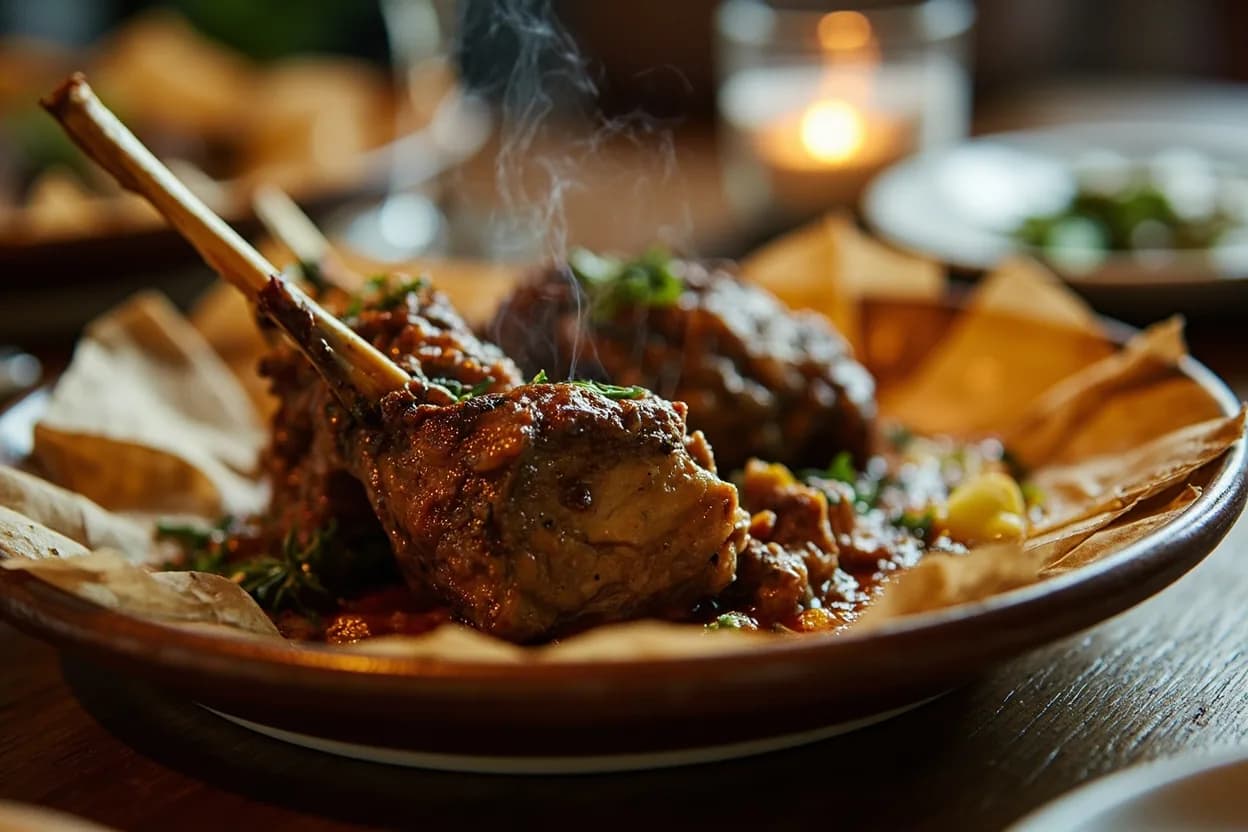
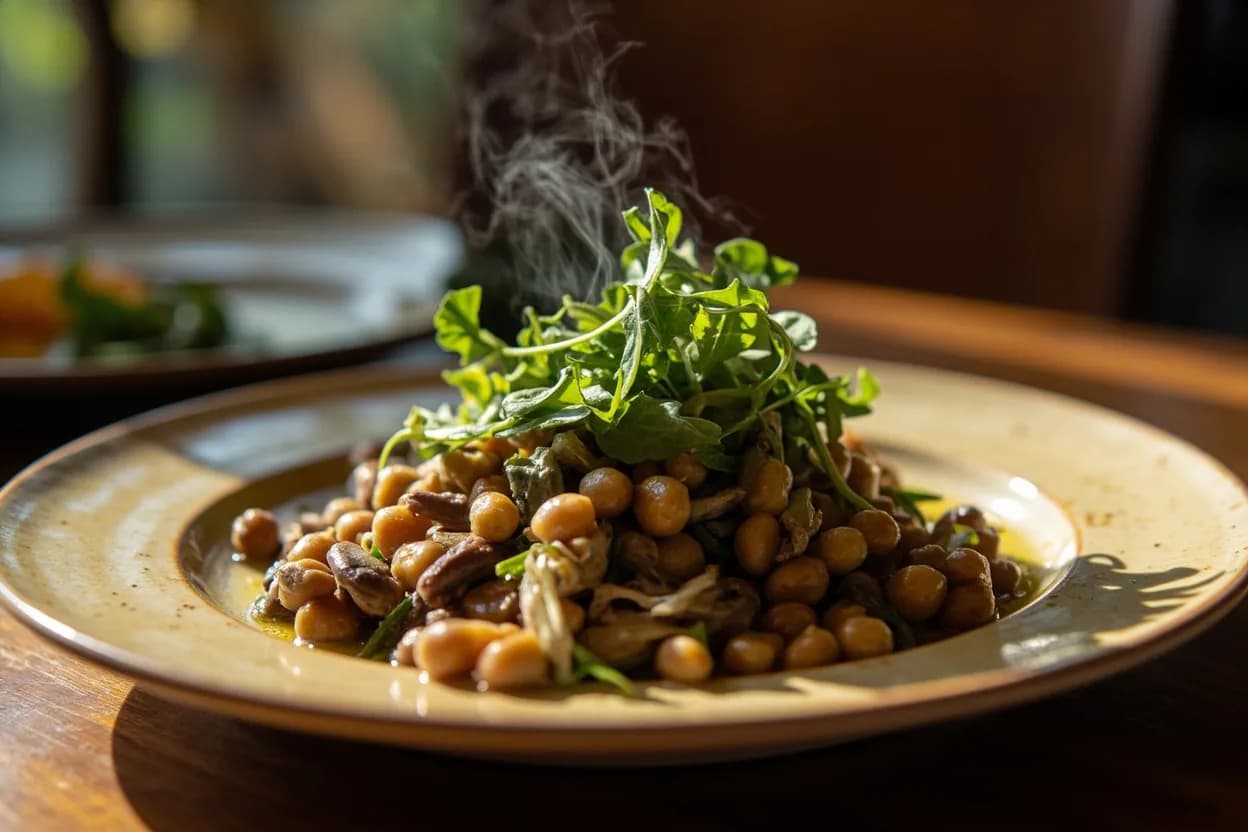
A full Cypriot meze unfolds as follows: raw vegetables and olives; cold dips (taramasalata, tzatziki, tahini, hummus); preserved fish (smoked eel, marinated octopus); hot starters (halloumi, lounza, sheftalia from the grill); legume dishes (black-eyed peas, chickpeas); main meat courses (kleftiko, afelia, souvla); and finally fresh fruit and sweets (loukoumades, mahalepi rose-water pudding). The whole sequence can take 3–4 hours. Commandaria or local wine accompanies throughout. Meze in Cyprus is always a group occasion — it exists as a communal format, not a solo meal.
History & context
Cyprus's culinary identity has been layered by successive conquests. The Lusignan Kingdom (1192–1489) introduced French medieval cooking — sugar, spices, and elaborate banquet culture, and the island became a major producer of Commandaria, one of the oldest named wines in the world (documented since 800 BC, named under the Knights Templar in 1191). Venetian rule (1489–1571) maintained the sugar and spice trade. Ottoman conquest (1571) transformed the island's cuisine, introducing coriander-spiced sausages, stuffed vegetables, rice pilafs, and coffee. British colonial rule (1878–1960) added tea culture and some Northern European baking. The 1974 partition of the island into Greek-Cypriot south and Turkish-Cypriot north created a culinary divide that persists today — Turkish-Cypriot cuisine overlaps heavily but has its own distinct preparations influenced by Turkish mainland cooking.
Regional variations
- Paphos district
Most conservative and traditional; strongest emphasis on kolokasi, rural pork preparations, and village-style sourdough bread; Commandaria wine region is adjacent (Troodos foothills).
- Limassol (Lemesos)
Urban wine-culture hub; Cypriot winery renaissance centered here; carob-molasses industry historically based in the port.
- Nicosia (Lefkosia)
Capital's meze restaurants are the benchmark; mixed influences from all parts of the island; stronger Ottoman-era vegetable and legume traditions.
- Turkish-Cypriot north
Shares kolokasi, halloumi (marketed as 'hellim'), and many Ottoman-era dishes; more use of yogurt-based sauces and rice; distinct from Greek-Cypriot south in spicing and meat preparation emphasis.
Related cuisines
The Greek-Cypriot majority shares a foundational culinary vocabulary — souvlaki, dolmades, moussaka appear on both tables — but Cypriot cooking has enough distinctive ingredients and formats to warrant separate treatment.
- Turkish
Ottoman rule left a lasting mark: sheftalia relates to köfte, afelia shares roots with coriander-spiced Ottoman pork preparations, and pilaf culture is common.
Closest neighbor across the water; shared meze format, tahini, chickpea dishes, and some produce (pomegranate molasses); proximity creates genuine culinary overlap.
Parallel island Mediterranean tradition; overlapping use of lamb, wild greens, and local dairy; Cretan and Cypriot table cultures share the communal, unhurried meal philosophy.
Canonical recipes
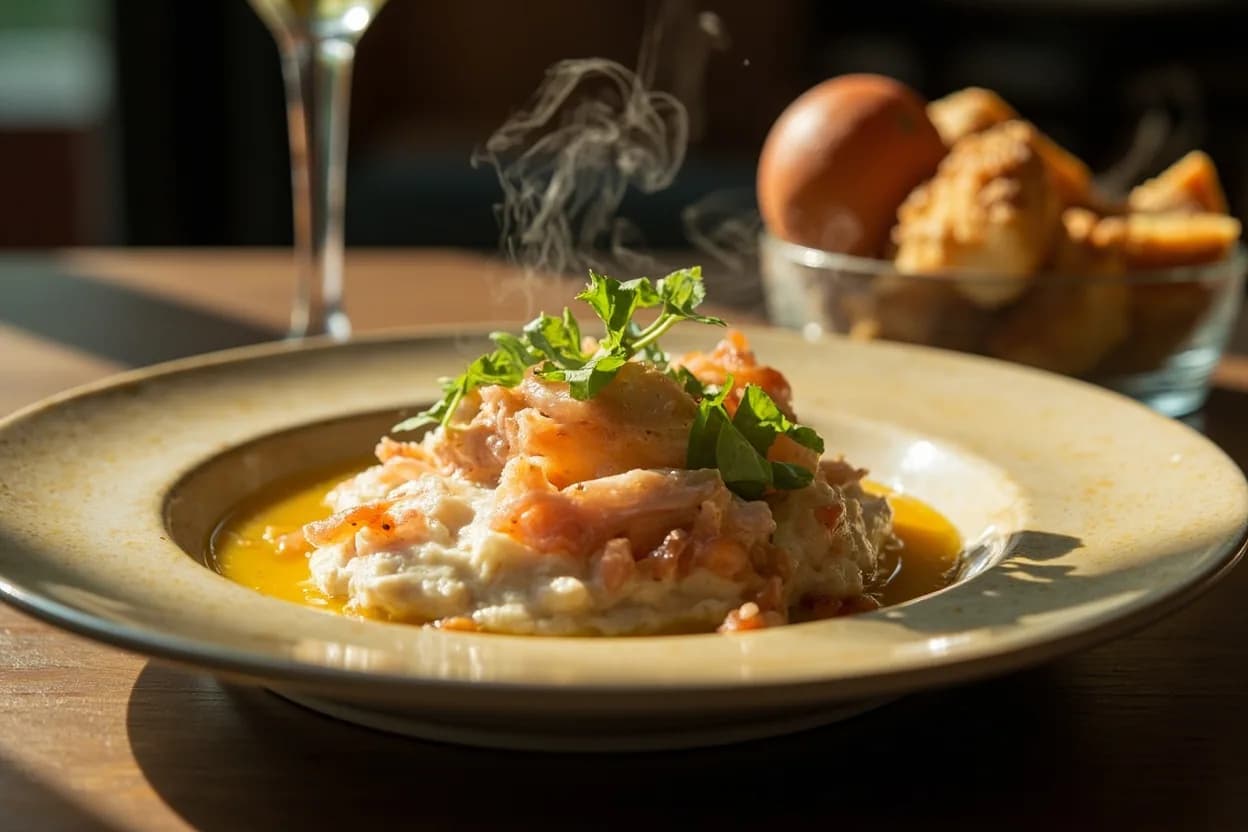
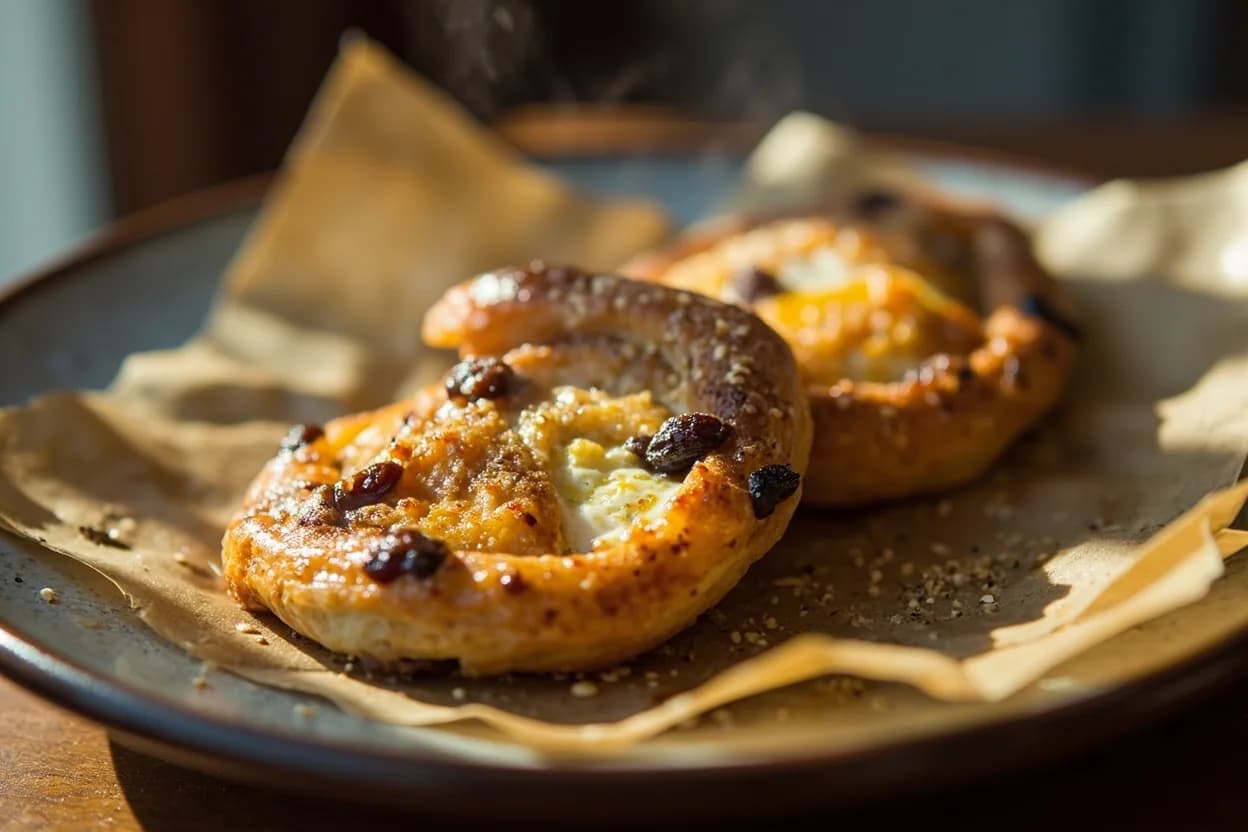
The dishes that define Cypriot Meze Tradition, documented in the Canon.
References
- 1.The Complete Cyprus Cookbook — Stass Papadopoulos (2005)
- 2.Flavours of Cyprus — Soula Andronikou (2015)
- 3.The Oxford Companion to Food — Alan Davidson (3rd ed., 2014), 'Cyprus' entry
- 4.Vefa's Kitchen — Vefa Alexiadou (2009)
- 5.Commandaria: The World's Oldest Named Wine — Cyprus Tourism Organization research notes
Confidence: high
Notes
Halloumi's contested PDO
Halloumi (or hellim in Turkish) is the defining cheese of Cyprus — a semi-hard cheese made from sheep and goat milk (and often cow's milk in commercial versions), folded with dried mint and grilled or fried to a golden, squeaky result. Cyprus received EU PDO protection for halloumi in 2021 after a 30-year application process bitterly contested by UK dairy producers. The PDO requires that halloumi contain at least 51% sheep and/or goat milk, which most commercial exports had not met.
Coriander as the island's signature spice
While coriander seed is widely used across the Mediterranean, its role in Cyprus is uniquely central — it is the defining spice of afelia, loukanika sausage, and various marinades in a way that has no parallel in mainland Greek cuisine. The abundance of coriander seed in Cypriot cooking is attributed to the medieval spice trade routes through the island and to Ottoman influence, making it one of the clearest culinary markers of Cypriot identity.