Eastern Mediterranean
Cypriot
Also: Kypriaki, Cyprus cuisine, Kibris mutfağı
A compact island cuisine where Greek and Turkish culinary traditions fuse around halloumi, slow-roasted meats, and elaborate meze spreads that bear the imprint of every power that has held the crossroads of the eastern Mediterranean.
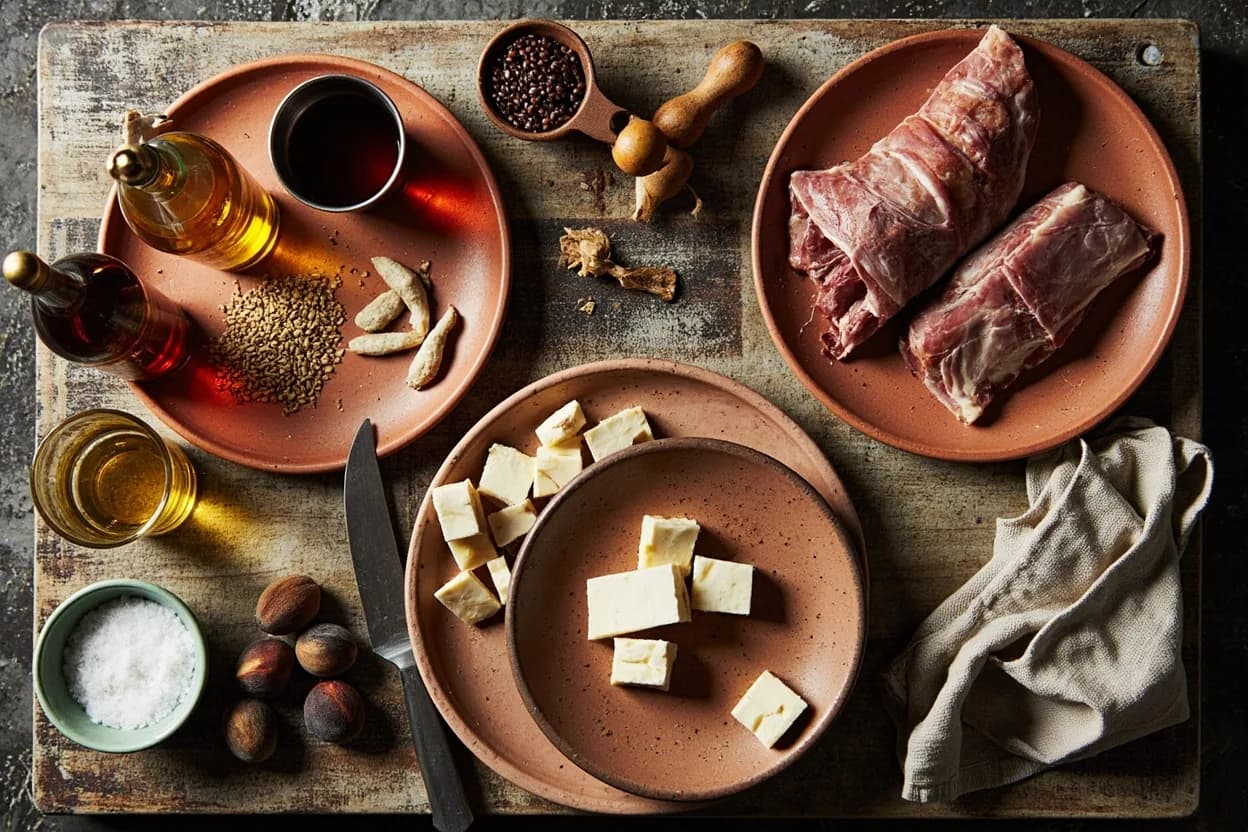
Cypriot cuisine is the product of an island at the intersection of Greek, Ottoman, Levantine, and British colonial influences. It shares foundational ingredients and techniques with both Greek and Turkish cooking — olive oil, lamb, yogurt, phyllo, mezedes — but possesses distinct preparations that belong to neither mainland tradition. The most internationally recognized product, halloumi, epitomizes Cypriot identity: a brined, semi-hard cheese made from sheep and goat milk whose high melting point makes it unique in European cheesemaking. Cypriot food is defined by slow cooking over charcoal or in communal ovens, generous use of coriander seed (unusual in the region), and a meze culture that can span 30 or more small dishes.
The flavour base
Olive oil, lemon, garlic, and fresh or dried coriander seed; wine- and vinegar-braised meats form the savory core
Pantry staples
Key ingredients
Signature techniques
Signature dishes
Cypriot on the table
At the table
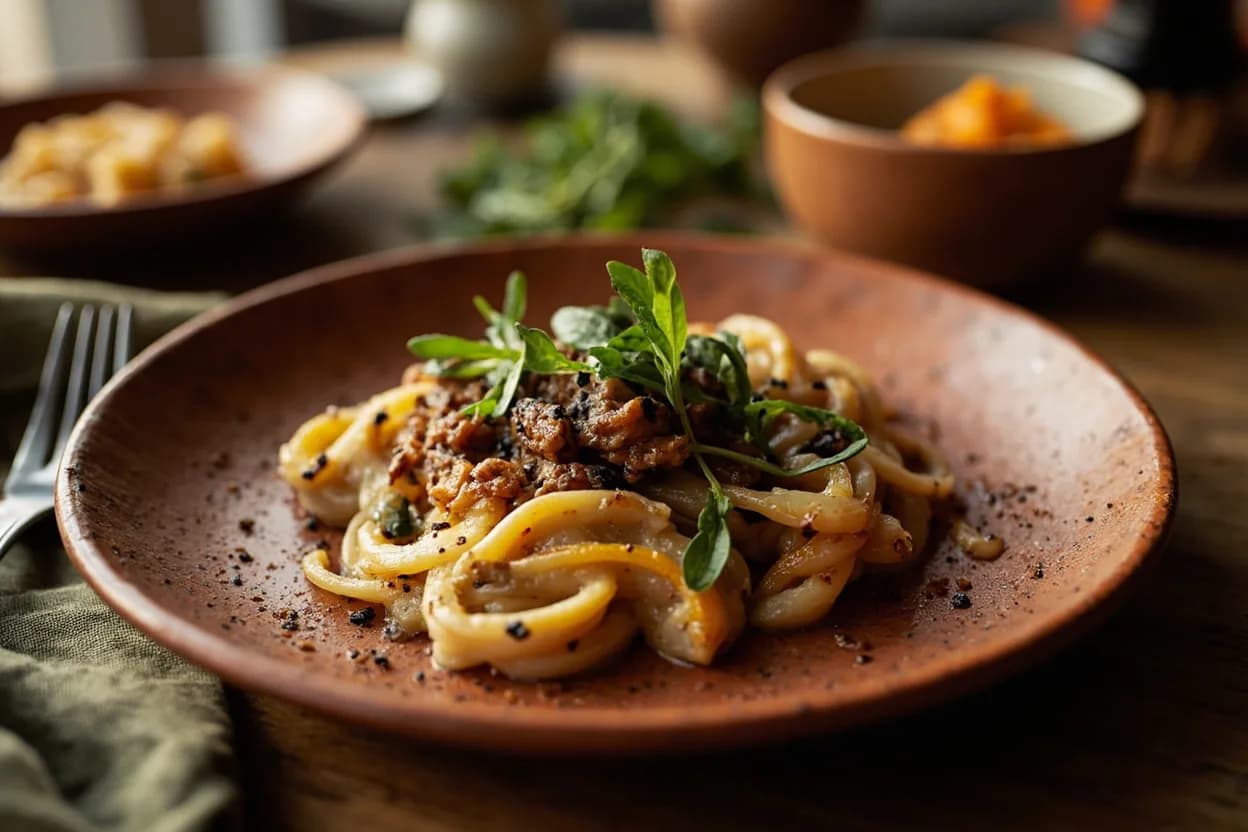
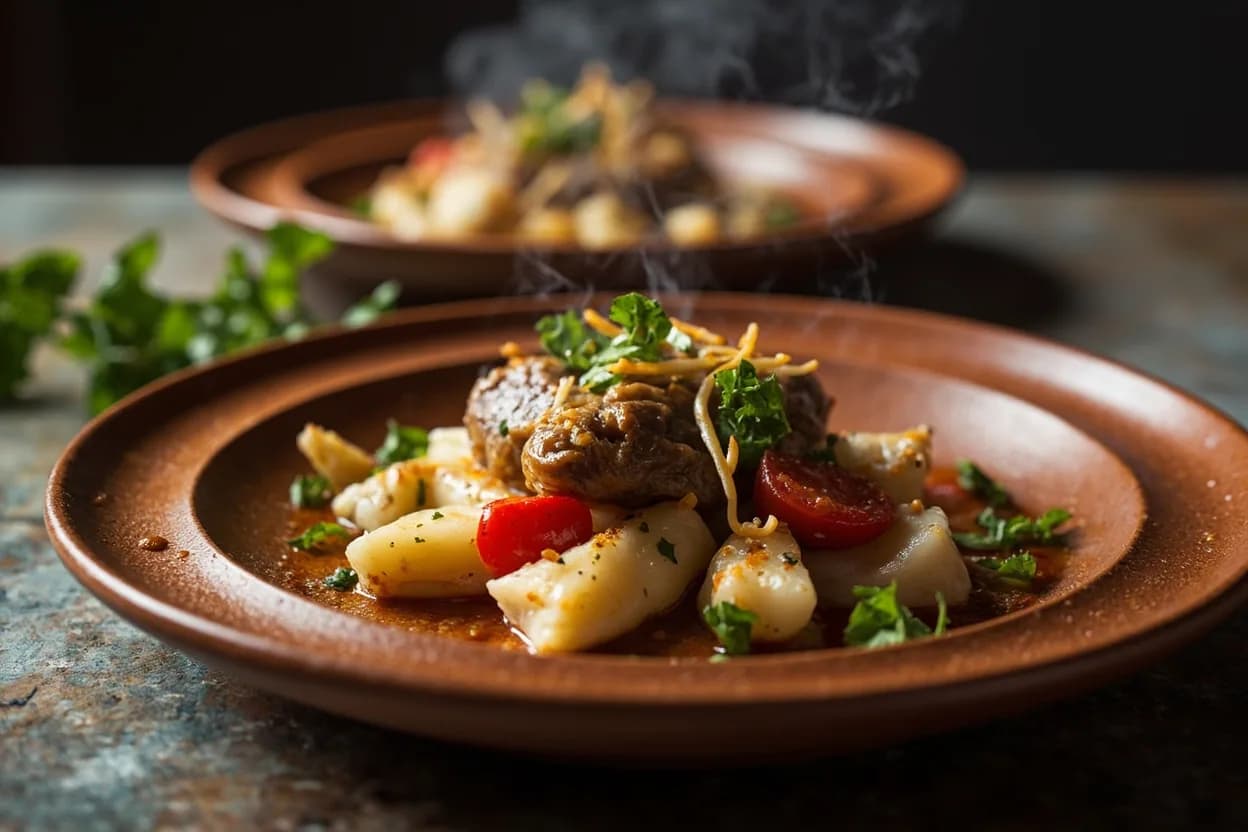
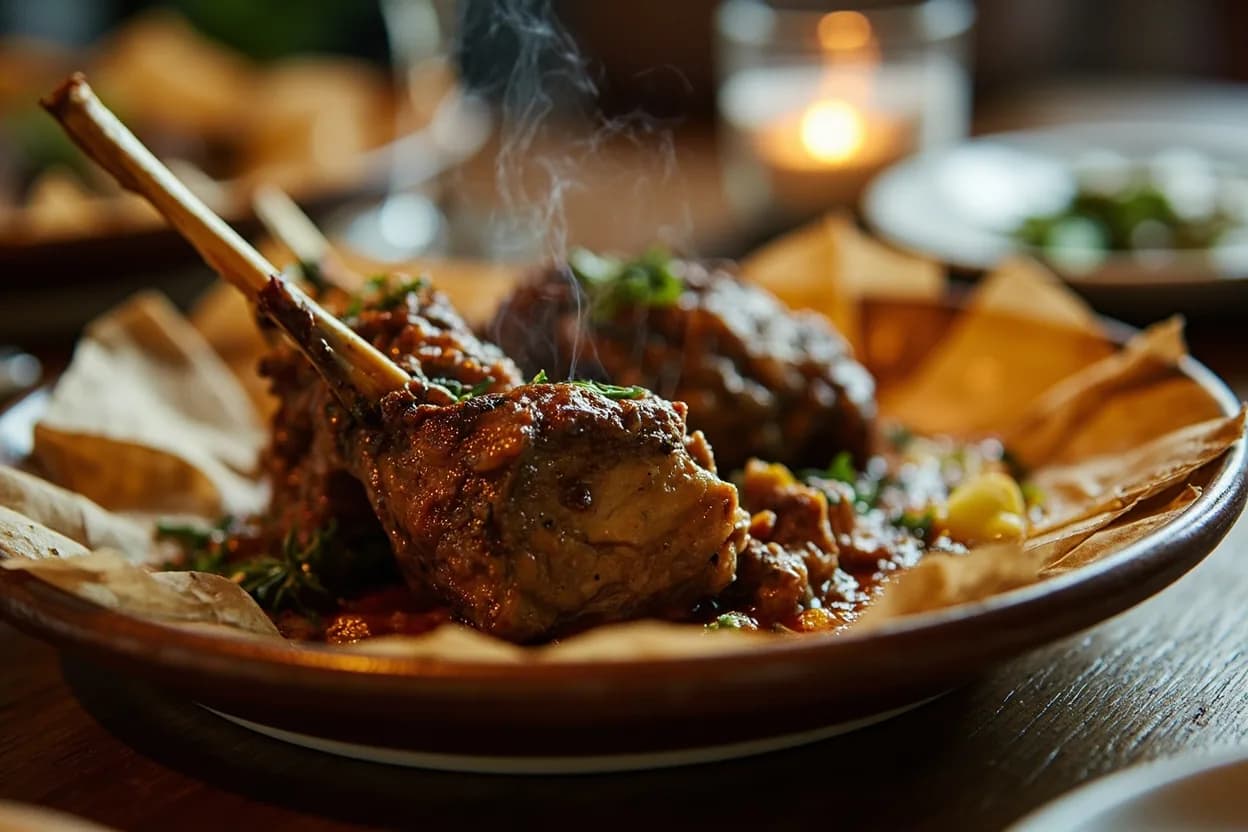
Meze is the primary social eating format — sequences of small cold and hot dishes served with bread and local wine or zivania spirit, designed to be shared over several hours. Family meals are simpler: a main dish of meat or legumes, salad, bread, and cheese. Kleftiko and souvla are celebratory weekend dishes, usually cooked outdoors.
History & context
Cyprus's position in the eastern Mediterranean made it a strategic prize for successive empires: Phoenician, Assyrian, Persian, Ptolemaic Egyptian, Roman, Byzantine, Crusader Frankish, Venetian, Ottoman, and finally British (1878–1960). Each layer left culinary traces. The Ottoman period (1571–1878) grafted Turkish techniques — kebab, börek, muhallebi-style puddings, coffee culture — onto an existing Byzantine-Greek base. British colonial rule introduced tea culture and certain English baking conventions. The 1974 division of the island along ethnic lines created two distinct contemporary Cypriot food cultures that nonetheless share almost identical culinary heritage. Carob (historically called 'St John's bread') was Cyprus's most important export crop for centuries and remains central to the island's confectionery.
Regional variations
- Paphos / Western Cyprus
Strongest wine tradition; Commandaria dessert wine originates nearby; more elaborate kleftiko preparations
- Limassol coast
Heavier seafood influence; grilled octopus, sea urchin, and fresh fish alongside meat-focused meze
- Northern Cyprus (Turkish Cypriot)
Ottoman-inflected preparations more prominent; hellim (halloumi) eaten at every meal; more use of bulgur, yogurt soups, and köfte
Related cuisines
- Greek
Shared foundational ingredients, meze culture, and lamb-and-olive-oil orientation; Cyprus was part of the Byzantine Greek world for centuries
- Turkish
Ottoman-period overlay of kebab, börek, coffee, and yogurt preparations; Turkish Cypriot tradition runs parallel to Greek Cypriot
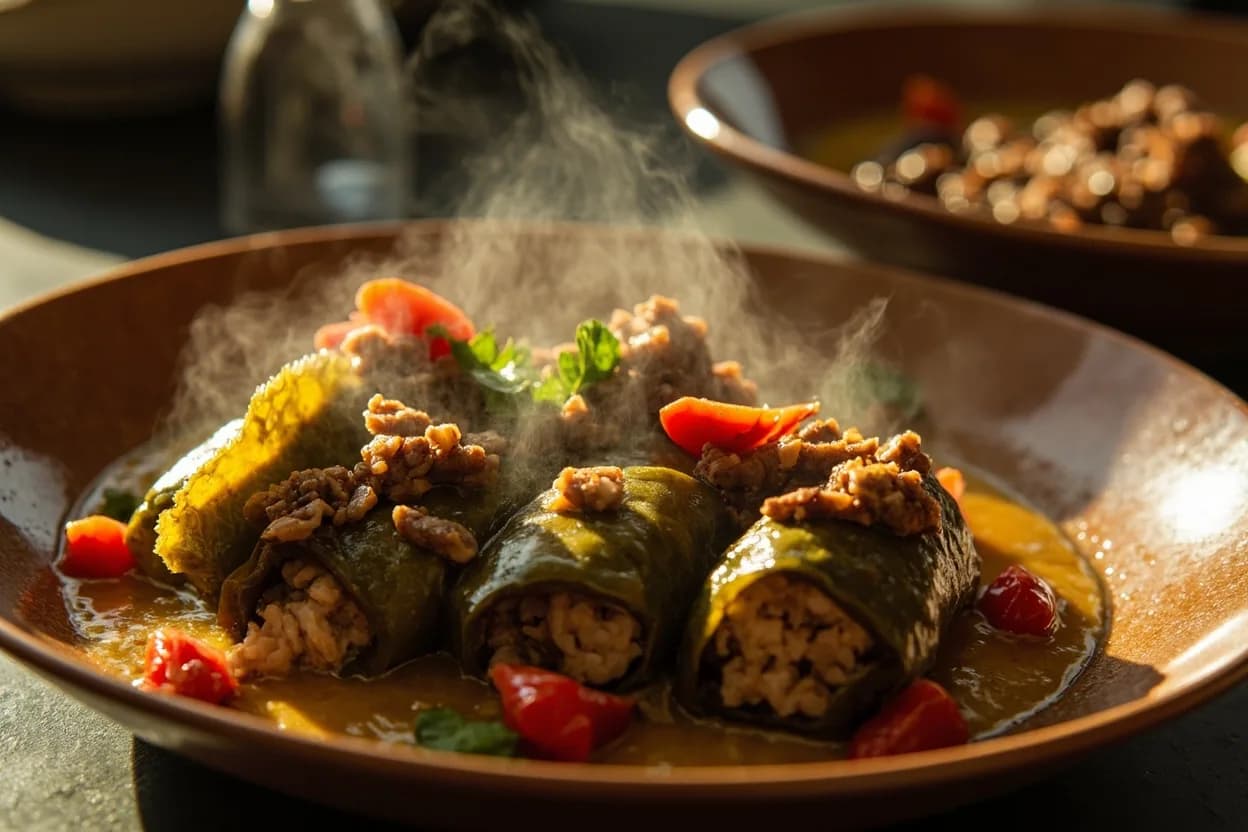
Shared eastern Mediterranean meze format, grape leaf preparations, and spice vocabulary across the Levantine sphere
Canonical recipes
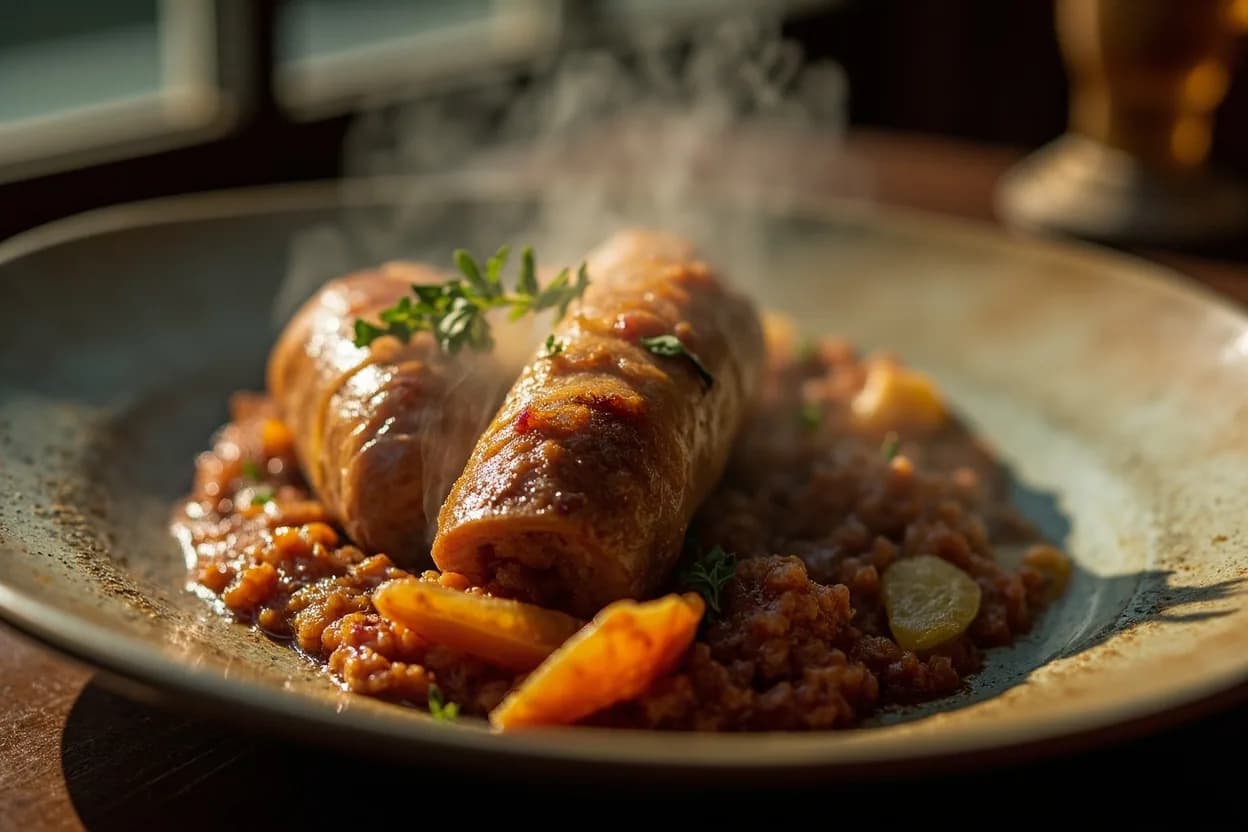
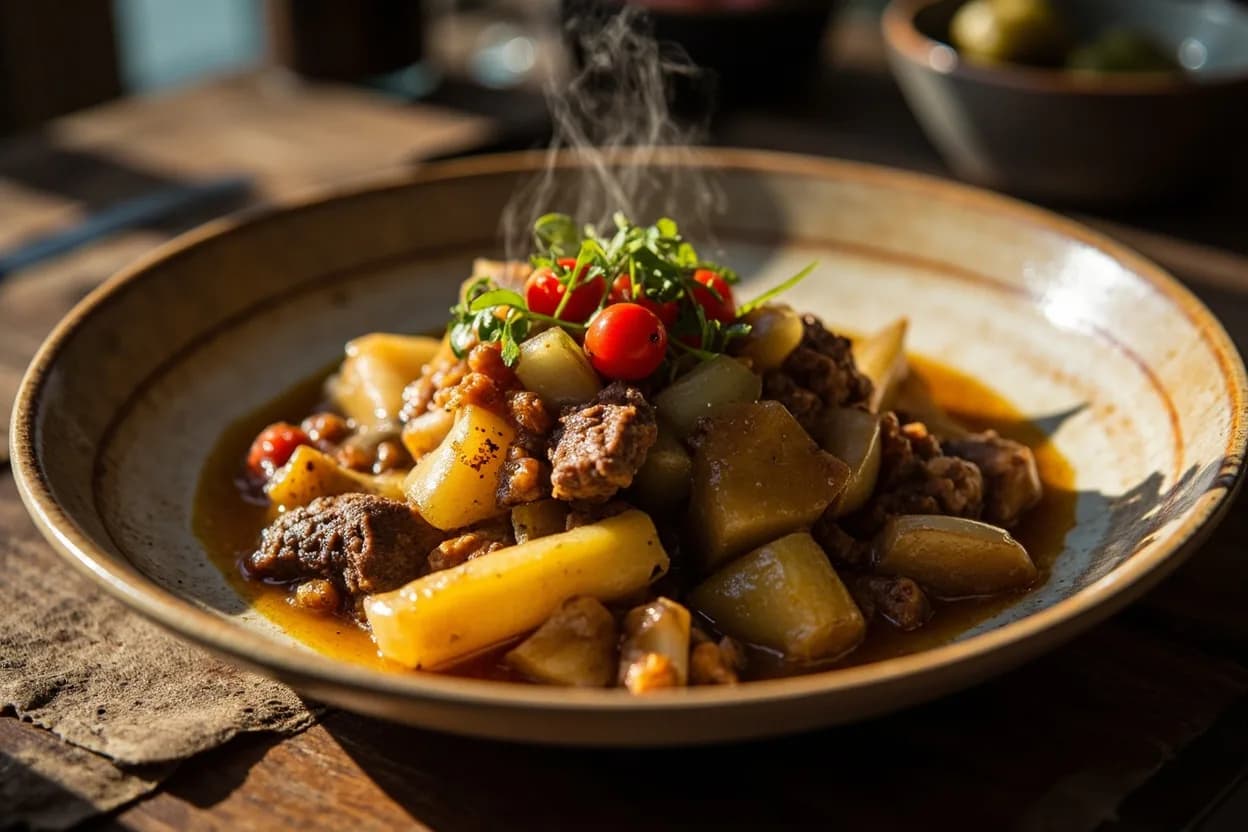
The dishes that define Cypriot, documented in the Canon.

References
- 1.Andy Harris, 'A Little Taste of Cyprus' (2006)
- 2.Tess Mallos, 'The Complete Middle East Cookbook' (1979)
- 3.Ghillie Basan, 'The Complete Book of Turkish Cooking' (2011)
Confidence: high
Notes
Halloumi
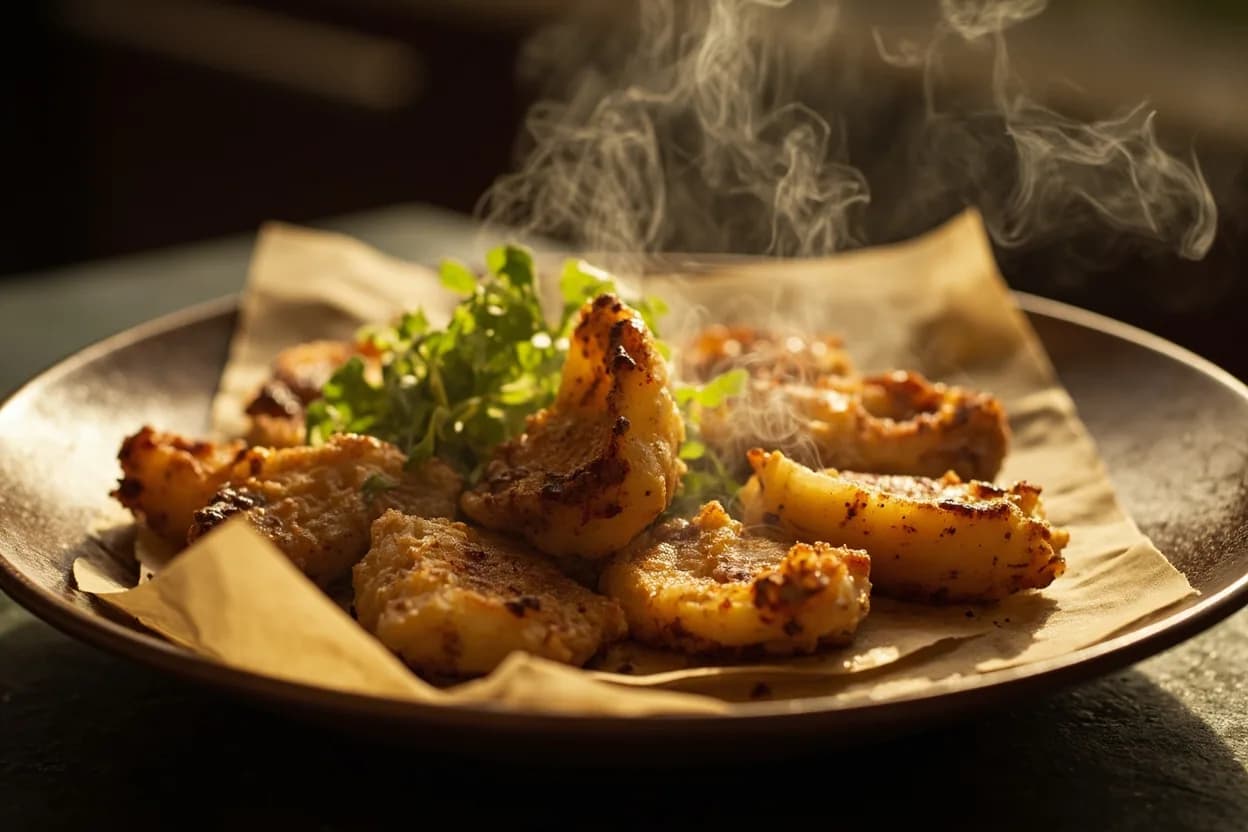
Halloumi (hellim in Turkish) is a protected designation of origin cheese, legally required to be made in Cyprus from a blend of sheep and goat milk (with cow milk permitted up to 50% under EU compromise). Its high protein and calcium structure allows it to be grilled, pan-fried, or griddled without melting, making it one of the few cheeses that can be treated like meat. Authentic Cypriot halloumi is folded with dried mint and has a longer shelf life than many fresh cheeses due to its brine treatment.
Afelia
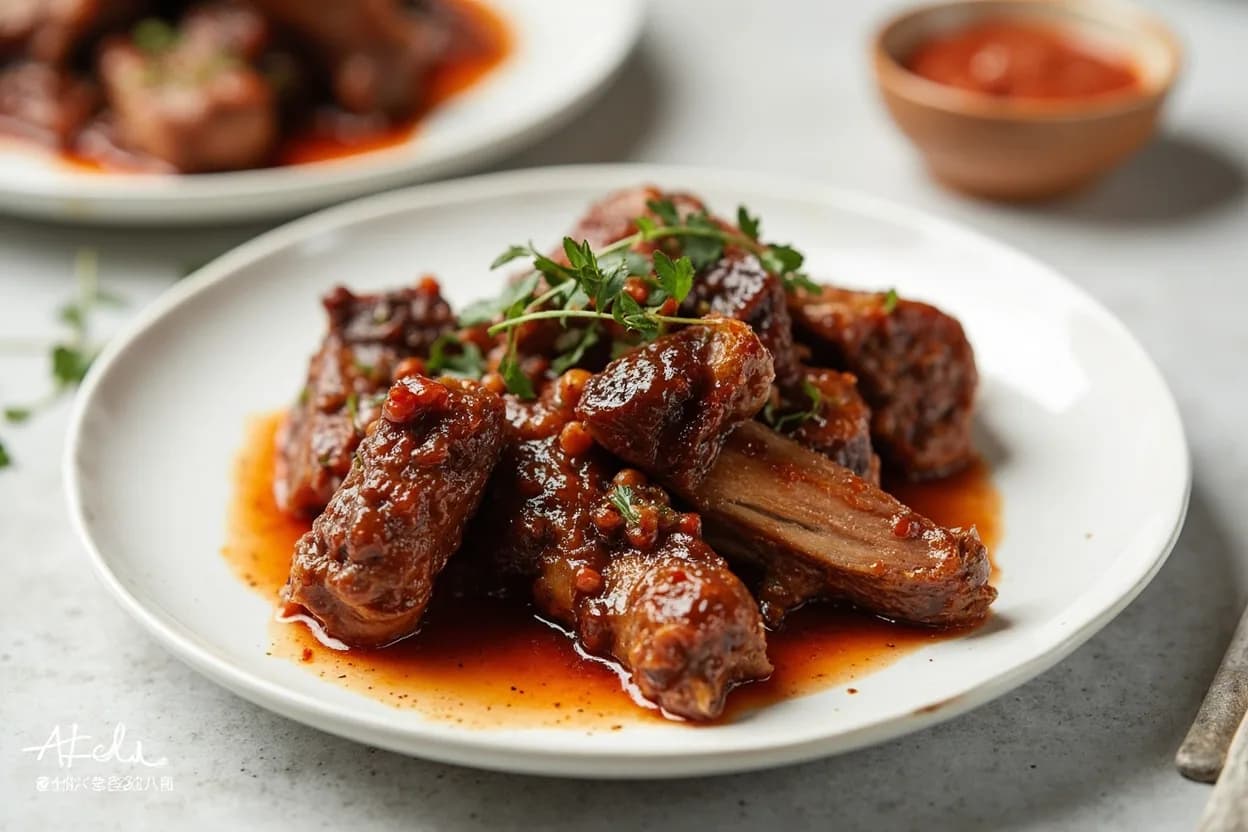
Afelia — pork braised slowly in red wine with cracked coriander seeds until the liquid reduces to a sticky, fragrant glaze — is the clearest expression of Cyprus's distinctive coriander seed obsession, a usage more Middle Eastern than Greek in character. It is typically served with bulgur pilaf.