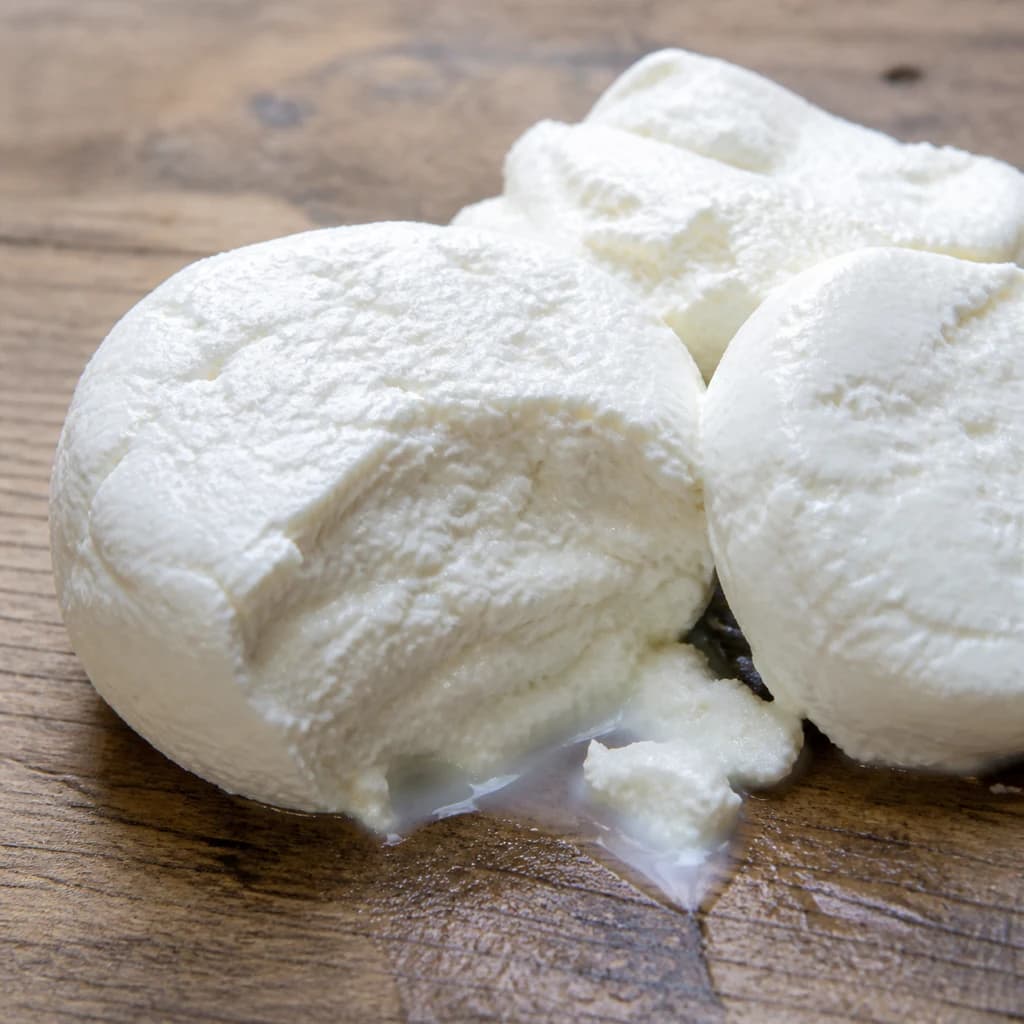
Natural form
Fresh anari cheese: soft, white, and moist, straight from the dairy.
Shows the primary fresh form readers will encounter — its texture, color, and moist softness distinguishing it from harder cheeses.
Dairy & Eggs
Anari Cheese
Cypriot fresh whey cheese, mild and ricotta-like; eaten fresh or dried and grated.
Anari is a Cypriot fresh whey cheese, a byproduct of making halloumi, similar to Italian ricotta. Fresh, it is soft, moist, and mild, eaten with honey or in pastries. Dried and salted, it becomes hard and is grated over pasta and savory dishes.
Anari is a traditional Cypriot whey cheese, produced from the liquid left behind after halloumi or other stretched-curd cheeses are made. During halloumi production, the whey is gently heated, and the remaining proteins coagulate into soft, snow-white curds—this is fresh anari. It is drained but never pressed, which preserves its loose, moist, slightly grainy texture. The fresh variety, known as nero anari, behaves much like ricotta: it is mild, faintly sweet, and milky, with a delicate freshness that does not survive high heat. Dried anari, called xero anari, takes a different path: the fresh cheese is pressed, salted, and left to age until it becomes firm, dry, and crumbly—better suited for grating than for spreading. What makes anari distinctive is its dual identity: the same ingredient, processed differently, occupies two entirely separate culinary roles. In Cyprus, it is inseparable from the rhythm of cheesemaking itself, traditionally consumed within days of production when the milk is at its freshest, and it remains a staple of Cypriot home cooking and mezze culture.
- Measured in
- g
- Storage
- Fridge
Allergens
Types & varieties
Soft, perishable, eaten within days of purchase. Used as a spread, filling, or simple dessert with honey and nuts. Must be refrigerated and handled with care.
Fresh anari pressed, salted, and aged until firm and dry. Grated or crumbled as a finishing cheese over pasta, pizza, and salads. Keeps far longer than the fresh variety.
Anari and the Halloumi Connection
Anari cannot be understood apart from halloumi production. When a Cypriot cheesemaker heats whey to make halloumi, the proteins that remain in the liquid after the main curd has been stretched and removed rise to the surface in soft, fluffy curds. These are collected and drained—that is anari. This means two things in practice: first, anari is a byproduct, which explains its lower fat content and its protein density. Second, the quality of the anari is directly tied to the quality of the halloumi being made. Cheesemakers who produce high-quality halloumi from good milk produce the best anari. If you have access to a Cypriot deli or specialty producer, ask about the source milk and the freshness of the batch—the flavor difference between a fresh, same-day anari and one that has sat for four days is considerable.
- Anari is made from the same whey as halloumi, so quality is tied to halloumi quality.
- Sheep-milk versions offer the deepest, most complex flavor.
- Fresh anari should smell clean and milky, not sour.
Fresh vs. Dried: Two Cheeses in One
The single most important thing to understand about anari is that fresh and dried versions are essentially different ingredients. Fresh anari is a spread, a filling, a dessert component—it is delicate, perishable, and heat-sensitive. Dried anari is a grating cheese, a finishing agent, a textural element. Treating them interchangeably will produce poor results. If a recipe calls for dried anari and you use fresh, the dish will be wet and bland. If a recipe calls for fresh anari and you use dried, the result will be gritty and overpoweringly salty. When purchasing, verify which type you have: fresh anari will be sold in loose rounds or containers of soft curds, while dried anari will feel firm, weigh less per volume, and often be wrapped in paper.
- Fresh anari: spread, filling, raw applications only.
- Dried anari: grated or crumbled, used as a finishing cheese.
- Do not substitute one for the other in either direction.
Common uses
Tips & pitfalls
- Fresh anari spoils quickly—always smell it before using. A clean, milky scent is correct; any sharp sourness beyond a mild tang indicates it is past its best.
- If fresh anari is too wet for a phyllo filling, line a bowl with cheesecloth, add the anari, and press gently for 20–30 minutes in the refrigerator. Do not over-press or it becomes dense and loses its character.
- Dried anari is not a direct substitute for kefalotyri or Parmesan—it has less sharp, savory bite and retains a faint sweetness even when well-aged.
- When buying from a Cypriot deli, ask whether the anari is made from sheep, goat, or mixed milk. Sheep-milk versions are richer and more complex; cow-milk versions are milder and more neutral.
- If you are making fresh anari at home from whey, use it the same day for the best texture and flavor; the delicate character fades within 24 hours.
- Dried anari can be grated on a box grater or pulsed briefly in a food processor. Store grated dried anari in an airtight container in the refrigerator for up to a month, or freeze for longer storage.
Nutrition
Energy
1628 kJ · per 100 g
Where the calories come from
Protein
25.6g
51% DV
Carbs
1.6g
1% DV
Fat
31.1g
40% DV
Fiber
0g
0% DV
Sugars
1.6g
of which
Sodium
800mg
35% DV
Source · USDA FoodData Central · approx. Cheese, fontina
View on FDC →In the shops
Matched grocery products
No matched grocery products for Anari Cheese yet.
Good to know
- Origin
- Cyprus
- Milk Source
- Sheep, goat, or cow whey, or a blend; sheep-milk versions have the richest, most complex flavor
- Texture (Fresh)
- Soft, moist, slightly grainy; similar to well-drained ricotta
- Texture (Dried)
- Firm, dry, crumbly; grates cleanly; crumbles in the mouth
- Flavor (Fresh)
- Mild, slightly sweet, milky, fresh; very gentle acidity
- Flavor (Dried)
- Salty, tangy, concentrated; a fraction of the sweetness remains beneath the salt
- Color
- White to ivory
- Fat Content
- Lower than most cheeses; relatively high in protein due to its whey base
- Perishability
- Fresh: 3–5 days refrigerated; Dried: several weeks to months stored in a cool, dry place
- Production Method
- Made from whey leftover after halloumi or other stretched-curd cheese production; fresh anari is drained but not pressed
- Traditional Season
- Year-round in commercial production; peak quality in spring and summer when milk is most abundant and flavorful
Substitutes
- Ricotta (whole-milk) — The closest substitute in both texture and mildness; ideal for fresh applications such as spreads, fillings, and desserts. Note that ricotta is made from whole-milk whey and will be richer than sheep-milk anari.
- Cottage Cheese (well-drained) — Acceptable in a pinch; slightly tangier and more textured. Press through a fine sieve to approximate the smoothness of fresh anari.
- Mascarpone — Better suited for spread or dessert uses than for cooking. Richer and less acidic than fresh anari, so it will alter the flavor profile of savory dishes.
- Cream Cheese (Philadelphia-style) — Too dense and too tangy for most uses; acceptable only as a last-resort spread alternative.
- Queso Fresco — Reasonable substitute for dried anari in grated or crumbled applications; mild and crumbly, though it lacks the slight tang of aged anari.
Pairs with
Related

Whole Milk
Rich, full-fat milk for drinking, coffee, sauces, and baking
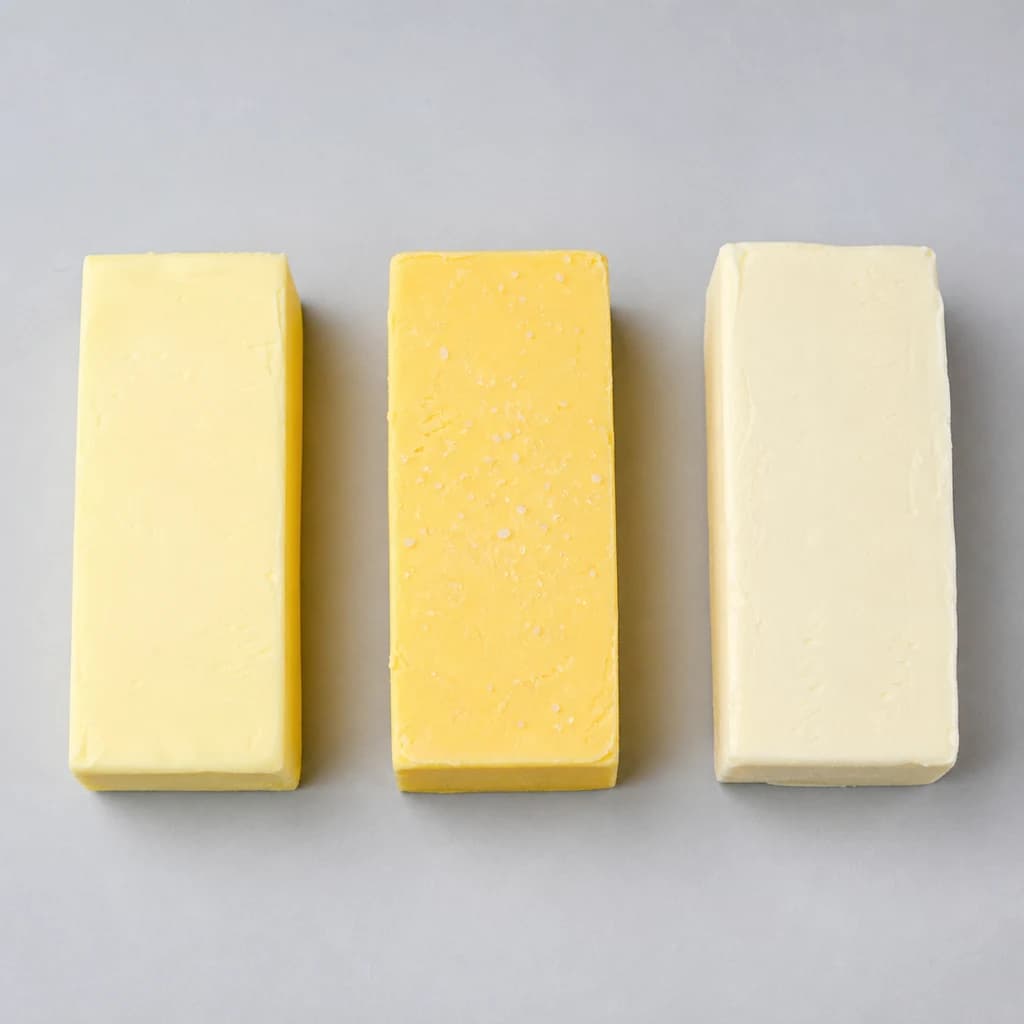
Butter
Golden fat for searing, baking, and finishing a sauce
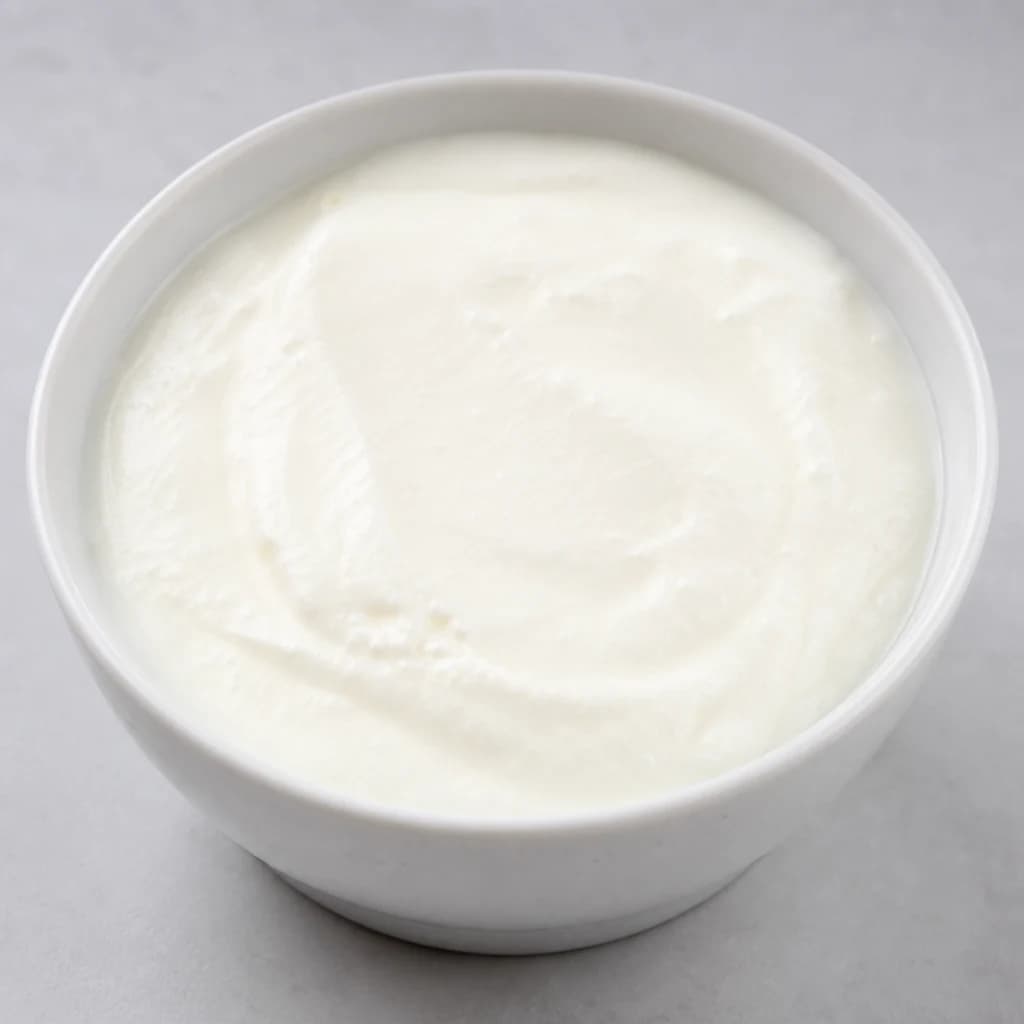
Yogurt
Tangy, creamy culture for breakfast, sauces, and marinades
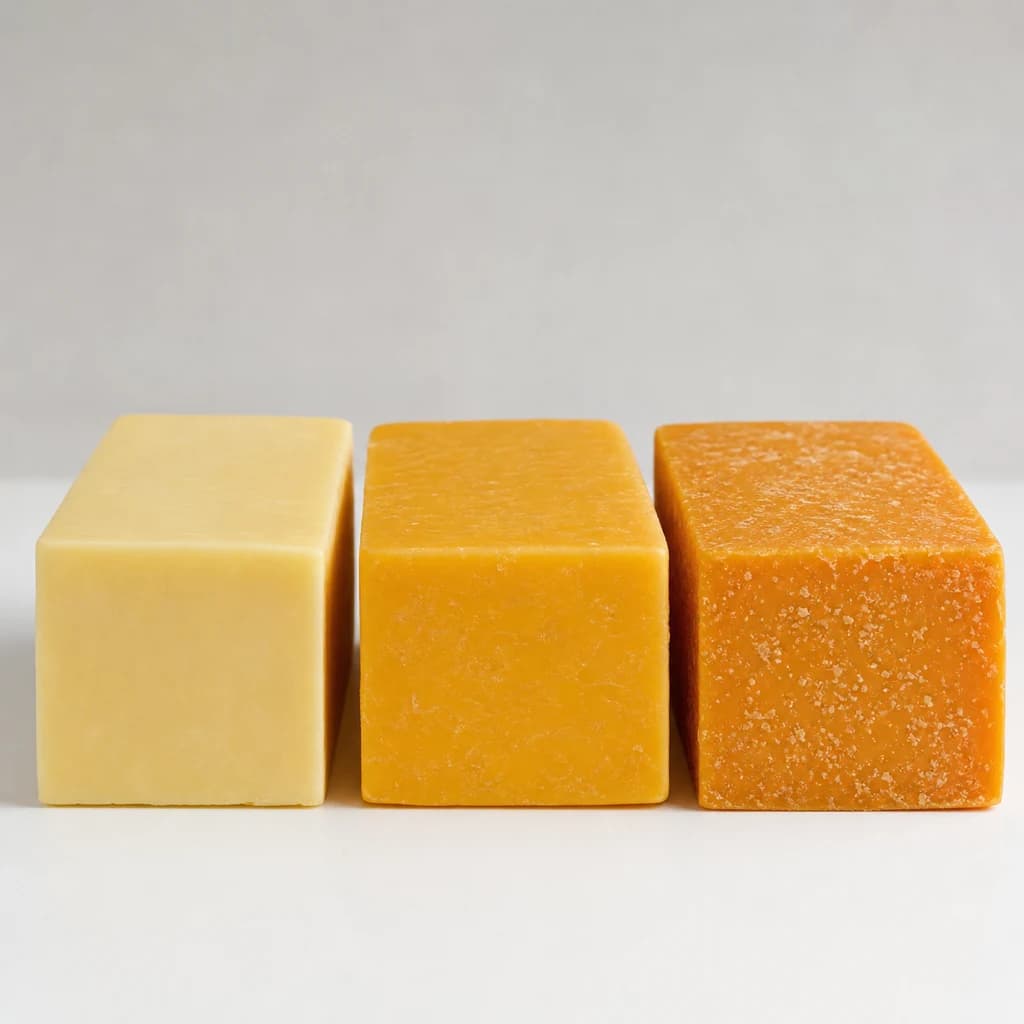
Cheddar Cheese
Sharp, melty cheese for sandwiches, gratins, and grating
Skim Milk
Fat-free milk for lighter drinking, coffee, and cooking
Heavy Cream
Rich cream that whips, enriches sauces, and sets ganache

Sour Cream
Tangy, thick cream for dolloping, baking, and dips
Mozzarella
Soft, milky cheese that melts into stretchy pizza pulls