Southern Europe
Greek (Hellenic)
Also: Greek cuisine, Hellenic cuisine, Ελληνική κουζίνα
An ancient Mediterranean tradition built on olive oil, legumes, fresh herbs, and the sea, where simplicity of ingredient and boldness of flavor define the table.
Greek cuisine is the culinary expression of Hellenic culture spanning mainland Greece, the Aegean and Ionian islands, Crete, and the Greek diaspora. It is defined by exceptional quality of primary ingredients — cold-pressed extra-virgin olive oil, sun-ripened vegetables, fresh seafood, lamb, and goat — prepared with restraint. The Greek kitchen avoids heavy saucing; instead it relies on lemon, oregano, and olive oil as a finishing triad. The cuisine embodies the Mediterranean diet model: abundant plant foods, legumes, whole grains, moderate fish and dairy, and limited red meat.
The flavour base
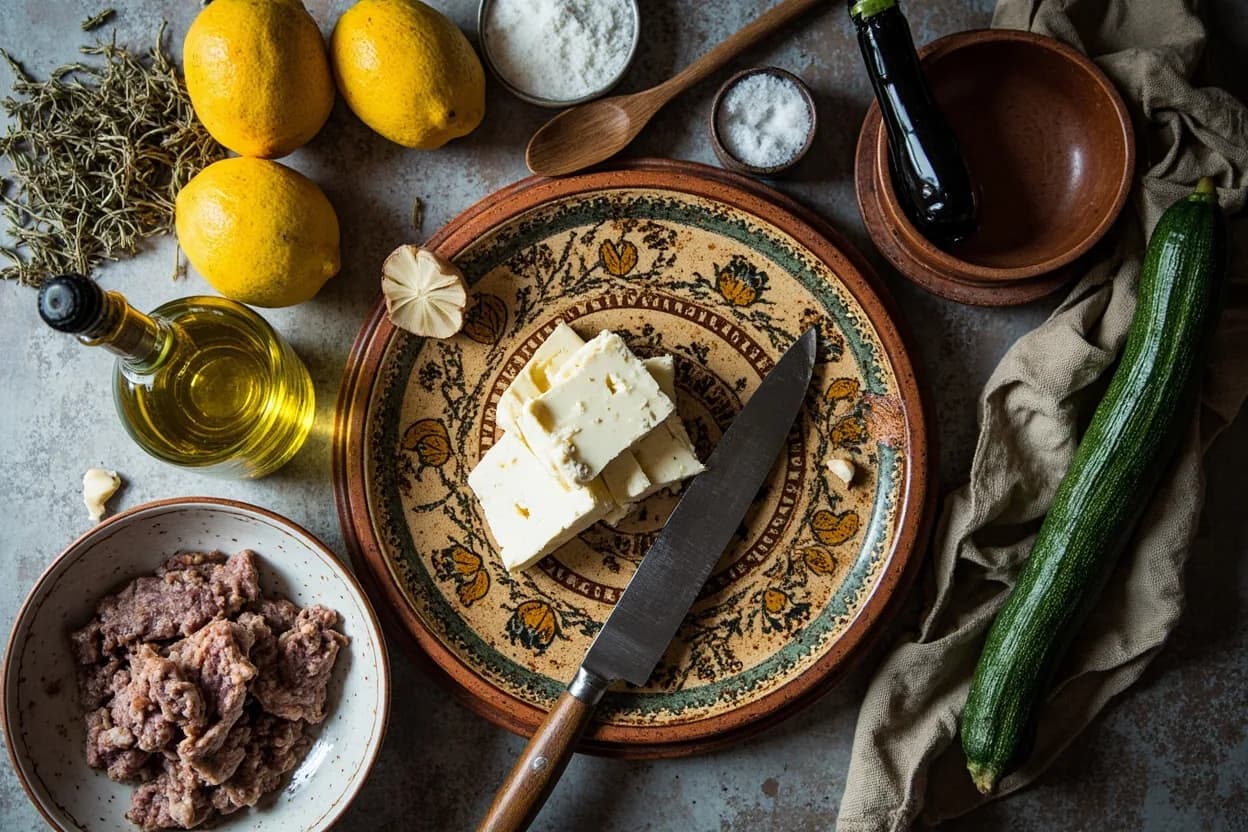
Olive oil, lemon juice, and dried oregano form the core finishing grammar. Aromatics — garlic, onion, dill, and mint — are foundational. For braises and stews, a soffritto of onion and tomato in olive oil (often called salsa) anchors slow-cooked dishes like stifado and kokkinisto.
Pantry staples
Key ingredients
Signature techniques
Signature dishes
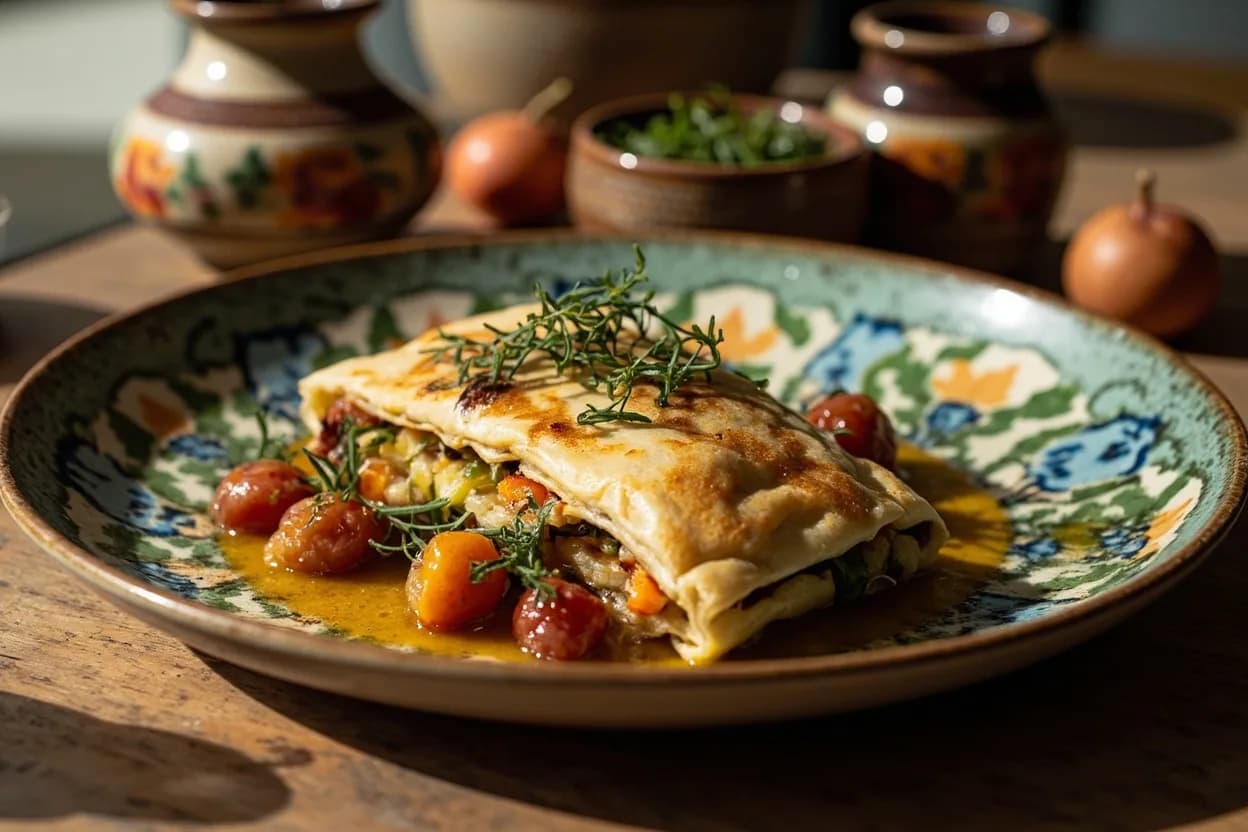
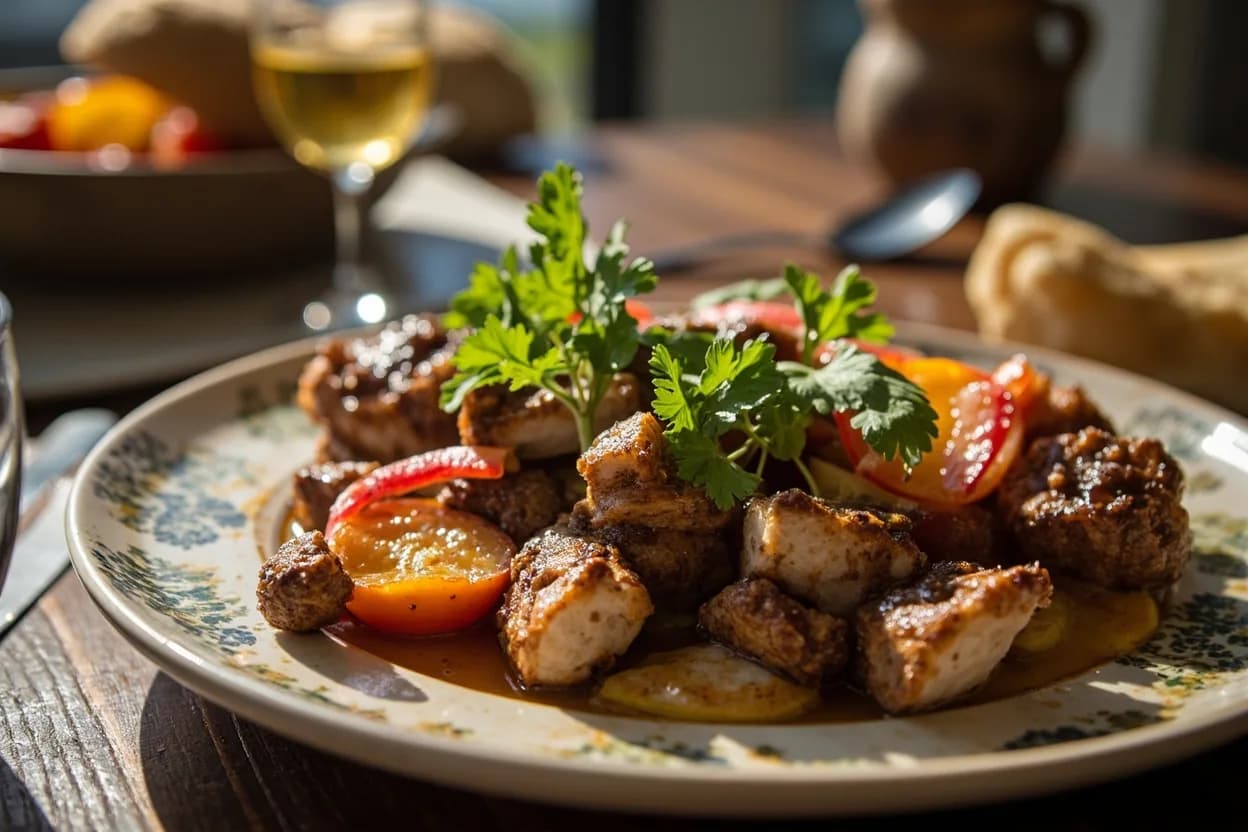
Greek (Hellenic) on the table
At the table
A Greek meal begins with mezedes — shared small plates of olives, dips (taramasalata, tzatziki, htipiti), and bread — followed by a main of grilled, roasted, or braised meat or fish with a side salad and bread. Sunday and festive meals expand to multiple courses. Coffee and sweets (loukoumades, galaktoboureko) follow separately. In tavernas, ordering is communal and courses arrive as they are ready rather than sequentially.
History & context
Greek culinary tradition traces to antiquity: the ancient Greeks cultivated olives, grapes, and grain and codified their dietary philosophy in works by Archestratos (4th century BC) and later Athenaeus. Byzantine influence enriched the spice palette; Ottoman rule (15th–19th century) introduced stuffed vegetables, rice pilafs, syrup-soaked pastries, and coffee. The Greek War of Independence (1821) and subsequent nation-building created a unified national cuisine from diverse regional traditions. Mass emigration in the 20th century spread Greek-American and Greek-Australian cooking, while Ancel Keys's 1950s Seven Countries Study identified Crete's diet as a global longevity benchmark, boosting global interest.
Regional variations
- Crete
The most studied regional sub-cuisine — wild greens (horta), barley rusks, snails, lamb with Cretan herbs, and the world's highest per-capita olive oil consumption. See Cretan entry.
- Ionian Islands (Heptanese)
Heavy Venetian influence — pasta dishes (pastitsada with rooster), sofrito (veal in white wine and parsley), and liberal use of tomato sauce introduced by Italian rule.
- Macedonia and Epirus
Inland mountainous cooking: pork, smoked meats, robust bean soups (fasolada), and robust pies (boureki, kreatopita) using thick homemade phyllo.
- Aegean Islands
Seafood-forward, with sun-dried octopus, fresh fish baked in rock salt, and the distinctive cuisine of Lesvos (ouzo, sardines, ladotyri cheese) and Santorini (white eggplant, fava santorinis — split yellow peas).
- Thessaloniki (Macedonia)
Greece's second city has a distinct street-food culture: koulouri Thessalonikis (sesame bread rings), bougatsa (semolina custard phyllo), and a richer spice vocabulary from Ottoman and Jewish Sephardic influence.
Related cuisines
Crete is technically part of Greece but has a distinct culinary identity studied separately as a longevity model.
- Turkish
Centuries of Ottoman rule created deep shared dishes — dolmades, baklava, kebabs, and stuffed vegetables appear on both tables under different names.
Cyprus shares many Greek dishes but has a distinct meze culture and Arabic-inflected ingredients from its own colonial history.
Parallel Mediterranean pantry of olive oil, legumes, herbs, and flatbreads; mezze culture and slow-braised lamb overlap significantly.
Canonical recipes
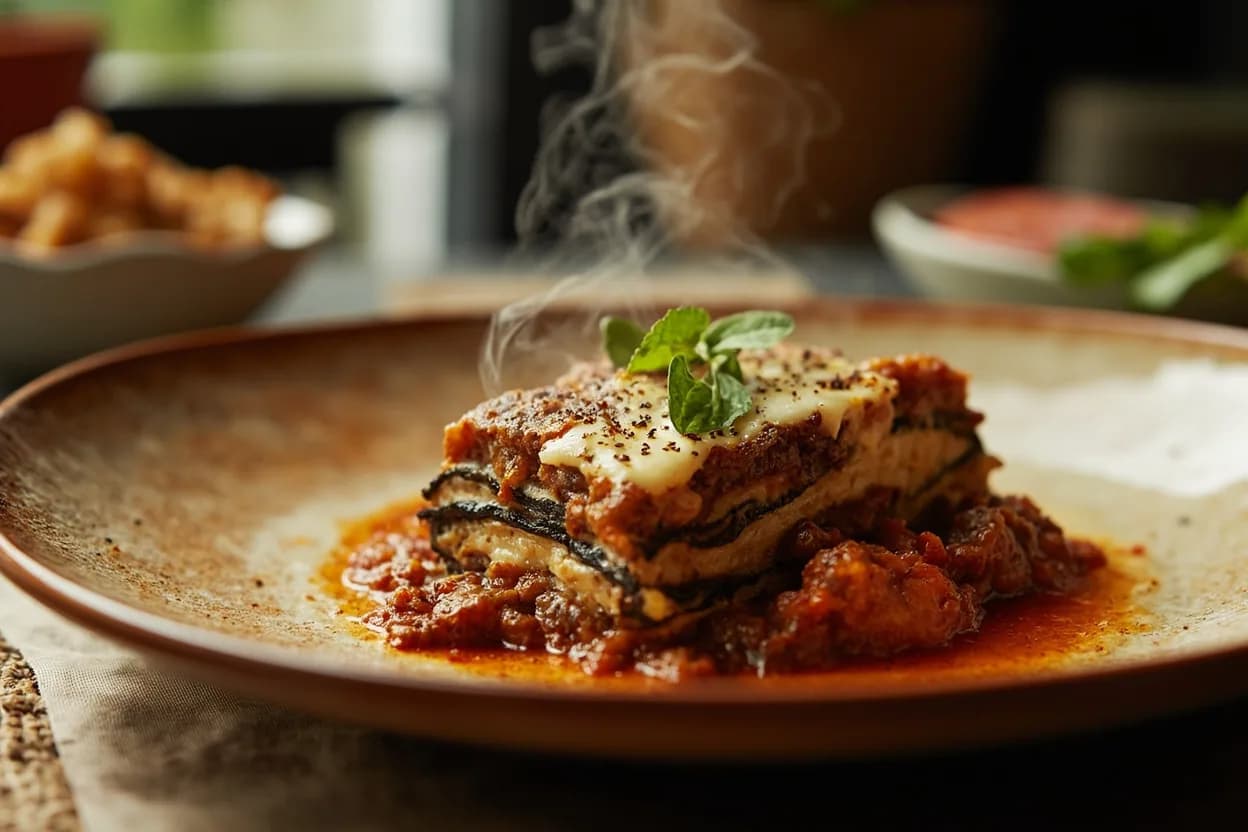
The dishes that define Greek (Hellenic), documented in the Canon.
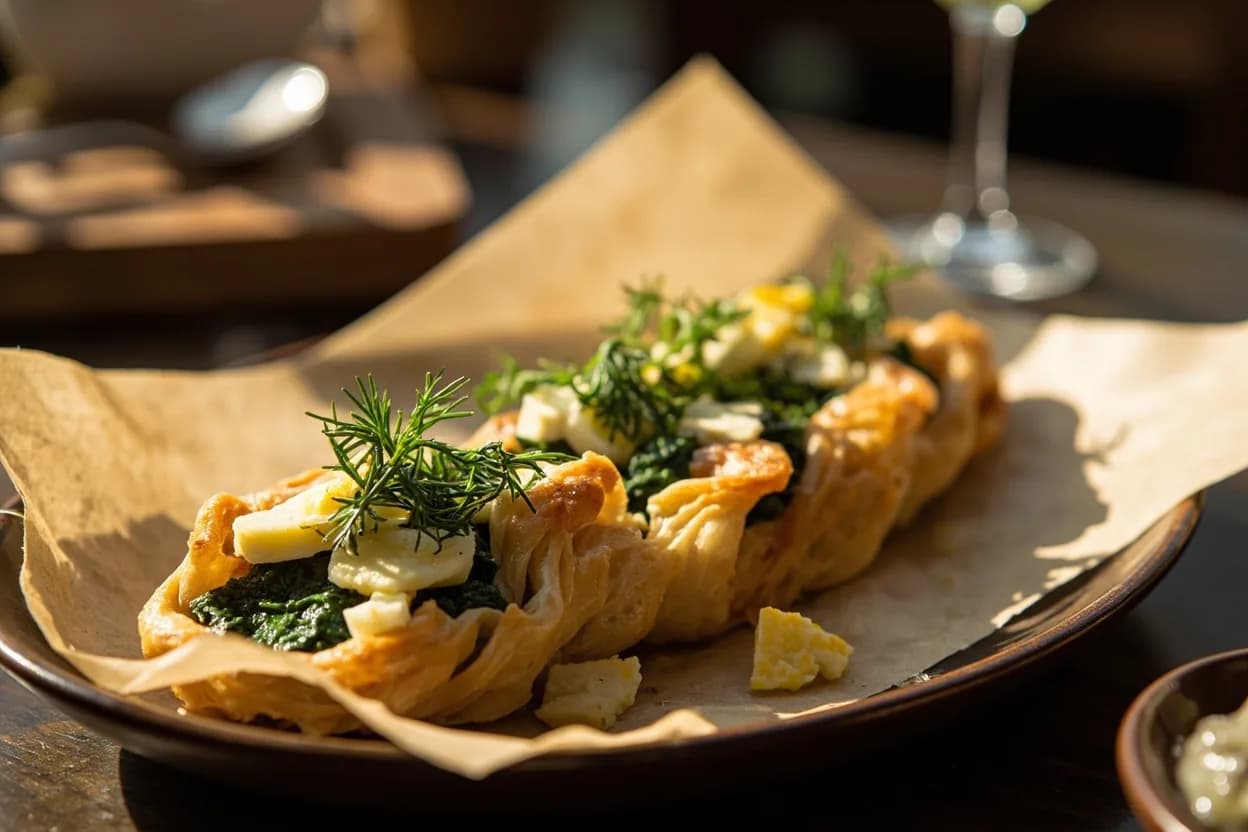
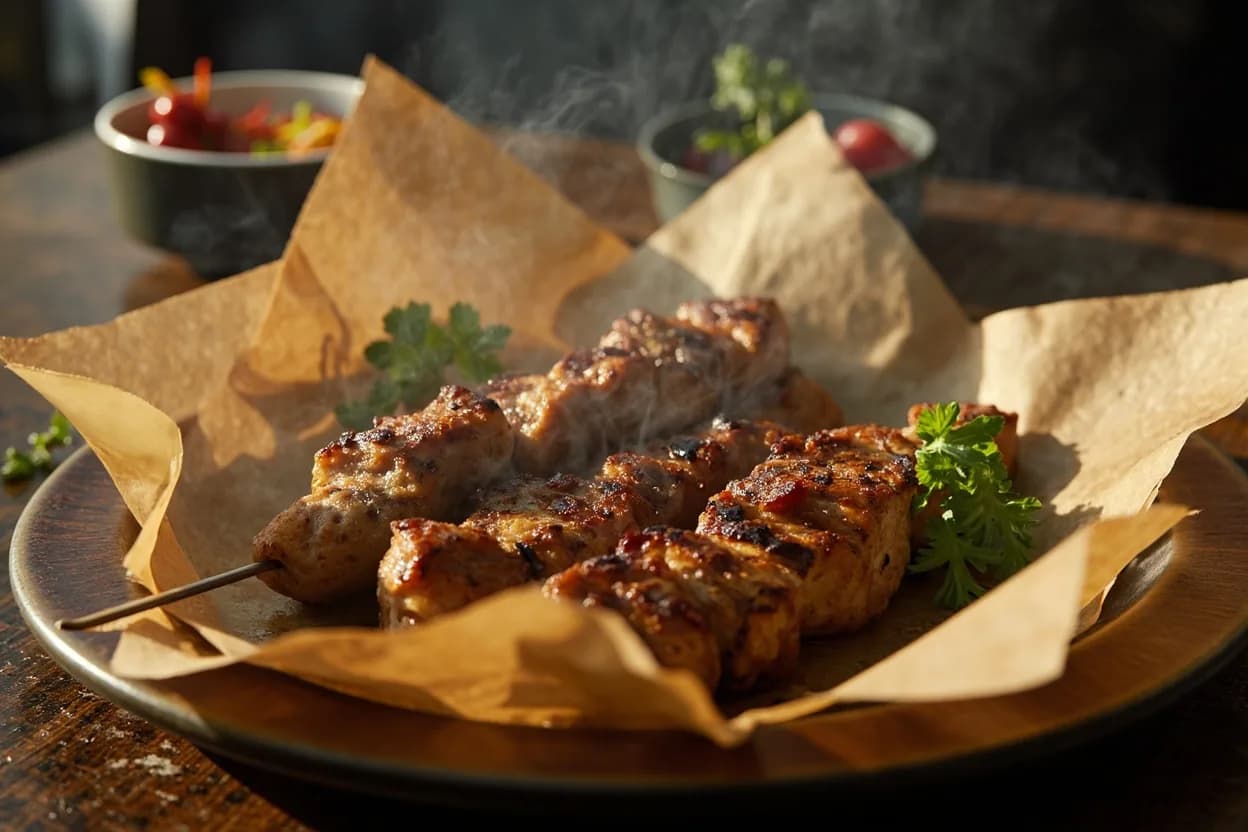
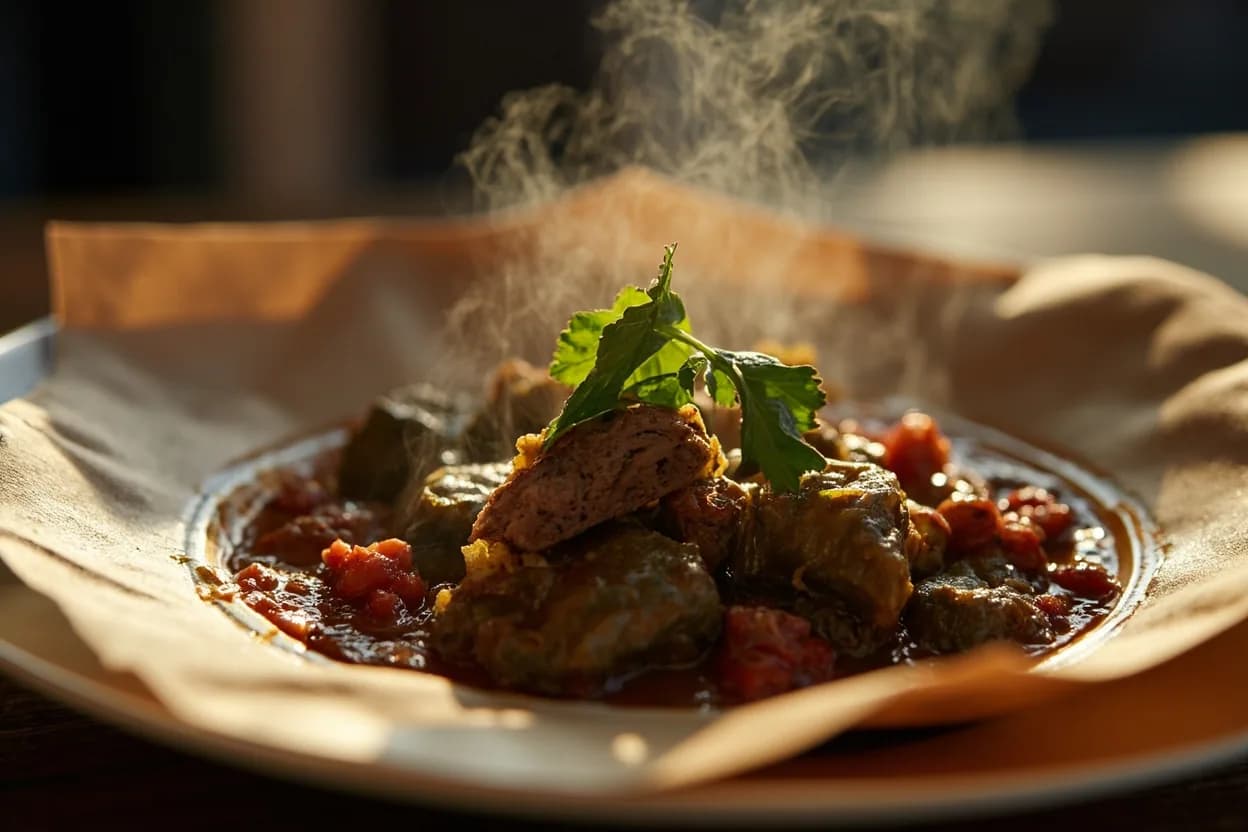
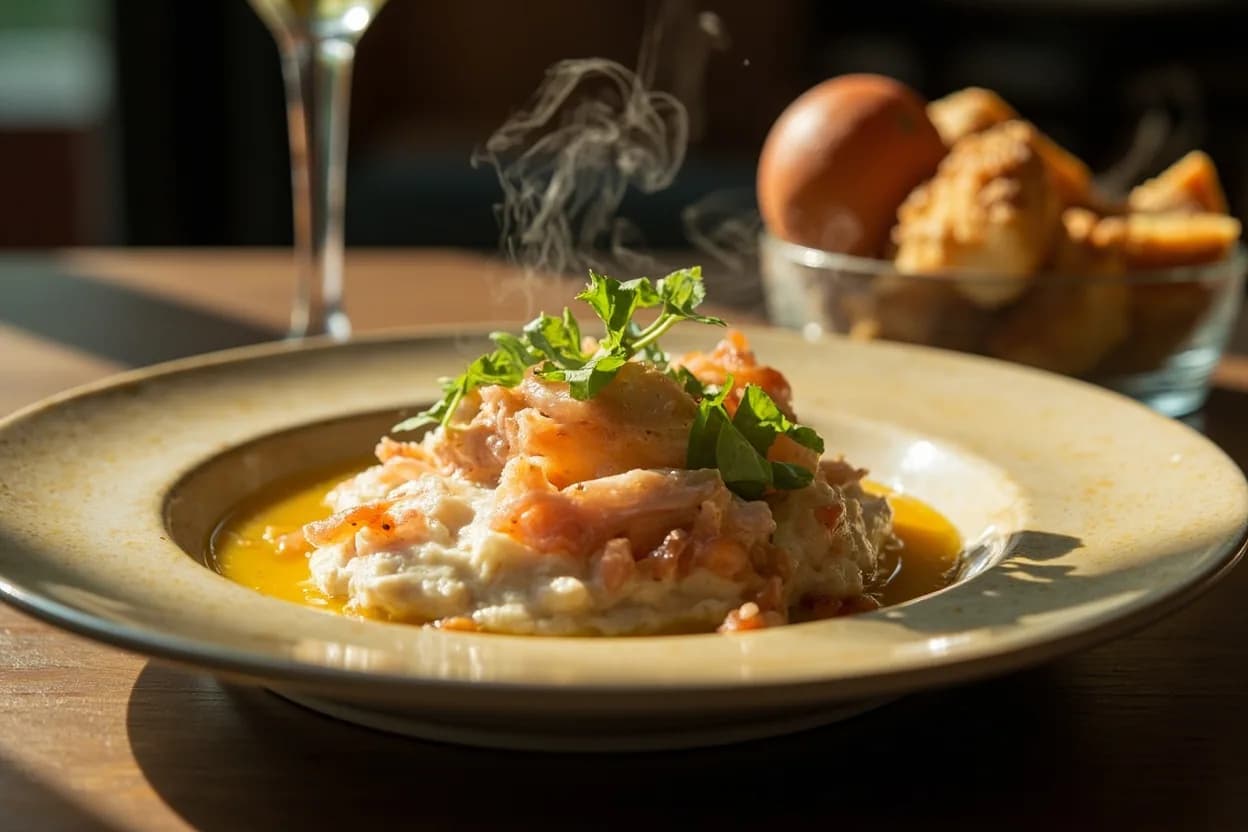
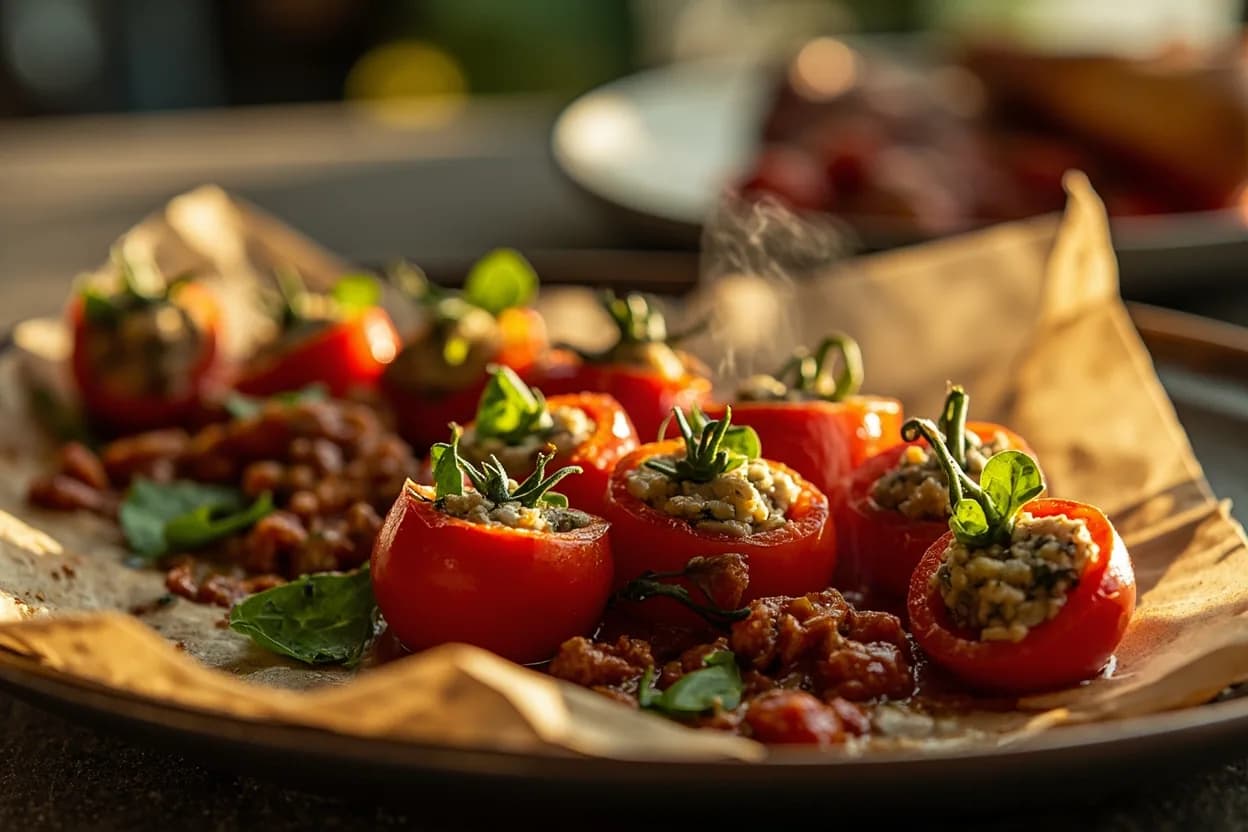
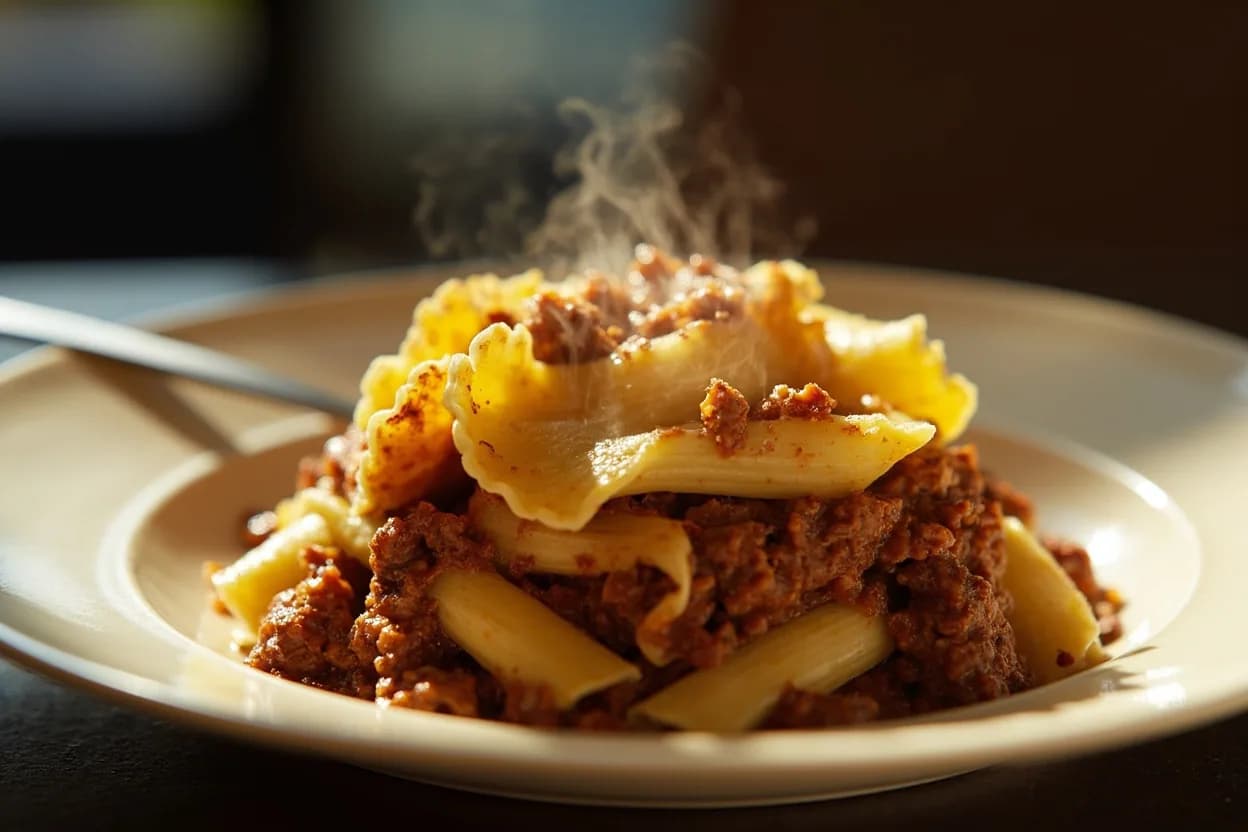
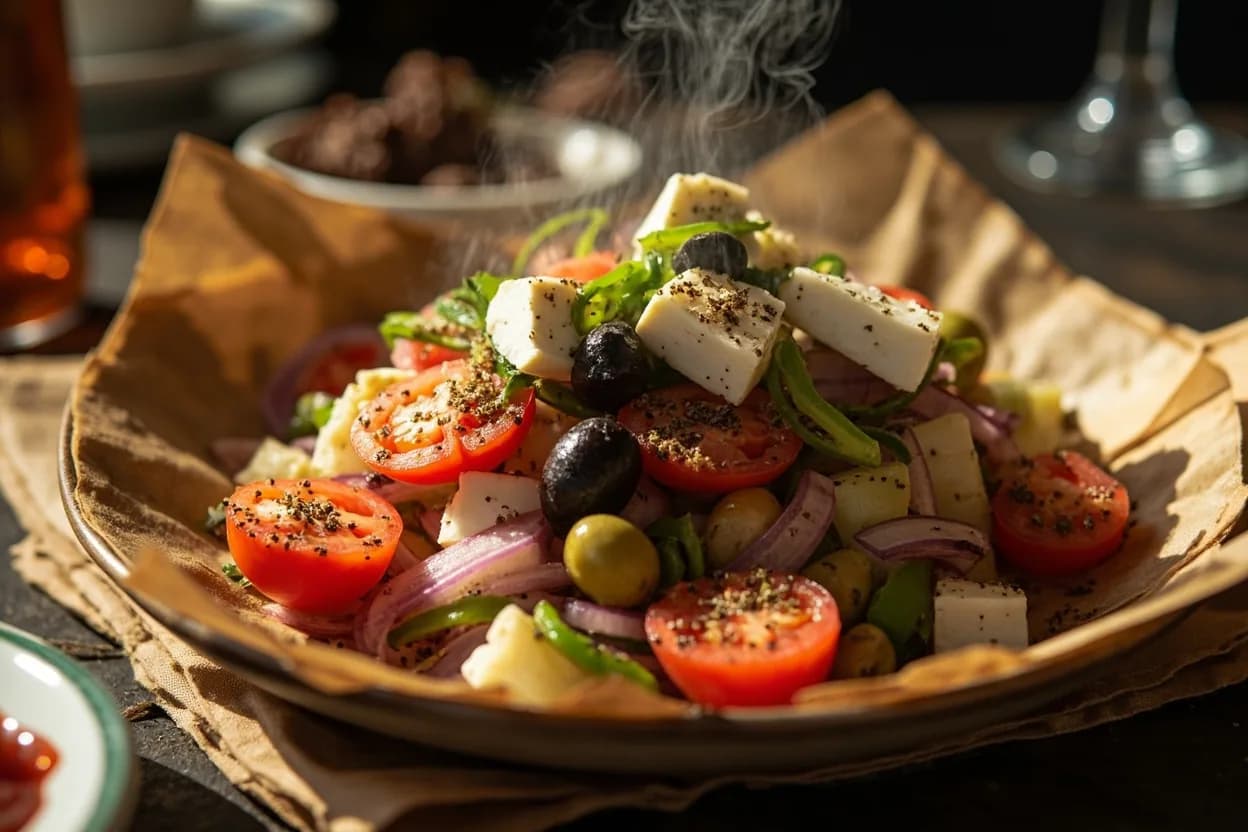
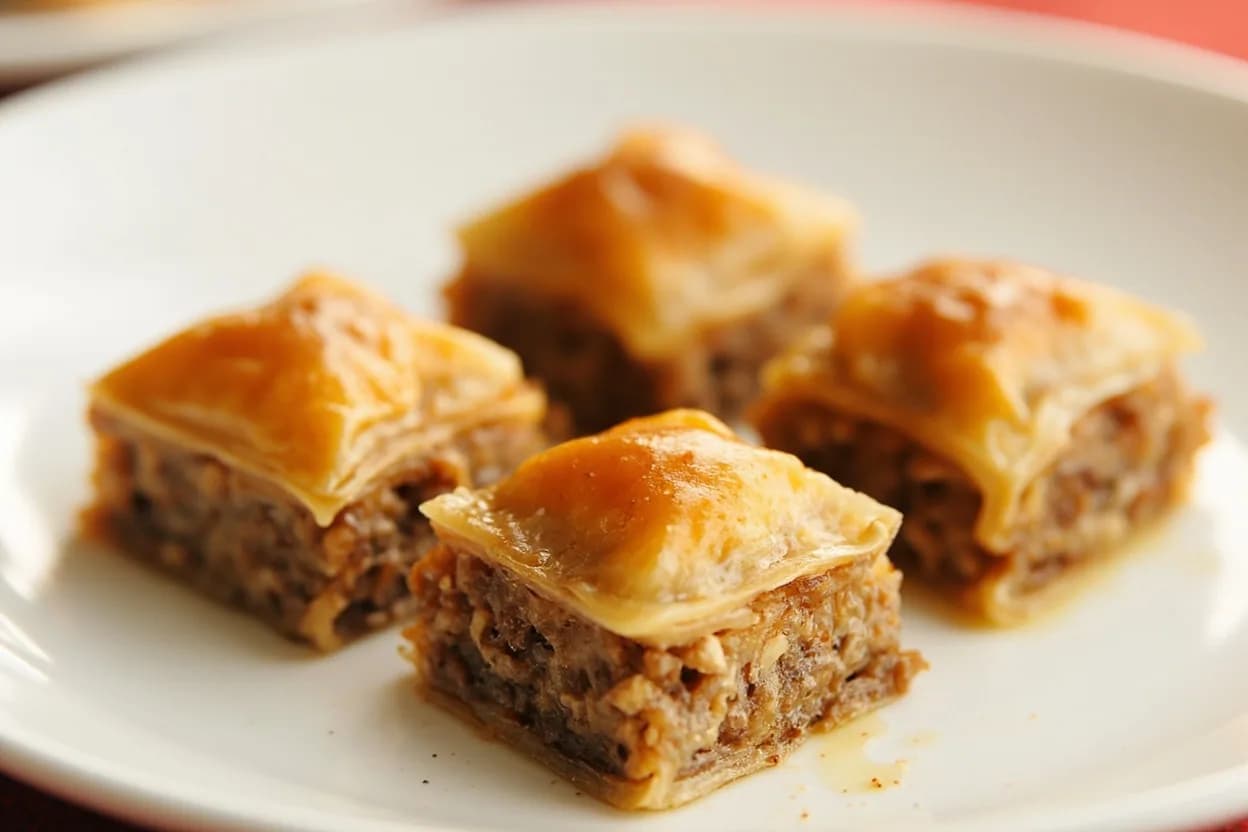
References
- 1.The Foods of Greece — Aglaia Kremezi (1993)
- 2.Vefa's Kitchen — Vefa Alexiadou (2009)
- 3.Deipnosophistae — Athenaeus (c. 200 AD)
- 4.The Mediterranean Diet Cookbook — Nancy Harmon Jenkins (1994)
- 5.Greece: The Cookbook — Vefa Alexiadou (2014)
Confidence: high
Notes
Olive oil as cuisine-defining ingredient
Greece consistently leads global per-capita olive oil consumption, often exceeding 20 liters per person per year. Greek olive oil is predominantly extra-virgin and used generously both in cooking and as a finishing oil poured at the table — a practice that defines the diet's character more than any single dish.
The mezedes culture
Mezedes are not merely appetizers but a social institution — small shared plates eaten over hours with wine or ouzo. The culture of mezedes shapes how Greeks interact with food: communally, slowly, and with conversation as essential as the dishes.