Southern Europe
Greek Island Dairy Tradition
Also: Greek artisan cheese culture, Aegean dairy tradition, Hellenic pastoral cheese
A living pastoral tradition of Greek island cheese-making — from PDO feta to the aged graviera of Crete and the oil-cured ladotyri of Lesvos — rooted in transhumant shepherding and island terroir.
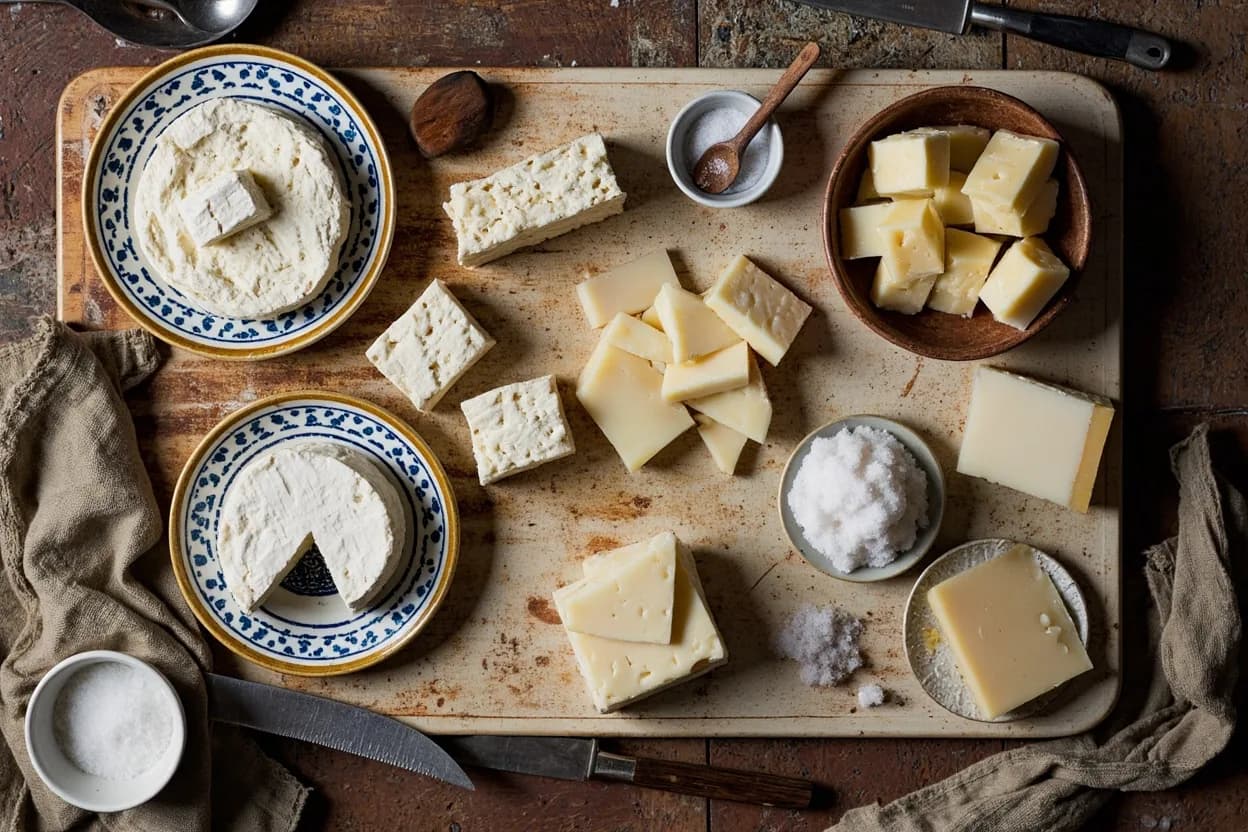
The Greek island dairy tradition encompasses the artisan cheese cultures, milk-processing practices, and pastoral food systems of the Greek islands and the adjacent mainland highlands of Epirus and Macedonia. Greece has more PDO (Protected Designation of Origin) cheeses than any Mediterranean country outside France and Italy — 23 PDOs in total. The tradition is defined by sheep's and goat's milk (rarely cow's), salt-brining or oil-curing, and aging in conditions determined by local climate and cave systems. Cheese here is not a garnish but a central nutritional and cultural pillar, eaten at every meal from breakfast to dessert.
The flavour base
The dairy itself is the flavor base: rich, grassy sheep's milk from animals grazed on wild herbs (thyme, oregano, mountain sage) gives Greek cheeses their characteristic piquancy. Brine-curing (feta, manouri) preserves tang; oil-curing (ladotyri) concentrates richness; whey-recycling (anthotyros, manouri) produces fresh, mild counterpoints.
Pantry staples
Key ingredients
Signature techniques
Signature dishes
Greek Island Dairy Tradition on the table

At the table
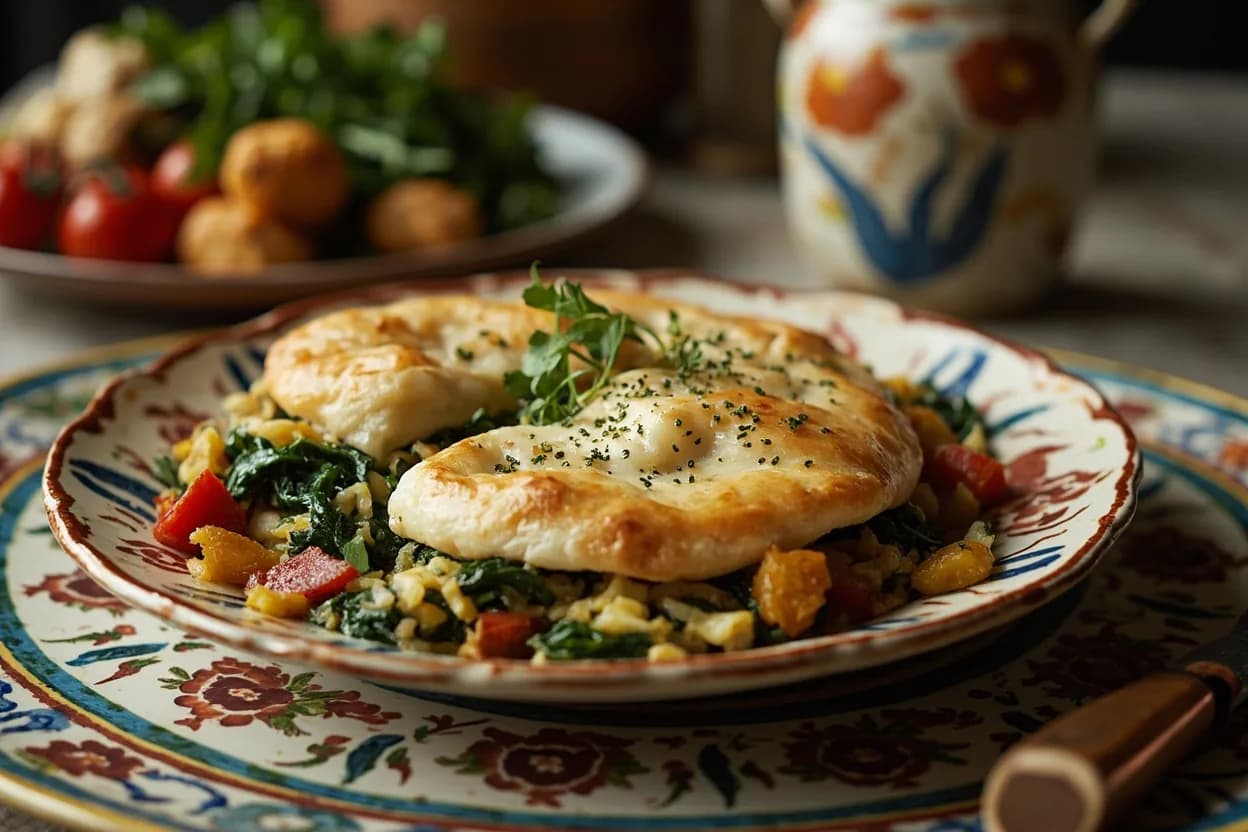
Cheese in Greek island culture appears at every meal: crumbled over salads and legumes at lunch; as a meze with olives and bread; sliced and grilled (saganaki) as an appetizer; layered into pies; and served with honey and walnuts as dessert. Sheep's milk yogurt is a breakfast staple strained thick (straggisto) and drizzled with honey. The pastoral year shapes availability — fresh mizithra and anthotyros arrive in spring with lambing, while aged kefalotiri and graviera are year-round.
History & context
Cheese-making in the Greek islands predates written history — Homer refers to cheese production in the Cyclops episode of the Odyssey (c. 8th century BC), describing rennet-curdled sheep's milk aged in baskets. The tradition was continuous through Byzantine rule, when monasteries on Athos and the islands maintained advanced cheese-making. Venetian rule of the Aegean islands (13th–17th century) created trade routes that spread Greek cheeses to western markets. Feta's PDO protection (confirmed by the European Court of Justice in 2005) codified that only cheese from specific Greek regions made from local sheep's and goat's milk qualifies as true feta — a landmark for Mediterranean food sovereignty. Graviera of Crete received its own PDO in 1996; ladotyri Mytilinis PDO in 1994.
Regional variations
- Crete
Graviera Kritis (sweet, nutty, cave-aged) is the island's prestige hard cheese; Cretan mizithra and anthotyros are fresh staples; pichtogalo Chanion (tangy soft cheese of Chania) has PDO status.
- Lesvos (Mytilini)
Ladotyri Mytilinis — a small, firm, oil-cured cheese with a golden rind — is unique to the island; also notable for rich sheep's milk yogurt and feta-style local cheeses.
- Epirus and Macedonia (mainland adjacent)
Feta's heartland (PDO zone includes this region); also the home of smoked cheeses (kapnisto tyrí) and Dodoni feta made by transhumant Vlach shepherds.
- Dodecanese
Ladotyri and local fresh cheeses made from small island flocks; smaller-scale production but high terroir specificity.
- Chios
Famous for mastic-flavored dairy products — mastic ice cream, masticha liqueur, and mastelo (a calf-milk rennet cheese lightly smoked).
Related cuisines
Cretan dairy (graviera, pichtogalo, anthotyros) is a sub-set of the Greek island tradition but with distinct longevity-diet context.
The mainland cuisine depends on island dairy — feta is the single most-used cheese in the entire Hellenic kitchen.
- Turkish (Aegean)
Pre-1923 population exchange left shared cheese traditions; beyaz peynir (white brine cheese) and feta are closely related.
Cyprus's halloumi tradition runs parallel — also PDO-contested sheep-goat milk cheese culture, though with distinct stretching technique.
Canonical recipes
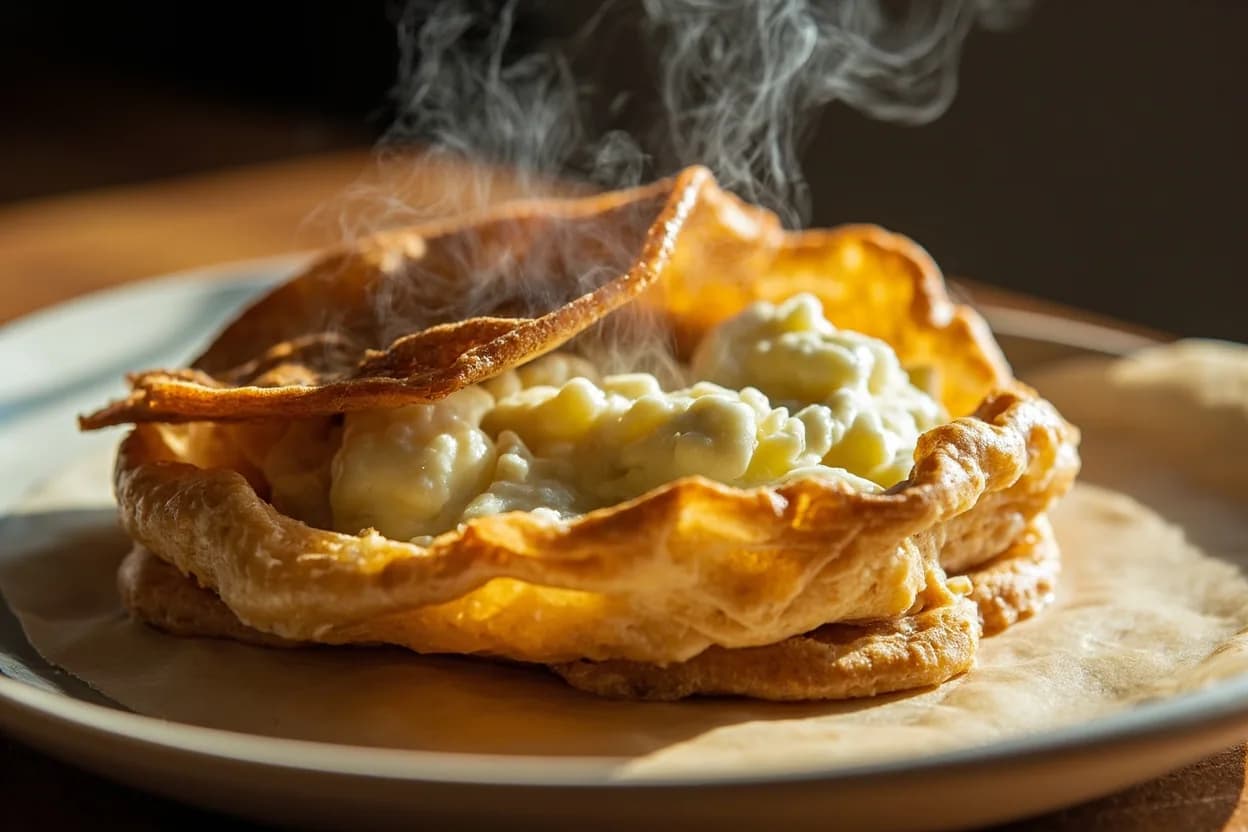
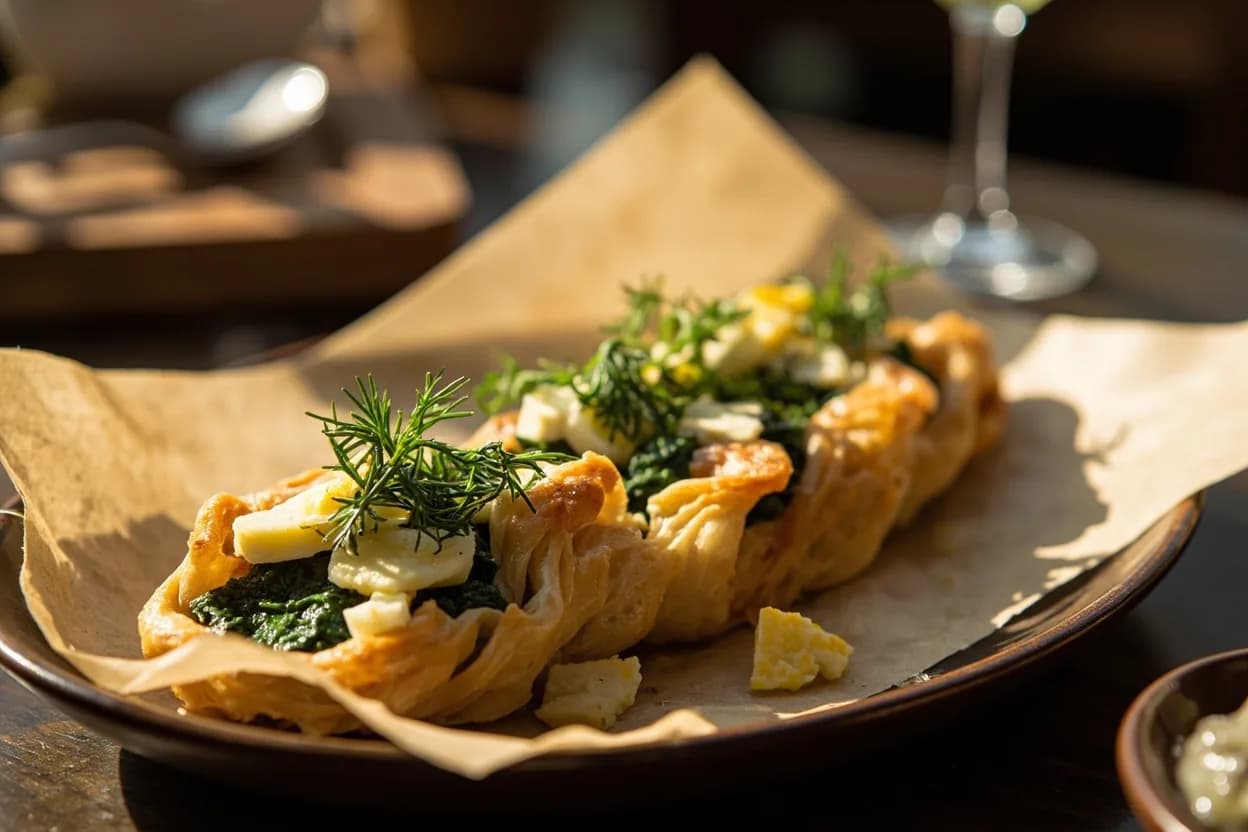
The dishes that define Greek Island Dairy Tradition, documented in the Canon.

References
- 1.The Oxford Companion to Cheese — ed. Catherine Donnelly (2016)
- 2.Cheeses of the World — Juliet Harbutt (2009)
- 3.Vefa's Kitchen — Vefa Alexiadou (2009)
- 4.The Foods of Greece — Aglaia Kremezi (1993)
- 5.EU PDO Register — European Commission (feta, graviera, ladotyri entries)
Confidence: high
Notes
Feta's legal battle
The protection of feta as a Greek geographic designation was one of the EU's most contested food-law cases. Denmark and Germany (both large producers of 'feta'-labelled cheese from cow's milk) challenged Greece's PDO claim for years. The European Court of Justice definitively ruled in Greece's favor in 2005, establishing that only sheep-and-goat brine cheese from the Greek PDO zone may be called feta — a precedent-setting victory for place-based food protection.
Transhumance and flavor
The distinctive piquancy of Greek island cheese — particularly feta and graviera — derives in large part from transhumant grazing. Flocks move seasonally between coastal lowland and mountain pasture, consuming hundreds of wild herb and flower species. This botanical variety transfers directly to the milk and cheese, creating a terroir impossible to replicate with stationary, grain-fed animals.