Northern Europe
German (Sauerteig & Wurst Tradition)
Also: Deutsche Küche, German cuisine
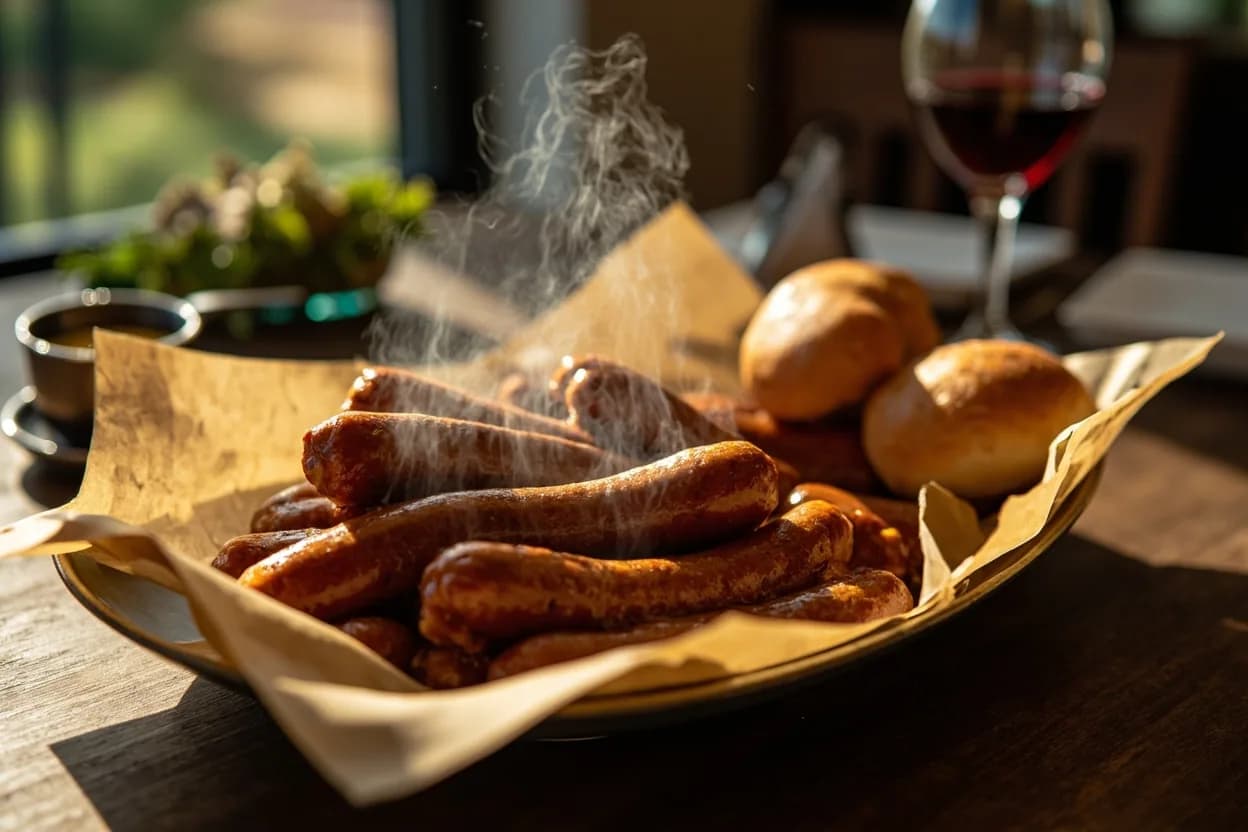
Germany's regional breadth encompasses over 300 documented sausage varieties, more than 3,000 bread types, and the full sweep from Bavarian beer halls to Black Forest farmhouses.
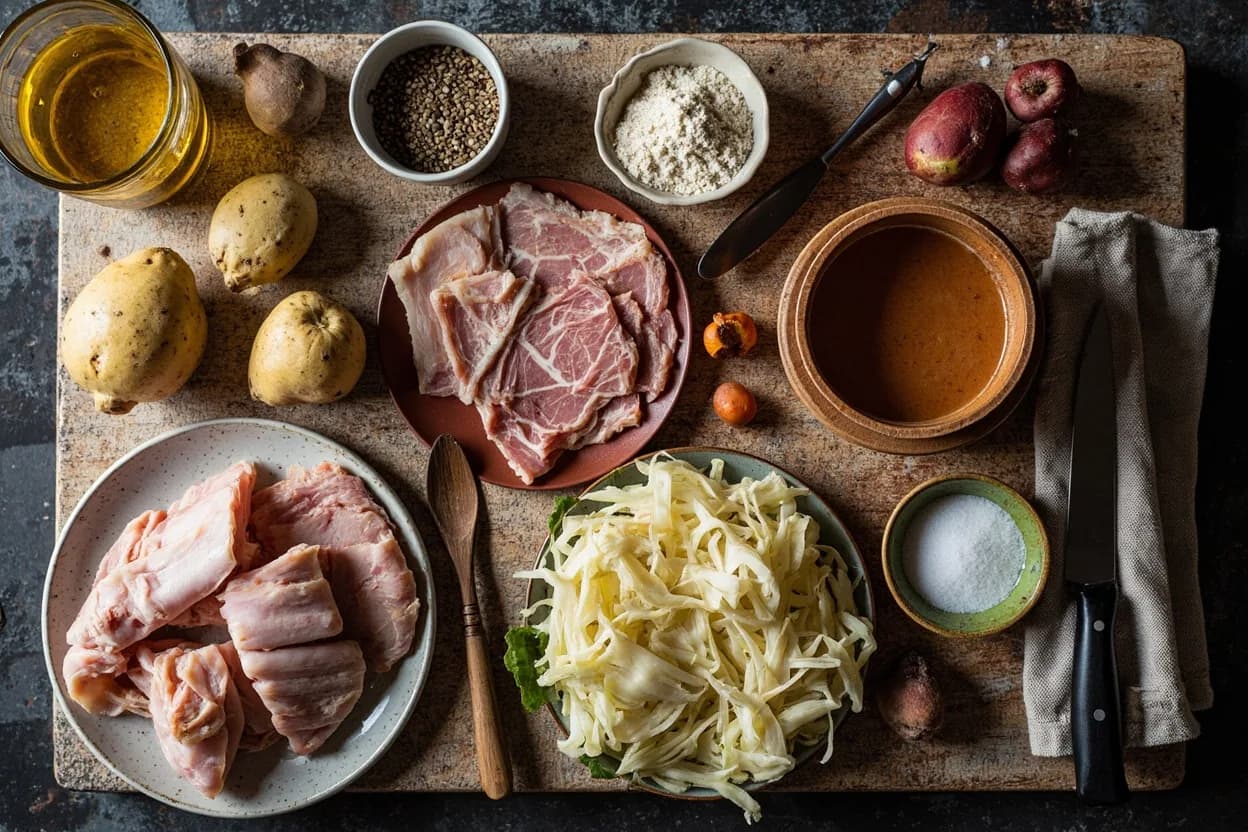
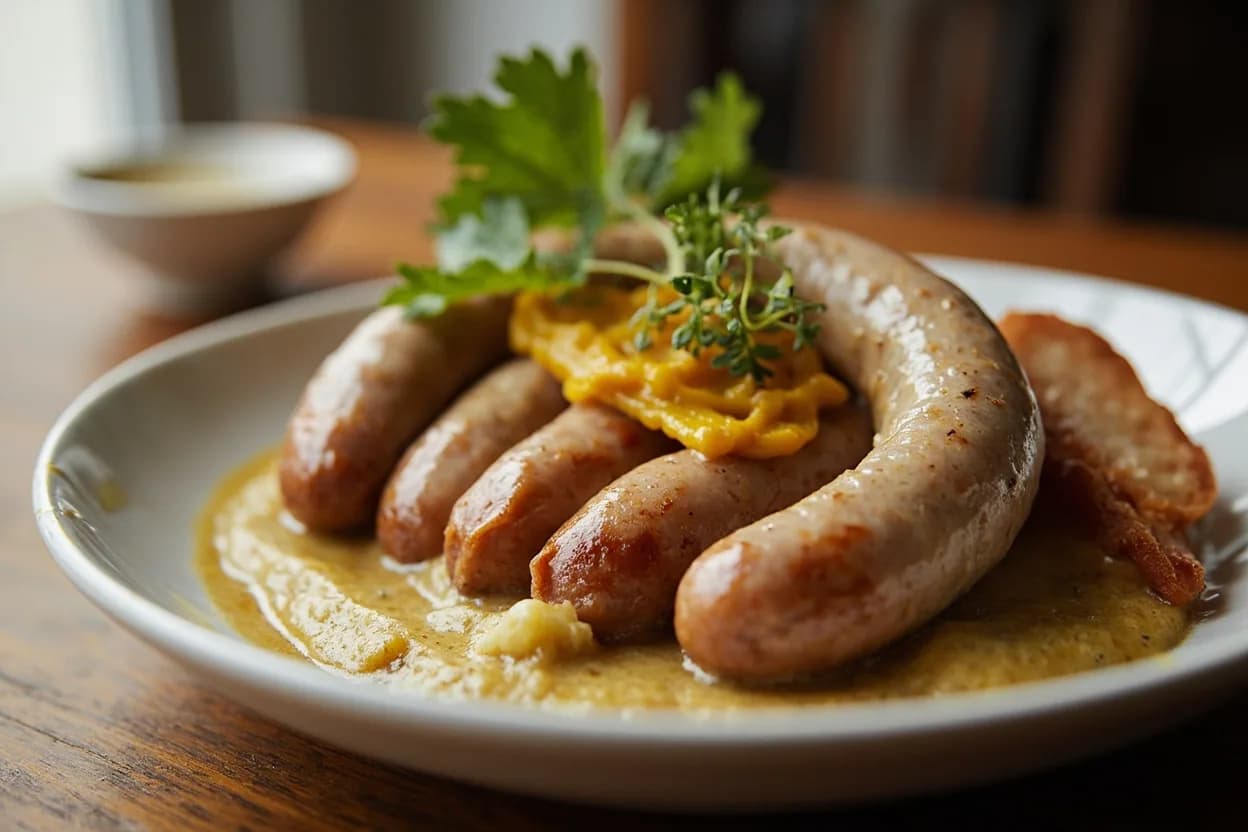
German cuisine is radically regional — a federation of distinct food cultures united by a commitment to pork, bread, and fermentation. The same country produces Bavarian Weißwurst and Hamburg Labskaus, Rhineland Sauerbraten and Saxon Quark cheesecake, Swabian Maultaschen and Berlin Currywurst. What binds these traditions is a shared grammar: preserved pork in almost infinite variety (sausages, smoked meats, cured hams), dense sourdough breads (sauerteig) ranging from pale wheat loaves to near-black Pumpernickel, fermented vegetables (most famously Sauerkraut), and the social structure of the Gemütlichkeit table where beer, bread, and conversation are inseparable. Germany's breadmaking tradition alone is recognized by UNESCO as Intangible Cultural Heritage.
The flavour base
Pork fat and brown butter as the primary cooking media; sour notes from Sauerkraut, vinegar (for Sauerbraten marinades), and sourdough fermentation; mustard and caraway as the defining aromatics; beer — especially dark lager and wheat beer — as both a cooking ingredient and a cultural frame.
Pantry staples
Key ingredients
Signature techniques
Signature dishes
German (Sauerteig & Wurst Tradition) on the table
At the table
Traditionally three meals: Frühstück (breakfast — bread, cold cuts, cheese); Mittagessen (midday hot meal, historically the main meal); Abendessen (supper — cold bread, cheese, cold meats). Modern German eating has shifted the main meal to evening. Beer garden culture (Biergarten) creates a semi-formal outdoor social eating context: Brezeln, Obatzda (cheese spread), and half-roast chicken (halbes Hähnchen) are the classic accompaniments. Sunday roasts (Sonntagsbraten) remain a family ritual.
History & context
German food identity is inseparable from the political fragmentation that defined the German-speaking world until 1871. Before unification, dozens of principalities, kingdoms, and free cities each developed distinct culinary traditions shaped by geography, religion, and trade routes. The Reformation and religious calendar — Catholic south versus Protestant north — influenced what was eaten on feast and fast days. The French influence on aristocratic German cooking (particularly under Frederick the Great, who admired all things French) runs deep in 18th-century haute cuisine. The potato arrived in the 18th century via Frederick's forced cultivation edicts and transformed the diet of the poor. German immigration to the Americas in the 19th century exported sausage-making, beer culture, and the delicatessen tradition; the Frankfurt sausage traveled to become the American hot dog. Germany's division (1949–1990) produced divergent food cultures: East German (DDR) cuisine, shaped by Soviet bloc supply chains and collective farming, developed distinct preparations that are now nostalgically preserved.
Regional variations
- Bavaria (Bayern)
Beer culture central; Weißwurst, Schweinshaxe (pork knuckle), Brezeln, Obatzda, and Weizen wheat beer define the Biergarten tradition; Lederhosen-wearing tourists get a real cuisine behind the kitsch.
- Black Forest (Schwarzwald, Baden-Württemberg)
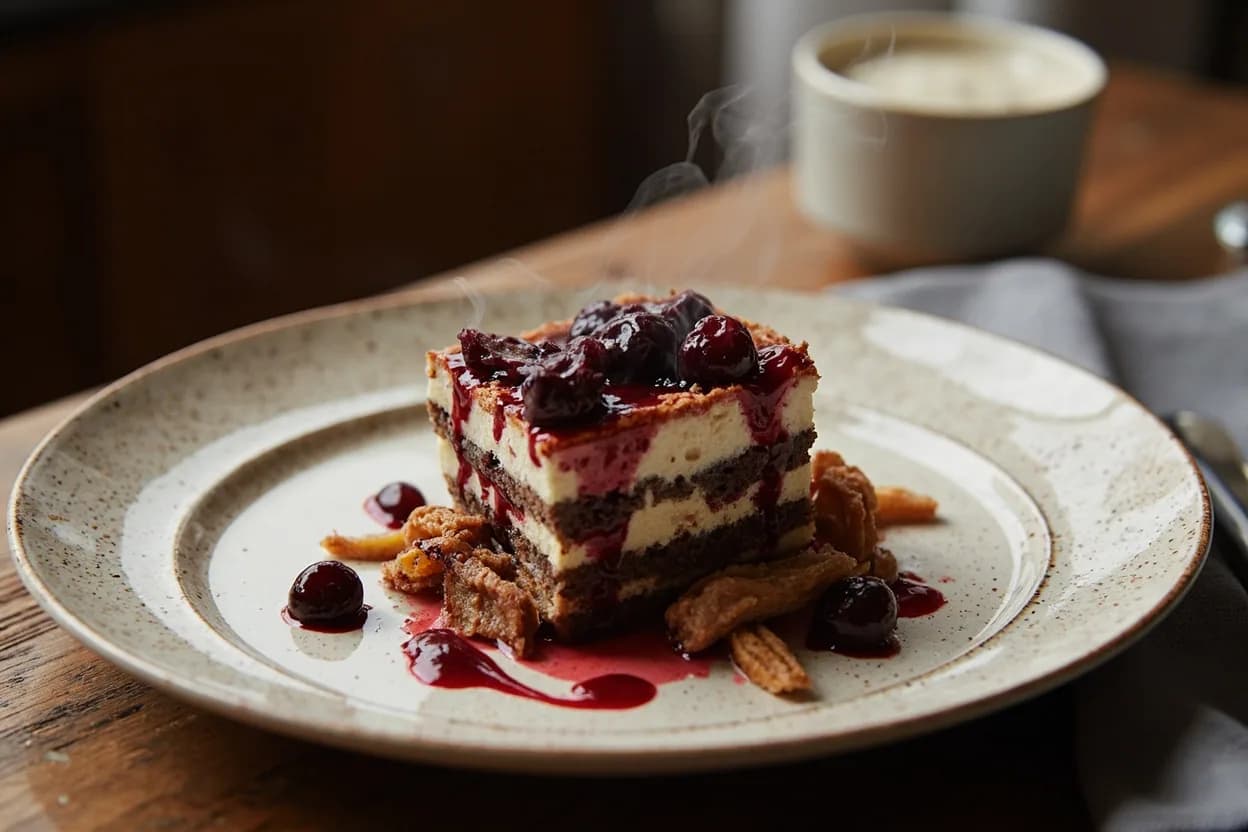
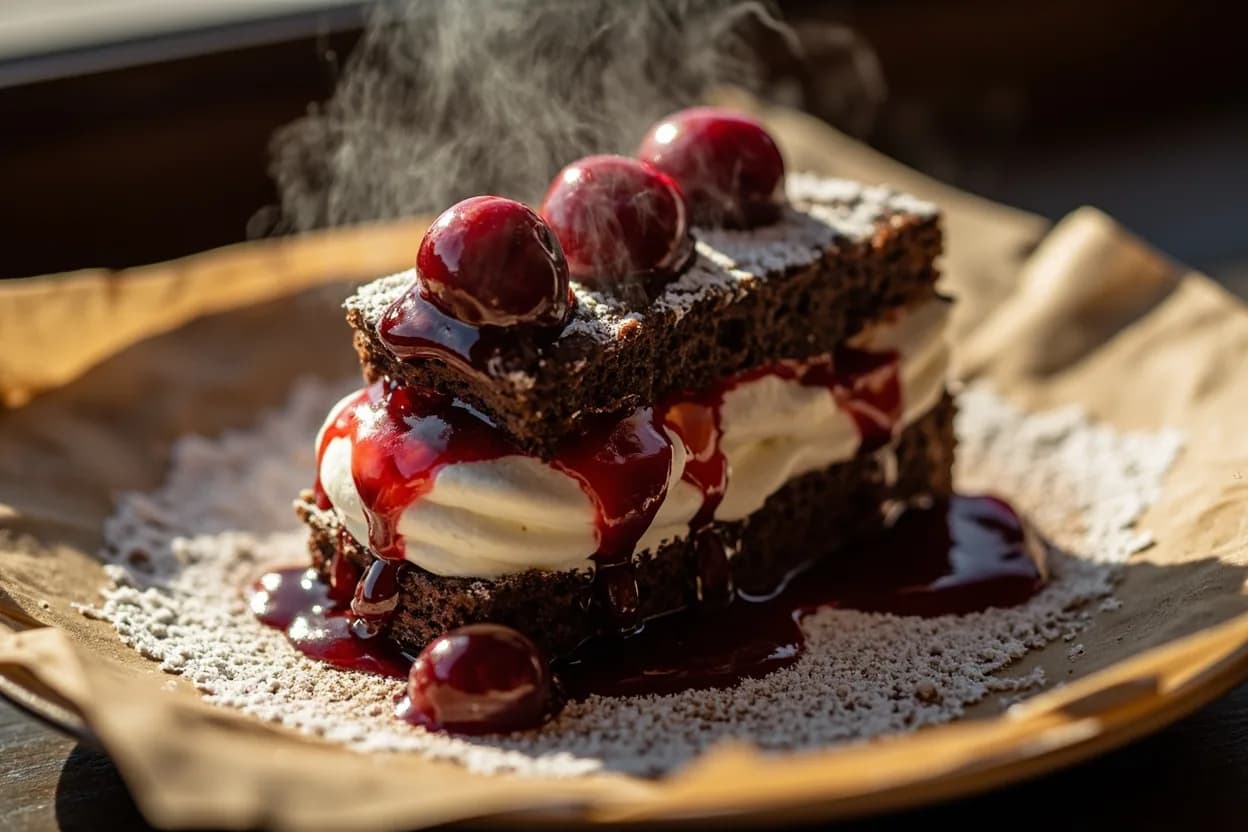
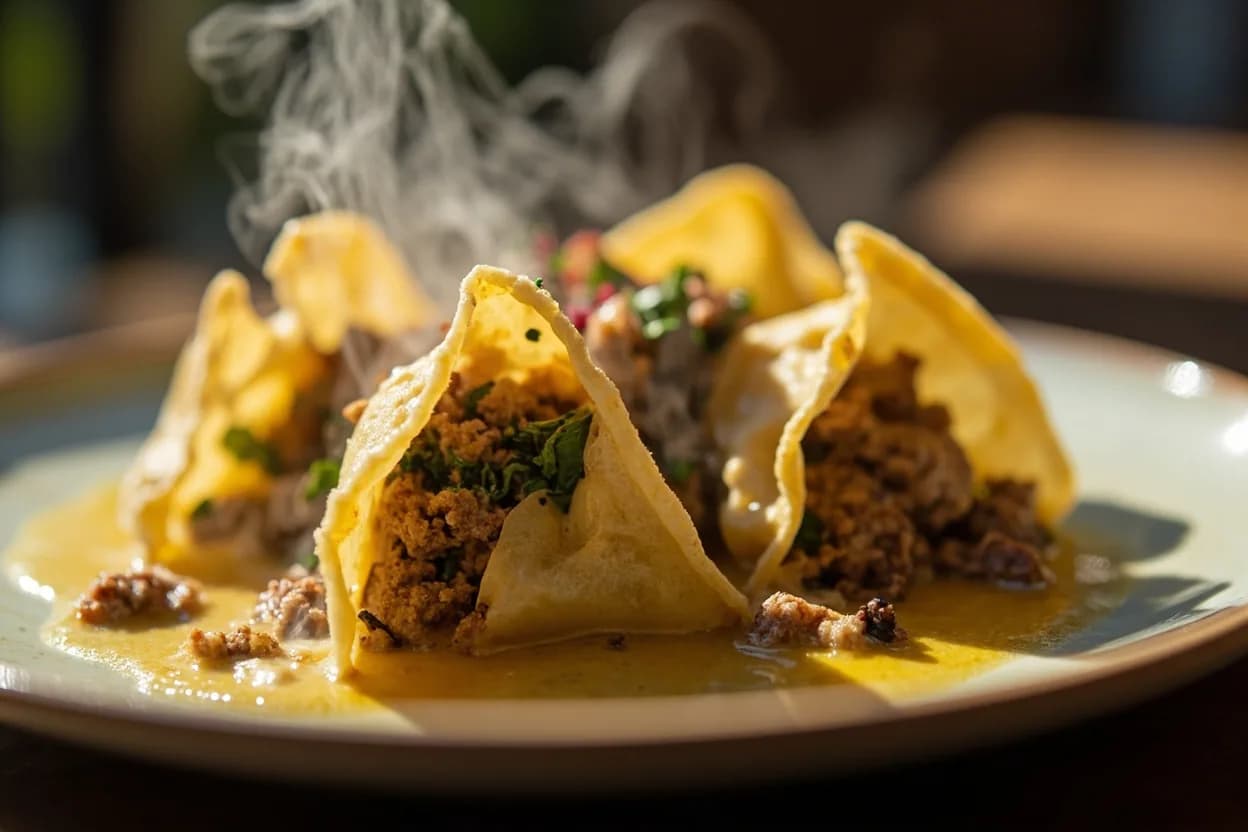
Speck, smoked ham, Schwarzwälder Kirschtorte; wine production (Baden is a major German wine region); Maultaschen originate in Swabia to the east.
- Rhineland (Nordrhein-Westfalen)
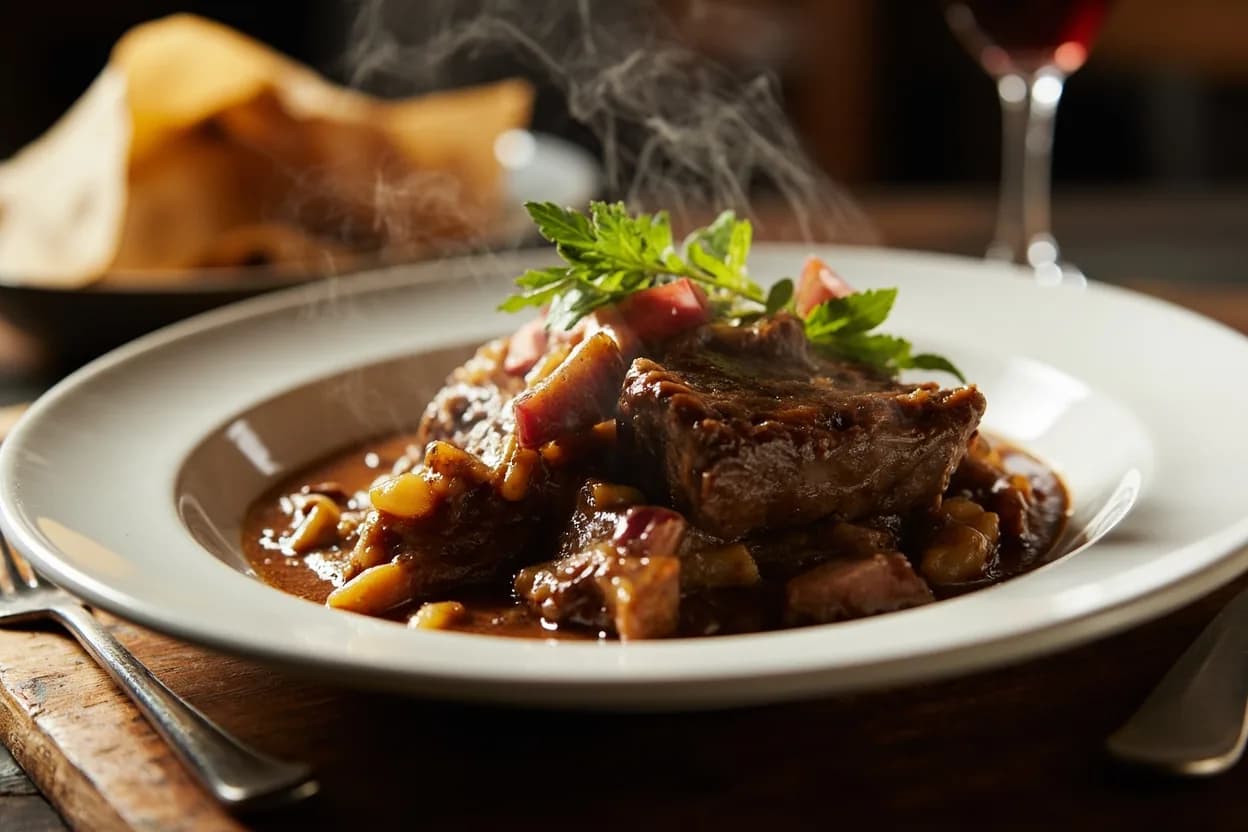
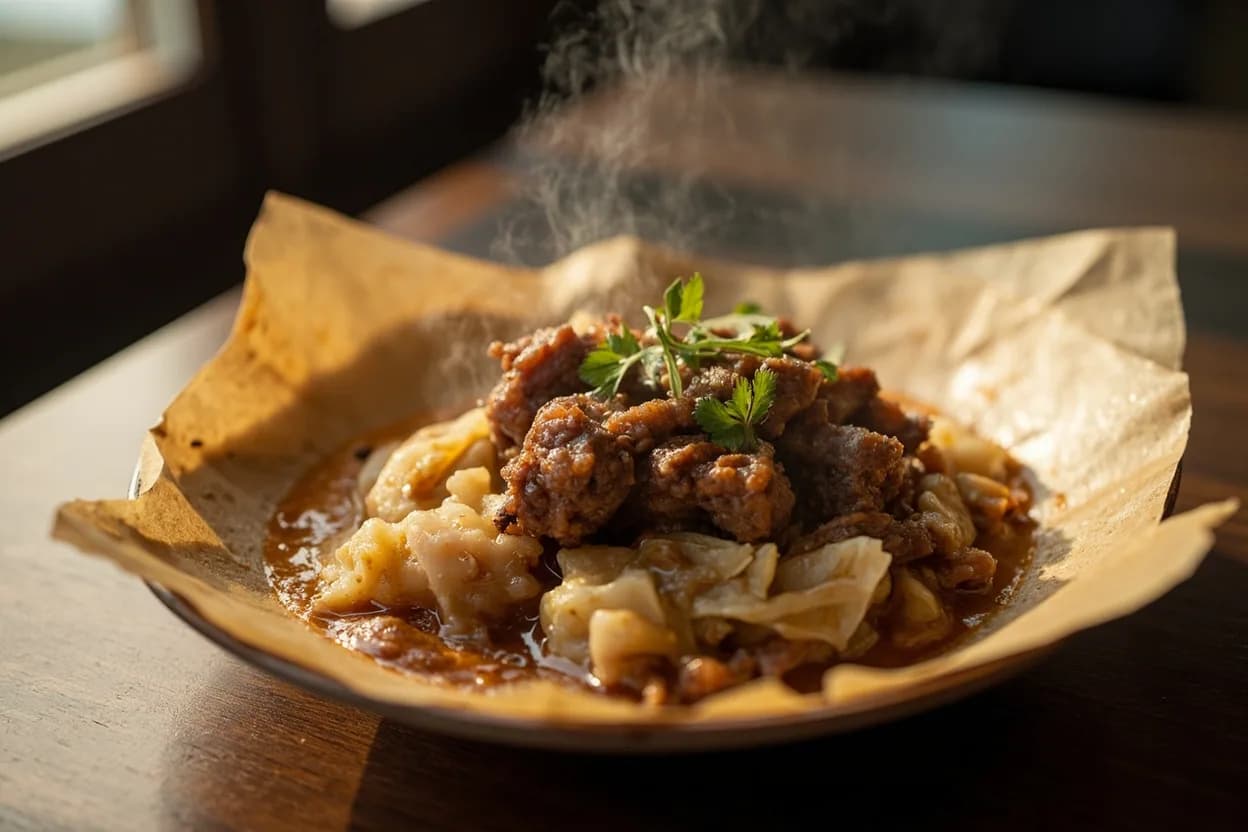
Sauerbraten capital — the Rhineland version uses horse meat (optional), raisins, and Lebkuchen spices in the braise; Kölsch beer culture.
- Northern Germany (Hamburg, Bremen, Schleswig-Holstein)
Coastal and maritime; Labskaus (corned beef, potato, pickled herring hash), smoked eel, Matjes herring; strong Danish cultural overlap in the far north.
- Saxony and Thuringia
Famous for the Thuringian Rostbratwurst (grilled over charcoal) and Saxon Christmas stollen (butter-enriched dried-fruit bread dusted with powdered sugar).
Related cuisines
- Austrian
Shared Viennese-influenced traditions; Wiener Schnitzel, Apfelstrudel, and Kaiserschmarrn cross the border freely; Austria's cuisine is more refined and sweet-savory blended.
Southern Jutland overlap (Schleswig-Holstein historical territory); shared rye bread, pork, and mustard culture.
- Alsatian (French-German borderland)
Alsace draws equally from both traditions: choucroute garnie is the French name for Sauerkraut mit Wurst, and flammekueche (tarte flambée) is Alsatian-German in origin.
Canonical recipes
The dishes that define German (Sauerteig & Wurst Tradition), documented in the Canon.
References
- 1.The German Cookbook — Alfons Schuhbeck (Random House, 2018)
- 2.German Food: A Cultural History — Ursula Heinzelmann (Reaktion Books, 2014)
- 3.The Food and Cooking of Germany — Mirko Trenkner (Lorenz Books, 2007)
- 4.UNESCO Intangible Cultural Heritage: German Bread Culture (2014)
Confidence: high
Notes
3,000 Breads
Germany's Brot culture is unmatched: the German Bread Register lists over 3,200 distinct bread types. From pale Weißbrot to dense, dark Pumpernickel (which requires 24+ hours of steam-baking at low temperature), from seeded Vollkornbrot to soft Brötchen rolls, bread is consumed at two of the day's three meals and occupies a cultural centrality similar to rice in East Asia or tortilla in Mexico.
Wurst Taxonomy
German sausage defies simple taxonomy. Broadly: Rohwurst (raw fermented/dried — Salami, Mettwurst, Teewurst); Brühwurst (scalded emulsified — Frankfurter, Wiener, Lyoner, Mortadella-style Fleischwurst); Kochwurst (cooked — Leberwurst liver sausage, Blutwurst blood sausage, Sulzwurst in aspic); Bratwurst (raw pork/veal for grilling or pan-frying — dozens of regional variants). Over 300 are documented with protected or regional status.