Natural form
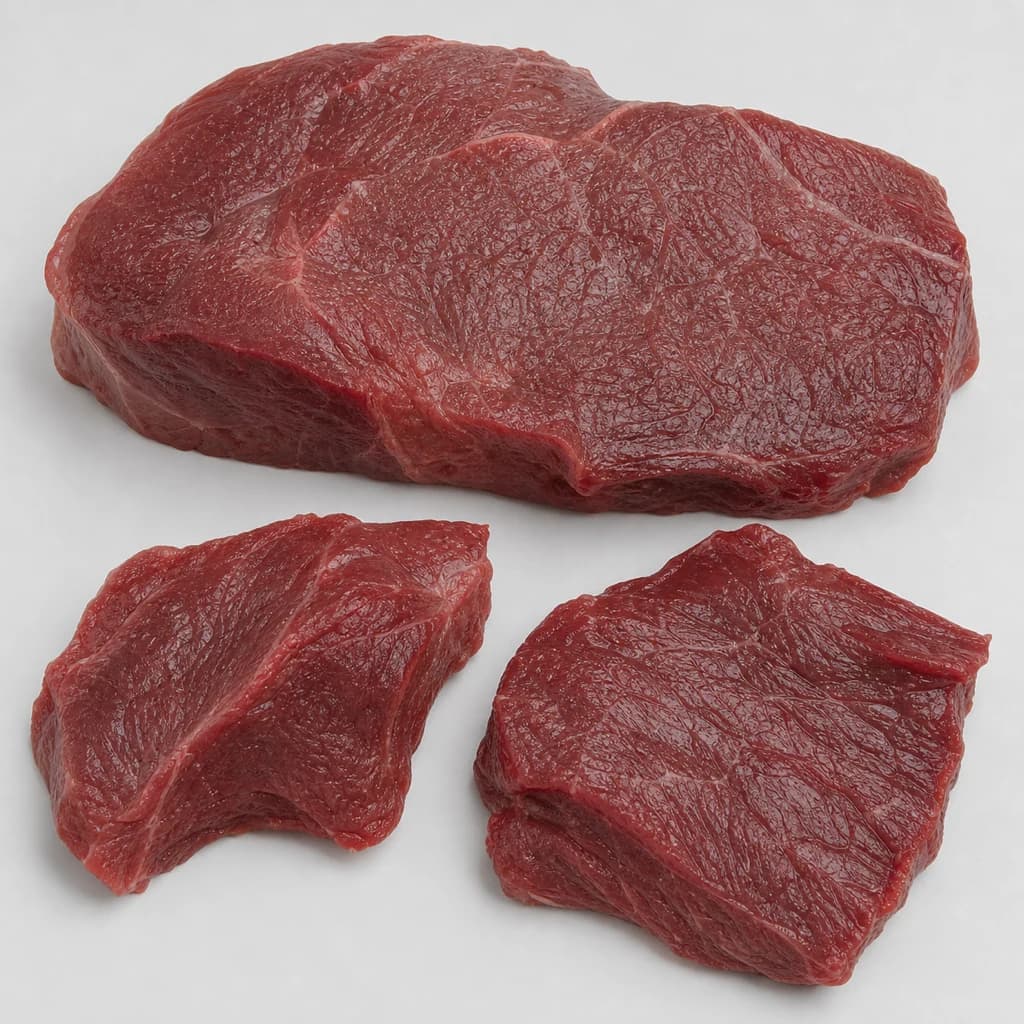
Raw camel meat: deep red, lean cuts with minimal visible fat marbling.
Shows the defining visual characteristics of camel meat — its lean, dark red color and texture — so a reader can identify it at a market or butcher.
Proteins
Camel Meat
Lean red meat from camels — slow-cooked in stews and rice dishes across the Middle East and Africa.
Camel meat is a lean red meat with a flavor between beef and lamb, traditional across the Arabian Peninsula, North Africa, and the Horn of Africa. Because it is low in fat, it is best slow-cooked in stews, braises, and spiced rice dishes that keep it tender. Younger camel meat is more tender, while older animals require longer cooking.
Camel meat is a lean, protein-dense red meat from dromedary (one-humped) and Bactrian (two-humped) camels, produced primarily in the Horn of Africa, Arabian Peninsula, North Africa, and Central Asia. It occupies a unique position in global cuisine—nutritionally outstanding, culturally significant across a vast geographic band from West Africa to Central Asia, and increasingly recognized as a sustainable livestock option in arid climates due to camels' remarkable water efficiency and heat tolerance. The meat remains underutilized outside its traditional regions, partly due to limited availability and partly due to lack of familiarity with appropriate cooking techniques.
In behavior, camel meat resembles very lean beef or venison: dense and firm when raw, it transforms into tender, juicy meat when properly cooked, but becomes dry and chewy if subjected to high heat or overcooked. Its flavor is mildly gamey with a subtle sweetness—a distinctive character that distinguishes it from conventional red meats. The leanest red meat commonly available, camel meat contains approximately 2% fat compared to 15–20% for typical beef cuts, making moisture management the central technical challenge for cooks.
The hump is the most prized and versatile cut: a muscular structure containing a concentration of fat (still leaner than beef fat) that yields exceptionally flavorful, tender meat when braised. Young camel meat, from animals under one year, is notably more forgiving and can accommodate quicker cooking methods. Traditional preparations across Saharan and Arabian cuisines often cook camel alongside fattier meats like lamb to balance its leanness, though excellent results are achievable with camel alone when proper technique is applied.
- Measured in
- g
- Storage
- Fridge
Types & varieties
One-humped camel; constitutes most global camel meat production; widely raised across North Africa, the Horn of Africa, and the Arabian Peninsula
Two-humped camel; native to Central Asia (Mongolia, Kazakhstan, China); meat tends to be slightly darker and richer in flavor
Calves slaughtered under one year; meat is notably more tender and mild, suitable for quick-cooking methods like grilling and pan-searing
Mature animals, typically 4–8 years old at slaughter; requires slow, moist cooking methods to break down connective tissue
The muscular hump is the most prized cut; contains a concentration of fat (though still leaner than beef) and is exceptionally flavorful; ideal for braising
Understanding Cuts and Best Uses
Camel meat is sold in similar cuts to beef, though availability varies by region. The hump yields the most versatile meat—braise it whole for spectacular results, or cut into steaks and stew meat. Shoulder and leg cuts contain more connective tissue and benefit from long, slow cooking. Loin and rib cuts from young animals are the most tender and can handle higher-heat methods. Ground camel meat works well in burgers and meatballs but requires added fat (10–15% lamb suet or beef fat) for optimal texture and moisture.
- Hump: best for braising, stews, and distinguished guests—cook low and slow to render the fat and tenderize the meat
- Shoulder and leg: ideal for tagines, stews, and soups where extended cooking time breaks down collagen
- Young animal cuts: can be grilled, pan-seared, or roasted if kept to medium-rare or medium doneness
- Ground meat: always add fat when forming patties or meatballs to prevent dryness and improve binding
- Bone-in cuts: request bones when buying for stews—they add flavor and moisture during cooking
Regional Preparations Worth Knowing
Understanding how camel meat is traditionally prepared provides a foundation for successful cooking. In Gulf and Arabian cuisines, the meat stars in machboos (spiced rice with meat) and harees (wheat and meat cooked to porridge consistency). Somali cuisine features both grilled preparations and raw meat dishes seasoned with aromatic butter and spices. North African tagines rely on the meat's ability to hold shape during extended braising while absorbing complex spice profiles. Egyptian and Levantine traditions use camel in savory pastries and incorporate fresh herbs as finishing elements.
- Machboos/Kabsa: spiced rice dish with whole braised camel pieces, deeply flavored with cardamom, cumin, and dried lime
- Harees: slow-cooked wheat and meat porridge, traditionally served during Ramadan
- Tagines: North African stews where camel holds its shape beautifully during hours of gentle braising
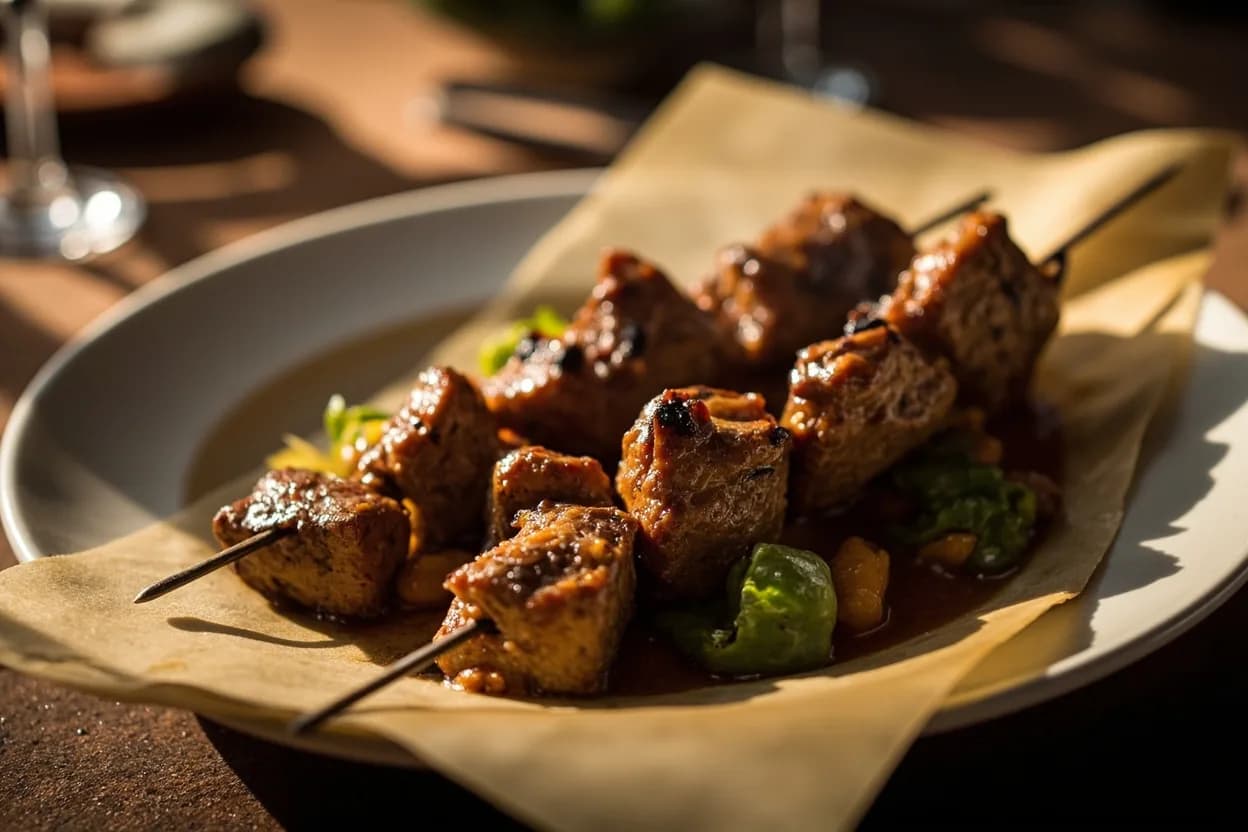
- Somali grill: young camel steaks and kebabs, often served with banana—a surprisingly harmonious combination
- Egyptian fatayer: savory pastries filled with spiced camel meat, similar to meat-filled calzones
Common uses
Tips & pitfalls
- Use low-and-slow cooking methods for mature camel meat—braise at 150–165°C (300–325°F) for 2–4 hours until fork-tender
- Marinate lean cuts before grilling or quick-searing; acidic marinades (lemon, yogurt) help retain moisture and tenderize
- Add a small amount of fat (ghee, clarified butter, or fatty lamb) when cooking lean camel meat to prevent dryness and improve mouthfeel
- Season generously—camel meat benefits from bold spices including cardamom, cumin, coriander, dried lime, and saffron
- Do not overcook: once internal temperature reaches 65–70°C (150–160°F), the meat can quickly become dry and tough
- Rest cooked meat for 10–15 minutes before slicing to allow juices to redistribute
- Ground camel meat works excellently for burgers and meatballs; combine with 10–15% fat (lamb or beef suet) for best texture
- When buying whole cuts, request bone-in pieces for stews—the bone adds flavor and moisture during cooking
- Age camel meat similarly to beef: dry-aging for 7–14 days at controlled temperature deepens flavor and tenderizes
- Common mistake: treating camel meat like standard beef and using high-heat quick methods—this leads to severe dryness with mature animals
Nutrition
Energy
1301 kJ · per 100 g
Where the calories come from
Protein
41.7g
83% DV
Carbs
34.7g
13% DV
Fat
3g
4% DV
Fiber
17.5g
63% DV
Sodium
10mg
0% DV
Source · USDA FoodData Central · approx. Meat extender
View on FDC →In the shops
Matched grocery products
No matched grocery products for Camel Meat yet.
Good to know
- Source
- Dromedary (one hump) and Bactrian (two humps) camels; primarily from the Horn of Africa, Arabian Peninsula, North Africa, and Central Asia
- Flavor
- Mildly gamey, lean, and slightly sweet—similar to high-quality venison or very lean beef with a distinctive character
- Texture
- Dense and firm when raw; becomes tender and juicy when properly cooked; prone to drying if overcooked
- Fat Content
- Approximately 2% fat versus 15–20% for typical beef cuts—among the leanest red meats available
- Shelf Life
- Refrigerate below 4°C (40°F) and use within 3 days; freeze at -18°C (0°F) for up to 6 months
- Yield
- 50–60% edible meat after boning and trimming; lean meat shrinks less than fatty cuts during cooking
- Key Nutrients
- High protein (23–25g per 100g), low saturated fat, rich in iron and zinc, good B-vitamin content
- Cultural Role
- Staple protein across Saharan and Arabian cuisines; central to Bedouin and Somali culinary traditions; considered a delicacy in Saudi Arabia, UAE, Qatar, and Oman
Substitutes
- Venison (deer) — Closest match in leanness and mild game flavor; requires similar cooking techniques to prevent drying
- Lean Beef (round or sirloin) — Most accessible substitute; slightly higher fat content but similar cooking behavior; may need to reduce cooking time
- Bison — Comparable leanness and protein content; similar mild, clean beefy flavor; cooks similarly to lean beef
- Lean Goat Meat — Similar leanness and mild flavor profile; widely used in similar geographic regions; requires slow cooking for best texture
- Ostrich — Very lean red meat with a distinct flavor; cooks quickly and dries easily—similar challenges as camel meat
Pairs with
Appears in these dishes
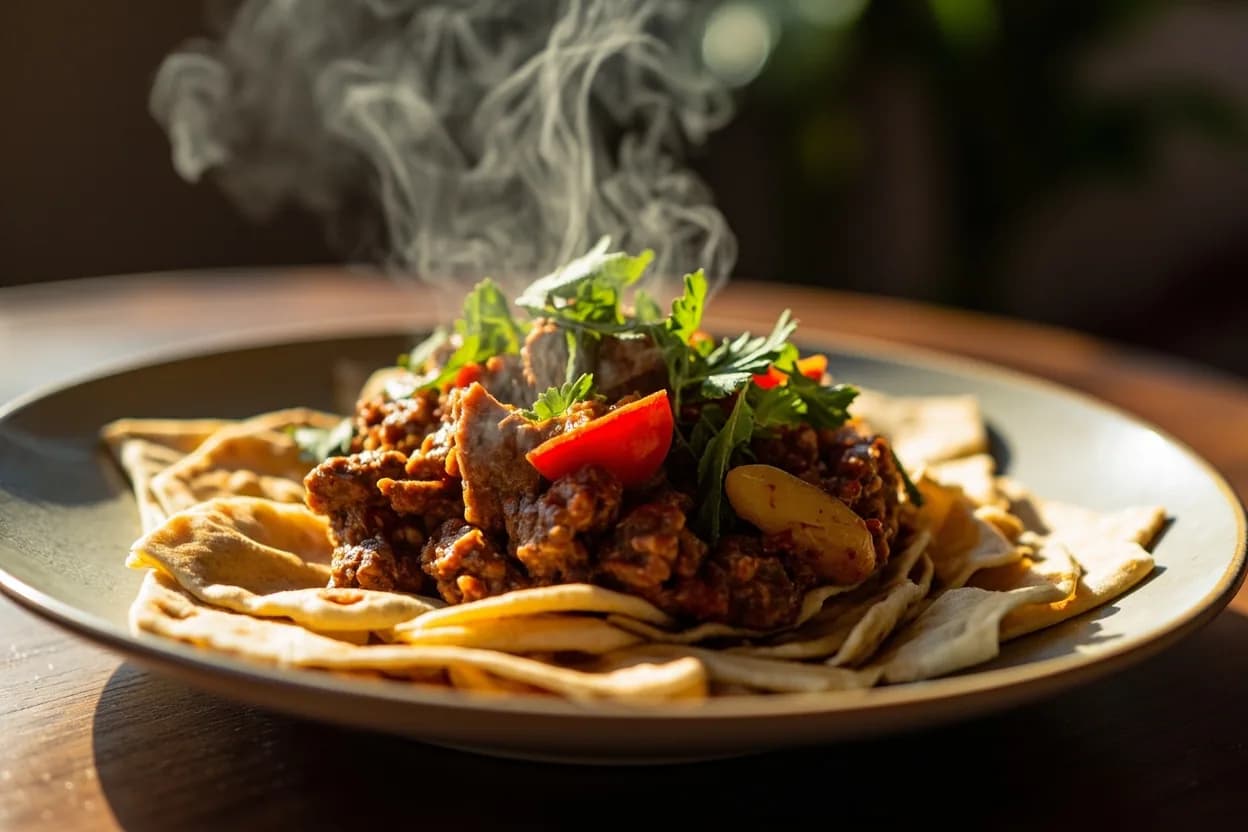
Related
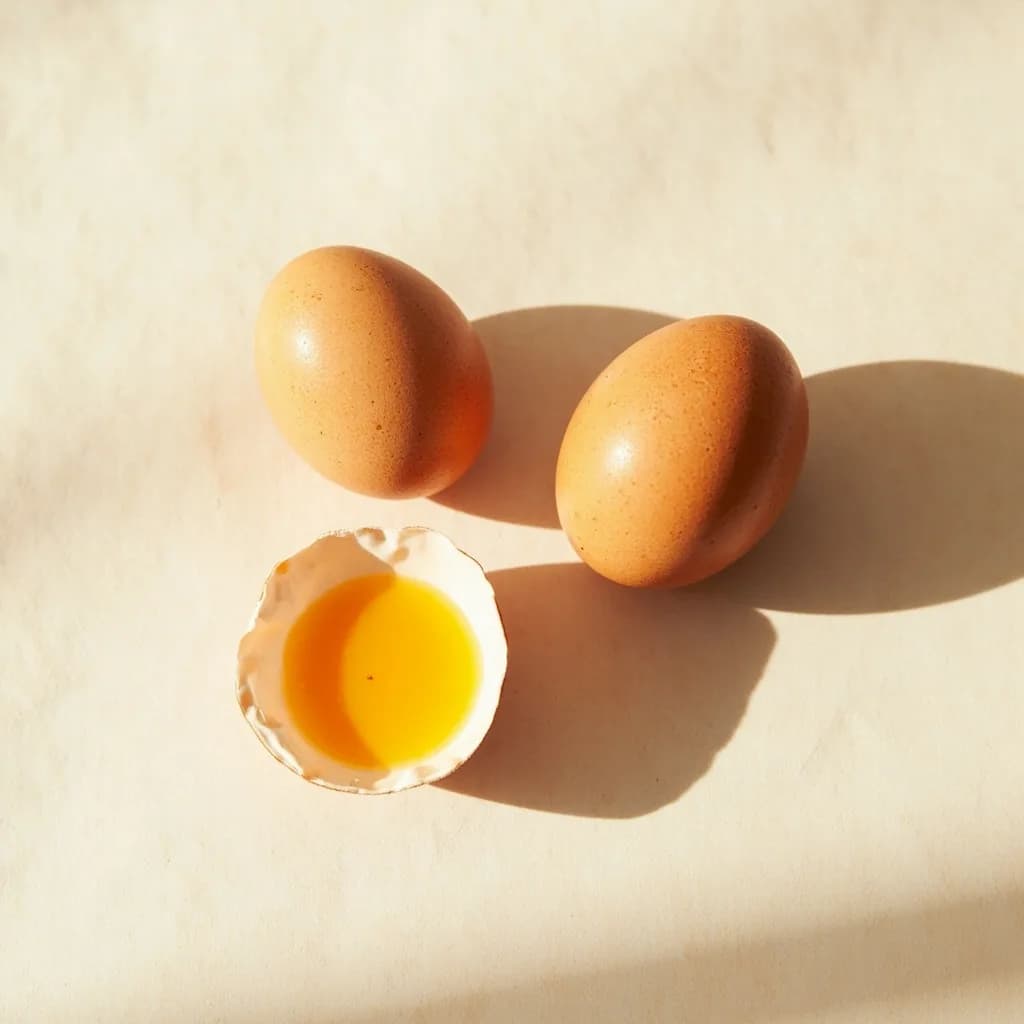
Egg
The kitchen's everything ingredient — bind, leaven, enrich, or fry
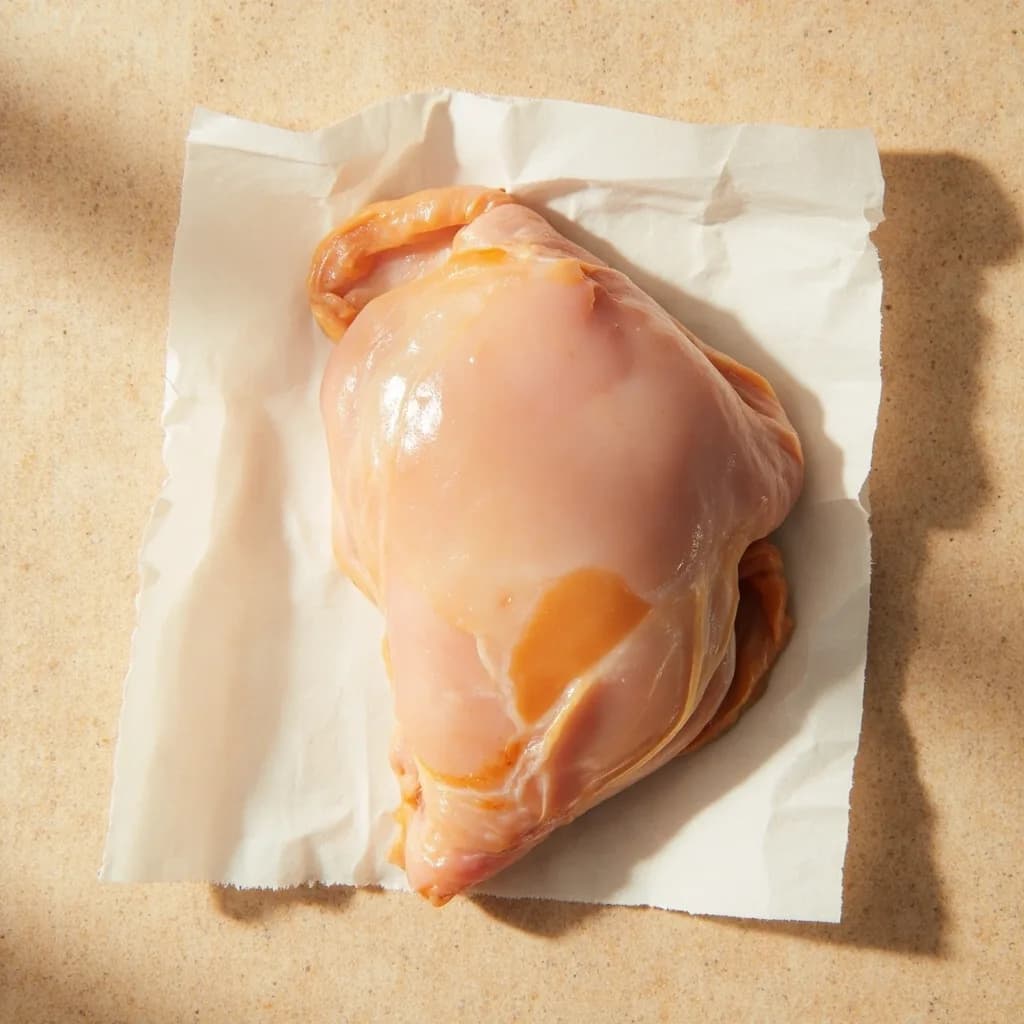
Chicken Breast
Lean, quick-cooking white meat for everyday dinners

Ground Beef
Versatile minced beef for burgers, ragù, tacos, and meatballs
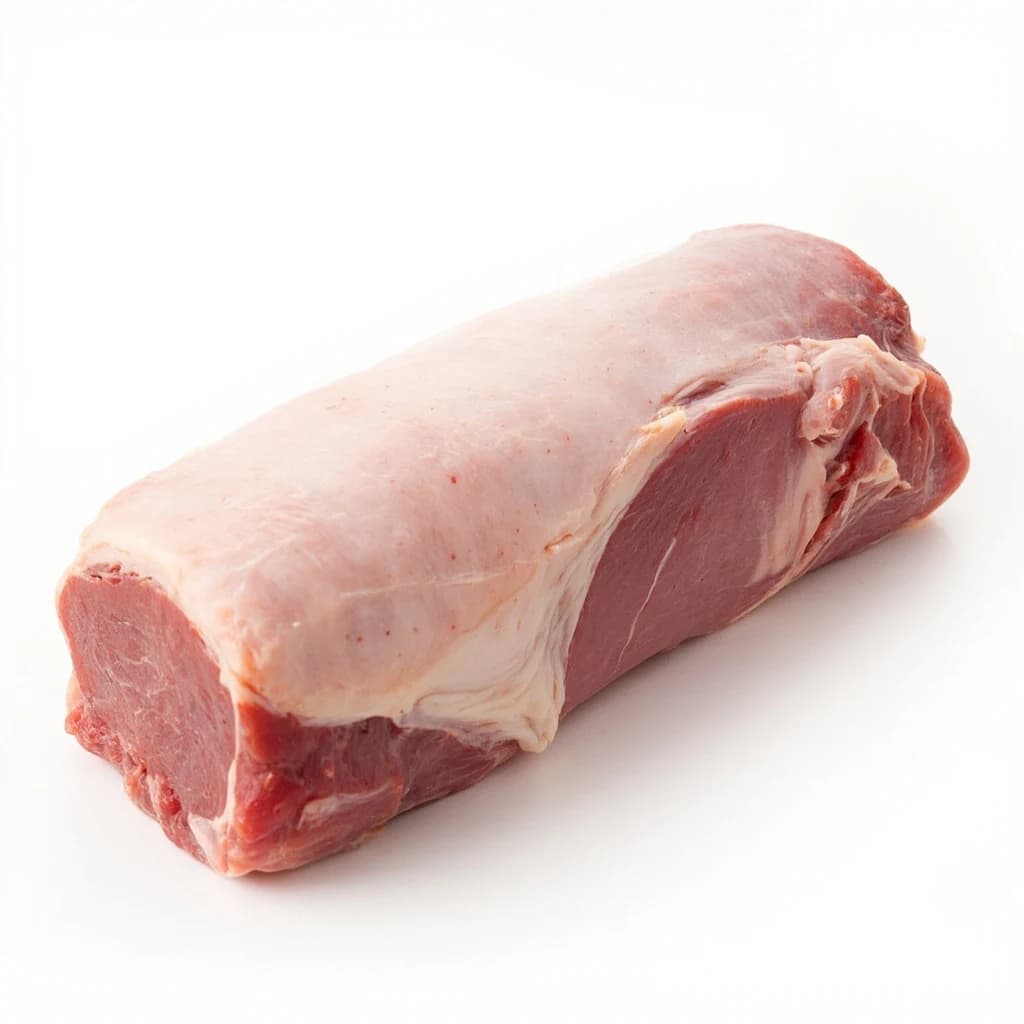
Pork Loin
Lean, tender roasting cut that stays juicy with care
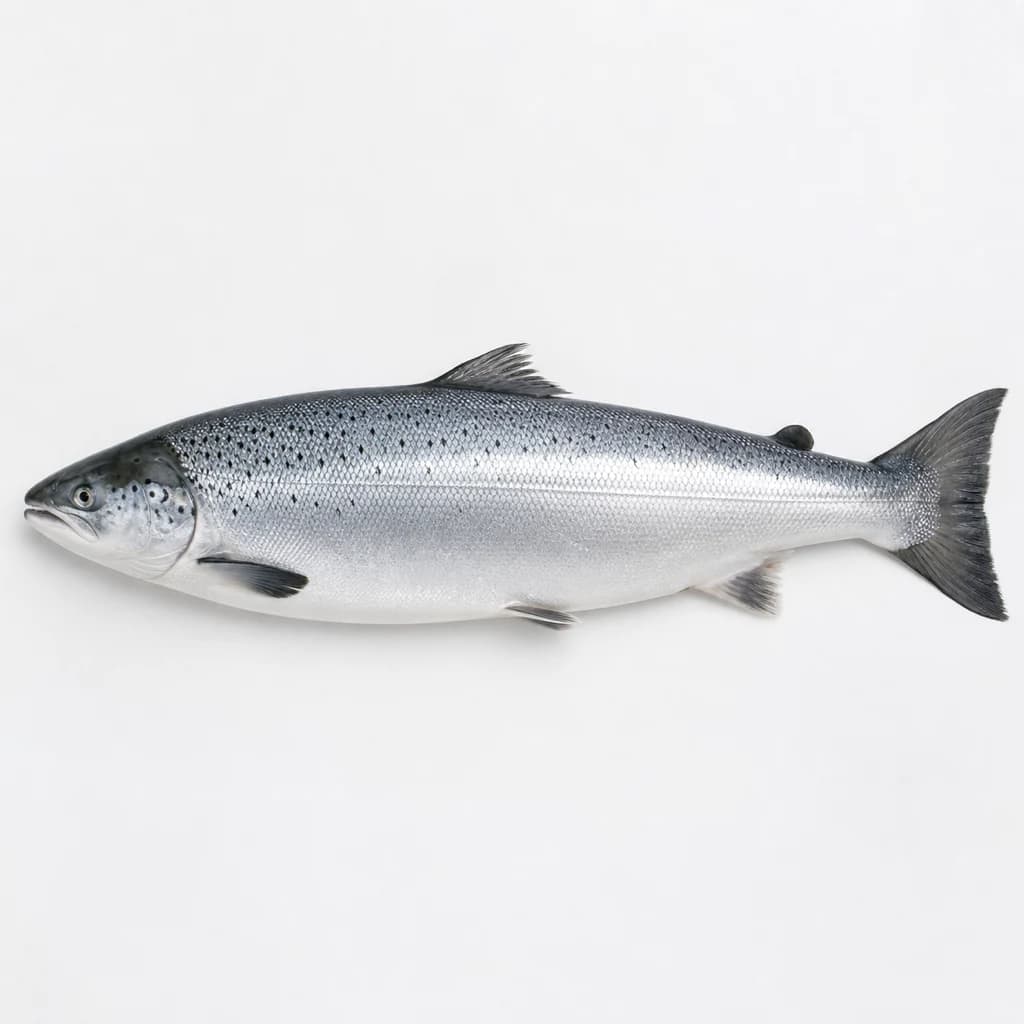
Salmon
Rich, rosy fish that roasts, grills, or cures beautifully

Egg White
Pure protein that whips to airy peaks for meringue and more
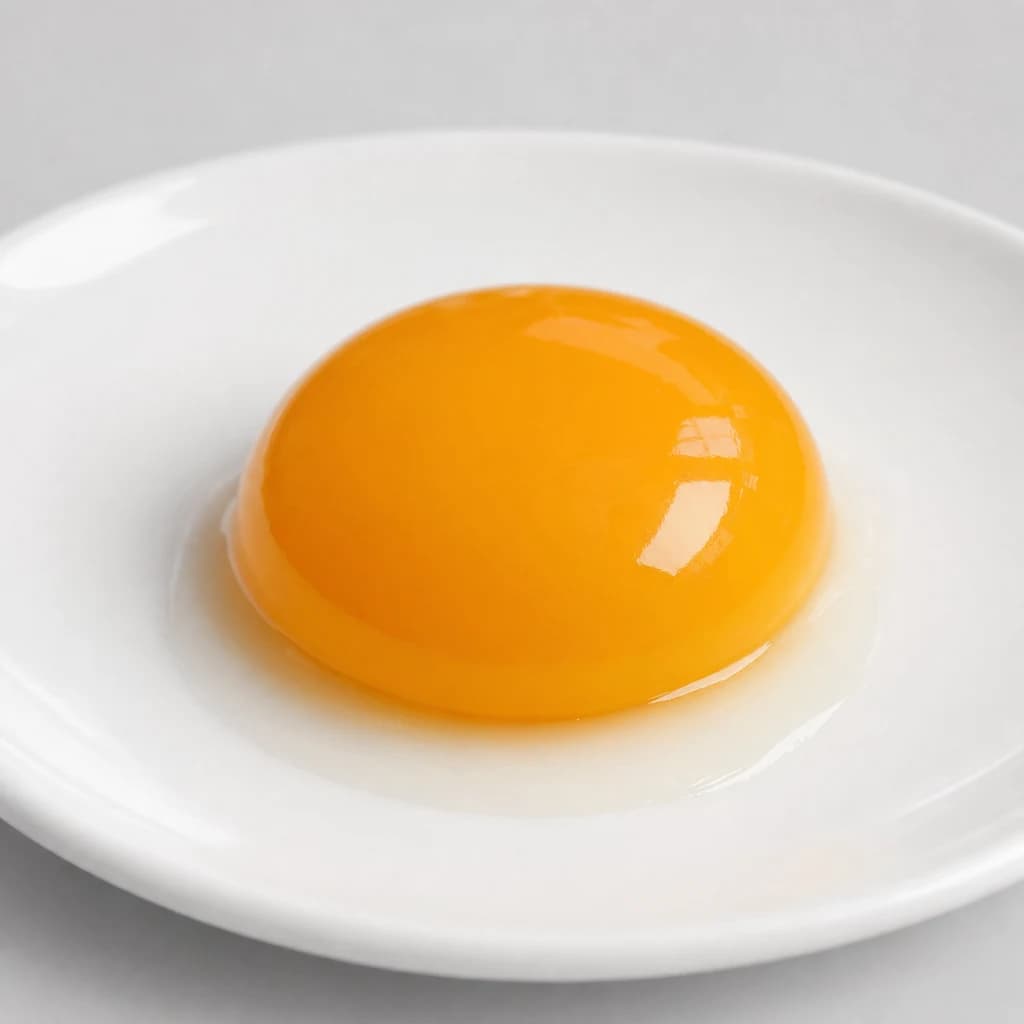
Egg Yolk
Rich, golden yolk for custards, mayonnaise, and pasta

Quail Egg
Tiny, speckled eggs for garnishing and elegant bites