Southern Africa
South African (Braai & Cape Malay)
Also: South African cuisine, braai culture, Cape Malay cuisine, Cape cuisine, South African cooking
A braided multicultural cuisine where Afrikaner fire-grill rituals, Cape Malay spiced curries, Zulu pap and umleqwa, and biltong tell the layered story of a nation at one table.
South African cuisine is not a single tradition but a braided convergence of Khoikhoi and San indigenous foodways, Bantu-speaking agricultural traditions (Zulu, Xhosa, Sotho, Ndebele, Venda), the spiced Cape Malay cooking brought by enslaved and exiled Indonesian, Malaysian, and East African peoples to the Cape Colony, Dutch and British settler foods that evolved into Afrikaner cuisine, and Indian laborers' food traditions in KwaZulu-Natal. What unifies them is the braai — the wood-fire grill ritual that transcends race and class — and staples like pap (maize porridge), biltong (dried cured meat), and the all-pervading braai culture.
The flavour base
Cape Malay: a soffritto of onion, garlic, and ginger bloomed with spice (cinnamon, cardamom, turmeric, dried chilies). Afrikaner: rendered beef fat or butter with onion and dried herbs. Nguni: onion and tomato with dried herbs; pap as the neutral absorbing base.
Pantry staples
Key ingredients
Signature techniques
Signature dishes
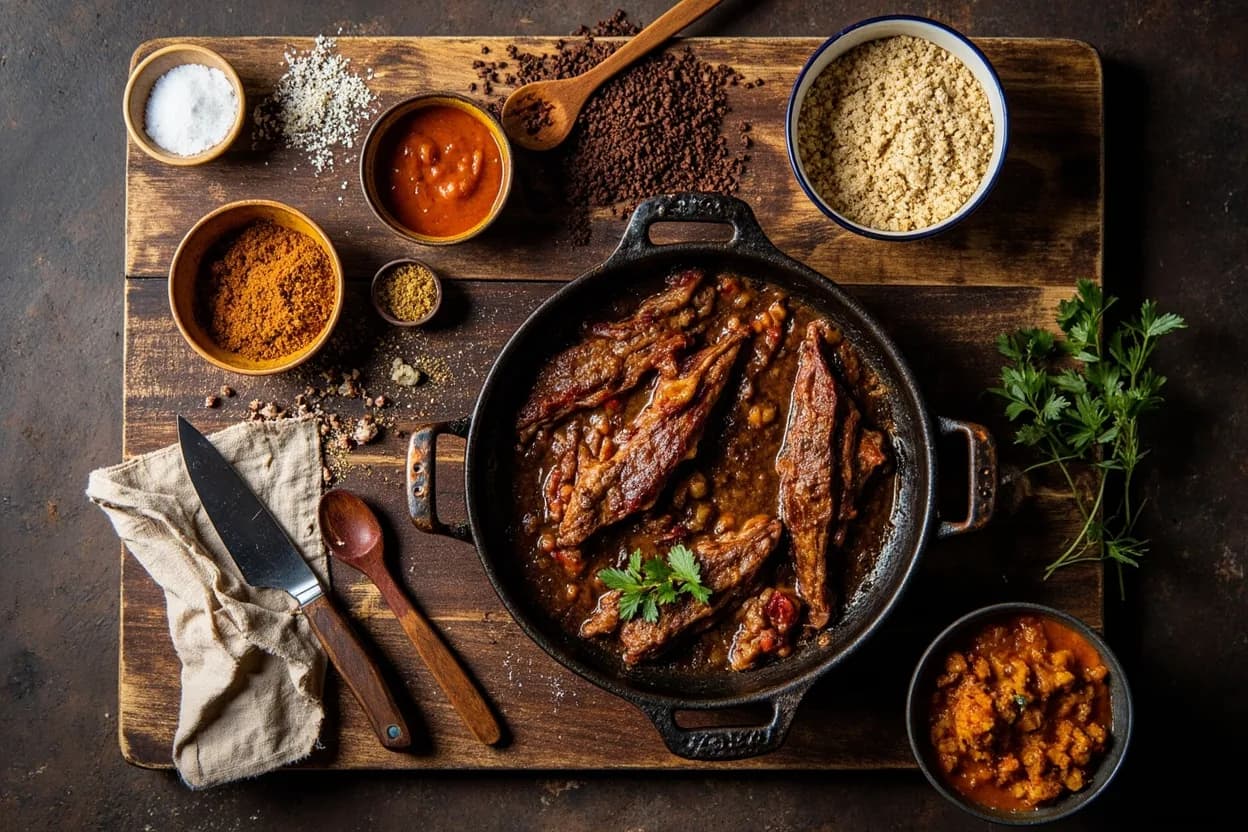
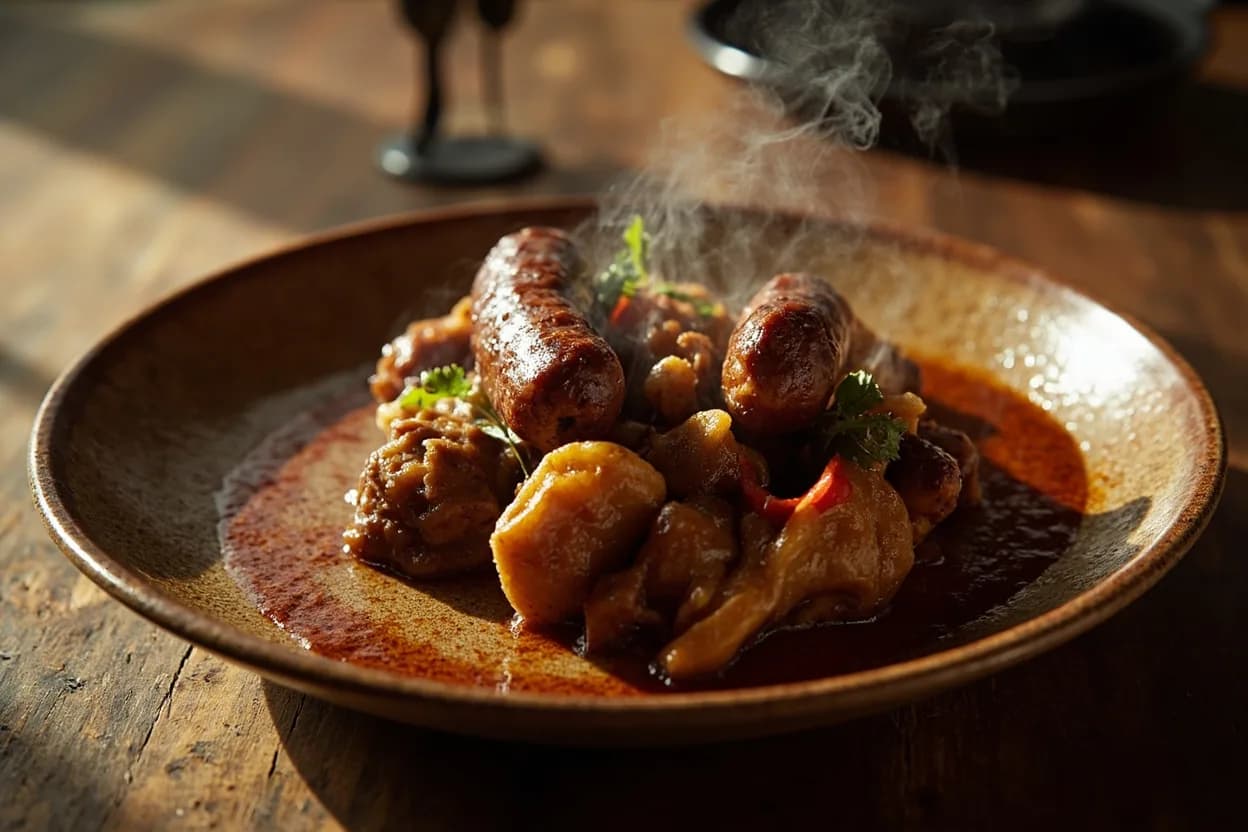
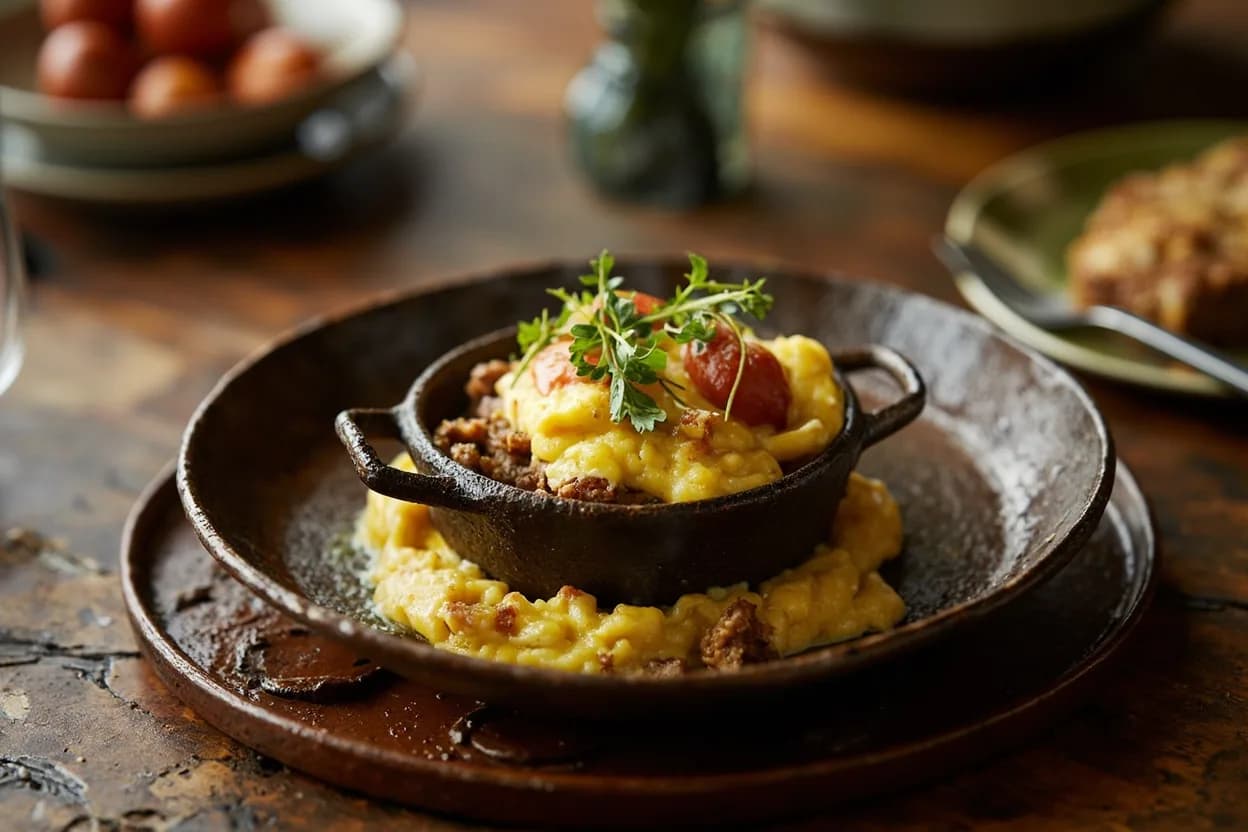
South African (Braai & Cape Malay) on the table
At the table
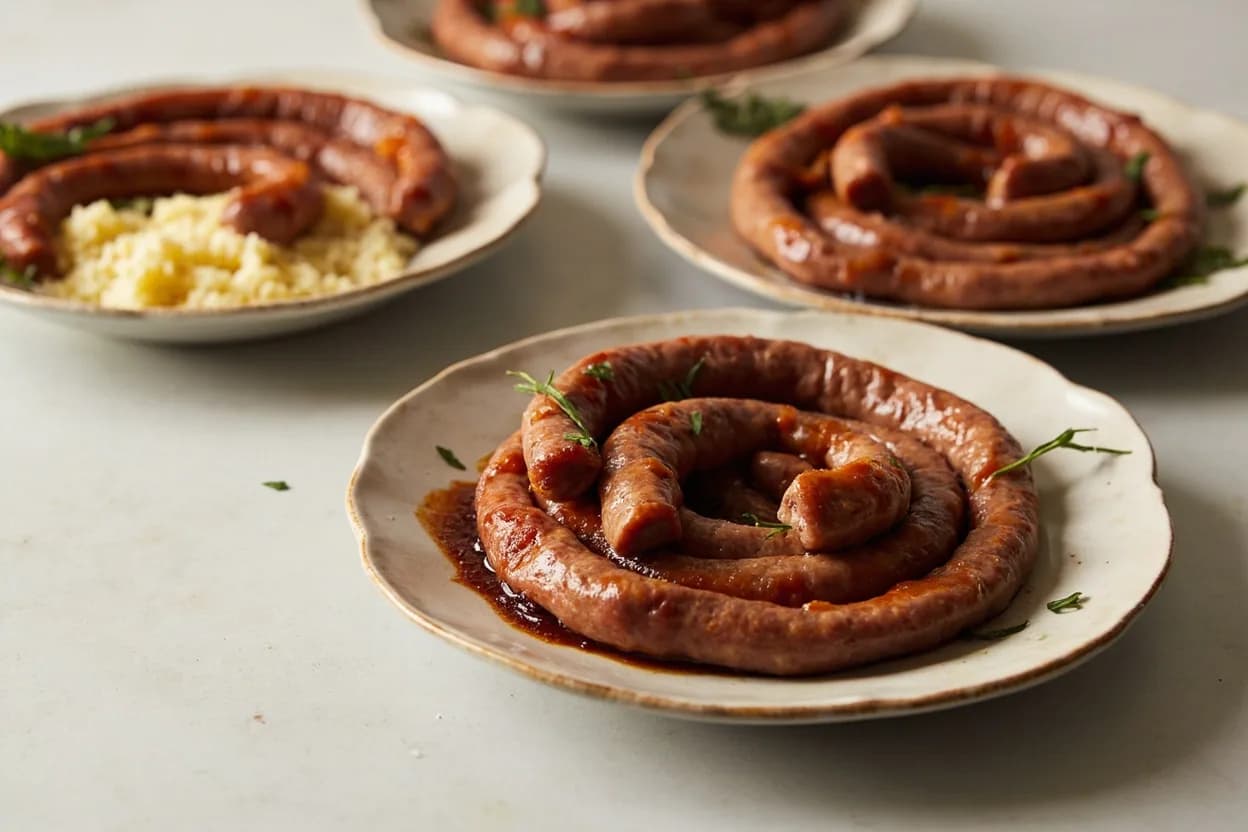
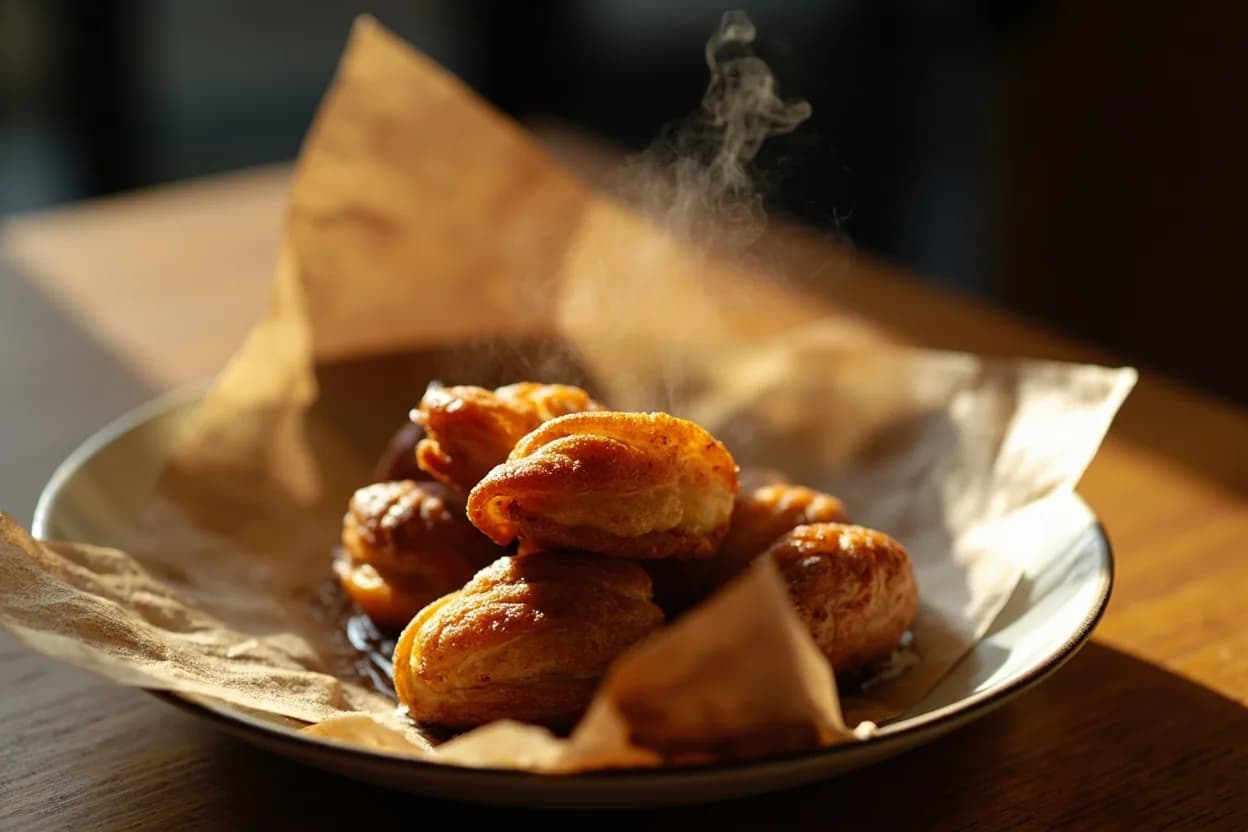
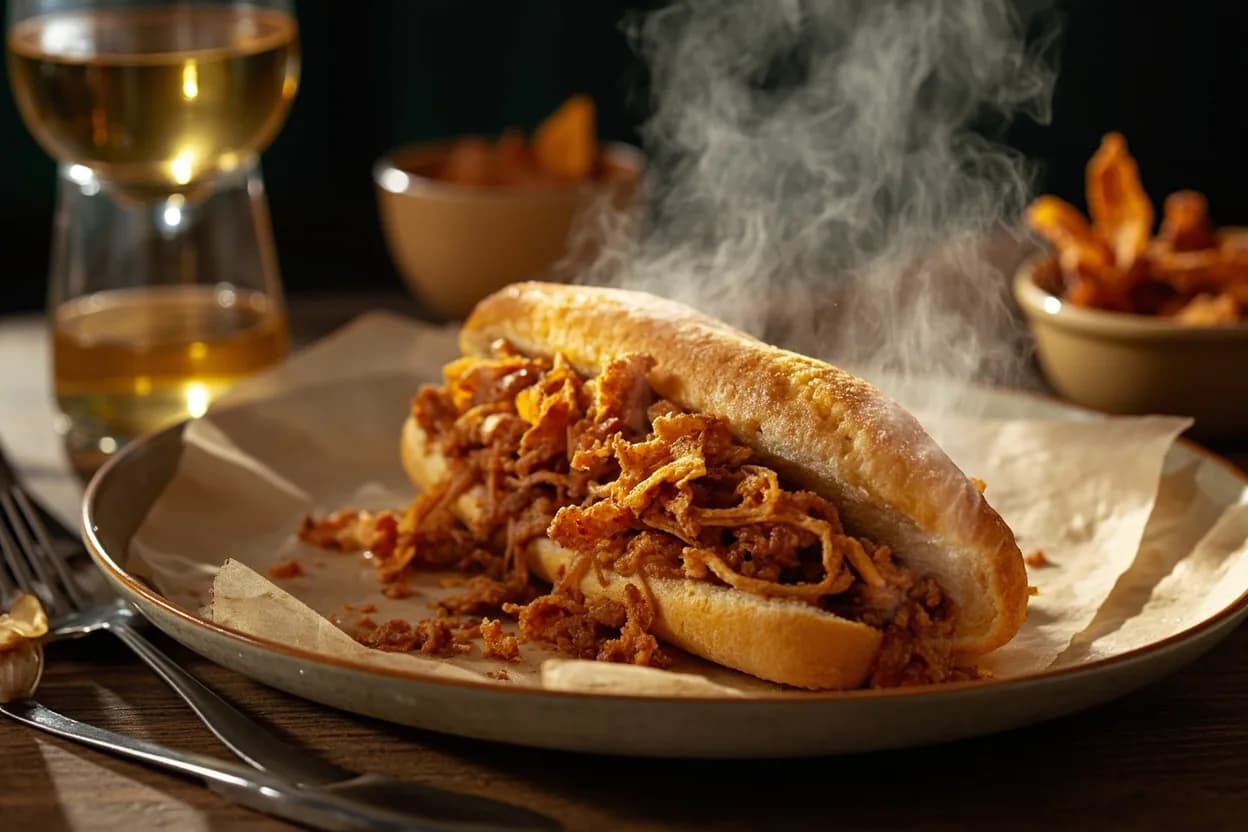
The braai is both meal and social institution: fire is lit, boerewors goes on first (eaten as starter), then chops, chicken, or whole fish, with pap, chakalaka, potato salad, and braaibroodjies (grilled cheese sandwiches) as sides. Formal sit-down meals structure around a main of curry, stew, or roast with pap or rice and multiple side dishes (salads, atchar/achaar pickles, sambal). Cape Malay communal meals include sosaties (skewers), biryani, and koeksisters for dessert.
History & context
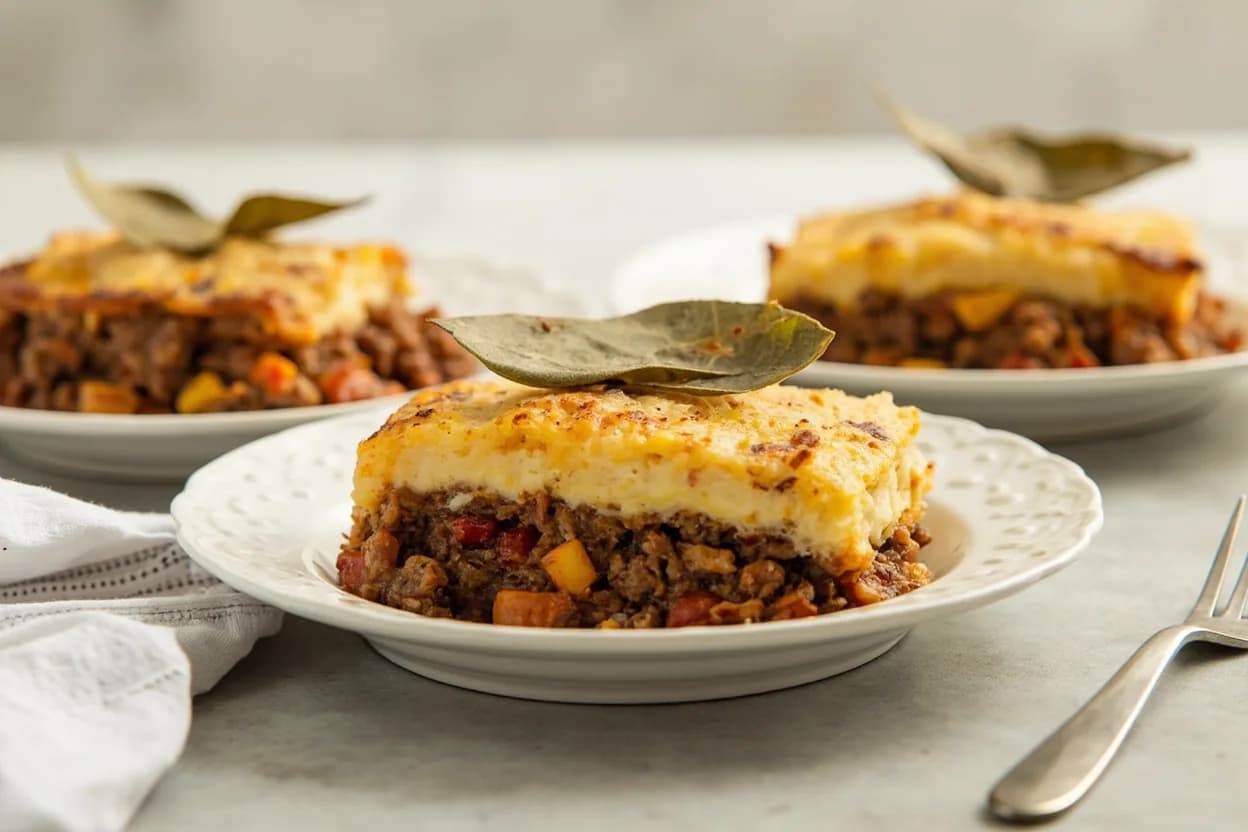
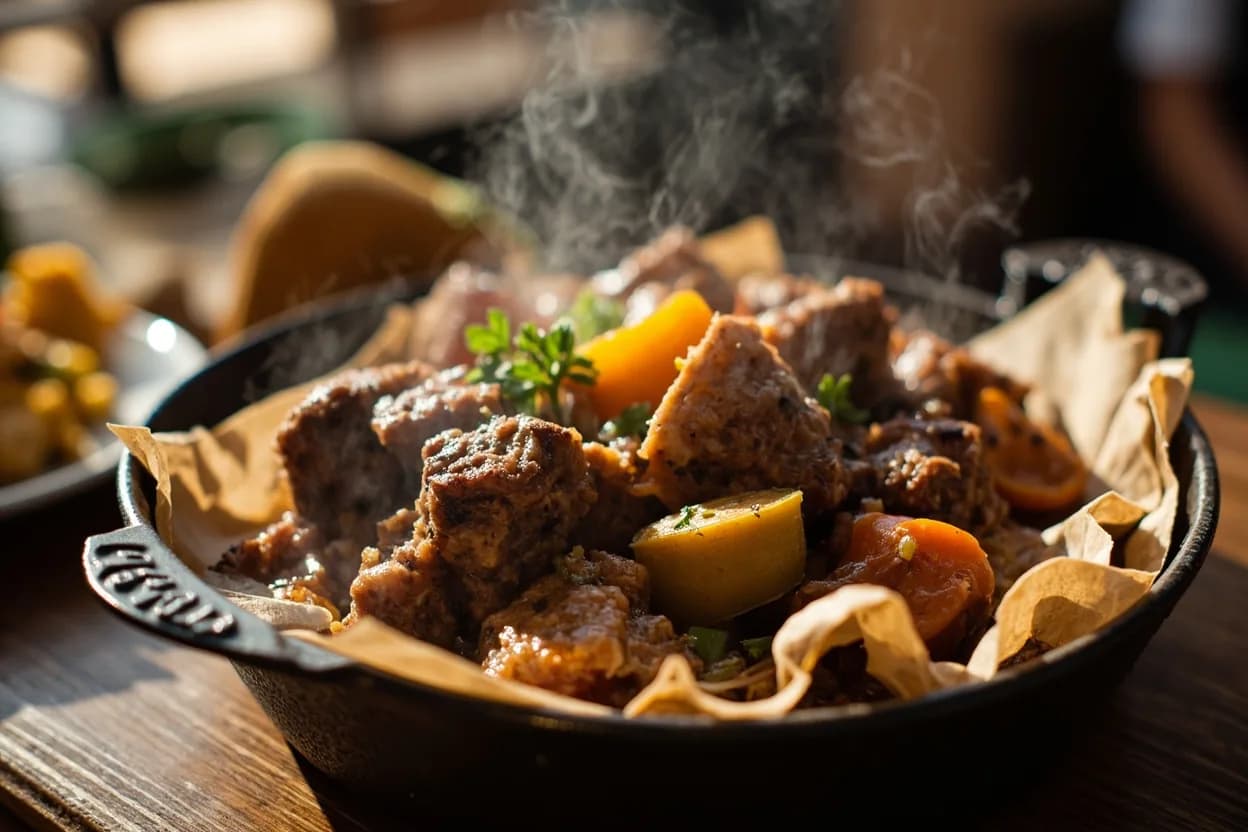
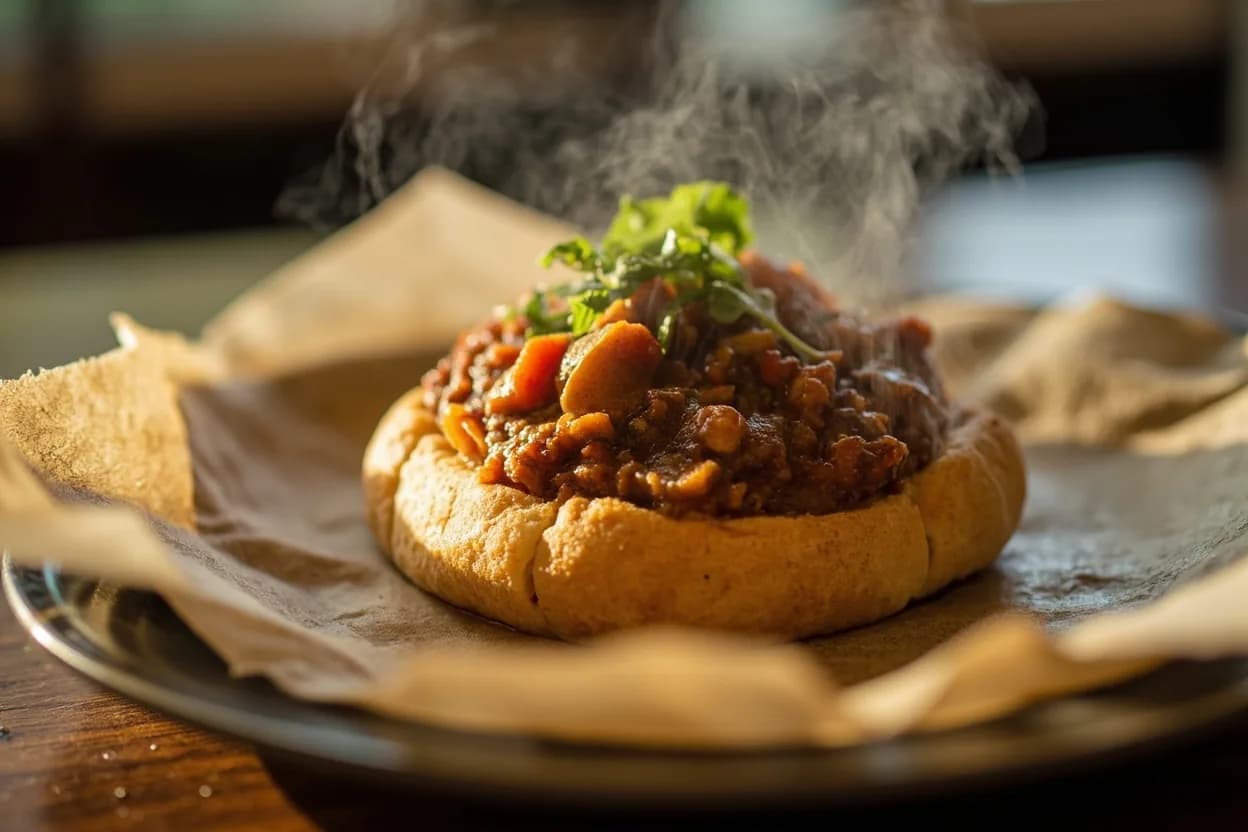
The Cape Colony (established by the Dutch East India Company in 1652) was the crucible: Dutch settlers brought farming and smoking traditions, while the VOC imported enslaved Indonesians, Malagasy, and East Africans, and exiled Cape Malay political prisoners who carried their spice-trade cooking with them. This produced the Cape Malay tradition — bobotie, bredie (spiced stew), koeksisters, and the distinctive spiced fruit-and-meat combinations. Afrikaner food developed further inland during the Great Trek (1830s), creating potjiekos and biltong as preservation technologies for mobile communities. Indian indentured laborers arrived in Natal from 1860, producing Durban's legendary bunny chow and mutton curry culture. Post-apartheid, South African chefs began weaving all these threads together consciously, while indigenous Nguni food traditions (morogo wild greens, umleqwa free-range chicken, mopane worms) are being reclaimed and elevated.
Regional variations
- Cape Town / Western Cape
Cape Malay spiced cooking (bobotie, denningvleis, waterblommetjie bredie), fresh seafood (perlemoen/abalone, crayfish), and the wine-producing Winelands cuisine with French Huguenot influence.
- KwaZulu-Natal (Durban)
The most intensely spiced South African food: Indian-South African curry culture, bunny chow, roti, breyani, and the distinctive Durban curry paste (fresh curry leaves, dried chilies, whole spices).
- Johannesburg / Gauteng
Melting-pot urban food; Soweto braai culture; kota (township bread roll stuffed with chips, polony, cheese); an emerging fine-dining scene reinterpreting township food.
- Limpopo / Bushveld
Game meat (kudu, impala, ostrich) dominates braai and biltong; mopane worms (dried caterpillars) are a protein staple; stamped beans and maize the carbohydrate base.
- Zulu and Xhosa traditions
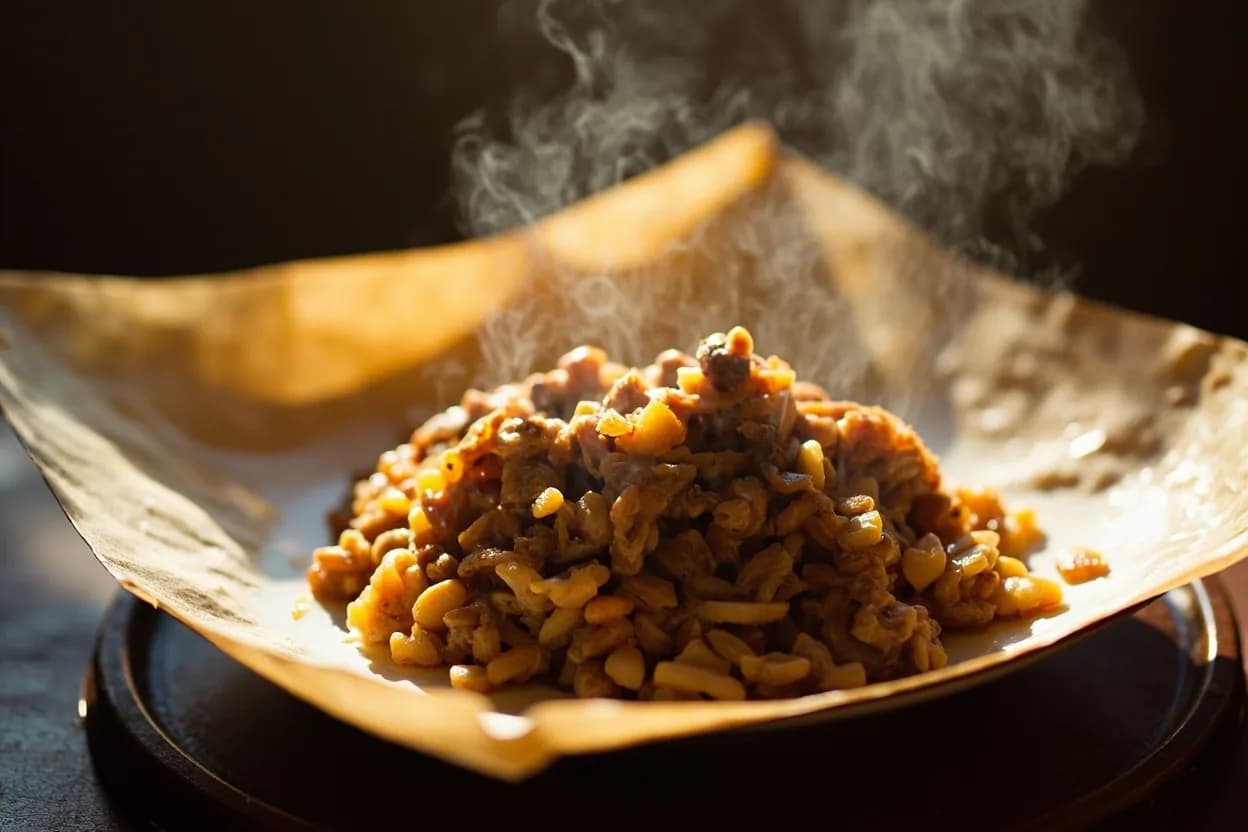
Pap (isitshwala), umleqwa (free-range chicken slow-cooked in spiced sauce), ujeqe (steamed bread), umngqusho (samp and beans), and amasi (fermented milk) are the indigenous base.
Related cuisines
- Malaysian / Indonesian
Cape Malay cuisine is a direct descendant of the spice-trade cooking of enslaved Indonesians and Malaysians brought to the Cape — shared spice palettes, cooking techniques, and specific dishes.
- Indian (South Indian / Tamil)
Natal Indian cuisine is a creolized branch of Tamil and Bihari cooking, producing a distinct South African-Indian food culture.
- Mozambican
Peri-peri (piri-piri) chili use, grilled prawns, and calamari dishes from Mozambican immigrants shaped South African coastal and township food.
- Zimbabwean / Zambian
Shared sadza/pap maize porridge tradition and relish culture connect South African food to the broader Southern African Bantu culinary region.
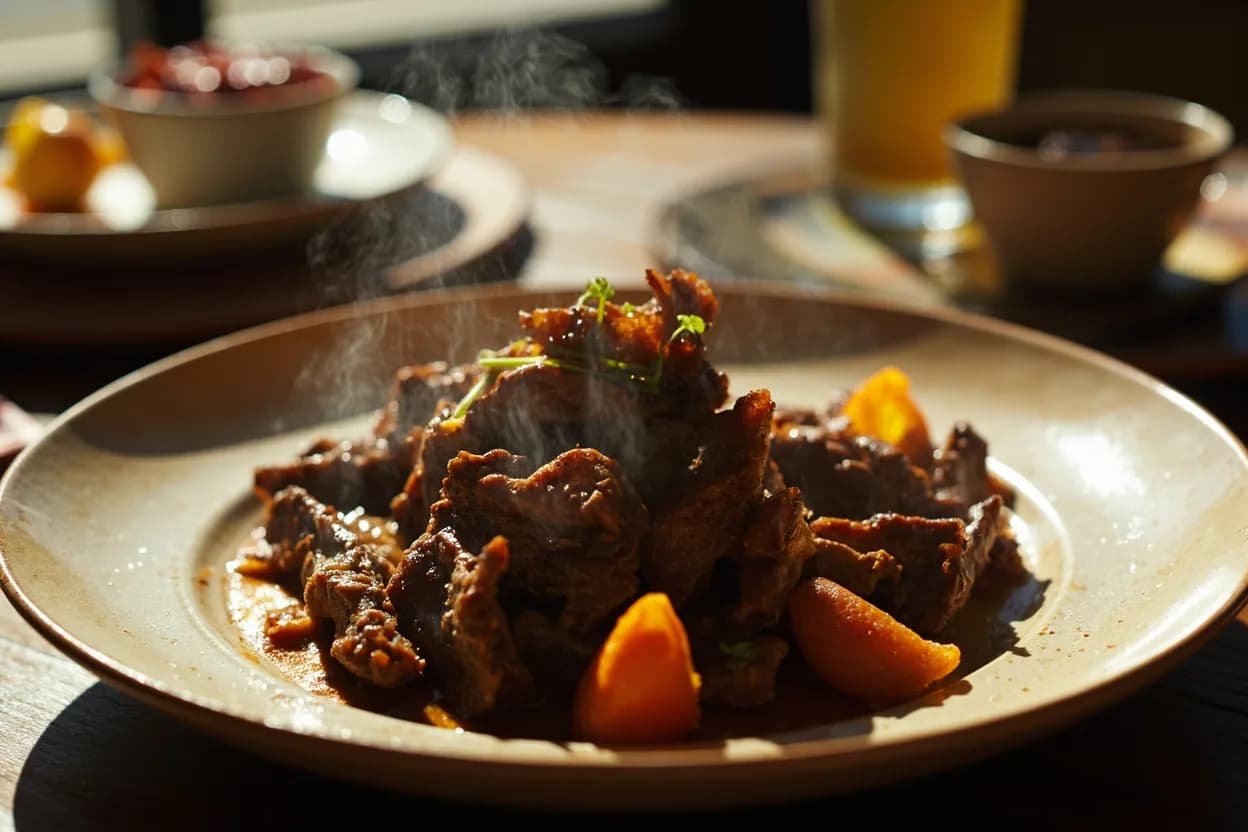
Canonical recipes
The dishes that define South African (Braai & Cape Malay), documented in the Canon.
References
- 1.Cooking from Cape to Cairo — Lannice Snyman (2004)
- 2.South African Food and Cooking — Hilary Biller (2009)
- 3.The Cape Malay Cookbook — Faldela Williams (1988)
- 4.Shisa Nyama: The Story of the South African Braai — Ishay Govender-Ypma (2019)
- 5.Pot and Palate: South African Culinary Traditions — Cass Abrahams (2017)
Confidence: high
Notes
Braai as national religion
The braai is not simply a barbecue — it is a social ritual that Archbishop Desmond Tutu famously called 'the glue that holds the nation together.' It cuts across racial, class, and cultural lines in a country where much else divides. National Braai Day (24 September, Heritage Day) was created precisely to leverage this shared practice. Wood fire — never gas, rarely charcoal — is considered non-negotiable by purists.
Cape Malay spice legacy
The Cape Malay community (Bo-Kaap neighborhood, Cape Town) preserves recipes that encode the spice-trade routes of the VOC era. Bobotie — minced lamb with turmeric, dried fruit, almonds, and egg custard — is sometimes called South Africa's national dish and reflects this spice-fruit-meat combination with no European analogue. The Cape Malay use of dried apricots, quince, and tamarind with lamb echoes Persian and North Indian influences filtered through two centuries of Cape cooking.
Biltong: a preservation technology become a national snack
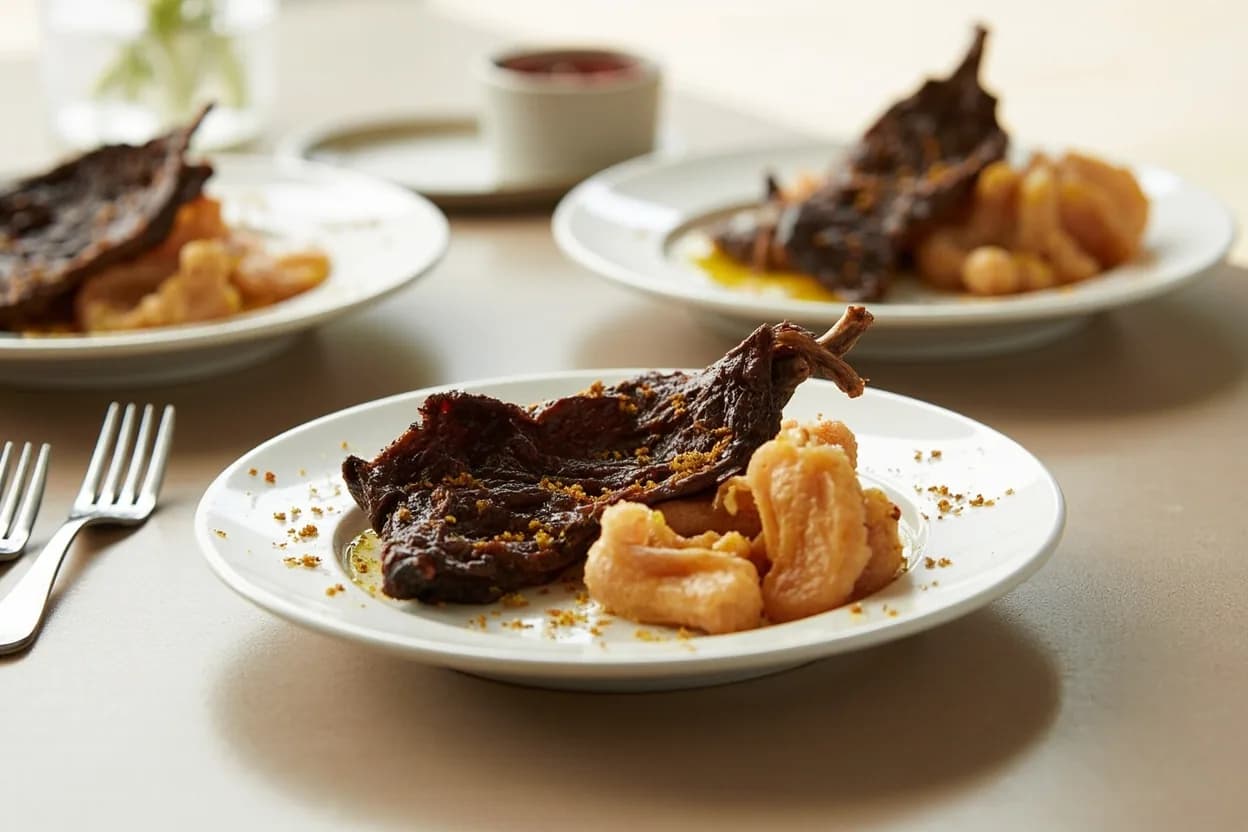
Biltong is air-dried salted and spiced meat (beef, game, ostrich) cured with vinegar, coriander seed, and salt — descended from Dutch salt-beef traditions adapted to the hot, dry South African highveld. Droëwors (dried sausage) follows the same principle. Both are everyday snacks now sold globally as South African exports, but they originated as survival food for Voortrekker settlers moving away from refrigeration.