Grains & Rice
Samp
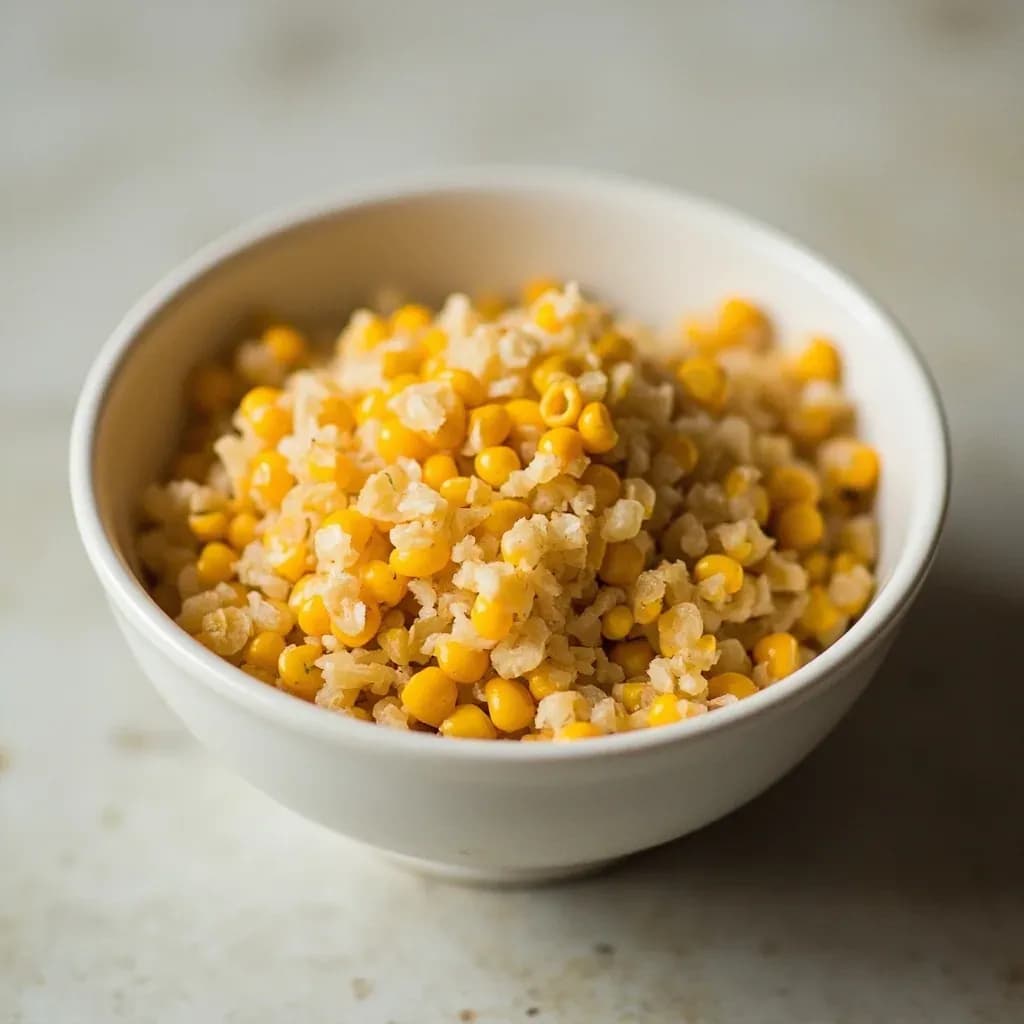
Coarsely crushed dried corn kernels, a Southern African staple often cooked with beans.
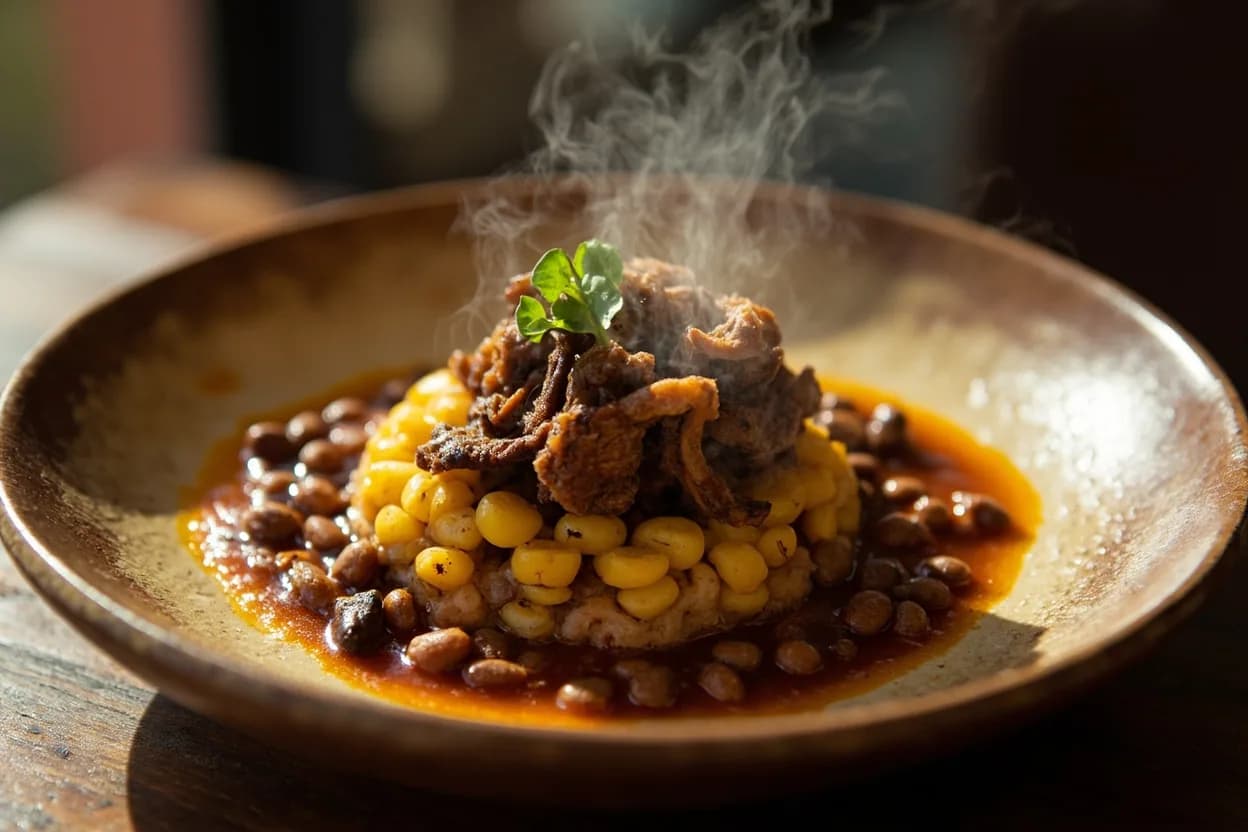
Samp is dried corn that has been stamped or crushed to break the kernels and remove the hulls, leaving chunky bits larger than grits. A South African staple, it is slow-simmered until tender, classically with beans as umngqusho. It has a mild corn flavor and creamy-chewy texture after long cooking.
Samp is a coarsely crushed dried corn kernel with the hull and germ partially intact, producing a rustic, irregular texture distinct from cornmeal or hominy. Unlike hominy, which undergoes lime treatment, samp retains a milder, purer corn flavor and a satisfying chew. It is a cornerstone of Southern African cuisine, particularly cherished in Zulu and Xhosa cooking where it has sustained communities for centuries. The texture transforms dramatically through cooking: dried samp is hard and dense, but after soaking and simmering it swells into tender, starchy bites with a creamy interior and slightly firm edge. Its neutral corn sweetness makes it an ideal canvas for bold accompaniments, and its starch released during cooking thickens the cooking liquid into a naturally creamy backdrop for beans and seasonings. Samp is the foundation of umngqusho, the celebrated corn-and-bean stew served at weddings, funerals, and Heritage Day throughout South Africa.
- Measured in
- g
- Storage
- Pantry
Types & varieties
Standard coarse-crushed kernels; most widely available and commonly used form
Finer-crushed corn; cooks faster and produces a softer texture; often used interchangeably with samp in recipes
Pre-packaged combination of crushed corn and dried beans; convenient shortcut that skips sorting and measuring
Lightly toasted before cooking; adds nutty depth and a subtle smoky quality to the finished dish
Understanding the Difference: Samp vs. Other Corn Products
Samp occupies a unique niche among corn products. Cornmeal and corn flour are ground too finely for samp's characteristic chunky texture. Hominy undergoes lime processing that gives it a distinct tang and puffy texture—samp tastes cleaner and more purely of corn. The partially retained hull and germ provide subtle texture variation and a touch more nutritional density than fully degermed corn products.
- Samp retains more fiber than refined cornmeal due to the partially intact hull
- The germ adds a faint nuttiness absent in degermed corn products
- Unlike hominy, samp does not have the characteristic alkaline flavor from nixtamalization
Buying and Storing
Authentic samp is found at South African grocery stores, specialty African markets, and sometimes in the international sections of large supermarkets. When purchasing, look for uniform coarse crushing with no signs of moisture or clumping. Dried samp keeps for over a year in an airtight container in a cool, dry pantry, but always check for any musty odor before use, which indicates age or improper storage. Cooked samp keeps for five days refrigerated and also freezes well for up to three months.
- Buy from sources with high turnover to ensure freshness
- Store in airtight glass jars to keep out pests and humidity
- Cooked samp can be portioned and frozen flat in freezer bags for easy reheating
Common uses
Tips & pitfalls
- Always soak dried samp overnight (8–12 hours) to cut cooking time in half and ensure even hydration throughout every kernel
- Maintain a 4:1 water-to-samp ratio by volume, but check liquid levels every 15–20 minutes as samp absorbs water rapidly
- Add salt only after samp is completely tender; salt added too early causes the kernels to remain firm and unevenly cooked
- Cook beans separately unless they are very fresh—beans typically require more or less time than samp, and pre-cooking ensures both reach perfection in the same dish
- Use a heavy pot with thick walls to maintain steady, even heat and prevent scorching on the bottom
- If using pre-packaged samp-and-bean mix, follow package directions as processing and moisture content vary by brand
- Leftover samp transforms beautifully when fried in a hot skillet with oil, developing a crispy, golden exterior
- Gently mash a portion of cooked samp to thicken the dish naturally without requiring added starch
Nutrition
Energy
360 kJ · per 100 g
Where the calories come from
Protein
3.2g
6% DV
Carbs
19g
7% DV
Fat
1.2g
2% DV
Fiber
2.7g
10% DV
Sugars
3.2g
of which
Sodium
15mg
1% DV
Source · USDA FoodData Central · approx. Corn, sweet, white, raw
View on FDC →In the shops
Matched grocery products
No matched grocery products for Samp yet.
Good to know
- Origin
- Southern Africa; staple of Zulu and Xhosa cuisines for centuries
- What It Is
- Coarsely crushed dried corn kernels with hull and germ partially intact
- Primary Use
- Simmered with beans to make umngqusho (corn and bean stew)
- Prep Time
- Soak 8–12 hours; cook 1–2 hours
- Shelf Life (Dried)
- 12+ months in airtight container in cool, dry place
- Shelf Life (Cooked)
- 5 days refrigerated
- Flavor
- Mild corn sweetness, creamy when cooked, starchy texture
- Gluten Status
- Gluten-free
Substitutes
- Hominy — Similar starchy corn product but lime-treated with a different texture, tangy flavor, and puffier kernel structure
- Polenta (coarse-ground) — Italian cornmeal; cooks faster but produces a similar creamy, soft result; best for porridge-style preparations
- Corn kernels, dried — Blend or pulse dried corn in a food processor to approximate samp's coarse consistency; requires longer cooking time to become tender
- Rice — Acceptable substitute for plain rice dishes but does not replicate the corn-bean combination or cultural significance of samp
Pairs with
Also called
Stamped Corn · Umngqusho Corn
Appears in these dishes
Related

White Rice
Fluffy long-grain rice — the neutral base for almost any meal

White Bread
Soft sandwich loaf for toast, sandwiches, and crumbs
Brown Rice
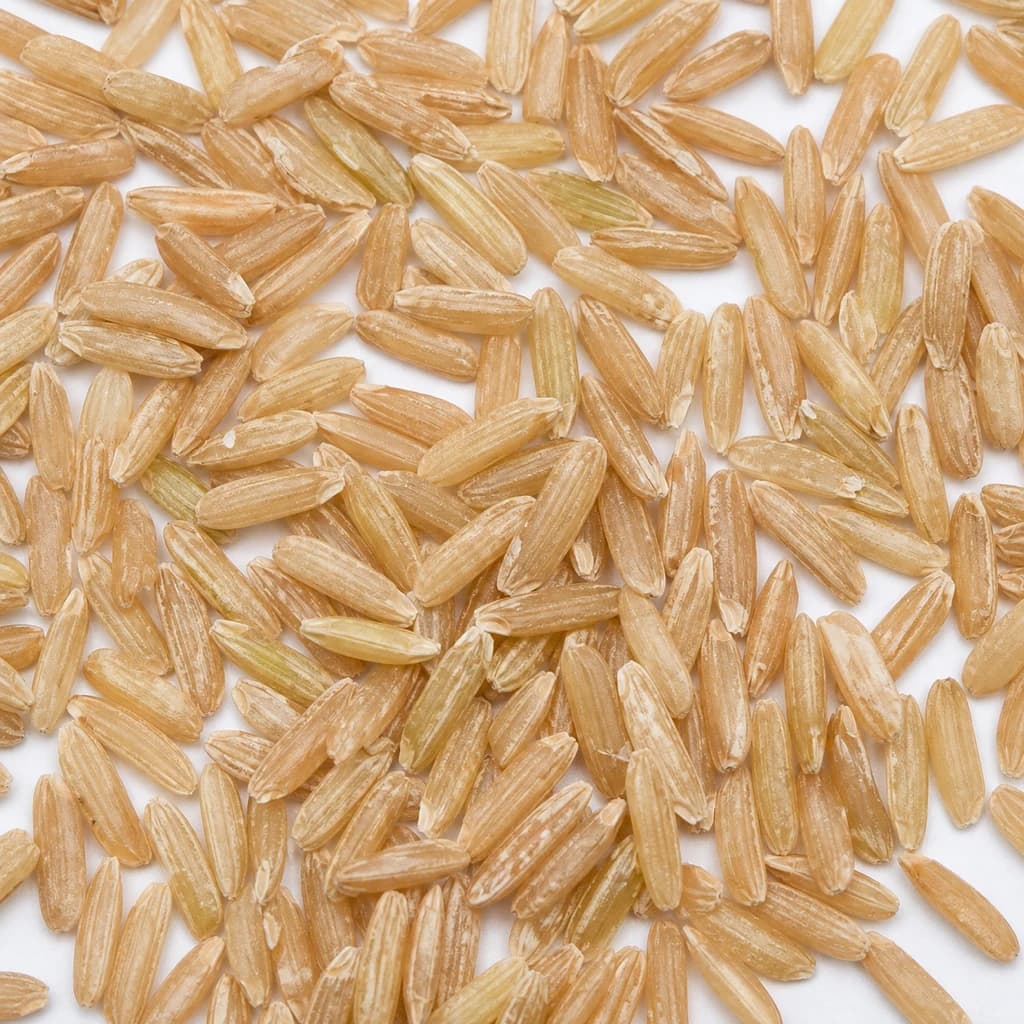
Nutty, whole-grain rice with chew and extra fiber

Basmati Rice
Fragrant, long-grain rice that cooks up light and separate
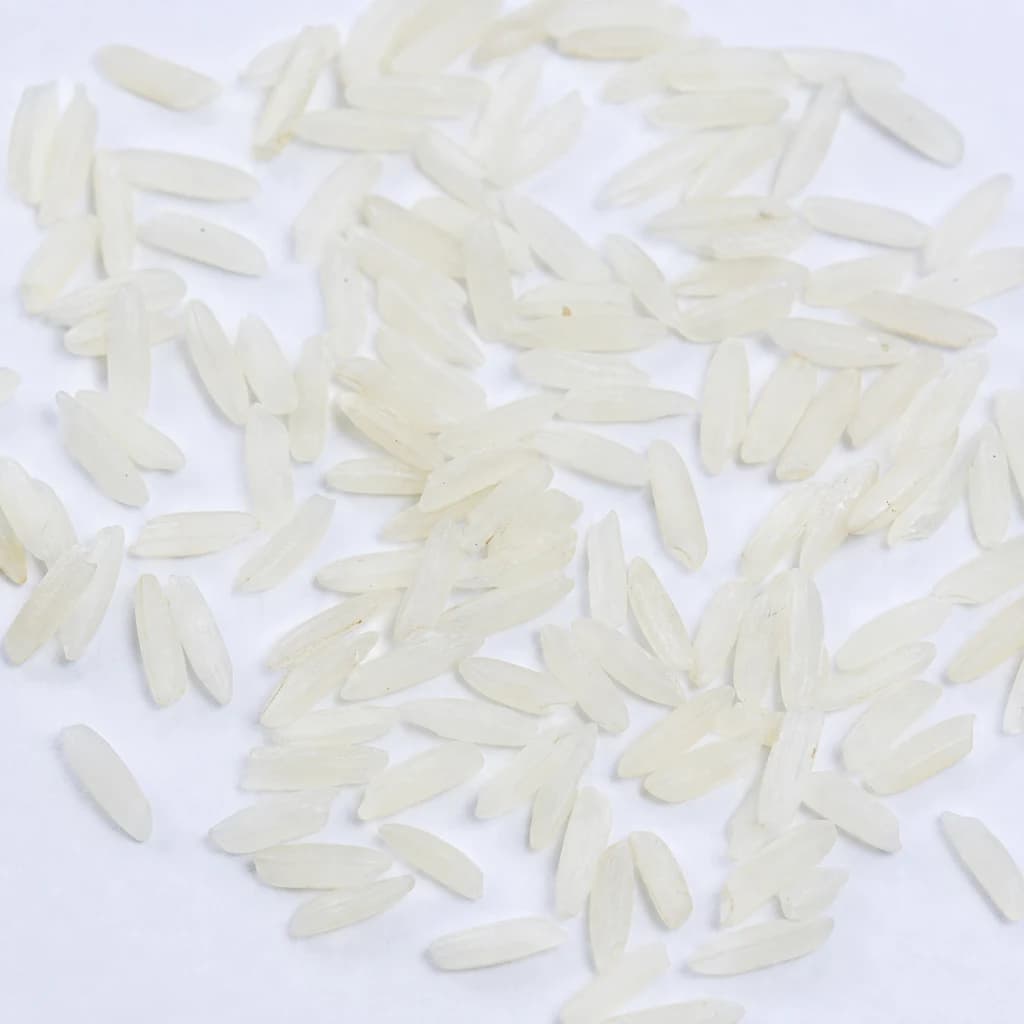
Jasmine Rice
Soft, floral-scented rice that's the pillar of Thai meals
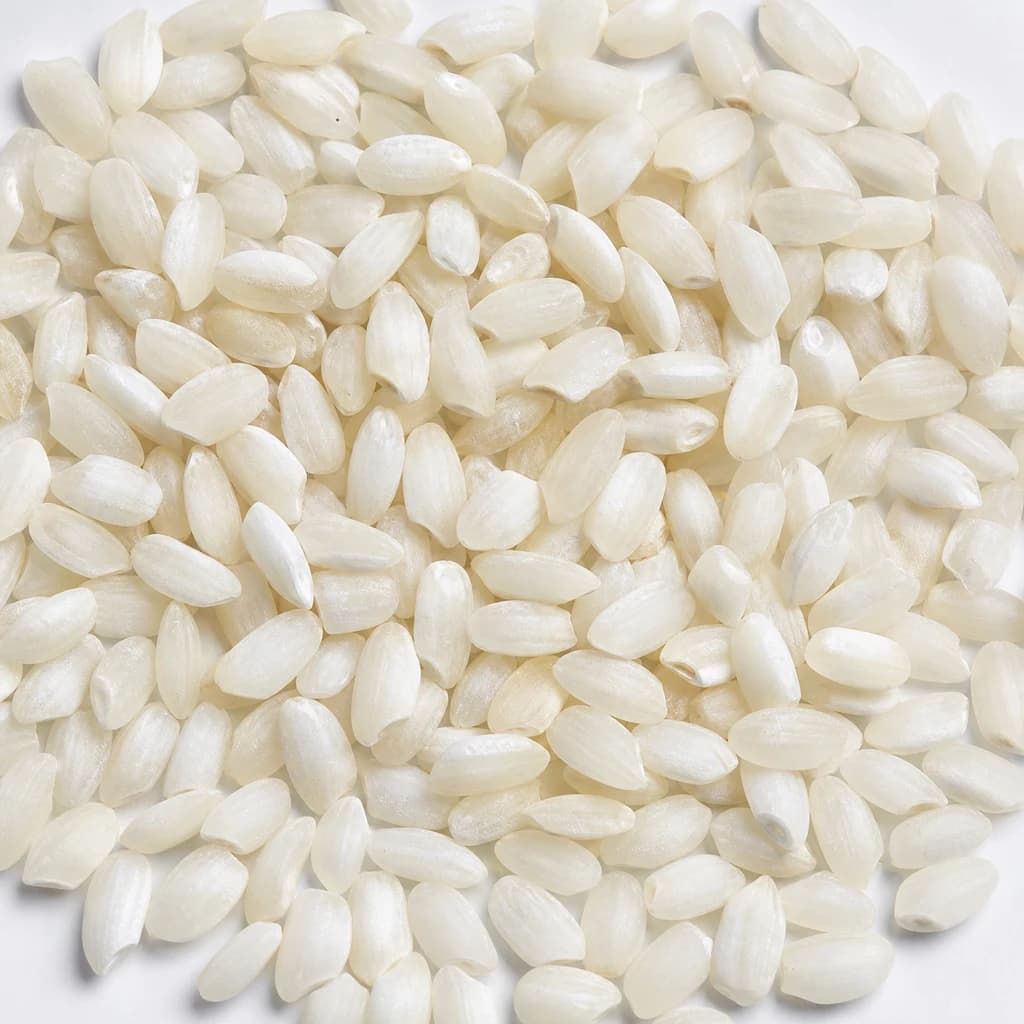
Arborio Rice
Plump, starchy rice that makes risotto creamy
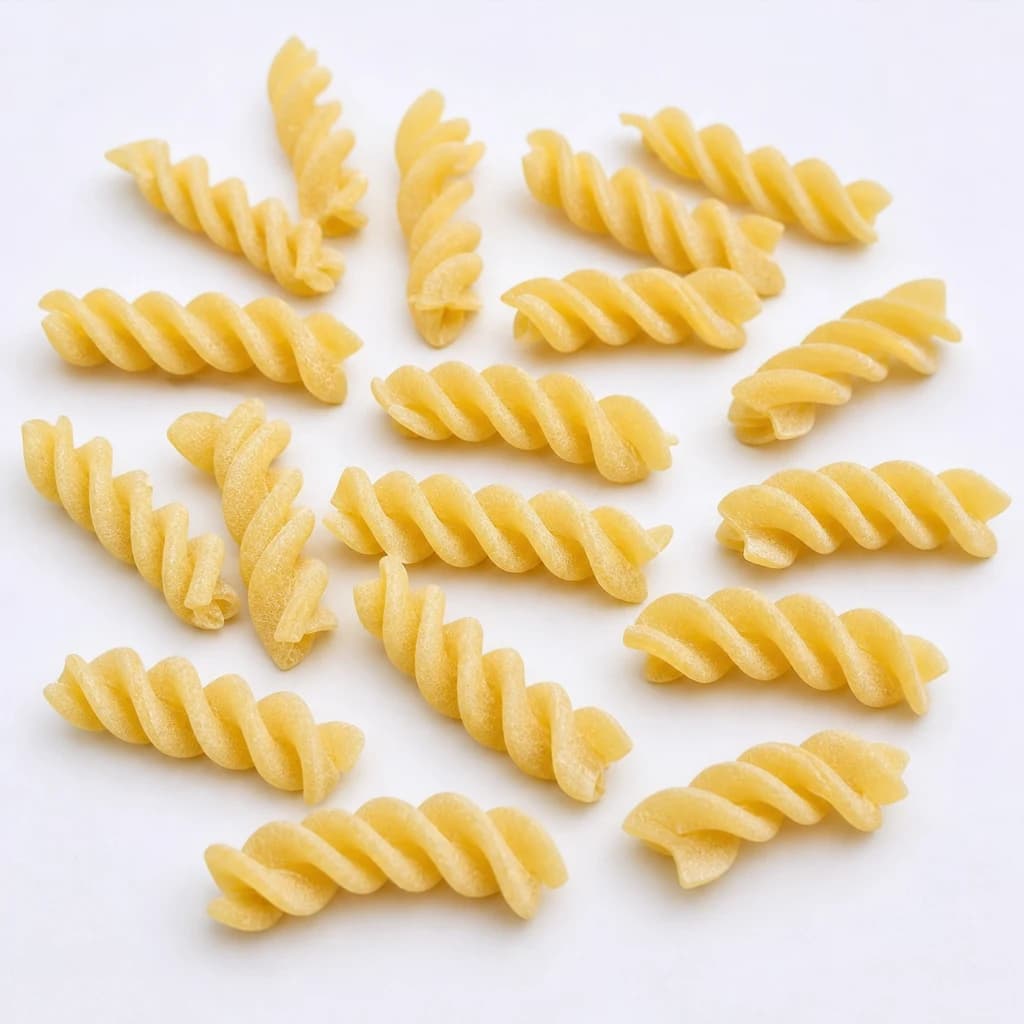
Fusilli
Spiraled pasta that twirls up sauce and dresses cold salads
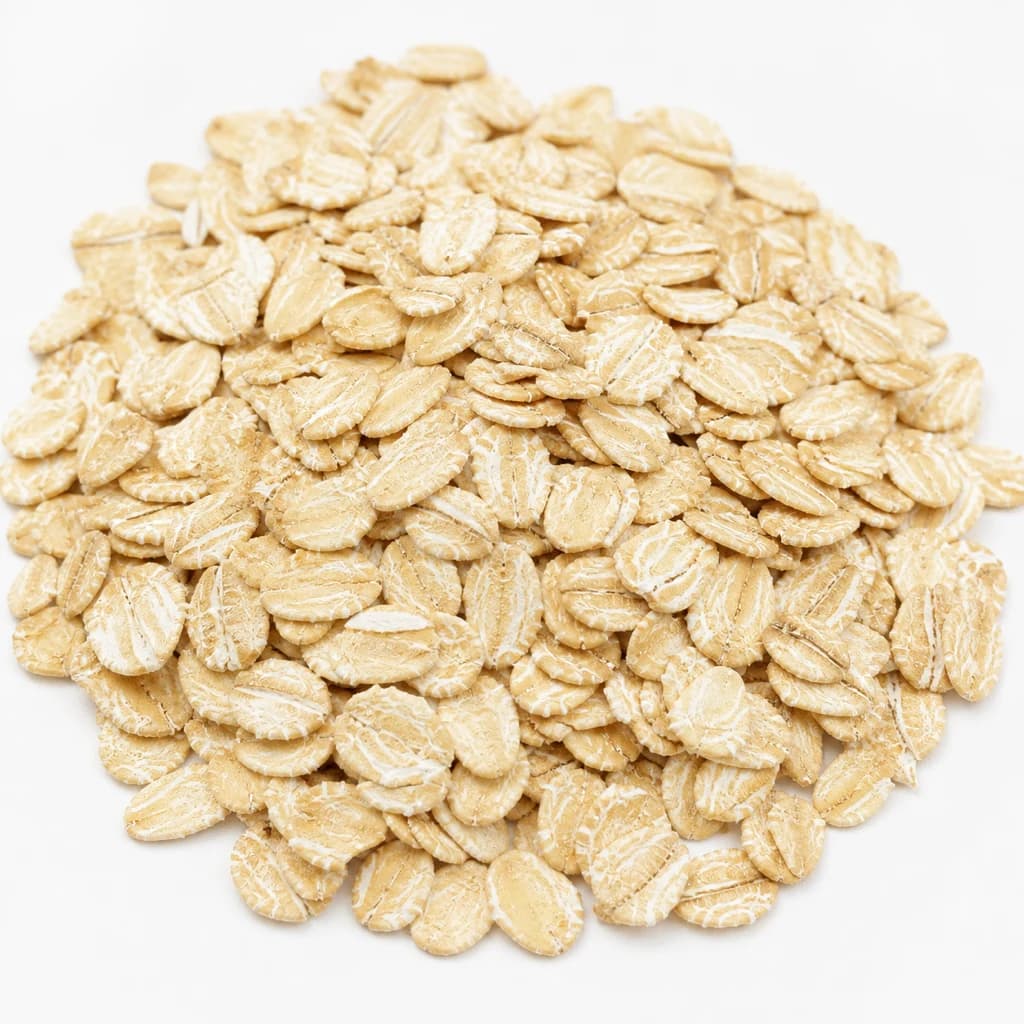
Rolled Oats
Hearty flakes for porridge, granola, and chewy cookies