Grains & Rice
Maize Meal
Ground white maize cooked into stiff Southern African staples like pap and sadza.
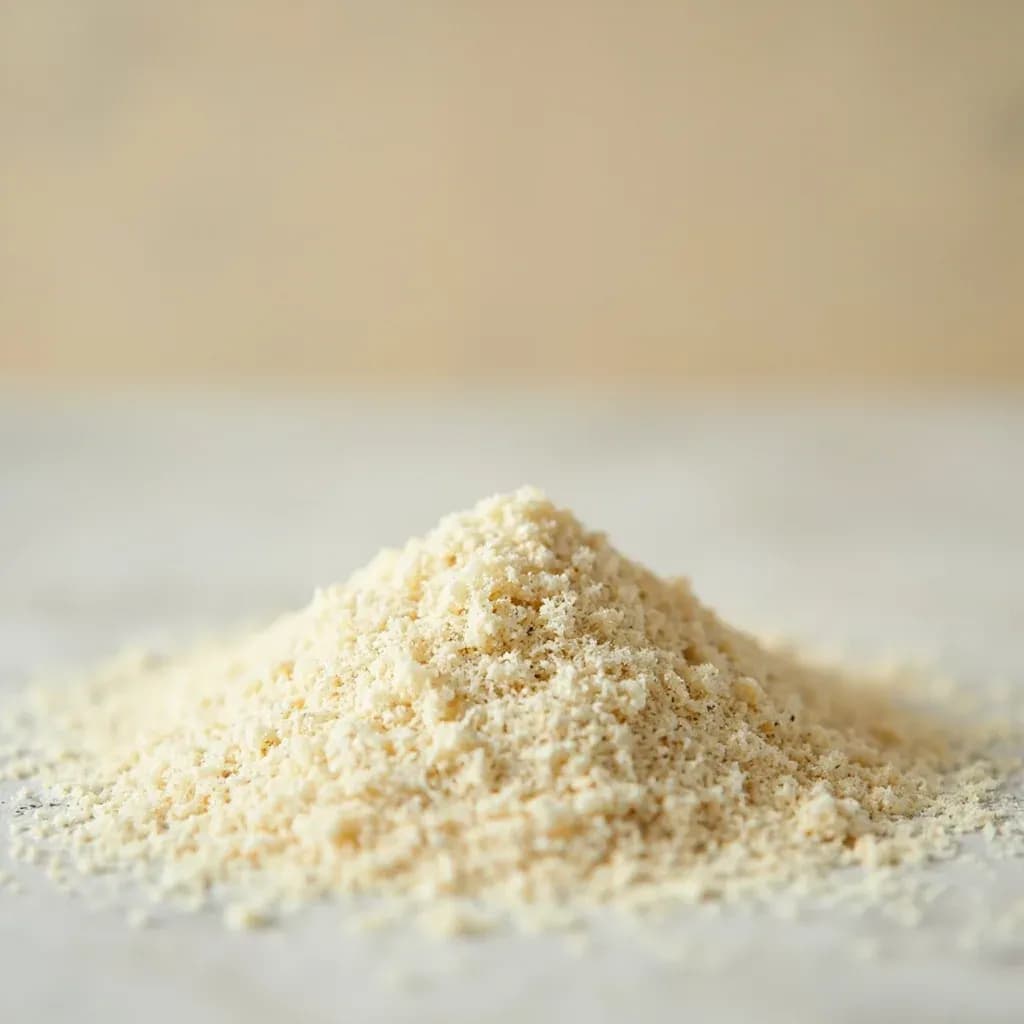
Maize meal is ground dried maize, usually white, that is a defining staple across Southern Africa. Cooked with water it becomes stiff porridges such as pap, bogobe, sadza, and hupfu, eaten daily with relishes, stews, and greens. Mealie meal grades range from coarse (samp-like) to fine super-maize meal.
Maize meal is ground white maize (Zea mays), produced from dent corn varieties bred specifically for high starch content and neutral flavor — not the sweet corn eaten fresh on the cob. The grain is dried and milled to varying consistencies, from fine powder to coarser grinds, each producing a distinctly different final texture. What distinguishes Southern African maize meal from the yellow cornmeal found in most Western pantries is the white maize itself: a starchy, bland canvas designed to absorb and complement bold savory accompaniments rather than assert its own flavor. The starch-rich endosperm makes it uniquely suited to the signature preparation: a thick, dense porridge cooked with careful water-ratio control until it reaches a firm, cohesive consistency that can be eaten by hand, pulled into portions, or sliced. This porridge — called pap in South Africa, sadza in Zimbabwe, nsima in Malawi and Zambia, ugali in East Africa, and posho in Uganda — forms the caloric foundation of hundreds of millions of people across the continent. It is the meal itself, not merely a side dish. The technique is ancient in principle (a starch-water porridge is universal across cultures) but refined to particular precision in Southern Africa, where achieving the correct stiffness, smooth surface, and dense interior that pulls cleanly from the pot is a mark of cooking skill.
- Measured in
- g
- Storage
- Pantry
Types & varieties
Most common for stiff porridges. Produces a smooth, dense texture when cooked with proper technique. The standard choice for traditional sadza and pap.
Very fine grind, standard in commercial South African brands. Creates exceptionally smooth, cohesive porridge with minimal grit. Preferred for a refined, uniform texture.
Medium grind, slightly coarser than super fine. Designed for softer porridges eaten at breakfast. Tends toward a creamier, less dense result.
Produces a grittier, more textured pap. Some cooks and diners prefer this for its substantial mouthfeel. Also the preferred starting point for fried or grilled pap dishes.
Dried maize meal — sometimes partially pre-cooked — used in traditional preparations. The term refers to the dried, preserved form rather than a distinct grain variety.
The Meal That Is the Meal
Understanding maize meal requires a fundamental shift in how you think about starch on a plate. In Western cuisines, the starch is the accompaniment — a supportive side to the protein and vegetables. In the Southern African culinary tradition built around maize meal, the porridge is the meal. It is the thing you eat in quantity, the thing that fills you, the platform on which the relishes, stews, and greens are placed. The protein and vegetables are the supporting cast. This is not poverty cooking; it is a deliberate culinary structure with its own logic. The pap or sadza is meant to be bland, neutral, and filling — a vehicle and a textural counterpoint to bold, often spicy or sour relishes. The cook's skill lies in getting the porridge's texture exactly right: firm enough to hold its shape when pulled or sliced, smooth enough to eat without grit, dense enough to feel satisfying. A poorly made pap — lumpy, watery, or undercooked at the center — is a culinary failure on par with an overcooked steak.
Maize Meal vs. Yellow Cornmeal
Do not substitute yellow cornmeal from an American or European grocery store without understanding what you are changing. Yellow cornmeal has a sweet, distinctly corny flavor that will dominate a dish designed for neutral maize meal. The color alone marks it as wrong in a culture where white maize porridge is the norm. The sweetness is appropriate for American cornbread or johnnycakes but clashes with the savory accompaniments that define the Southern African meal. If you must substitute, understand you are making a different dish — not a traditional one.
- American yellow cornmeal: sweeter, more flavorful, wrong color for traditional preparations
- Stone-ground cornmeal: coarser, more textured, variable — works but not traditional
- Polenta (Italian yellow): similar grind issue as yellow cornmeal, plus flavor mismatch
The Cast-Iron Pot and the Prized Pot Calluses
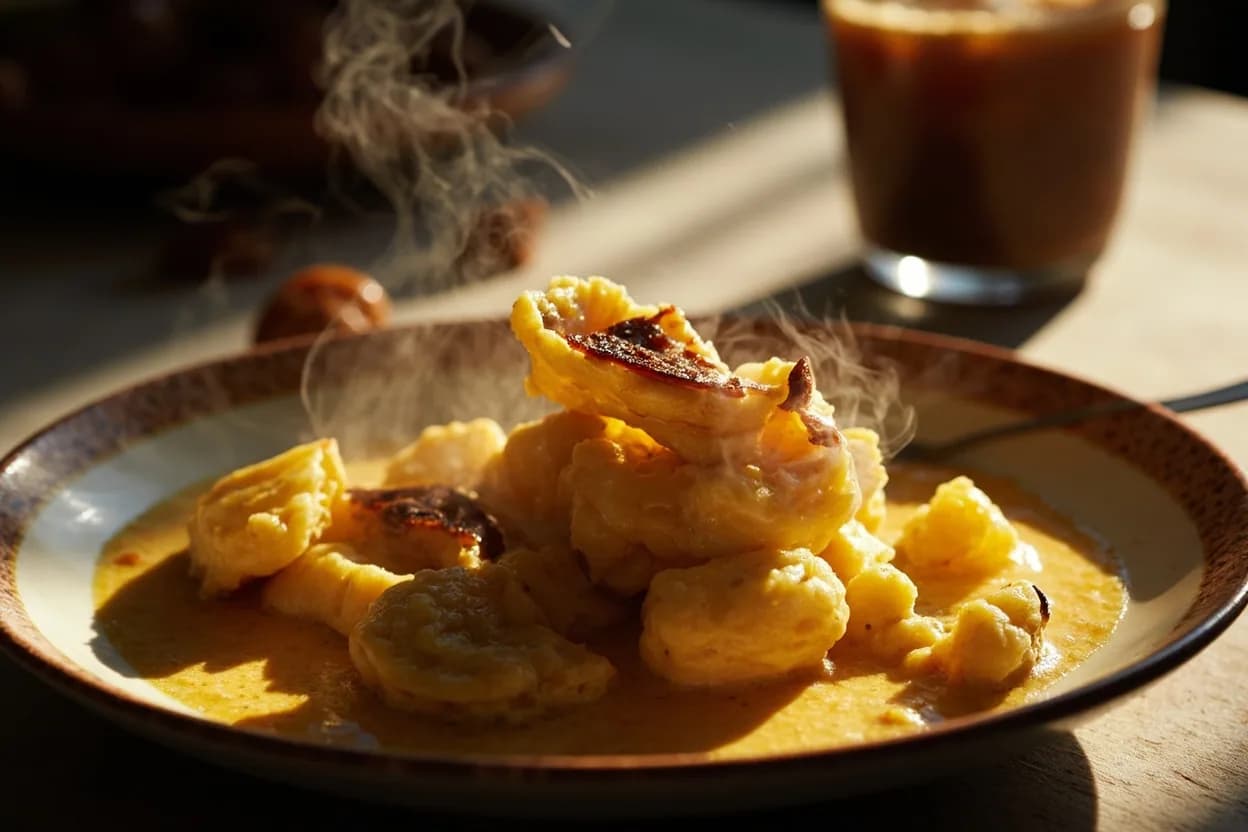
A well-used cast-iron pot develops a thin layer of cooked, slightly charred maize meal on the inner surface — called pot calluses by some cooks. These crusty bits are not a sign of dirty cookware; they are prized for the flavor and texture they add. Traditional cooks deliberately scrape these calluses free and stir them back into fresh pap for extra body and a faint smoky, caramelized depth. After cooking, clean the pot with hot water and a stiff brush, avoiding harsh soaps that strip seasoning. Dry thoroughly and wipe with a thin layer of oil to maintain the pot's seasoning.
- Never aggressively scrub a cast-iron pot used for pap — use hot water and a brush only
- The calluses add subtle roasted flavor and textural contrast
- A well-seasoned pap pot is an heirloom in many families
- Re-season by wiping with a thin layer of oil after cleaning and thorough drying
Common uses
Tips & pitfalls
- Always add maize meal to boiling water, never cold. Adding to cold water causes uneven hydration and stubborn lumps that no amount of stirring will fix.
- The two-stage slurry method (mix one-third of meal with cold water first, then pour into boiling water) is the single most reliable technique for preventing lumps. Master this and you will never make lumpy pap again.
- Stir continuously during the first 5–10 minutes over medium-low heat. This is not optional and it is not passive cooking — the porridge will stick and scorch without active stirring.
- For stiff pap, use approximately 3 parts water to 1 part maize meal by volume. The finished product should pull cleanly away from the sides of the pot like a soft dough.
- Never cover stiff pap immediately after cooking. Let it stand uncovered for 5–10 minutes to firm up and lose excess surface moisture. Covered pap steams soft and wet.
- The traditional pot calluses that form on a well-used cast-iron pot are desirable — scrape them up and stir them back in for extra texture and a faint smoky flavor.
- If lumps form despite your best efforts, attack them immediately with a wooden spoon or immersion blender before the porridge sets. Once it cools and firms up, lumps are permanent.
- Leftover pap is not waste. Slice cold stiff pap into patties and pan-fry in butter until golden and crispy on both sides. This is a legitimate dish in its own right, not merely a way to use leftovers.
- For grilled pap: press stiff pap into a buttered cast-iron skillet, refrigerate until firm, then grill or pan-fry until a crispy, caramelized crust forms. Serve as a starch course at braai.
- Undercooked pap is dangerous. The center must fully gelatinize — a raw, floury core is the sign of inadequate cooking. The steam rest phase is when the center cooks through.
Nutrition
Nutrition
No USDA FoodData Central match for Maize Meal yet. We surface a per-100 g profile once a generic whole-food entry is matched and verified.
In the shops
Matched grocery products
No matched grocery products for Maize Meal yet.
Good to know
- Source Grain
- White maize (Zea mays), dent-type varieties bred for starch content and neutral flavor. Not sweet corn.
- Origin
- Mesoamerican domestication; introduced to Africa by Portuguese traders in the 16th century, where it displaced other grains across Southern and Eastern Africa.
- Primary Regions
- Southern Africa (South Africa, Zimbabwe, Malawi, Zambia) and East Africa (Kenya, Tanzania, Uganda). Known regionally as mealie meal, pap, sadza, nsima, ugali, and posho.
- Color
- White to off-white. Yellow cornmeal is a separate product with noticeably sweeter, more corny flavor — not interchangeable.
- Grind Sizes
- Fine, medium, coarse, and super-fine. Finer grinds produce smoother, more cohesive porridge; coarser grinds yield a grittier, more textured result.
- Gluten Status
- Naturally gluten-free, making it suitable for celiac and gluten-free cooking when handled in a gluten-free kitchen.
- Shelf Life
- 6–12 months in an airtight container in a cool, dry, dark place. Protect from insects and moisture absorption.
- Water Ratio (Stiff Porridge)
- Approximately 3 parts water to 1 part meal by volume for stiff pap/sadza. Thinner porridges use 4:1 to 5:1 or more.
- Key Equipment
- Heavy-bottomed pot or cast-iron dutch oven; wooden spoon or stiff spatula for vigorous stirring.
Substitutes
- Yellow Cornmeal — Closest in technique, but the yellow color and noticeably sweeter, more corny flavor change the dish significantly. Not a seamless swap for traditional pap or sadza — you will produce a different, American-flavored result.
- Coarse Corn Flour — Finer than standard maize meal; produces a smoother, softer porridge. Reduce liquid slightly and expect a less gritty texture. Works for the technique but not traditional.
- Semolina (Durum Wheat) — Similar cooking technique and can be made into a comparable stiff porridge. Contains gluten and has a distinct wheat grain flavor. Not suitable for gluten-free requirements.
- Cassava Flour — Can be cooked into a similar stiff porridge using the same water-to-flour ratio technique — as done throughout West Africa. Entirely different flavor profile, but the technique transfers.
- Hominy Grits (American) — Coarser grind and made from lime-treated corn; produces a grittier result with a different texture and flavor. American Southern grits can approximate the method but are not traditional.
Pairs with
Also called
Bogobe · Phaletshe · White Maize Meal · Mealie Meal · Hupfu · Mealie-Meal
Appears in these dishes
Related

White Rice
Fluffy long-grain rice — the neutral base for almost any meal

White Bread
Soft sandwich loaf for toast, sandwiches, and crumbs
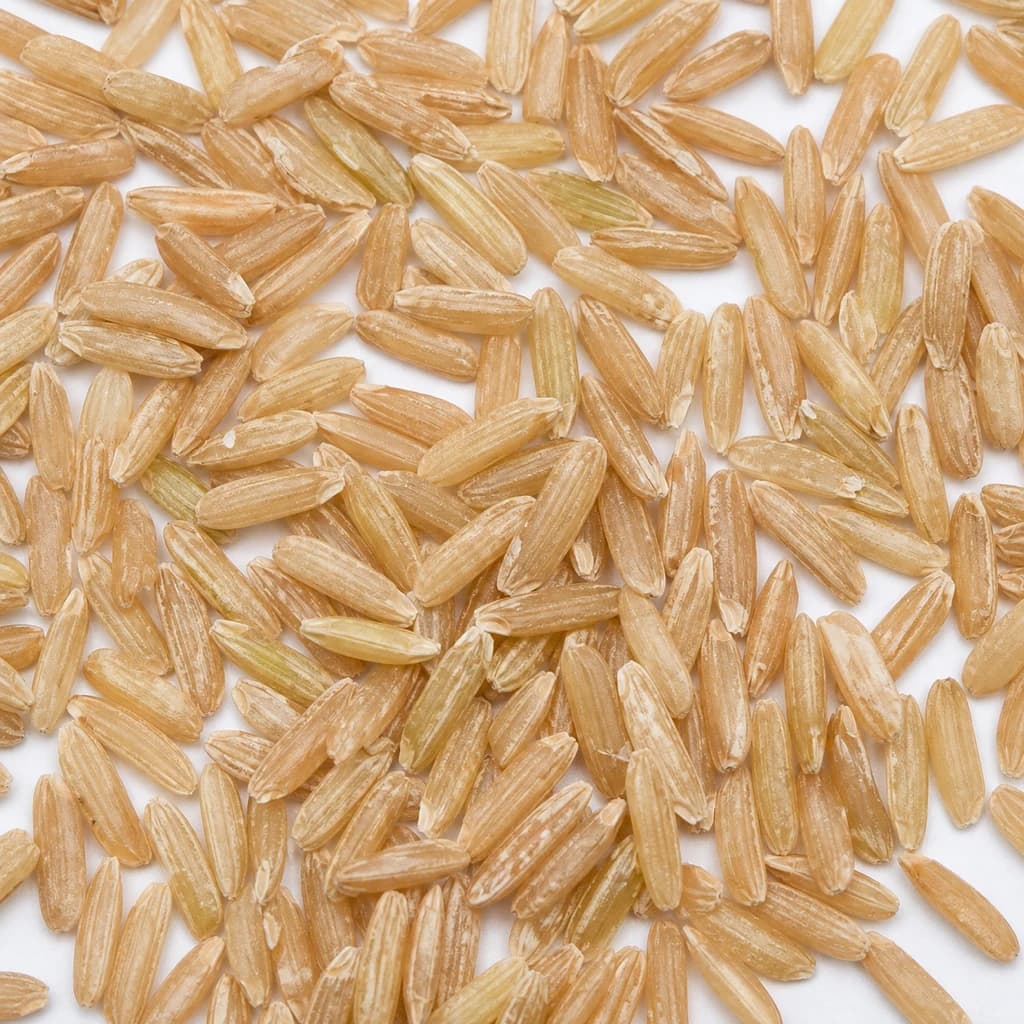
Brown Rice
Nutty, whole-grain rice with chew and extra fiber

Basmati Rice
Fragrant, long-grain rice that cooks up light and separate
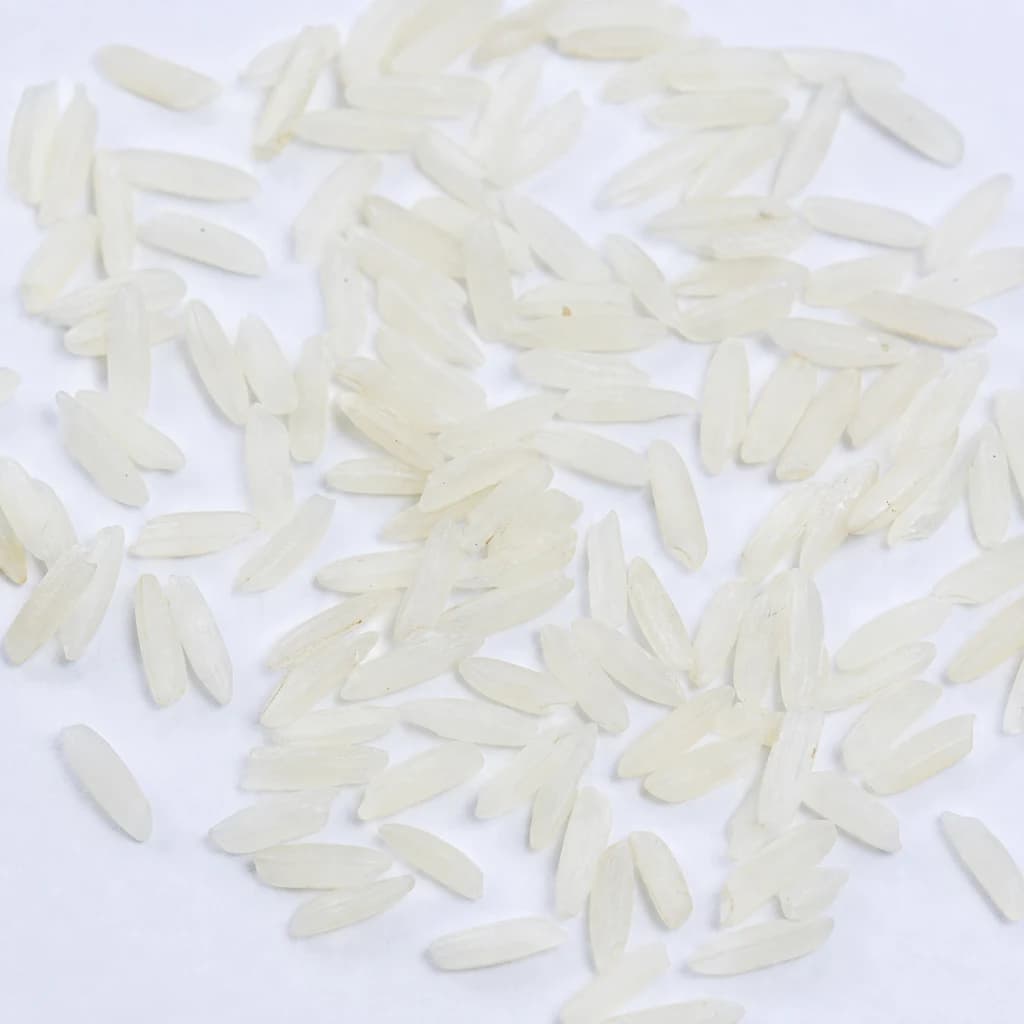
Jasmine Rice
Soft, floral-scented rice that's the pillar of Thai meals
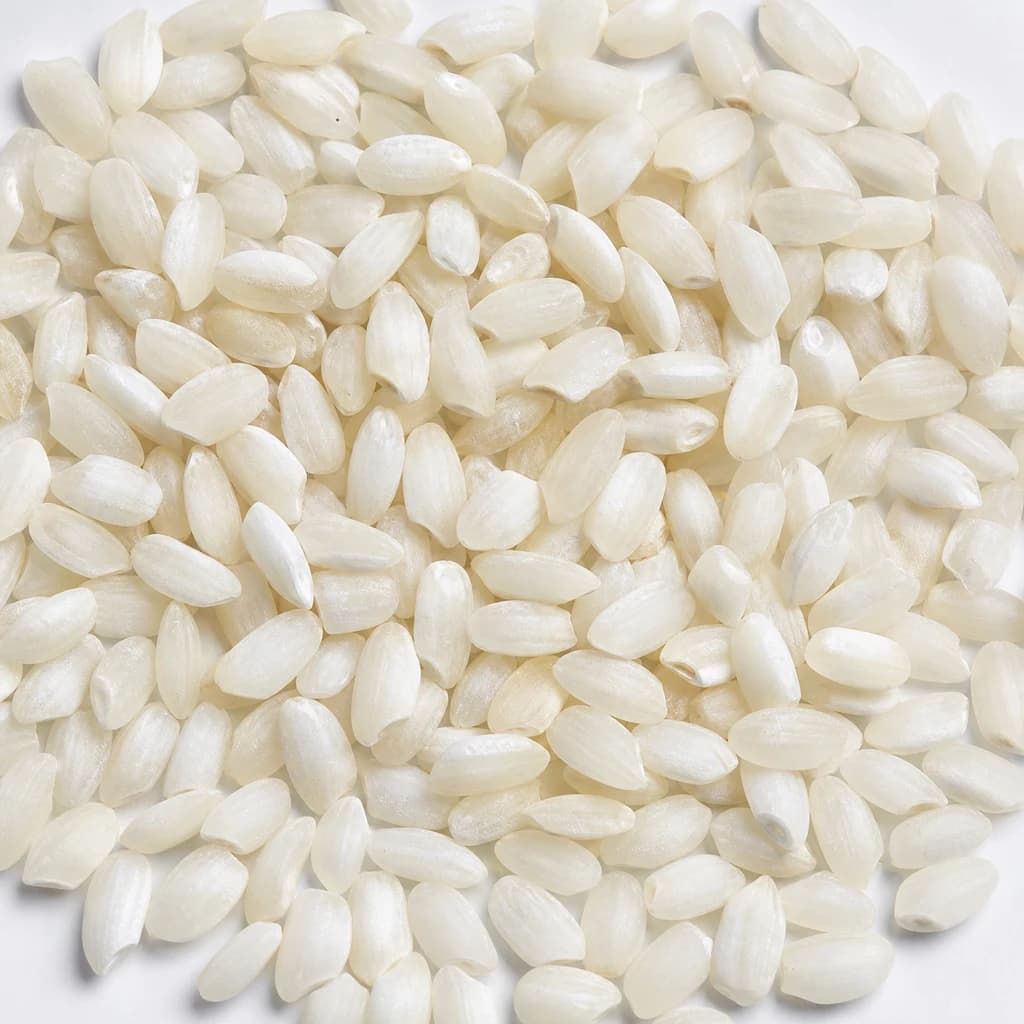
Arborio Rice
Plump, starchy rice that makes risotto creamy
Fusilli
Spiraled pasta that twirls up sauce and dresses cold salads
Rolled Oats
Hearty flakes for porridge, granola, and chewy cookies