Baking
Cassava Flour
Gluten-free flour from dried cassava root, used for fufu, flatbreads, and gluten-free baking.
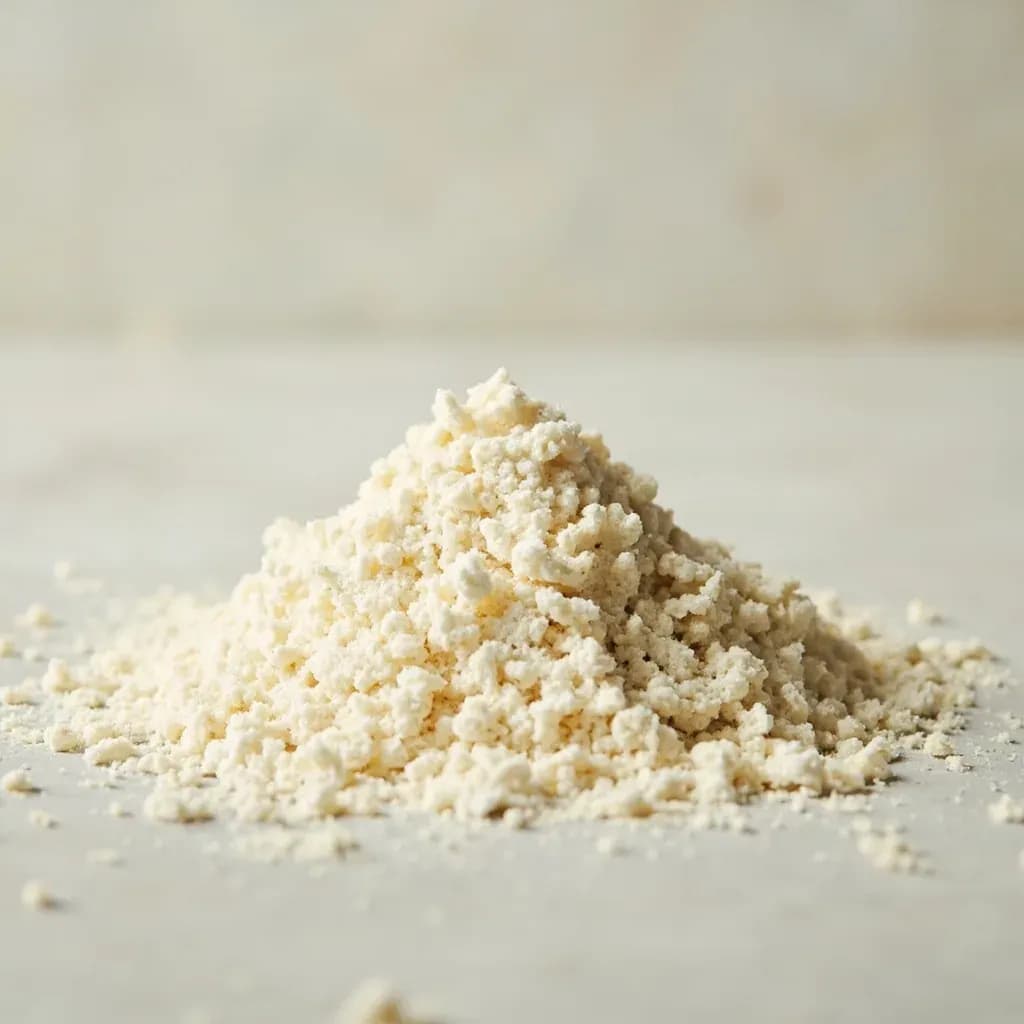
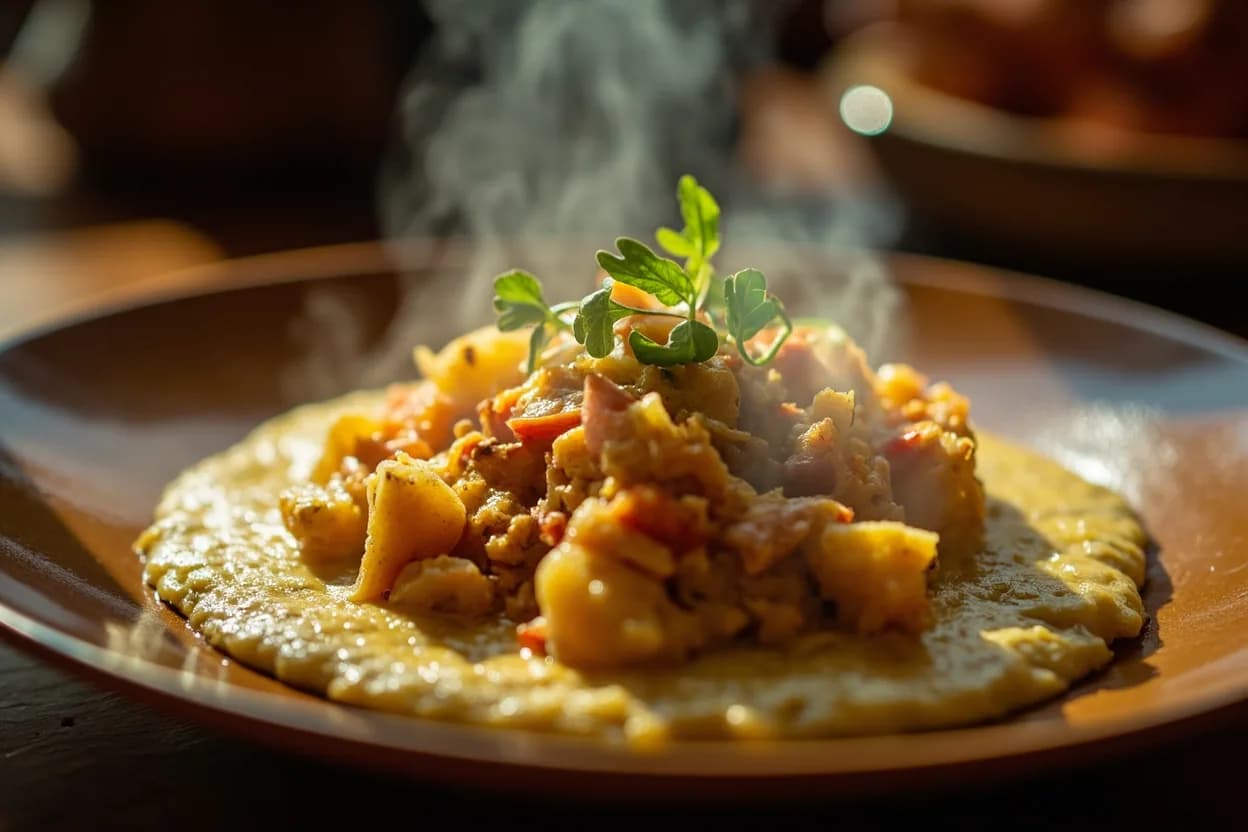
Cassava flour is milled from the whole dried cassava (manioc) root and is naturally gluten-free. In West and Central Africa it is cooked with water into stiff fufu and foofoo doughs eaten with stews, and it is increasingly used as a one-to-one wheat substitute in gluten-free baking. It has a mild, neutral flavor and fine texture.
Cassava flour is ground from the dried root of Manihot esculenta, a plant native to South America that has been cultivated for roughly 10,000 years. The roots are peeled, washed, grated, and dried at low temperatures to produce a fine white flour. Unlike tapioca starch, which is pure extracted starch, cassava flour uses the whole root and retains more fiber, giving it slightly more body and nutritional content. This distinction matters in the kitchen: cassava flour behaves differently from both wheat flour and its starchier cousin.
The flour is entirely gluten-free and grain-free, making it valuable for allergen-free baking and traditional cuisines where wheat is absent. Its flavor is mild and slightly sweet, acting as a neutral backdrop that takes well to bold seasonings or gentle sweeteners alike. The high starch content means it browns quickly and creates smooth textures, but it lacks the protein network that gives wheat flour its elasticity. This structural difference requires adjustments in recipes: cassava flour needs binders, less liquid, and often pairs with other gluten-free flours to achieve the best results in baked goods.
- Measured in
- g
- Storage
- Pantry
Types & varieties
Milled from white-fleshed cassava roots; most common variety in West Africa and Latin America
Milled from yellow-fleshed varieties; contains beta-carotene; slightly richer color and mild earthy taste
Cassava is soaked and fermented before drying; used for garri (West Africa) and gives a tangier flavor
Root is cooked before milling; reduces processing time and gives a different texture in final dishes
Common uses
Tips & pitfalls
- Cassava flour lacks gluten, so baked goods need binders like xanthan gum, psyllium husk, or eggs to hold structure — without them, crumbly texture results
- Use less liquid than with wheat flour — cassava flour absorbs water readily and can make doughs overly sticky if over-hydrated
- Combine with other gluten-free flours (tapioca starch, sorghum flour, or rice flour) in a blend for better texture in yeast breads
- Sift before measuring to break up clumps and ensure even distribution in batters and doughs
- For frying, cassava flour browns quickly due to its high starch content; use medium heat to prevent burning and achieve even crisping
- When making flatbreads, let the batter rest 5–10 minutes after hydrating to allow the starches to fully swell before cooking
- Do not substitute cassava flour 1:1 for wheat flour in traditional recipes — start with a tested gluten-free formulation or the dough will fall apart
- Common mistake: confusing cassava flour with tapioca starch — they come from the same root but perform differently; using pure tapioca starch where cassava flour is called for will yield a gummier texture
Nutrition
Nutrition
No USDA FoodData Central match for Cassava Flour yet. We surface a per-100 g profile once a generic whole-food entry is matched and verified.
In the shops
Matched grocery products
No matched grocery products for Cassava Flour yet.
Good to know
- Source
- Root of the cassava plant (Manihot esculenta), also called yuca, manioc, or Brazilian arrowroot
- Origin
- Native to Brazil and Paraguay; domesticated roughly 10,000 years ago; spread globally via Portuguese traders in the 16th century
- Processing
- Root is peeled, washed, grated, and dried at low temperatures to produce a fine flour
- Toxicity Note
- Raw cassava contains cyanogenic glycosides; heat processing during flour production neutralizes these compounds
- Gluten-Free
- Yes — contains no wheat, rye, barley, or gluten proteins
- Grain-Free
- Yes — derived from a root vegetable, not a grain or legume
- Flavor
- Mild, slightly sweet, neutral — does not impart strong flavor to dishes
- Starch Content
- High in starch; retains more fiber than pure tapioca starch since it uses the whole root
- Storage
- Keep in an airtight container in a cool, dry place; shelf life of 1–2 years when stored properly
- Where to Buy
- International grocery stores, Latin American/African markets, health-food stores, and online retailers specializing in gluten-free products
Substitutes
- Tapioca Starch / Tapioca Flour — Closest substitute; from the same plant but is pure starch with no fiber; may yield a slightly gummier texture in baked goods
- Coconut Flour — Grain-free and nut-based; highly absorbent — use roughly one-quarter the amount and increase eggs and liquid significantly
- Arrowroot Flour — Good for thickening sauces and gravies; not ideal as a 1:1 flour replacement in baking due to different structural properties
- Potato Starch — Provides similar lightening effect; substitute 1:1 but expect a different flavor profile and softer texture
- Rice Flour — Most common gluten-free flour; substitute 1:1 but expect a different texture and slight grittiness in baked goods
Pairs with
Also called
Fuba de Bombó · Foofoo Flour · Manioc Flour
Appears in these dishes
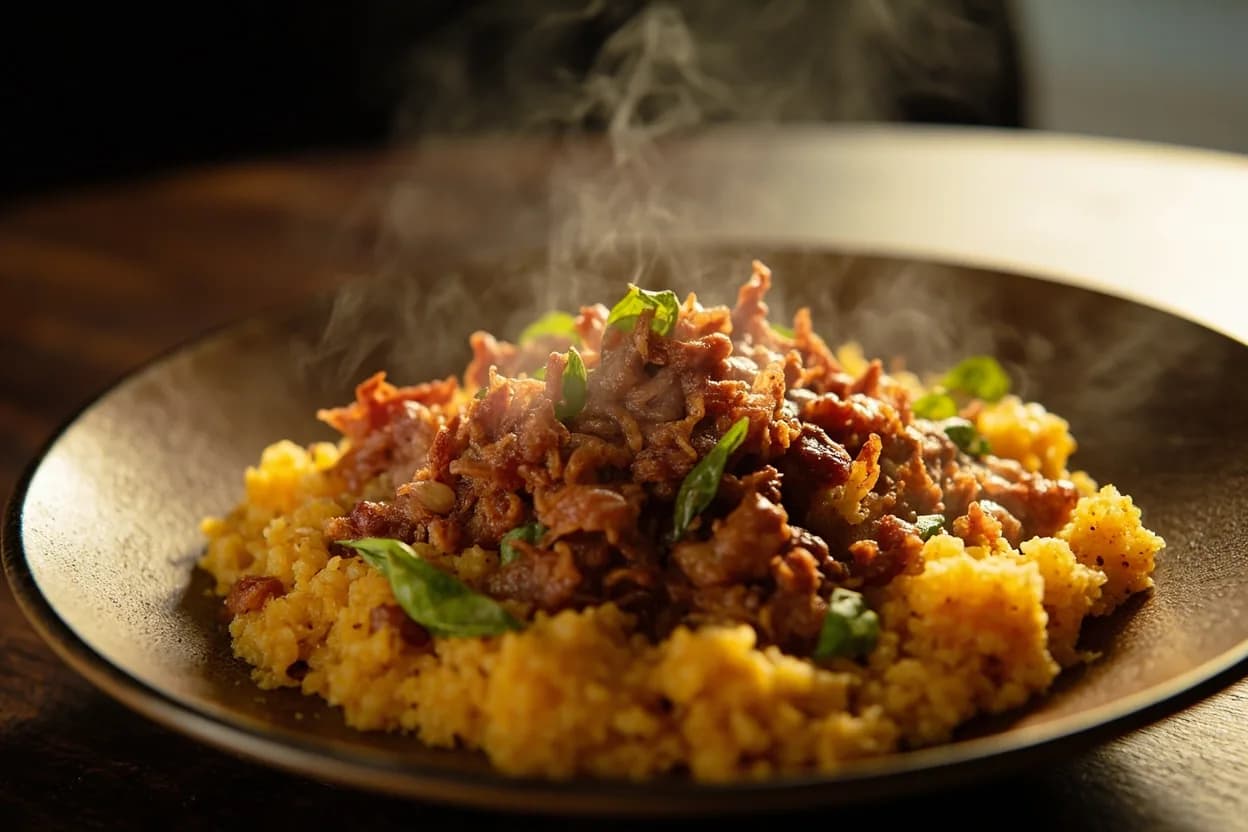
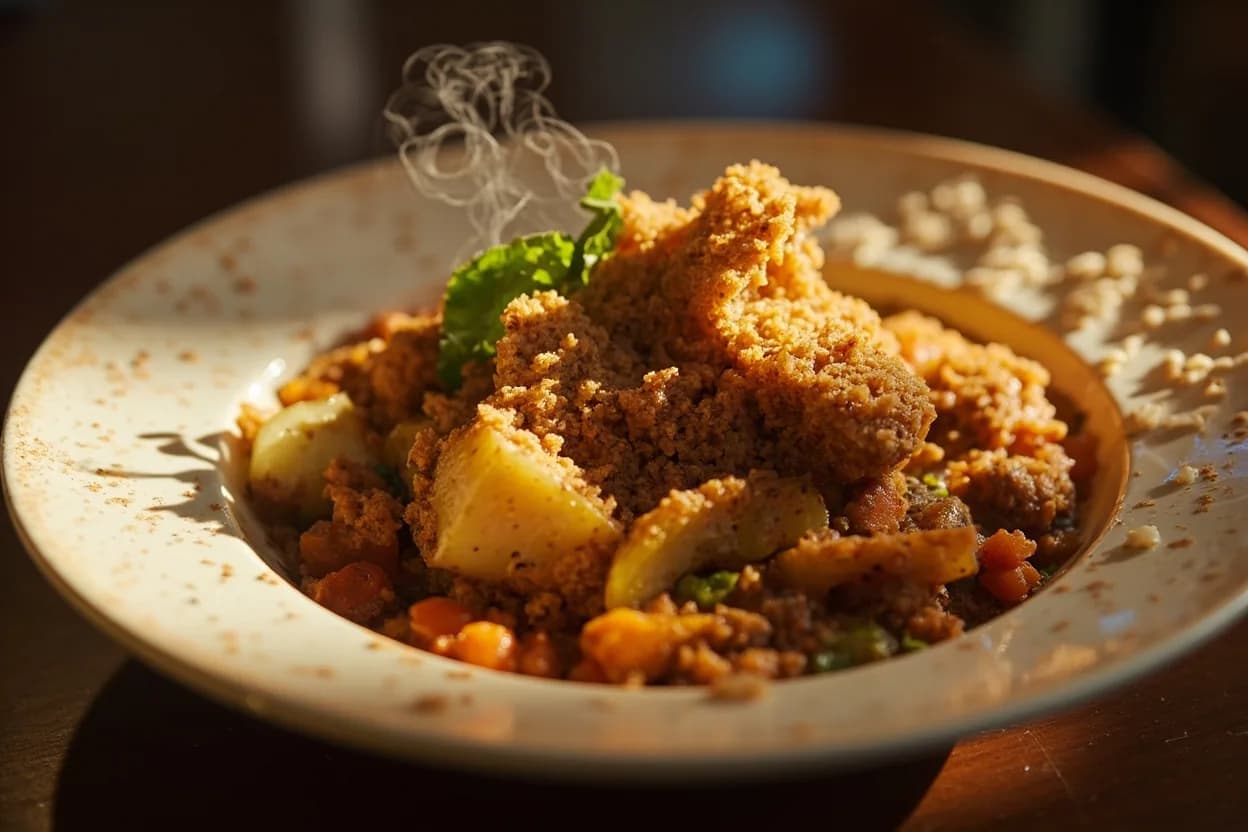
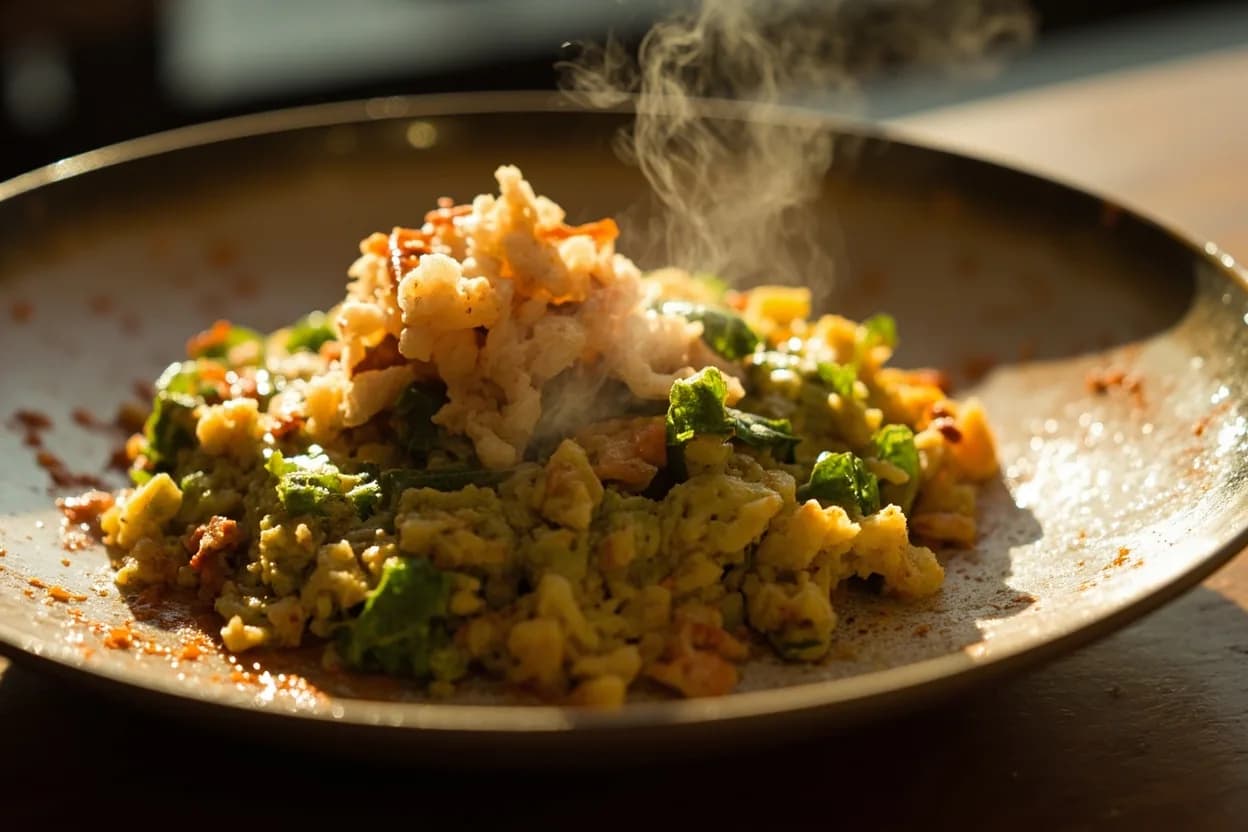
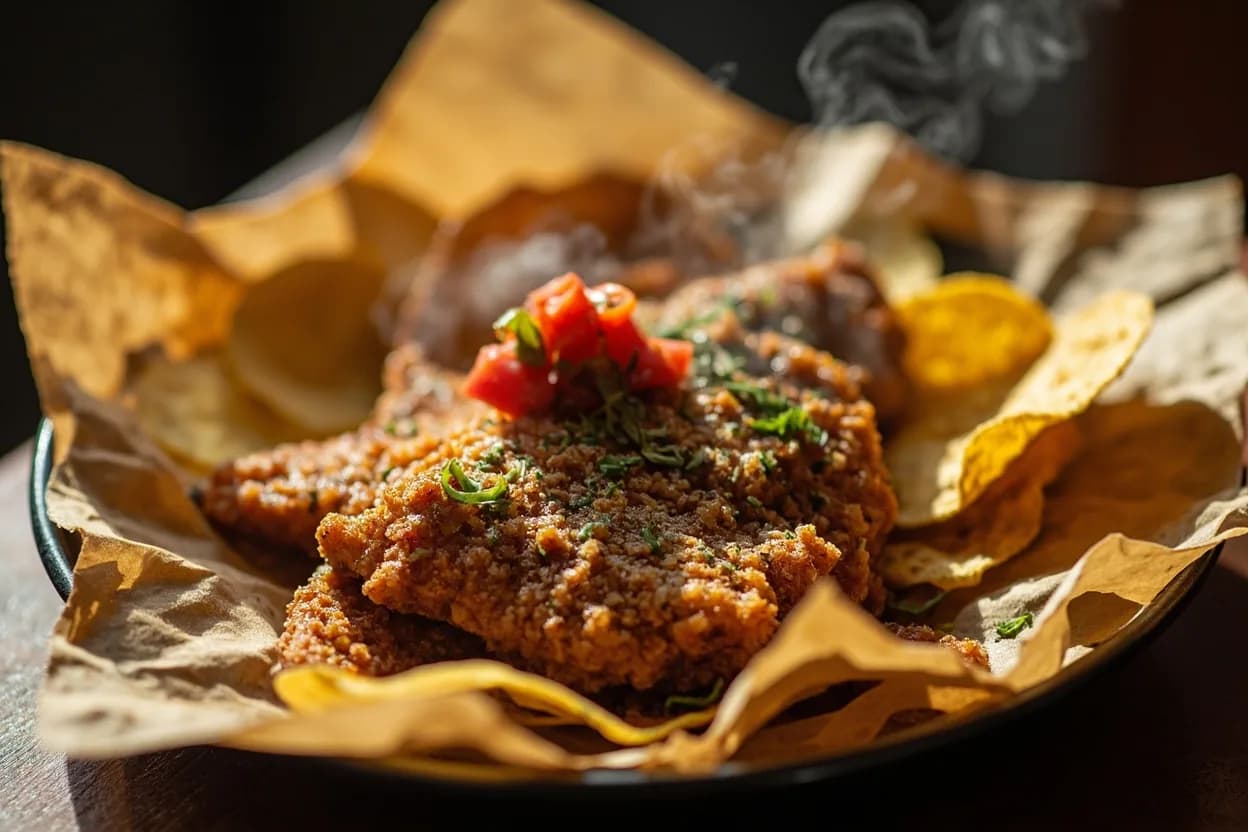
Related

All-Purpose Flour
The do-anything flour for bread, cakes, sauces, and dredging

Bread Flour
High-protein flour for chewy, well-risen breads
Whole Wheat Flour
Nutty, whole-grain flour for hearty breads and bakes
Cake Flour
Fine, low-protein flour for tender, delicate cakes
Almond Flour
Nutty, gluten-free flour for macarons and tender bakes

Baking Powder
All-in-one leavener for fluffy cakes, pancakes, and biscuits

Baking Soda
Pure leavener that needs acid to lift — and tenderize
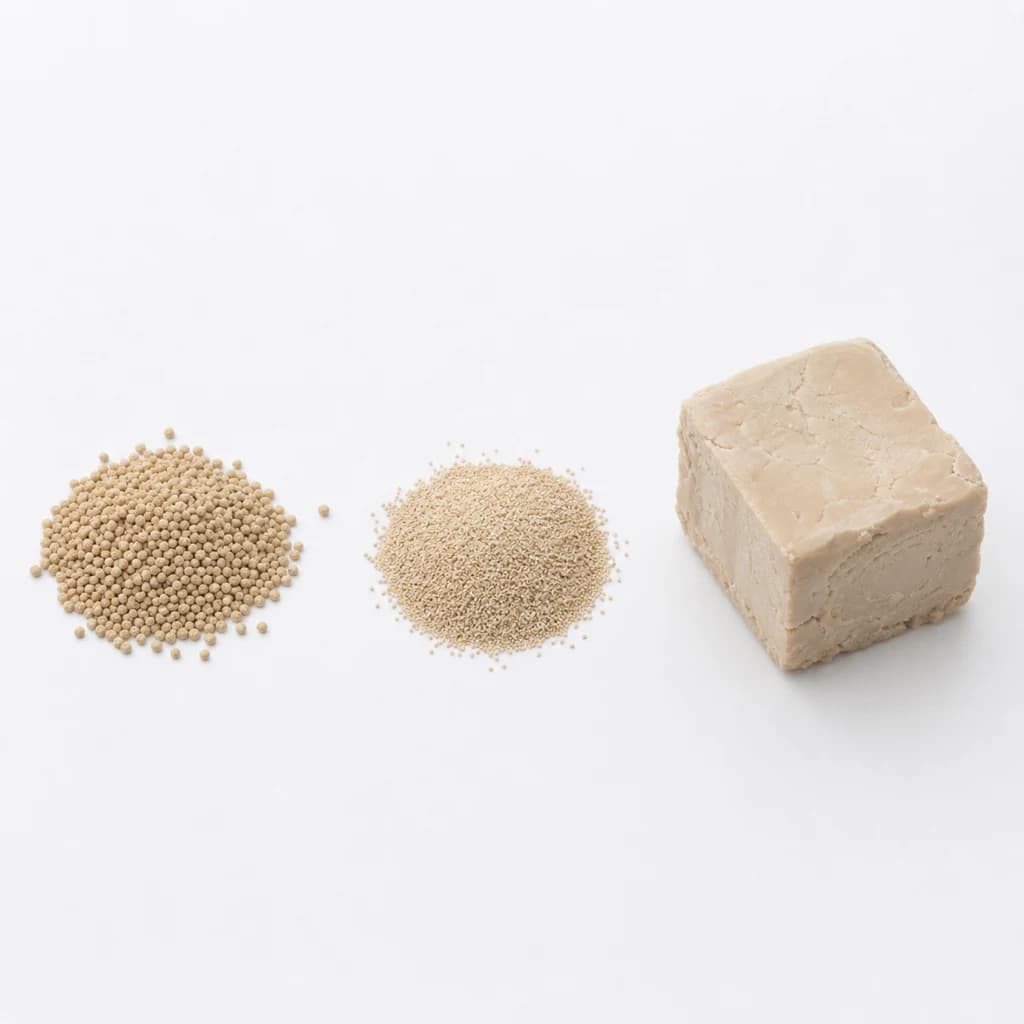
Yeast
Living leaven that makes bread rise and dough come alive