Southern Africa
Zimbabwean & Zambian
Also: Shona cuisine, Ndebele cuisine, Bemba cuisine, Tonga cuisine
Maize-centred pastoral cooking anchored by sadza, slow-braised nyama, dried kapenta, and iron-rich wild greens.
Zimbabwean and Zambian cuisine share a common cultural grammar built around sadza — a stiff maize-meal porridge eaten at nearly every meal — served alongside protein-rich relishes of stewed meat, dried fish, and boiled or sautéed leafy greens. The two countries' traditions overlap closely owing to shared Bantu culinary heritage, Lake Kariba's kapenta harvest, and a pastoral cattle-keeping culture that prizes beef and goat. Cooking is communal and fire-driven; flavour comes from long stewing rather than heavy spicing.
The flavour base
Rendered onion and tomato base (often called 'tomato gravy') built in a cast-iron pot, underpinned by smoke from open-fire or wood-stove cooking
Pantry staples
Key ingredients
Signature techniques
Signature dishes
Zimbabwean & Zambian on the table
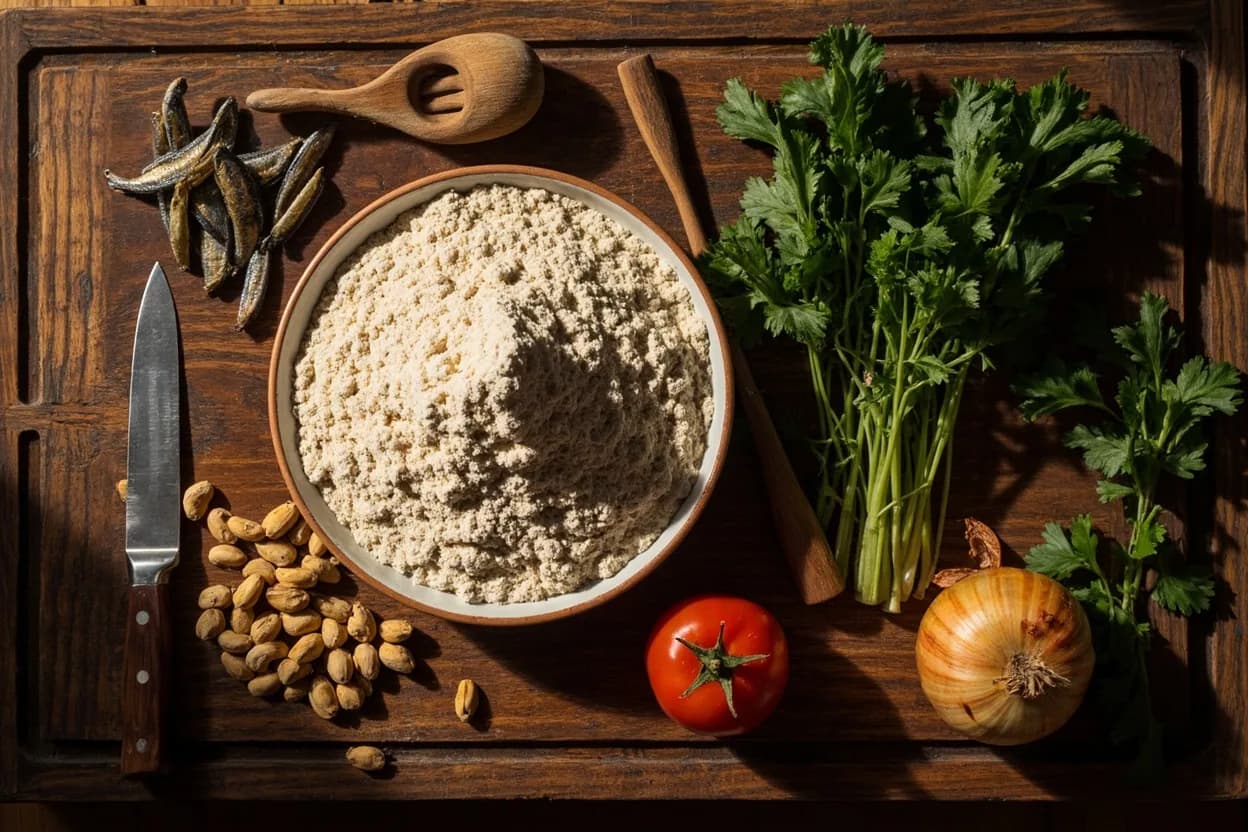
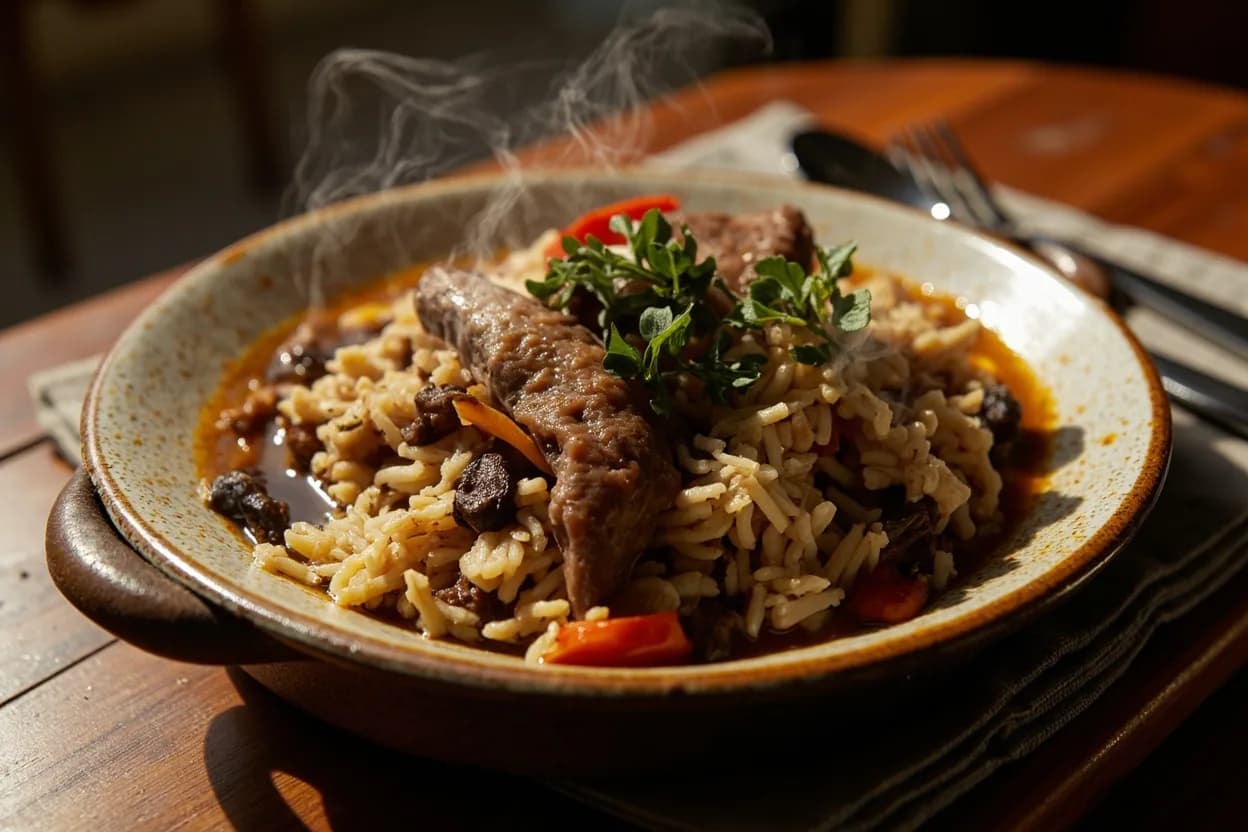
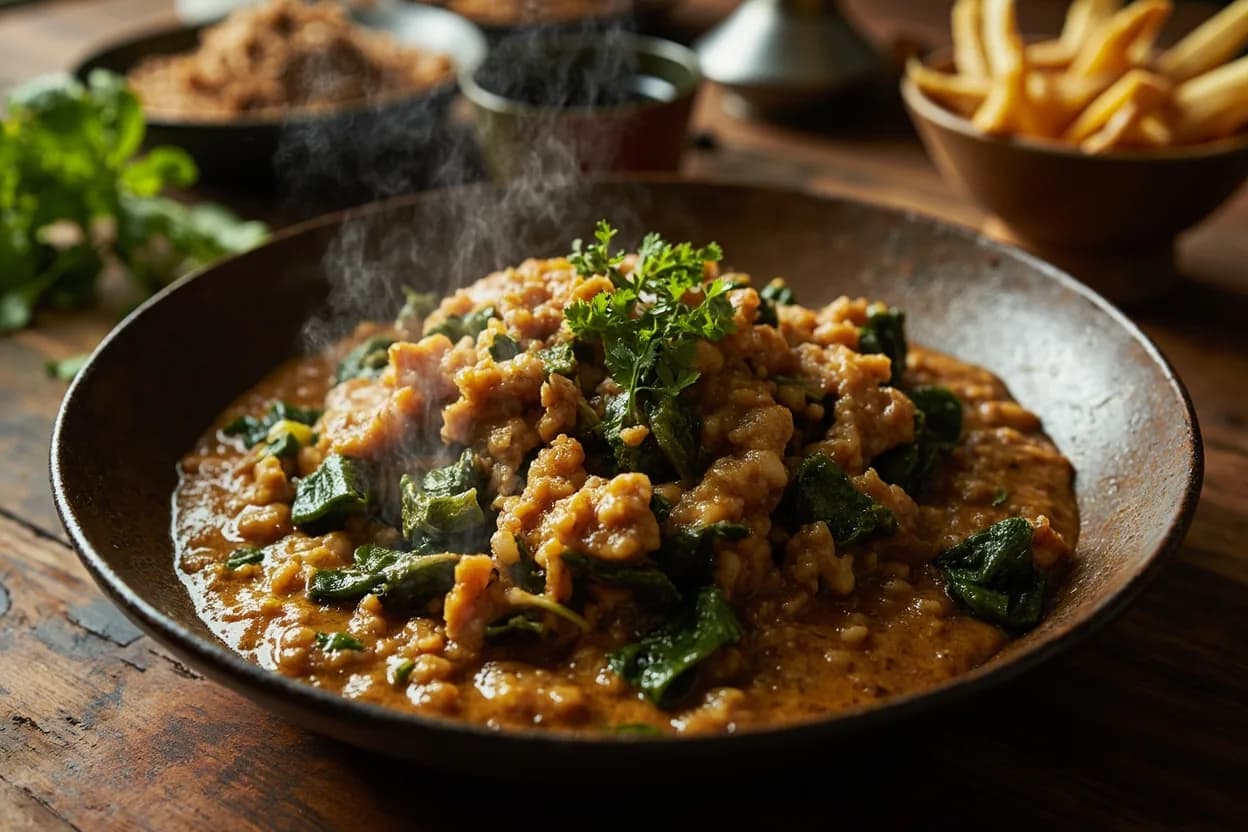
At the table
One or two meals per day centred on a large communal pot of sadza flanked by two or three small relish dishes — protein (meat or fish) and vegetable (greens). Meals are eaten from shared plates; sadza is scooped by hand, formed into a small ball, and dipped into relish. Breakfast may be porridge (thinner maize) with tea.
History & context
Maize arrived in Southern Africa via Portuguese traders in the 16th–17th centuries and gradually displaced sorghum and millet as the dominant starch, reshaping the food culture of the Shona, Ndebele, Bemba, and Tonga peoples. Cattle-keeping has been central to Shona and Ndebele identity for centuries — beef confers status and is central to bride price and ritual. Kapenta fishing on Lake Kariba became commercially significant after the lake's filling in the 1950s–60s, turning the tiny sardine into the primary affordable protein for both Zimbabwe and Zambia. Colonial-era land policies restricted access to game and disrupted indigenous food systems, increasing dependence on maize meal.
Regional variations
- Zambian (Lusaka / Copperbelt)
Nshima replaces sadza (same dish, Nyanja/Bemba name); chibwabwa (pumpkin leaves) and ifisashi (leafy greens in groundnut sauce) are hallmarks
- Matabeleland (Zimbabwe)
Ndebele tradition places greater emphasis on lacto (amasi sour milk) and umleqwa (free-range chicken) alongside sadza
- Zambezi Valley
Tonga communities fish the Zambezi River heavily; kapenta is supplemented by bream (tilapia) and catfish dishes
- Eastern Highlands (Zimbabwe)
Cooler climate supports bean cultivation; sugar beans and nyemba (cowpeas) feature prominently as relish
Related cuisines
- Malawian
Shares nsima/nshima stiff-porridge culture and kapenta from Lake Malawi; nearly identical pantry
- Mozambican
Southern neighbour with piri-piri influence and more coconut; rice more prevalent alongside maize
- South African (Zulu / Xhosa)
Same Nguni cattle-herding roots; umngqusho (samp and beans) and braai culture overlap
- Botswanan
Shared Tswana culinary heritage; seswaa (pounded beef) mirrors Zimbabwean nyama stewing traditions
Canonical recipes
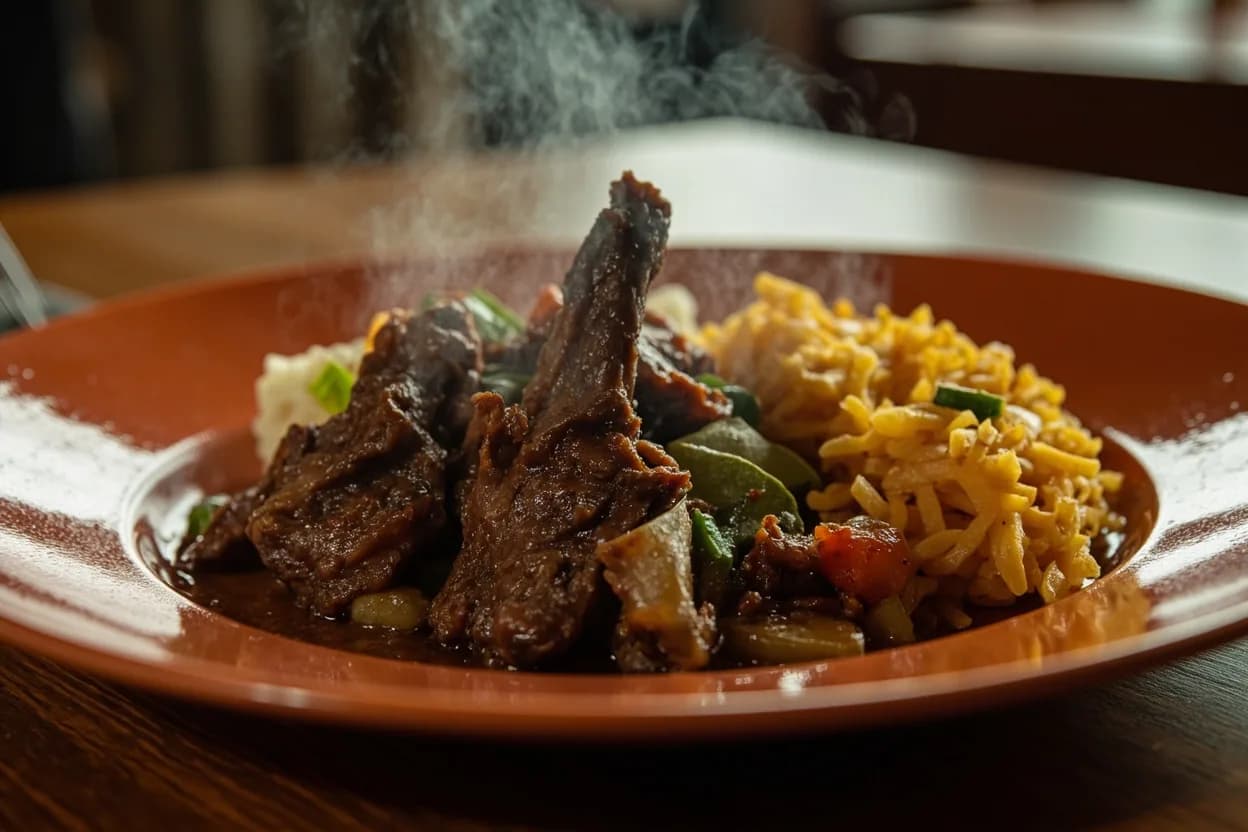
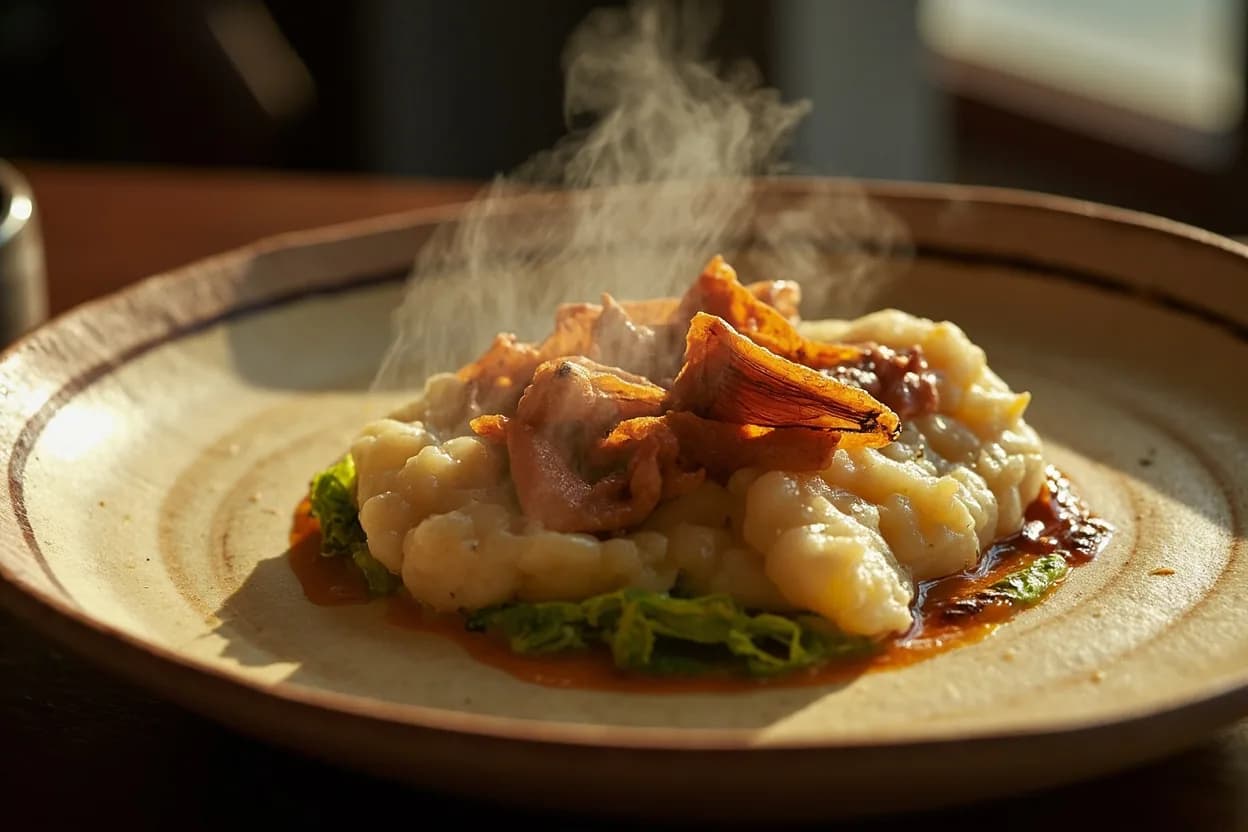
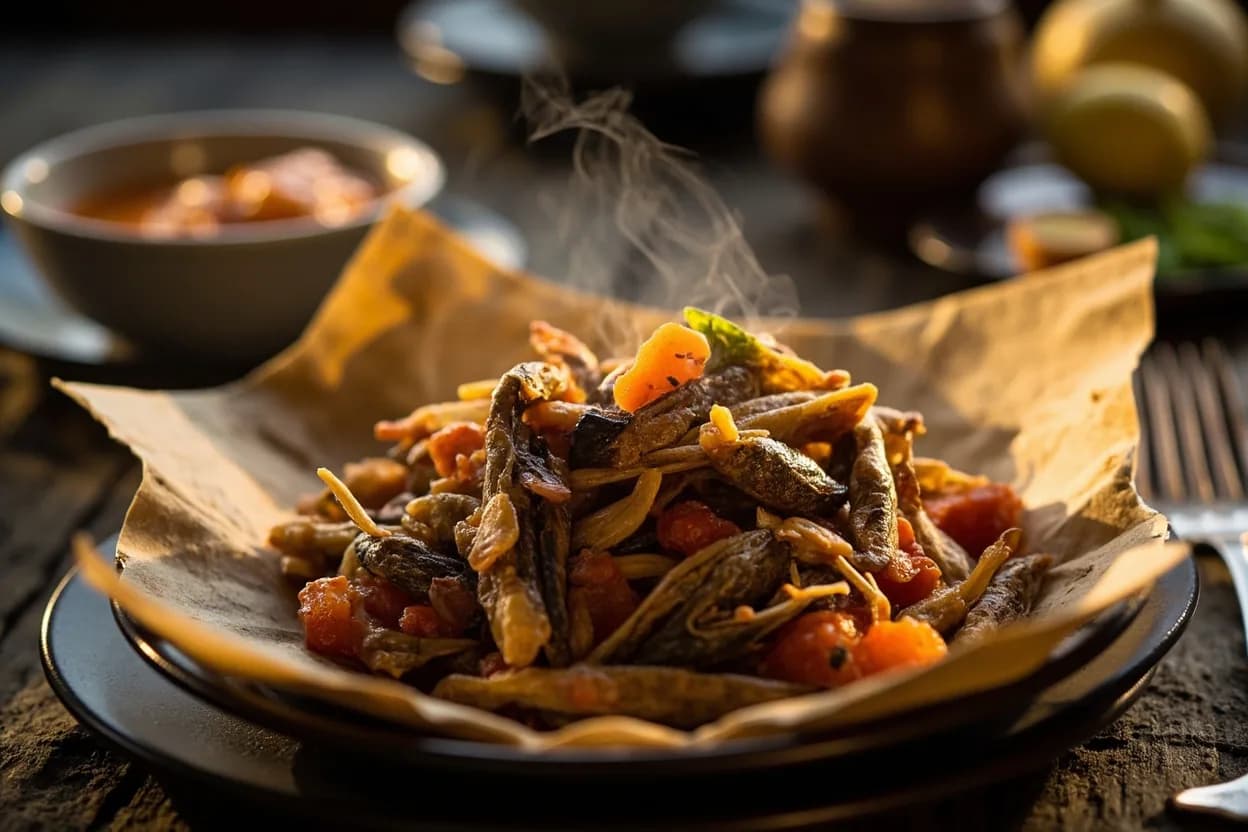
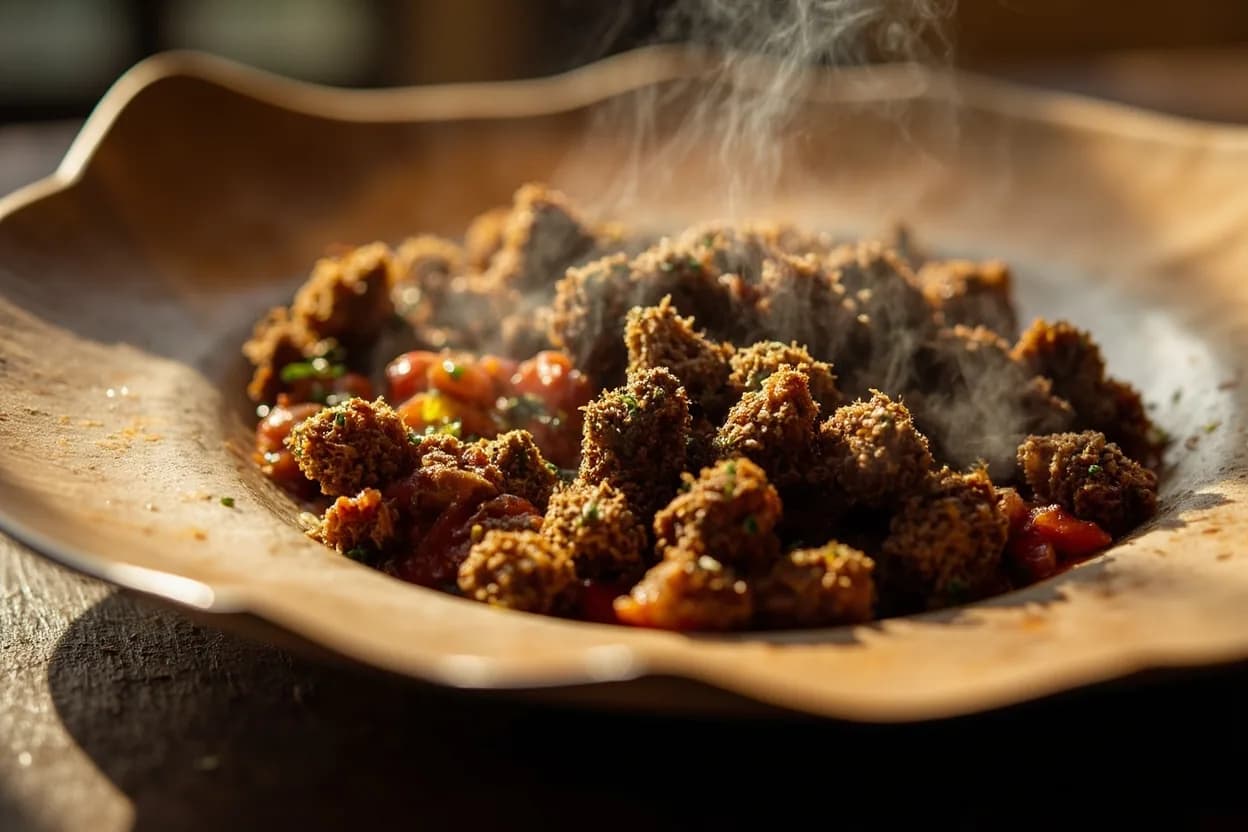
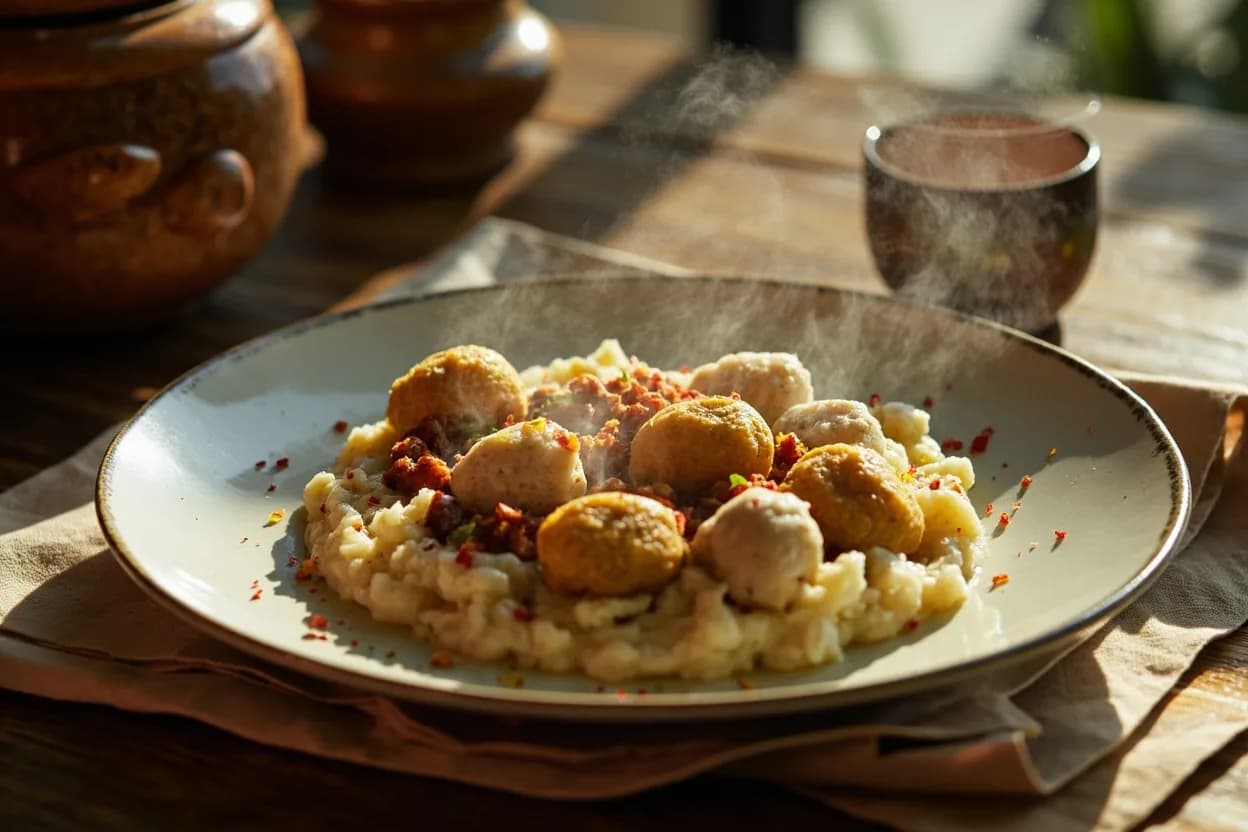
The dishes that define Zimbabwean & Zambian, documented in the Canon.

References
- 1.The Africa Cookbook — Jessica B. Harris (1998)
- 2.Cradle of Flavour: African Cuisine — Colleen Sen, in Flavors of the World (2009)
- 3.Zimbabwe: A Handbook of Cultural Practices — UNESCO / Government of Zimbabwe cultural documentation
- 4.The Oxford Companion to Food, 3rd ed. — Alan Davidson (2014)
Confidence: high
Notes
Sadza as cultural anchor
Sadza is not merely a staple — it is identity. A Zimbabwean meal without sadza is considered incomplete regardless of how abundant the relishes are. The thickness of sadza (thicker than Zambian nshima, firmer than Malawian nsima) signals cultural preference and is a source of local pride.
Kapenta
Kapenta (Limnothrissa miodon) was introduced to Lake Kariba from Lake Tanganyika in 1967–68 as a commercial fishery. The fish is netted at night using light lures, sun-dried on the shore, and traded across both countries. Its concentrated umami flavour — reminiscent of Japanese niboshi — makes it a powerful relish ingredient even in tiny quantities.