
Natural form
Fresh sweet potato vine showing heart-shaped leaves and tender young shoots on a light background.
Shows the plant's distinctive heart-shaped leaf form, color gradient from young to mature, and vine structure so readers can identify it at source.
Produce
Sweet Potato Leaf
Tender vines and leaves of the sweet potato plant, stir-fried or stewed as a leafy green.
Sweet potato leaves are the heart-shaped leaves and young shoots of the sweet potato vine, with a mild flavor and slightly mucilaginous texture when cooked. They are stir-fried with garlic, stewed, or boiled as a leafy green across Africa, East Asia, and the Pacific. Nutritious and fast-growing, they are a valued everyday vegetable in many cuisines.
Sweet potato leaf is the edible foliage of Ipomoea batatas, the same plant that produces the tuber we prize for its starchy orange flesh. While the root dominates global agriculture, the tender vines and leaves have sustained rural communities across Southeast Asia, West Africa, and the Pacific for centuries—transformed into dishes like Filipino talbos ng kamote and Taiwanese stir-fried preparations. The leaves are genuinely remarkable: studies suggest they contain higher concentrations of vitamins A, C, and K than the tuber itself, along with iron, calcium, and antioxidants that make them a dietary staple in many tropical regions precisely because they are harvestable while the tubers are still growing.
The flavor is notably milder than spinach—cleaner and less metallic, with a subtle vegetal sweetness and only the faintest grassy note. When cooked properly, the leaves develop a silky, almost succulent texture that holds up better than spinach in soups and stews without disintegrating. This resilience makes them forgiving for beginners, yet the leaves reward attention: brief cooking preserves their vibrant green color and tender-crisp bite, while overcooking collapses them into a dull, mushy mass. The stems are edible when young and thin but should be stripped from older, thicker stalks, which remain fibrous even after prolonged cooking.
Fresh sweet potato leaves are highly perishable—plan to cook them within a day of purchase or harvest. They are sold at Asian markets, specialty grocers, and farmers' markets in regions with tropical or subtropical growing seasons. Frozen leaves, available at some Asian grocery stores, are an acceptable backup but lack the fresh color and snap of the just-purchased green. Beyond their culinary utility, the leaves carry cultural weight: in Hawaii, young leaves are layered in traditional lau lau packages for steaming; in West Africa, they form the backbone of palm oil stews; and in the Philippines, a simple garlic-and-fish-sauce stir-fry transforms humble talbos into a beloved comfort dish.
- Measured in
- g
- Storage
- Fridge
Types & varieties
Large, dark green leaves with purple undersides; particularly tender; common in Taiwanese stir-fries with garlic and in noodle soups
Purple-tinted leaves from purple-fleshed sweet potato varieties; slightly earthier flavor; used in Okinawan cuisine
Generic term for young shoots and leaves; characteristically stir-fried with garlic and patis (fish sauce) or cooked in ginataan (coconut milk)
Various landrace varieties grown specifically for leaves in West and Central Africa; often more heat-tolerant than tuber varieties
Why This Green Deserves More Attention
Sweet potato leaves occupy a peculiar culinary position: nutritionally superior to the tuber they support, yet relegated to afterthought status in most Western kitchens. This asymmetry reflects historical and agricultural patterns—tuber-focused breeding programs in temperate zones have largely ignored foliage production—rather than any genuine limitation of the leaf itself. In tropical regions where sweet potato originated and remains a staple crop, the leaves have been refined over generations into dishes that highlight their virtues: quick stir-fries that preserve their bright color, coconut milk braises that temper any trace of bitterness, and soups that leverage their ability to hold texture under heat. The Western cooking world has only begun to catch on, driven partly by Southeast Asian and West African immigrant communities sharing their culinary traditions and partly by a broader revaluation of overlooked edible plants. The practical result is that sweet potato leaf remains affordable, available, and underutilized—a combination that rewards cooks willing to learn its preferences.
- Fresh leaves should be bright green with no yellowing or wilting; avoid leaves with brown spots or a sour odor
- Purchase stems that snap easily rather than bend rubberily; young stems are tender enough to eat
- If growing your own, harvest the young tips regularly to encourage bushier leaf production
Common uses
Tips & pitfalls
- Harvest or purchase the youngest, most tender leaves and stems; older leaves develop a slightly bitter, astringent quality that no amount of cooking corrects
- Always strip leaves from thick central stems—the stems are fibrous and cook unevenly, remaining tough while leaves collapse
- Wash thoroughly: leaves often trap sand, dirt, and small insects in their folds; swish in several changes of cold water or use a salad spinner
- Cook quickly over high heat when stir-frying; 1–2 minutes only to preserve color and texture—the leaves should still have some resistance
- When blanching, plunge directly into boiling salted water for 30–45 seconds, then transfer immediately to an ice bath to set the bright green color
- Do not overcook: leaves collapse into a mushy consistency and lose their vibrant green color within seconds of their ideal doneness
- For Filipino ginataan, add leaves in the last 5 minutes of cooking to prevent discoloration from coconut milk; the milk's acidity can turn the greens gray-brown
- A small pinch of baking soda in the cooking water (optional) helps preserve bright green color but may soften texture—use sparingly or skip if you prefer a firmer bite
Nutrition
Energy
176 kJ · per 100 g
Where the calories come from
Protein
2.5g
5% DV
Carbs
8.8g
3% DV
Fat
0.5g
1% DV
Fiber
5.3g
19% DV
Sodium
6mg
0% DV
Source · USDA FoodData Central · Sweet potato leaves, raw
View on FDC →In the shops
Matched grocery products
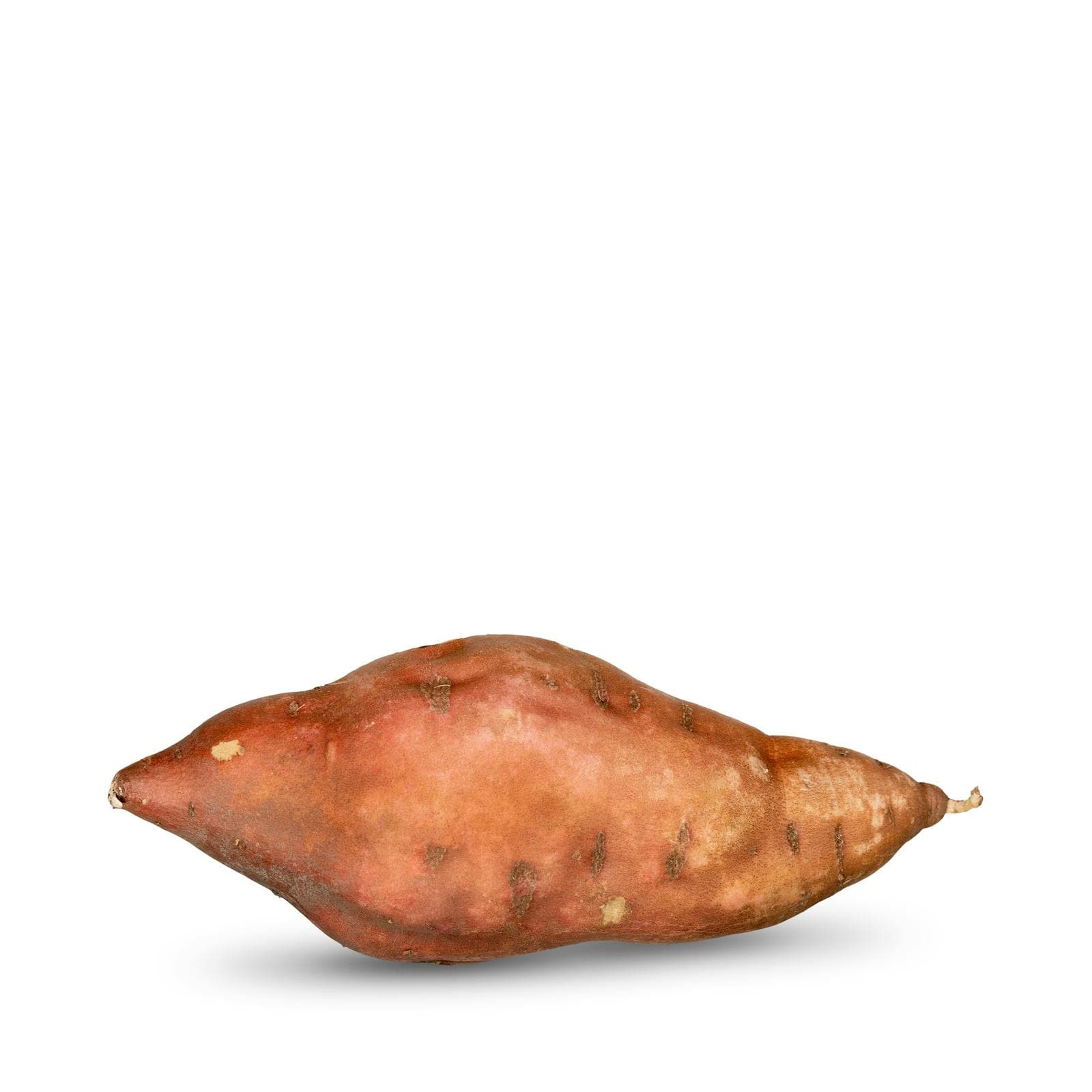 €1.24
€1.24Sweet Potato
370 g · Mercadona
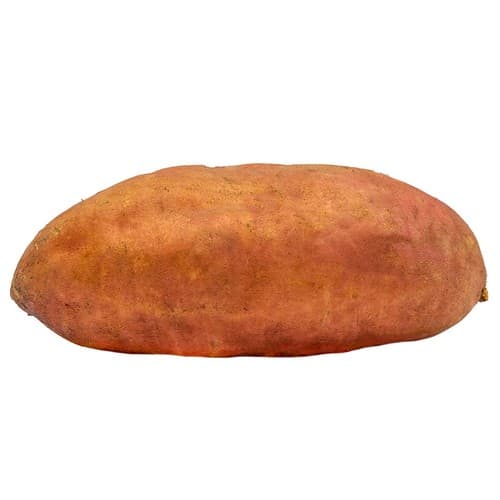 €1.01
€1.01Sweet Potato 1 unit
ud · Bonpreu
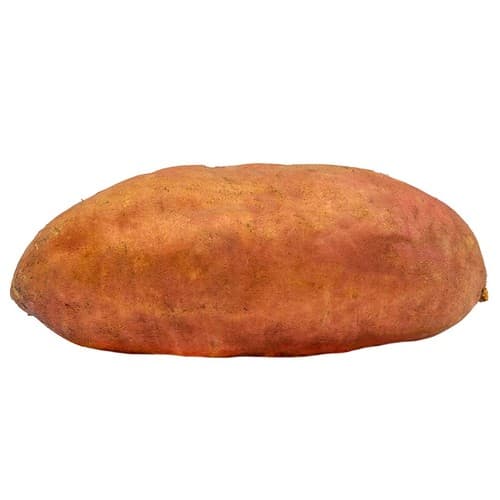 €1.29
€1.29Sweet Potato 1 unit
Bonpreu
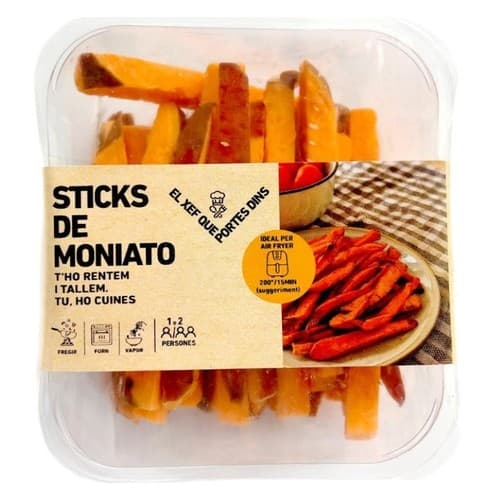 €2.49
€2.49Sweet Potato Sticks
kg · Bonpreu
 €4.79
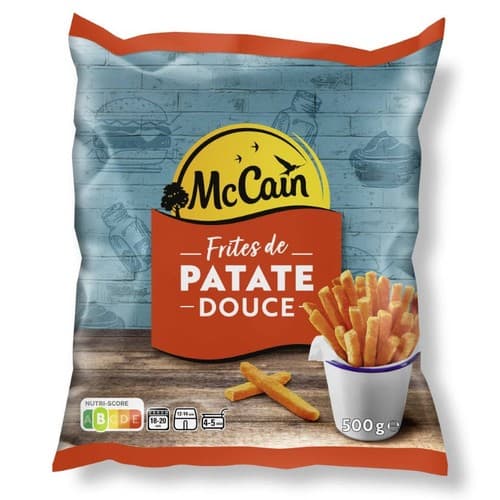
€4.79MCCAIN Sweet Potato Fries
MCCAIN · kg · Bonpreu
 €3.39
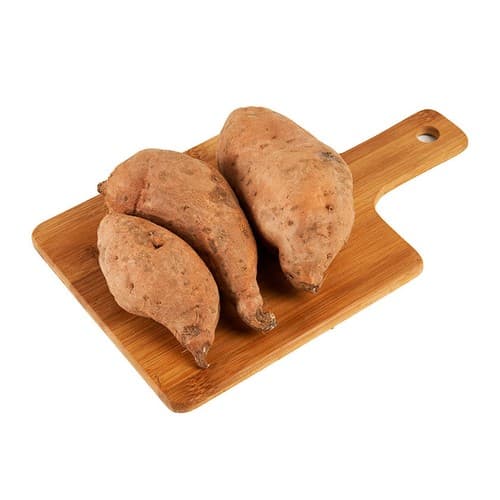
€3.39Organic Sweet Potato in Tray 700g
kg · Bonpreu
Good to know
- Botanical Name
- Ipomoea batatas (leaves)
- Origin
- Central and South America; spread globally via Spanish and Portuguese trade routes in the 16th century
- Primary Culinary Regions
- Philippines, Taiwan, China, Japan, West Africa, Caribbean, Papua New Guinea, Hawaii
- Flavor Profile
- Mildly sweet, vegetal, slightly grassy; cleaner and less earthy than spinach
- Peak Season
- Year-round in tropical climates; late summer through early fall in temperate zones
- Available Forms
- Fresh (preferred, at Asian and specialty markets); frozen (acceptable backup at Asian grocery stores)
- Shelf Life
- 1–2 days refrigerated when fresh; up to 3 months frozen
- Nutritional Note
- Exceptionally high in vitamins A (as beta-carotene), C, and K; rich in iron, calcium, and antioxidants; nutritionally superior to the tuber
- Yield
- Nearly 100% edible when young; discard thick stems and damaged leaves
- Oxalate Content
- Contains oxalates; consume in moderation if you have kidney stones or oxalate sensitivity
Substitutes
- Spinach — Best all-around substitute; similar tenderness and mild flavor; cook slightly less than spinach, as sweet potato leaf is more delicate and collapses faster
- Malabar Spinach (Alugbati) — Comparable in stews and soups; similar slight slime when cooked; different botanical family but interchangeable in Southeast Asian preparations
- Swiss Chard — Sturdy enough for stir-frying; more pronounced earthiness; stems can be treated identically by stripping from the leaf
- Water Spinach (Kang Kong) — Direct substitute in Southeast Asian preparations; similar texture and cooking behavior; more neutral in flavor
Pairs with
Also called
Sweet Potato Leaves · Potato Greens · Potato Leaf · Camote Tops
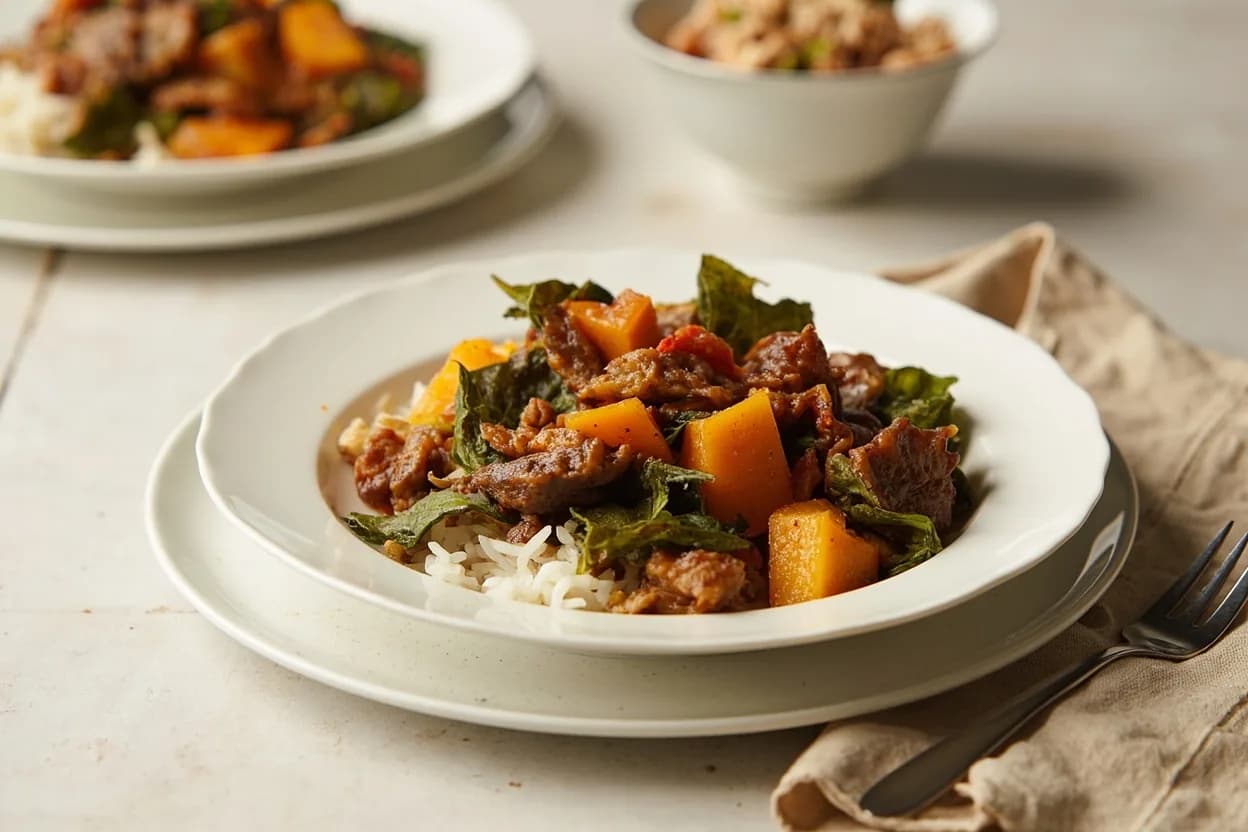
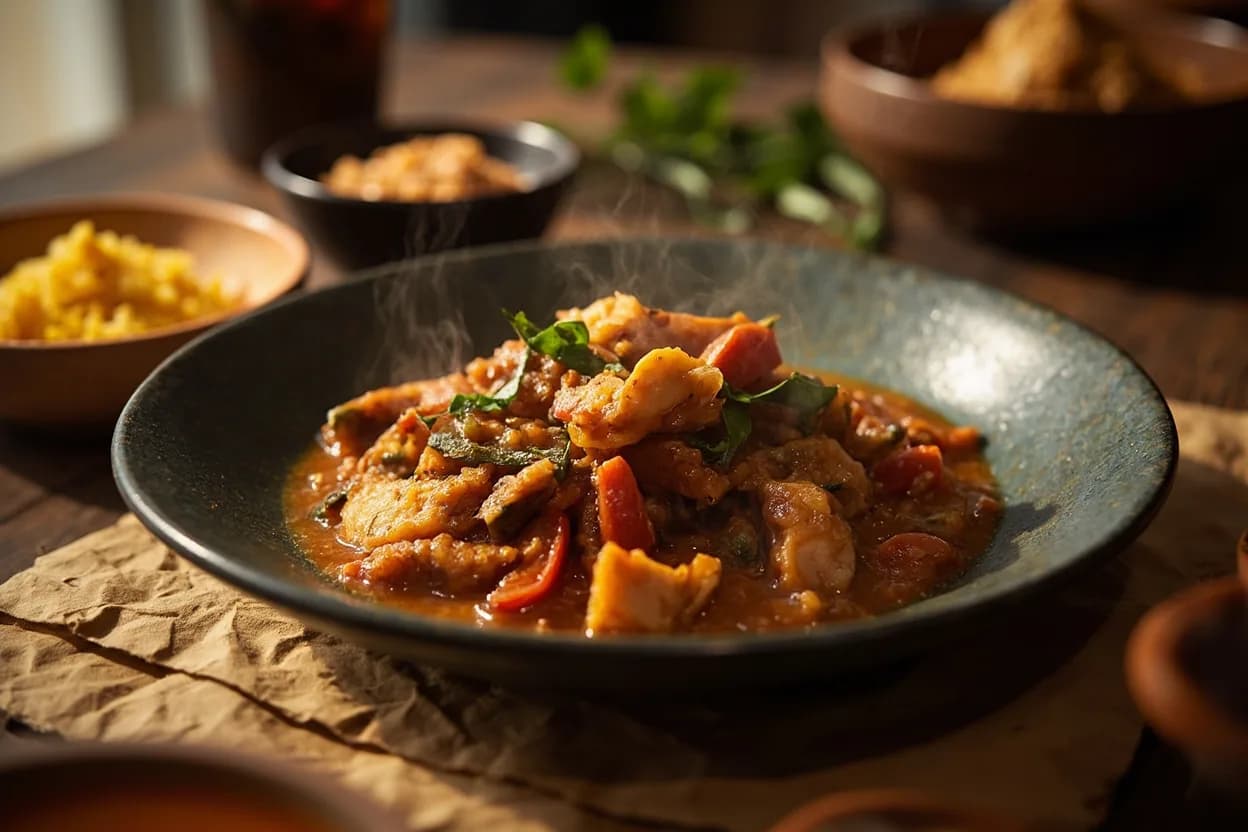
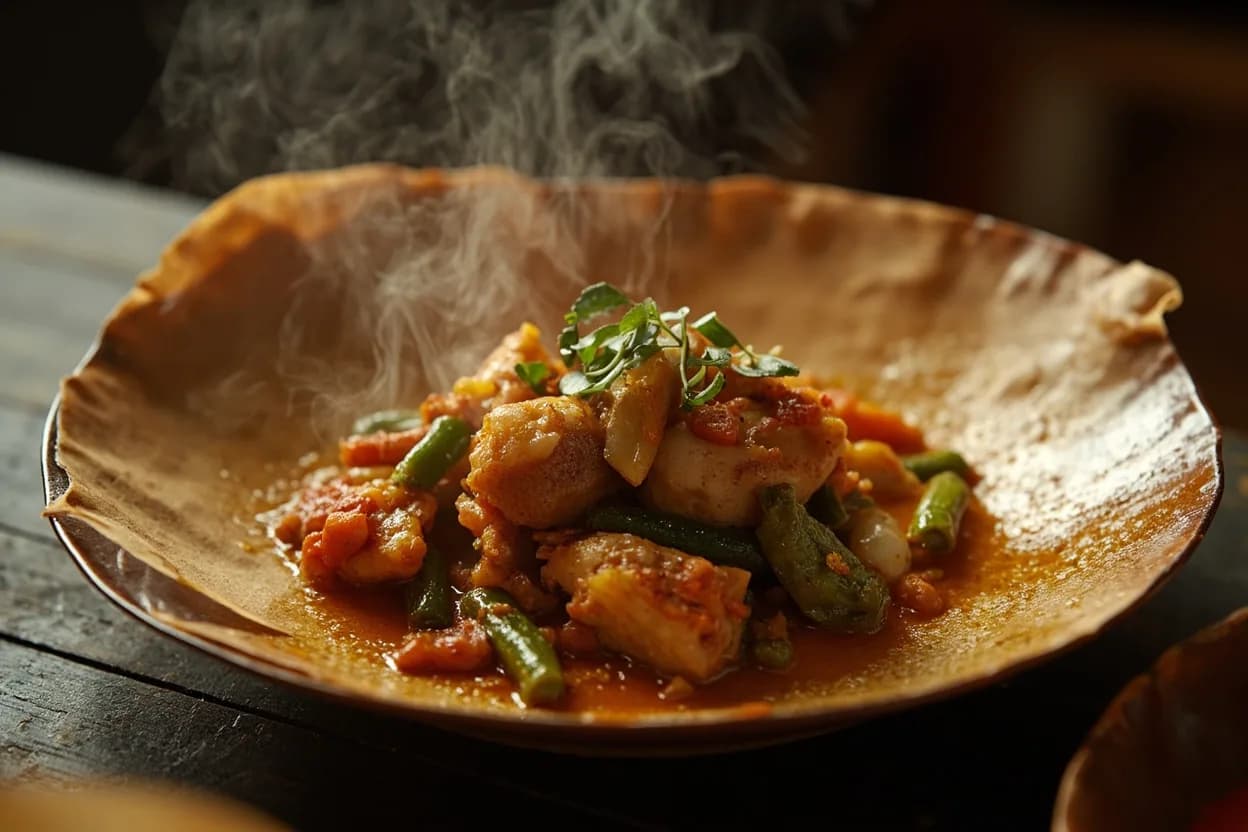
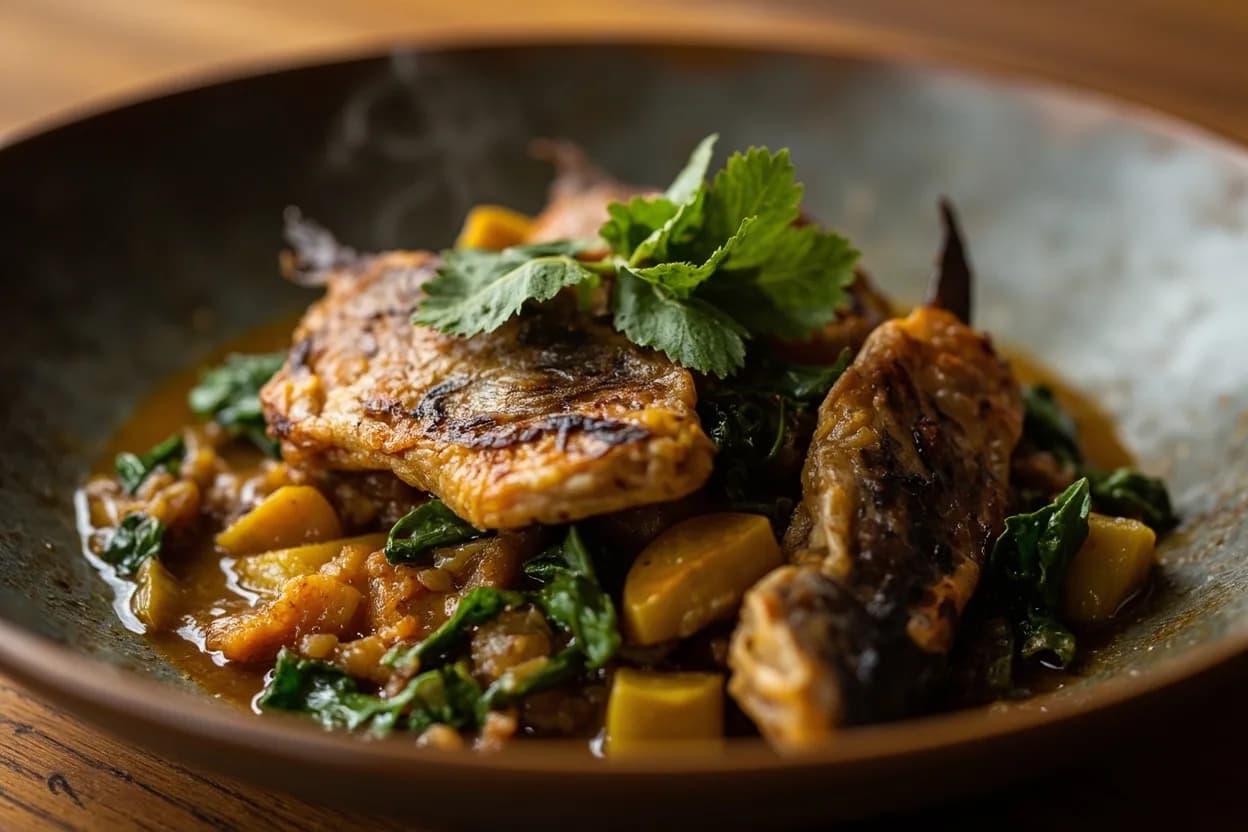
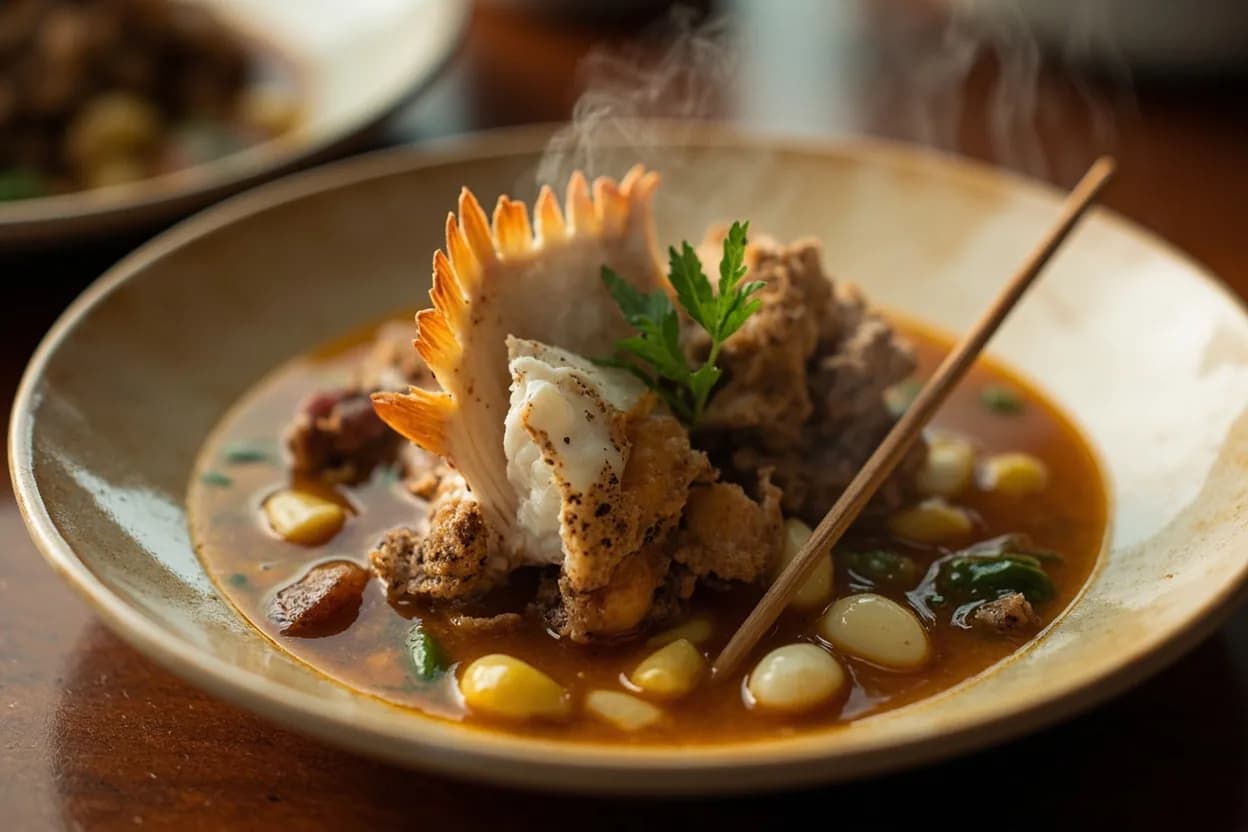
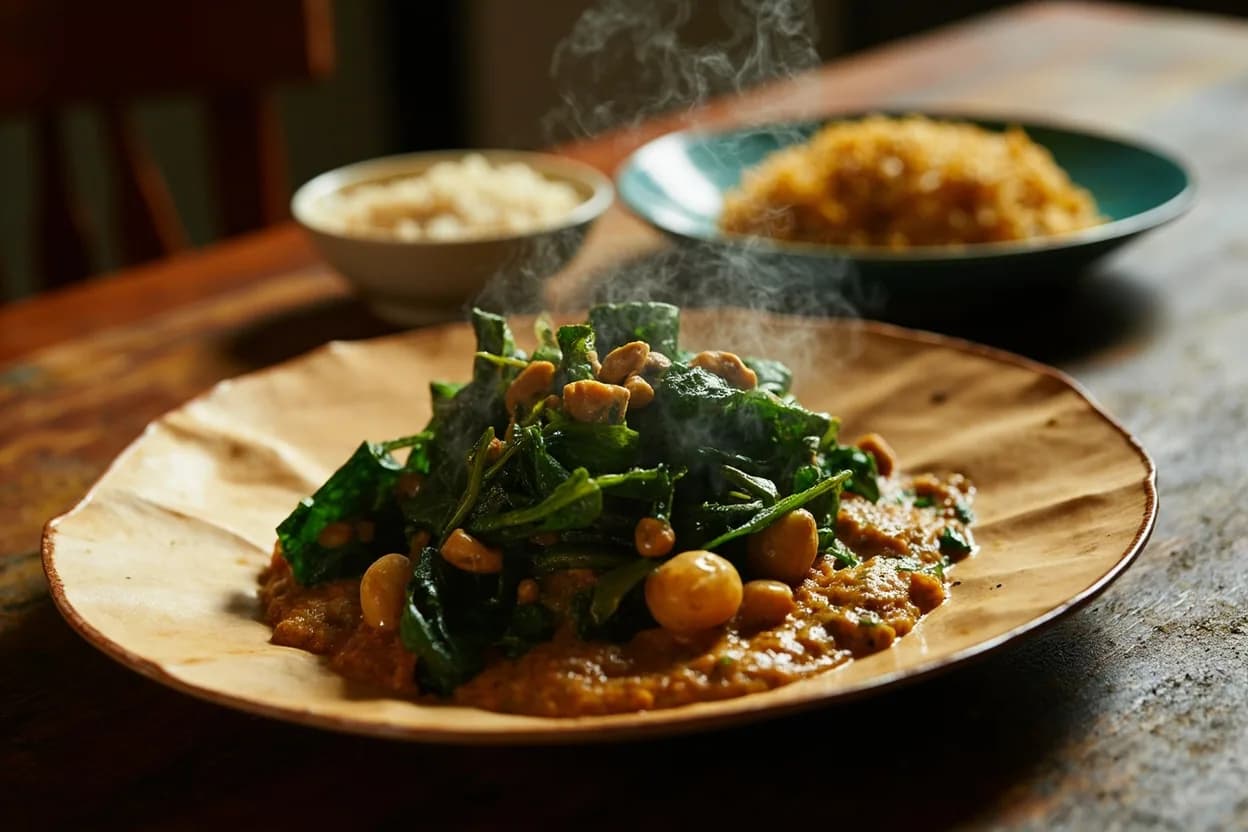
Appears in these dishes
Related
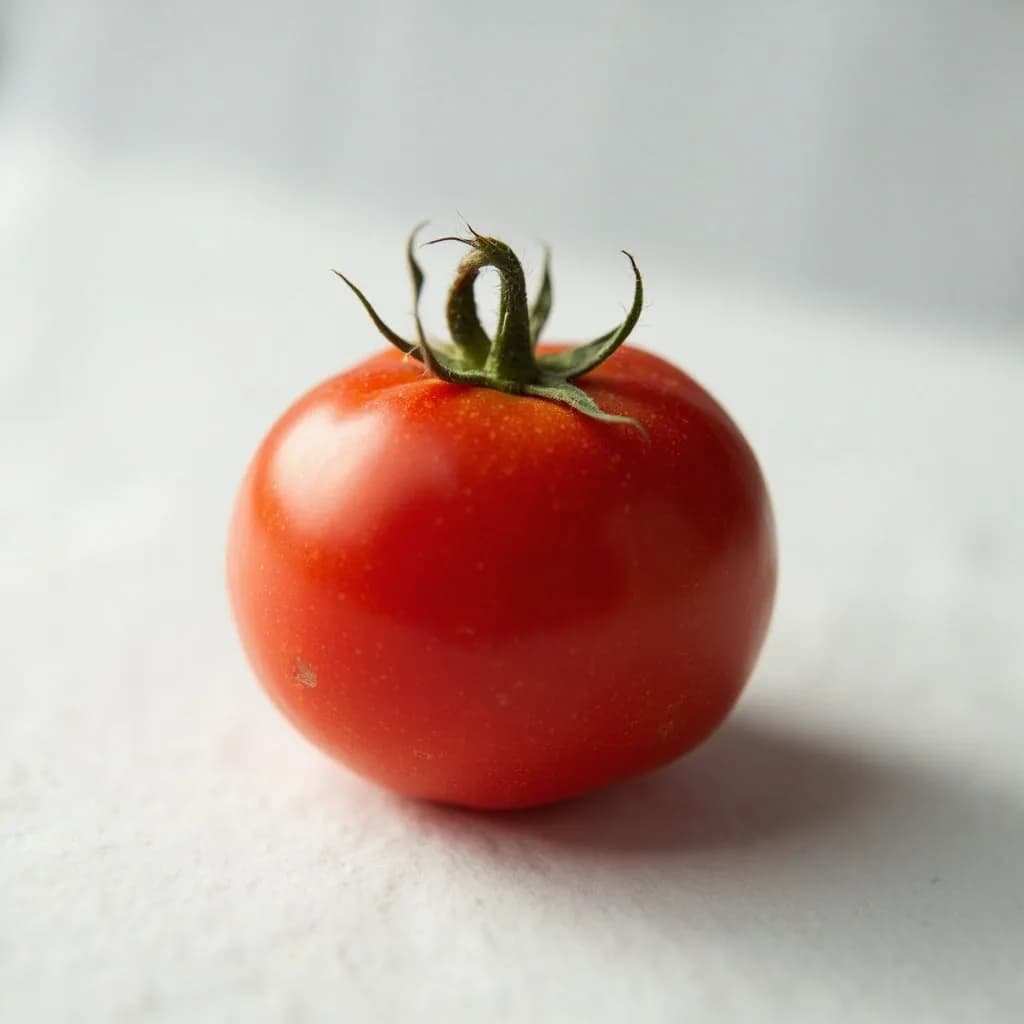
Tomato
Juicy, sun-sweet fruit for sauces, salads, and slow-cooked depth
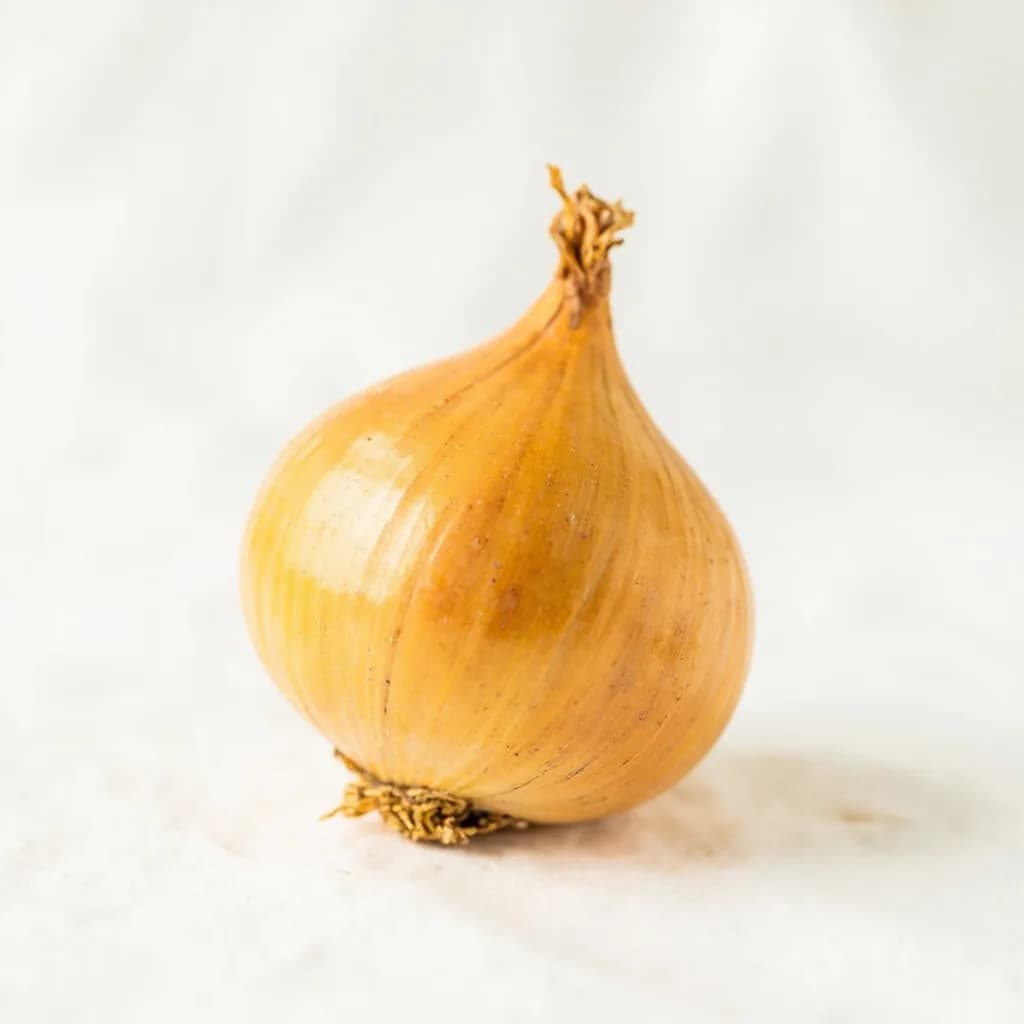
Yellow Onion
The aromatic backbone of soups, sofritos, and braises
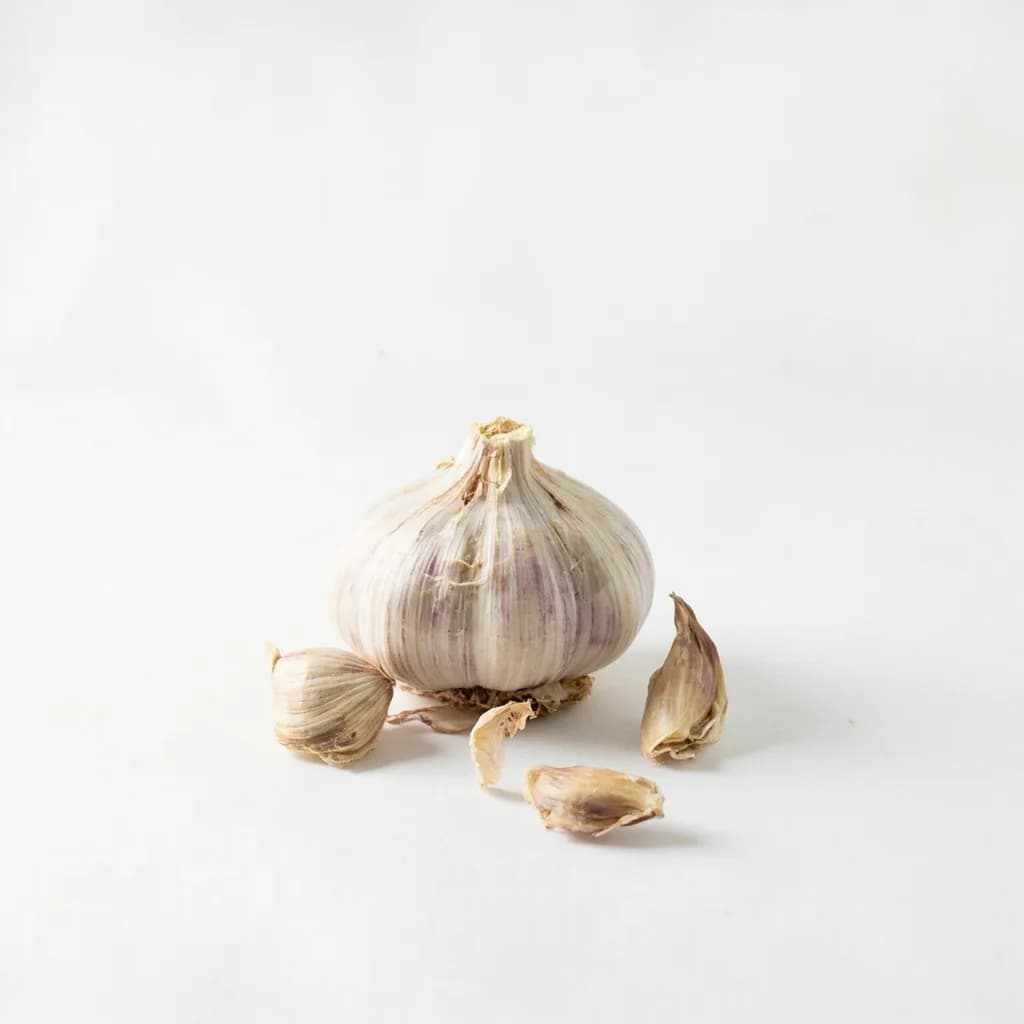
Garlic
Pungent cloves that perfume nearly every savory dish
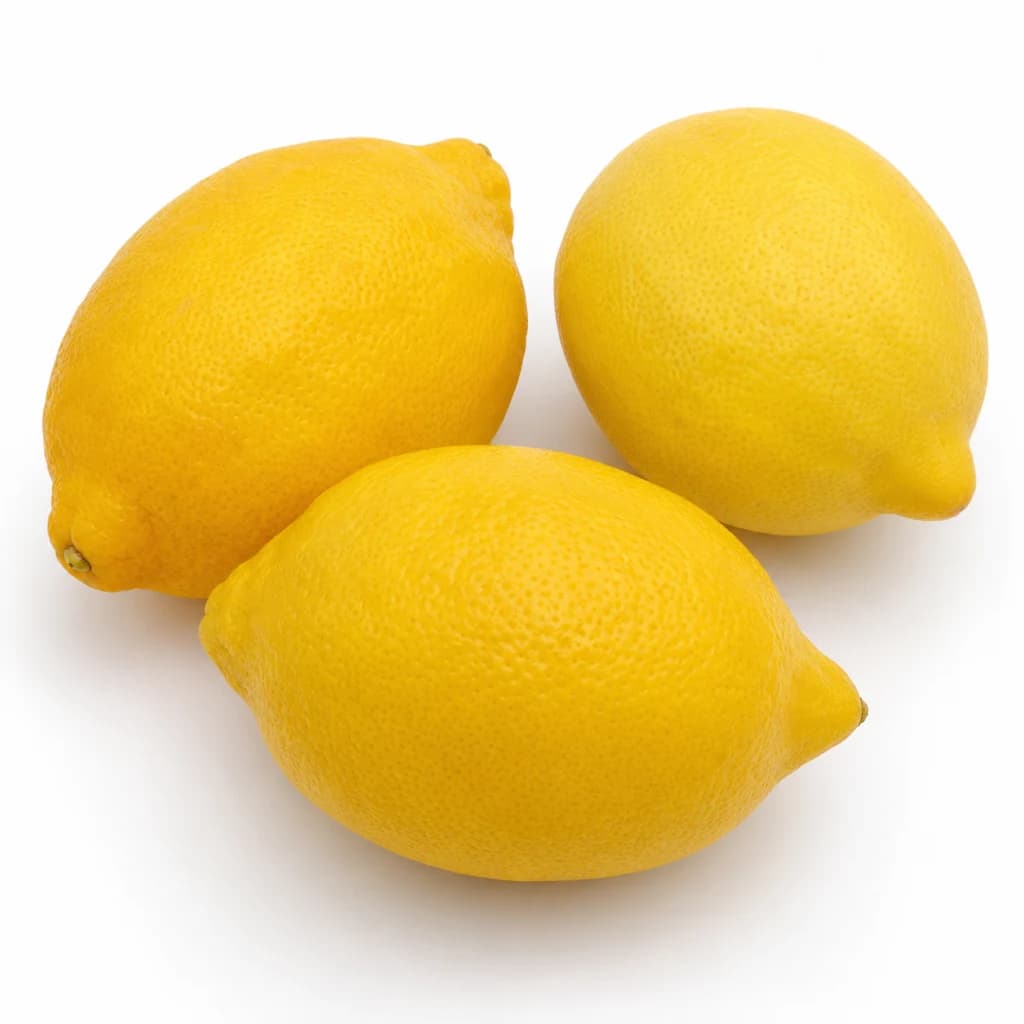
Lemon
Bright, acidic citrus that wakes up almost any dish
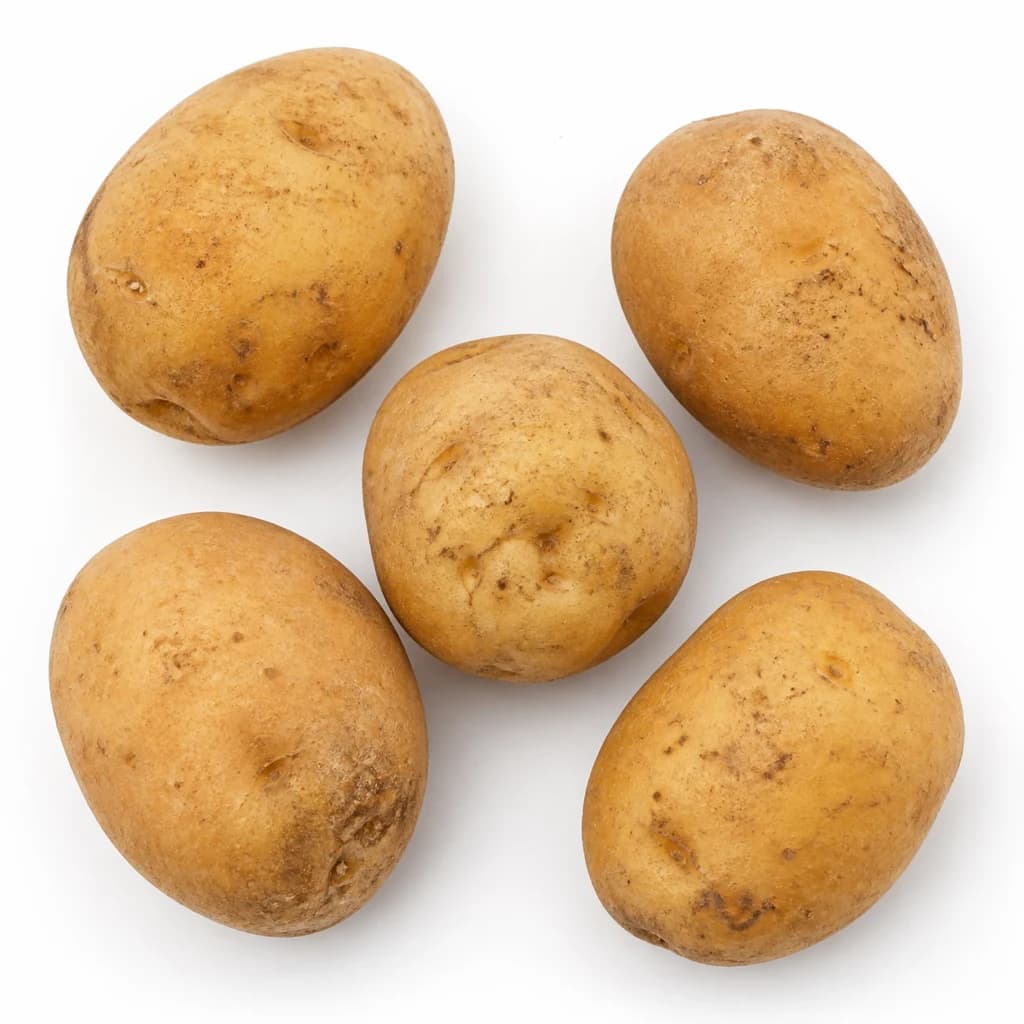
Potato
Humble, hearty staple — roast, mash, fry, or boil
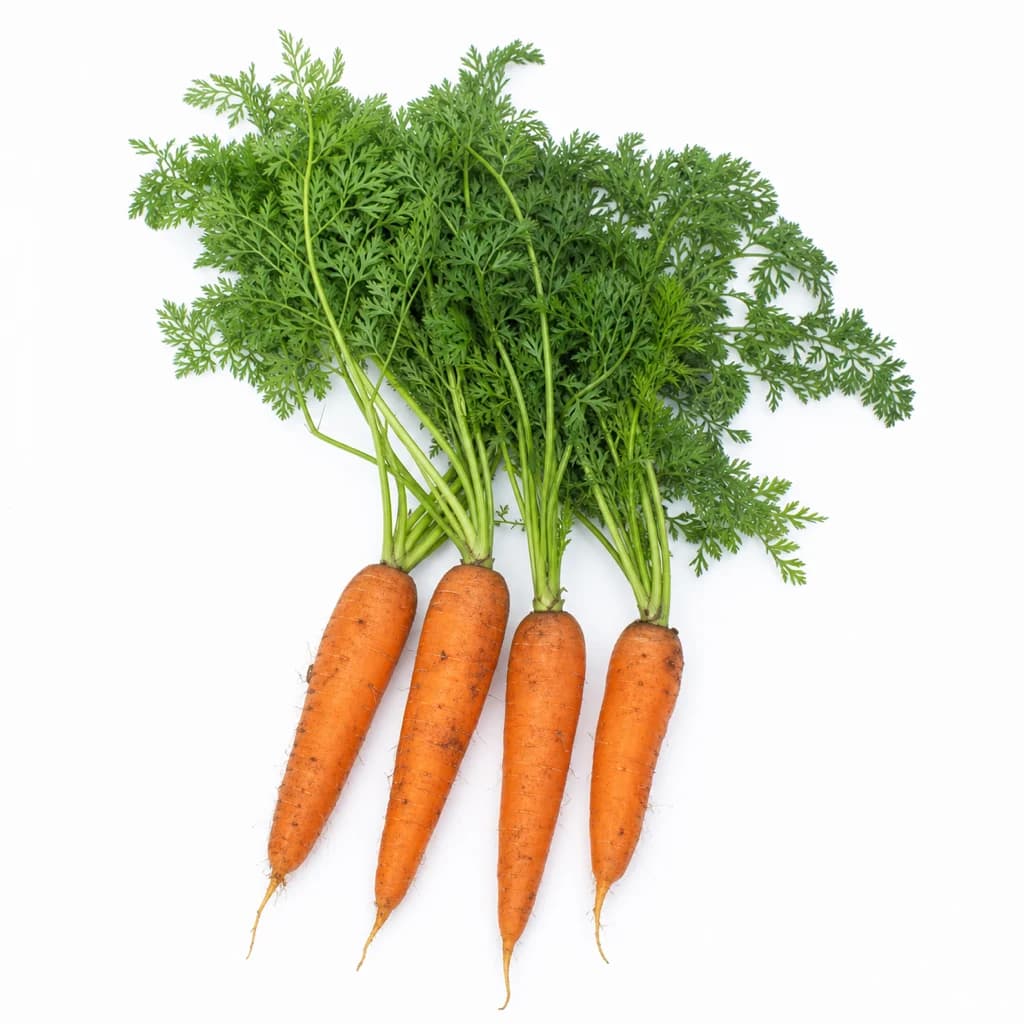
Carrot
Sweet, crunchy root — raw, roasted, or the base of a sofrito
Cucumber
Cool, crisp, and watery — for salads, pickles, and tzatziki

Lettuce
Crisp leaves for salads, wraps, and a fresh crunch