Pork — Primal & Subprimal
Guanciale (Pork Jowl)
Also: pork jowl, jowl bacon, pork cheek fat, gota di maiale, barbina
The cured pork cheek of central Italian cooking — richer, more intensely flavored than pancetta, and irreplaceable in carbonara and amatriciana.
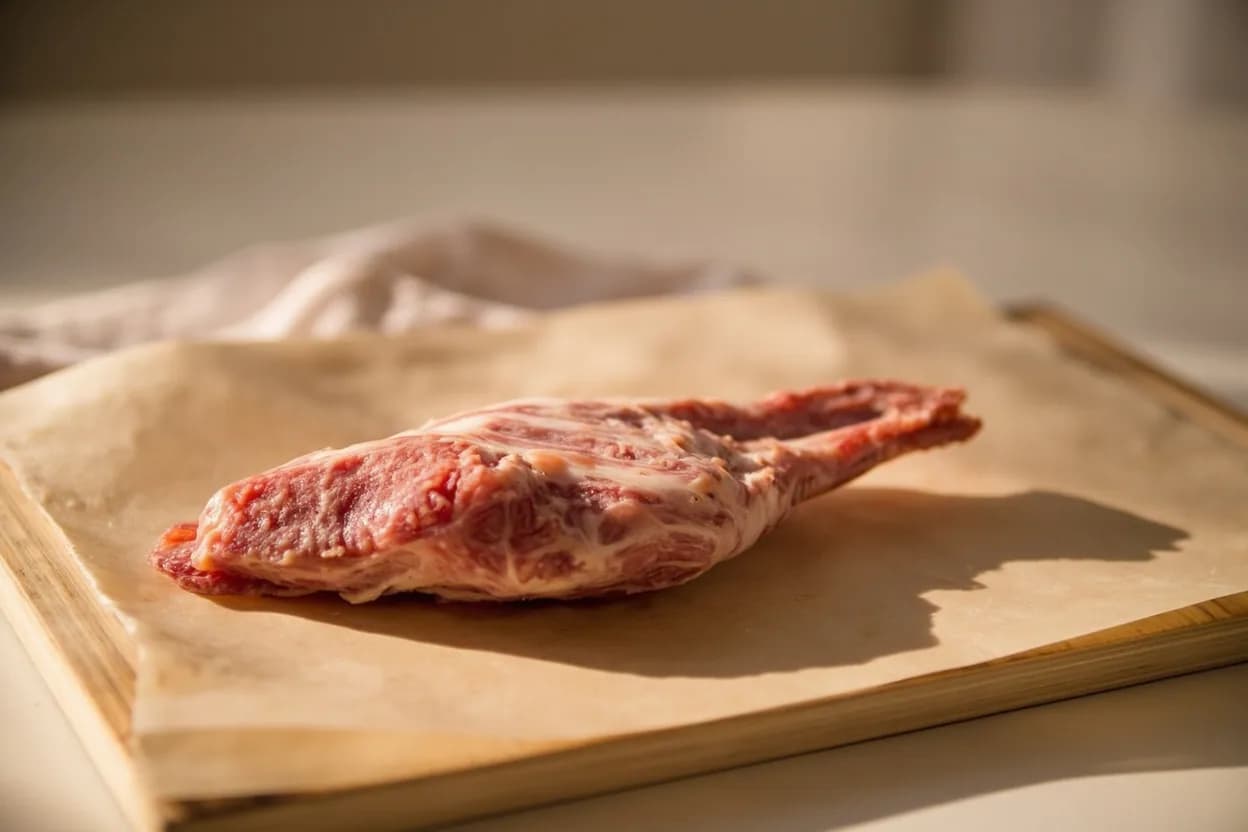
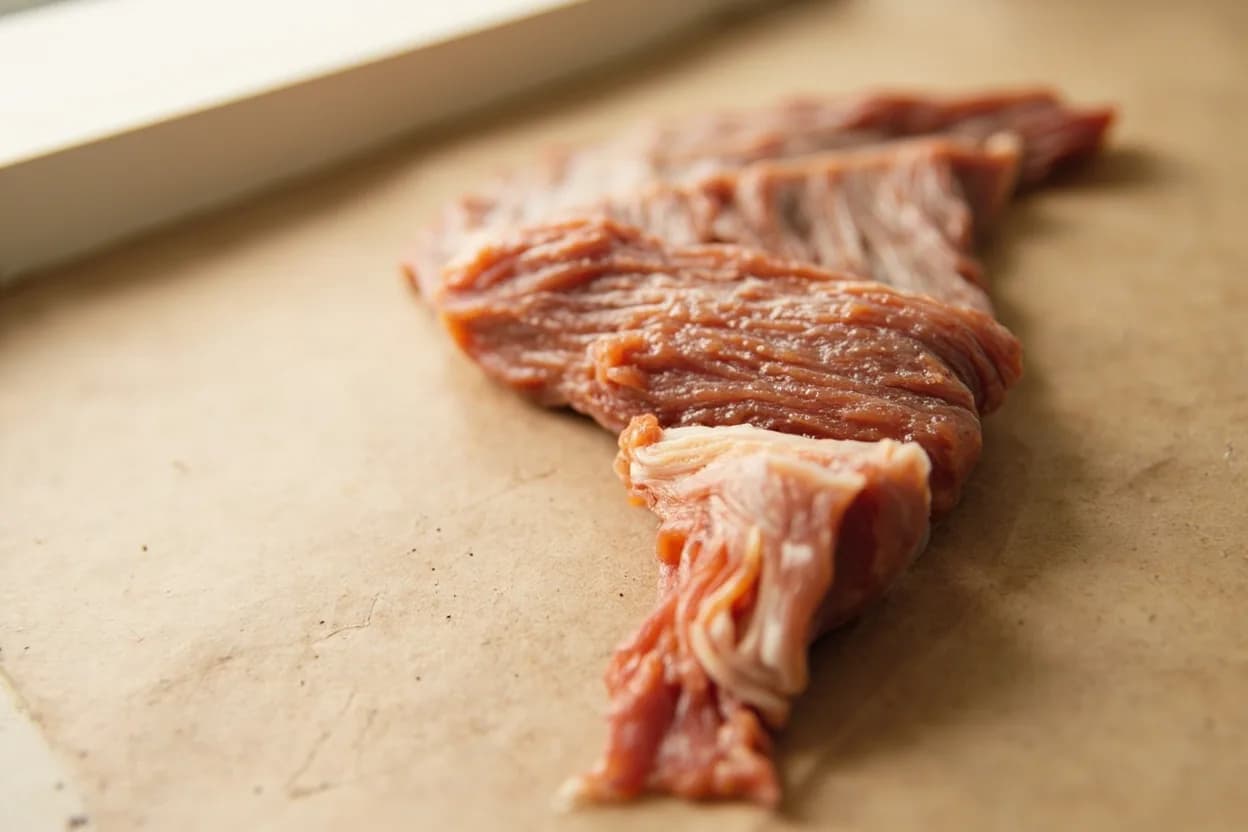
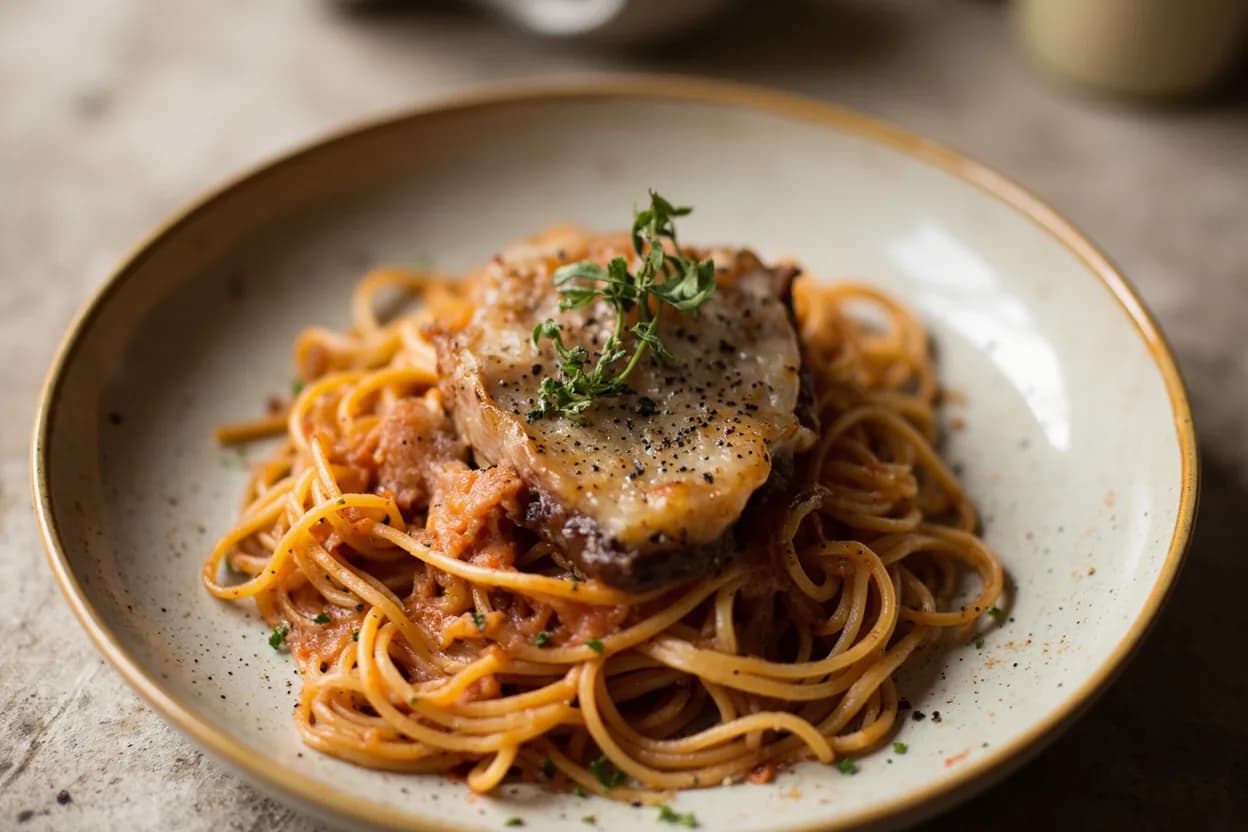
Guanciale is the cured and dried jowl (cheek-and-jaw) of the pig. The word derives from guancia, Italian for cheek. Unlike pancetta, which is cut from the belly, guanciale comes from a fundamentally different muscle group and fat deposit on the pig's face and lower jaw. Its fat is softer, more saturated with flavor compounds, and has a distinctly silky, almost liquefying texture when rendered. In central Italian cuisine — particularly Lazio and Umbria — it is considered the only correct fat for pasta all'amatriciana and spaghetti alla carbonara.
In photos
Where it comes from
The pig's jowl (cheek and lower jaw area), anatomically comprising the masseter muscle, buccinator, and surrounding fat deposits. The jowl is separated from the head after slaughter; the skin is typically left on one side. It must be carefully trimmed of the parotid salivary gland (a firm, grainy node) and any lymph nodes before curing.
Best for
How to cook it
- 1Cut into lardons (matchstick batons, 5–7 mm): start in a cold pan over medium heat so the fat renders slowly before the exterior crisps
- 2Do not add oil — guanciale has sufficient fat to self-baste the pan
- 3For carbonara: render lardons until golden and slightly crisp at edges, remove from heat before adding egg and cheese mixture — residual heat is all that is needed
- 4For amatriciana: render until golden, add crushed chili and dry white wine, reduce, then add San Marzano tomatoes
- 5Avoid high heat initially — the exterior will char before the interior fat has a chance to render
Prep & butchery
- Trim the parotid gland: it sits near the jaw joint as a firm, pale-grey node with a granular texture — remove entirely or the cured product will have an off, glandular bitterness
- Remove lymph nodes (small, hard, dark nodes near the gland area) before curing
- Shape into a rectangular or triangular block by trimming excess skin and fat to uniform thickness before salting
- Rub cure: salt, sugar, black pepper, sometimes crushed dried chili, bay, and thyme; wrap tightly and refrigerate 1–2 weeks
- Hang and air-dry at 10–15 °C with good airflow for 3–6 weeks minimum; the exterior should feel firm and the interior should be cohesive
Substitutes
The standard substitute — belly-based, slightly less rich, but similar cure profile; use unsmoked
- Bacon (unsmoked)
Works in a pinch but the smoke flavor changes the character of a Roman sauce significantly
Purely fat — no lean striations; works as a cooking medium but not a textural element
- Jowl bacon (American)
Usually smoked; if you can find unsmoked pork jowl it is the closest anatomical substitute
Related cuts
- Pancetta Tesa
Made from belly rather than jowl — leaner and less rich than guanciale
- Lardo di Colonnata
Pure fatback cure — similar curing method but from the back, not the head
- Coppa (Capicola)
Cured from the neck/collar — different anatomy but same curing philosophy
- Testa (Head Cheese)
Uses the same jowl region but as a pressed, cooked terrine rather than a cured salumi
Appears in
References
- 1.Charcuterie: The Craft of Salting, Smoking, and Curing — Michael Ruhlman & Brian Polcyn
- 2.The Silver Spoon (Il Cucchiaio d'Argento)
- 3.La Cucina Romana — Ada Boni
- 4.Larousse Gastronomique
Confidence: high
Notes
Guanciale vs. pancetta: the debate
Serious Roman cooks consider pancetta a weak substitute that changes the dish's soul. The difference is real: jowl fat has a higher concentration of oleic acid and flavoring lipids than belly fat, and it lacks belly's slightly firmer, more fibrous texture. In carbonara, this means the fat emulsifies more readily with egg yolk, producing a creamier sauce without a drop of cream.
DOP recognition
While guanciale lacks its own DOP, it is inextricably linked to the Denominazione di Origine Protetta of amatriciana sauce (Amatrice, Lazio), which specifies guanciale — not pancetta, not bacon — as the mandatory cured pork component.