Cured Meats & Umami Proteins
Lardo
Also: lardo di Colonnata, cured fatback, lard blanc, tocino de cerdo
Silky cured fatback from the Italian Alps whose cool, melting richness elevates everything from crostini to pasta.
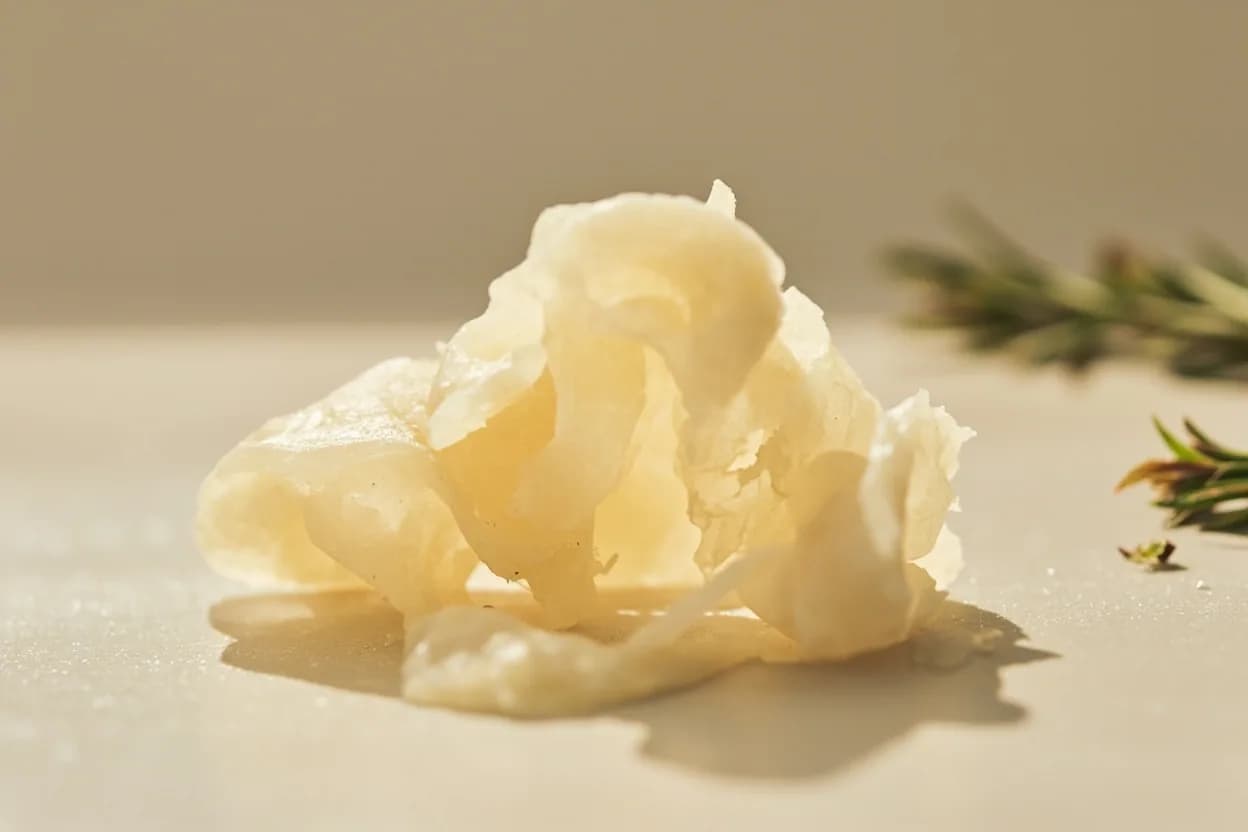
Lardo is pure pork back-fat dry-cured in marble basins with sea salt, rosemary, garlic, and mountain herbs—most famously in Colonnata, Tuscany, and Arnad, Valle d'Aosta. Cured for a minimum of six months, the fat transforms into something translucent and almost sweet, with a yielding, buttery texture that dissolves on the palate. Its flavour is mild and milky with a whisper of herb and a gentle salinity—nothing aggressive, entirely about texture and fat-soluble aromatic compounds. Because it is almost pure fat, it acts as a vehicle for fragrance rather than a dominant protein.
In photos
Flavour profile
Classic pairings
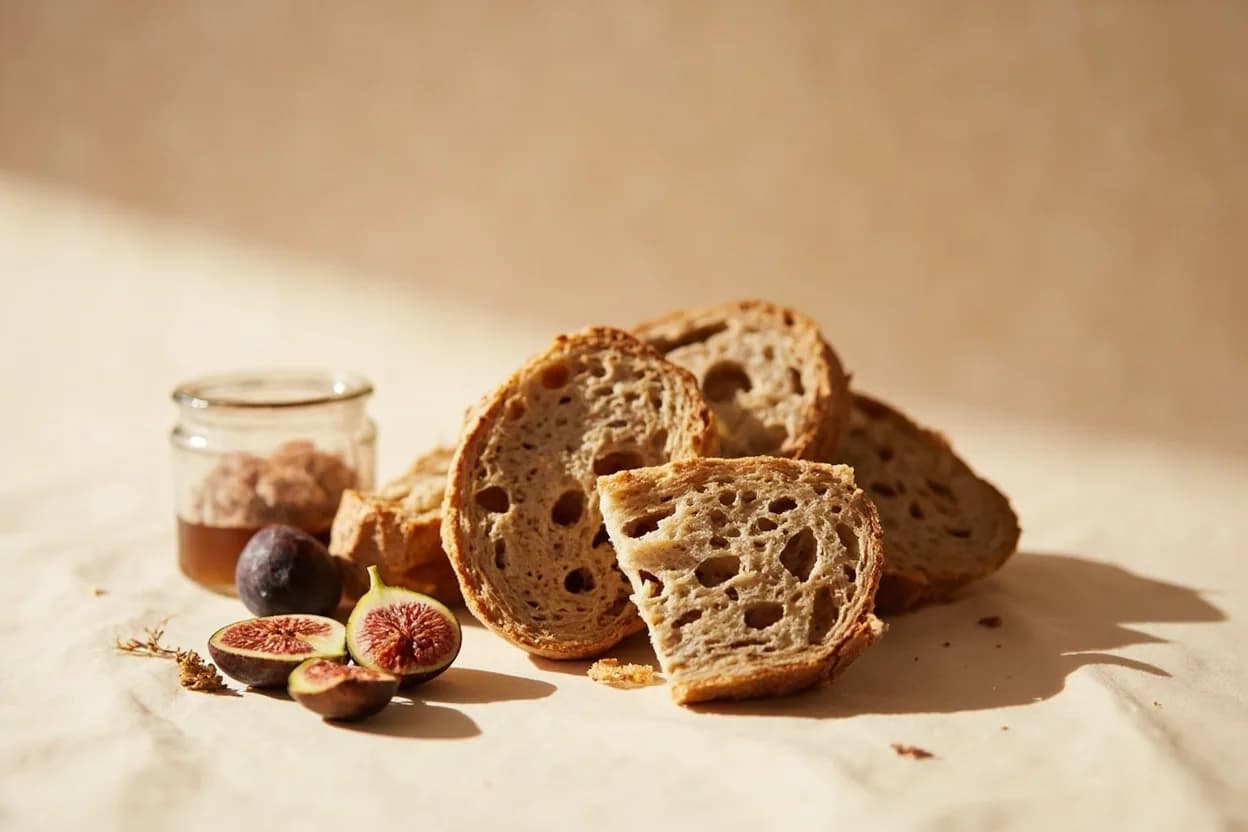
- Toasted sourdoughItalian
The fat melts into warm bread, creating a richness echoed and cut by the open crumb's slight acidity.
- HoneyItalian
Mountain chestnut or wildflower honey contrasts the salt and fat with floral sweetness—a classic Colonnata pairing.
- FigsItalian
Fresh or dried figs supply sugar and tannin that parse the fat's cloying potential, popular in antipasto.
- Black truffleItalian
Both are fat-soluble-aromatic ingredients; lardo carries truffle's volatile compounds without competing.
- Tagliatelle or pappardelleItalian
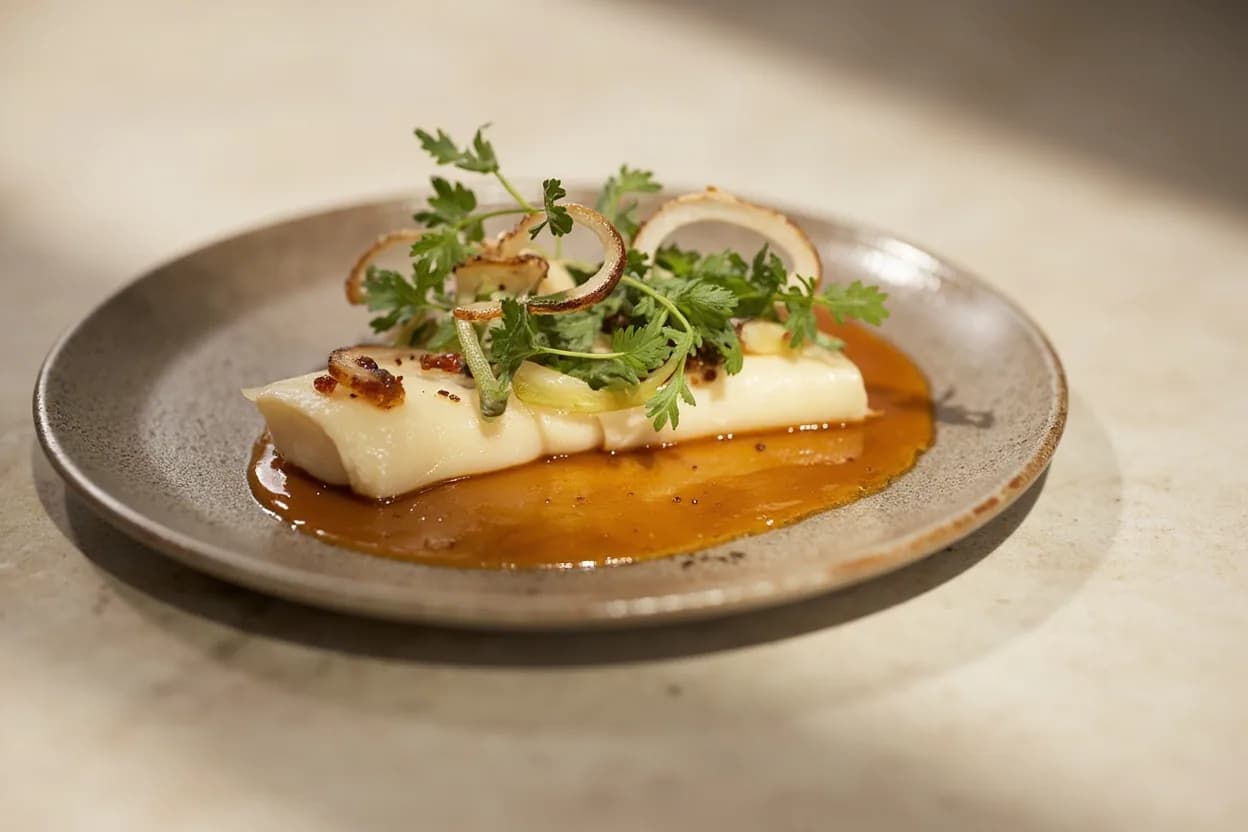
Thin slices draped over hot pasta melt into a sauce-like coating—no additional fat needed.
- ArugulaItalian
Peppery glucosinolates in rocket cut through fat and lift the plate's overall brightness.
- Parmigiano-ReggianoItalian
Umami and crystalline texture contrast the smooth fat; age and salt align.
Adventurous pairings
- Miso-glazed radish
Fermented umami and bitter earthiness provide a Japanese-Italian bridge; lardo melts over roasted radish into a silky, salty glaze.
- Yuzu kosho
The citrus heat of yuzu kosho slices through lardo's fat with a brightness that turns crostini into something arresting.
- Dark chocolate (70 %+)
Fat-on-fat with complementary bitter polyphenols; a whisper of lardo on a cocoa crisp surprises with elegance.
- Smoked oysters
Oceanic brine and smoke amplify lardo's umami and provide salt-contrast, echoing the way lardo pairs with anchovy in Italian cooking.
- Melon (cantaloupe)
Inspired by the prosciutto-melon archetype, the honeyed flesh and lardo's sweetness make a lush cold-plate pairing.
Tread carefully
- Heavily dressed acidic saladsavoid
Sharp vinegar in quantity overwhelms lardo's delicate herb cure and denatures its melt before it reaches the palate.
- Oily fish (sardines, mackerel)avoid
Two aggressive fat sources compete; the dish becomes heavy and monotone with no contrast or lift.
- Chili-forward saucesavoid
Capsaicin heat numbs the palate to lardo's subtlety—all you taste is fire, and the cured fat is wasted.
How to use it
- Serve at or just above room temperature so the fat softens without fully liquefying
- Drape thin-sliced lardo over hot food (toast, pasta, pizza bianca) to trigger a gentle, even melt
- Use as a barding fat wrapped around lean game birds or tenderloin before roasting
- Fold small cubes into risotto at the mantecatura stage for an ultra-silky finish
- Render minced lardo as a soffritto base to add herbaceous richness to braised legumes
Appears in
Related flavours
Cured pork cheek shares lardo's high fat content but has more pronounced pork flavour and is used cooked, not raw.
Cured belly with a leaner protein-to-fat ratio; both appear in antipasto boards alongside lardo.
Shares lardo's creamy, yielding texture; often placed together on modern antipasto plates with the same honey-fruit accompaniments.
References
- 1.Cured: Slow Techniques for Flavoring Meat — Lindy Wildsmith (2010)
- 2.The Art of Charcuterie — John Kowalski (2012)
- 3.Cucina Italiana — Accademia Italiana della Cucina, official classification of IGP products
Confidence: high
Notes
Colonnata vs Arnad
Lardo di Colonnata (IGP) is cured in locally quarried Carrara marble basins and is slightly sweeter and more herb-forward. Lardo d'Arnad (DOP) from Valle d'Aosta uses wooden vats and has a more alpine character with added bay, clove, and juniper. The two are interchangeable in most pairings but the Valle d'Aosta version stands up slightly better to stronger flavours.