Fish — Fabrication & Breakdown
Ikejime (Brain-Spike Kill & Spinal Cord Draw)
Also: 活け締め, ike jime, spike kill, neurological dispatch
A Japanese humane dispatch method combining a brain spike and spinal cord wire draw to halt neurological activity and dramatically delay rigor mortis.
Ikejime is a precise fish-dispatch protocol originating in Japan that kills the fish instantly via a brain spike (ike) and then draws a wire through the spinal canal to destroy the central nervous system. The two-step approach minimizes suffering, prevents the stress-induced lactic acid surge that clouds and softens flesh, and dramatically extends the window of peak firmness and flavor before and after rigor mortis.
In photos
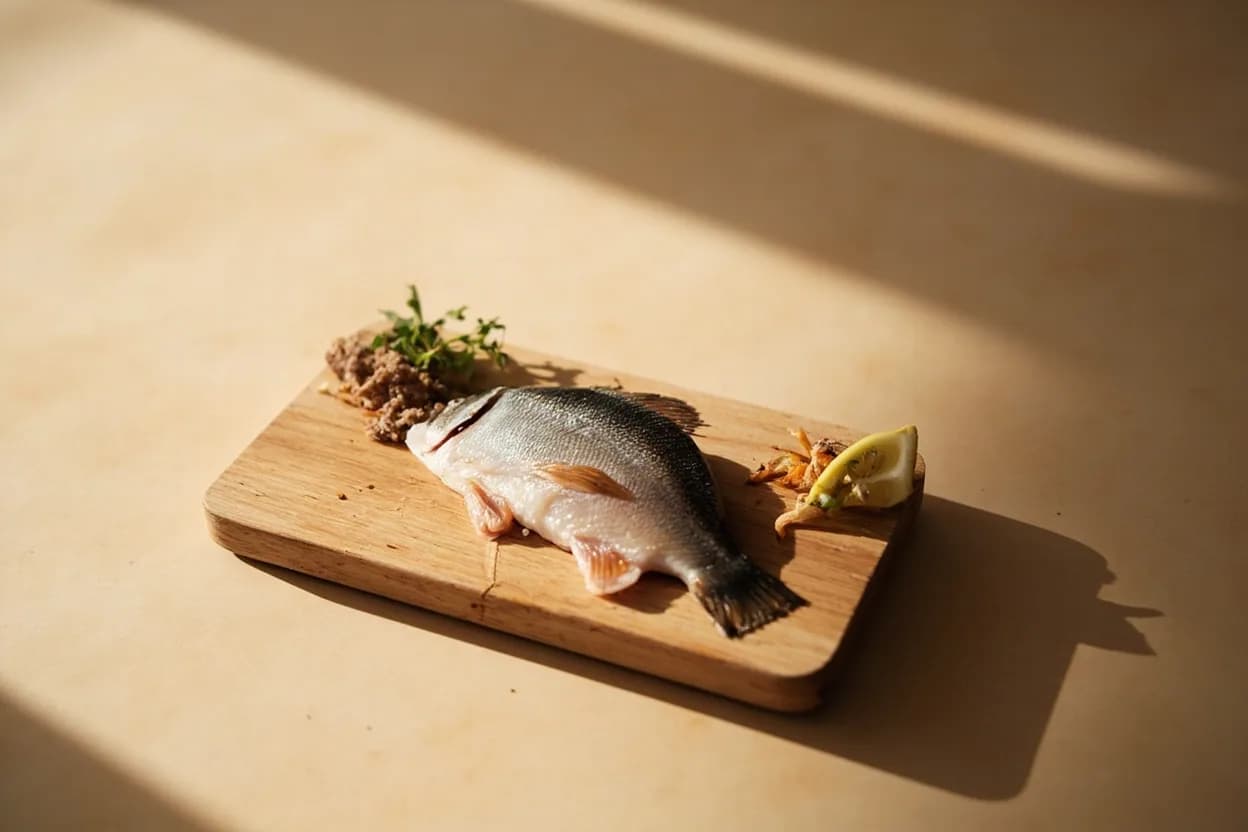
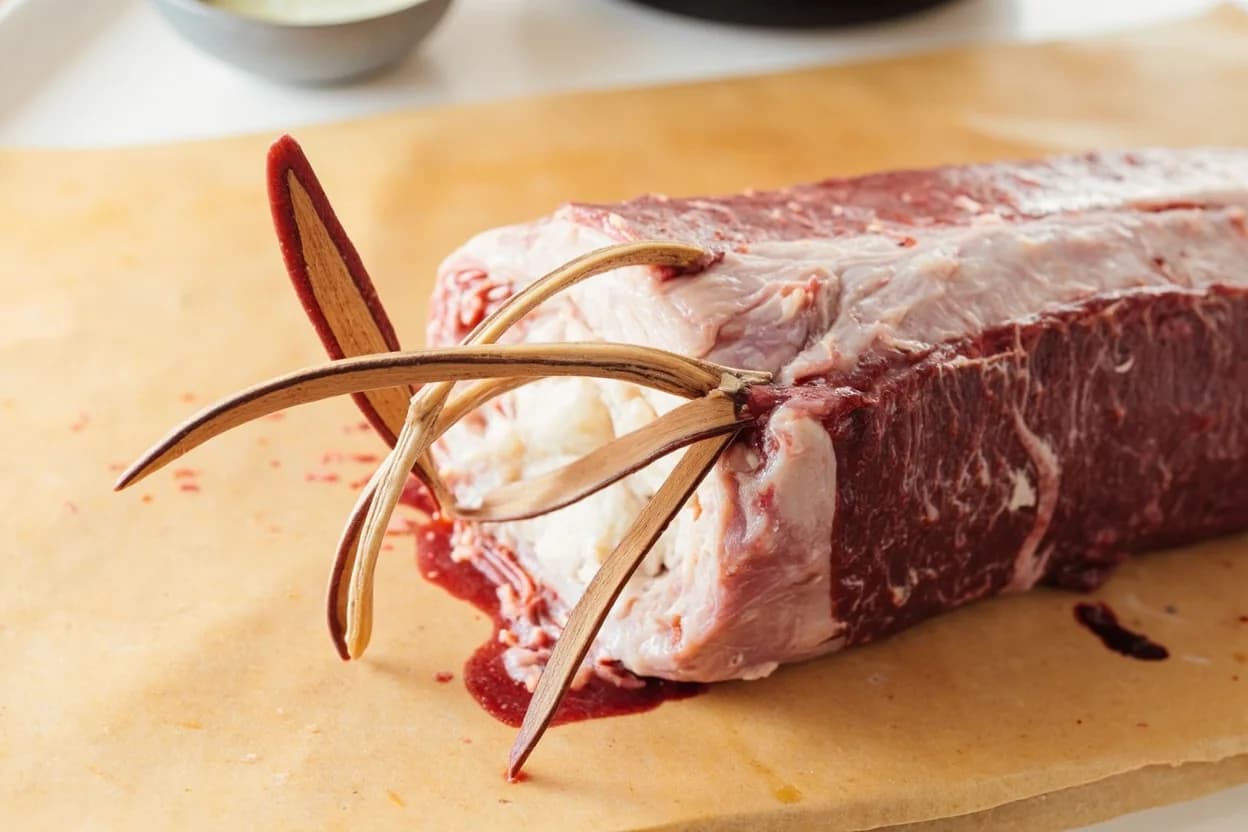
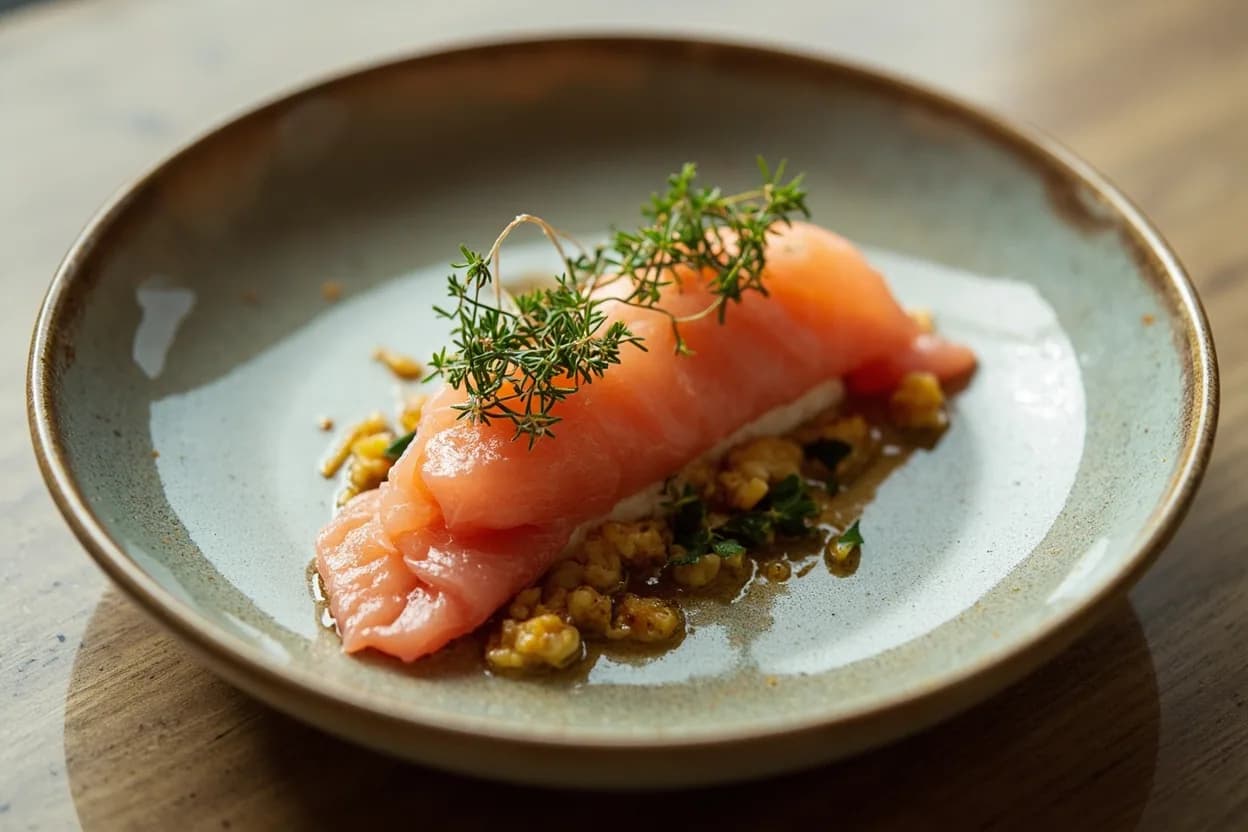
Where it comes from
Performed on the whole live fish: the spike is driven through the skull into the brain at the medial point just behind or between the eyes (species-specific); the wire is then threaded down the lateral line canal or directly into the spinal foramen from that same entry point through to the tail.
Best for
How to cook it
- 1After spiking and drawing the wire, bleed the fish immediately by cutting the gills and placing it in ice-slush brine (1:1 ice and sea water) for 10–15 minutes — blood out of the flesh prevents off-flavors.
- 2Store the bled fish in a perforated tray over ice, never submerged in fresh water, which dilutes flavor and breaks down surface proteins.
- 3Allow the fish to rest at least 4–8 hours (sometimes 24–48 hours for large fish such as tuna or amberjack) before breaking down for sashimi — pre-rigor cuts are too soft and chewy.
- 4For sashimi, slice after rigor has fully resolved; flesh should yield cleanly to the knife with no tearing.
- 5For cooked preparations, the extended rigor-resolution window means fillets can be portioned and cooked 1–3 days post-kill with superior texture to day-of conventionally killed fish.
Prep & butchery
- Use a narrow, stiff spike (Japanese ikejime spike or a nail set); the exact entry point varies by species — for most round fish, aim just behind and above the lateral eye socket toward the medullary region.
- Confirm brain death by observing immediate cessation of gill movement and opercular reflex.
- Thread a flexible piano wire or commercial shinkeijime wire (0.8–1.2 mm) into the entry hole and advance toward the tail, feeling for the spinal canal; the fish may briefly shudder as cord is destroyed — normal.
- Bleed promptly: sever the gill arch or the artery at the tail root and submerge in ice-slush brine.
- Keep tools sanitized; brain cavity is a contamination point if spiking is not clean.
Substitutes
- Conventional percussion/cutting kill
Fast but causes extreme stress response; flesh softens and clouds more rapidly; acceptable for braise or fry applications where raw quality is irrelevant.
- CO₂ or electric stunning
Reduces suffering and some stress response but does not eliminate the spinal cord ATP drain; quality inferior to full ikejime.
Related cuts
- Fish Fillet
The downstream product of ikejime-treated fish; superior quality is most visible in the fillet's translucency and clean bite.
Thick bias-cut portions from ikejime fish command premium pricing in restaurant garde manger.
Bone-in round-fish steaks cut from ikejime-treated whole fish retain moisture better than those from conventionally killed fish.
Appears in
References
- 1.Norike Shinohara, 'Ikejime: The Science and Technique of Perfect Fish,' Shibata Shoten, 2015
- 2.Harold McGee, 'On Food and Cooking,' Scribner, 2004 — rigor mortis and fish texture
- 3.Nakamura, T. et al., 'Effect of killing procedure on ATP degradation in fish muscle,' Fisheries Science, 2001
- 4.Cutting Edge Fishing / Ikejime Technique documentation, Queensland Dept. of Agriculture, 2019
Confidence: high
Notes
Shinkeijime vs. Ikejime
Shinkeijime specifically refers to the wire-draw step that destroys the spinal cord; ikejime properly names the combined brain-spike-plus-wire protocol. In common usage, both terms are used interchangeably in Western kitchens, though Japanese practitioners distinguish them.
Species and timing nuances
Large pelagic fish (bluefin tuna, yellowtail) benefit most dramatically — ikejime can extend peak sashimi quality by 2–4 days. Smaller, thin-fleshed fish (mackerel, whiting) have shorter benefit windows of 12–24 hours. Very oily fish (sardine) oxidize rapidly regardless of kill method.