Knife Cuts — Classical French
Zest — Citrus Peel Cuts
Also: zest, zesting, citrus peel, julienned zest, confit zest, candied peel, lemon zest, orange zest
The aromatic outermost layer of citrus peel, harvested without pith in forms ranging from fine powder to broad peeler ribbons and slow-candied strips.
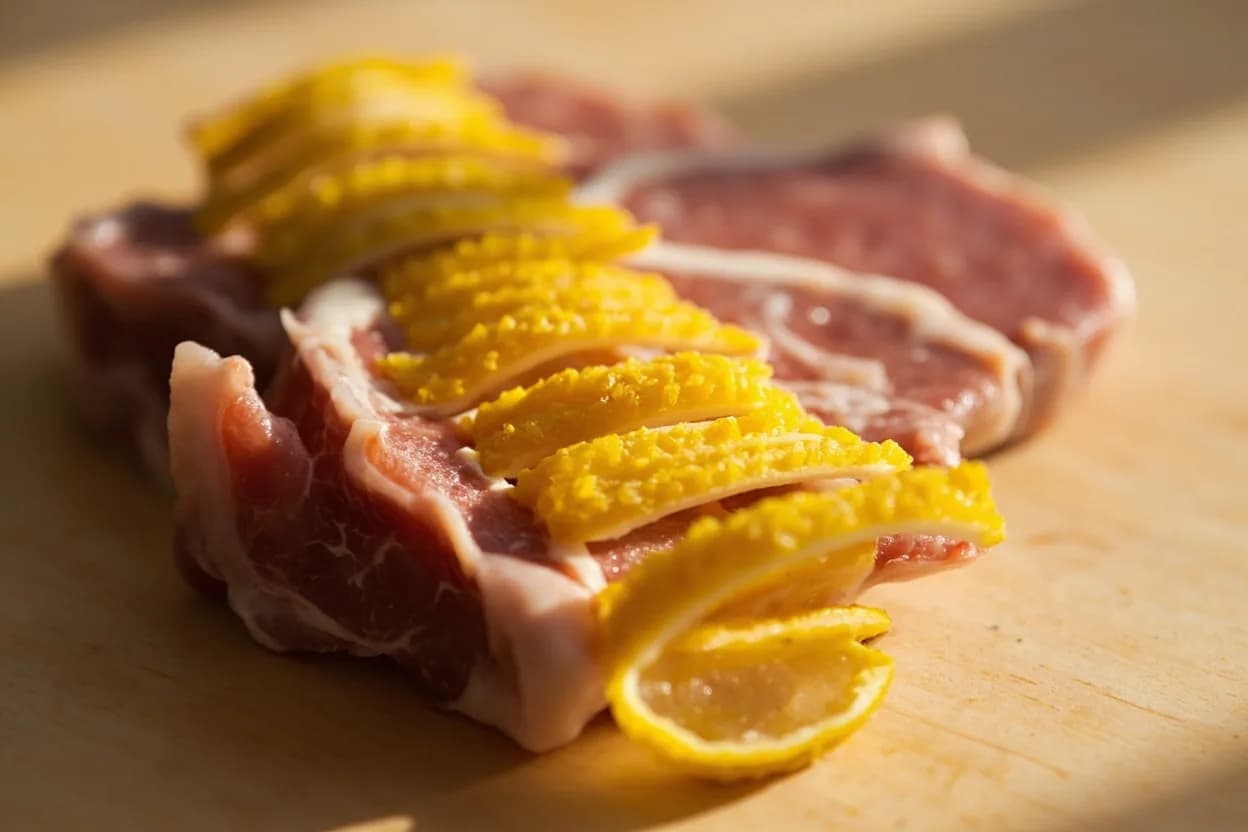
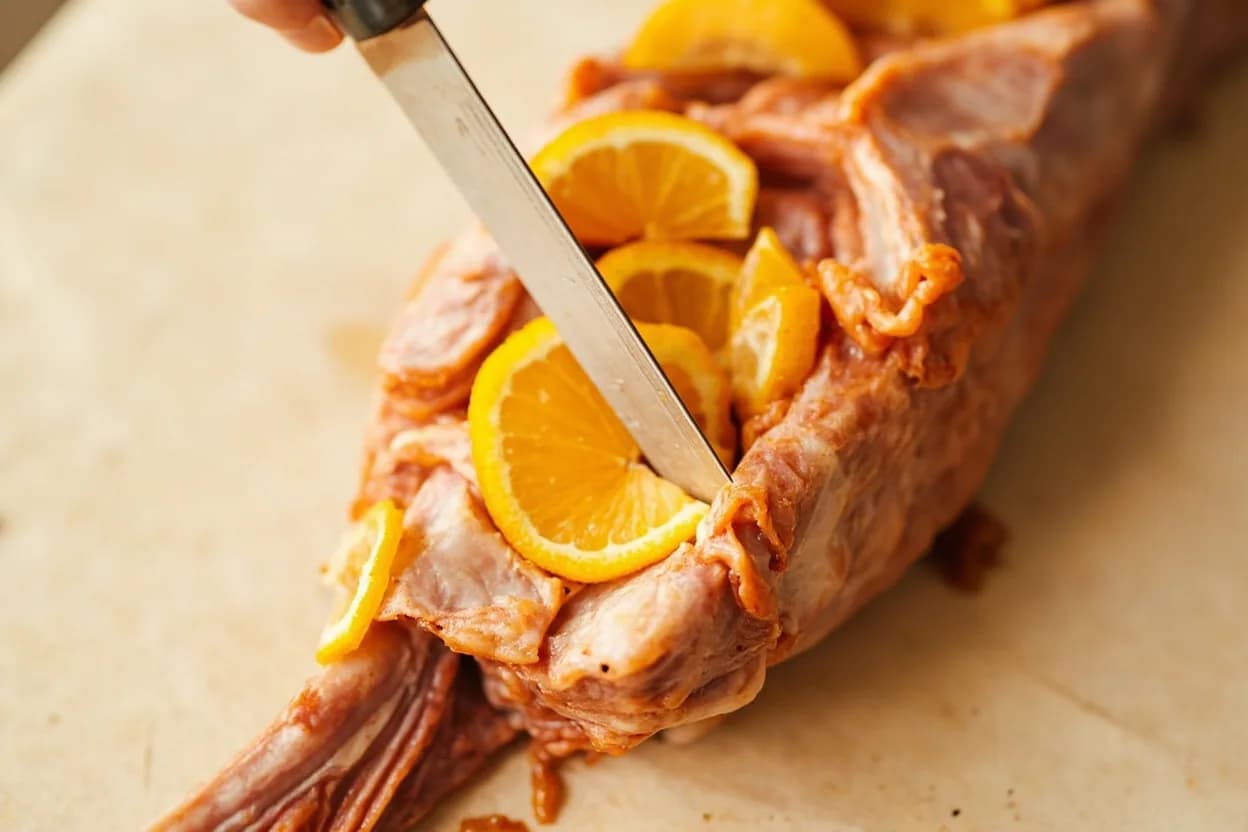
Zest refers to the coloured outer layer of citrus fruit — lemon, orange, lime, grapefruit, yuzu — where essential oils (limonene, linalool, and related monoterpenes) are concentrated in oil sacs just below the surface. The white pith beneath is bitter and nutritionally inert; the art of zesting is removing exclusively the coloured layer. Depending on the tool and intended use, zest can be a fine powder (microplane), a thread (channel knife), a wide ribbon (peeler), or a broad peel strip for confit and candying.
In photos
Where it comes from
The flavedo — the outermost pigmented layer of the citrus pericarp (peel). Distinct from the albedo (white pith) immediately beneath it.
Best for
How to cook it
- 1Wash the fruit in warm water and dry it before zesting — wax coatings and pesticide residue must be removed (use unwaxed fruit where possible).
- 2Microplane: hold the fruit over the bowl, press the grater lightly against the peel, and rotate the fruit rather than moving the grater — this keeps passes even and prevents going too deep into the pith.
- 3Channel knife: press the notched tip firmly into the peel and drag in a slow, steady spiral; rinse the resulting thread in cold water to remove surface bitterness.
- 4Peeler / paring knife: peel broad strips following the curve of the fruit, then lay flat and scrape away any white pith with a paring knife held nearly parallel to the surface.
- 5To julienne: stack trimmed peeler ribbons and cut into 1–2 mm threads across the grain.
- 6To blanch (removes pith bitterness): place julienned strips in cold water, bring to a boil, drain, and repeat 1–2 more times; refresh in ice water after the final blanch.
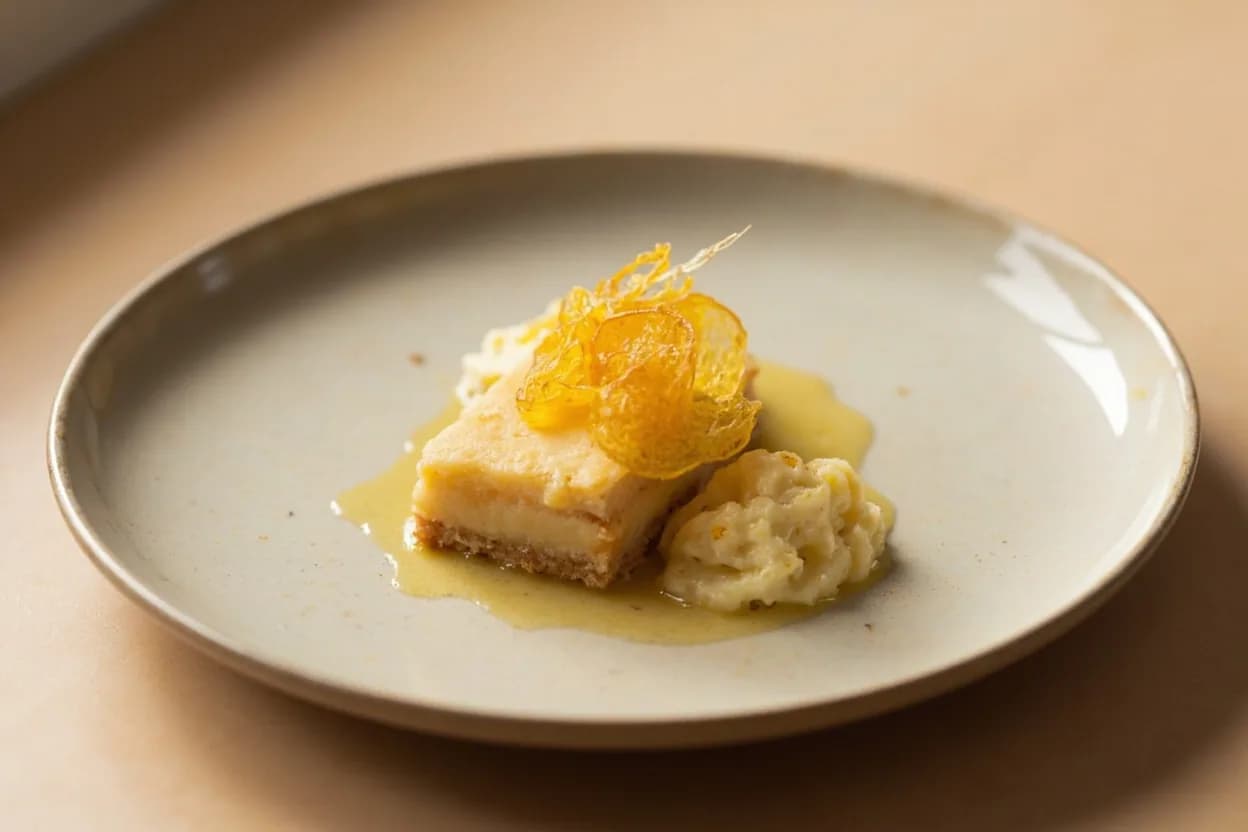
- 7To confit: simmer blanched strips in a 1:1 sugar syrup over low heat for 45–60 minutes until translucent; cool in the syrup, store refrigerated.
Prep & butchery
- Always zest before juicing — a whole fruit grips and rotates far more easily than a spent half.
- Frozen zest retains aroma well; spread fresh zest on parchment, freeze, then transfer to a sealed bag — loses texture but not flavour.
- For grated zest going into batters: rub the zest into the sugar by hand before creaming — the mechanical action ruptures the oil sacs and distributes aroma evenly through the fat.
- A sharp microplane produces fluffier, drier zest with less cellular damage than a box grater; less moisture in the zest means less impact on pastry texture.
Substitutes
- Citrus extract / oil
More concentrated but lacks the textural element and fresh aromatic complexity of real zest; use with caution in pastry
- Dried citrus peel
Intensified flavour but muted top notes; rehydrate in warm liquid before using in braises or spice blends
- Kaffir lime leaf
Not a zest substitute per se, but delivers citrus aroma when fresh limes are unavailable — chiffonade very fine
Related cuts
The same fine-ribbon geometry applied to leafy herbs and greens rather than citrus peel
The classical 3 mm × 3 mm × 6 cm stick — julienned zest applies the same width logic to thin peel strips
The companion citrus technique — zest is taken before suprêmes are cut, as the peeled fruit is then trimmed of all membrane
Appears in
References
- 1.Harold McGee, On Food and Cooking, revised ed. (2004)
- 2.The Culinary Institute of America, Baking and Pastry: Mastering the Art and Craft, 3rd ed. (2015)
- 3.Michel Bras, Essential Cuisine (2008)
Confidence: high
Notes
Essential oil chemistry
The flavedo contains oil glands (idioblasts) packed with volatile monoterpenes — primarily d-limonene (lemon), linalool (bergamot), and nootkatone (grapefruit). These compounds are fat-soluble, which is why rubbing zest into sugar or infusing into warm cream extracts far more aroma than adding it to water-based mixtures. Heat accelerates evaporation, so in cooked applications add zest late or use confit-form strips whose oils are partially fixed in the sugar matrix.
Blanching is mandatory for anything more than a garnish
Raw peel strips — even with pith removed — carry naringin and other flavonoids that read as harsh bitterness when concentrated by heat or prolonged contact. Two or three blanch-and-refresh cycles are standard in professional pastry for any peel that will be candied, confited, or cooked into a sauce. For microplane zest used raw and in small quantities, blanching is unnecessary.