Fermentation & Culturing Temperatures
Garum Fermentation Temperature
Also: fish sauce fermentation temperature, koji garum temperature, enzymatic fish hydrolysis temperature
60°C unlocks powerful enzymatic proteolysis in garum fermentation — hot enough to suppress spoilage bacteria, cool enough to keep koji proteases active.
Garum fermentation temperature refers to the controlled heat maintained during the enzymatic breakdown of protein-rich ingredients — classically fish, but also meat, shellfish, or legumes — mixed with koji and salt to produce a liquid umami concentrate. The modern culinary standard, pioneered at Noma, centers on 60°C (140°F), maintained for 8–12 weeks. This temperature is chosen precisely because it falls above the growth range of most spoilage and pathogenic bacteria (which top out around 50–55°C) yet remains within the working range of the thermophilic proteases secreted by Aspergillus oryzae koji. Traditional ancient garum relied on solar heat and salt alone over many months; the koji-assisted 60°C method radically compresses the timeline while producing comparable complexity.
In photos
What happens
At 60°C, the serine and metalloprotease enzymes secreted by koji remain active and aggressively hydrolyze muscle proteins into free amino acids, peptides, and nucleotides (particularly inosine monophosphate, IMP). This creates an exceptionally high concentration of glutamate and IMP — the two primary synergistic umami compounds. Simultaneously, lipases degrade fats into short-chain fatty acids and flavor-active aldehydes. The 60°C heat barrier kills most spoilage organisms (Pseudomonas, Enterobacteria, Clostridium) and halts Lactobacillus and other lactic acid bacteria that would otherwise dominate and sour the product. Salt (typically 12–20% by protein weight) provides an additional antimicrobial barrier. The result after 8–12 weeks is a dark, savory liquid of extraordinary depth.
What to look for
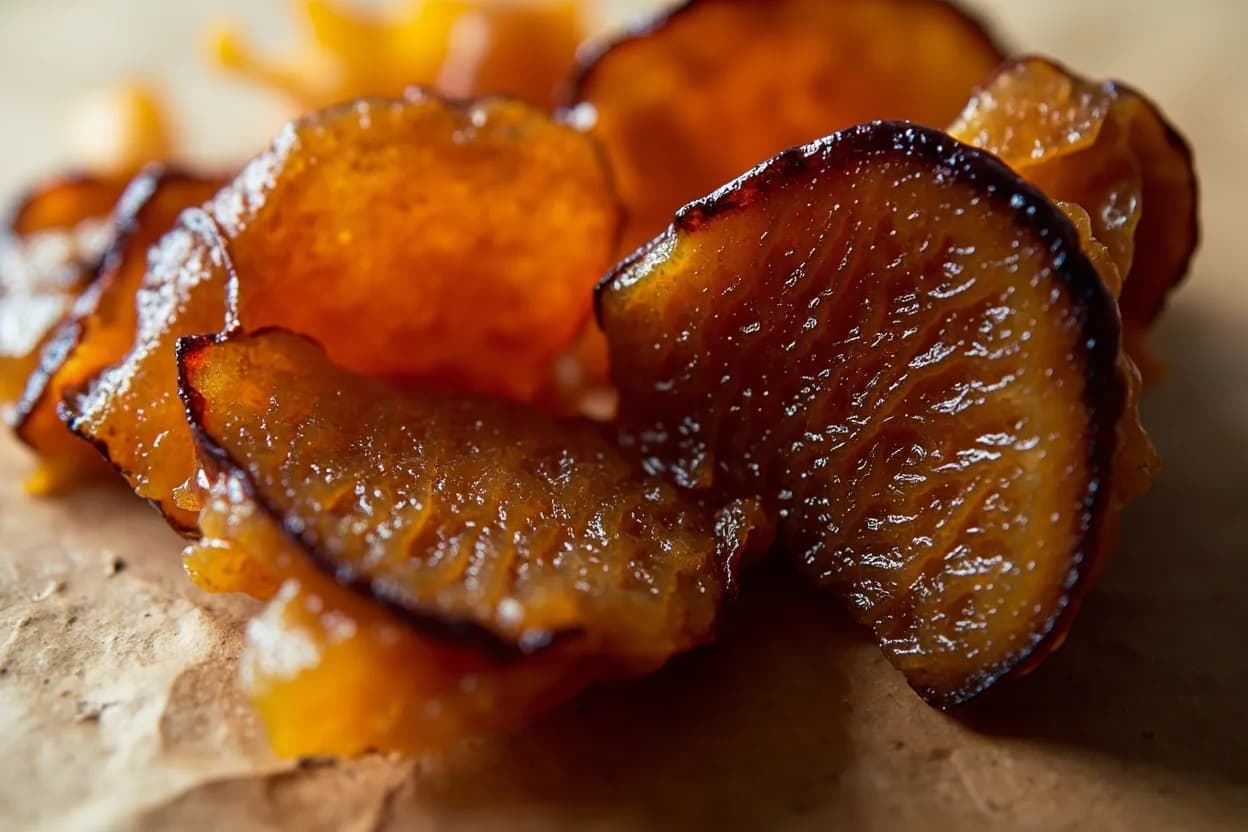
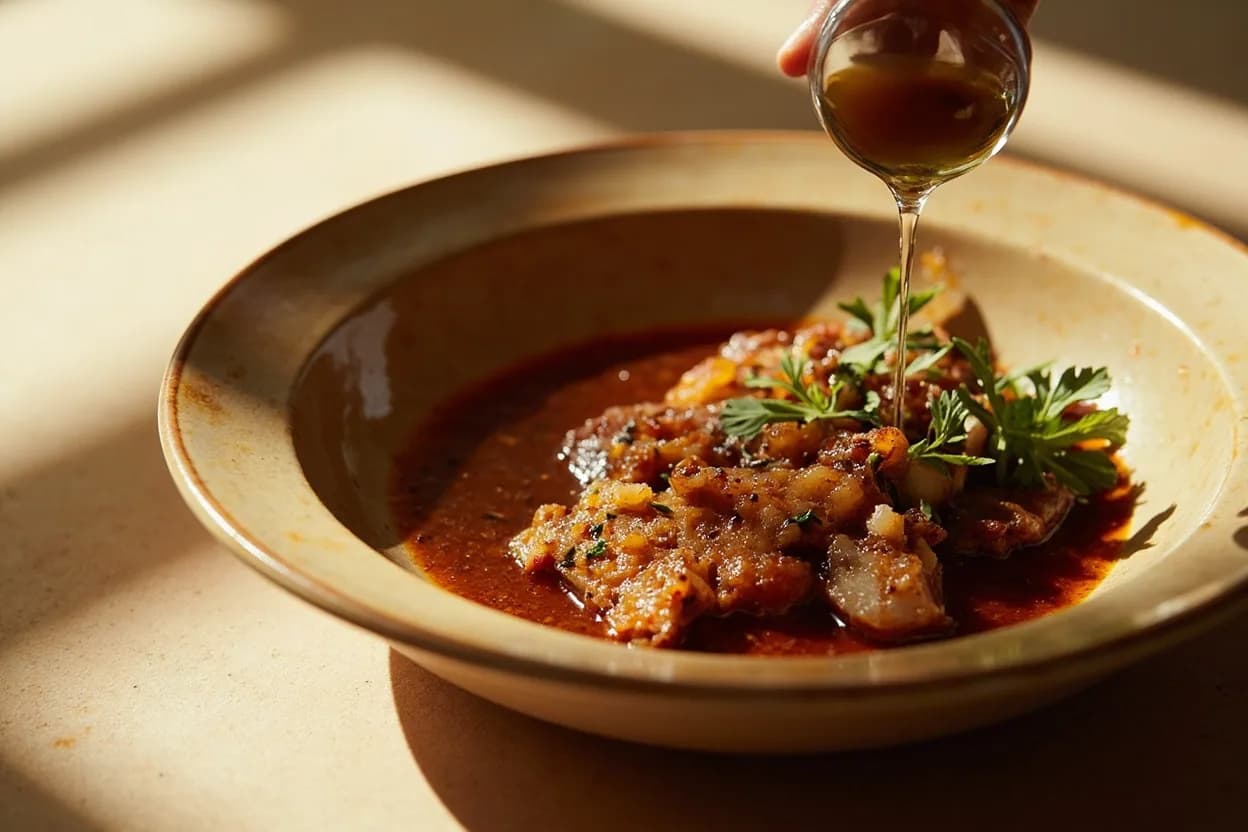
- Deep amber to dark mahogany color developing over weeks
- Intensely savory, complex aroma — reminiscent of aged soy sauce, anchovy, or parmesan
- Minimal sourness (lactic bacteria suppressed by heat); no sulfurous or putrid off-notes in well-managed batches
- Liquid layer separates and clarifies above the solids
- Finished garum has a clean, long-lasting umami finish — no raw fish bitterness
How to check
- Maintain a calibrated probe thermometer in a water bath, oven, or dehydrator set to 60°C; verify with a secondary spot-check thermometer weekly
- Target internal vessel temperature of 58–62°C; fluctuations outside this band increase contamination risk or slow enzyme activity
- Taste weekly after the first month — depth of umami and absence of off-flavors are the primary readiness indicators
- Strain through fine mesh; a clear, dark amber liquid indicates adequate proteolysis
Food safety
The science behind it
- Koji protease
Thermophilic protease enzymes from Aspergillus oryzae remain active at 60°C and drive protein hydrolysis
Garum's extreme glutamate and IMP concentration makes it one of the most concentrated umami sources known
Traditional Southeast Asian fish sauce (pla ra, nuoc mam) achieves similar results via long ambient salt-curing; garum uses koji to accelerate
At 60°C over weeks, low-level Maillard browning contributes to color and aromatic complexity
- Salt concentration in fermentation
Salt at 12–20% suppresses spoilage bacteria in conjunction with the 60°C heat
Appears in
References
- 1.The Noma Guide to Fermentation — René Redzepi & David Zilber
- 2.Koji Alchemy — Jeremy Umansky & Rich Shih
- 3.On Food and Cooking — Harold McGee
- 4.Fish Sauce Market Quality Standards — Codex Alimentarius Commission
Confidence: high
Notes
Why 60°C specifically
60°C is sometimes called the 'koji sweet spot for protein hydrolysis' because it sits above the growth ceiling of nearly all food spoilage organisms while leaving Aspergillus oryzae's thermostable serine proteases intact. Testing at Noma showed that dropping below 55°C reintroduced lactic acid bacteria that soured the ferment; pushing above 65°C began to denature the protease enzymes, slowing hydrolysis and lightening the final umami payload.
Vessel and setup
Plastic cambro containers in a low oven or combi oven set to 60°C work well for small batches. Cover loosely — a weighted plate or loose lid — to allow CO2 and volatile off-gas to escape without letting the surface dry and form a crust. Stir weekly to redistribute enzymes and check temperature uniformity.