Fats, Pastes & Condiments
Browned Butter
Also: beurre noisette, brown butter, burnt butter
Butter cooked until its milk solids caramelize — the simplest transformation that yields one of cooking's most complex flavors.
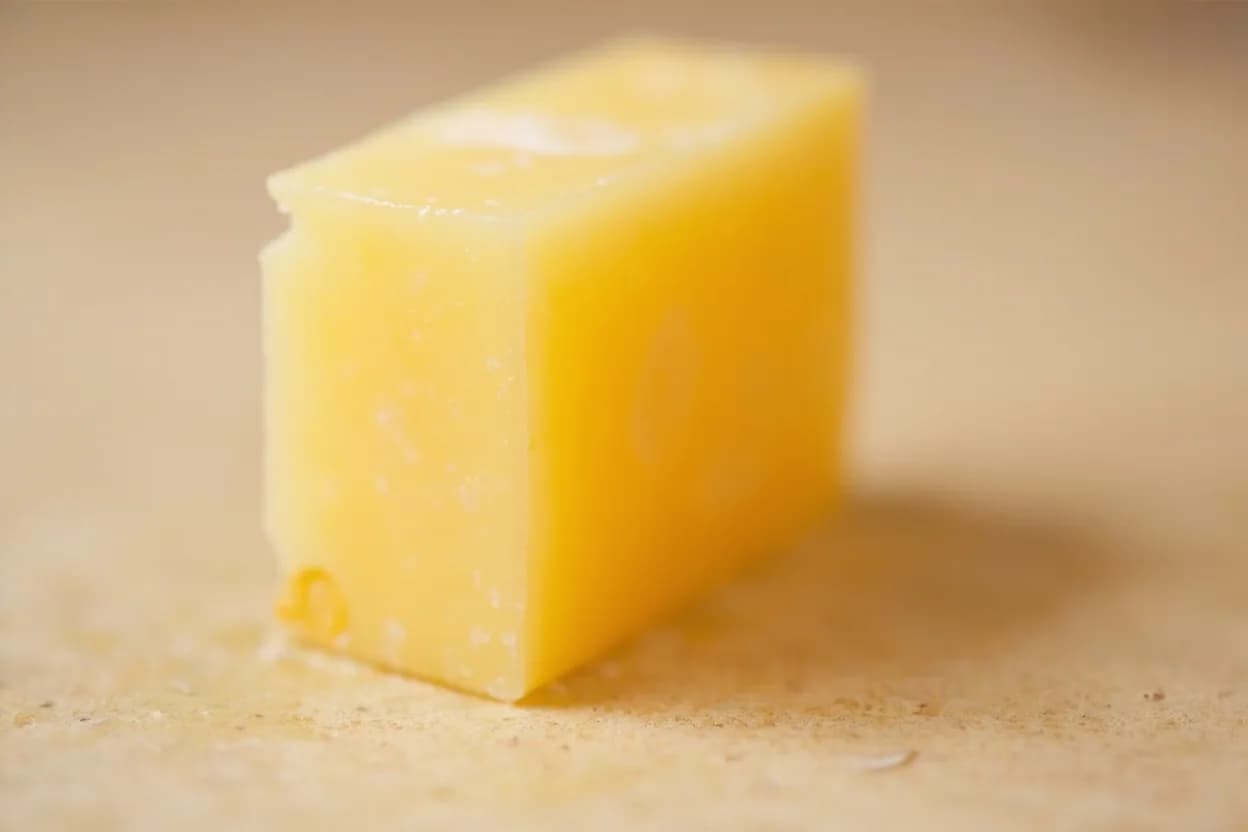
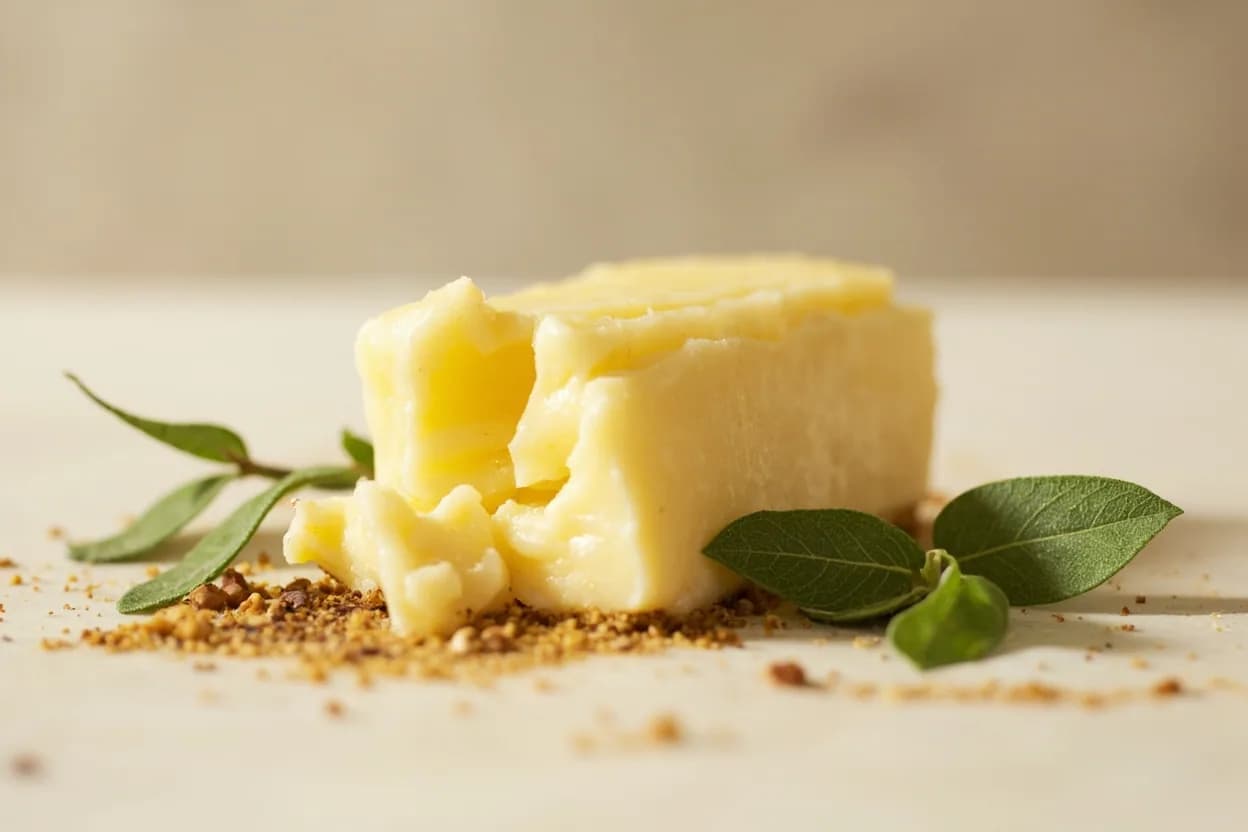
Browned butter (beurre noisette, literally 'hazelnut butter') is whole butter cooked over medium heat until its water evaporates and the milk-solid proteins undergo Maillard browning and caramelization simultaneously. The result is a golden to amber fat with a pronounced toasted-hazelnut aroma, rich caramel and toffee notes, and an underlying savory depth from the browned proteins. It is fundamentally different from clarified butter — where clarified butter removes milk solids, beurre noisette embraces them, and the browned solids are the entire point. At the edge of noisette sits beurre noir (black butter), where the solids continue to darken — used in classic French skate preparations.
In photos
Flavour profile
Classic pairings
- Sage leavesItalian
Sage fried in beurre noisette is Italy's canonical pasta sauce — the butter's nuttiness and the herb's camphor-piney character lock together in a way neither achieves alone.
- Gnocchi / fresh pastaItalian
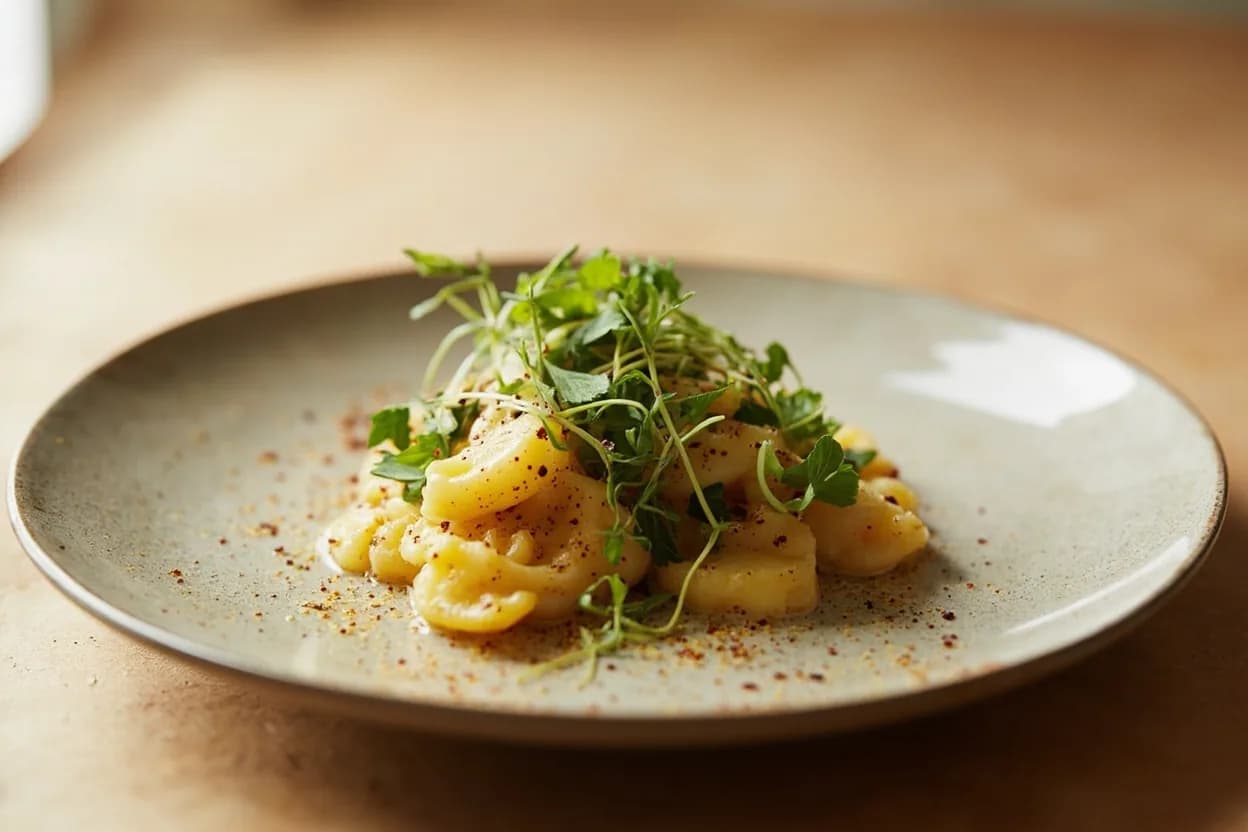
The simplest and most transformative pasta sauce: starchy pasta absorbs the browned milk solids and becomes something far greater than butter alone could provide.
- Sole / flat white fish (à la meunière)French
Sole meunière is the textbook dish: lightly floured fish finished with beurre noisette and lemon — the nut-fat counterpoints the mild sweet fish with structured complexity.
- CapersFrench
Beurre noir with capers (sauce beurre noir) is the classic accompaniment to skate wing — the brininess of capers cuts the fat's richness with precision.
- Roasted cauliflowerEuropean
Cauliflower already develops toasty Maillard notes when roasted; drizzling it with beurre noisette doubles down on those notes in a deeply savory way.
- Financiers / madeleinesFrench
The entire category of French brown-butter cakes depends on beurre noisette as the fat — the solids suspended in the batter give financiers their signature nutty depth.
- Lemon juiceFrench
Acid added to browned butter immediately arrests further cooking and creates sauce beurre noisette: the citrus balances the fat's richness and adds brightness.
Adventurous pairings
Whisking white or red miso into warm beurre noisette doubles the Maillard-savory depth — an umami-fat sauce of unusual power for noodles, fish, or roasted mushrooms.
- Ice cream (vanilla or salted caramel)
Warm beurre noisette drizzled over ice cream functions like a luxurious caramel sauce with additional hazelnut complexity — a negligible-effort, extraordinary result.
Blending tahini into beurre noisette creates a sesame-hazelnut fat that reads as Middle Eastern in spirit and Western in technique — outstanding over roasted eggplant or grain bowls.
- Fermented black garlic
The sweet, balsamic depth of black garlic dissolved into beurre noisette creates a multidimensional finishing sauce for steaks or seared mushrooms.
- Cardamom and honey
A Scandinavian-influenced dessert butter: beurre noisette with cardamom and a spoonful of honey, poured over waffles or rice pudding — the toasted milk solids echo toasted grain.
Tread carefully
- Mild fresh cheeses (ricotta, fresh mozzarella)avoid
The intense Maillard-forward flavor drowns the delicate milkiness of fresh cheeses; a neutral butter or olive oil lets those flavors speak.
- Very lightly dressed raw saladsavoid
Beurre noisette is a cooked fat — it solidifies on cold greens and its weight overwhelms delicate dressed salads; oil-based dressings are correct here.
- Dishes relying on fresh herb brightness (cilantro, fresh mint)avoid
The rich toasted character of browned butter competes with and muddles the volatile top notes of raw fresh herbs added at the end — keep them in separate preparations.
How to use it
- Use a light-colored (stainless or enameled) pan so you can see the milk solids browning — they go from golden to burnt in seconds
- Remove from heat just before target color — residual heat will continue browning for 15–20 seconds
- Immediately pour into a cold bowl or add acid (lemon, capers) to arrest browning
- Brown extra and refrigerate or freeze — browned butter keeps refrigerated for 2 weeks and is instantly deployable
- For pastry, melt butter first, then brown — it goes faster and more evenly than browning from solid
- Incorporate into vinaigrettes by whisking warm beurre noisette into an acid base for a warm emulsified dressing
Appears in
Related flavours
- Sage
The most famous beurre noisette partner — together they form one of the simplest and most elegant sauces in the European canon.
- Hazelnut
Beurre noisette's flavor so closely mimics toasted hazelnut that the two reinforce each other in pastry and chocolate applications.
Brine and salt from capers cut browned butter's richness — a textbook fat-acid balance deployed in French classical sauces.
References
- 1.Auguste Escoffier, 'Le Guide Culinaire' (1903)
- 2.Thomas Keller, 'The French Laundry Cookbook' (1999)
- 3.Harold McGee, 'On Food and Cooking: The Science and Lore of the Kitchen' (2004)
- 4.Dorie Greenspan, 'Baking: From My Home to Yours' (2006)
Confidence: high
Notes
The chemistry
Two simultaneous reactions produce beurre noisette's flavor. Maillard browning occurs between the lactose and casein proteins in the milk solids (responsible for toasted, savory, meaty notes); caramelization of lactose produces the toffee and hazelnut compounds. At approximately 150°C/302°F the solids begin to brown; by 160°C/320°F you have classic noisette; past 175°C/347°F you approach beurre noir.
Beurre noir
Beurre noir ('black butter') is beurre noisette carried further until the solids are very dark. Used classically with skate wing, brains à l'anglaise, and calf's liver — the bitterness of the darkened solids is an intentional contrast to rich offal. It fell from fashion mid-20th century due to fear of carcinogens (the concern has not been validated at culinary cooking temperatures), but is experiencing revival in modern bistro cooking.