Fermented Vegetables & Pickles
Kombucha
Also: jun tea, tea kvass, fermented tea, SCOBY tea
Living fermented tea — tangy, faintly effervescent, and complex with the tea's tannins, SCOBY-produced acids, and residual natural sweetness that make it a genuinely versatile cooking acid.
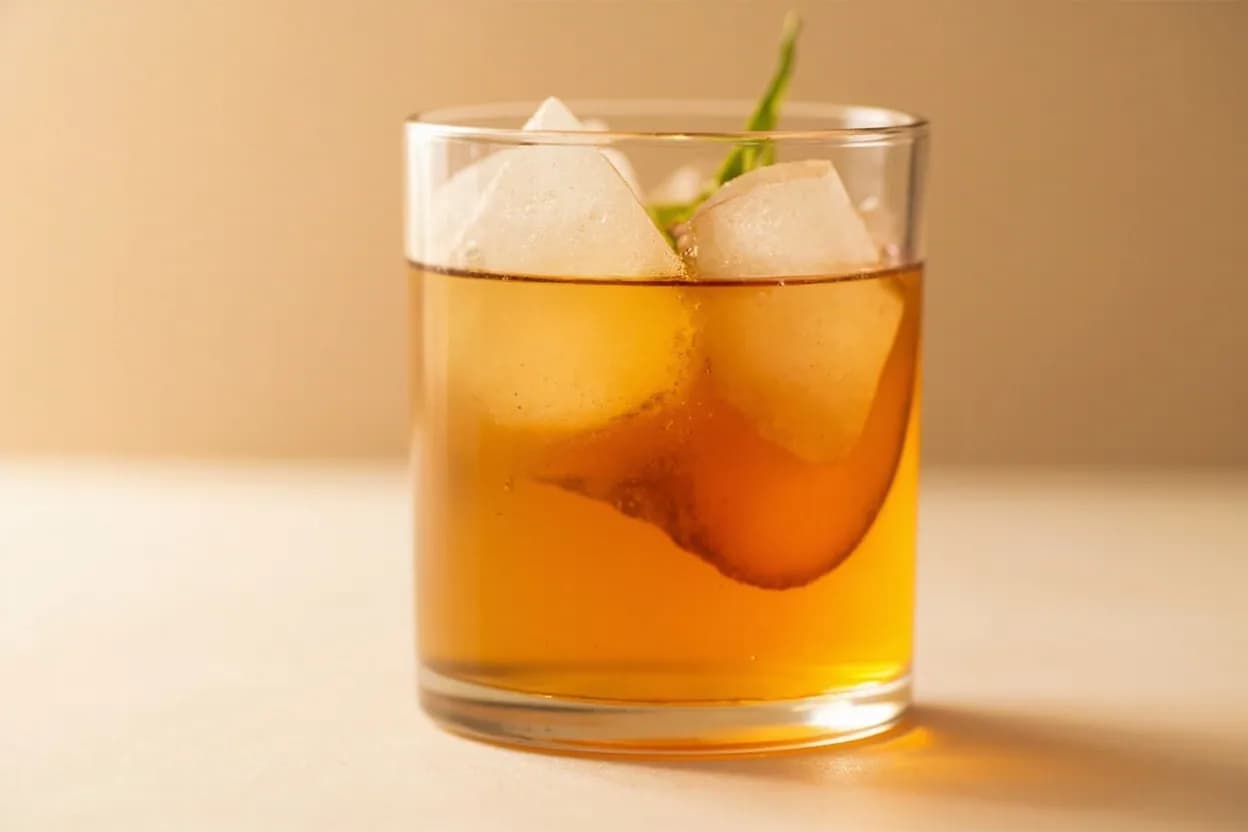
Kombucha is black or green tea sweetened with cane sugar and fermented by a symbiotic culture of bacteria and yeast (SCOBY) over 7–30 days. The microbes consume most of the sugar, producing acetic acid (vinegar tang), gluconic acid (softer, fruitier), carbon dioxide (effervescence), trace ethanol, B vitamins, and a range of organic acids that give kombucha its characteristic sour complexity. Flavor varies significantly by tea base, fermentation length, temperature, and whether a secondary flavored fermentation has occurred. The resulting liquid sits somewhere between apple cider vinegar and sparkling white wine: acidic but not harsh, lightly carbonated, tea-forward, and carrying nuanced fruit notes. Commercially, many kombuchas add fruit juice in a second ferment, which profoundly shifts the pairing potential.
In photos
Flavour profile
Classic pairings
- Apple cider vinegar dressings (as partial substitute)American, global
Kombucha's acidity and mild fruitiness match ACV's profile — swapping half the vinegar for kombucha adds complexity and softens harsh edges in vinaigrettes.
- Citrus (lemon, grapefruit)global
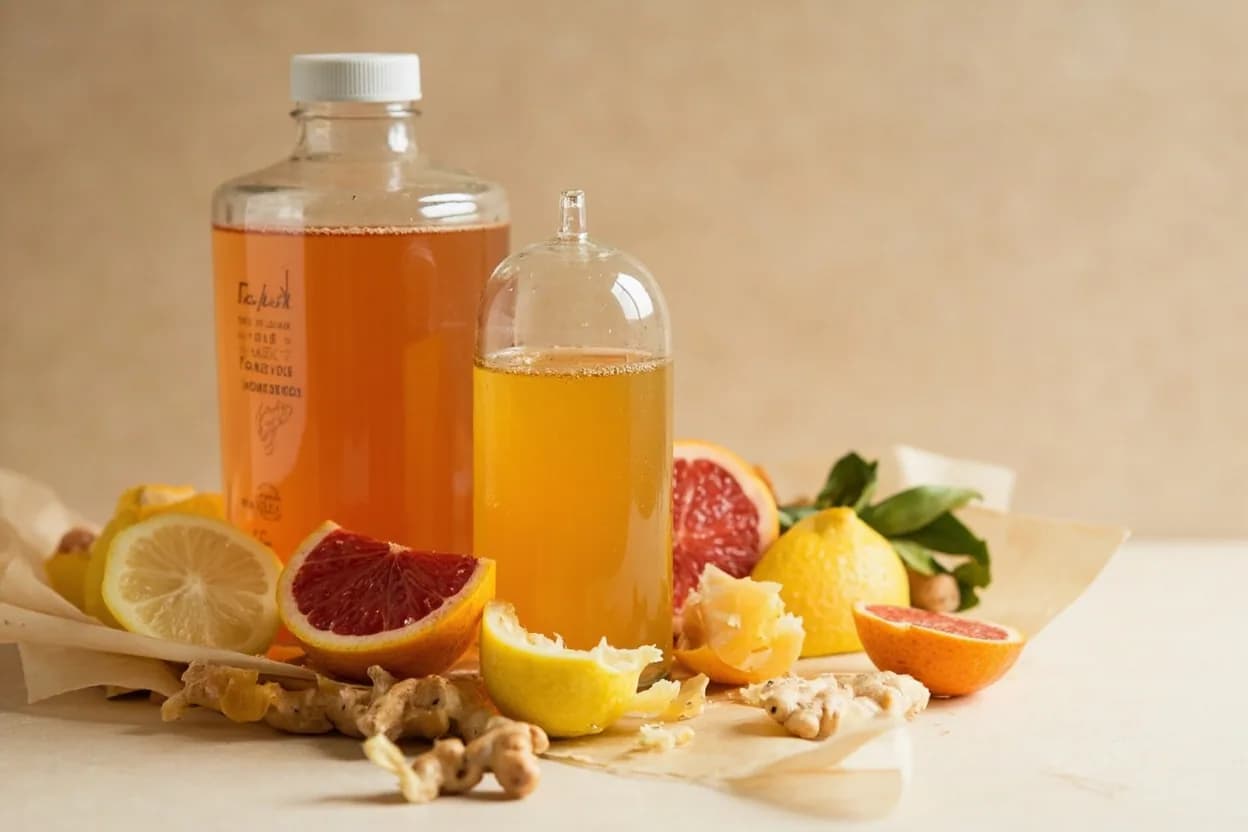
Shared acidity but different flavour families — lemon brightens and focuses the kombucha's tangy-tea character in cocktails and dressings; grapefruit bridges its bitter tannins.
- Gingerglobal
The most natural companion: ginger-flavoured kombucha is the category's bestselling flavour globally, and the spice's heat counterbalances the acid cleanly in both drinks and marinades.
- Honeyglobal
Honey's floral sweetness softens kombucha's tartness without the flat sweetness of white sugar; used in dressings, cocktail sweeteners, and marinades for chicken.
- Spirits (gin, vodka, light rum)cocktail culture
Kombucha as a cocktail mixer replaces tonic or soda water with added acid complexity; gin's botanicals pair especially well with black-tea kombucha's tannins.
- Grilled or roasted chickenglobal
Kombucha-based marinades (kombucha + olive oil + herbs) tenderise chicken through acid action while imparting light floral-tea notes — a low-alcohol alternative to white wine marinades.
Adventurous pairings
- Oysters
A chilled pour of dry black-tea kombucha over a raw oyster instead of champagne mignonette — the tannin and acid mimic the mineral-wine combination at zero alcohol.
- Dark chocolate (70%+)
Kombucha's acidity cuts through chocolate's fat; the tannins in black-tea kombucha echo cacao's phenolic bitterness — serves as a sophisticated non-alcoholic pairing.
- Soba noodles (cold, tsuyu-dressed)
A splash of kombucha in the dipping sauce adds bright acidity that plays off the tsuyu's dashi-soy depth and the noodles' buckwheat earthiness — an ingredient that fits Japan's pantry logic.
- Miso glaze
Reduced kombucha mixed with white miso creates a lacquer for salmon or eggplant — the acids cut miso's salt while adding a fruity complexity absent from sake or mirin alone.
- Semifreddo and frozen desserts
Swirled into semifreddo base before freezing, kombucha's acidity and carbonation lighten the texture and add fermented-fruit complexity alongside vanilla or berry flavours.
- Lamb (in a quick marinade)
Kombucha's acidity tenderises lamb's collagen while the tea tannins moderate the gaminess — use for 1–2 hours maximum (over-marinating makes the meat mushy).
Tread carefully
- Milk-based preparations (cream sauces, bechamel)avoid
Kombucha's acidity can curdle dairy proteins at cooking temperatures; use only in cold applications or add after removing from heat.
- Long braising applicationsavoid
Extended heat destroys the live cultures (not always a concern) but also drives off the carbonation and volatile acids that define kombucha's flavour — it reduces to a flat, thinly tart liquid.
- Very sweet dessert applications without acid balanceavoid
Kombucha's tartness needs a fat or starch to mediate in desserts — drizzled over pure sugar preparations it reads as discordantly sour rather than refreshing.
- Mild white fish with creamavoid
The combination of kombucha acid, fish, and dairy risks curdling and flavour confusion — choose one acidic element (kombucha OR lemon) and one medium (broth OR cream), not both.
How to use it
- Use as a 1:1 acid substitute for white wine vinegar in vinaigrettes — its softer acid and tea tannins add complexity
- Reduce gently (do not boil) to concentrate for glazes — retain some liquid to prevent the acids from becoming harsh
- Use as a tenderising marinade for chicken, pork, or lamb for 1–4 hours
- Stir into cocktails in place of sparkling water or tonic for acid complexity
- Mix with equal parts stock to create a light, tangy braising liquid for vegetables
- Combine with fruit juice and a SCOBY for a second ferment to develop deeper flavour before using in cooking
Appears in
Related flavours
Closest functional cousin in the fermented-acid category — shares fruity acidity but kombucha has the tea tannin dimension and carbonation that ACV lacks
- Kefir
Another live-culture fermented drink; kefir is dairy-based and creamy where kombucha is tea-based and acidic — opposite ends of the fermented-beverage spectrum
Natural mixer partner in cocktails; both are fizzy, acidic, and ginger-compatible — combining them amplifies the ginger note without alcohol
- Dry Sparkling Wine (Champagne, Cava)
Functional overlap as an oyster and aperitif pairing liquid; kombucha is positioned as a non-alcoholic equivalent in modern pairing menus
References
- 1.The Art of Fermentation — Sandor Ellix Katz
- 2.Fermented: A Four Season Approach to Paleo Probiotic Foods — Jill Ciciarelli
- 3.On Food and Cooking — Harold McGee
- 4.The Noma Guide to Fermentation — René Redzepi & David Zilber
Confidence: medium
Notes
Cooking with live culture vs. pasteurised
Most culinary uses of kombucha treat it as a flavoured acid, not as a probiotic delivery system — heat destroys the cultures regardless. Pasteurised commercial kombucha (increasingly common) behaves identically in cooking but lacks the lingering yeasty depth of raw kombucha. For drinking pairings or cold applications like dressings, raw/unpasteurised kombucha offers more complexity.
Flavour wildly by variety
A ginger-lemon commercial kombucha and a dry, unflavoured black-tea kombucha have as much flavour distance between them as a lager and a porter. The pairing notes in this entry apply most cleanly to plain or lightly flavoured kombucha. Heavily fruit-flavoured varieties function more like fruit-forward shrubs and their pairings shift accordingly.
A note on alcohol content
Home-brewed kombucha can contain 1–3% ABV if left to ferment long or warm. Commercial kombucha in most markets is regulated below 0.5% ABV. This distinction matters for culinary uses involving open heat: very low-alcohol kombucha is essentially non-alcoholic in cooking.