Nuts & Seeds
Marcona Almond
Also: almendra marcona, Spanish almond, queen of almonds
Spain's premier almond — rounder, fattier, and sweeter than California varieties, with a buttery richness that elevates tapas and pastry alike.
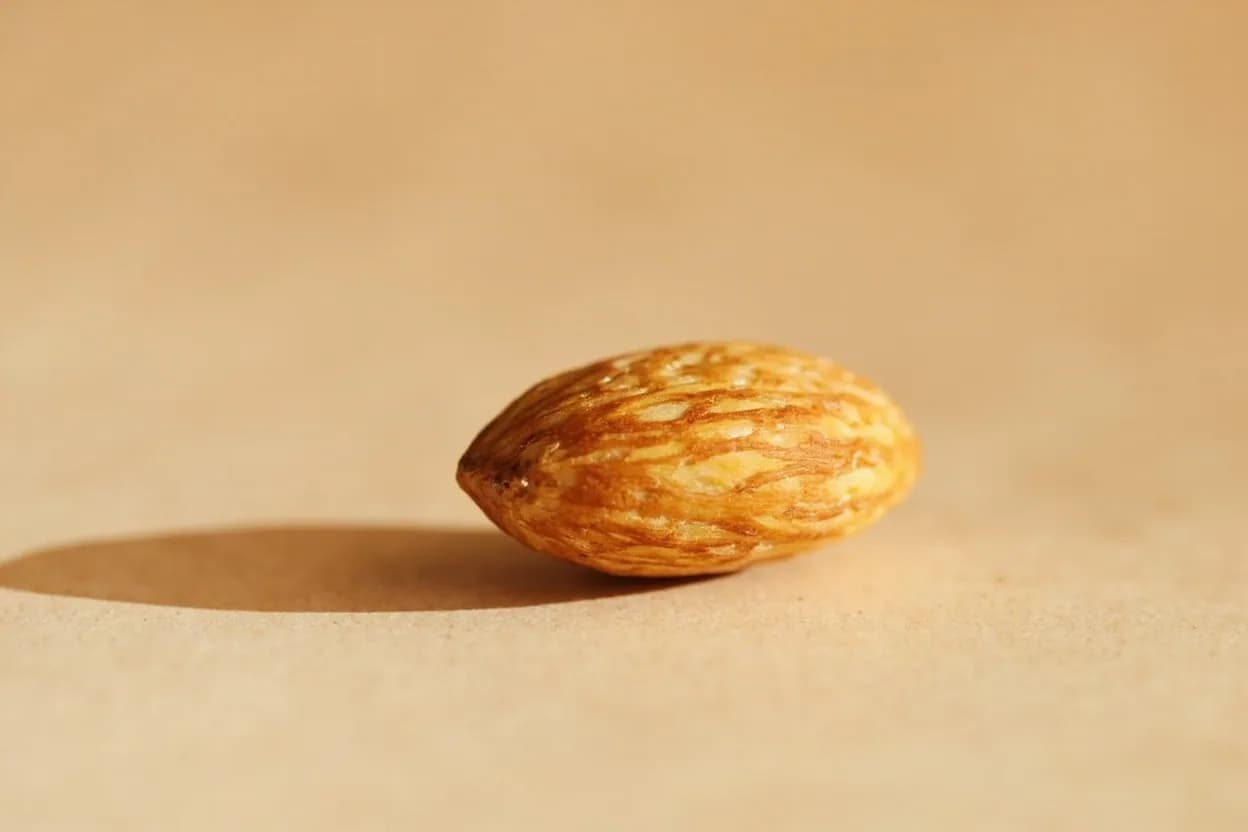
Marcona almonds (Prunus dulcis var. marcona) are a Spanish cultivar grown primarily in Valencia, Alicante, and Tarragona. They are shorter, wider, and more rounded than common almonds, with a higher fat content (up to 60%) that produces a noticeably creamy, butter-like texture when eaten raw or lightly fried in olive oil. Their flavor is sweeter and less tannic than California almonds, with a delicate, marzipan-adjacent almond essence rather than a sharp or astringent nuttiness.
In photos
Flavour profile
Classic pairings
- Manchego cheeseSpanish tapas
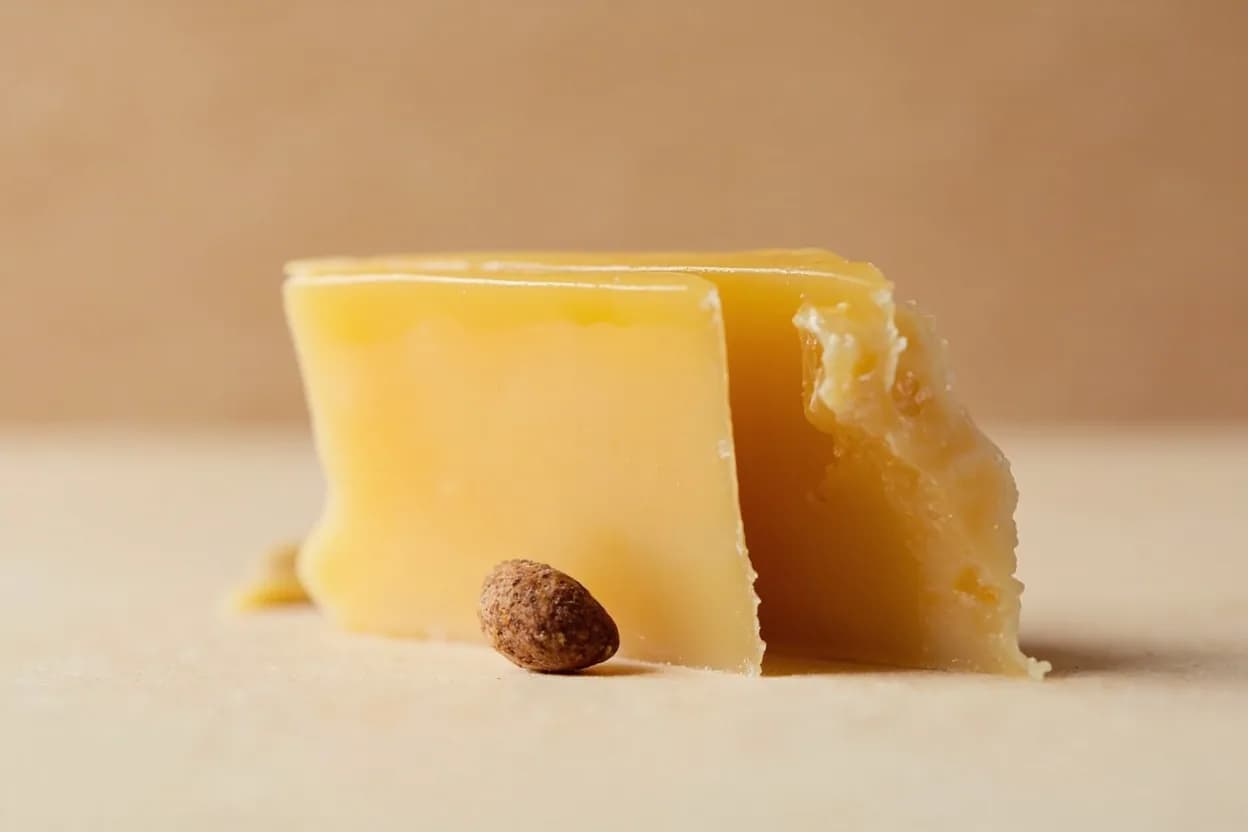
The almond's sweetness bridges Manchego's lanolin-rich, sheepy tang; a canonical Spanish cheese plate combination.
- Ibérico ham (jamón ibérico)Spanish
Salty, funky cured ham contrasts the almond's sweetness and fat — each bite resets the palate for the next.
- HoneySpanish, Catalan
Floral or chestnut honey drizzled over Marconas is a classic Catalan snack; sweetness on sweetness with a contrasting texture.
- Sherry (fino or manzanilla)Andalusian
Saline, oxidative fino sherry and salty fried Marconas are one of Spain's great aperitivo pairings — umami compounds align.
- Romesco sauceCatalan
Marcona is the traditional nut base for romesco; its fat content emulsifies the sauce and its sweetness balances roasted pepper acidity.
- Dark chocolateSpanish confectionery
Roasted cacao bitterness and the almond's sweetness is a timeless Spanish confectionery combination, as in turrón.
- Fresh goat cheeseMediterranean
Tangy chèvre and the almond's butteriness complement each other; common on Mediterranean cheese-and-nut boards.
Adventurous pairings
Both are Spanish pantry pillars; ground Marcona enriches saffron-infused sauces and rice dishes, adding body and a subtle almond echo.
- White truffle
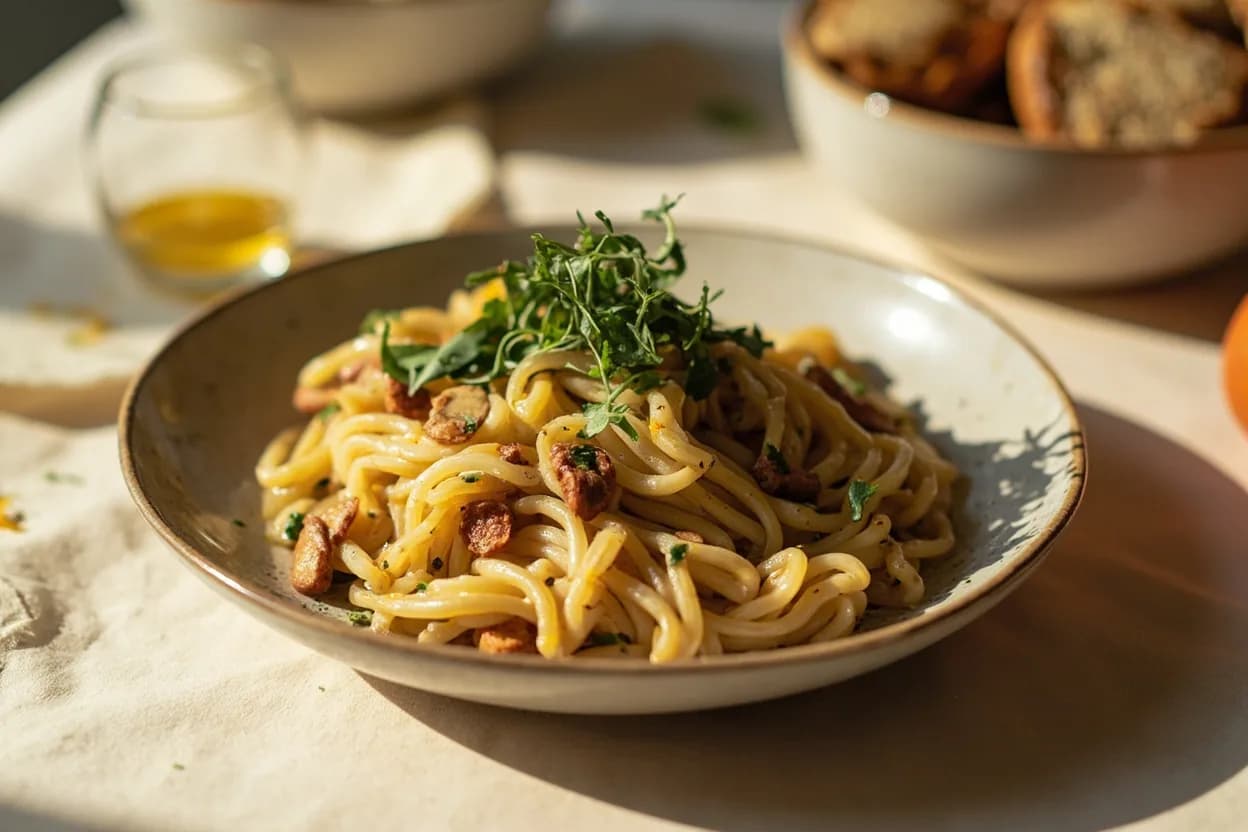
Truffle's sulfurous, garlicky intensity finds a mellow, fatty cushion in Marcona paste — used in high-end composites and pasta sauces.
- Miso (white shiro)
Sweet miso and Marcona share a gentle umami warmth; almond-miso dressings work brilliantly over roasted vegetables or fish.
- Cardamom
Aromatic cardamom amplifies the marzipan note already present in Marcona; excellent in a Moorish-influenced almond milk (horchata variation) or pastry.
Tread carefully
- Strong blue cheeseavoid
Pungent blue cheeses overpower the almond's subtle butteriness; Marcona is better paired with milder, younger cheeses.
- Heavy spice rubs (e.g. cayenne-heavy blends)avoid
The almond's delicacy is easily drowned by aggressive chili heat; a light smoked paprika dusting is the maximum appropriate heat level.
How to use it
- Fry briefly in high-quality olive oil and finish with coarse sea salt — the classic Spanish tapa preparation
- Blanch and grind into a smooth paste for romesco or almond-based sauces
- Toast in a dry pan until golden for salads and grain bowls
- Grind with sugar and egg white for Spanish marzipan (mazapán) or turrón nougat
- Slice thin with a mandoline for pastry garnish
- Infuse into cream or milk for almond panna cotta or horchata
Appears in
Related flavours
- Blanched Almond
Standard almond variety; sharper, less fatty, interchangeable in cooked applications but lacking Marcona's raw-eating luxury
- Pine Nut
Shares Mediterranean sweetness and high fat content; often used alongside Marcona in Catalan and Sicilian dishes
- Hazelnut
Similar sweet nuttiness with a more assertive skin-bitterness; both work in romesco-style sauces
References
- 1.The Flavor Bible — Karen Page & Andrew Dornenburg
- 2.Catalan Cuisine — Colman Andrews
- 3.Spain: The Cookbook — Simone Ortega & Inés Ortega
Confidence: high
Notes
Why fat content matters
Marcona's elevated oleic acid content (close to olive oil) is the key to its buttery texture. This fat level also makes it susceptible to rancidity faster than drier almond varieties — store in an airtight container in a cool place and consume within a few months of purchase.
Sustainability note
Water scarcity in almond cultivation is a global concern, but traditional Spanish Marcona orchards in semi-arid regions have historically relied more on dry-farming than intensive irrigation, making them somewhat more sustainable than California industrial production — a distinction worth noting when sourcing.