Souring Agents
Sherry Vinegar
Also: vinagre de Jerez, Jerez vinegar, aged sherry vinegar
A nutty, oxidatively complex Spanish vinegar aged in Jerez solera barrels — the most structurally sophisticated vinegar in European cooking.
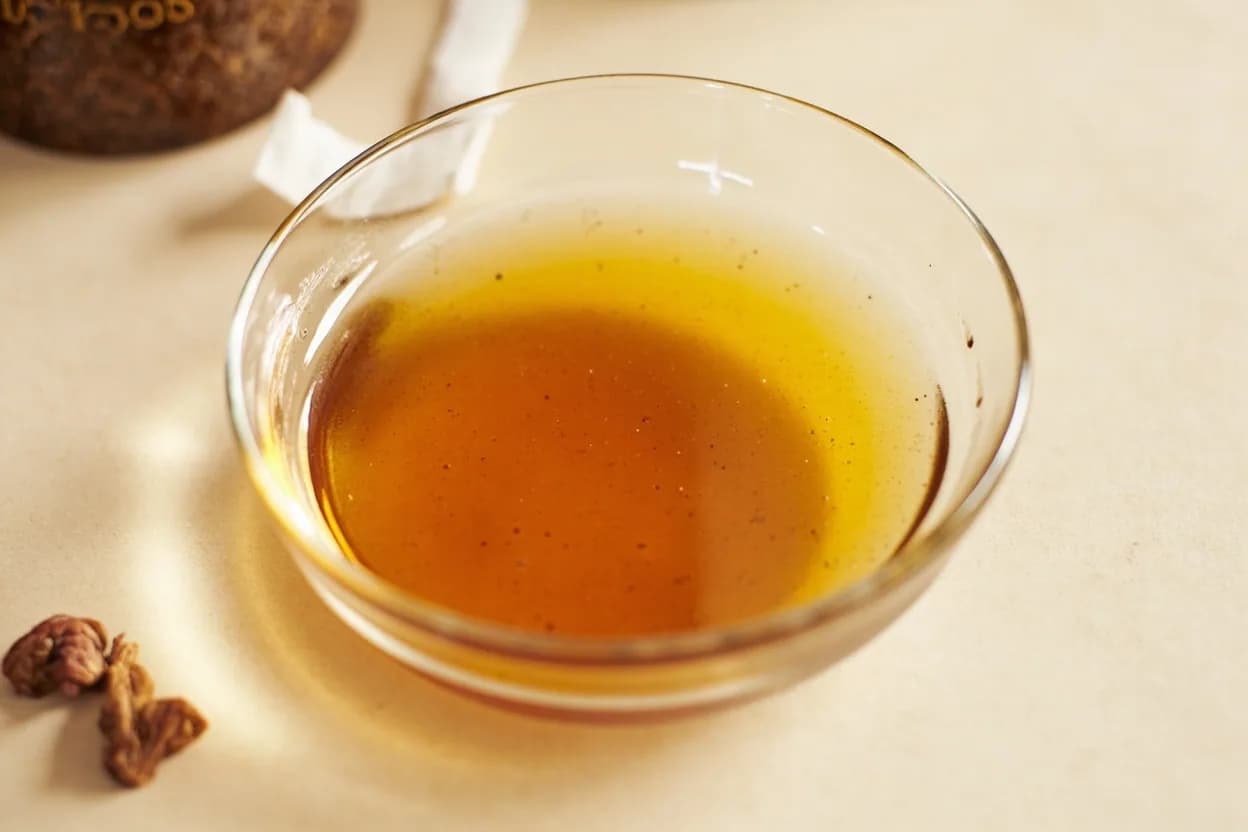
Sherry vinegar (vinagre de Jerez) is produced exclusively in the Jerez-Xérès-Sherry DO triangle of Cádiz province, Spain, by acetification of sherry wine followed by aging under the traditional solera system in American oak barrels previously used for sherry. Minimum aging is six months; Reserva is aged at least two years; Gran Reserva ten years or more. The result is a vinegar of extraordinary depth: its acidity (6–8% minimum) is accompanied by oxidative sherry notes (walnuts, dried figs, caramel), toast from the oak, and a glycerol richness from the base wine that no other wine vinegar approaches. The best Gran Reserva examples are nearly syrup-like — sweet-seeming on the nose but clean and dry on the palate with a long, complex finish. It received Protected Designation of Origin status in 2000.
In photos
Flavour profile
Classic pairings
- GazpachoAndalusian Spanish
Sherry vinegar is the canonical acid in classic Andalusian gazpacho — its oxidative depth integrates with tomato, olive oil, and garlic in a way no other vinegar replicates
- Lentil stew (lentejas)Spanish
A splash of sherry vinegar at the end of cooking is the standard Spanish finishing technique for lentils — it cuts the earthiness and brightens the chorizo fat
- SalmorejoSpanish / Andalusian
Córdoba's dense tomato and bread soup relies on sherry vinegar as its sole acid — the richness of the purée needs the full depth of Jerez vinegar, not something lighter
- Duck liver (foie gras or chicken livers)Spanish / French
Pan-deglaze with sherry vinegar for a sweet-sour sauce that cuts richness while the oxidative nut note complements the iron character of liver
- Roasted red peppers (pimientos)Spanish
Marinated peppers dressed with sherry vinegar, olive oil, and garlic is a classic Spanish tapa; the vinegar's depth is calibrated for the sweetness of fire-roasted capsicum
- Manchego and aged sheep's milk cheesesSpanish
The walnut notes in sherry vinegar create a flavour bridge with the lanolin richness of aged manchego in cheese dressings and cheese-board accompaniments
- StrawberriesSpanish / French
Classic Fraises au vinaigre in France and a traditional Jerez pairing in Spain — the vinegar's caramel depth amplifies berry sweetness and adds complexity otherwise only achieved by long maceration
- Wild mushrooms (porcini, chanterelle)Spanish / French
A deglaze of sherry vinegar in a mushroom sauté adds acidic lift and a complementary nutty oxidative note that reinforces the umami-earthiness of the fungi
Adventurous pairings
A few drops of quality Gran Reserva sherry vinegar in a dark chocolate sauce or ganache reads as an indefinable depth note — the nut-caramel-acid profile complements cacao without any obvious vinegar presence
- Beets
Roasted beets dressed with Gran Reserva sherry vinegar instead of balsamic — lower sugar means the beet's natural sweetness reads more clearly while the nut notes create a more savoury, complex backdrop
- Grilled octopus
In the classic Galician pulpo a la gallega context, replacing the usual paprika-olive oil dressing's lemon with a few drops of sherry vinegar adds aged complexity without weight
- Caramelised onion
A splash of sherry vinegar into caramelised onions at the end of cooking amplifies the Maillard sweet-savory character and adds a bright note that prevents the onions from tasting flat
- Anchovies on toast
A tiny drizzle of sherry vinegar on boquerones or canned anchovy on grilled bread cuts the salt and fat with the same salty-sour-umami matrix that makes the combination addictive
- Vanilla ice cream (float)
The Gran Reserva reduced and drizzled over vanilla ice cream creates a sophisticated, not-sweet finish in the style of balsamic — but with more citrus and less treacle
Tread carefully
- Sushi rice and Japanese rice dressingsavoid
The oxidative complexity of sherry vinegar overwhelms the clean, precise flavour balance of Japanese vinegared rice — rice vinegar's clean mildness is purpose-built for that application
- Sauce béarnaise or hollandaiseavoid
The deep caramel-walnut notes would destabilise the delicate French emulsified sauces' clean acid-herb profile — white wine vinegar or tarragon vinegar maintains the right flavour register
- Light citrus-forward cevicheavoid
The complexity of sherry vinegar competes with and muddies the clean citrus brightness that ceviche's marinade (leche de tigre) requires
How to use it
- Reduce sherry vinegar by half over medium-low heat to make a syrupy condiment comparable to (but drier than) aged balsamic — use for plating and final seasoning
- Use as the acid in a hot vinaigrette (agridulce) poured warm over grilled vegetables to wilt and marinate them simultaneously
- Deglaze pans after searing meat or mushrooms — the depth of the vinegar builds the fond into an instant sauce without additional stock
- Macerate fruit in a small quantity of sherry vinegar with a pinch of sugar and black pepper for a sophisticated no-cook compote
- Add a finishing splash to stews and braises (not during cooking) to brighten the dish and add a final layer of complexity without simmering away the aromatics
Appears in
Related flavours
- Balsamic Vinegar (Tradizionale)
The Italian counterpart in the 'complex aged vinegar' category — balsamic is sweeter and more syrupy, sherry vinegar is drier and nuttier; they serve different moments in the same register
- Amontillado Sherry
The parent wine — using dry amontillado in a sauce alongside a splash of its vinegar counterpart creates extraordinary coherence in Spanish stews
At the opposite end of the acid-complexity spectrum — verjuice offers mild, clean fruitiness while sherry vinegar offers structured oxidative depth; choose by the weight and register of the dish
References
- 1.Consejo Regulador — Vinagre de Jerez: DOP Regulations (Official DO documentation)
- 2.Claudia Roden — The Food of Spain
- 3.José Andrés & Richard Wolffe — Made in Spain: Spanish Dishes for the American Kitchen
- 4.Penelope Casas — The Foods and Wines of Spain
Confidence: high
Notes
Grade matters enormously
There is a vast quality gap between young commercial sherry vinegar (6 months aging, thin and sharp) and Gran Reserva (10+ years, round and complex). Do not judge the category by supermarket bottles labelled simply 'sherry vinegar' — the Reserva and Gran Reserva grades from producers like Columela, Fernando de Castilla, or Bodegas Tradición are completely different condiments.
Distinguishing from balsamic
Sherry vinegar is consistently drier than balsamic tradizionale — it achieves complexity through oxidative solera aging (walnut, caramel) rather than through grape must reduction (fruit, sweetness). Cooks who find balsamic too sweet for savory applications often find sherry vinegar better calibrated.