Fermented Pastes & Sauces
Shio Koji
Also: 塩麹, salt koji, koji brine, malted rice with salt
Japan's enzymatic miracle marinade — salted rice koji that tenderizes, seasons, and amplifies umami in everything it touches.
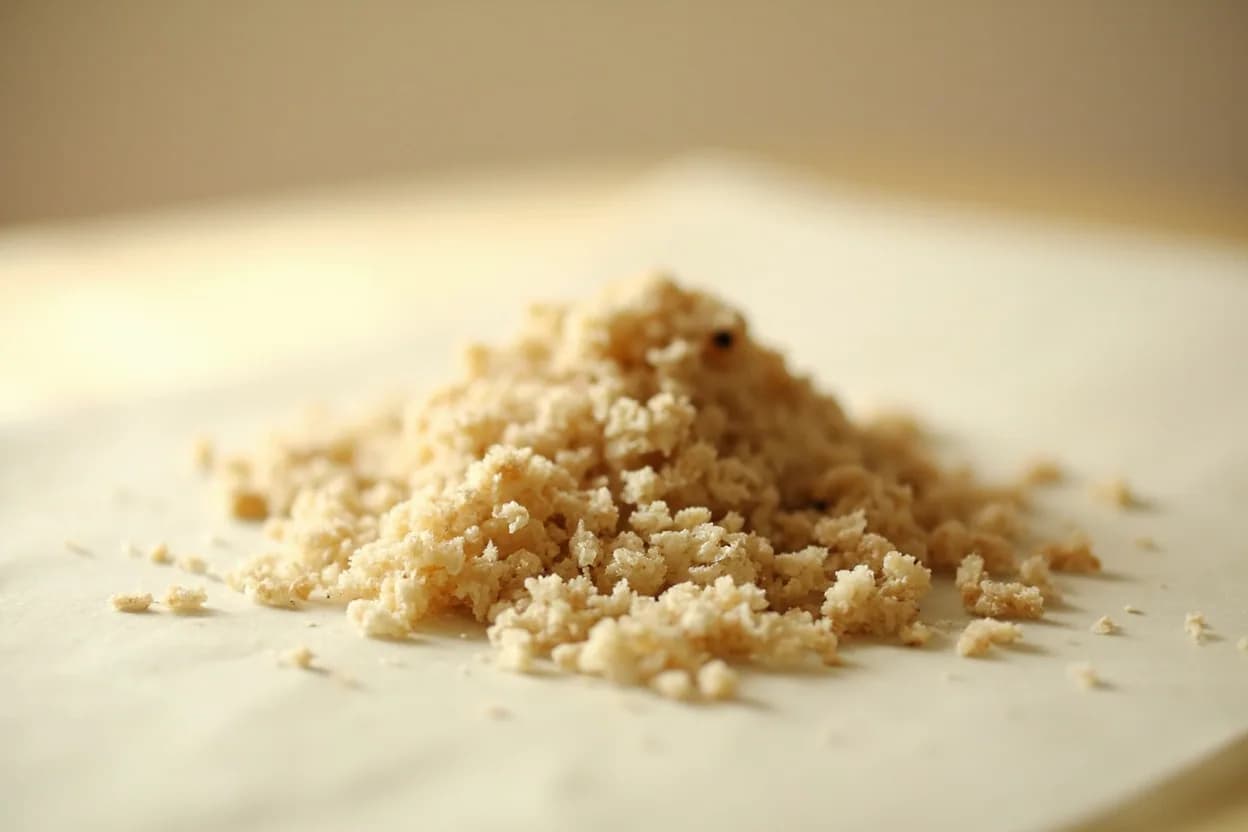
Shio koji (塩麹) is a moist, chunky paste or liquid made by combining cooked rice inoculated with Aspergillus oryzae (koji mold) with salt and water, then allowing it to ripen at room temperature for 7–10 days. During this period, A. oryzae's powerful amylase enzymes break down rice starches into glucose (adding sweetness) while its protease enzymes begin hydrolyzing proteins — setting the stage for shio koji's celebrated tenderizing and umami-amplifying effects when used as a marinade. The finished paste is milky-white to pale gold, with a mild, clean, slightly sweet-salty, umami-rich taste, and a gentle fermented fragrance that is far more subtle than doenjang or miso. It is used as a dry rub, wet brine, marinade, and seasoning substitute for salt throughout Japanese cuisine.
In photos
Flavour profile
Classic pairings
- Chicken (thighs, breasts)Japanese
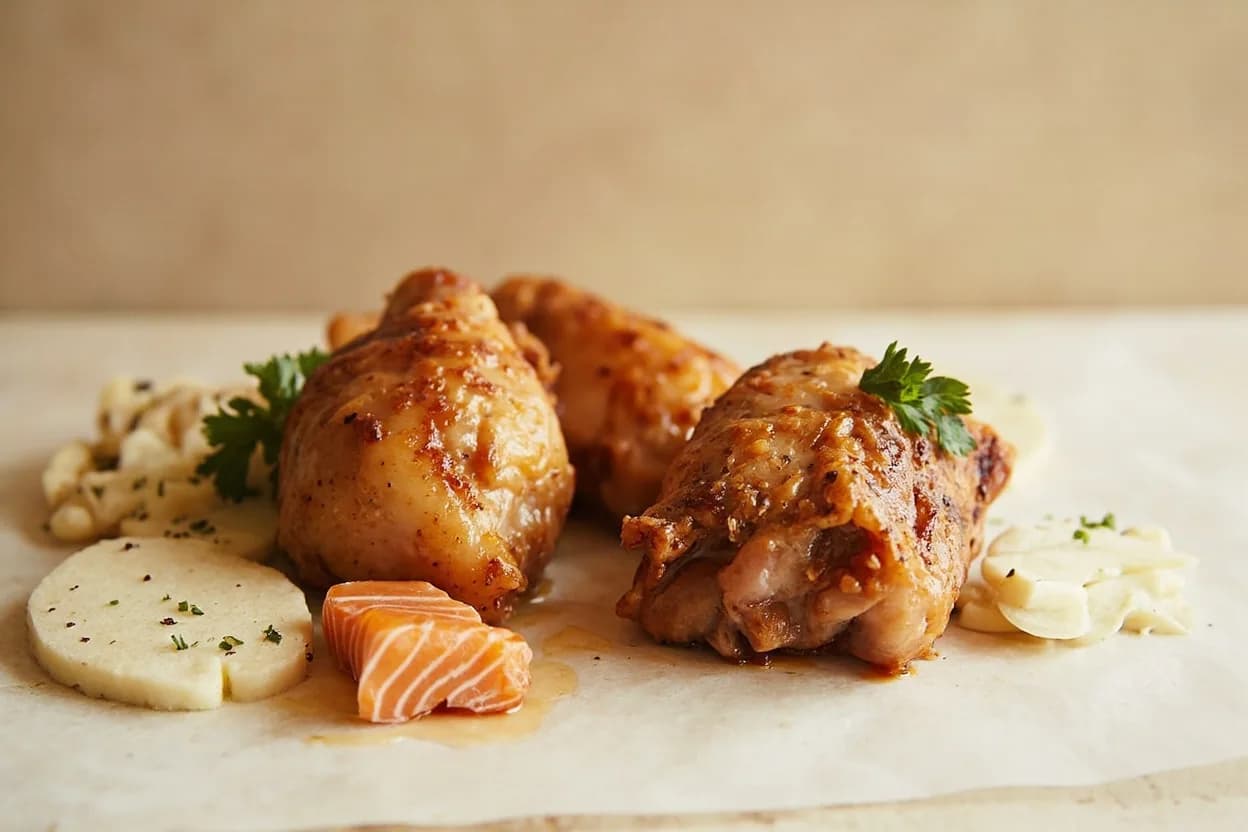
Marinating chicken in shio koji for 6–24 hours tenderizes the meat via protease activity and produces deeply browned, juicy results when grilled or roasted; arguably the most popular contemporary shio koji application in Japan.
- SalmonJapanese
A classic Japanese curing application: salmon fillets rubbed with shio koji and rested for 24–48 hours develop a silky, dense texture, sweet-savory flavor, and spectacular golden-brown crust when pan-seared.
- Tofu (silken or firm)Japanese
Coating tofu in shio koji and allowing it to cure produces a 'tofu cheese' with a firmer texture and deeper savory flavor; a traditional technique in shojin (Buddhist vegetarian) cooking.
- Daikon and root vegetablesJapanese
A shio koji pickle (tsukemono style) transforms daikon, turnip, or carrot over 12–24 hours: the enzymes partially break down cell walls, creating a tender-yet-crunchy texture with enhanced sweetness.
- Pork (loin, tenderloin)Japanese
Pork's naturally dry muscle cuts respond dramatically to shio koji — the proteases break down connective tissue proteins, and the resulting moisture retention after cooking far exceeds salt-only marinades.
- Rice and grain dishes (onigiri)Japanese
Mixing a small amount of shio koji into sushi rice or using it to season onigiri filling provides subtle umami that soy sauce alone cannot replicate; the sweetness also complements vinegar-seasoned rice.
Adventurous pairings
- Butter (compound butter)
Blending shio koji into softened butter creates an instant umami compound butter with a gentle fermented sweetness; exceptional on grilled corn, seared steak, or baked potatoes — replacing both salt and butter's neutral fat with layered complexity.
- Pasta (aglio e olio style)
A tablespoon of shio koji dissolved in the pasta's finishing water introduces umami and subtle sweetness that enhances olive oil and garlic without introducing any Japanese flavors — it reads as deeply savory and seasoned.
- Eggs (marinated or scrambled)
Hard-boiled eggs marinated in shio koji brine for 24 hours develop a pale, seasoned exterior and savory depth throughout; adding shio koji to scrambled eggs while cooking produces extraordinarily tender curds.
- Mushrooms (shiitake, maitake)
Tossing mushrooms in shio koji before roasting creates a double-umami effect — the koji's glutamates amplify the mushrooms' natural guanylates via nucleotide synergy, producing an intensely savory result from simple ingredients.
- Cheese (cream cheese, goat cheese)
The enzymatic and lactic character of shio koji is genuinely complementary with fresh cheeses; mixing into cream cheese creates a spread with natural depth, or rubbing onto aged cheese rinds produces an interesting cross-cultural fermented layer.
Tread carefully
- Applications with very long marinating times for delicate fishavoid
Shio koji's proteases will break down fish tissue too aggressively beyond 12–24 hours; delicate white fish left too long becomes mushy rather than tender.
- High-heat deep frying immediately after marinatingavoid
The sugars released by amylase activity cause dramatically accelerated Maillard browning that can look and taste burned before the interior is cooked through; wipe off excess paste before frying.
- Combining with very strong competing ferments (fish sauce, doubanjiang)avoid
Shio koji's value is in its clean, subtle amplification; combining it with aggressively pungent ferments obliterates its delicate contribution and adds complexity without clarity.
How to use it
- Rub or coat proteins and rest refrigerated — minimum 30 minutes for fish, 6–24 hours for chicken, up to 48 hours for beef and pork
- Wipe off excess paste before cooking to prevent excessive browning from the liberated sugars
- Use as a 1:1 salt substitute in many recipes; shio koji provides about 13% salt by weight, so calculate accordingly
- For quick pickling: coat vegetables, seal in a bag, and press for 2–6 hours at room temperature; the enzymatic activity is faster at 50–60°C
- Make at home: combine 100g koji rice, 30–35g salt, and 100ml water; stir daily for 7–10 days at room temperature until it smells sweet and mild
Appears in
Related flavours
Both are koji-based fermented Japanese seasonings; miso is longer-fermented and more complex, shio koji is fresher and more enzymatically active
Shares the Aspergillus oryzae transformation; sake adds liquid umami and sweetness as a marinade in similar applications
A more intense, darker alternative for the salt-umami axis; tamari or soy sauce lacks the enzymatic tenderizing effect of shio koji
The sweetness mirin brings to marinades overlaps with shio koji's glucose sweetness; using both together can create imbalance — choose one as lead
References
- 1.The Art of Fermentation — Sandor Ellix Katz (Chelsea Green Publishing, 2012)
- 2.Koji Alchemy — Jeremy Umansky & Rich Shih (Chelsea Green Publishing, 2020)
- 3.Japanese Farm Food — Nancy Singleton Hachisu (Andrews McMeel, 2012)
- 4.On Food and Cooking — Harold McGee (Scribner, 2004)
Confidence: high
Notes
The enzyme mechanism
Shio koji's culinary power comes from two Aspergillus oryzae enzyme families acting simultaneously: amylases break starch into glucose and maltose, producing sweetness and Maillard-reactive sugars; proteases cleave muscle proteins into shorter peptides and free amino acids, increasing perceived umami (free glutamate, in particular) while physically tenderizing the texture. This enzymatic work happens before heat is applied, meaning a shio koji-marinated piece of chicken will taste more seasoned, cook more evenly, brown more dramatically, and stay juicier than the same piece salted at cooking time.
Home fermentation
Shio koji is one of the most approachable home ferments: it requires no specialized equipment, is done in 7–10 days at room temperature, and fails very rarely due to its high salt content inhibiting harmful bacteria. Koji rice (ready-to-use rice inoculated with A. oryzae) is widely available from Japanese grocers and online. The finished paste keeps refrigerated for 3–6 months.