Fats, Pastes & Condiments
Toasted Sesame Paste
Also: Chinese sesame paste, zhī ma jiàng, neri goma (Japanese), roasted sesame paste
China's deeply roasted, bitter-rich sesame paste — the backbone of dan dan noodles and cold Sichuan sauces.
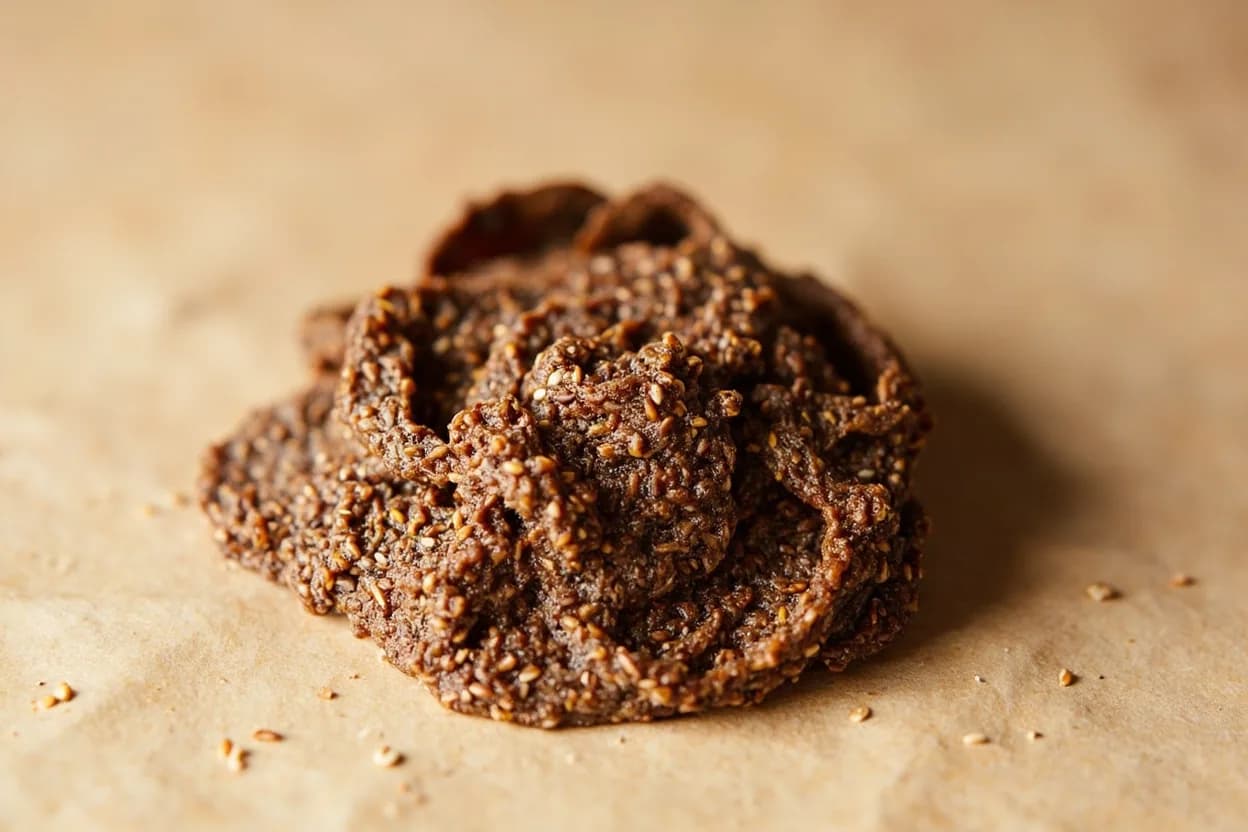
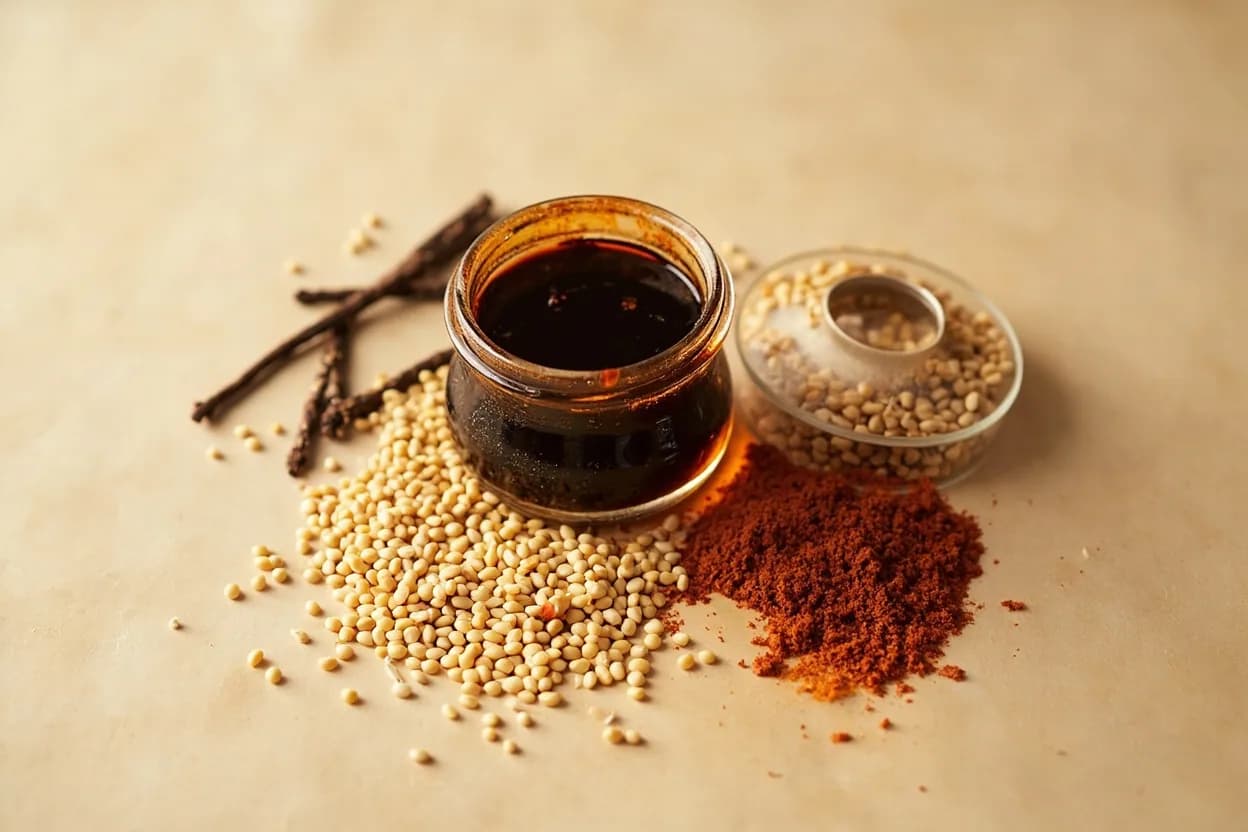
Chinese toasted sesame paste (zhī ma jiàng) is ground from sesame seeds roasted to a dark, almost espresso-like color, producing a thick paste with a pronounced bitter-nutty depth and a lingering roasted finish. It is substantially darker and more intensely flavored than Middle Eastern tahini, which uses unroasted seeds. The paste is water-soluble but not easily so; it is typically loosened with soy sauce, chili oil, or sesame oil before use. It appears throughout Sichuan cold dishes, noodle sauces, and barbecue dips across northern and central China.
In photos
Flavour profile
Classic pairings
- Soy sauceChinese (Sichuan, Beijing)
Loosens the paste and adds umami salt — the first step in virtually every Chinese sesame sauce; the emulsification creates a cohesive, glossy coating.
- Chili oil (là jiāo yóu)Sichuan Chinese
Signature Sichuan combination: roasted bitterness of the paste mellows chili oil's raw heat, while the oil's capsaicin pushes the paste's richness forward.
- Black vinegar (Chinkiang)Chinese
The acidity of Chinkiang vinegar cuts through the paste's fat and bitterness, adding a malty depth that is essential in cold noodle and dumpling dipping sauces.
- Garlic (raw, minced)Sichuan Chinese
Raw garlic's pungency punches through the paste's richness; the two together form the savory base of cold sesame chicken and bang bang dishes.
- Wheat noodles (fresh or alkaline)Chinese (Sichuan, Xi'an)
Alkaline noodles' chewy texture and slight mineral flavor are the canonical vehicle — the paste clings to their slick surface without sliding off.
- Sichuan peppercorn (mala)Sichuan Chinese
The numbing tingle of Sichuan pepper offsets the paste's richness and interplays with residual bitterness, creating the definitive dan dan profile.
- Sesame oil (toasted)Chinese
A small amount of toasted sesame oil loosens the paste and amplifies shared roasted compounds, increasing aromatic intensity without adding water.
- Cold poached chickenSichuan Chinese
The paste's fat and richness coat chicken evenly without masking its delicate flavor; the pairing is the foundation of classic 'bang bang ji' and 'kou shui ji'.
Adventurous pairings
- Roasted eggplant
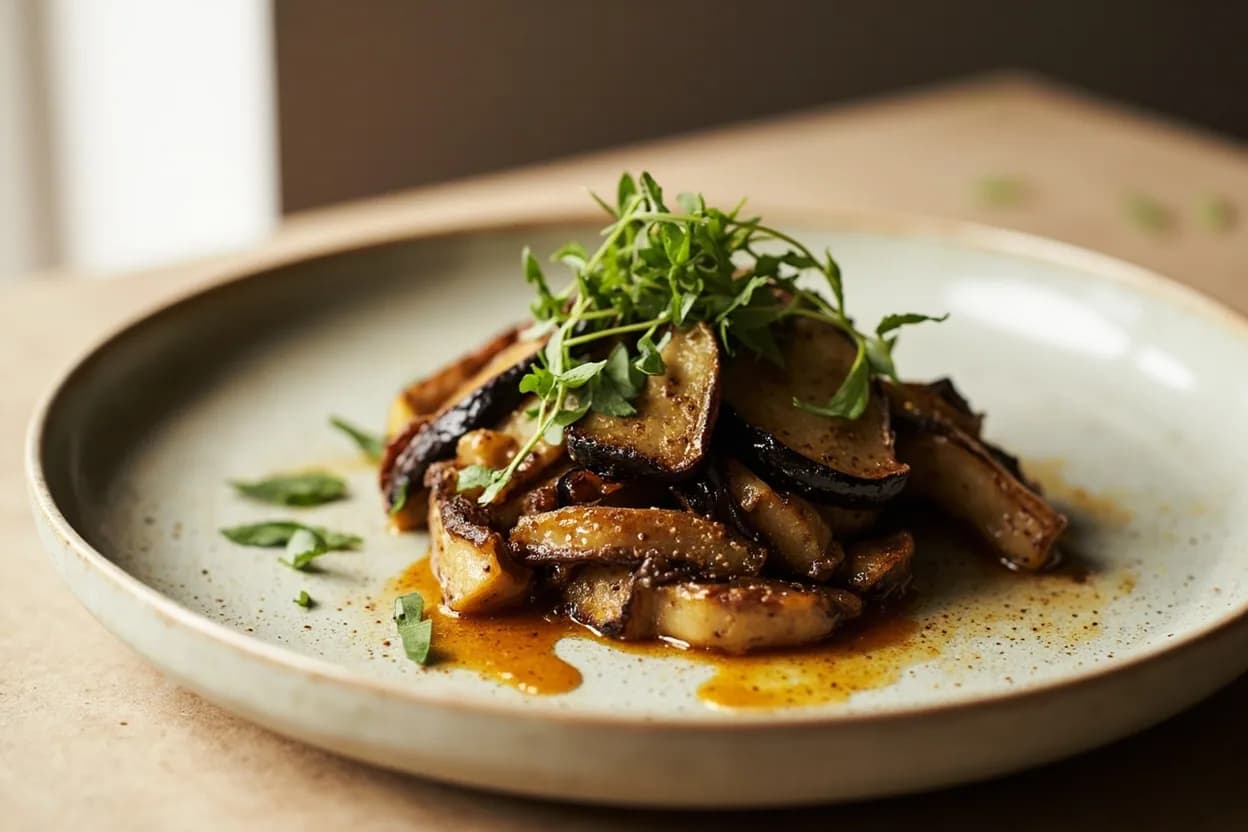
Char-roasted eggplant's smoky, caramelized flesh mirrors the paste's roasted character; drizzle thinned paste with black vinegar for a riff on baba ganoush.
- Miso (shiro)
Both are fermented/roasted umami bombs; blending them creates a cross-cultural paste with extraordinary depth for dressings and glazes.
- Dark chocolate (70%+)
Shared roasted bitterness creates harmonic resonance; Chinese sesame paste swirled into chocolate ganache or brownies adds a nutty, complex layer.
- Cold cucumber and tofu
The paste's richness is beautifully absorbed by tofu's neutral protein while cucumber provides cooling crunch — a common Beijing street-food pairing often overlooked internationally.
- Lamb (grilled)
Used as a barbecue dip across northern China — the paste's bitter, smoky notes echo mutton's gaminess rather than fighting it.
Tread carefully
- Tahini substitution (1:1)avoid
Chinese sesame paste is far more intensely roasted and bitter than tahini; substituting one for the other in the same quantity will overpower or undersell the dish.
- Dairy-based cream saucesavoid
The bitter roasted character clashes with fresh cream and butter; the flavors pull in incompatible directions.
- Delicate seafood (ceviche, raw oysters)avoid
The paste's intensity and fat content overwhelm the subtle brine and salinity that make raw seafood appealing.
How to use it
- Loosen with warm water (or soy sauce) a tablespoon at a time, whisking until smooth and saucy before combining with other ingredients
- Build sauce in layers: paste + soy, then vinegar, then oil, then aromatics
- Toast at medium heat in a dry pan if your paste has separated and smells flat
- Use as a glaze base for grilled meats — apply in the last 2 minutes to prevent burning
- Thin aggressively for dressings (1 part paste : 3 parts liquid); it thickens on standing
Appears in
Related flavours
Liquid form of the same roasted seed; often combined with the paste to both loosen texture and amplify aroma.
Middle Eastern untoasted counterpart — milder, paler, more bitter-free; useful to understand what roasting adds to the sesame profile.
- Peanut Butter
Sometimes blended with sesame paste in cold noodle sauces to moderate bitterness and add creaminess; common in American-style 'Chinese sesame noodles'.
References
- 1.Land of Fish and Rice — Fuchsia Dunlop
- 2.Every Grain of Rice — Fuchsia Dunlop
- 3.The Food of Sichuan — Fuchsia Dunlop
- 4.On Food and Cooking — Harold McGee
Confidence: high
Notes
Not Tahini
The most important distinction: Chinese sesame paste uses deeply roasted seeds and often includes a small amount of sesame oil in the grinding, resulting in a darker color, stronger aroma, and more pronounced bitterness. Tahini's mild, raw character makes it a poor substitute and vice versa. In a pinch, blending tahini with a few drops of toasted sesame oil and a little peanut butter can approximate the character.
Storage
Oil separation is natural; stir vigorously before use. Store in the refrigerator after opening to prevent rancidity of the high-PUFA sesame fat.