Grains & Rice
Banku Mix
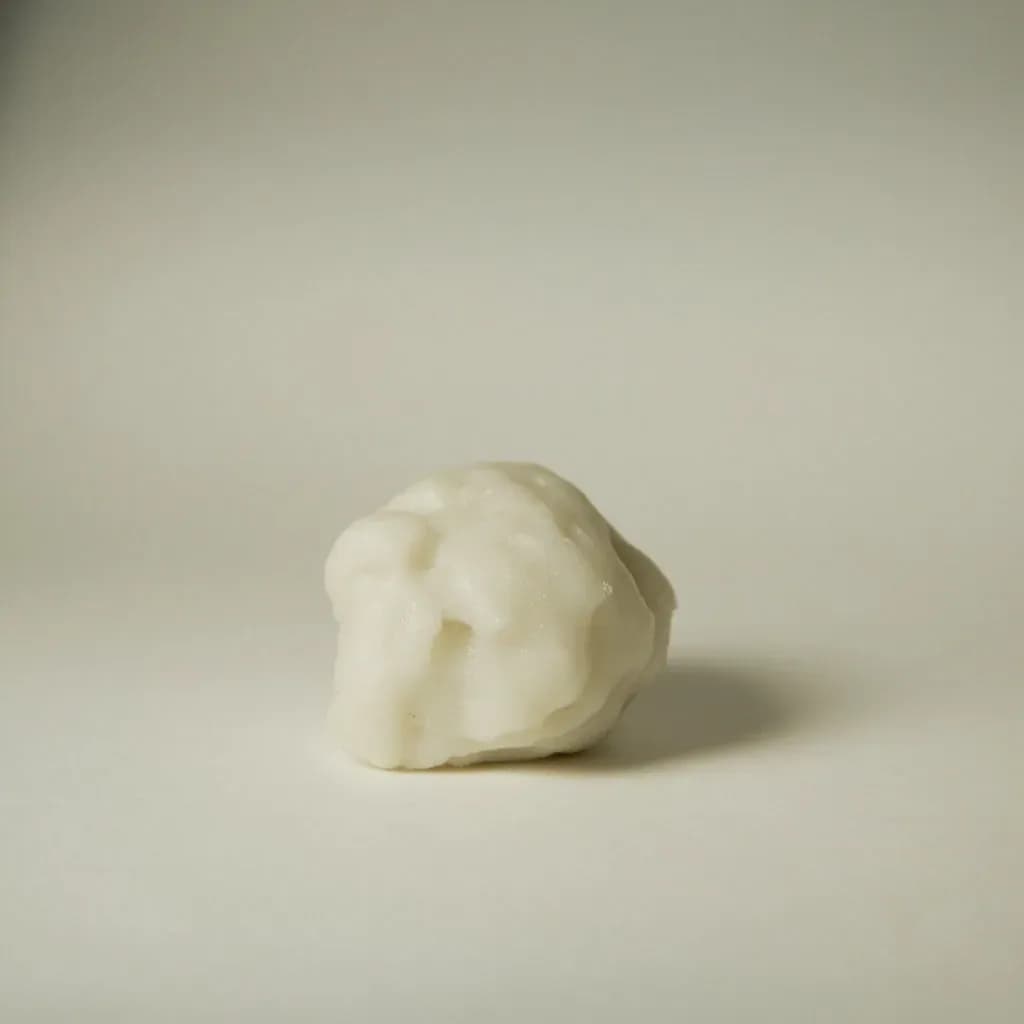
Ghanaian blend of fermented corn and cassava dough cooked into the smooth sour staple banku.
Banku mix is a Ghanaian blend of fermented corn dough and cassava dough, sold ready to cook. It is stirred vigorously over heat into banku, a smooth, slightly sour, dough-like staple shaped into balls. Banku is eaten with okra stew, grilled tilapia or hot pepper sauce.
Banku Mix is a convenient dry flour blend of fermented corn (maize) and cassava that reconstitutes into the smooth, tangy dough characteristic of Ghana's most beloved starchy staple. The blend typically follows a roughly 70/30 corn-to-cassava ratio, though regional and brand variations exist. What distinguishes authentic banku from plain cornmeal is the lactic acid fermentation—without this, you have only a bland dough; with it, you have the bright, slightly sour flavor that makes banku unmistakable. The mix bridges the traditional multi-day process of fermenting whole grains with modern convenience, allowing cooks to produce genuine banku without sourcing separate ingredients or waiting days for fermentation to complete. The prepared dough should pull cleanly from the pot and has a yielding, almost elastic texture that holds its shape when hand-formed into balls for dipping into soup.
- Measured in
- g
- Storage
- Fridge
Types & varieties
Corn-dominant blend at roughly 70/30 corn to cassava ratio; most common variety
Higher cassava content; closer to the Ewe akple tradition with denser texture
Pre-fermented and dried; requires only water and cooking time
Made with yellow maize for deeper color and slightly sweeter flavor
Understanding Fermentation in Banku Mix
The fermentation is the defining character of banku—without it, you have corn porridge, not banku. Natural lactic acid bacteria ferment the corn and cassava over 2–3 days, developing the signature sour-tang that balances rich palm nut or groundnut soups. Commercial mixes vary widely in fermentation quality. A properly fermented mix produces noticeable tang; a neutral-flavored dough indicates insufficient fermentation. The sourness intensifies slightly during cooking, so taste as you go.
- Look for 'fermented' or 'sour' in the product name or description
- If the dry mix smells flat or neutral, the fermentation is likely insufficient
- Quality brands often note the fermentation process on packaging
Cooking Technique: Achieving the Right Texture
Banku is done when it pulls away from the pot sides cleanly and has no raw flour taste. This requires steady, continuous stirring with a wooden spoon or banku stick. The motion is always in one direction—whether clockwise or counter-clockwise—to develop smooth, even texture without tearing the dough. The final product should be glossy and slightly elastic, not sticky or stiff.
- Use a heavy-bottom pot to distribute heat evenly and prevent scorching
- Add cold water gradually while stirring to avoid lumps
- If lumps form, press them against the pot wall with the stick to break them up
Common uses
Tips & pitfalls
- Add cold water gradually while stirring to prevent lumps in the dry mix
- Use a heavy-bottom pot to prevent the banku from sticking and burning
- Stir continuously in one direction—clockwise or counter-clockwise—using a wooden banku stick for smooth, elastic texture
- The banku is done when it pulls away from the pot sides cleanly and has no raw flour taste
- If lumps form during cooking, break them up with the stick and continue stirring until smooth
- Traditional fermentation gives superior flavor—commercial mixes vary significantly in sourness; taste and adjust
- Serve immediately while hot; banku firms up quickly as it cools
- Leftover banku can be sliced and fried until crispy for an excellent next-day snack
- A common mistake is rushing the cooking—keep heat at medium and give the dough time to cook through evenly
Nutrition
Nutrition
No USDA FoodData Central match for Banku Mix yet. We surface a per-100 g profile once a generic whole-food entry is matched and verified.
In the shops
Matched grocery products
No matched grocery products for Banku Mix yet.
Good to know
- Origin
- Ghana, West Africa (Ga and Ewe ethnic traditions)
- Base Ingredients
- Fermented corn and cassava dough blend (typically 70/30 ratio)
- Flavor Profile
- Tangy, sour from lactic acid fermentation; mild starchy backdrop
- Form
- Pre-mixed dry flour for reconstitution and cooking
- Traditional Fermentation
- Natural lactic acid fermentation (2–3 days for homemade)
- Shelf Life
- Dry mix: 6–12 months sealed; prepared dough: 1–2 days refrigerated
- Storage
- Cool, dry place in airtight container
- Prep Time
- 10–15 minutes to mix; 20–25 minutes to cook
Substitutes
- Kenkey — Fermented corn dough only; different texture but similar sour flavor; served with similar Ghanaian soups and grilled fish
- Fresh corn masa + cassava flour — Mix roughly 70% masa with 30% cassava flour; ferment 1–2 days for the closest homemade result
- Instant cocoyam fufu — Different base but similar starchy, pounded consistency; lacks the characteristic sourness
Pairs with
Also called
Corn & Cassava Dough · Banku Flour
Related

White Rice
Fluffy long-grain rice — the neutral base for almost any meal

White Bread
Soft sandwich loaf for toast, sandwiches, and crumbs
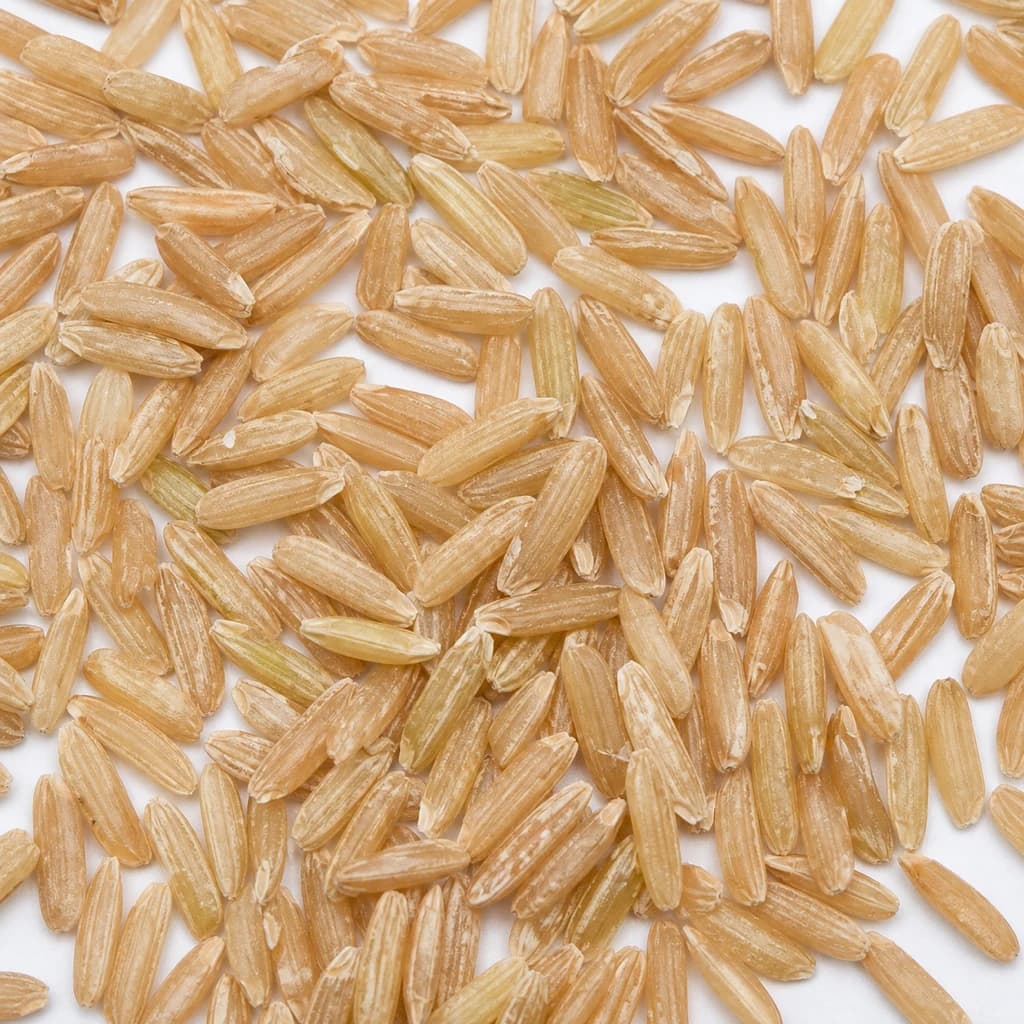
Brown Rice
Nutty, whole-grain rice with chew and extra fiber

Basmati Rice
Fragrant, long-grain rice that cooks up light and separate
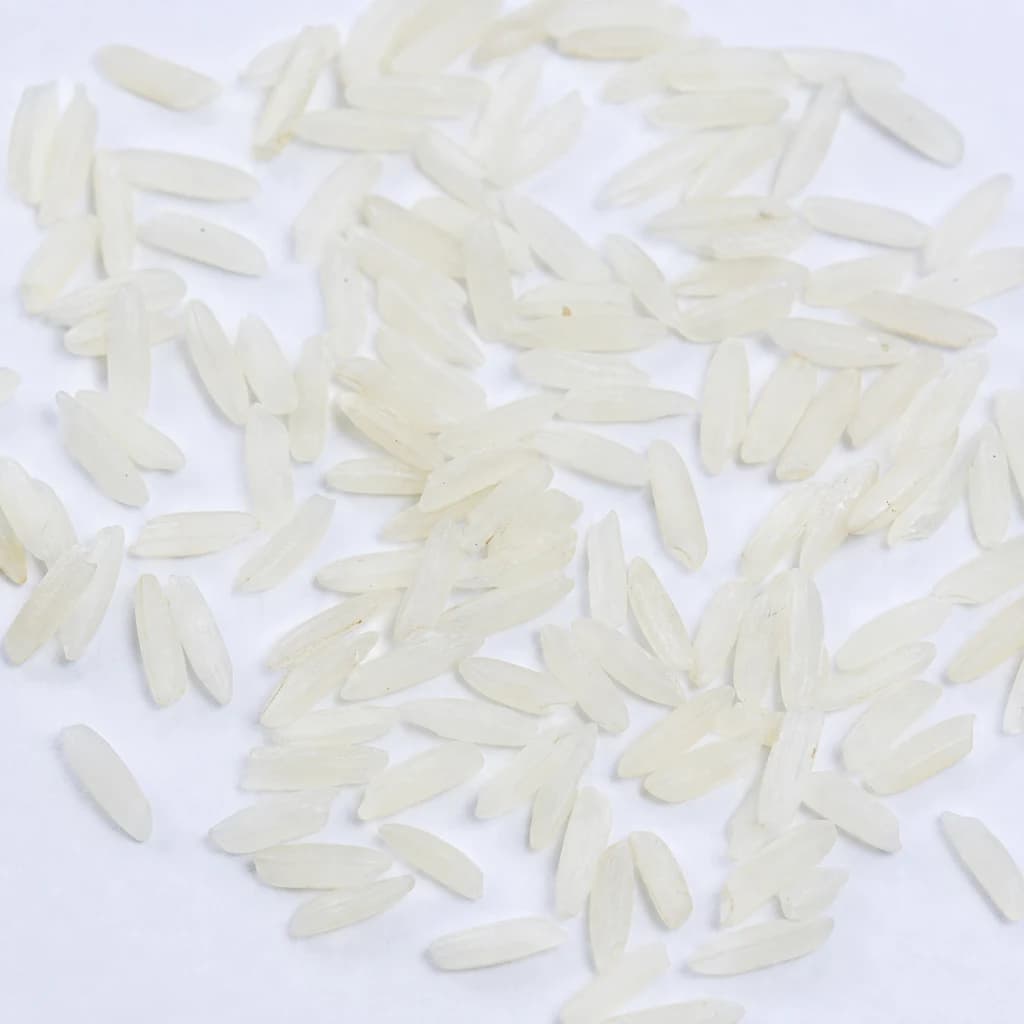
Jasmine Rice
Soft, floral-scented rice that's the pillar of Thai meals
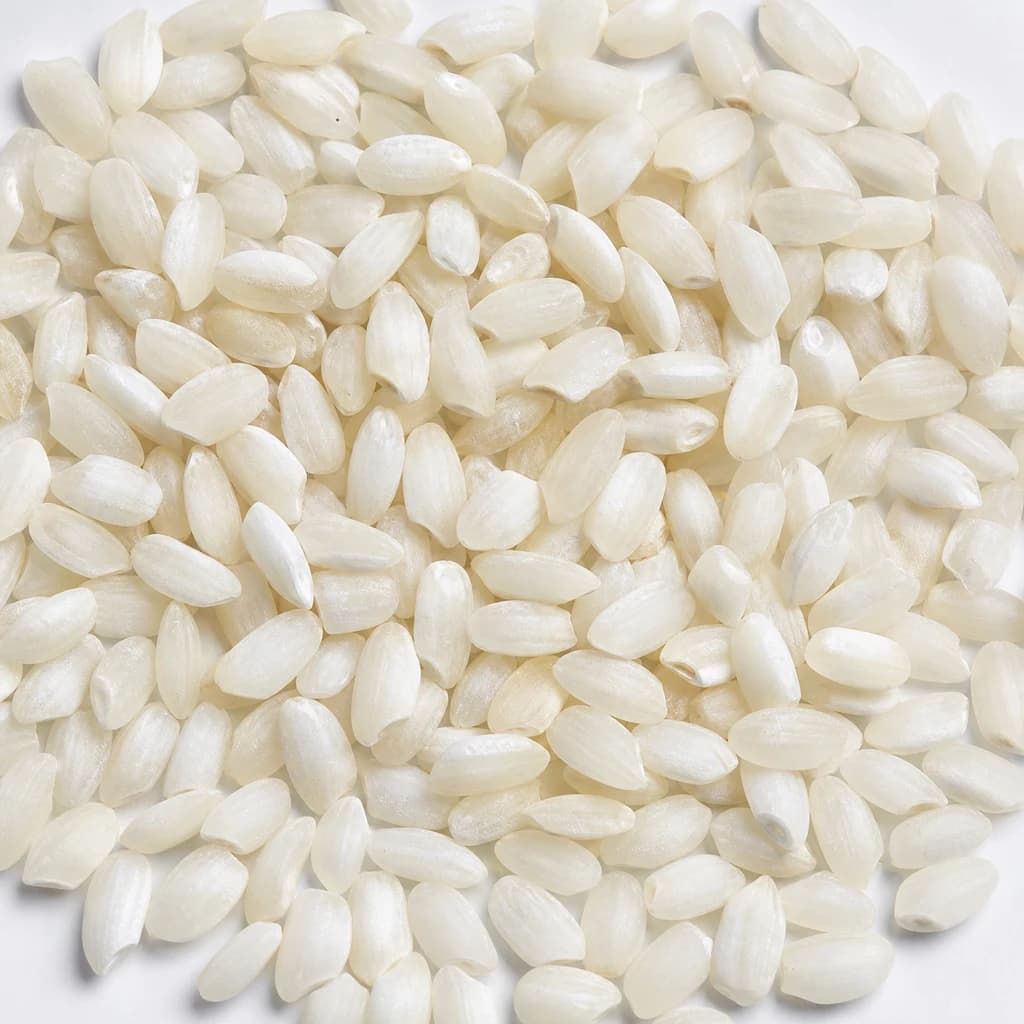
Arborio Rice
Plump, starchy rice that makes risotto creamy
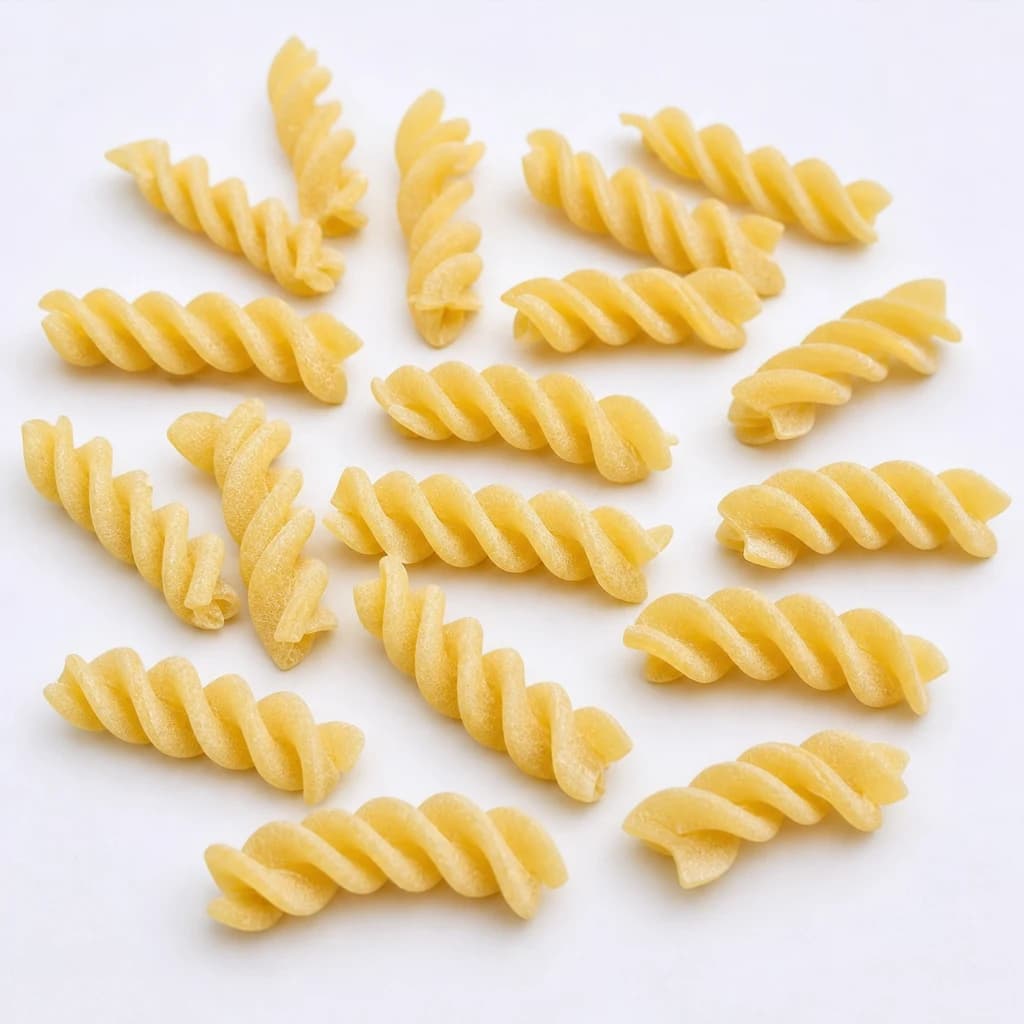
Fusilli
Spiraled pasta that twirls up sauce and dresses cold salads
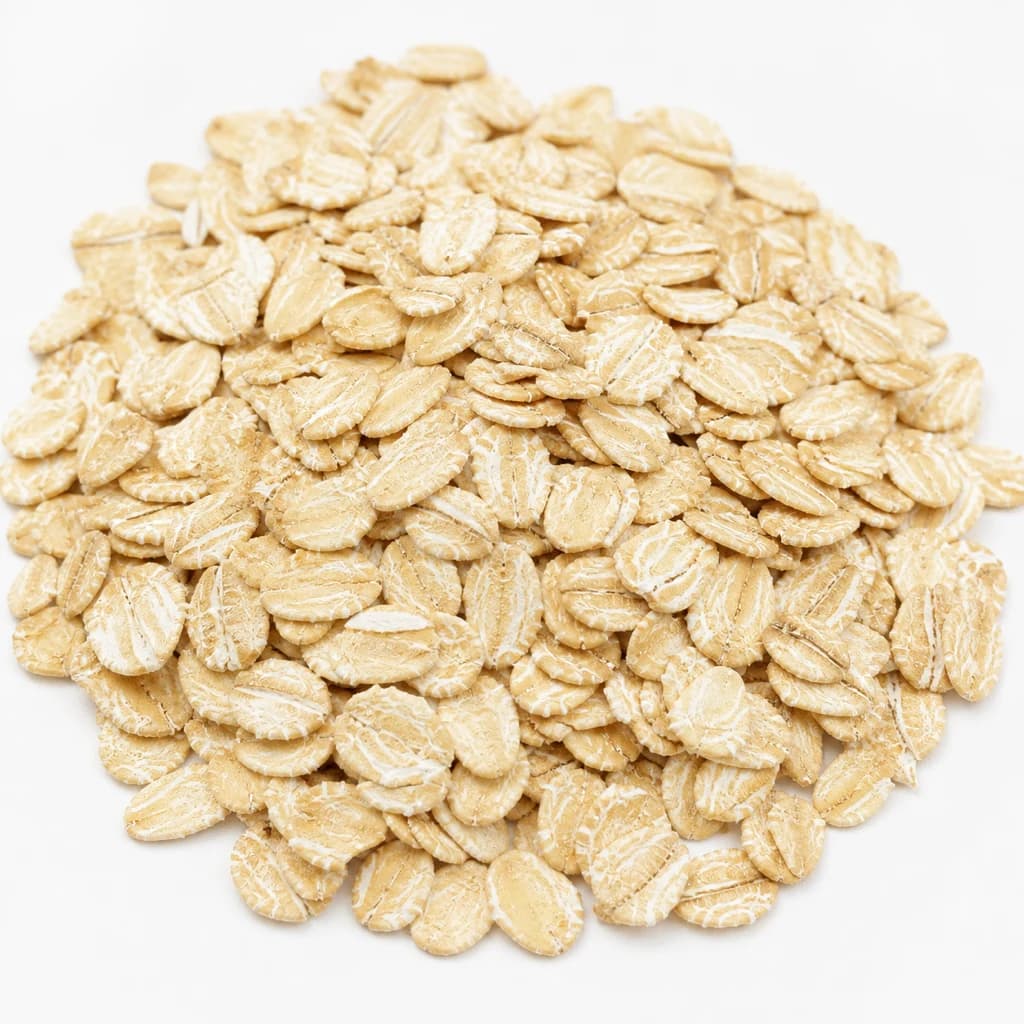
Rolled Oats
Hearty flakes for porridge, granola, and chewy cookies