Grains & Rice
Bolillo Roll
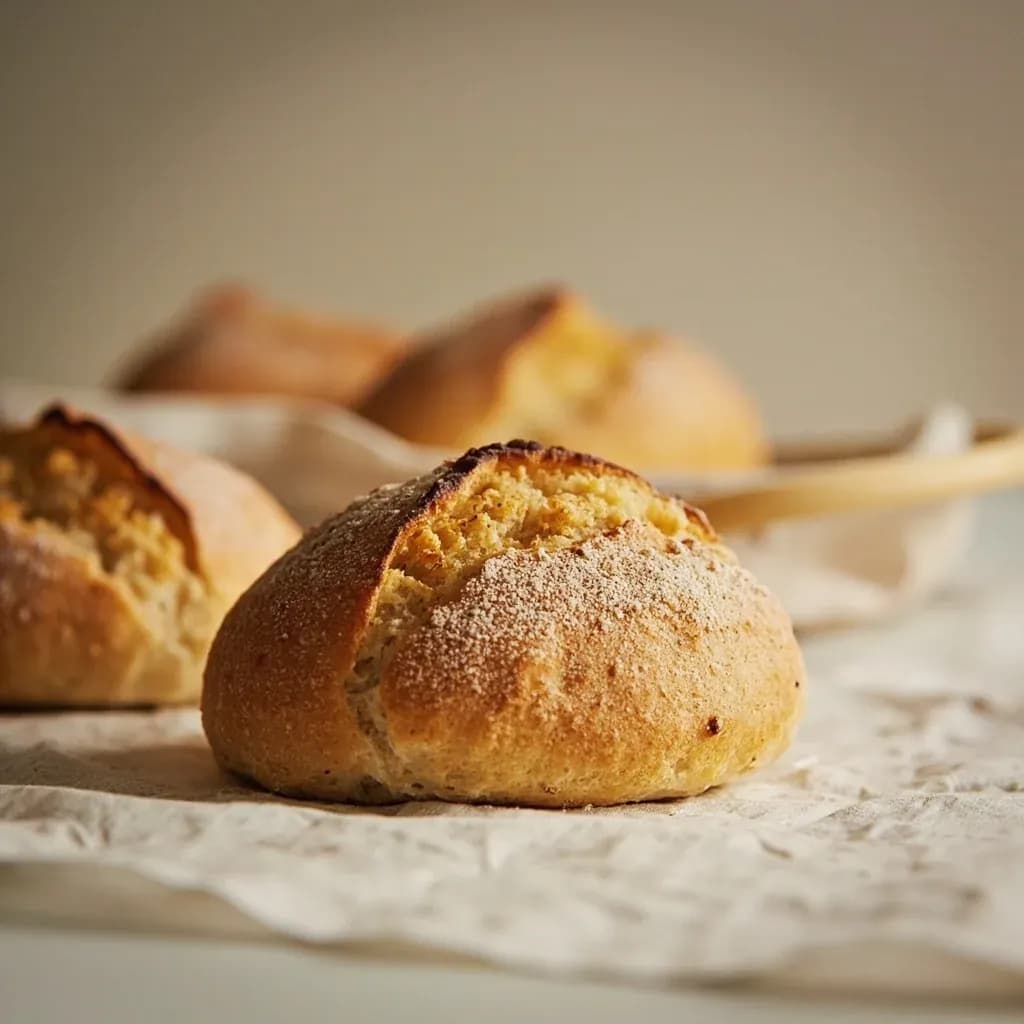
Crusty oval Mexican white bread roll, the base for tortas and molletes.
A bolillo is a small, crusty oval Mexican bread roll with a crisp shell and soft white crumb, descended from the French baguette. It is split and filled to make tortas, hollowed for molletes, or torn to dunk in soups and stews. Fresh bolillos are baked daily and are a fixture of Mexican panaderías.
The bolillo is the workhorse bread of Mexican sandwich culture—a crusty, oval roll that balances a shatteringly crisp amber crust with a soft, airy interior marked by an irregular open crumb. Developed in Mexico during the late 19th-century Porfiriato era, it represents a successful Mexican adaptation of French baguette techniques brought by immigrant bakers, transformed through local ingredients and preferences into something distinctly its own. The bolillo's neutral flavor and sturdy structure are not accidental; they are functional requirements for holding the wet, fatty, heavily sauced fillings that define Mexican tortas without the bread disintegrating mid-bite. Its thick crust resists sogginess from juices and salsas while the chewy crumb provides enough integrity to support substantial piling. While panaderías produce them daily in large batches with traditional methods—baking in stone or clay ovens, or modern equivalents with steam injection—commercially made versions often sacrifice the traditional crust-to-crumb balance for extended shelf life, resulting in softer textures that compromise the authentic eating experience.
The bread travels well beyond the torta. Its ability to absorb liquids without falling apart makes it ideal for dipping into robust broths like caldo de res or pozole, while its neutral canvas accepts sweet or savory applications equally well. The regional variant known as birote, particularly in Jalisco and Aguascalientes, pushes the bolillo concept toward a denser, thicker-crusted territory with slight sourdough characteristics—different enough to be considered a distinct bread in those regions but clearly of the same family. Understanding the bolillo means recognizing it not as a passive vessel but as an active participant in Mexican street food architecture, where the bread's structural and textural qualities are as important as whatever filling surrounds it.
The freshness question defines the bolillo experience more than almost any other characteristic. A bolillo baked in the morning and eaten within hours offers a crackling crust that shatters against the soft interior—a textural contrast that is the bread's entire reason for being. By contrast, a stale or improperly stored bolillo loses this defining quality, becoming merely soft and chewy. This is why the best bolillos come from panaderías that bake them continuously through the day, and why home cooks who work with store-bought or frozen versions must actively restore that crust through brief, hot oven time or skillet toasting. The effort is worth it: a properly revived bolillo serves nearly any function the fresh version would, from loaded tortas to simple buttered toast.
- Measured in
- piece
- Storage
- Pantry
Allergens
Types & varieties
The standard savory version; most common in Mexican bakerías and panaderías, used for tortas and molletes
Contains more sugar in the dough; smaller and rounder; used primarily as a breakfast bread rather than for sandwiches
Distinct regional variety from west-central Mexico; denser crumb, thicker crust, slightly salted exterior; some versions use sourdough starter
The Torta Architecture
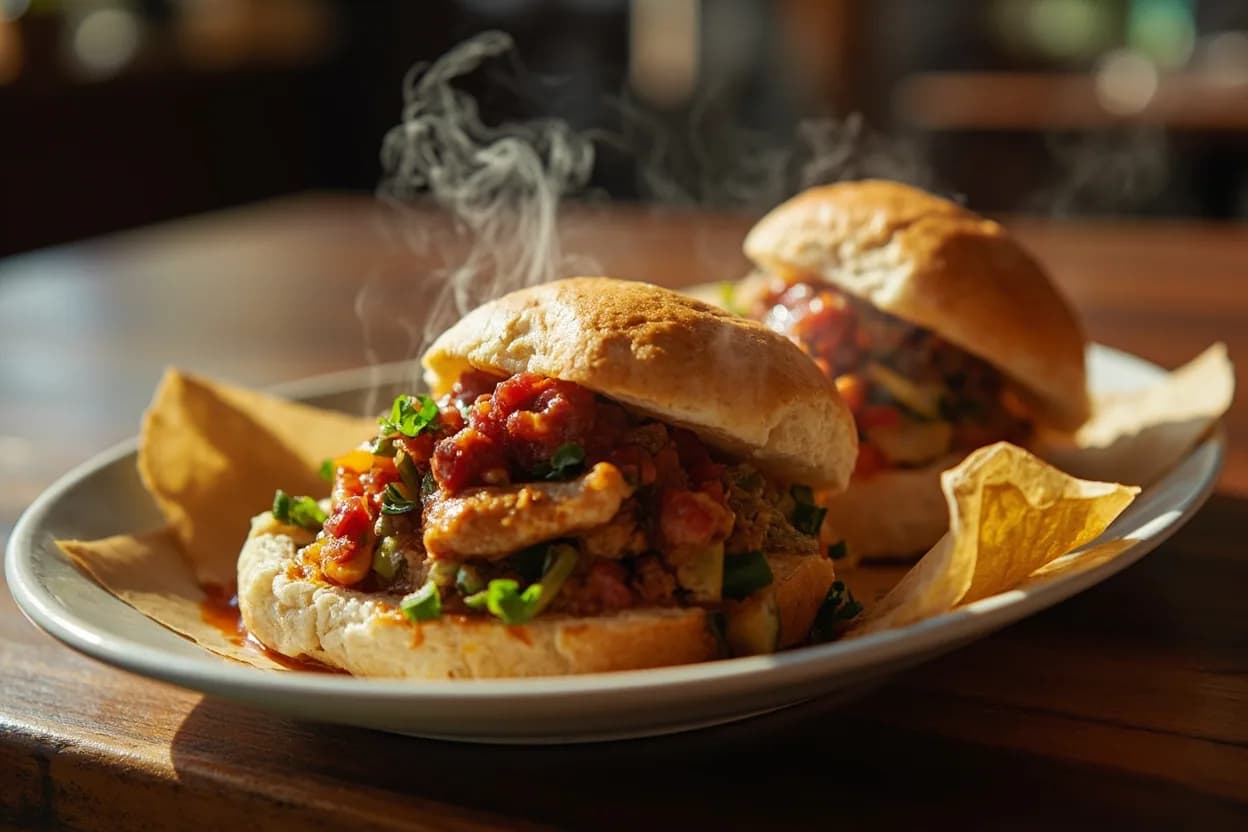
The bolillo's role in Mexican sandwich construction is structural, not decorative. When building a torta, the roll is split horizontally but not all the way through—one hinge of crust remains to hold the sandwich together as it is picked up and eaten. The interior surfaces are often spread with beans, crema, or mayonnaise as a moisture barrier against wet fillings like salsa or pickled vegetables. The bread must support the weight of protein, avocado, jalapeños, and pickled onions without collapsing or soaking through—a functional demand that shapes every aspect of how bolillos are made, from their density to their crust thickness. Telera rolls serve a similar structural purpose but are wider with a center cleft, making them better suited to certain torta styles like the drowned torta ahogada, where the wider surface area matters.
- Split horizontally but leave one hinge of crust to act as a structural backbone
- Spread interior surfaces with beans, crema, or mashed avocado as a moisture barrier before adding wet toppings
- Do not overfill—4 to 6 ounces of protein maximum keeps the sandwich manageable
Achieving Crust at Home
The crust is the defining quality of a properly made bolillo, and recreating it at home requires understanding what creates that shatteringly crisp exterior. Steam is the critical variable—during the first 10 to 15 minutes of baking, steam keeps the crust pliable enough to expand fully before it sets, resulting in maximum volume and proper oven spring. Once the crust is set and dry, higher heat finishes it to a deep golden amber. Home ovens, which lack the thermal mass of commercial deck ovens or stone hearths, benefit from two techniques: placing a pan of water on the bottom rack before preheating, or misting the oven interior with water from a spray bottle when first loading the bread. The crust should feel firm and make a hollow sound when tapped after cooling.
- Preheat oven to highest setting, 450–475°F/230–245°C, with a pan of water on the bottom rack for steam
- Mist the oven interior generously with water when first loading the bread if not using a steam pan
- Bake until deep golden amber; pale crust indicates insufficient heat or steam during the initial phase
- Cool completely on a wire rack before cutting—cutting into a warm bolillo causes the crumb to compress rather than slice cleanly
Common uses
Tips & pitfalls
- Buy from a panadería in early morning for the freshest crust and most elastic crumb; most bakeries produce bolillos in the early morning hours for midday sales
- To achieve proper crust at home: preheat oven to highest setting (450–475°F/230–245°C), place a pan of water on the bottom rack for steam, or mist the oven interior with water when first loading the bread
- Storing bolillos in plastic bags immediately after purchase traps moisture and makes the crust soft and chewy instead of crisp; use paper bags or a clean kitchen towel at room temperature
- Overfilling tortas is the most common mistake; a proper bolillo torta should be substantial but manageable—aim for 4 to 6 ounces of protein maximum
- When reheating frozen bolillos, slice first while still frozen, then toast in a dry skillet or oven to restore crustiness without thawing through
- If bolillos arrive slightly stale, mist lightly with water and bake 5–7 minutes at 375°F/190°C to partially revive before filling
- Do not confuse telera rolls with bolillos for traditional recipes; telera has a softer, wider shape with a center depression better suited to certain torta styles like torta ahogada
- Birote from west-central Mexico is denser and saltier than standard bolillo; it can be substituted directly but will yield a noticeably different texture in the final sandwich
Nutrition
Energy
1155 kJ · per 100 g
Where the calories come from
Protein
10.8g
22% DV
Carbs
51.9g
19% DV
Fat
2.8g
4% DV
Fiber
5.4g
19% DV
Sugars
0.4g
of which
Sodium
492mg
21% DV
Source · USDA FoodData Central · approx. Rolls, pumpernickel
View on FDC →In the shops
Matched grocery products
No matched grocery products for Bolillo Roll yet.
Good to know
- Origin
- Mexico, developed during the Porfiriato era (late 19th century) as a Mexican adaptation of French baguette techniques introduced by immigrant bakeries
- Primary Ingredients
- Wheat flour, water, yeast, salt; some recipes include small amounts of sugar and vegetable shortening or lard
- Baking Method
- Originally baked in stone or clay ovens (horno de leña); modern versions use conventional ovens, often with steam injection for crust development
- Typical Dimensions
- Approximately 15–20 cm long, 8–10 cm wide, 6–8 cm tall
- Crust Character
- Thick, pale golden to amber crust, scored across the top before baking; becomes crisp and crackly when cooled
- Crumb Character
- Soft, airy, slightly chewy interior with irregular open crumb structure
- Shelf Life
- Best consumed within 6–8 hours of baking; stale but not dried bolillos can be revived in a hot oven at 375°F/190°C for 5–7 minutes
- Storage
- Room temperature in a paper bag up to 24 hours; freeze tightly wrapped for up to 2 months; thaw at room temperature or toast directly from frozen
- Regional Variant
- Called birote salado in parts of central Mexico—particularly Jalisco and Aguascalientes—where the crust is thicker and interior denser, sometimes using sourdough starter
Substitutes
- French baguette, halved crosswise — Crispier crust, less chewy interior; the best structural substitute for open-faced applications like molletes
- Italian ciabatta roll — Comparable chew and absorbency; may be too soft-crusted unless toasted heavily before use
- Portuguese broa roll — Uses cornmeal in addition to rye and wheat; heavier and denser but workable for tortas when fresh
- Telera roll — Nearly identical function in torta construction; slightly wider with a center depression; best direct substitute if available regionally
Pairs with
Also called
Pan Francés · Birote
Appears in these dishes
Related

White Rice
Fluffy long-grain rice — the neutral base for almost any meal

White Bread
Soft sandwich loaf for toast, sandwiches, and crumbs
Brown Rice
Nutty, whole-grain rice with chew and extra fiber

Basmati Rice
Fragrant, long-grain rice that cooks up light and separate
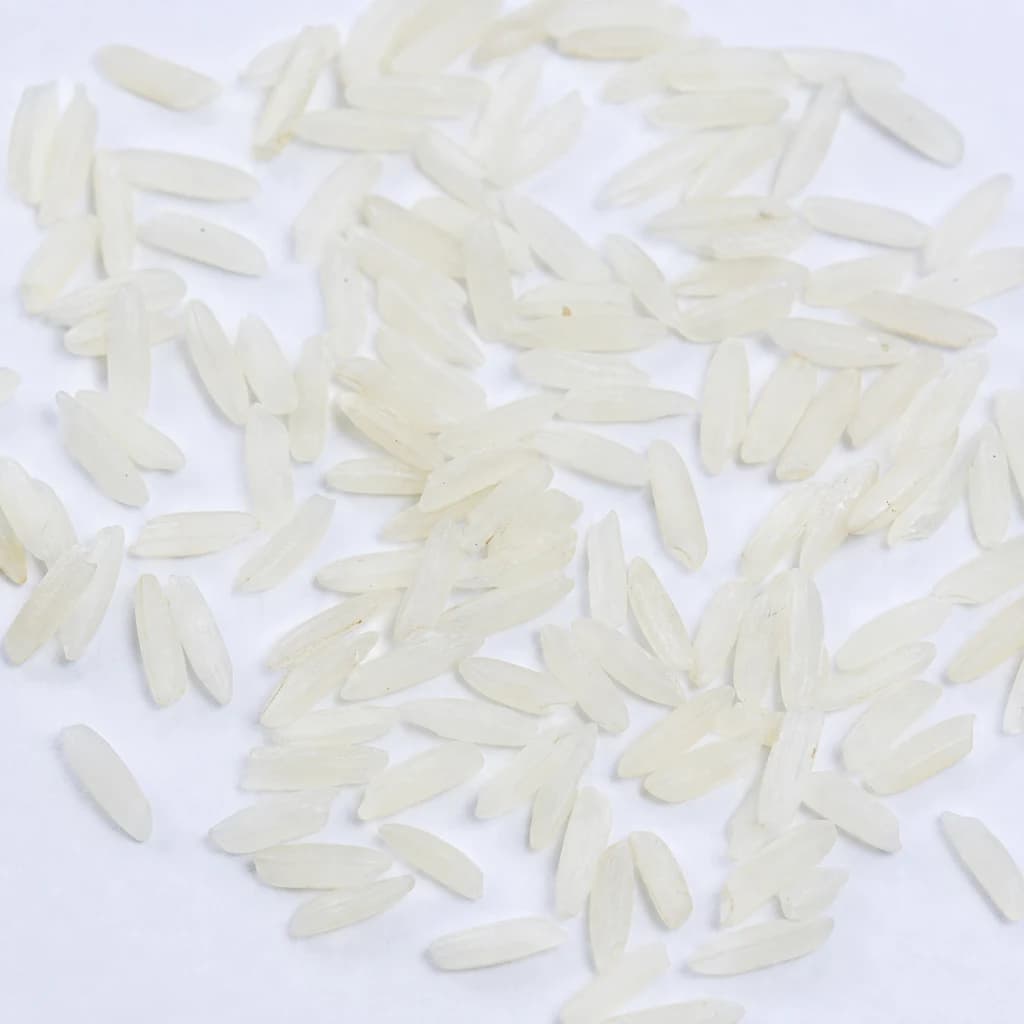
Jasmine Rice
Soft, floral-scented rice that's the pillar of Thai meals
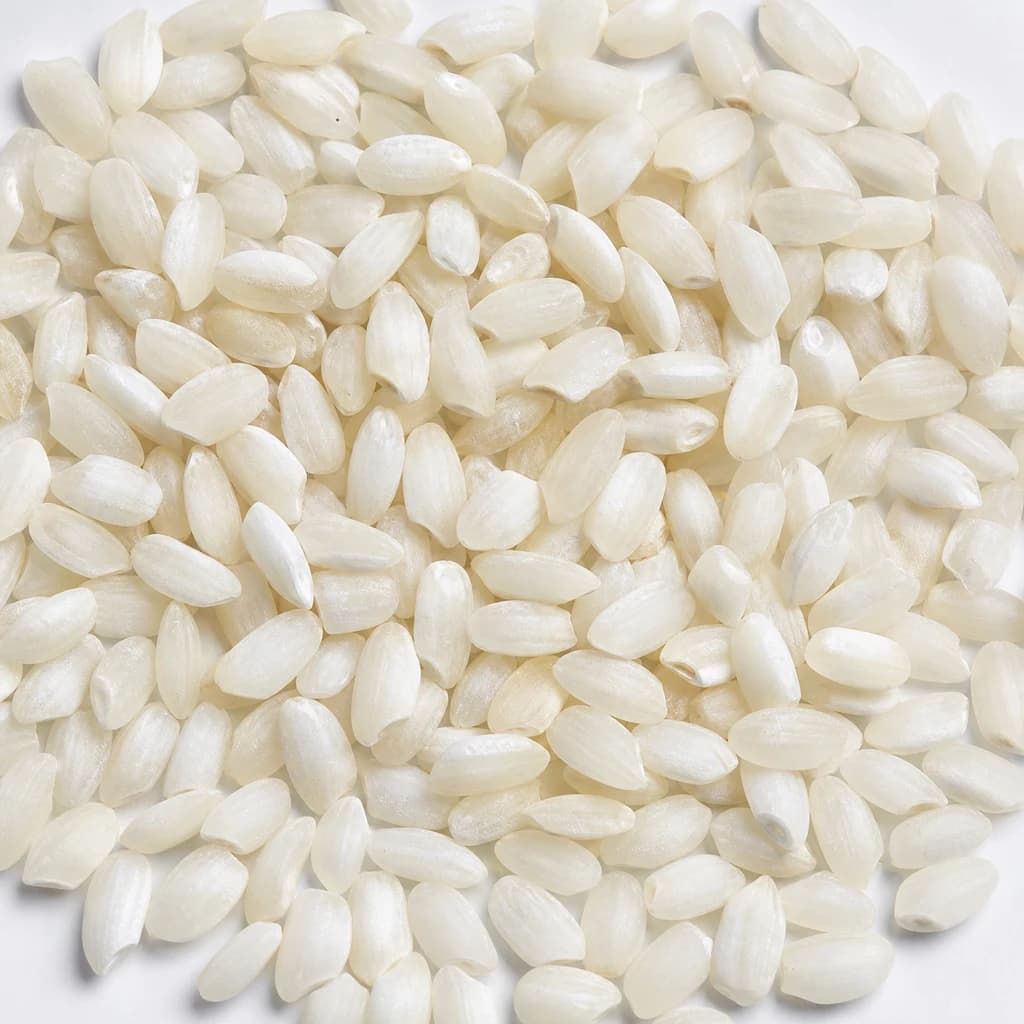
Arborio Rice
Plump, starchy rice that makes risotto creamy
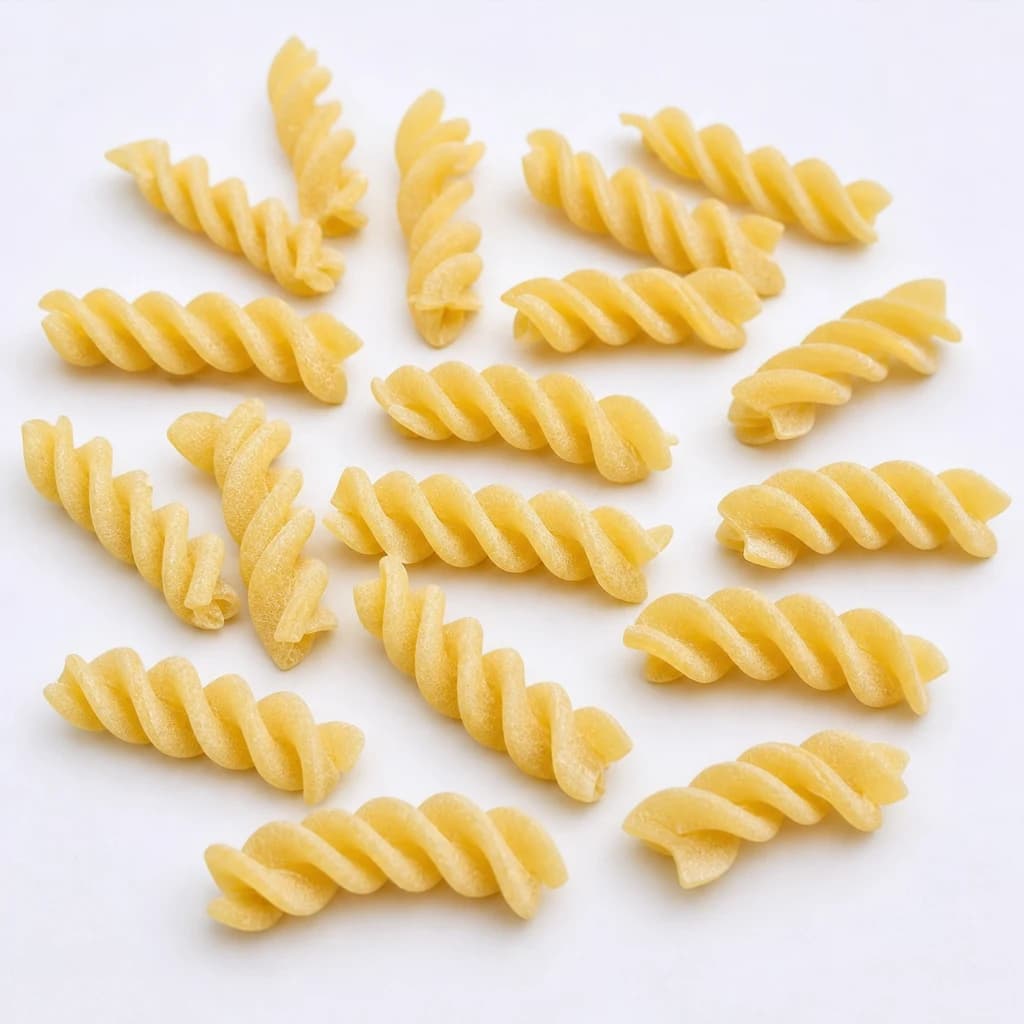
Fusilli
Spiraled pasta that twirls up sauce and dresses cold salads
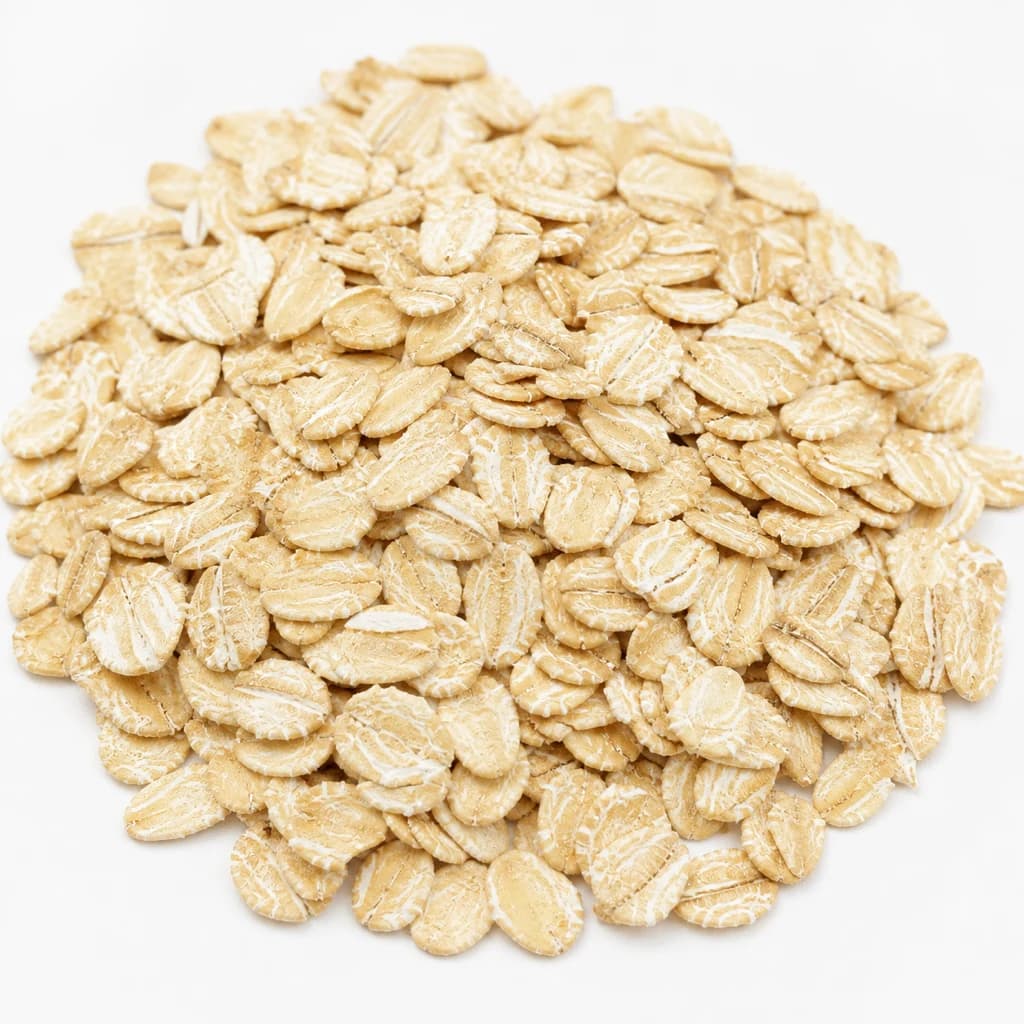
Rolled Oats
Hearty flakes for porridge, granola, and chewy cookies