Grains & Rice
Bolita Heirloom Corn
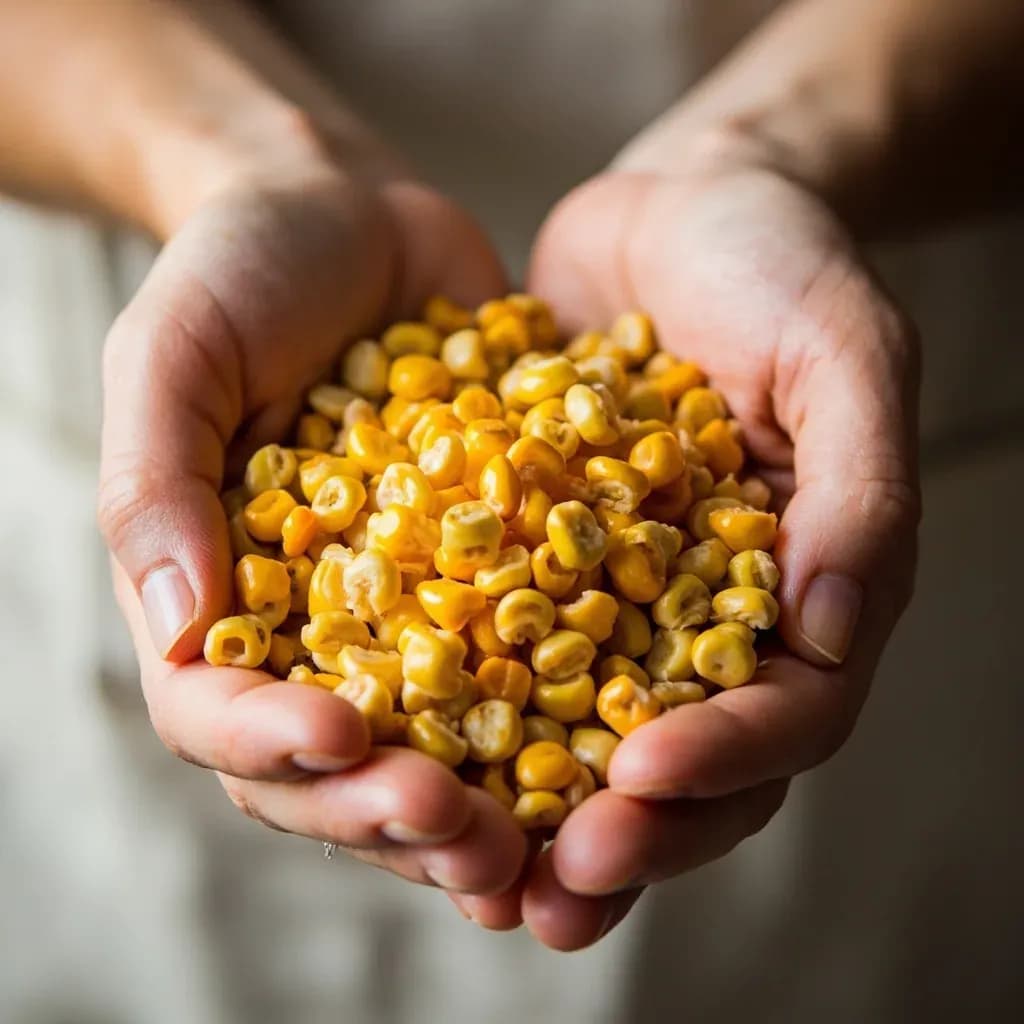
Plump heirloom corn from the US Southwest, nixtamalized for masa, tortillas and posole.
Bolita is a heirloom flour-corn variety from the US Southwest, recognized by its round, plump kernels. It is nixtamalized and ground into masa for tortillas and tamales, or used whole for posole. Growers prize it for a sweet, nutty corn flavor and its drought tolerance.
Bolita is a white flour corn (Zea mays amylacea) that has been cultivated for centuries in New Mexico by Pueblo and Hispano communities. Descended from Chapalote, one of the ancient Mesoamerican flour corns, Bolita represents a living culinary tradition predating modern commercial varieties. Its soft, starchy endosperm and thin pericarp make it exceptionally well-suited to nixtamalization—the lime-water cooking process that liberates bound niacin, creates the characteristic corn flavor, and produces pliable masa. Unlike dent field corns bred for animal feed or industrial processing, Bolita was selected over generations for its superior masa properties and the depth of its flavor. The resulting tortillas, tamales, and posole carry a more complex, distinctly corny sweetness with subtle mineral notes that commercial masa simply cannot match. Its small-batch availability and labor-intensive preparation have kept Bolita largely in the domain of traditional cooks and serious enthusiasts, though the rewards justify the effort for anyone committed to authentic New Mexican cooking.
- Measured in
- g
- Storage
- Pantry
Types & varieties
The common white flour corn; round, plump kernels, traditional New Mexico variety selected for masa quality
Related heirloom flour corn from the same genetic pool; reddish-brown kernels; used for pozole, pinole, and as a visual substitute in posole
Why Heirloom Corn Matters
Modern commercial field corn is bred for yield, mechanized harvesting, and industrial processing—not for flavor or cooking performance. Heirloom varieties like Bolita retain the soft endosperm and thin hulls that made ancestral corn delicious and nutritious. When you nixtamalize Bolita, the lime solution penetrates evenly, the pericarp releases cleanly, and the masa binds into silky, pliable dough. Commercial dent corn may technically work, but the masa will be denser, less aromatic, and more prone to tearing. The extra effort of sourcing heirloom corn pays dividends in every bite.
- Heirloom corns have not been genetically modified or extensively hybridized for industrial use
- Bolita's flour-type endosperm produces better masa texture than dent corns
- Heirloom varieties like Bolita were selected specifically for their cooking and flavor properties over centuries of cultivation
Understanding Nixtamalization
Nixtamalization is the alkaline cooking process that transforms raw corn into usable masa. The calcium hydroxide (pickling lime) raises pH, loosens the hull, swells the starches, and converts bound niacin (niacytin) into freely available niacin (vitamin B3), making it nutritionally accessible. Without nixtamalization, corn is difficult to digest and lacks the characteristic corn taste. The process takes 24-48 hours total, including cooking, steeping, and rinsing. Skipping steps or using wrong alkaline agents produces poor results—baking soda creates a different chemical environment that neither mimics traditional nixtamal nor produces authentic masa.
- Always use food-grade pickling lime (calcium hydroxide), never industrial lye
- The cooking water becomes rich with released nutrients—traditional cooks sometimes save it for cooking beans
- Properly nixtamalized corn should have a distinct cooked-corn aroma, not a raw or chemical smell
Common uses
Tips & pitfalls
- Sort and rinse dried kernels thoroughly before nixtamalizing—small stones are common in heritage corn and will damage your grinder
- For traditional NM-style tortillas, nixtamalize with food-grade pickling lime (calcium hydroxide), not baking soda or wood ash
- Grind while still slightly warm from cooking—this yields smoother and more pliable masa that holds together better when pressed
- If grinding dry (for pinole), toast kernels slowly in a dry skillet over medium heat until fragrant but not browned, about 10-15 minutes
- Do not skip the steeping step after cooking; 12-24 hours rest in cooking water develops the proper texture and flavor
- Common mistake: using dent field corn instead—Bolita's flour-type endosperm produces superior masa with better texture and corn flavor than feed-grade corn
- If masa tears when pressing tortillas, it is too dry (add cooking liquid a tablespoon at a time) or not cooked long enough during nixtamalization
- Store dried Bolita in airtight containers in a cool, dark pantry—it keeps indefinitely and you can nixtamalize small batches as needed
Nutrition
Energy
360 kJ · per 100 g
Where the calories come from
Protein
3.2g
6% DV
Carbs
19g
7% DV
Fat
1.2g
2% DV
Fiber
2.7g
10% DV
Sugars
3.2g
of which
Sodium
15mg
1% DV
Source · USDA FoodData Central · approx. Corn, sweet, white, raw
View on FDC →In the shops
Matched grocery products
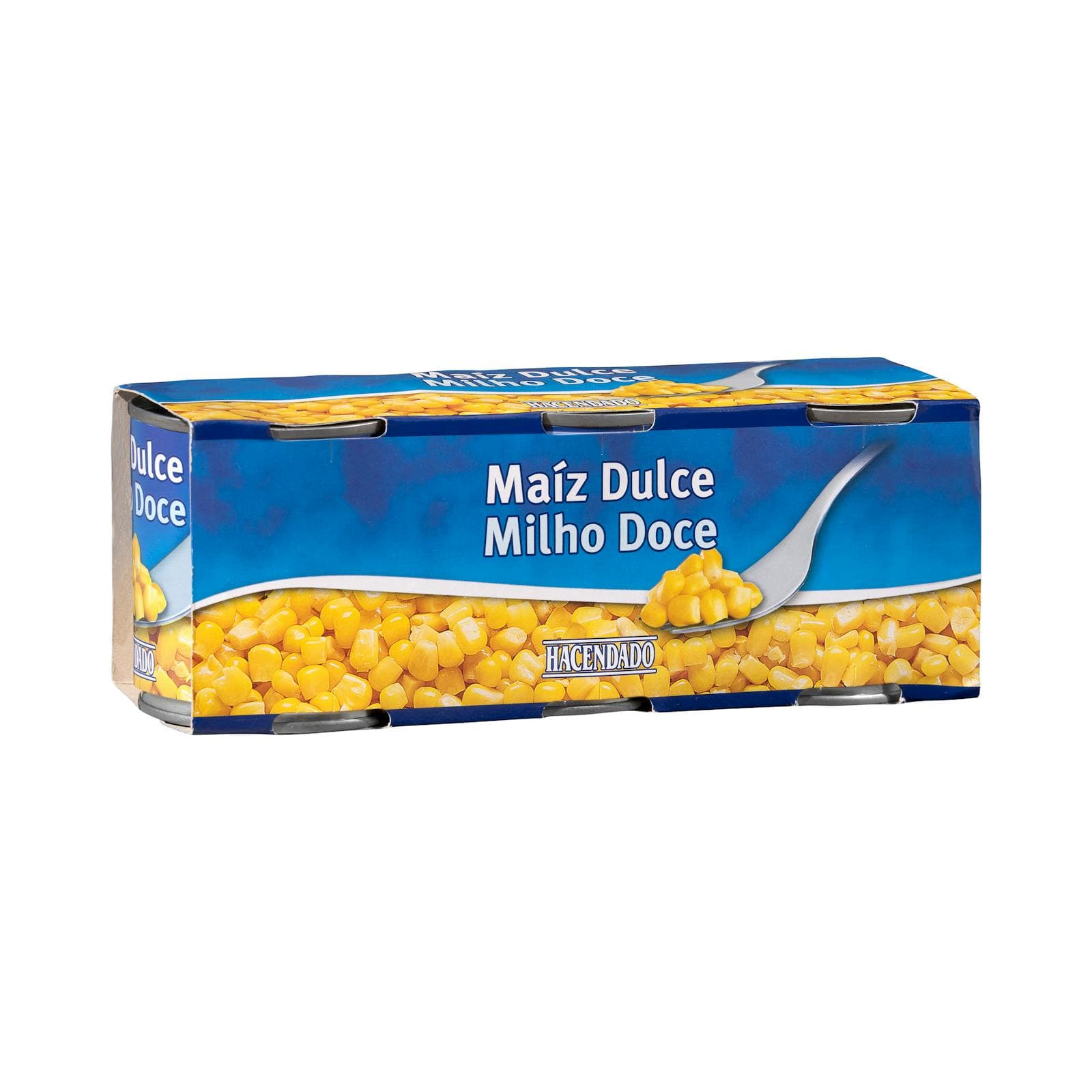 €1.55
€1.55Sweet Corn
Hacendado · 450 g · Mercadona
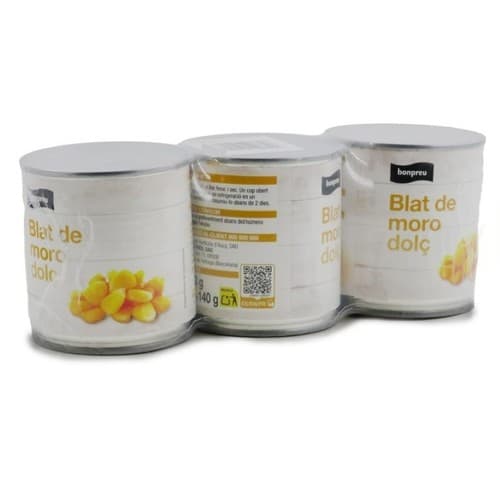 €1.59
€1.59Sweet Corn Bonpreu
BONPREU · kg · Bonpreu
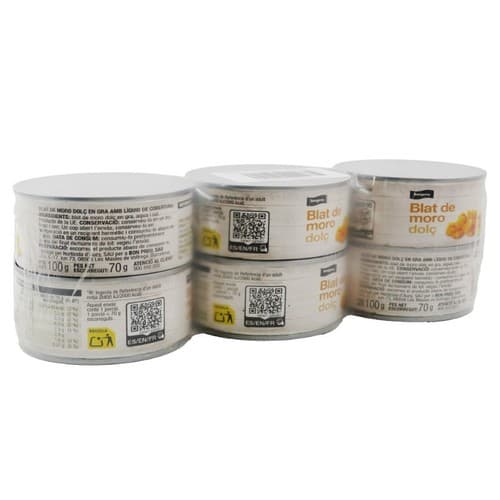 €2.49
€2.49Sweet Corn Bonpreu
BONPREU · kg · Bonpreu
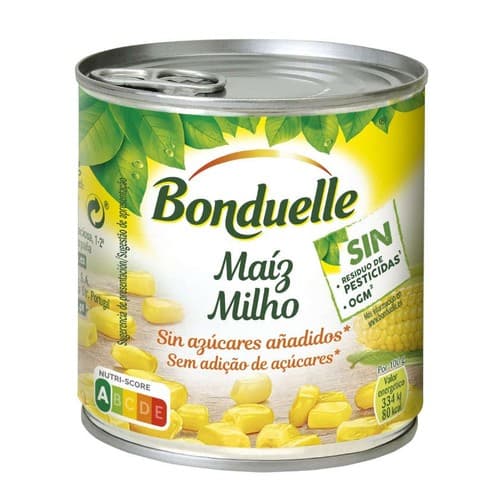 €1.99
€1.99Bonduelle Sweet Corn
BONDUELLE · kg · Bonpreu
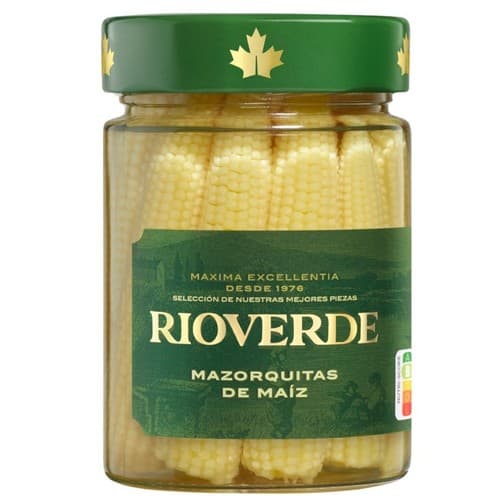 €2.99
€2.99Pickled Corn Kernels
RIOVERDE · kg · Bonpreu
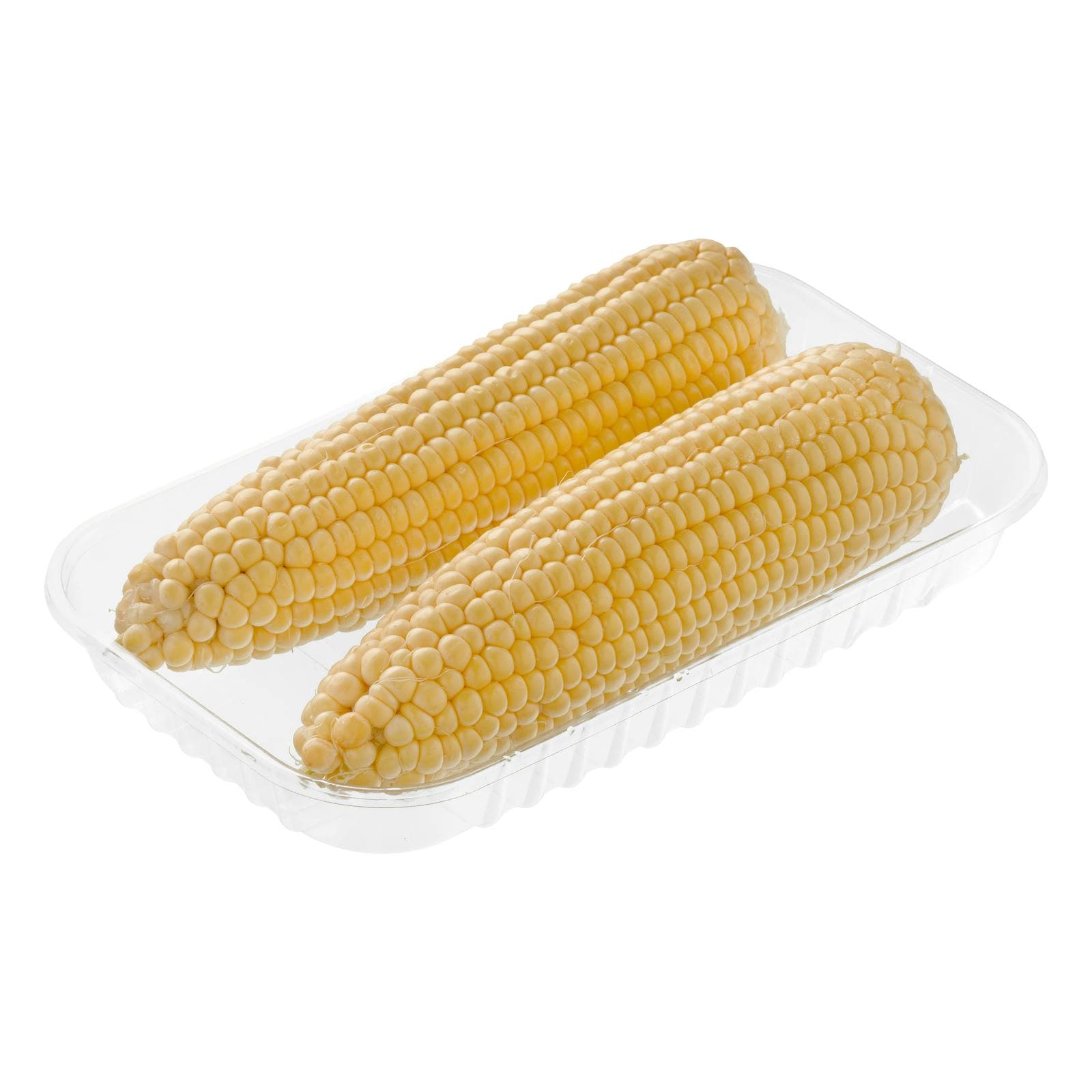 €3.15
€3.15Sweet Corn on the Cob
2 ud · Mercadona
Good to know
- Type
- White flour corn (Zea mays amylacea)
- Origin
- New Mexico, USA; cultivated by Pueblo and Hispano communities for centuries
- Kernel Color
- White to cream; sometimes pale yellow
- Endosperm
- Soft, starchy flour-type (not dent or flint)
- Primary Use
- Nixtamalization for masa, posole, and ground corn preparations
- Key Property
- High starch content and thin pericarp absorb lime water readily for superior nixtamalization
- Storage
- Dried kernels keep indefinitely in airtight container in cool, dark place
- Traditional Pairing
- New Mexican red and green chilies, lime, garlic, and cumin
Substitutes
- Chapalote heirloom corn — Same genetic background and excellent for masa; reddish kernels give a warm tint when dried and work especially well for posole and pinole
- Blue Aztec corn — Flour-type heirloom that yields good masa; distinctly different nutty flavor and blue color; perfectly acceptable for posole
- Commercial white field corn — Acceptable emergency substitute; lower starch content produces denser masa; extend nixtamalization cooking time by 15-20 minutes
- Masa harina (Maseca) — Convenience option for tortillas; reconstitute with warm water; lacks the depth and complexity of freshly nixtamalized Bolita but works in a pinch
Pairs with
Also called
Bolita Corn
Related

White Rice
Fluffy long-grain rice — the neutral base for almost any meal

White Bread
Soft sandwich loaf for toast, sandwiches, and crumbs
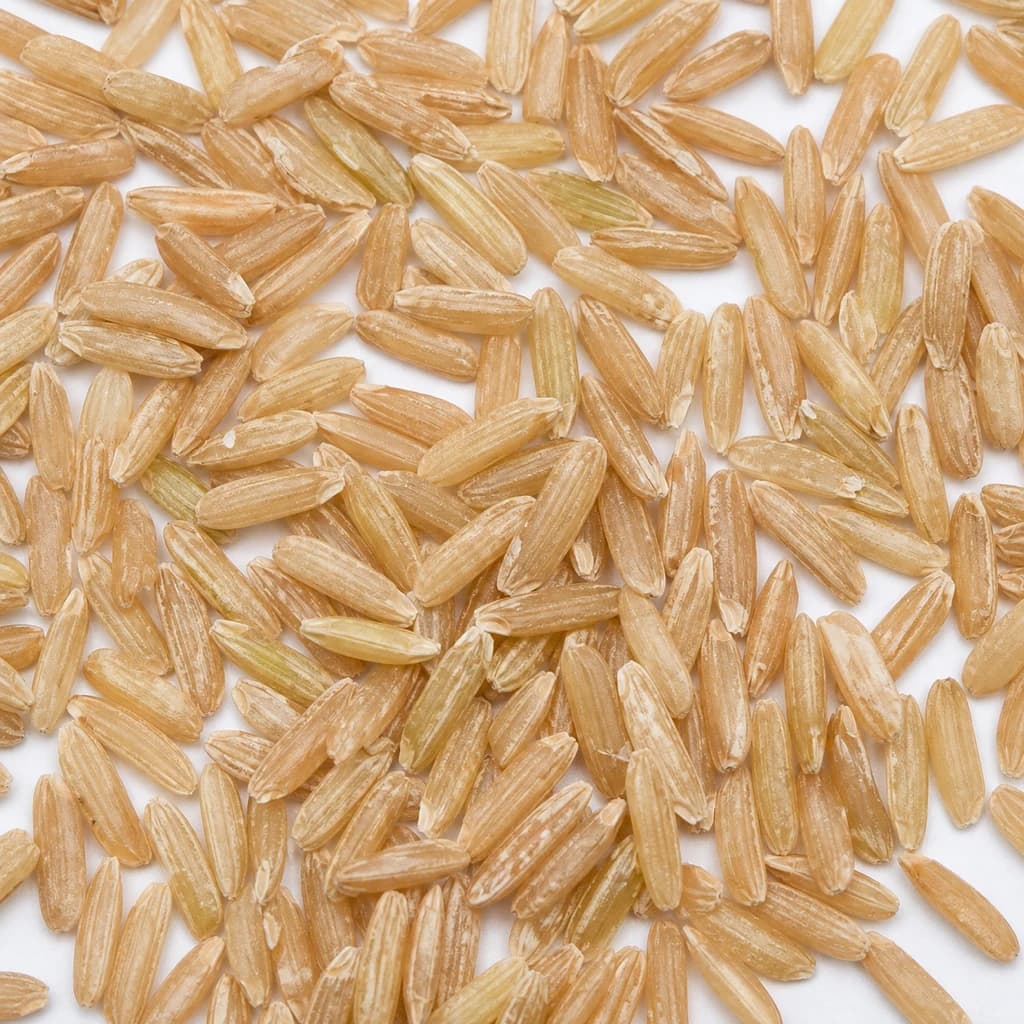
Brown Rice
Nutty, whole-grain rice with chew and extra fiber

Basmati Rice
Fragrant, long-grain rice that cooks up light and separate
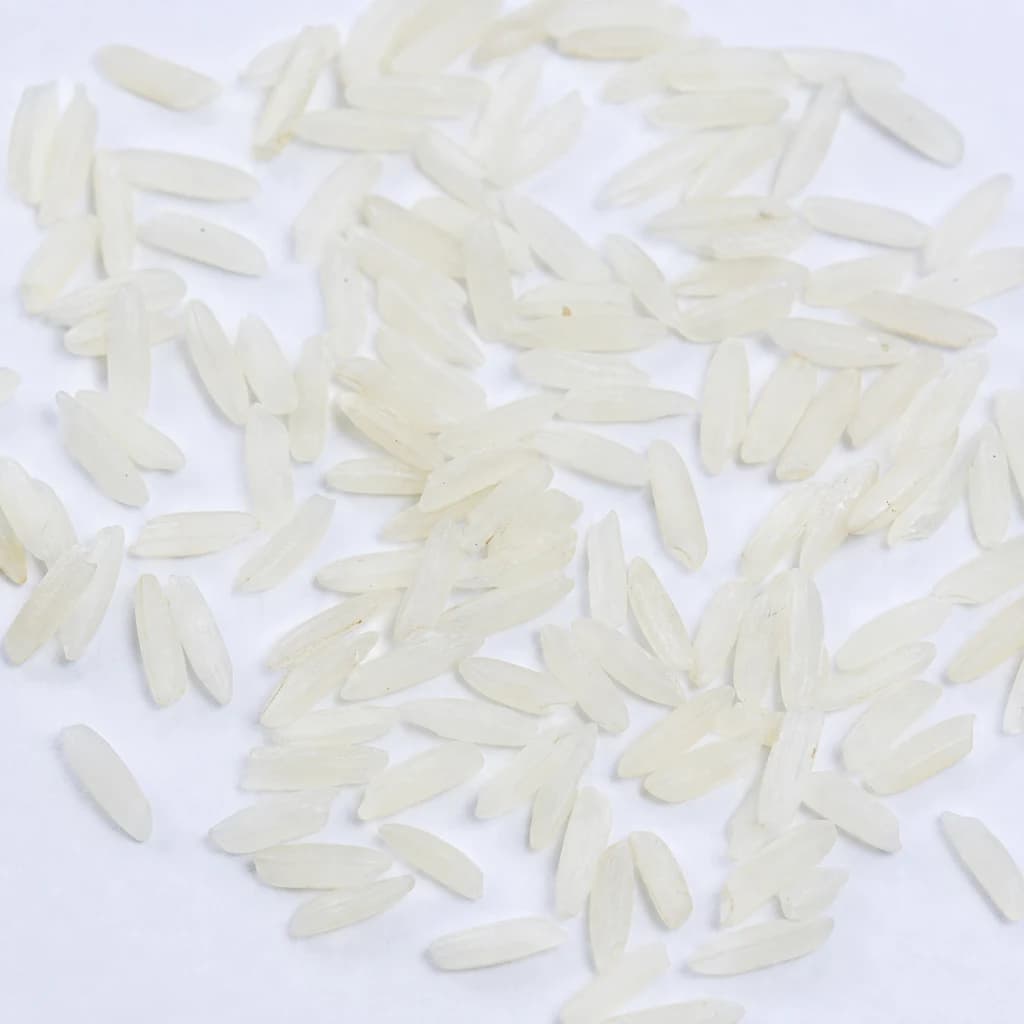
Jasmine Rice
Soft, floral-scented rice that's the pillar of Thai meals
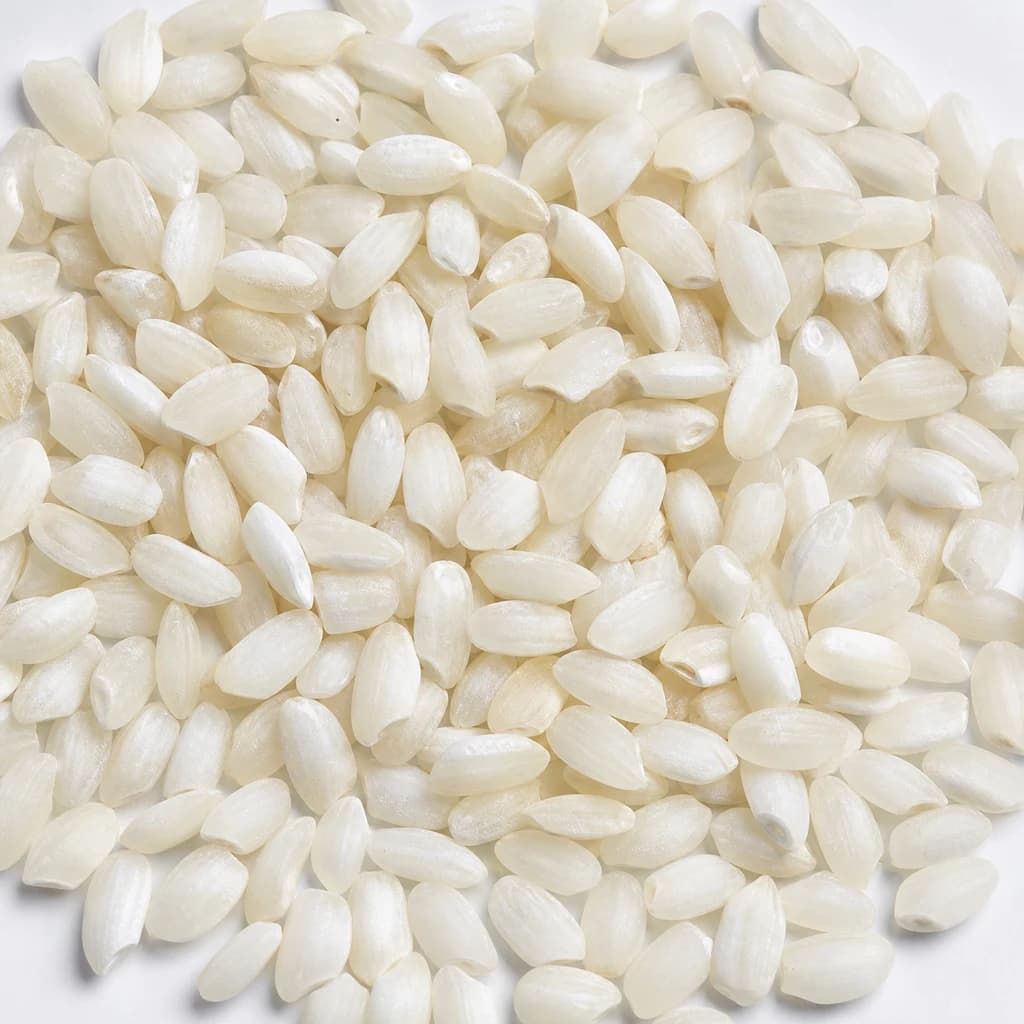
Arborio Rice
Plump, starchy rice that makes risotto creamy
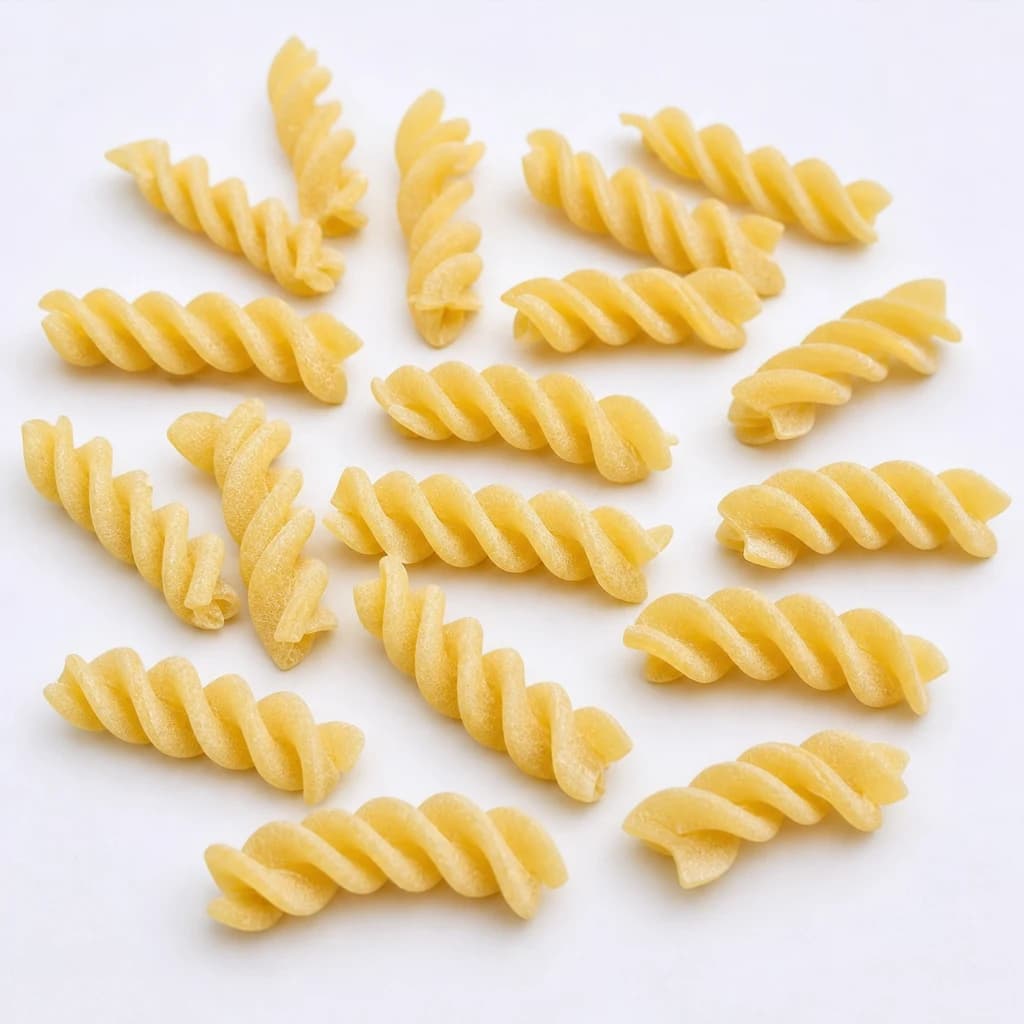
Fusilli
Spiraled pasta that twirls up sauce and dresses cold salads
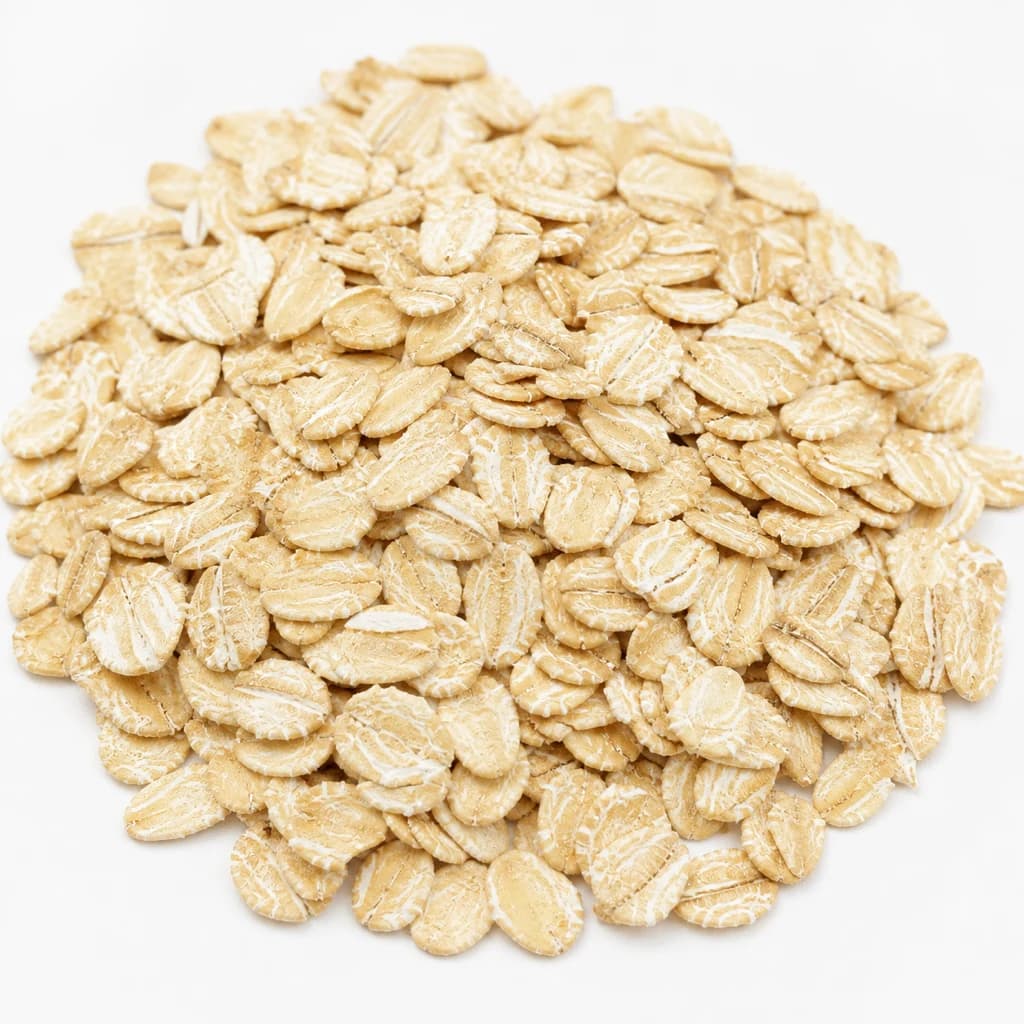
Rolled Oats
Hearty flakes for porridge, granola, and chewy cookies