Grains & Rice
Broken Rice
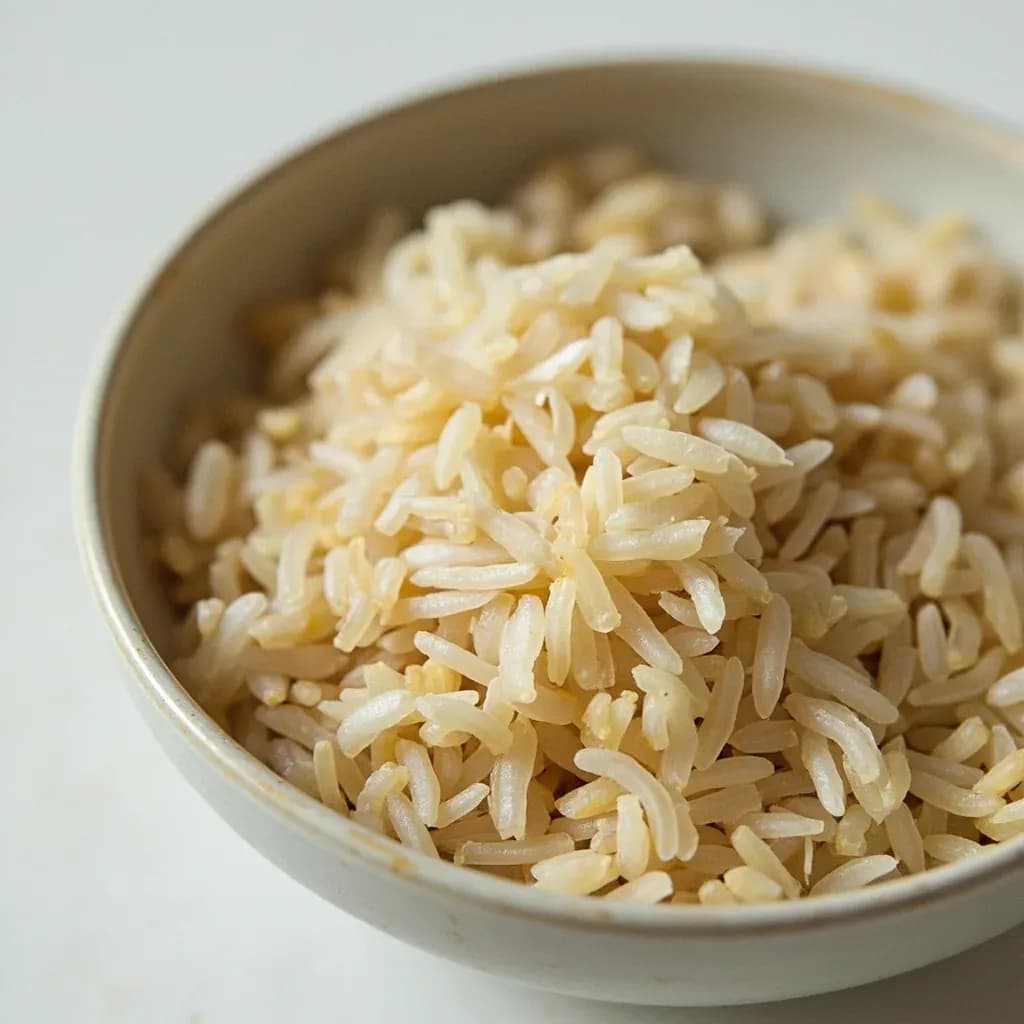
Fragmented rice grains that cook soft and fast, prized in Vietnamese com tam.
Broken rice consists of grains fractured during milling, once a cheaper byproduct now valued in its own right. It cooks quickly into a soft, slightly sticky texture and is the signature base of Vietnamese com tam and many West African dishes. The small fragments absorb sauces and seasoning readily.
Broken rice consists of rice grains fractured during milling, drying, or transport—ranging from roughly half a kernel down to fine fragments. The fractured surface allows water to penetrate quickly, so broken rice cooks faster and yields a distinctly soft, slightly sticky texture rather than fluffy, separate grains. This behavior is not a defect but a deliberate quality: in Vietnamese cuisine, broken rice (com tam) is the traditional and preferred choice for specific dishes because its cohesive, tender character carries sauces well and melds with the pickled vegetables and grilled proteins that accompany it. The misconception that broken rice is inferior persists in Western markets, where it is often relegated to industrial use, but a cook who understands broken rice's specific properties gains a versatile ingredient for congee, stuffings, and any application where a soft, fast-cooking grain is an asset rather than a liability.
- Measured in
- g
- Storage
- Pantry
Types & varieties
Vietnamese broken rice; typically long-grain jasmine or indica varieties broken during milling; the benchmark for com tam dishes.
Breaks to roughly half-kernel size; used in porridge, rice puddings, and infant food.
Common in East Asian markets; breaks into small fragments; ideal for congee due to rapid starch release.
Fractured basmati grains; used in biryani and pulao where faster cooking is desired; maintains some aromatic quality.
Broken jasmine rice; widely available in Southeast Asian markets; soft texture, subtle floral notes.
Com Tam Culture
In Vietnam, com tam became embedded in culinary tradition through its distinctive texture and cooking properties. Street vendors specializing in com tam plates are ubiquitous in Ho Chi Minh City, where the rice is typically served warm with various grilled and steamed protein options. The fractured grain absorbs the savory juices from the proteins and nuoc cham sauce more readily than whole rice would, making every bite cohesive and flavorful. Vietnamese cooks select and sort broken rice by fragment consistency, recognizing that uniform pieces cook evenly—a detail that distinguishes quality com tam from generic broken rice. This is not economy rice; it is a deliberate ingredient with its own preparation standards and cultural significance.
- Quality com tam is sorted to ensure consistent fragment size before cooking
- The dish exemplifies how Vietnamese cuisine transforms available ingredients into distinctive preparations
- Com tam is traditionally served at breakfast and lunch, though vendors' hours vary
Common uses
Tips & pitfalls
- Rinse briefly: unlike whole rice, broken rice needs only a quick rinse (1–2 times) to remove surface dust without losing the fractured starch coating that contributes to texture.
- Adjust water ratio: use 1.5 to 2 parts water per 1 part broken rice (versus 1.25:1 for whole rice) to achieve properly hydrated, non-mushy results.
- Soak briefly for uniformity: a 10–15 minute soak helps larger and smaller fragments cook evenly.
- Use for congee deliberately: broken rice is not a defect in congee-making—it is the traditional choice for silky texture.
- Avoid high heat for sticky results: medium heat with a tight lid prevents the softer texture from becoming gluey.
- Do not overwash: excessive rinsing strips starch needed for the cohesive, soft texture that defines good broken rice dishes.
- Watch cooking time closely: the fractured surface means broken rice overcooks quickly; start checking at 15 minutes.
Nutrition
Energy
1536 kJ · per 100 g
Where the calories come from
Protein
7.5g
15% DV
Carbs
76.3g
28% DV
Fat
3.2g
4% DV
Fiber
3.6g
13% DV
Sugars
0.7g
of which
Sodium
5mg
0% DV
Source · USDA FoodData Central · approx. Rice, brown, long-grain, raw (Includes foods for USDA's Food Distribution Program)
View on FDC →In the shops
Matched grocery products
No matched grocery products for Broken Rice yet.
Good to know
- Definition
- Rice grains fractured during milling, drying, or transport; the fracture allows faster water absorption and softer texture compared to intact kernels.
- Primary Origin
- Produced worldwide wherever rice is milled; Vietnam specifically prizes certain broken rice grades as com tam.
- Grading
- Rice is graded by percentage of broken kernels; specialty broken rice varieties can be sorted to consistent fragment sizes for specific culinary uses.
- Cooking Time
- 15–25 minutes (faster than equivalent whole-grain rice due to fractured surface area).
- Texture When Cooked
- Soft, slightly sticky, and tender; tends toward a cohesive mass rather than distinct fluffy grains.
- Typical Storage
- Airtight container in a cool, dry, dark pantry; keeps 1–2 years sealed, 6 months once opened.
- Price
- Generally cheaper than whole-kernel rice, though specialty Vietnamese com tam varieties can command premium prices.
- Grain Size
- Broken pieces vary from roughly half a kernel to fine fragments; uniformity affects cooking consistency.
Substitutes
- Short-grain white rice — Will require more cooking time; final texture will be slightly firmer and less sticky.
- Sushi rice — Cooks similarly fast due to high starch content; results in stickier consistency.
- Medium-grain white rice — A reasonable substitute for congee; will yield a slightly less smooth result.
Pairs with
Also called
Riz Brisé · Com Tam Rice
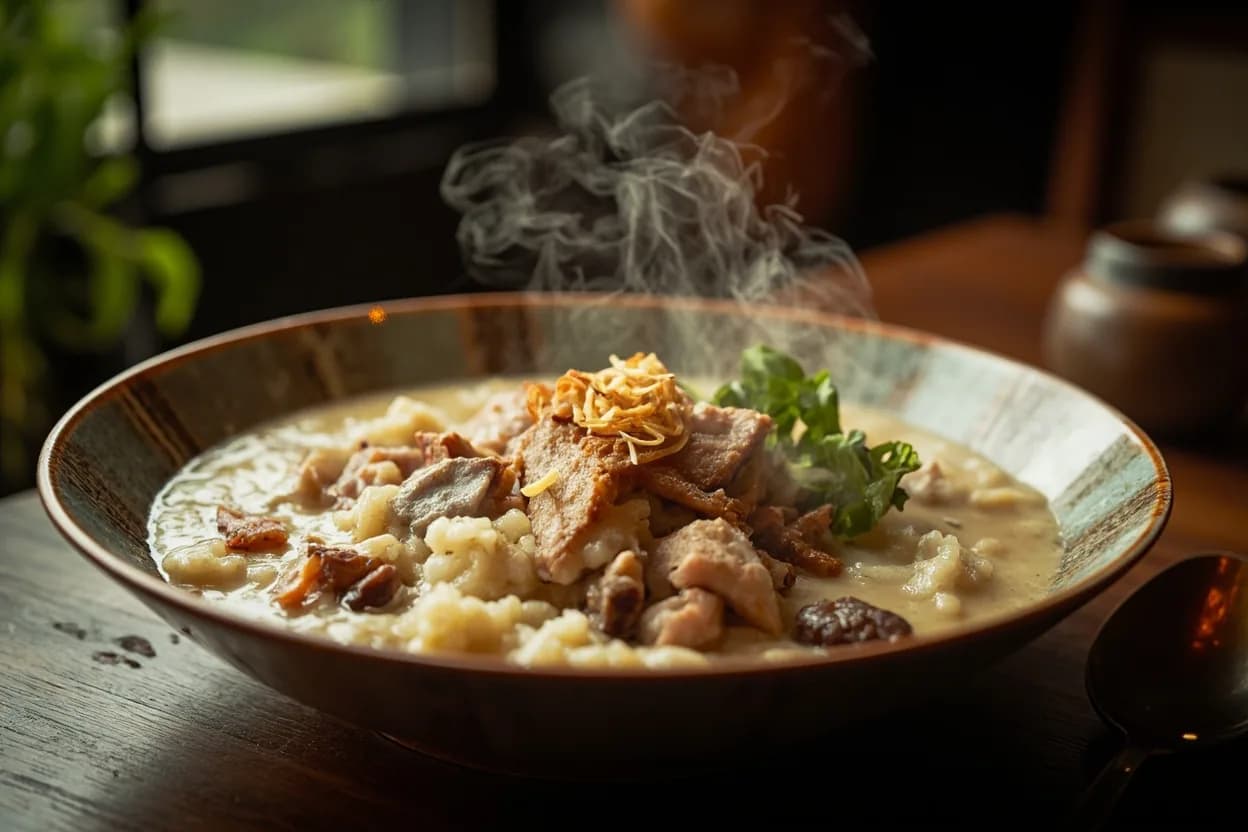
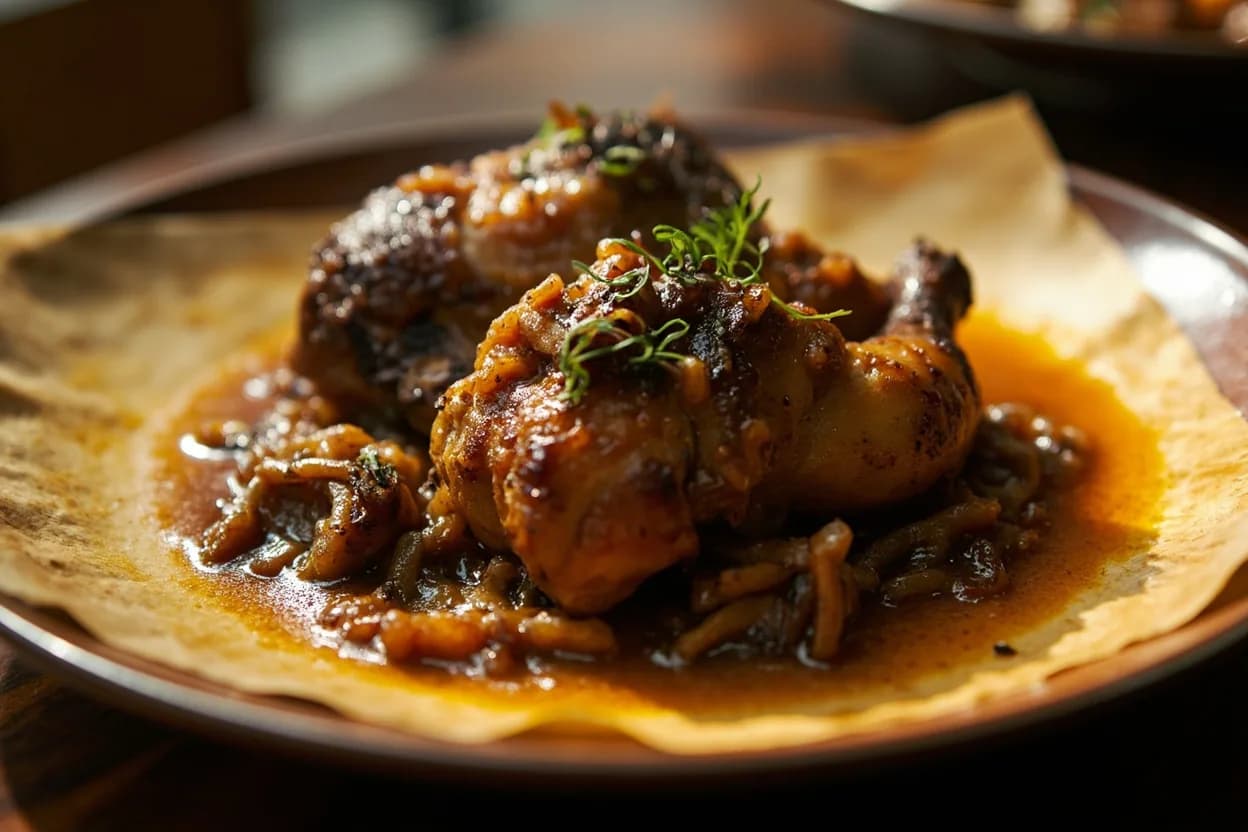
Appears in these dishes
Related

White Rice
Fluffy long-grain rice — the neutral base for almost any meal

White Bread
Soft sandwich loaf for toast, sandwiches, and crumbs
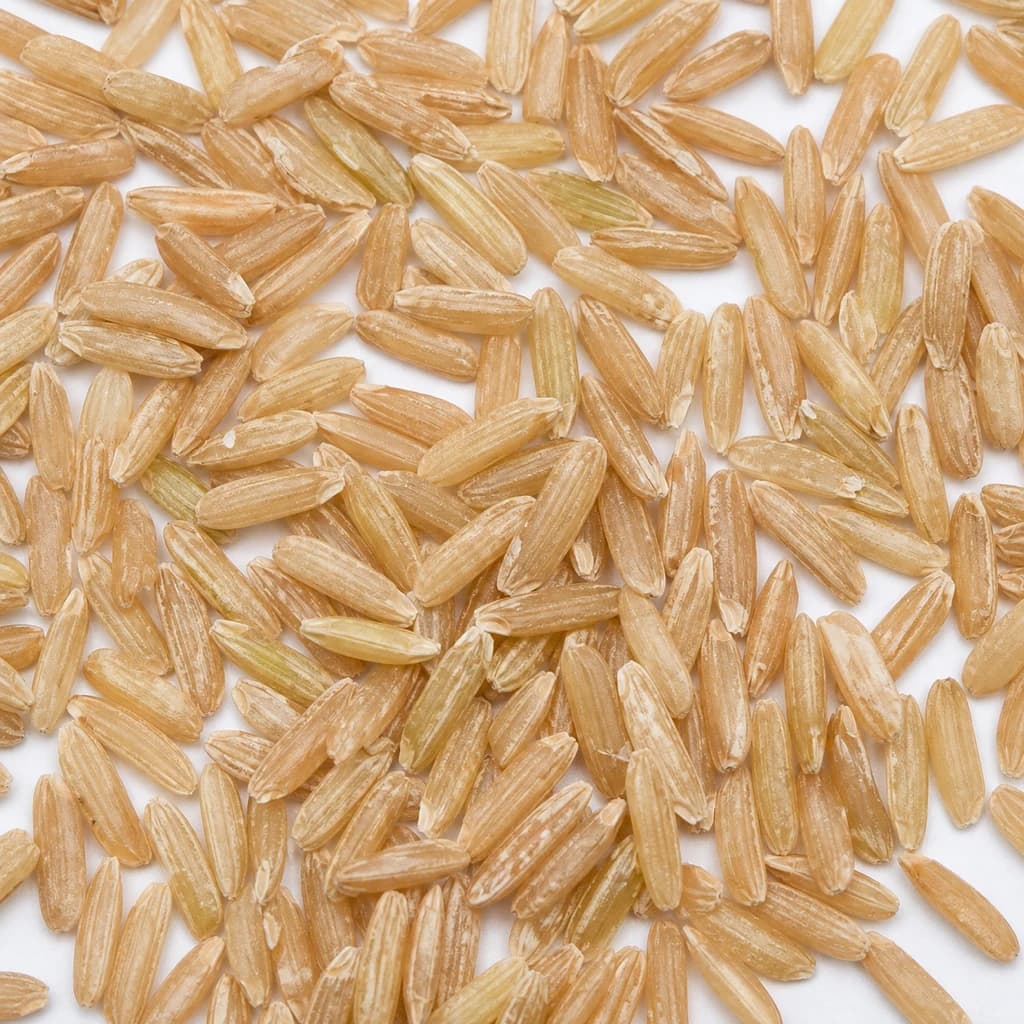
Brown Rice
Nutty, whole-grain rice with chew and extra fiber

Basmati Rice
Fragrant, long-grain rice that cooks up light and separate
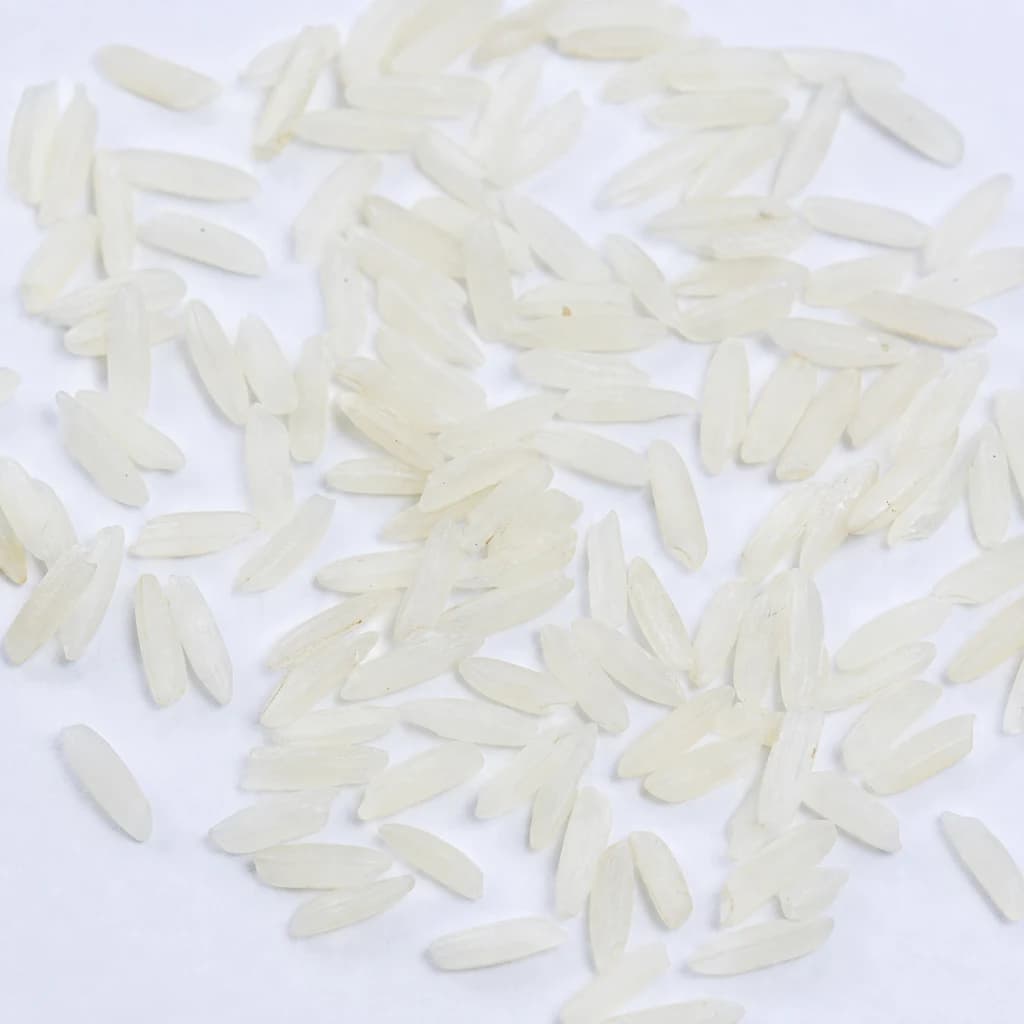
Jasmine Rice
Soft, floral-scented rice that's the pillar of Thai meals
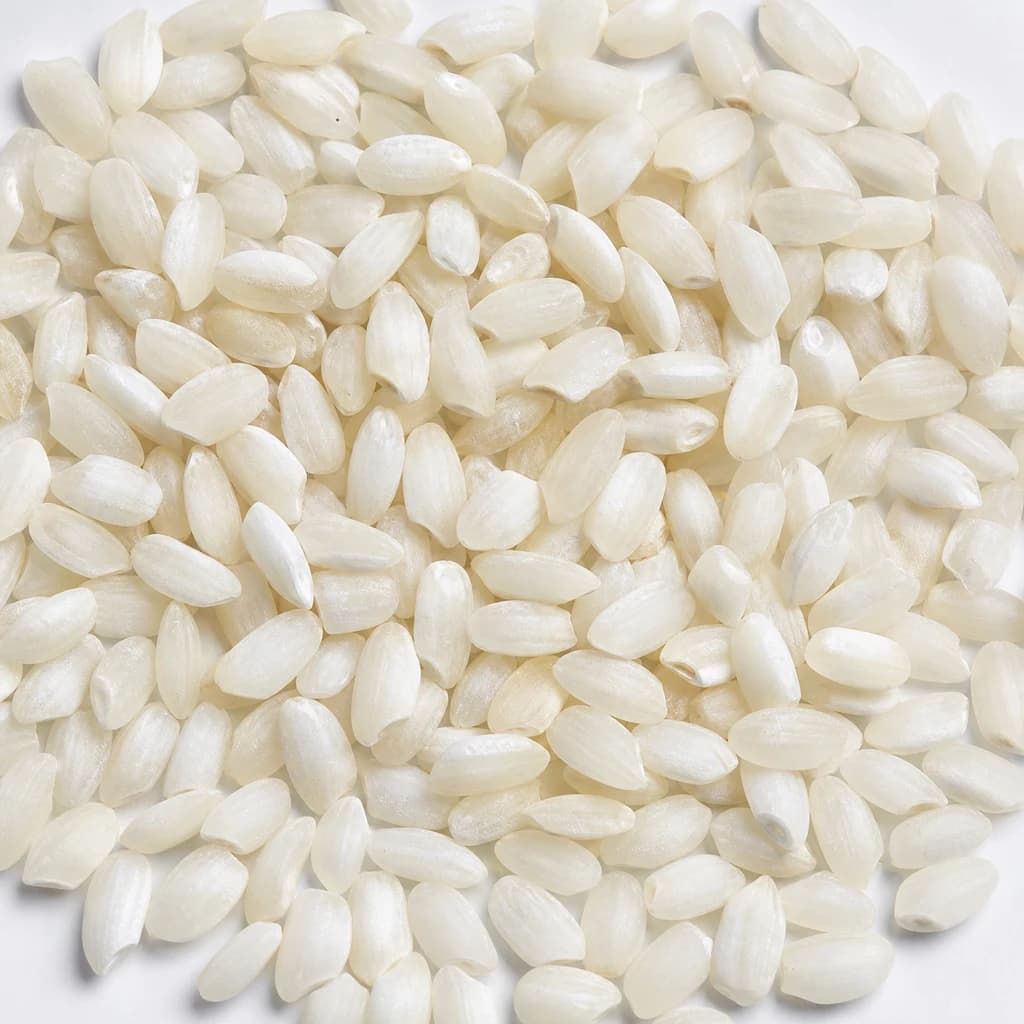
Arborio Rice
Plump, starchy rice that makes risotto creamy
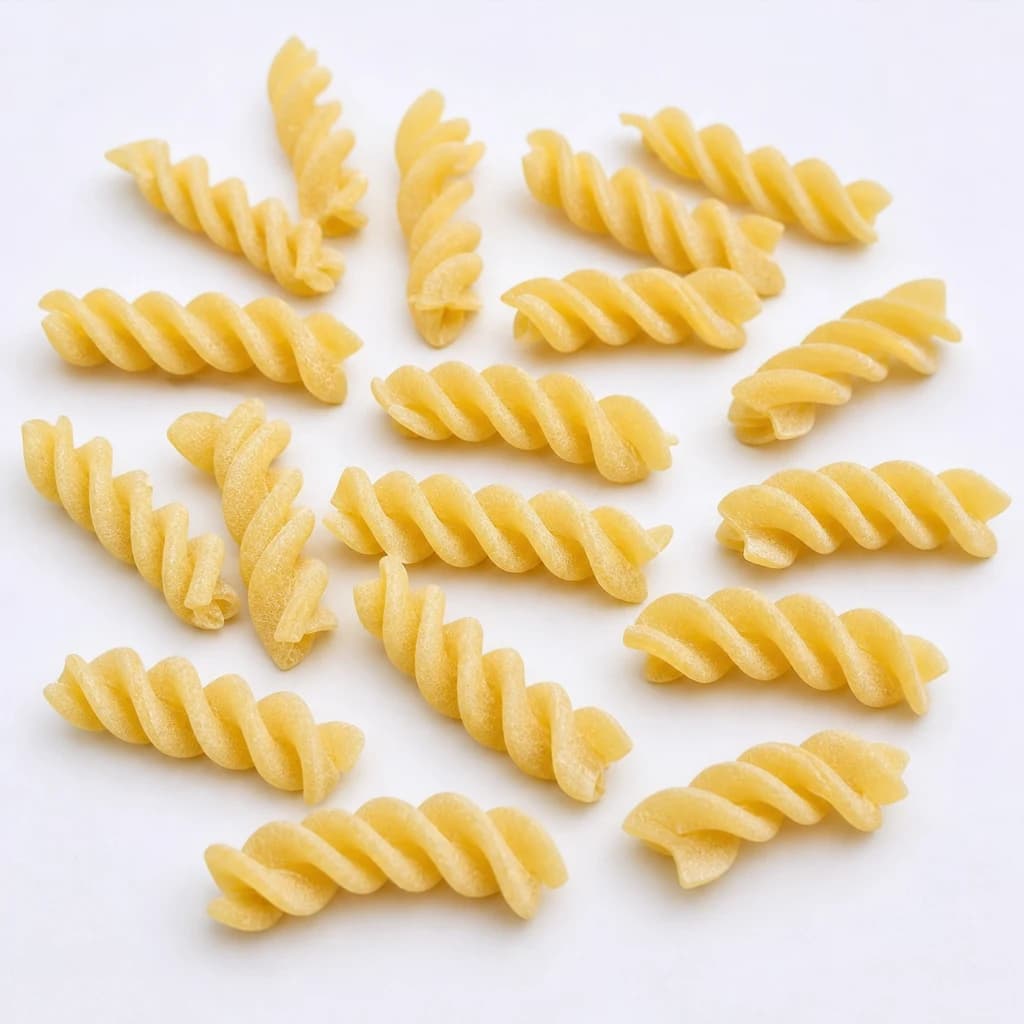
Fusilli
Spiraled pasta that twirls up sauce and dresses cold salads
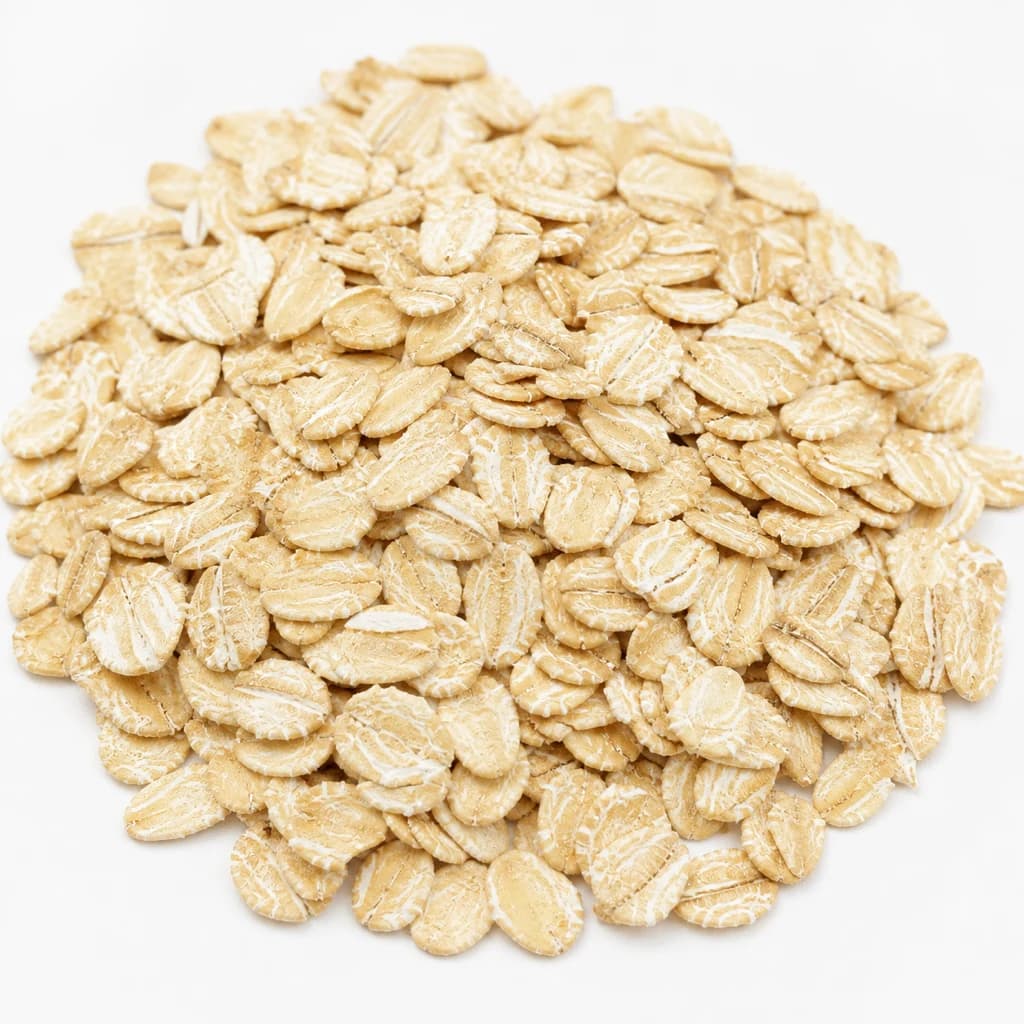
Rolled Oats
Hearty flakes for porridge, granola, and chewy cookies