Grains & Rice
Country Rice
Locally grown, minimally milled rice common in West African and rural cooking.
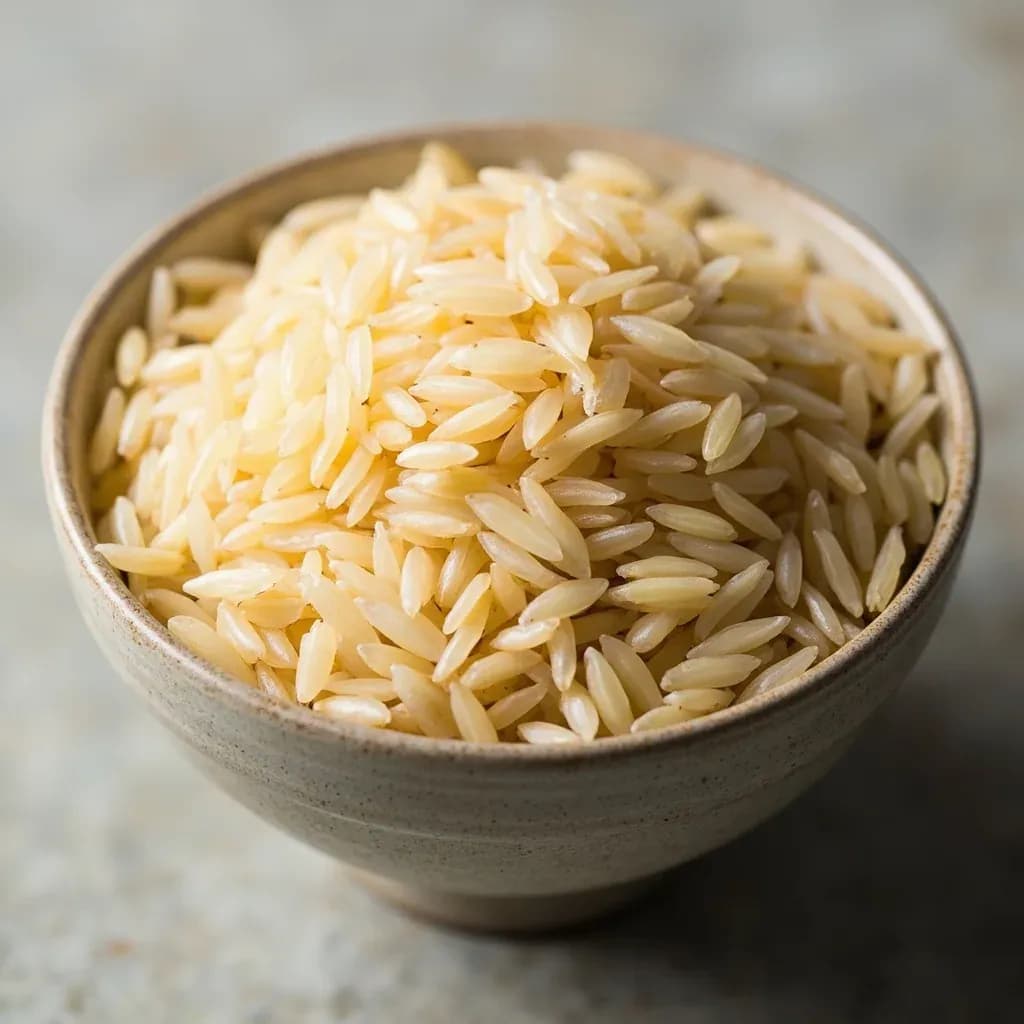
Country rice refers to locally grown, often hand-pounded or lightly milled rice used across West Africa and other rural regions. It tends to retain more of the bran, giving an earthier flavor and slightly chewy texture than polished commercial rice. It is the everyday staple grain for stews and rice dishes.
Country rice is a category rather than a single cultivar—it denotes locally grown, minimally milled rice produced within West African food systems, including Nigeria, Ghana, Sierra Leone, and Cameroon. Unlike polished imported rice, country rice retains varying amounts of the bran layer through minimal milling, and much of it undergoes parboiling before final de-husking, which improves shelf life while preserving fiber and flavor. The result is a short-to-medium grain with a creamy white to light brown color, often speckled with bran flecks, delivering a nutty, faintly earthy aroma distinctly different from fully milled varieties.
In texture, country rice behaves like short-grain rice—it absorbs more water than long-grain varieties and produces a firmer, less sticky cooked grain. The higher oil content in the bran layer means it cooks in 25–40 minutes with a water ratio of approximately 2:1 to 2.5:1. This is not a rice that will give you the distinct, separate grains of jasmine or basmati; instead, it yields a cohesive but not mushy result well-suited to the saucy, stew-laden dishes that define West African cuisine. The distinction from imported rice is economic, cultural, and culinary—country rice carries the flavor and character that traditional dishes were built around, and many West Africans prefer it for this reason, even as imported Asian long-grain dominates urban markets.
Processing varies by region and producer. Some country rice is merely de-husked and winnowed (approaching true brown rice), while most is lightly milled and parboiled, giving it better storage stability than true brown rice while retaining more fiber and flavor than polished imports. This parboiling step—heating the grain in the husk before milling—is what helps give Nigerian Ofada and Abakaliki rice their characteristic firmness and aroma. In Ghana, government promotion of local rice has revived varieties like Volta rice grown in the Volta Region floodplains, while in Nigeria, Abakaliki rice from Ebonyi State has become a nationally recognized commercial brand of local rice.
- Measured in
- g
- Storage
- Pantry
Types & varieties
Nigeria; short-grain, strongly aromatic, traditionally served with palm oil sauce and locust bean
Nigeria (Ebonyi State); widely commercialized country rice variety
Ghana; grown in the Volta Region floodplains
Northern Cameroon varieties grown by smallholder farmers
Often swamp-grown; similar processing to Nigerian local rice
Common uses
Tips & pitfalls
- Wash rice thoroughly in cold water 2–3 times before cooking to remove dust, debris, and excess starch—country rice carries more particulate matter than polished varieties.
- Soak for 15–30 minutes before cooking to reduce cooking time and ensure even hydration throughout the grain.
- Add more water than you would for polished rice (2 to 2.5 parts water per 1 part rice) because the bran layer absorbs significantly more liquid.
- Bring to a boil, reduce to low, and cook covered without lifting the lid—releasing steam causes uneven cooking and mushy patches.
- If rice tastes too firm after the water absorbs, add a tablespoon of water, cover, and steam for 5 more minutes rather than discarding it.
- Store in an airtight container in the refrigerator after opening—country rice's higher oil content causes rancidity within weeks at room temperature.
- For extra-separate grains in fried rice, cook the day ahead, spread on a tray, and refrigerate uncovered to dry surface moisture before frying.
Nutrition
Energy
1536 kJ · per 100 g
Where the calories come from
Protein
7.5g
15% DV
Carbs
76.3g
28% DV
Fat
3.2g
4% DV
Fiber
3.6g
13% DV
Sugars
0.7g
of which
Sodium
5mg
0% DV
Source · USDA FoodData Central · approx. Rice, brown, long-grain, raw (Includes foods for USDA's Food Distribution Program)
View on FDC →In the shops
Matched grocery products
No matched grocery products for Country Rice yet.
Good to know
- Common Names
- Local rice, village rice, native rice, Ofada rice (Nigeria), Abakaliki rice (Nigeria)
- Origin
- West Africa (Nigeria, Ghana, Sierra Leone, Cameroon)
- Processing
- Minimally milled, often parboiled before final milling
- Grain Shape
- Short to medium grain
- Color
- Creamy white to light brown with speckled bran flecks
- Flavor
- Nutty, faintly earthy; distinct aroma compared to fully milled rice
- Texture
- Firmer, less sticky than polished white rice when cooked
- Shelf Life
- 3–6 months sealed; refrigerate after opening due to higher oil content in bran layer
Substitutes
- Brown Rice — Closest whole-grain substitute; similar cooking time and water ratio but lacks the distinct aroma of country rice varieties.
- Parboiled Rice — Pre-processed similarly; produces a firm, separate grain but milder flavor; acceptable in jollof and fried rice.
- Converted Rice — American parboiled version; will work in most dishes but is more processed; use 2:1 water ratio.
- Red Cargo Rice — Thai/Asian multi-hulled rice; comparable fiber and nutty character; different grain length but functional in stews and soups.
Pairs with
Also called
Local Rice · Village Rice
Related

White Rice
Fluffy long-grain rice — the neutral base for almost any meal

White Bread
Soft sandwich loaf for toast, sandwiches, and crumbs
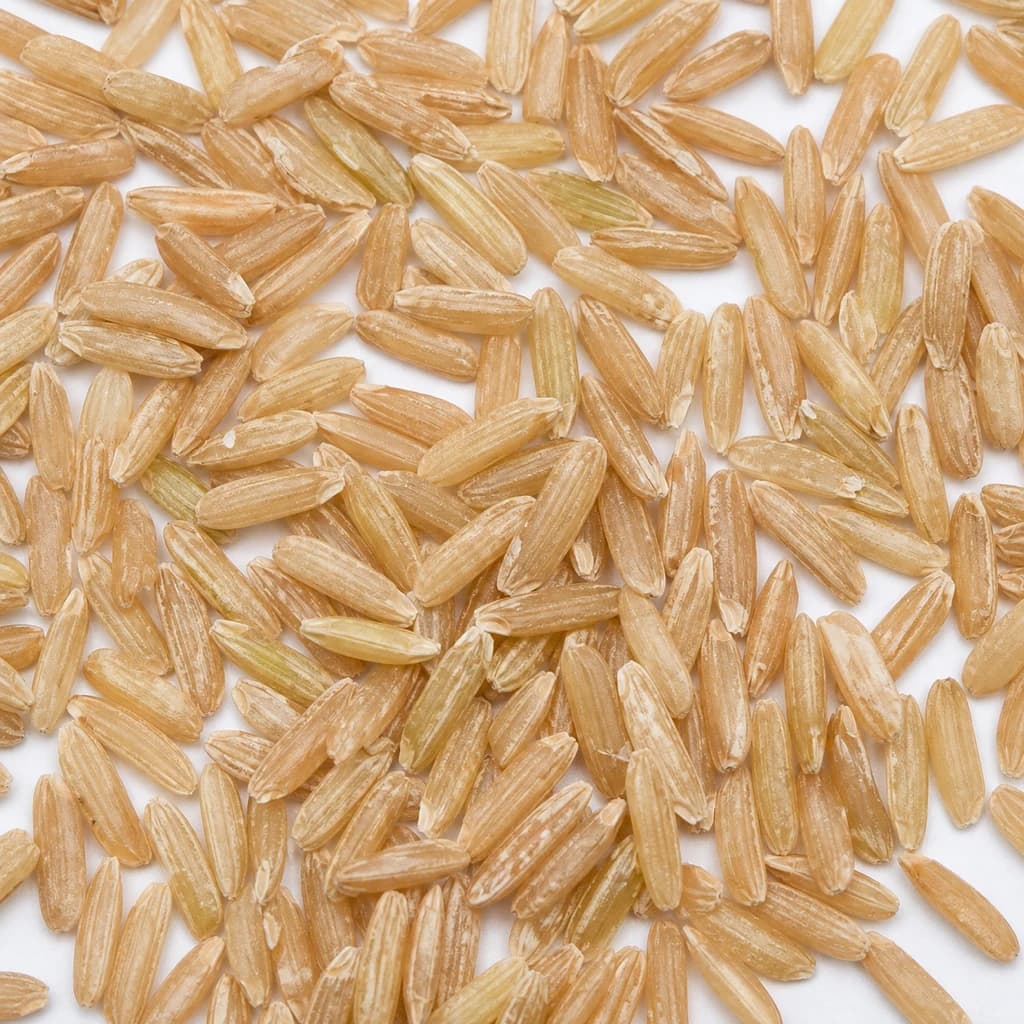
Brown Rice
Nutty, whole-grain rice with chew and extra fiber

Basmati Rice
Fragrant, long-grain rice that cooks up light and separate
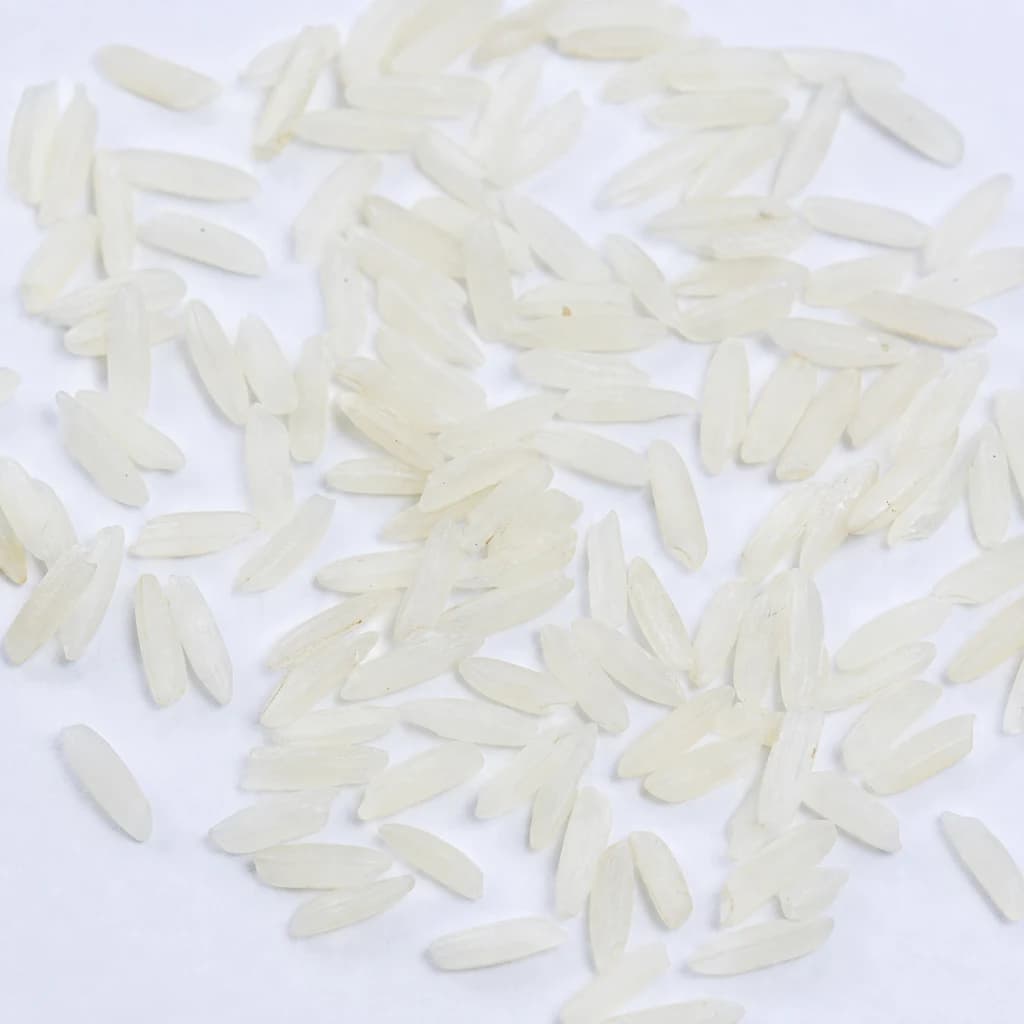
Jasmine Rice
Soft, floral-scented rice that's the pillar of Thai meals
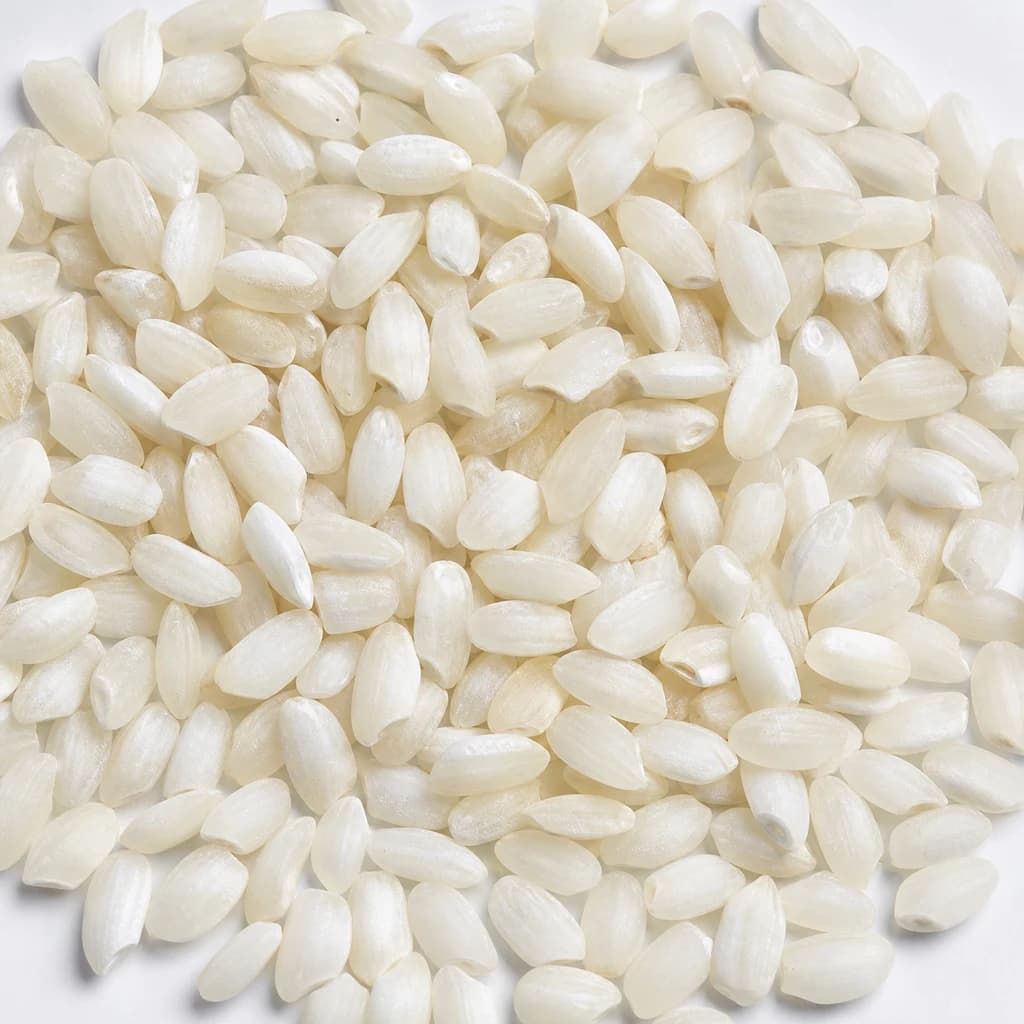
Arborio Rice
Plump, starchy rice that makes risotto creamy
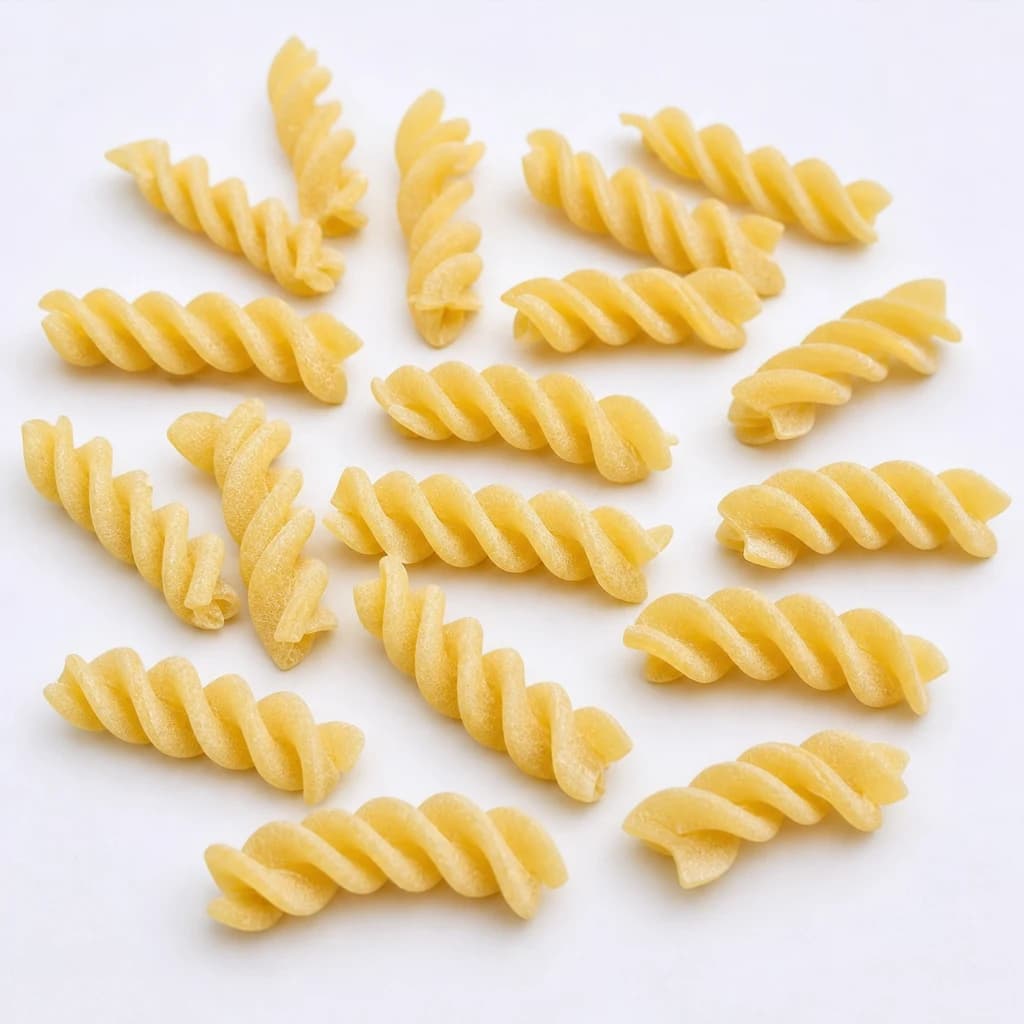
Fusilli
Spiraled pasta that twirls up sauce and dresses cold salads
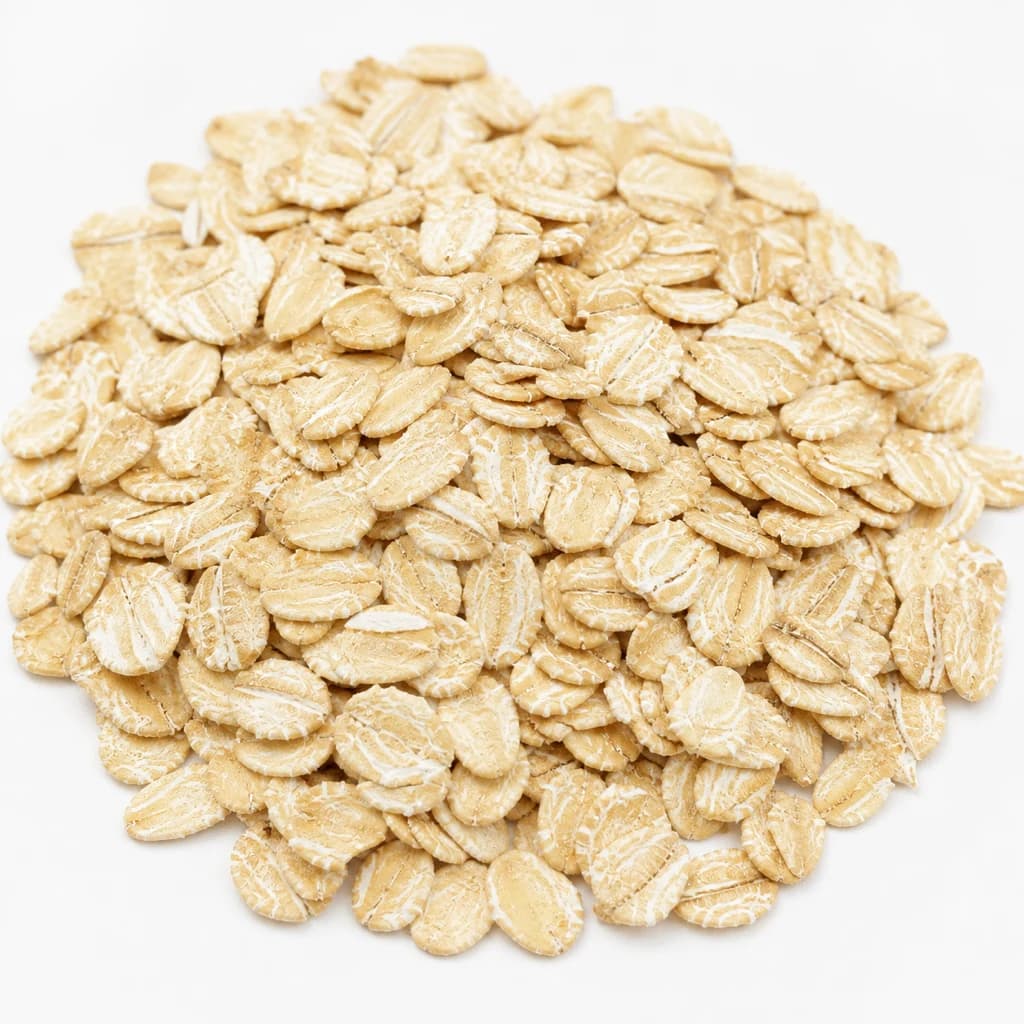
Rolled Oats
Hearty flakes for porridge, granola, and chewy cookies