Grains & Rice
Fufu
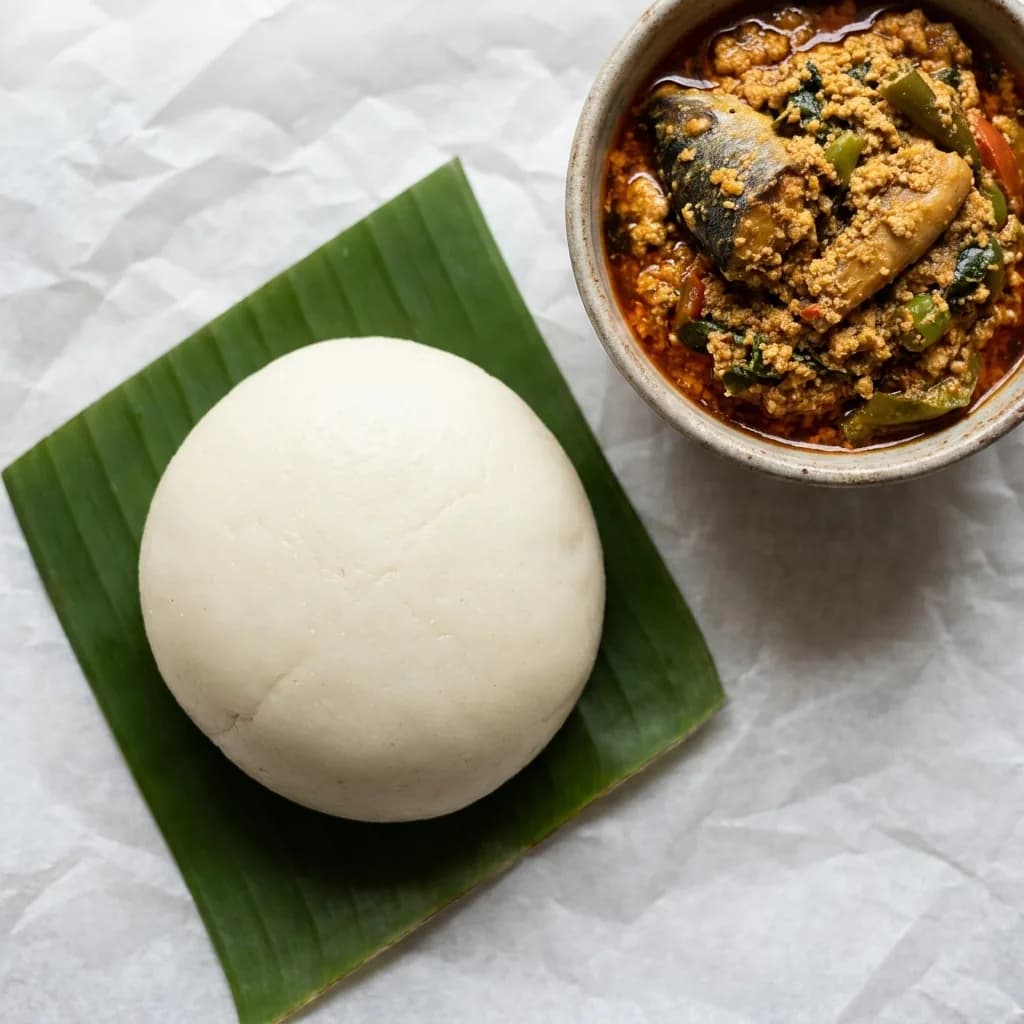
Soft, stretchy West African staple dough pounded from cassava, plantain or yam, eaten with soups and stews.
Fufu is a smooth, elastic dough that is a staple across West and Central Africa, traditionally made by boiling and pounding starchy roots like cassava, yam or plantain. It is rolled into balls and used to scoop up rich soups and stews such as egusi or light soup. Modern versions use instant fufu flour, but the prized texture is soft, stretchy and lightly tangy.
Fufu is a dense, elastic dough prepared by pounding boiled starchy roots or fruits until smooth and pliable. It is not a single ingredient but a preparation method applied to cassava, yam, plantain, or cocoyam—each base yielding a slightly different texture and subtle flavor. The pounding process, which can take fifteen to thirty minutes of vigorous work, develops the characteristic stretchiness that lets fufu be pulled apart and used as an edible utensil to scoop soups. In West and Central Africa, particularly Ghana, Nigeria, Cameroon, and the Congo, fufu anchors the midday and evening meal: a family gathers around a shared bowl, each person tearing off a portion, dipping it into a thick, richly seasoned soup, and eating communally. The neutral flavor of fufu makes it a canvas—the taste of the meal comes entirely from what surrounds it, which is why the soup is never an afterthought. Properly made fufu should be smooth and resilient, pulling away cleanly without sticking to fingers or the pestle, and it stiffens quickly once removed from heat, which is why it is always served immediately.
- Measured in
- g
- Storage
- Fridge
Types & varieties
Most widespread variety; cassava must be properly processed to remove cyanogenic glucosides before use. White to cream-colored when prepared.
Particularly common in Nigeria and Ghana; made from yellow or white yam. Slightly denser and more aromatic than cassava fufu.
Made from unripe plantain; slightly sweeter; common in Sierra Leone and parts of Ghana.
Made from taro/cocoyam; denser texture; popular in Cameroon and parts of Nigeria.
Cousin to fufu from Côte d'Ivoire; fermented cassava semolina (not pounded), served similarly with fish and sauces.
Broad term used in Congo and Caribbean diaspora communities for pounded starchy foods similar to or synonymous with fufu.
Cassava and Cyanide: Why Processing Matters
Cassava contains cyanogenic glucosides that release hydrogen cyanide when the cell walls are broken. Unprocessed or improperly processed cassava can cause acute poisoning or, with chronic exposure, konzo—a permanent neurological condition. Traditional processing involves soaking peeled cassava in water for 24–72 hours to allow natural fermentation to break down the compounds, followed by thorough rinsing and cooking. Fermentation is essential; parboiling alone reduces but does not eliminate cyanogenic compounds. Commercially available fufu flour is typically pre-fermented and processed, making it safer and faster to use. Never substitute raw, unprocessed cassava in any fufu recipe.
- Soak cassava in water for at least 24 hours, changing water 2–3 times
- Parboiling alone is insufficient; fermentation is required for full detoxification
- Commercial cassava fufu flour is pre-processed and safe to use directly
- Discard soaking water completely and never use it for cooking
The Elastic Texture: Understanding the Science
The stretchy, pliable quality of fufu comes from mechanical working of starches, not from gluten—there is no gluten in any of the starchy bases used. When cassava, yam, or plantain cells are broken down by pounding, starch granules are released and then hydrated and aligned by the folding and pressing motion. This process creates a matrix that traps steam and water, giving fufu its characteristic pull. The texture develops only through sustained, vigorous pounding; rushing or under-working produces a lumpy, uneven dough that falls apart in the soup. The reserved cooking water, rich in dissolved starch, is added incrementally during pounding to achieve the correct consistency—too dry and the fufu cracks; too wet and it becomes gluey.
- The stretch comes from mechanical starch work, not gluten
- Consistent, vigorous pounding is non-negotiable for proper texture
- Reserved cooking water controls hydration during pounding
- Fufu is done when it pulls cleanly from the pestle without sticking
Common uses
Tips & pitfalls
- Add boiling water gradually when mixing cassava flour to avoid lumps; stir vigorously with a wooden spoon or paddle until smooth.
- For traditional pounded fufu, keep the mortar and pestle well-oiled and warm to prevent sticking.
- The dough is ready when it pulls cleanly from the pestle and holds its shape without sticking to your fingers.
- Never add cold water while pounding—it creates a gummy, uneven texture.
- If using instant fufu flour, bloom it in cold water first, then cook, stirring constantly to prevent lumps.
- For yam fufu, use only firm, unblemished yams; soft or sprouted yams produce a gluey result.
- A thick soup is essential—thin soups fall through the dense dough. Reduce your soup until it coats a spoon.
- Commercially processed cassava fufu flour is pre-soaked and fermented, reducing cyanide content and prep time.
Nutrition
Nutrition
No USDA FoodData Central match for Fufu yet. We surface a per-100 g profile once a generic whole-food entry is matched and verified.
In the shops
Matched grocery products
No matched grocery products for Fufu yet.
Good to know
- Origin
- West and Central Africa; documented across Ghana, Nigeria, Cameroon, and Congo
- Main Ingredients
- Cassava, yam, plantain, or cocoyam (taro)
- Traditional Equipment
- Large mortar and pestle (or fufu pot)
- Typical Serving Size
- 1–2 balls per person (roughly 150–250g prepared)
- Storage
- Refrigerate up to 2 days; best fresh. Instant flour can be stored dry for months.
- Flavor
- Mild, neutral starch; the taste comes entirely from accompanying soups
- Difficulty
- Moderate to high (traditional pounding requires technique and stamina)
- Prep Time
- 45–90 minutes total (boiling: 30–60 min; pounding: 15–30 min)
- Cultural Role
- Daily staple; eaten communally with soups at lunch and dinner
Substitutes
- Instant fufu flour — Pre-processed cassava or yam flour; just cook with water. Convenient but slightly less elastic than freshly pounded.
- Pounded cocoyam — Similar dense, elastic texture; works with the same soups.
- Starch thickener (tapioca/cassava starch) — Not a direct substitute—the texture differs—but can stretch a batch in emergencies.
Pairs with
Also called
Fermented Cassava Dough · Foufou · Foofoo
Appears in these dishes
Related

White Rice
Fluffy long-grain rice — the neutral base for almost any meal

White Bread
Soft sandwich loaf for toast, sandwiches, and crumbs
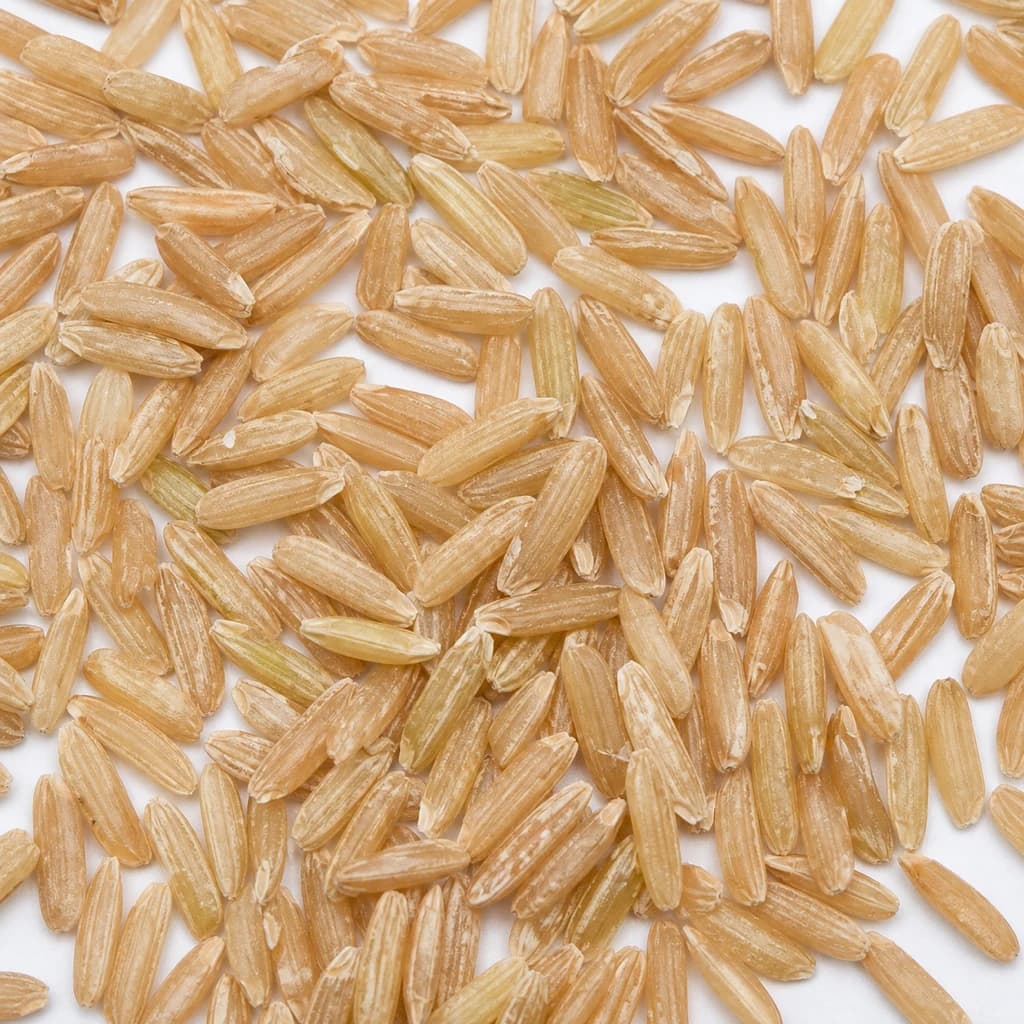
Brown Rice
Nutty, whole-grain rice with chew and extra fiber

Basmati Rice
Fragrant, long-grain rice that cooks up light and separate
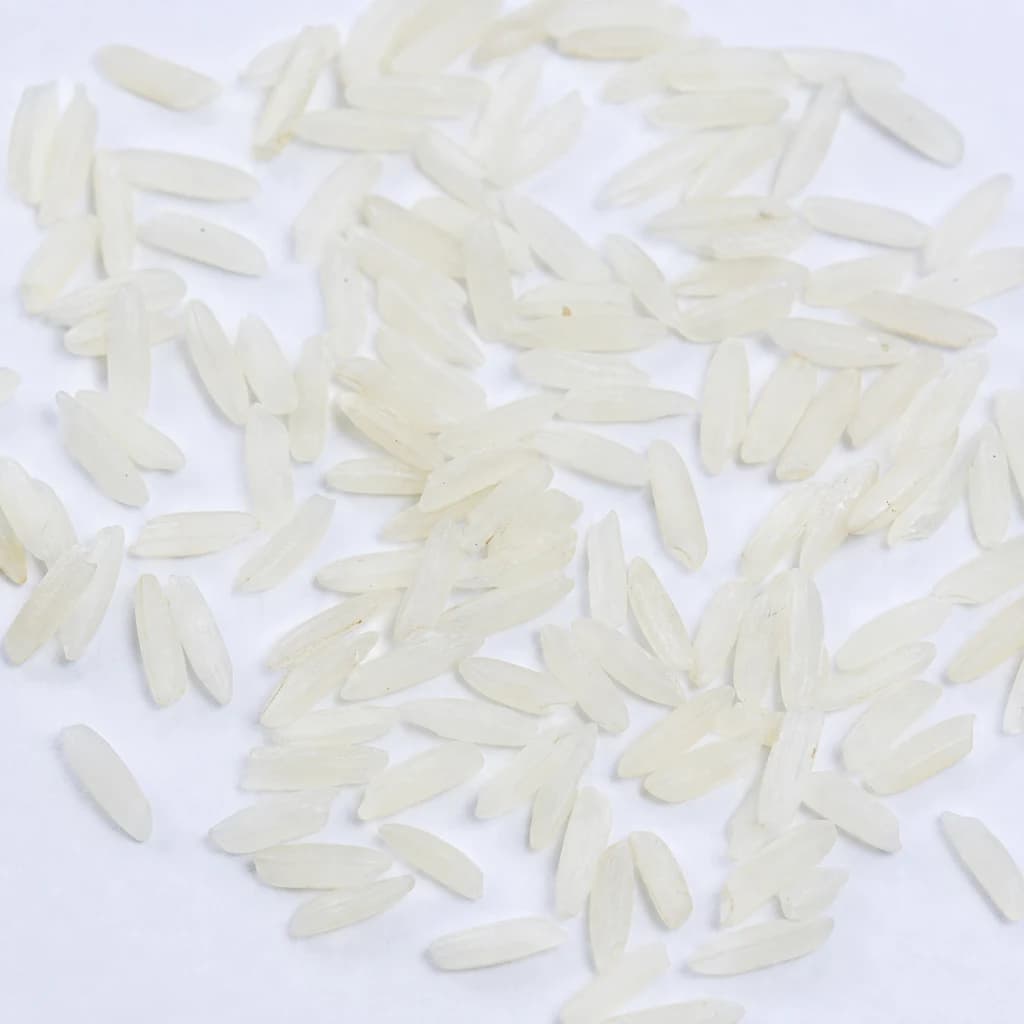
Jasmine Rice
Soft, floral-scented rice that's the pillar of Thai meals
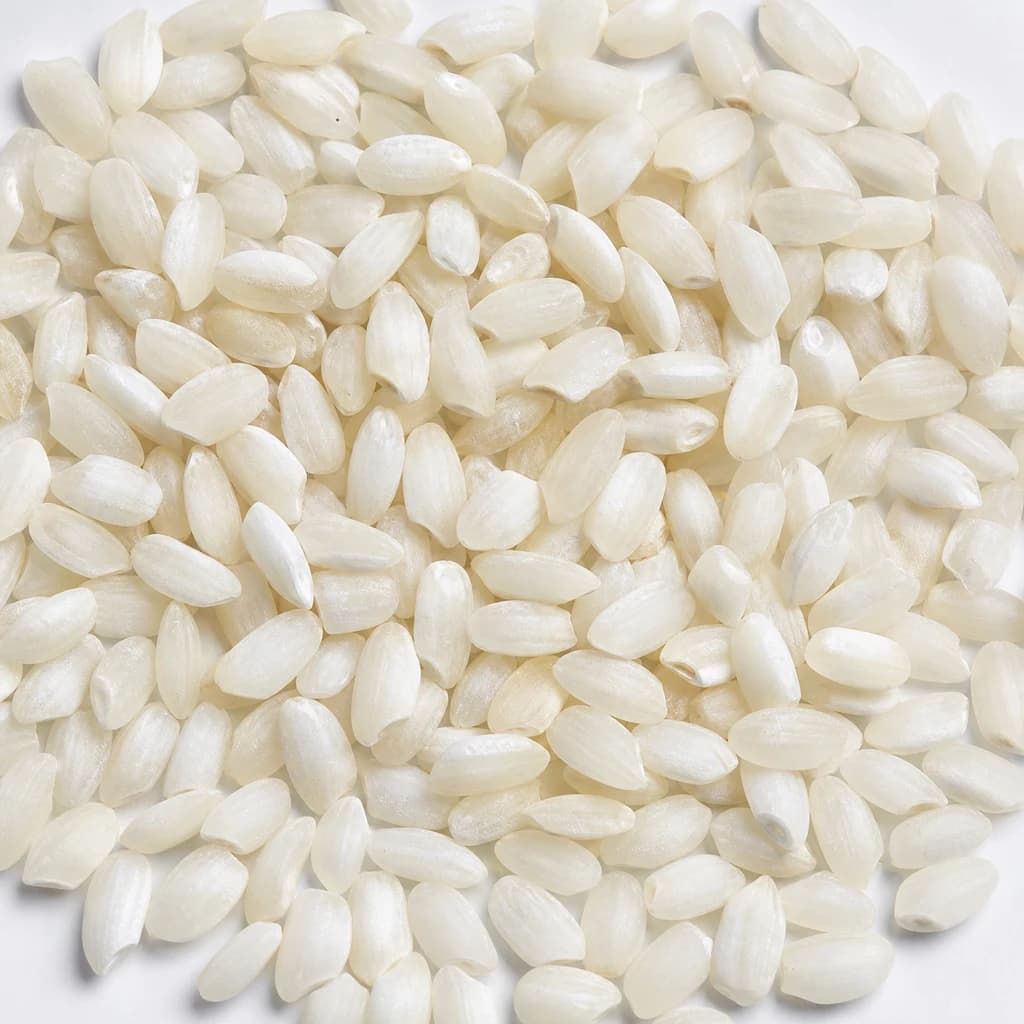
Arborio Rice
Plump, starchy rice that makes risotto creamy
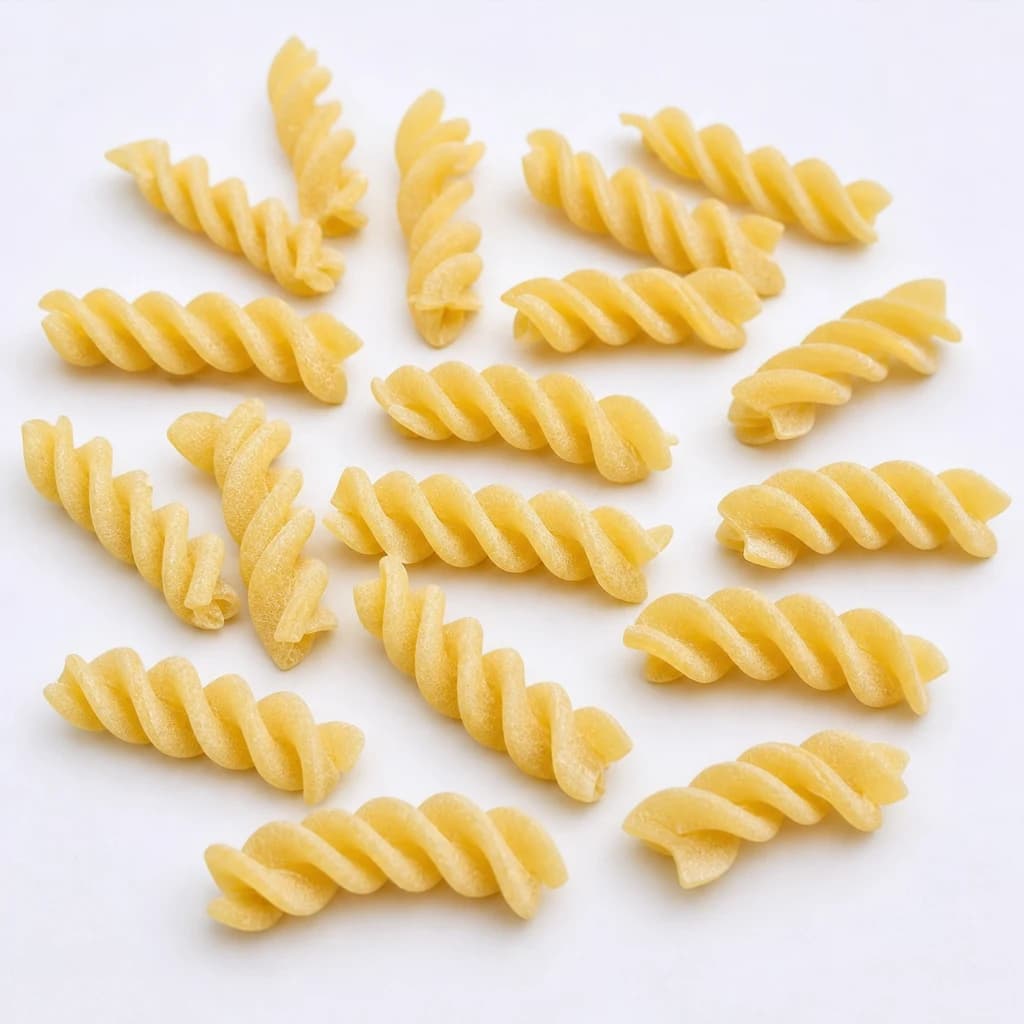
Fusilli
Spiraled pasta that twirls up sauce and dresses cold salads
Rolled Oats
Hearty flakes for porridge, granola, and chewy cookies