Grains & Rice
Attiéké
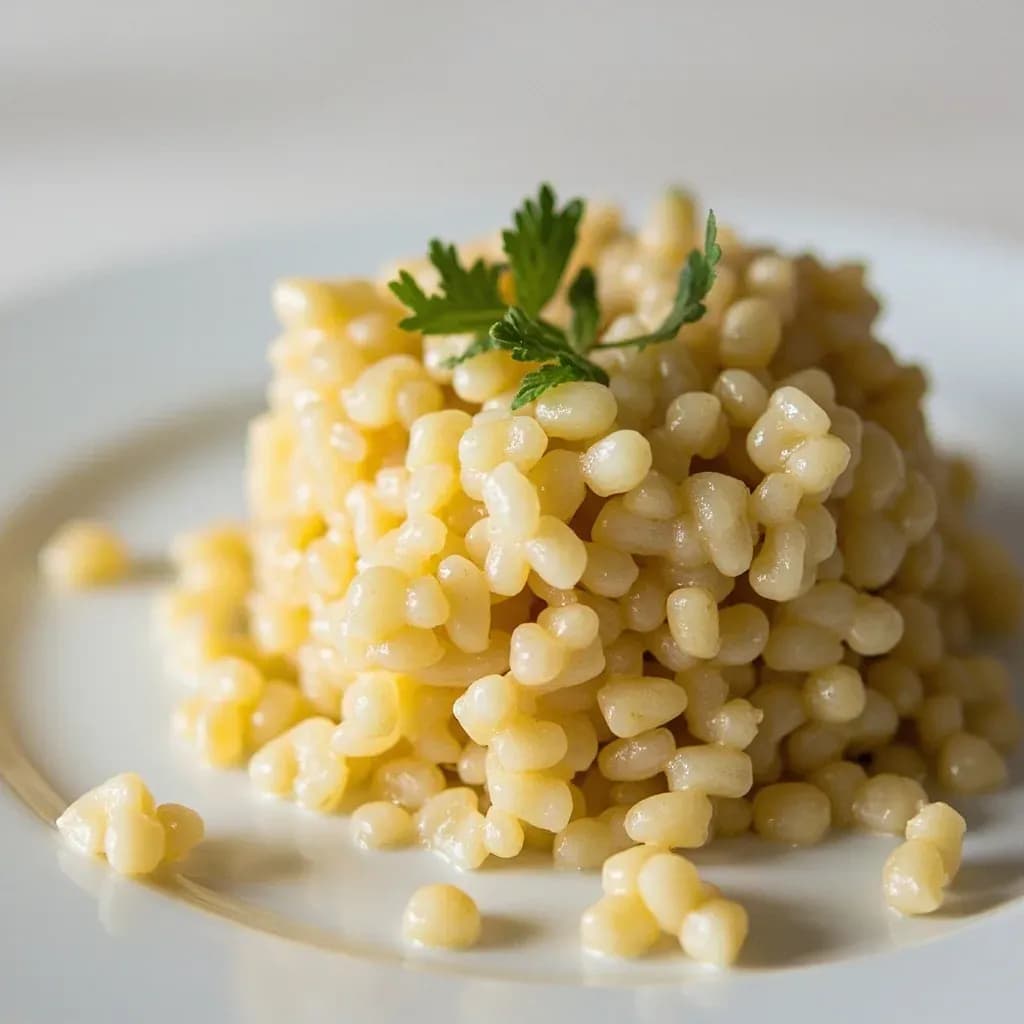
Ivorian fermented, steamed cassava couscous served alongside grilled fish and meat.
Attiéké is a staple of Côte d'Ivoire made from fermented, grated cassava that is granulated and steamed into light couscous-like pellets. It is served as an accompaniment to grilled fish, chicken and sauces, often with onions, tomato and chili. Naturally gluten-free, it has a faint pleasant tang from the fermentation.
Attiéké is a fermented, steamed cassava preparation that ranks among Côte d'Ivoire's most beloved foods. Made by fermenting freshly processed cassava paste for several days—traditionally by women producers—the mixture is then grated into granules and steamed in a couscoussier until light and fluffy. The fermentation is far more than a flavoring step: it uses lactic acid bacteria to develop the characteristic tangy, slightly sour taste while simultaneously breaking down cyanogenic glucosides, compounds that are naturally present in cassava and toxic if consumed untreated. This dual purpose makes fermentation both a culinary and a food-safety imperative. The result is a dry, granular, couscous-like side dish with a mild cassava sweetness beneath the sour note. Attiéké is deeply woven into daily Ivorian life, particularly in Abidjan and along the coastal Lagune region, where it is prepared fresh daily in most households and sold by weight in markets. Industrially produced attiéké has spread across Francophone West Africa, but quality varies widely—traditional market versions made in small batches generally outperform packaged substitutes. It is the quintessential partner for grilled poisson braisé, absorbing the char and acidity while providing textural relief, and it appears at virtually every celebration and everyday meal in Ivorian coastal communities.
- Measured in
- g
- Storage
- Fridge
Types & varieties
Standard grade; coarser granules, shorter fermentation; most commonly sold in markets and the workhorse of everyday cooking
Finer granules, longer fermentation; superior texture and flavor; often sold wrapped in banana leaves at a higher price
Sun-dried for extended shelf life; must be rehydrated before steaming; commonly exported and found in specialty African grocery stores outside West Africa
Why fermentation is non-negotiable
The lactic acid fermentation that defines attiéké serves two critical purposes that no shortcut can replicate. First, it develops the characteristic sour-tangy flavor that distinguishes attiéké from plain cassava products. Second, and more importantly, fermentation breaks down cyanogenic glucosides—primarily linamarin and lotaustralin—which are naturally present in cassava root and release hydrogen cyanide when metabolized by the human body. Unfermented cassava prepared the same way can cause acute cyanide poisoning, leading to symptoms from dizziness to respiratory failure. Traditional attiéké fermentation over 3–5 days reduces these compounds to safe levels. Commercial operations sometimes use accelerated fermentation or chemical treatments, which produces a product that is safe but often lacks the depth of flavor achieved through traditional methods. If you encounter a strongly ammonia-like smell, the fermentation overstepped—reduce the next batch by 12–24 hours.
- Never attempt to make attiéké from unfermented cassava paste—it is unsafe and the texture will be gummy
- If using commercially produced dried attiéké, check whether the label indicates a fermentation step; some mass-market versions skip it
- The slight sourness should be clean and refreshing, not pungent or rotten-smelling
Fresh versus dried: what to buy and how to store
In Côte d'Ivoire, fresh attiéké is sold daily in markets and is the standard for quality. Granules should be slightly moist, white to cream-colored, and smell tangy without any ammonia or sour-rot notes. It is best used the same day or refrigerated for up to 3 days. Dried attiéké is the practical alternative outside West Africa: it keeps for several months in an airtight container and needs only rehydration before steaming. When buying dried attiéké, look for a reputable brand that specifies fermentation in the production process. Avoid products that are powdery or smell flat and starchy—they may be inadequately fermented or over-dried. Store dried attiéké away from strong odors, as it absorbs them readily.
- Rehydrate dried attiéké in warm water for 15–20 minutes; do not soak longer or it will become mushy and lose its granular structure
- Squeeze out excess water gently before steaming
- Fresh attiéké should be used within 24 hours of purchase for best flavor and texture
Common uses
Tips & pitfalls
- Steam in a couscoussier in batches rather than piling deep—steam must circulate evenly for uniform texture and fluffy granules
- Add a squeeze of lime or lemon juice after steaming to brighten flavor if fermentation was mild
- Never skip the fermentation step—unfermented cassava paste will be gummy and can contain harmful cyanogenic compounds
- Rehydrate dried attiéké with warm water for 15–20 minutes before steaming; do not over-soak or it becomes mushy
- Fluff with a fork immediately after steaming to release steam and prevent clumping
- Serve immediately after steaming—attiéké firms and dries undesirably if held too long
- If attiéké smells overly sour or ammonia-like, fermentation was too long—reduce next batch by 12–24 hours
- Classic Ivorian accompaniments: rough-chopped fresh tomato, onion, chili, and cucumber slices on the side
Nutrition
Energy
1573 kJ · per 100 g
Where the calories come from
Protein
12.8g
26% DV
Carbs
77.4g
28% DV
Fat
0.6g
1% DV
Fiber
5g
18% DV
Sodium
10mg
0% DV
Source · USDA FoodData Central · approx. Couscous, dry
View on FDC →In the shops
Matched grocery products
No matched grocery products for Attiéké yet.
Good to know
- Origin
- Côte d'Ivoire (Ivory Coast); associated with the Alladian and Ébrié peoples of Grand-Bassam and the Lagune region
- Primary ingredient
- Fermented cassava (Manihot esculenta)
- Color
- White to creamy yellow, depending on cassava variety and fermentation length
- Flavor
- Slightly sour and tangy from lactic acid fermentation; mild cassava sweetness underneath
- Texture
- Dry, granular, and fluffy when properly prepared; resembles couscous but slightly coarser
- Traditional equipment
- Couscoussier (steamer) with perforated insert; sometimes cooked wrapped in banana leaves
- Shelf life (fresh)
- 1–2 days at room temperature; 2–3 days refrigerated
- Shelf life (dried)
- Several months when dried thoroughly and stored in an airtight container
- Gluten-free
- Yes; naturally gluten-free
- Fermentation period
- Typically 3–5 days for traditional production
- Main protein accompaniments
- Grilled fish (poisson braisé), grilled chicken, Kedjenou, and Accra (cassava fritters)
- Regional importance
- National dish of Côte d'Ivoire; daily staple in Abidjan and coastal regions
- Production
- Primarily a cottage industry dominated by women; industrial production expanding across Francophone West Africa
Substitutes
- Gari (fermented cassava granules) — Closest flavor profile—also fermented cassava—with a tangy, slightly sour taste. Texture is noticeably drier and coarser. Gari is from a different culinary tradition (Nigeria, Ghana) but works as a practical substitute in a pinch.
- Couscous (wheat or corn) — Similar texture and use pattern, steams the same way. Lacks the fermented tang entirely, so add a squeeze of lemon or lime and a pinch of salt to approximate attiéké's flavor. Corn-based couscous is the only gluten-free option.
- Fufu or foutou (cassava or plantain) — Same cassava base but pounded rather than steamed, producing a dense, sticky dumpling rather than a fluffy granular side. Not a close substitute for attiéké specifically; better as a starch alternative in West African meals.
Pairs with
Also called
Fermented Cassava Couscous · Acheke
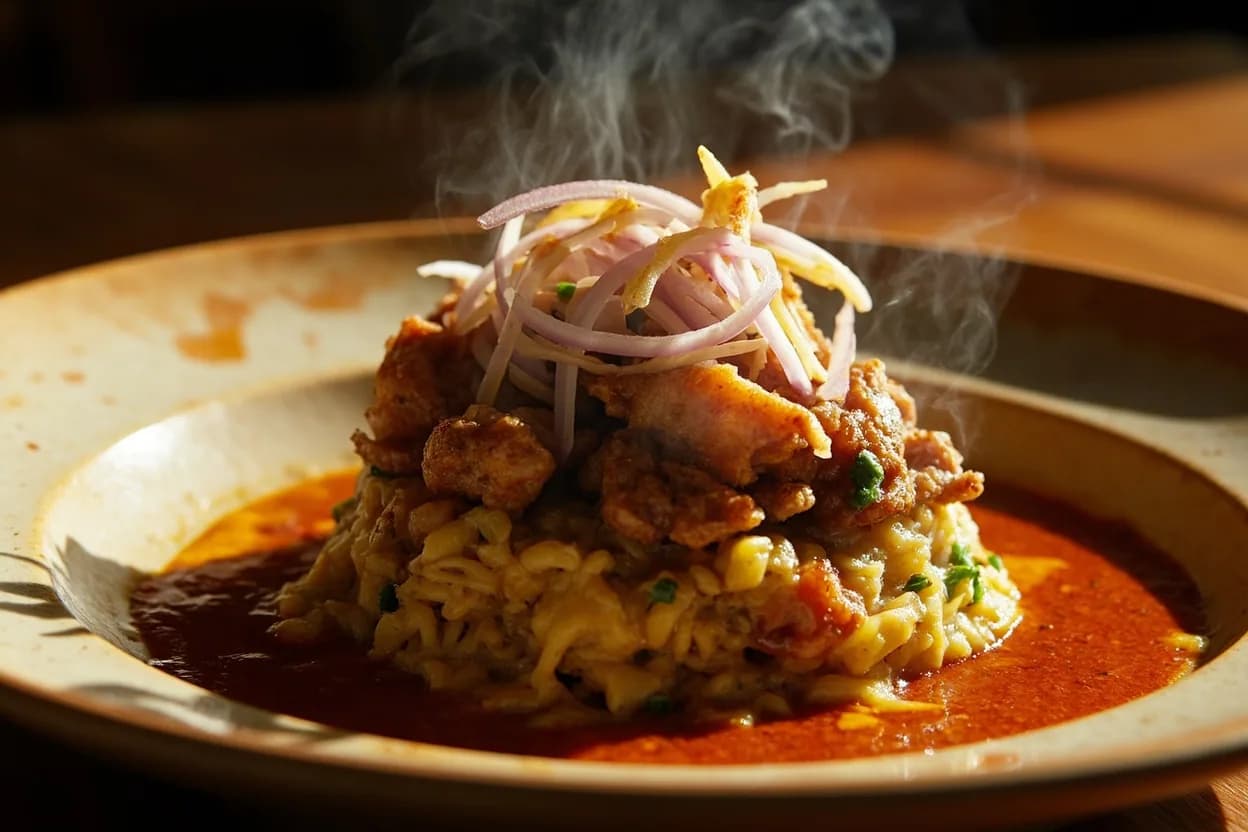
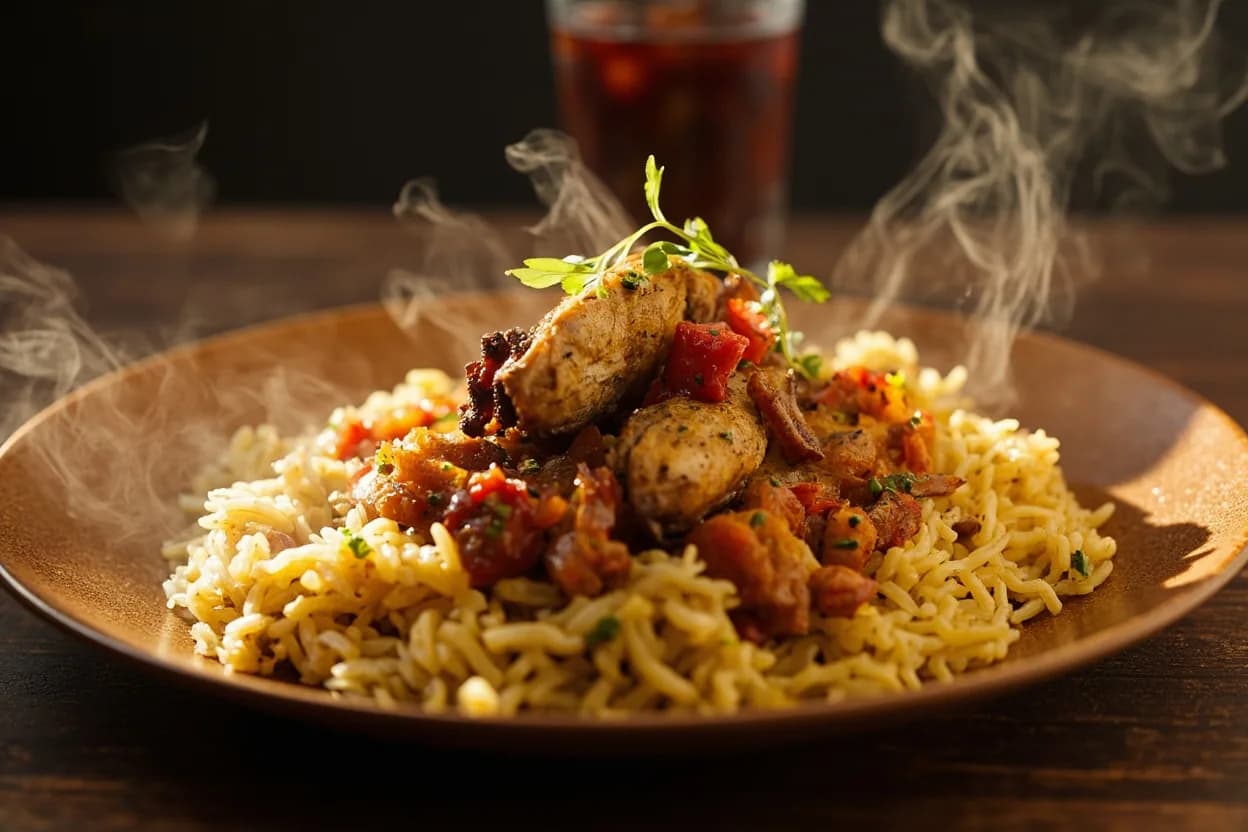
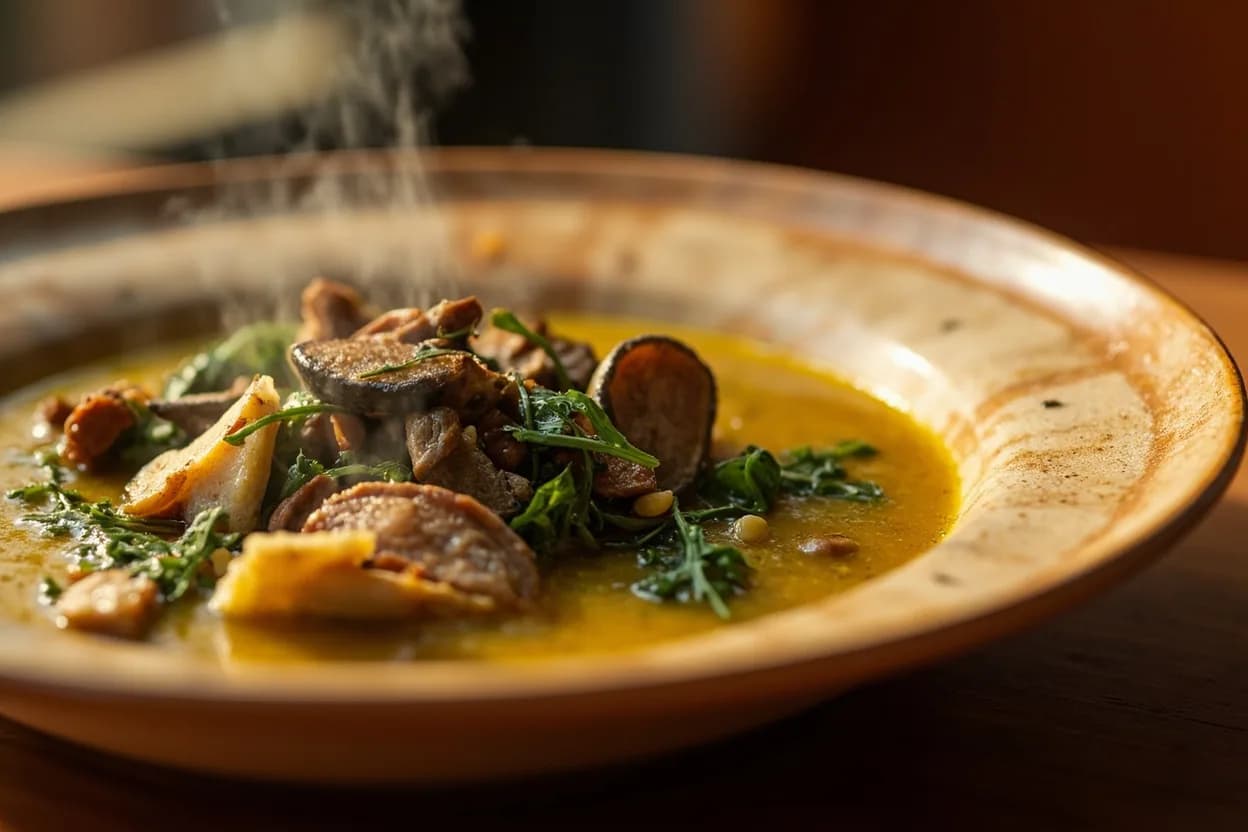
Appears in these dishes
Related

White Rice
Fluffy long-grain rice — the neutral base for almost any meal

White Bread
Soft sandwich loaf for toast, sandwiches, and crumbs
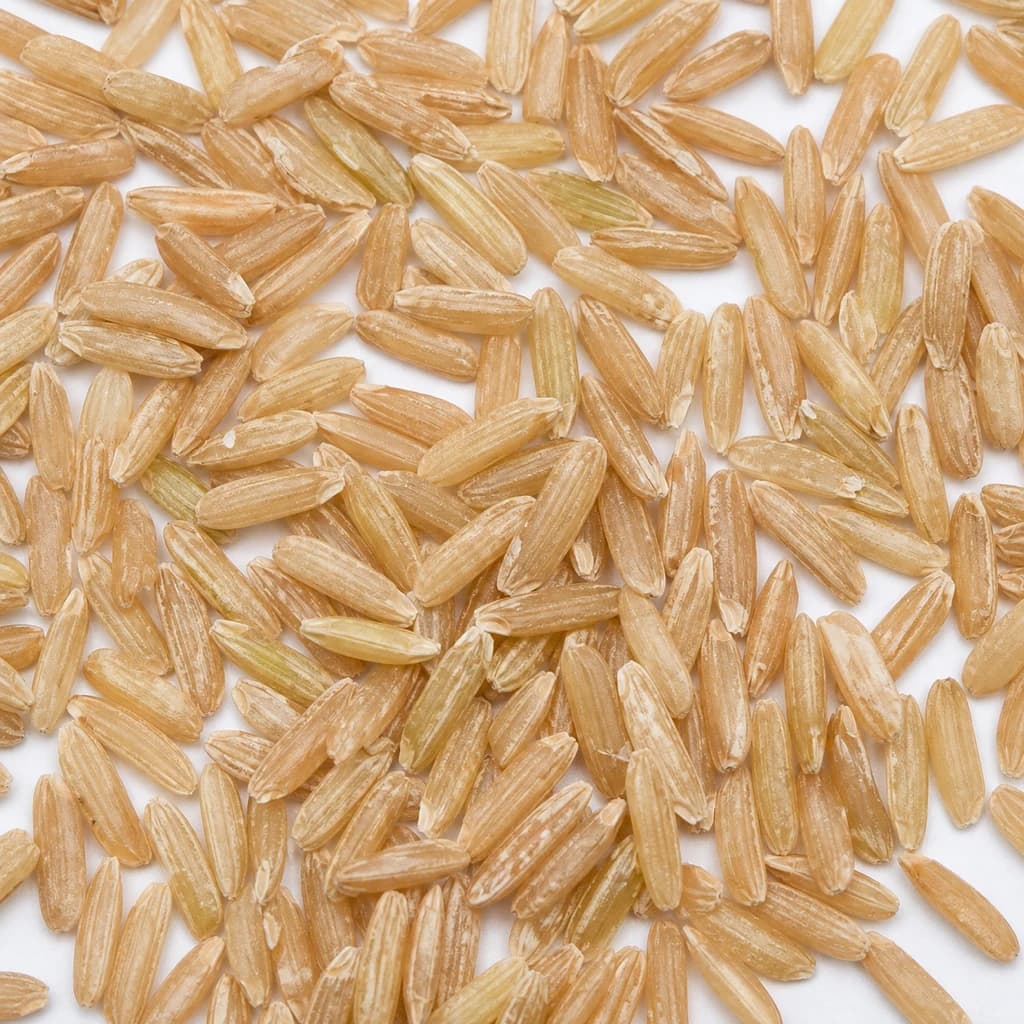
Brown Rice
Nutty, whole-grain rice with chew and extra fiber

Basmati Rice
Fragrant, long-grain rice that cooks up light and separate
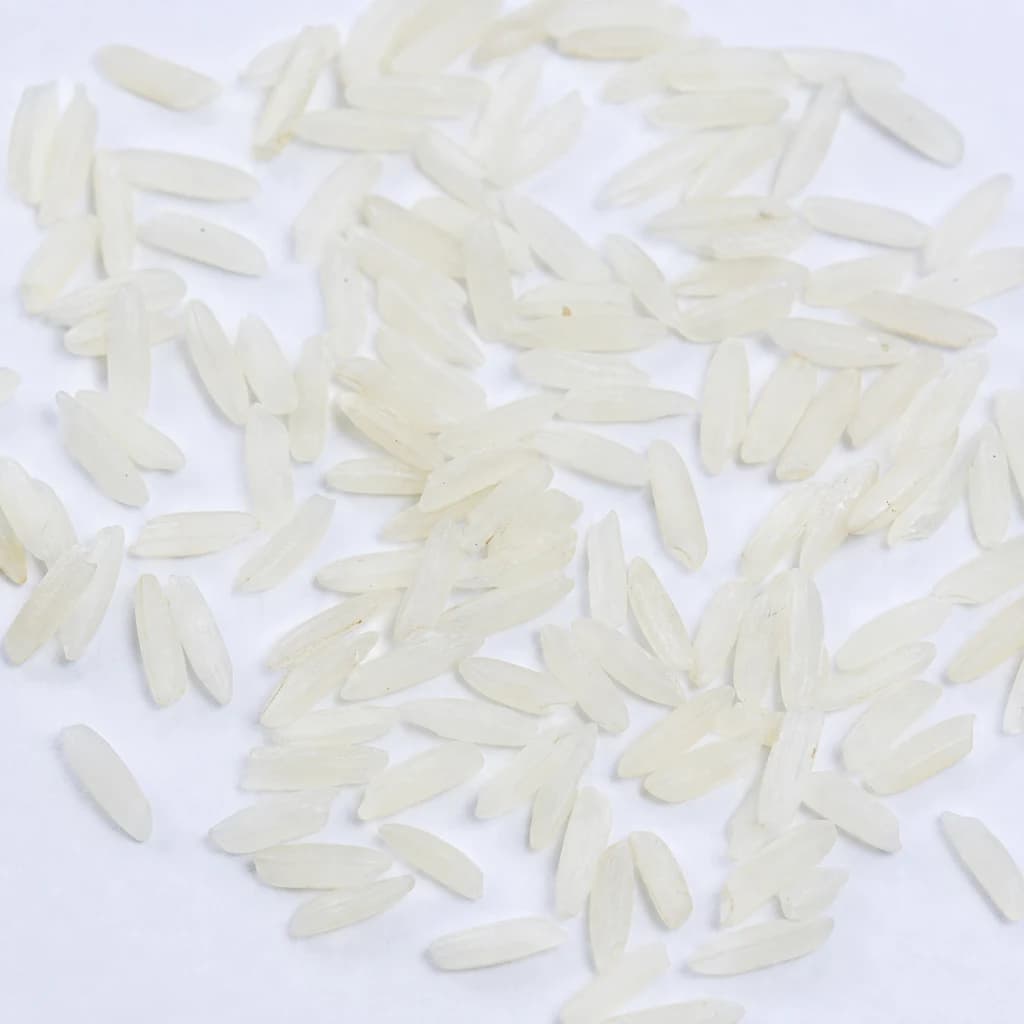
Jasmine Rice
Soft, floral-scented rice that's the pillar of Thai meals
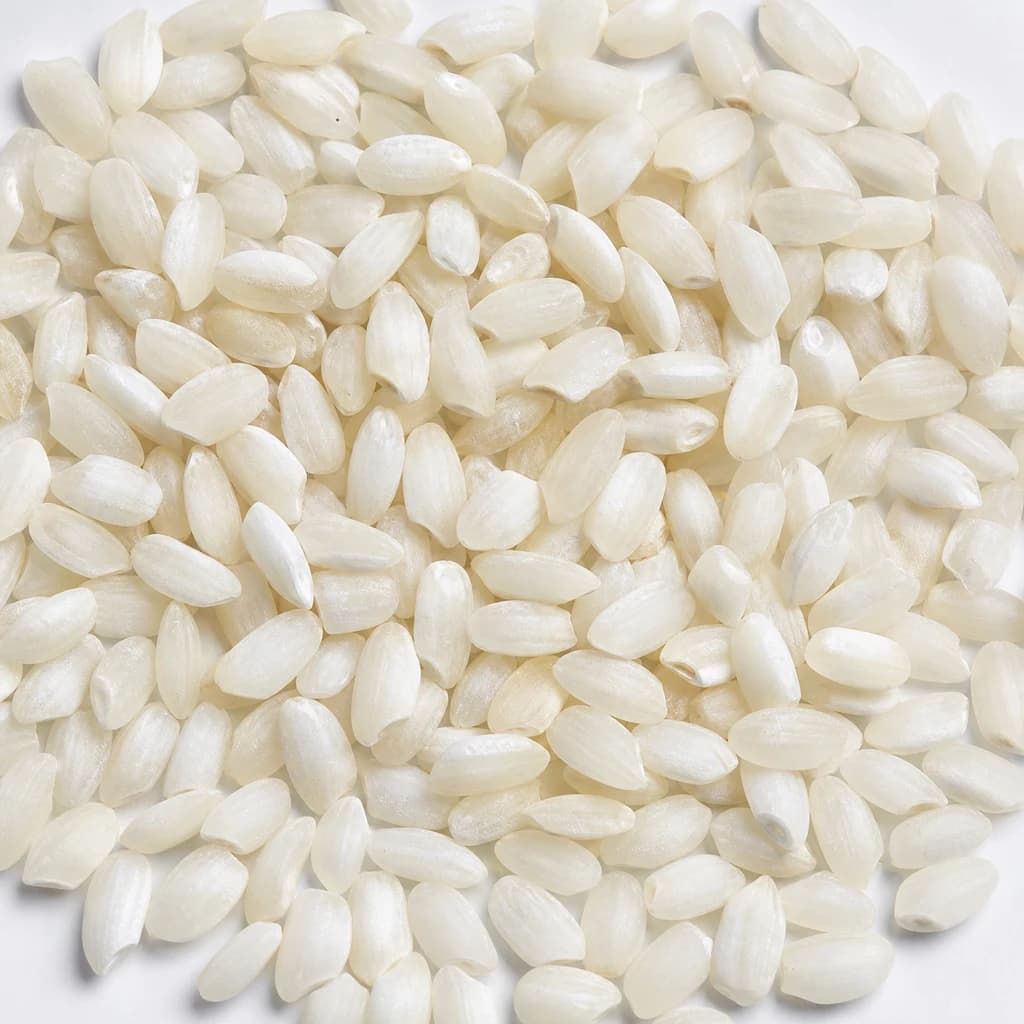
Arborio Rice
Plump, starchy rice that makes risotto creamy
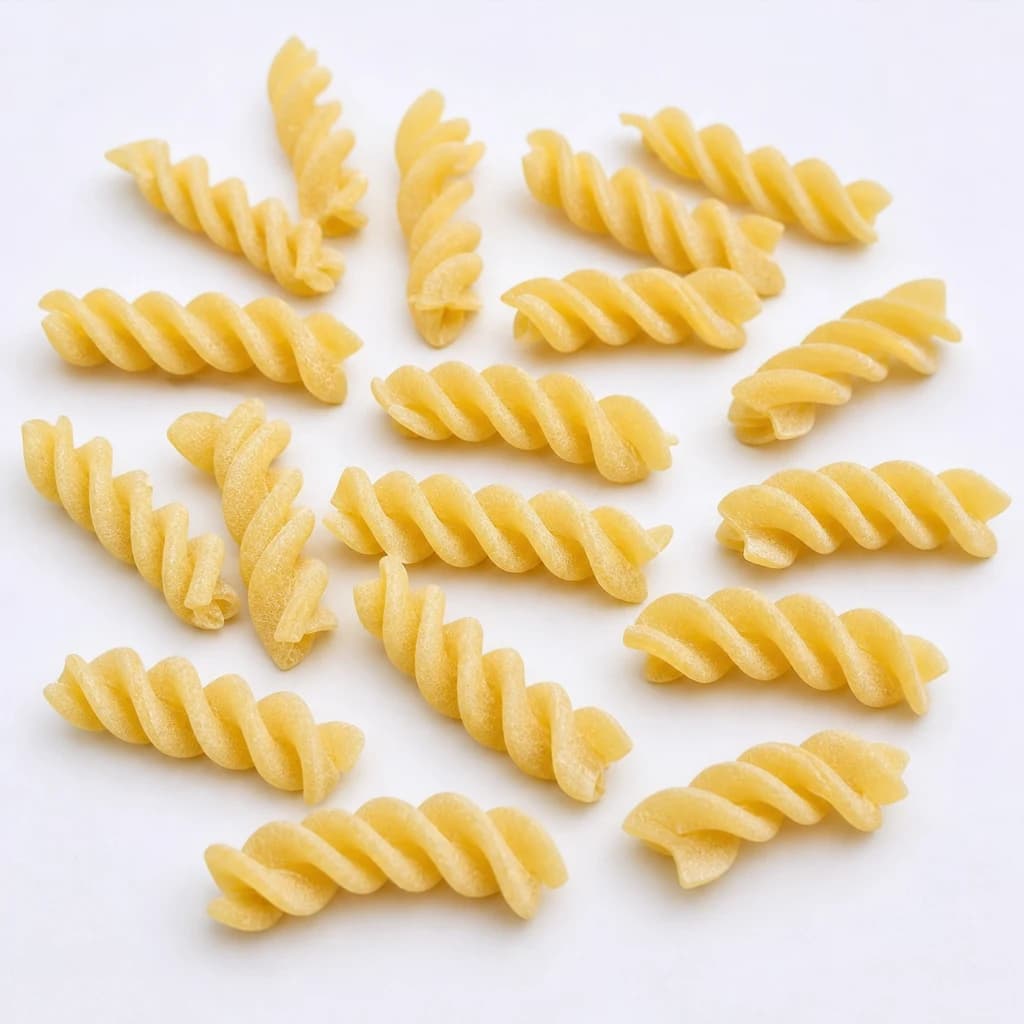
Fusilli
Spiraled pasta that twirls up sauce and dresses cold salads
Rolled Oats
Hearty flakes for porridge, granola, and chewy cookies